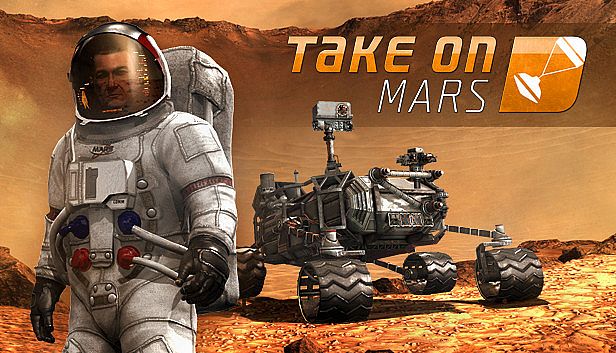












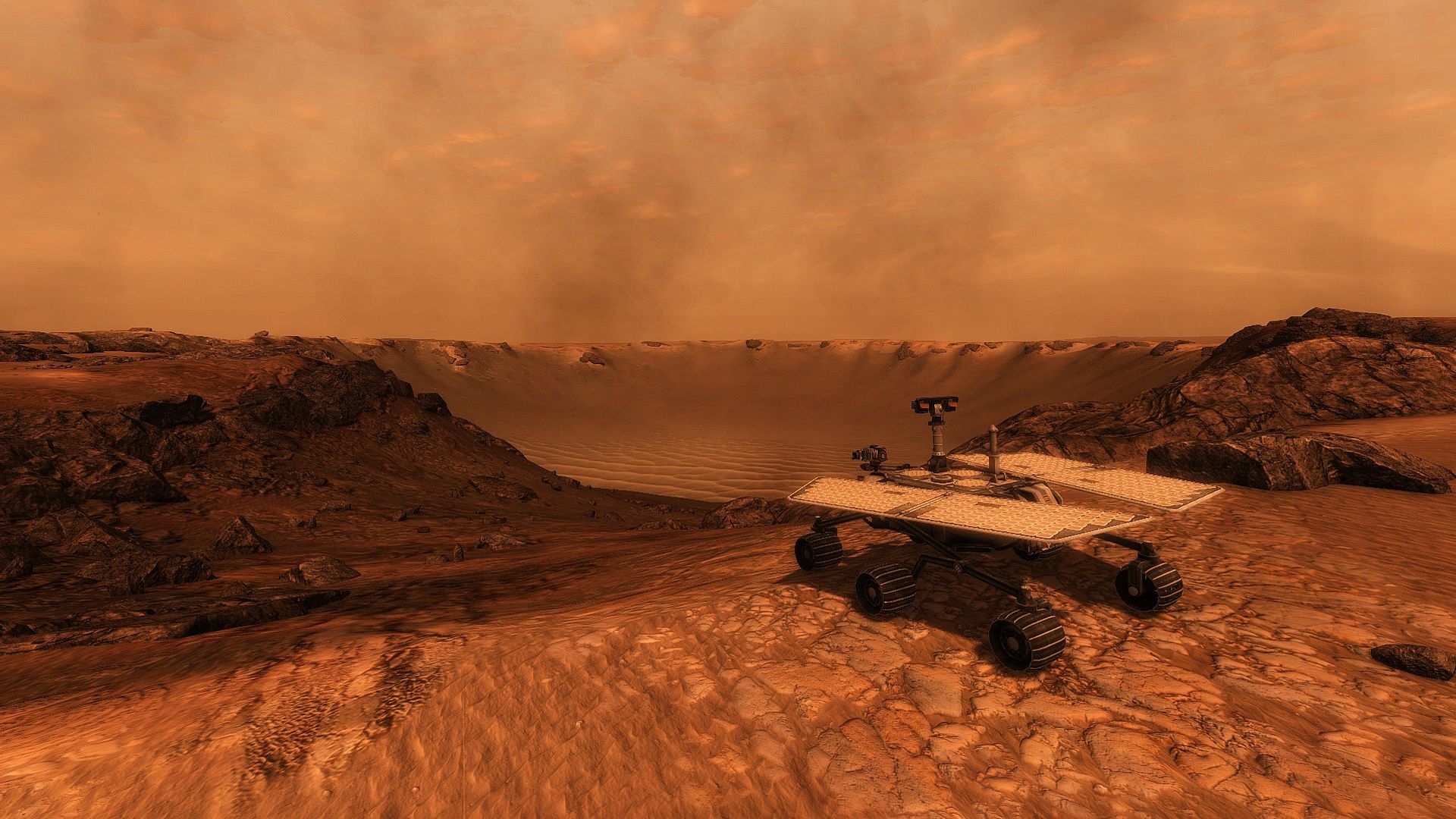
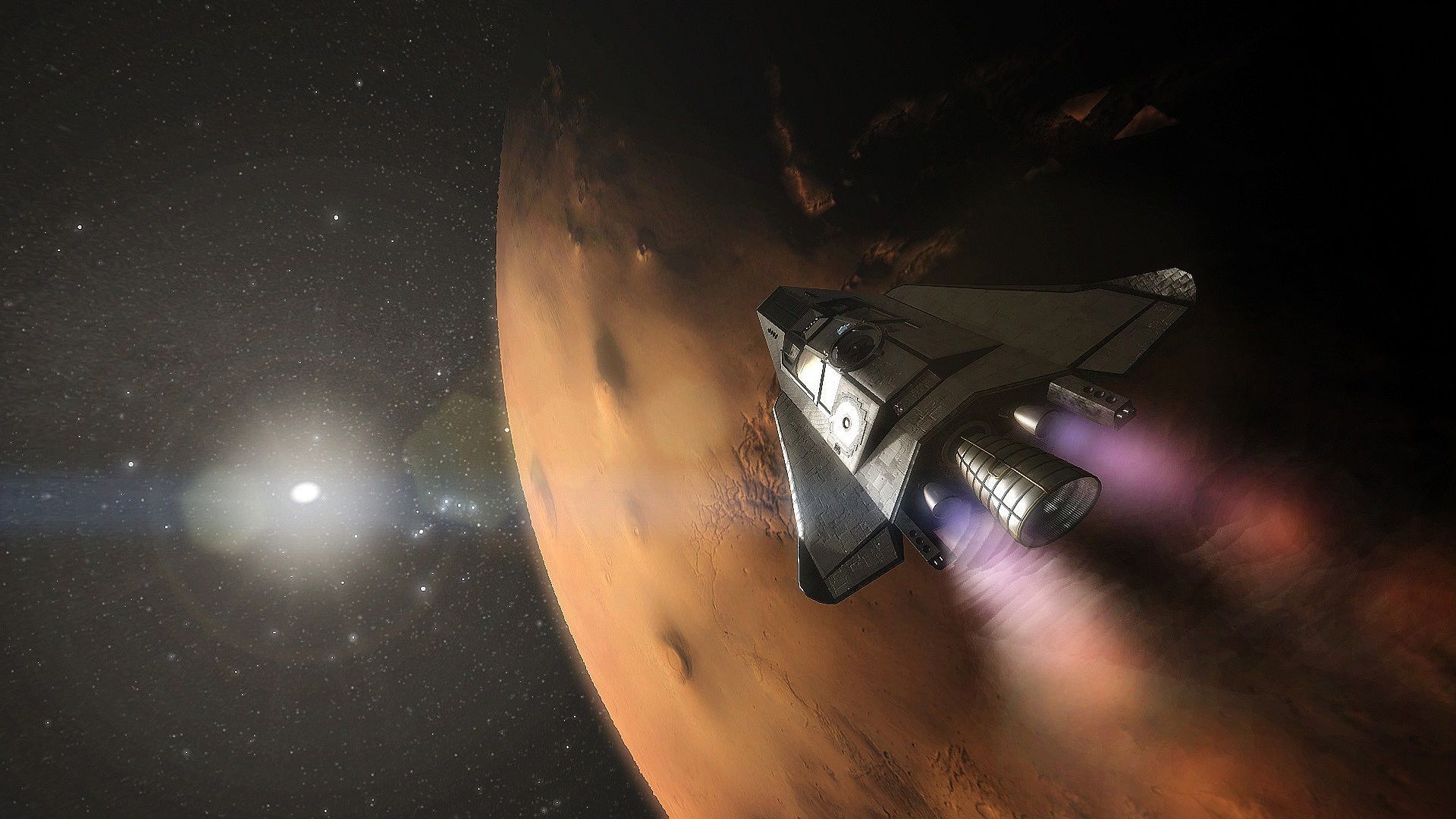
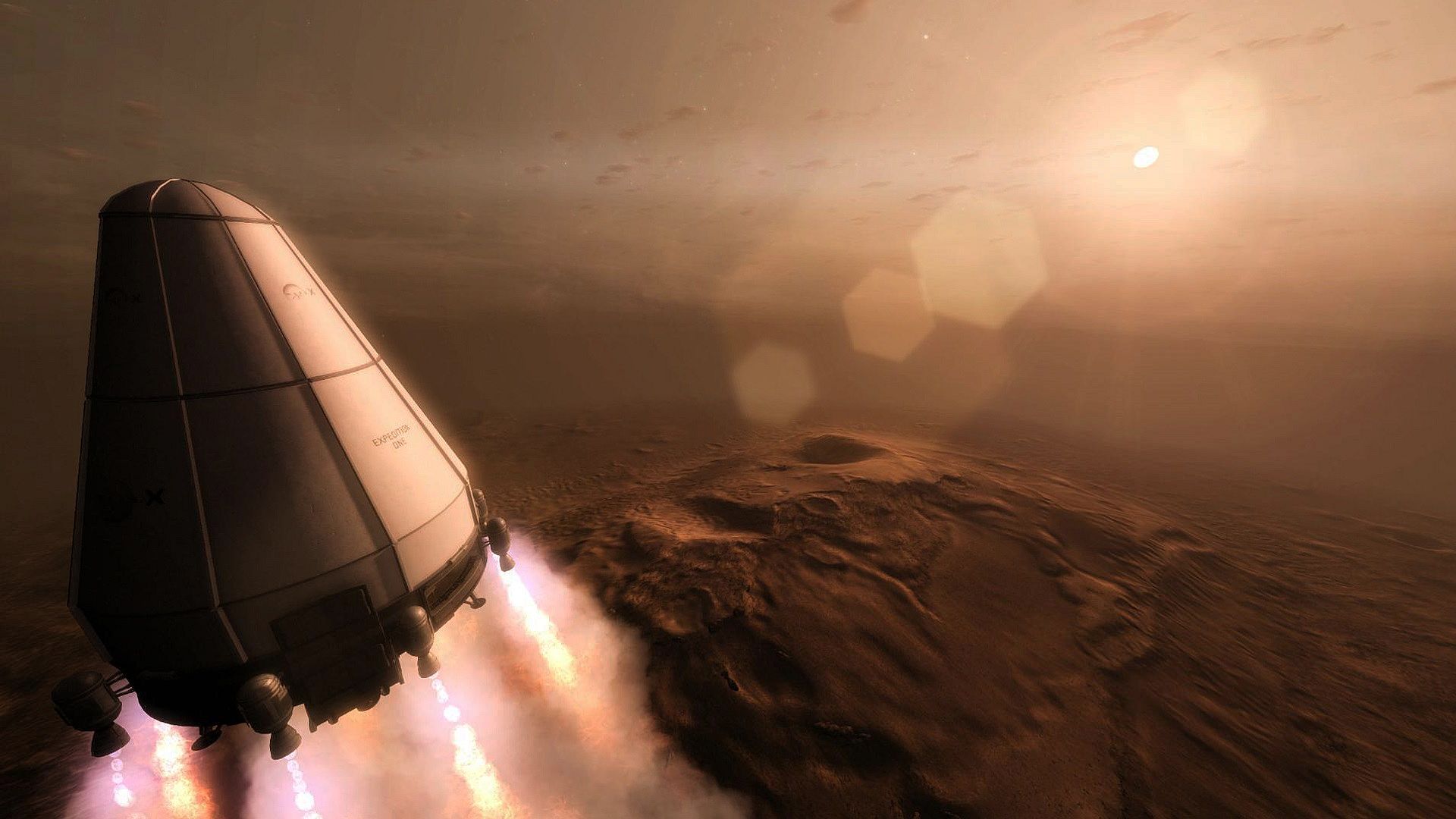
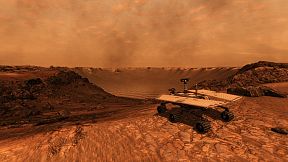
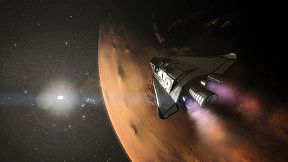
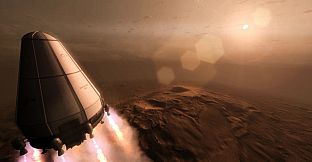
Take On Mars is a simulation game for PC that puts players in charge of exploring and eventually colonizing the Red Planet. Developed by Bohemia Interactive, it blends realistic physics and scientific objectives with direct control over vehicles and equipment. The experience spans robotic missions and human survival scenarios, all set against accurately modeled Martian terrain drawn from real satellite data.
Gameplay
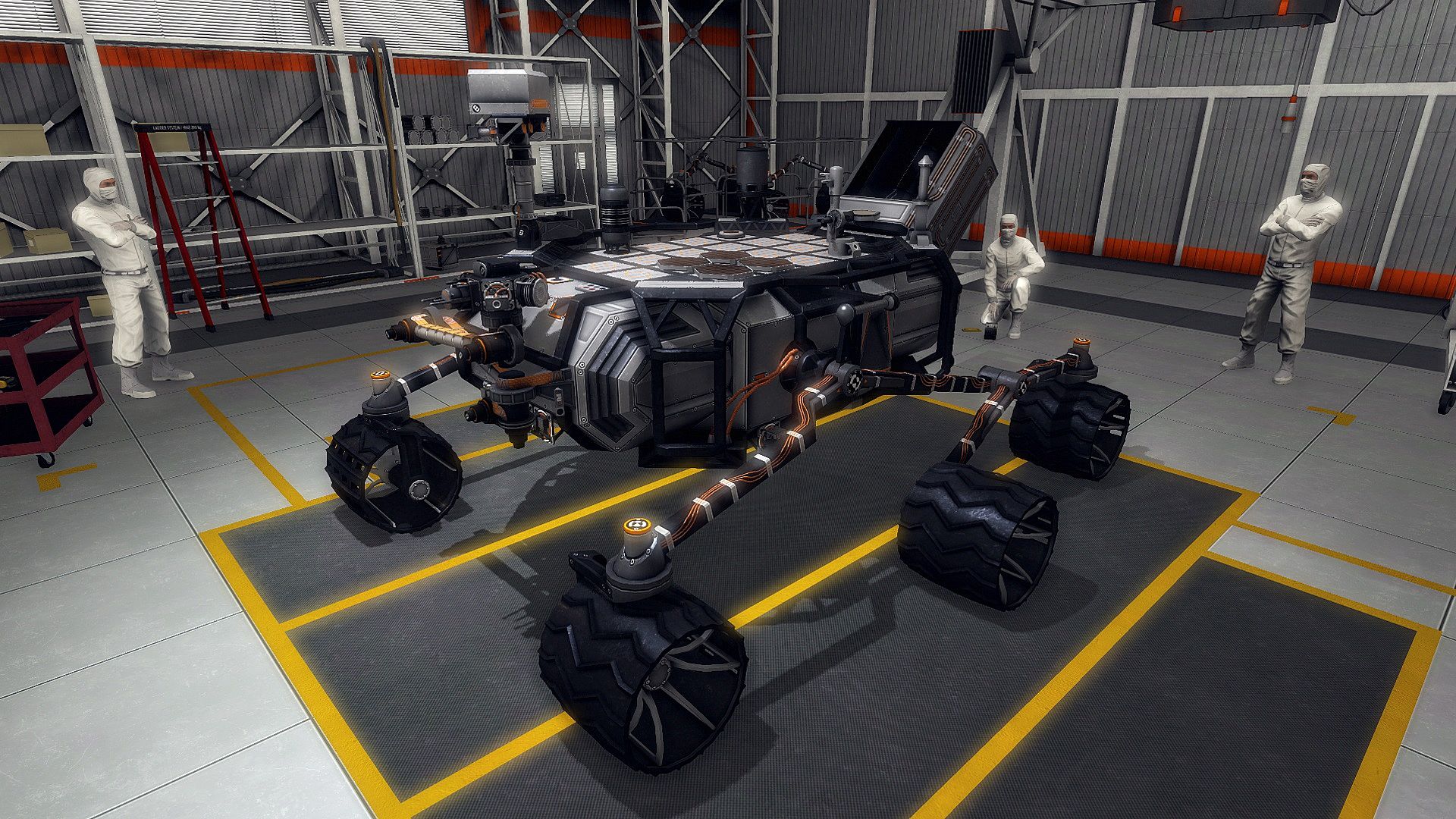
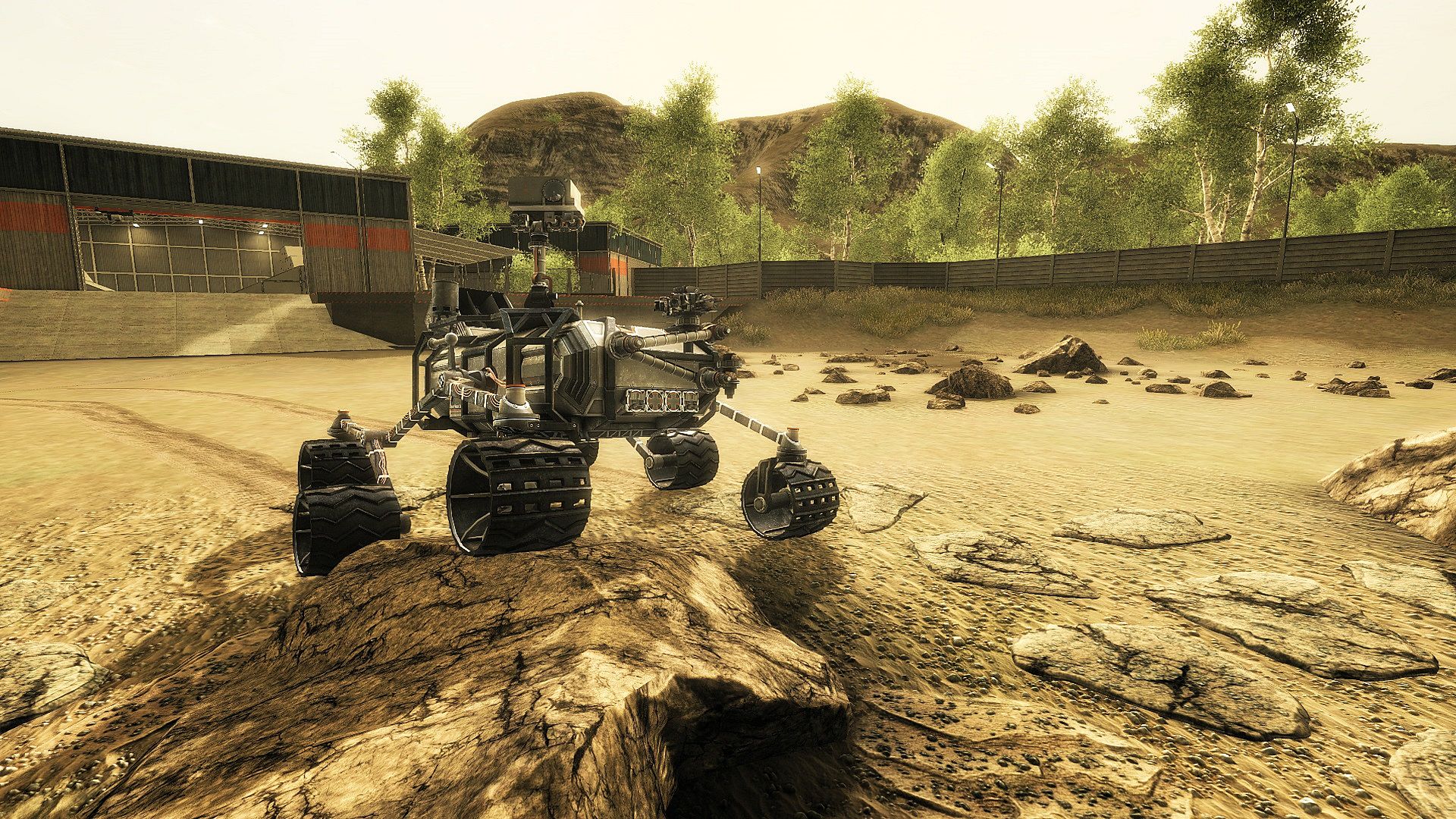
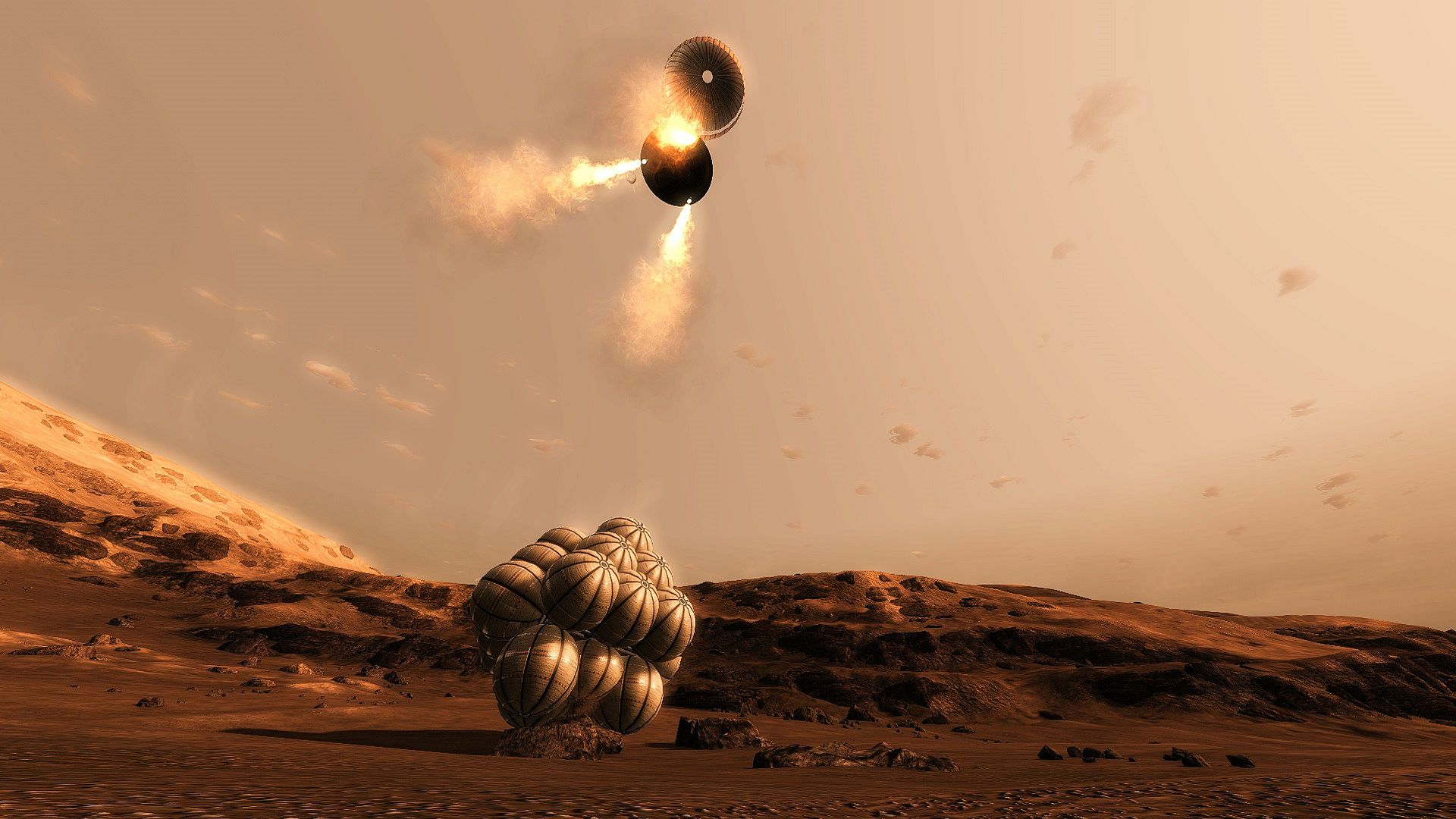
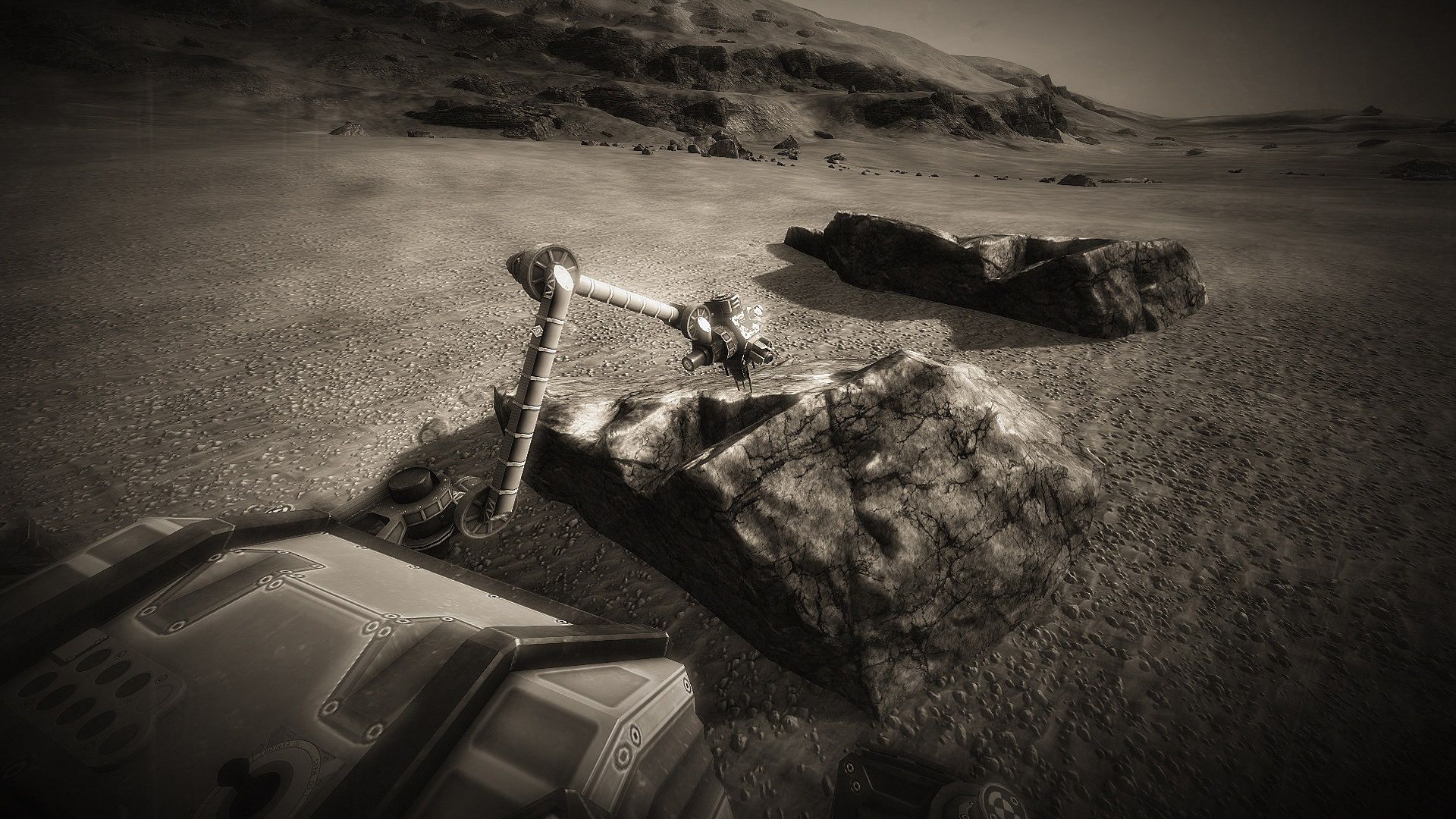
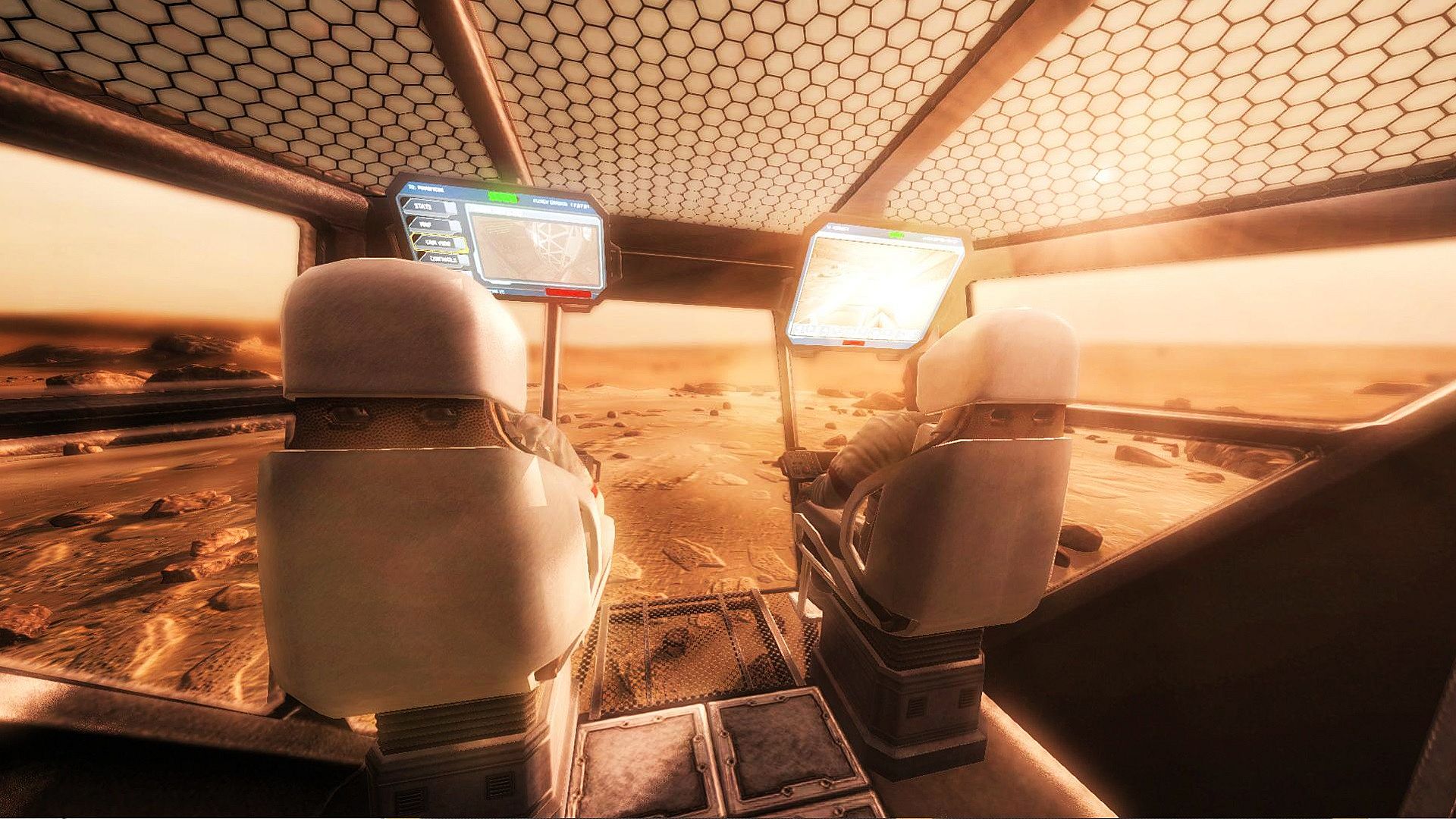
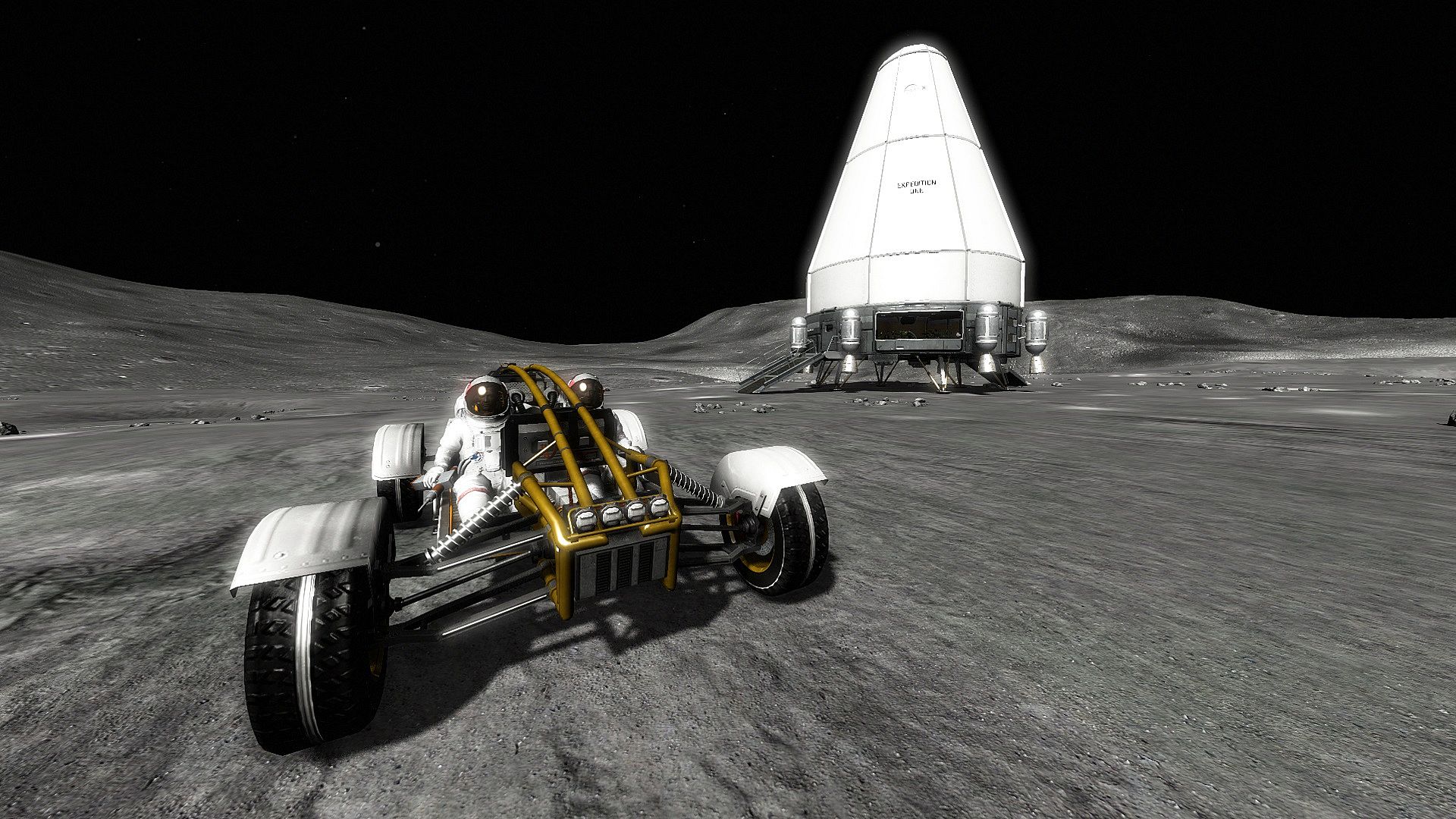
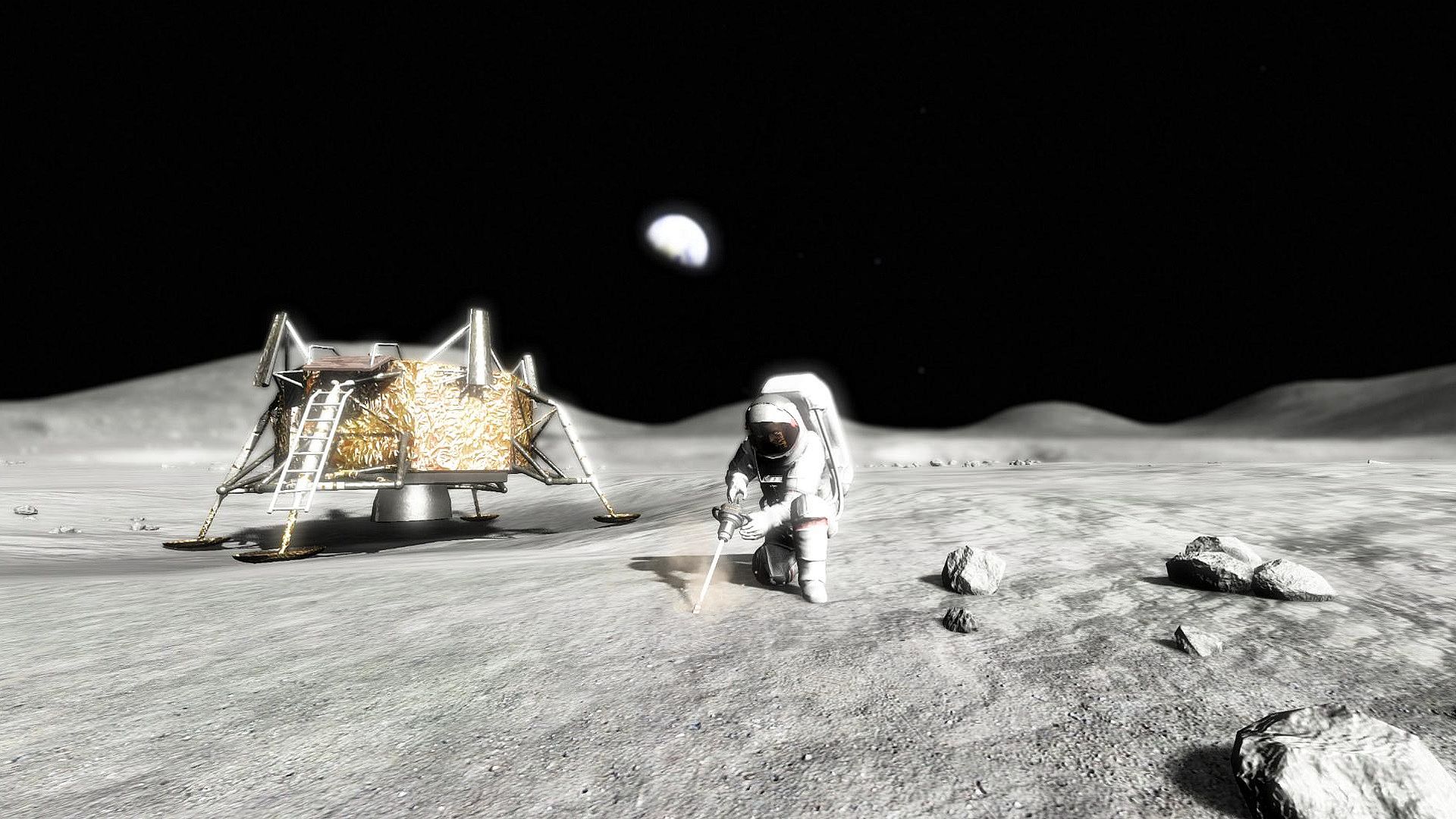
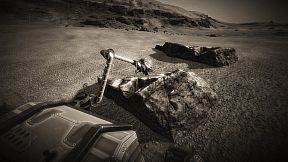
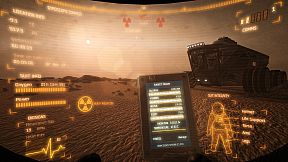
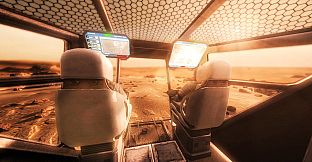
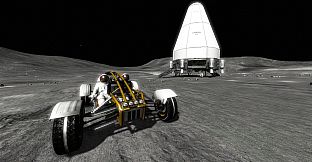
Core gameplay revolves around operating rovers, landers, and probes in real time. Players drive across rocky surfaces, deploy scientific instruments to collect samples and data, and manage vehicle systems under varying gravity conditions. Damage to individual components like wheels, arms, or cameras directly impacts handling and performance, requiring careful navigation and repairs.
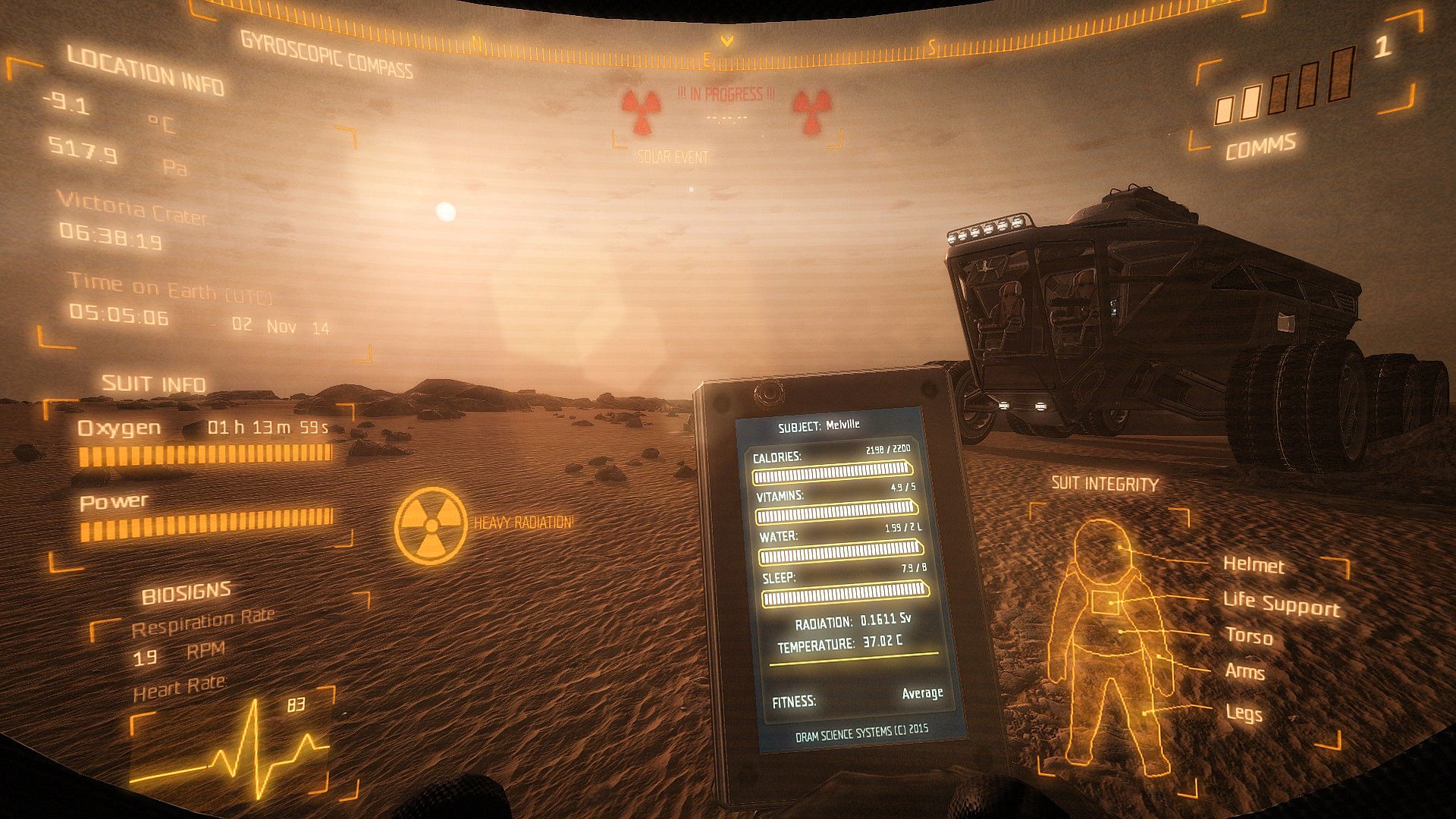
Research unlocks new technologies and equipment, expanding capabilities for deeper exploration. Environmental hazards such as sandstorms and radiation events add tension, forcing adaptive strategies during operations. Training missions introduce the controls and systems before tackling full objectives across locations like Gale Crater and Victoria Crater.
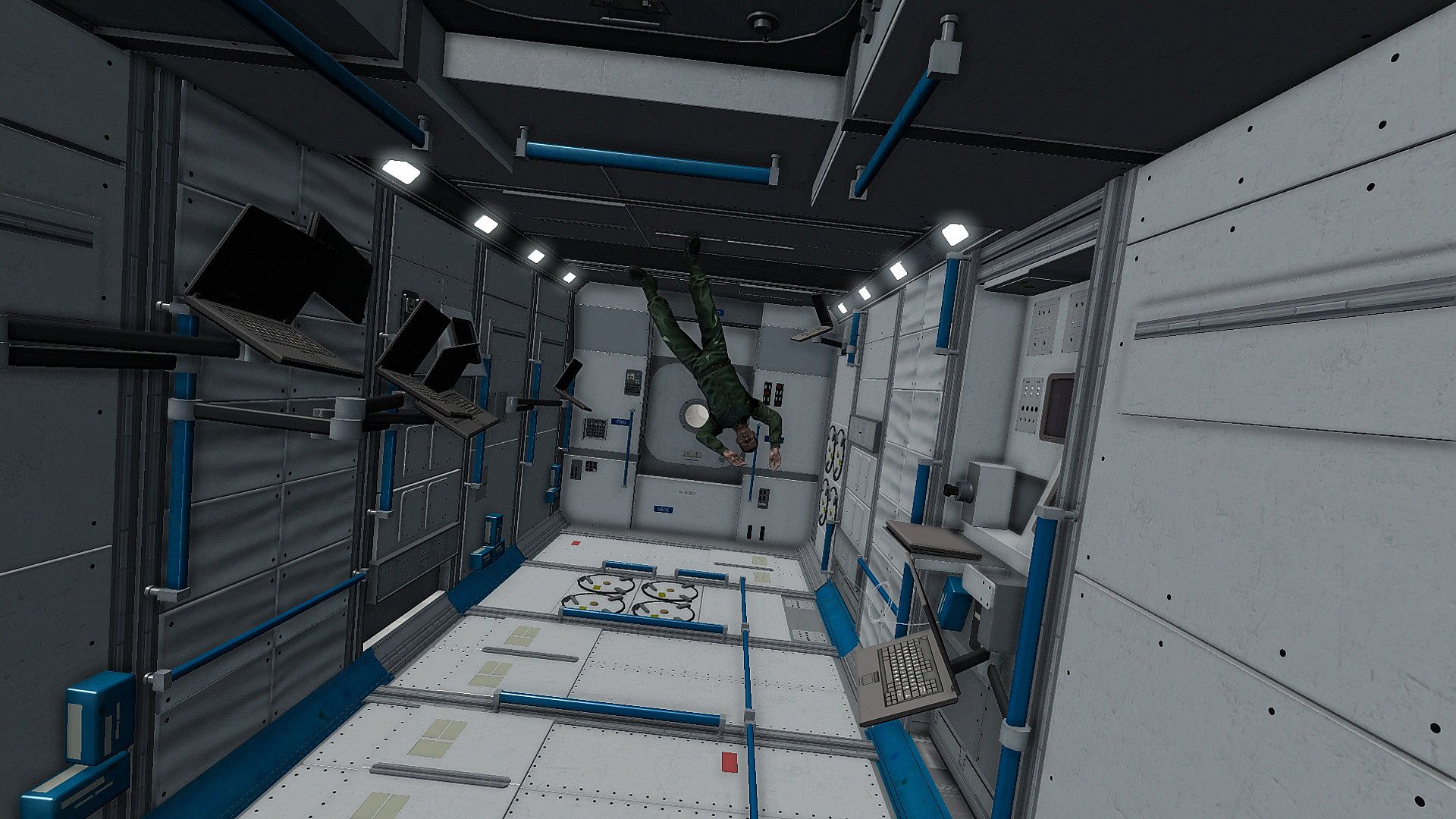
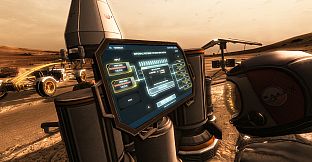
Advanced simulation extends to zero-gravity movement in orbit and on celestial bodies including Deimos. Players must account for power management, data transmission limits, and equipment customization to meet mission goals effectively.
Game Modes
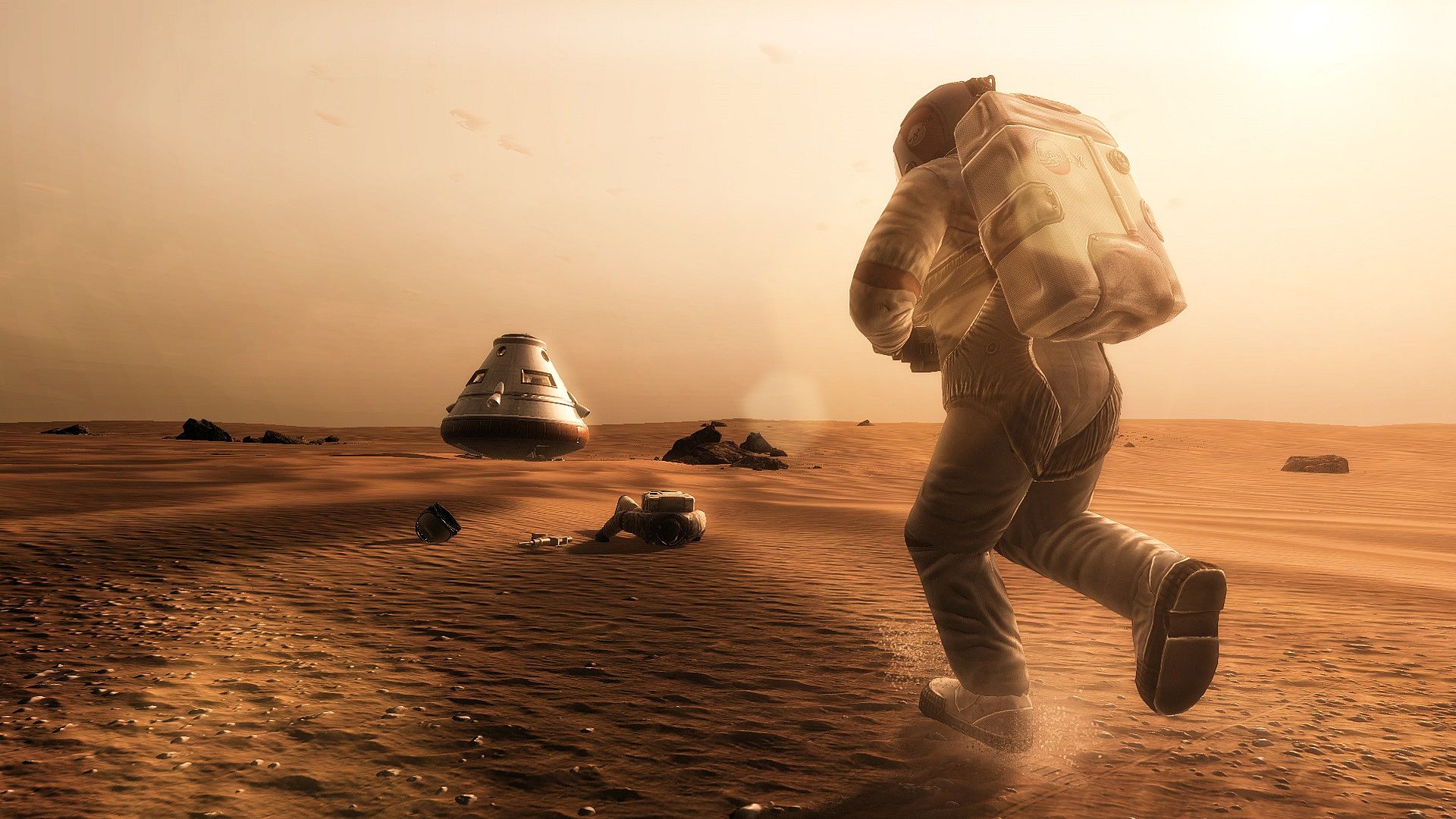
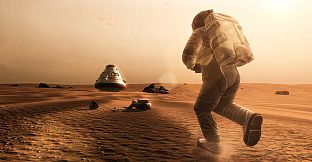
The Space Program Campaign splits into two main chapters. The first focuses on robotics, where players command probes and rovers from a remote agency perspective to gather scientific data and unlock upgrades. The second shifts to a manned mission story, placing the player as astronaut Mark Willis after a descent emergency leaves the crew isolated on the surface.
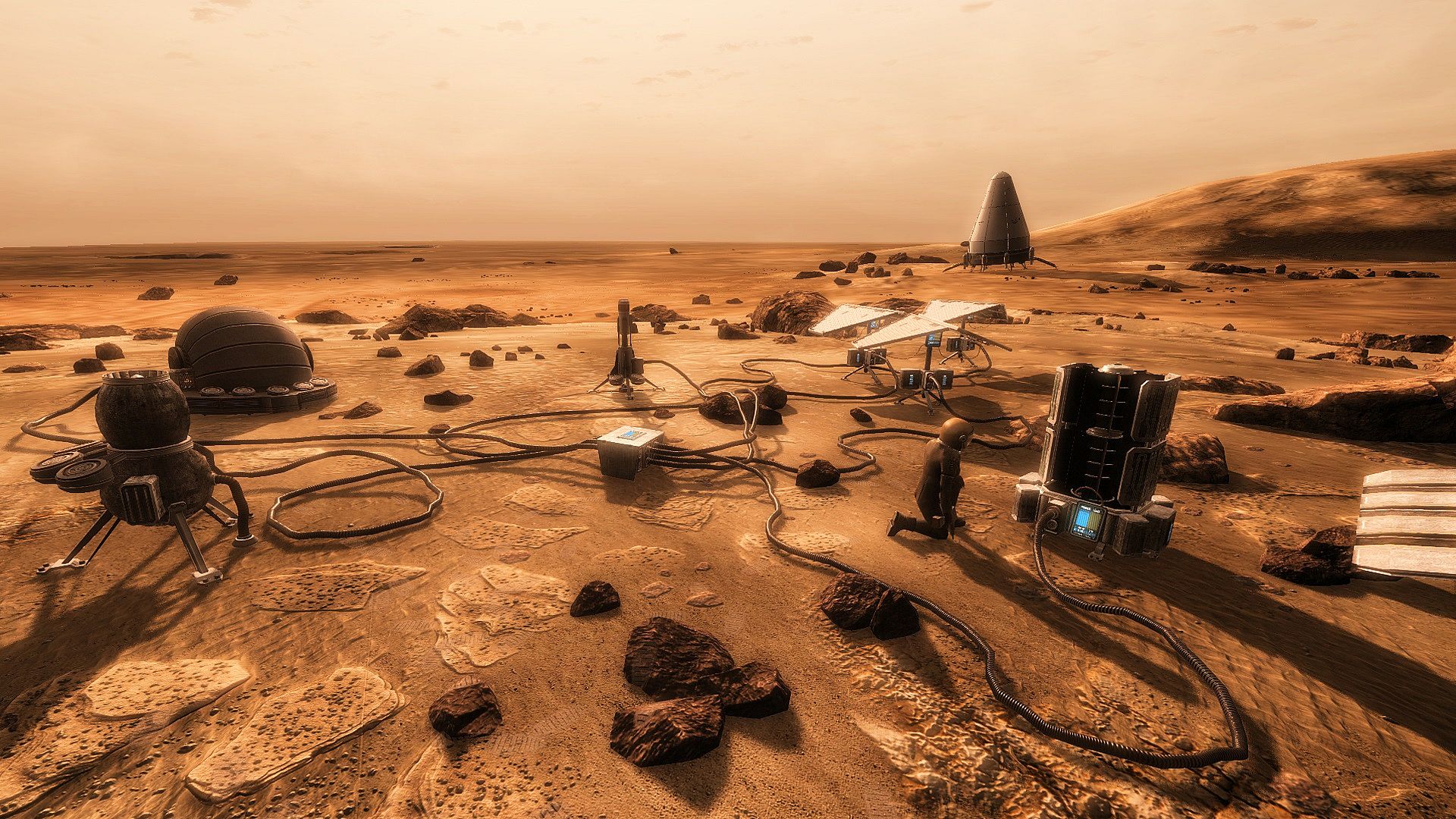
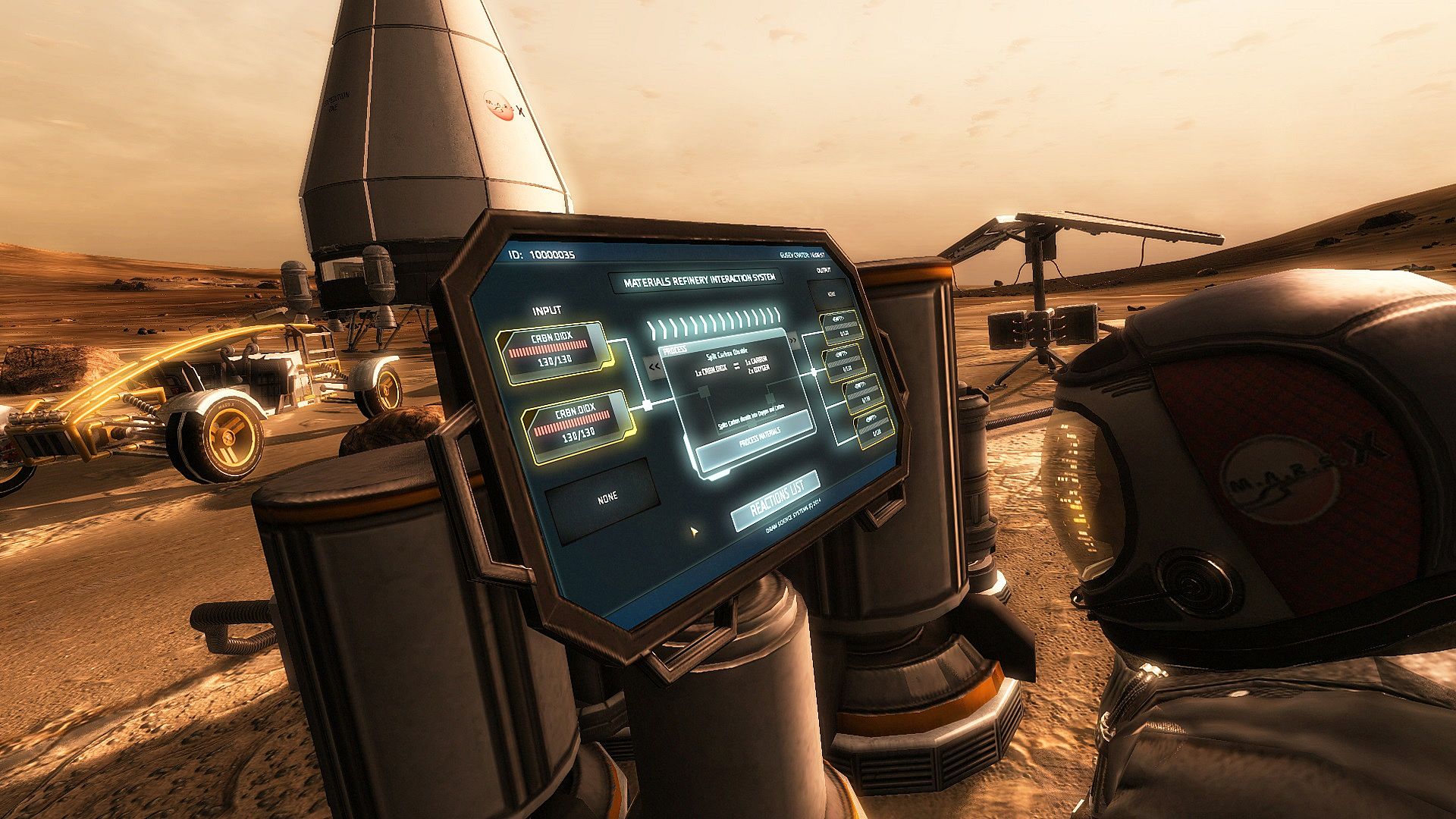
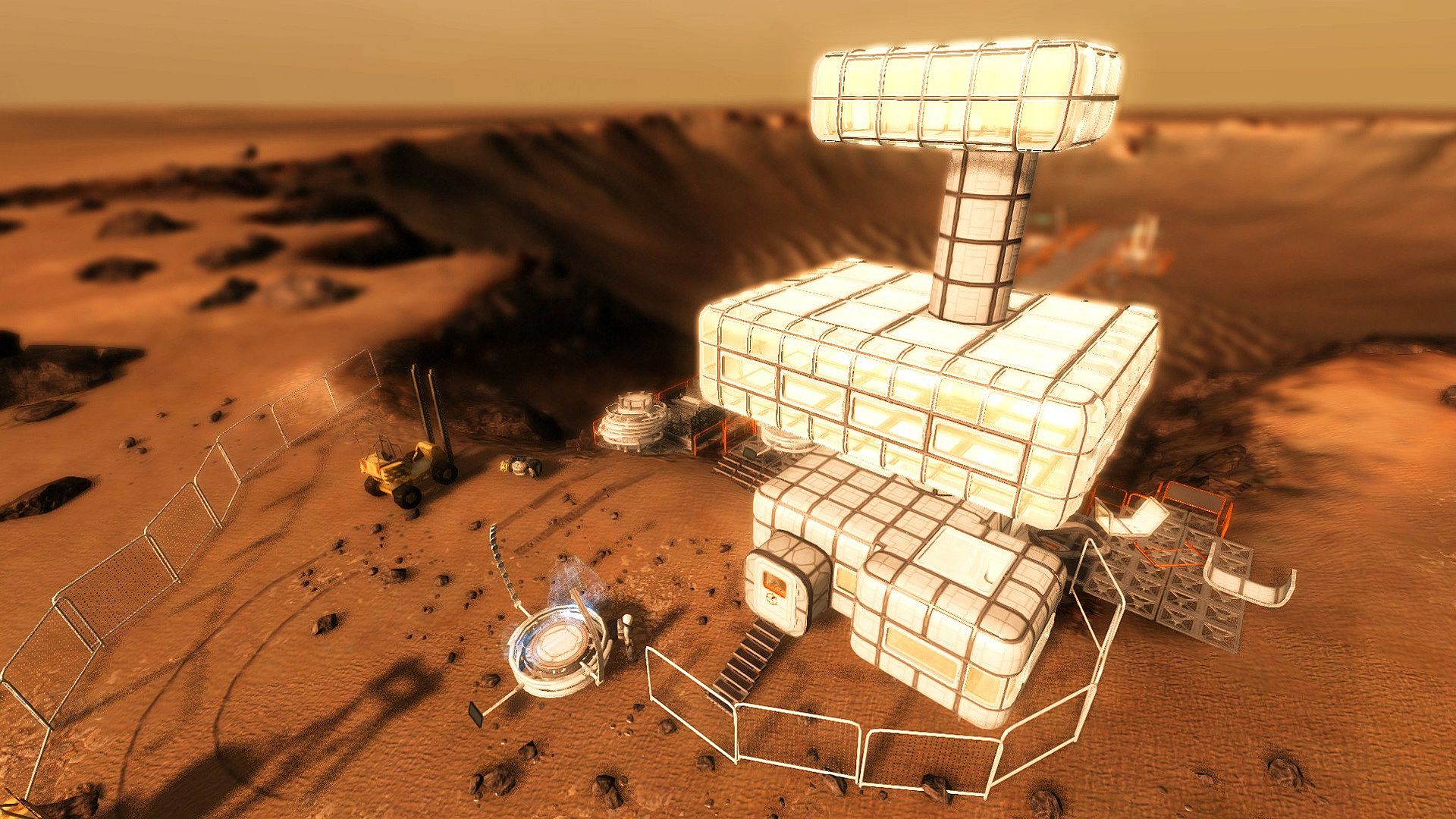
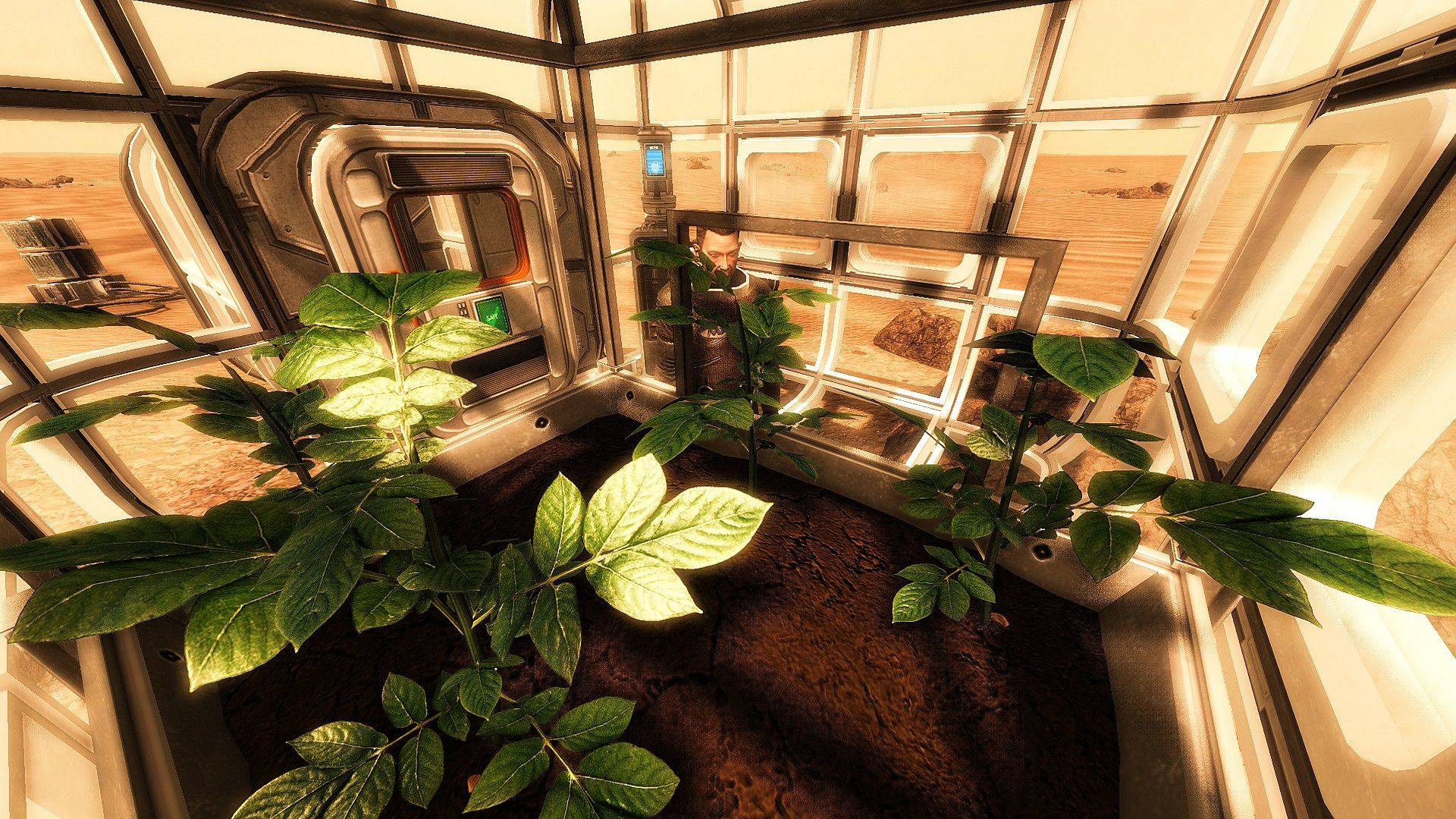
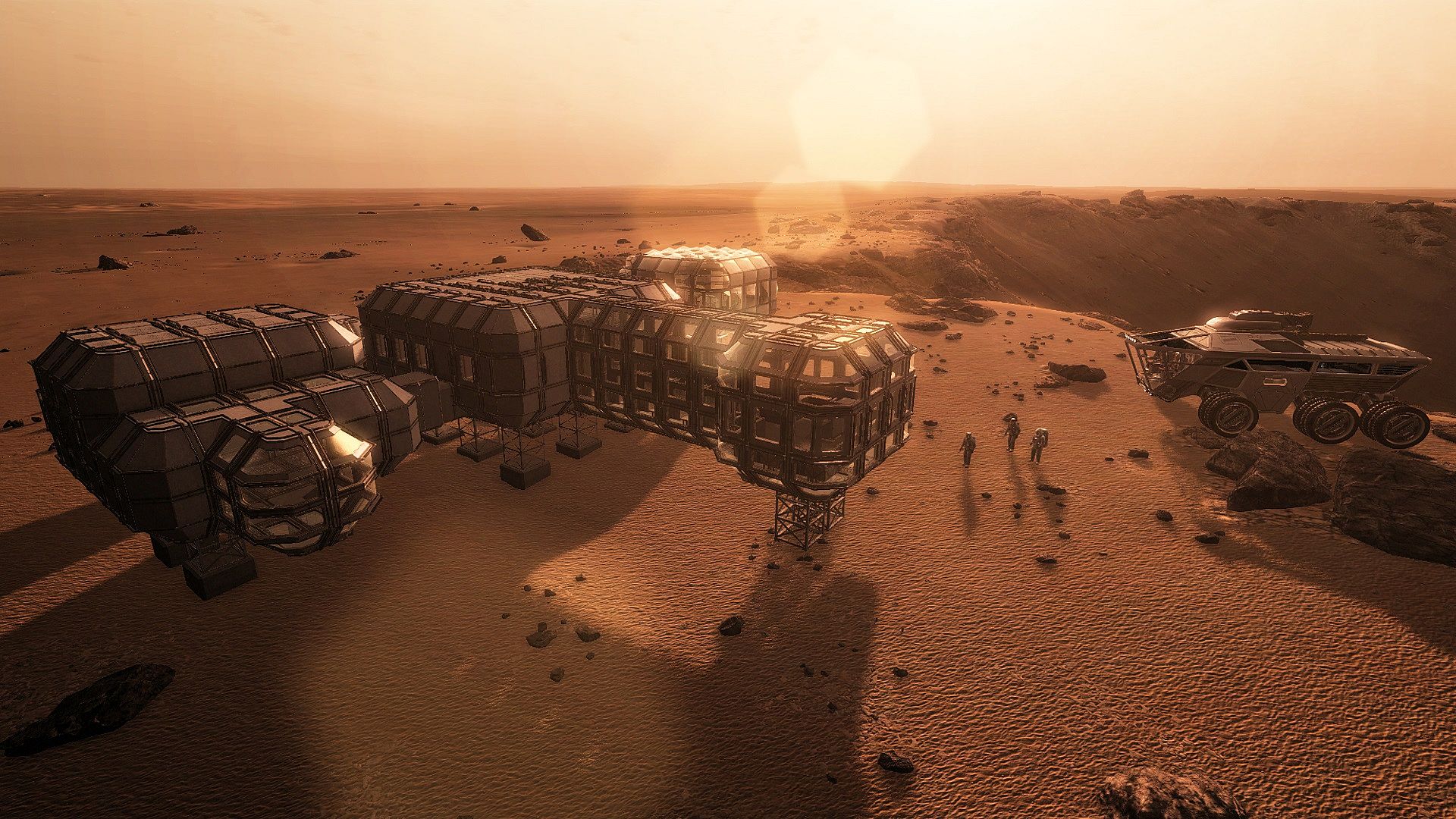
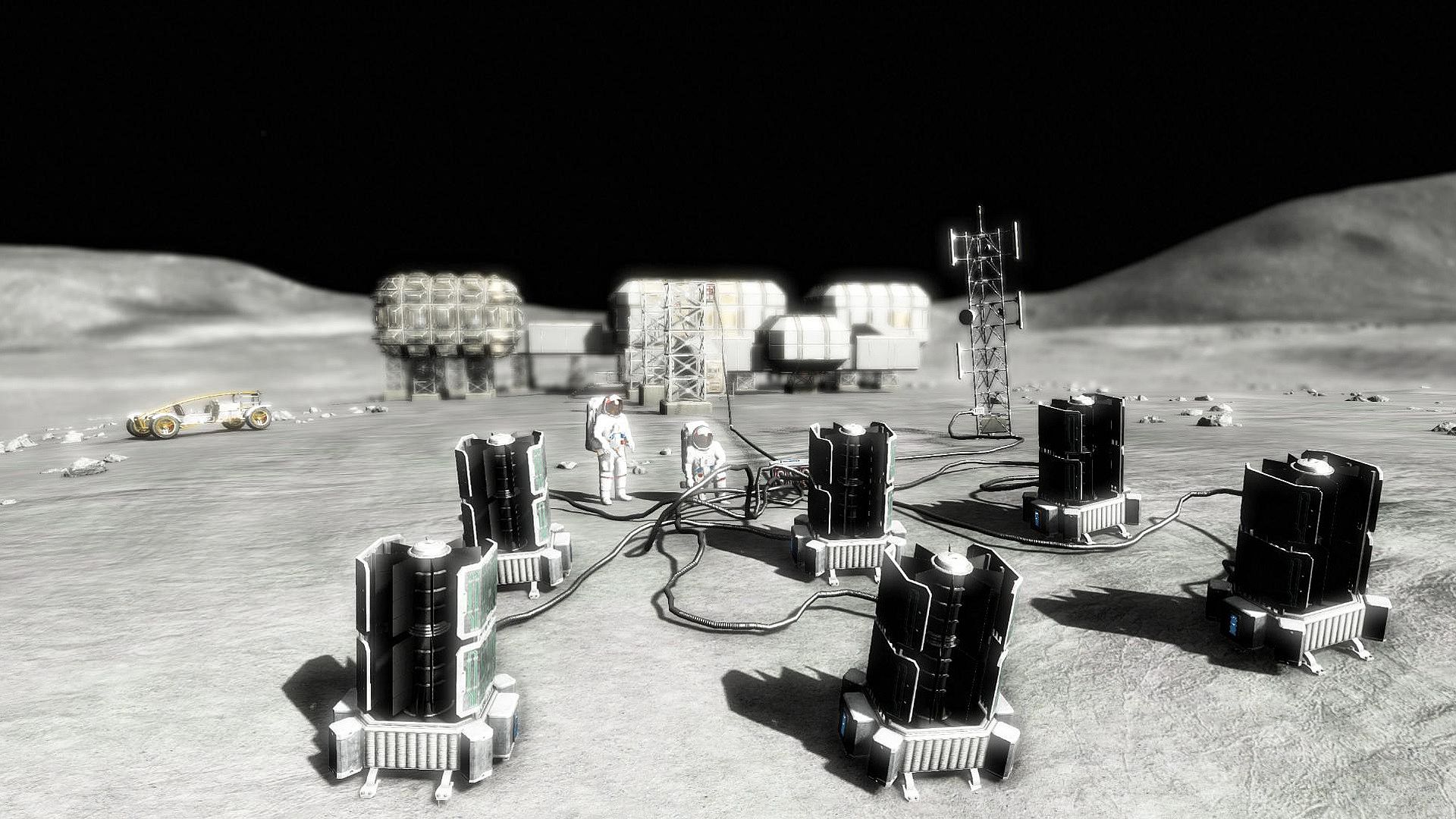
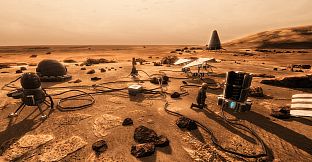
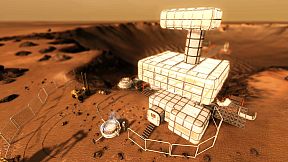
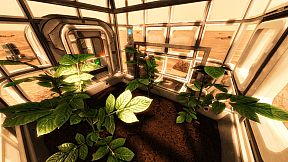
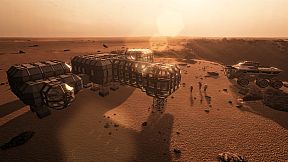
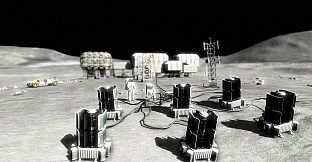
Sandbox Survival Multiplayer supports drop-in and drop-out sessions with others. Teams extract resources from the soil, process them into usable materials, and assemble habitats using a 3D printer. Additional tasks include building power grids, pressurizing areas, cultivating crops through botany systems, and operating vehicles to sustain the group.
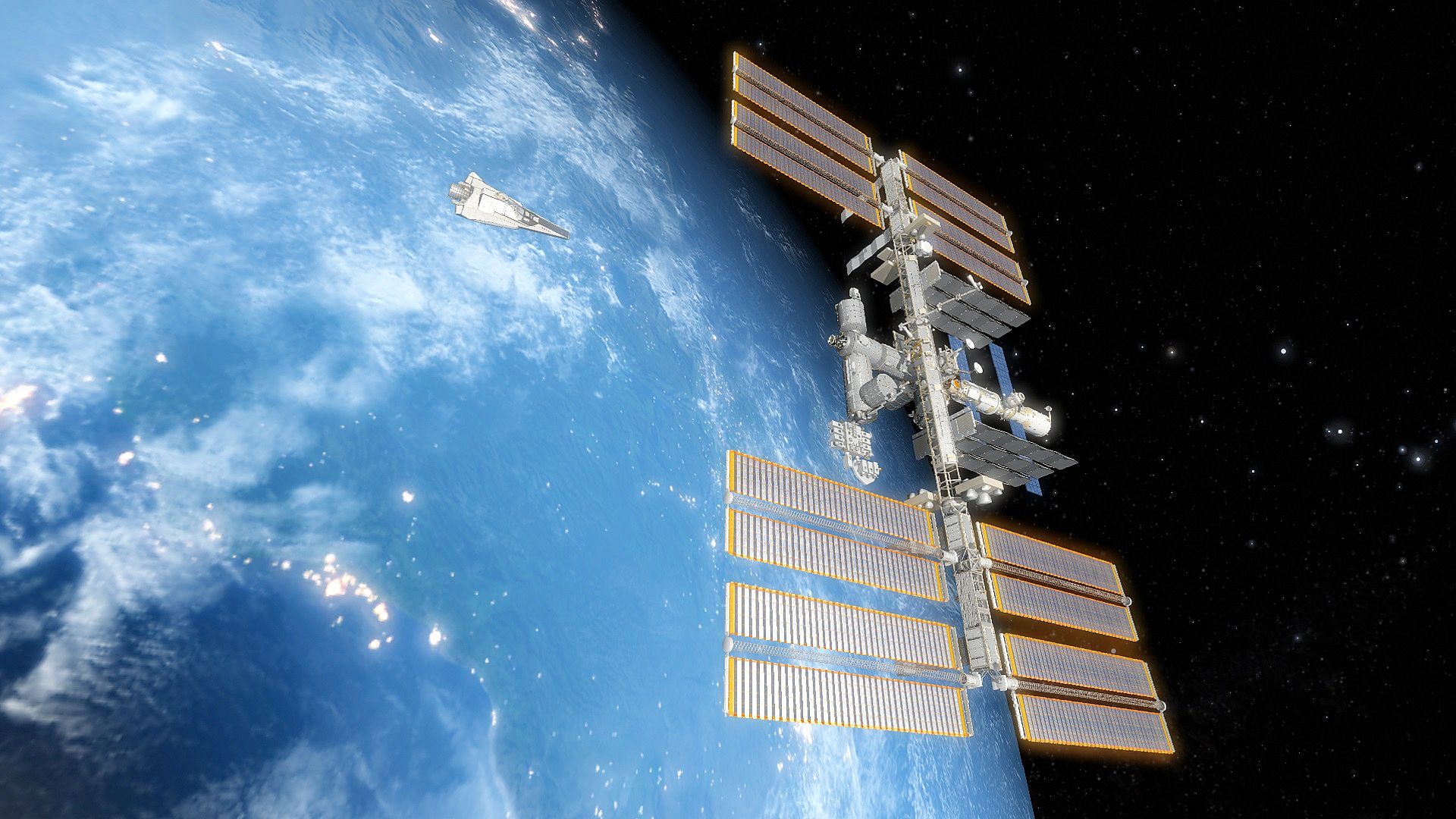
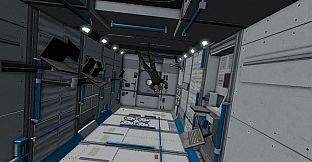
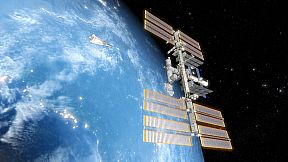
Standalone scenarios and training exercises provide shorter sessions across multiple sites, including Earth-based training facilities and the International Space Station interior. These options allow focused practice or quick experiments without committing to longer campaigns.
Exploration and Simulation Depth
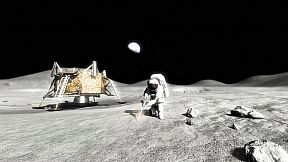
Travel covers vast distances on Mars with sites modeled after actual landmarks such as Cydonia Crater. Special locations extend the scope to Earth orbit, the Moon's Apollo 17 landing site, and Mars' moon Deimos. Each area presents unique challenges tied to terrain, weather, and orbital mechanics.
Every instrument, system, and structural element receives detailed modeling. Players break or modify parts during play, which alters vehicle dynamics in realistic ways. This level of fidelity suits those who enjoy methodical problem-solving over fast-paced action.
Content Creation and Customization
Built-in tools support scenario creation through a 3D editor. Users can design custom terrains and missions, then share them with the community. A dedicated workbench suite enables terrain modifications and add-on development for those interested in extending the base experience.
Is It Worth Playing?
Take On Mars appeals to players seeking a detailed Mars exploration simulator with both single-player campaigns and cooperative survival elements. Its strength lies in the authentic vehicle handling and scientific progression across verified real-world locations. Those who appreciate methodical pacing and technical systems will find substantial depth in the robotics and manned phases.
The multiplayer survival mode adds a collaborative layer focused on resource management and habitat construction. Reception highlights the atmospheric detail and simulation accuracy, though some note occasional technical issues that can interrupt sessions. The game remains available as a complete package with no ongoing seasonal content or major updates since its 2017 release.
Consider it if realistic space agency operations and survival crafting on another planet match your interests. It delivers a focused, specialized experience rather than broad entertainment.