

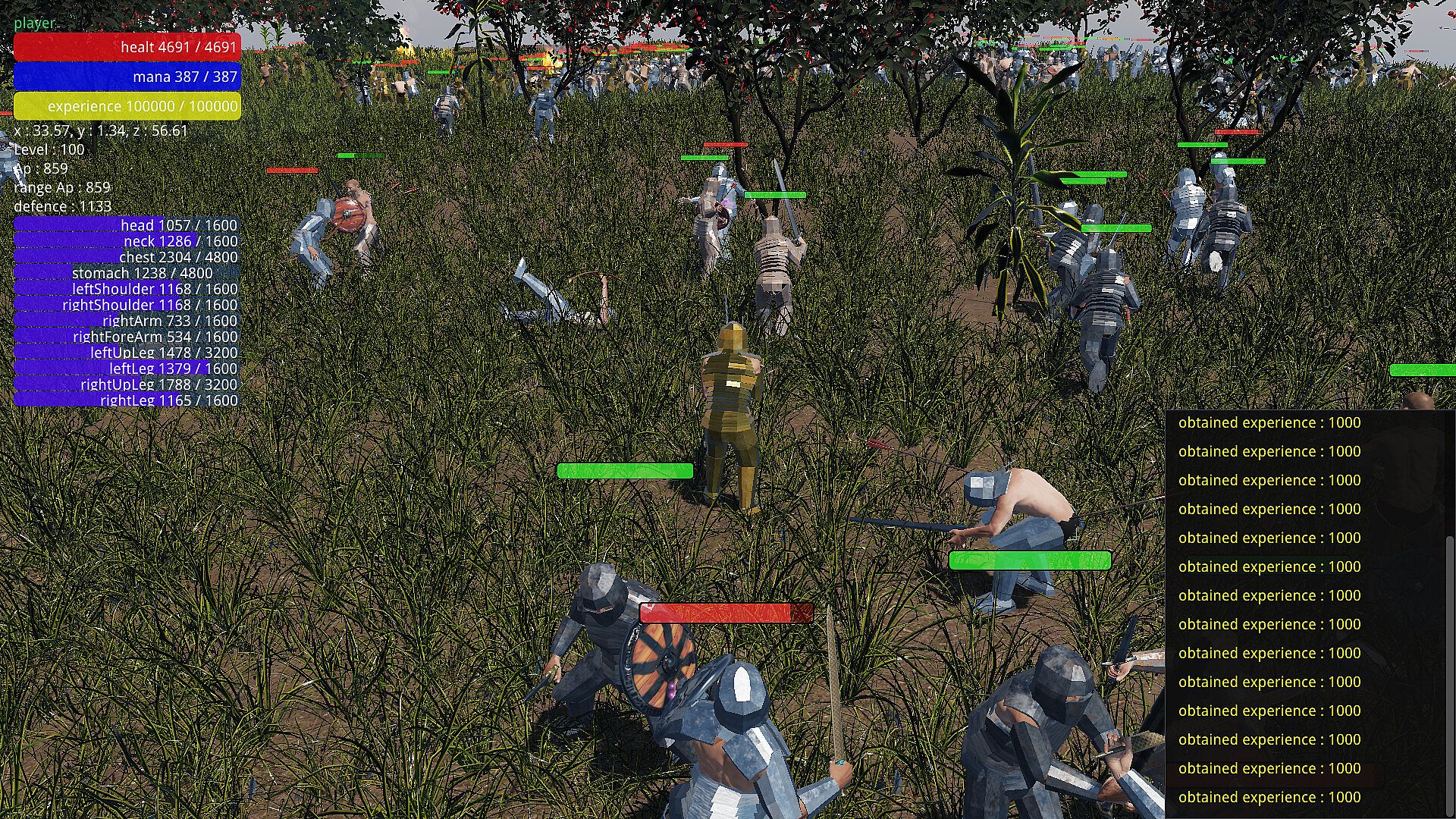
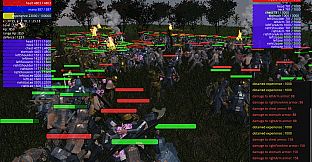
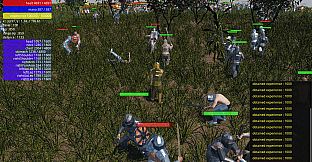
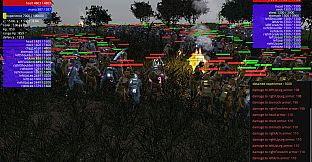
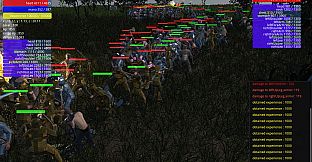
Sword Duel 2: Medieval War is a single-player third-person medieval action RPG developed for PC. Players enter large-scale battles as an individual soldier rather than a commander, fighting with swords, shields, and bows while looting equipment to improve their character over time.
Gameplay
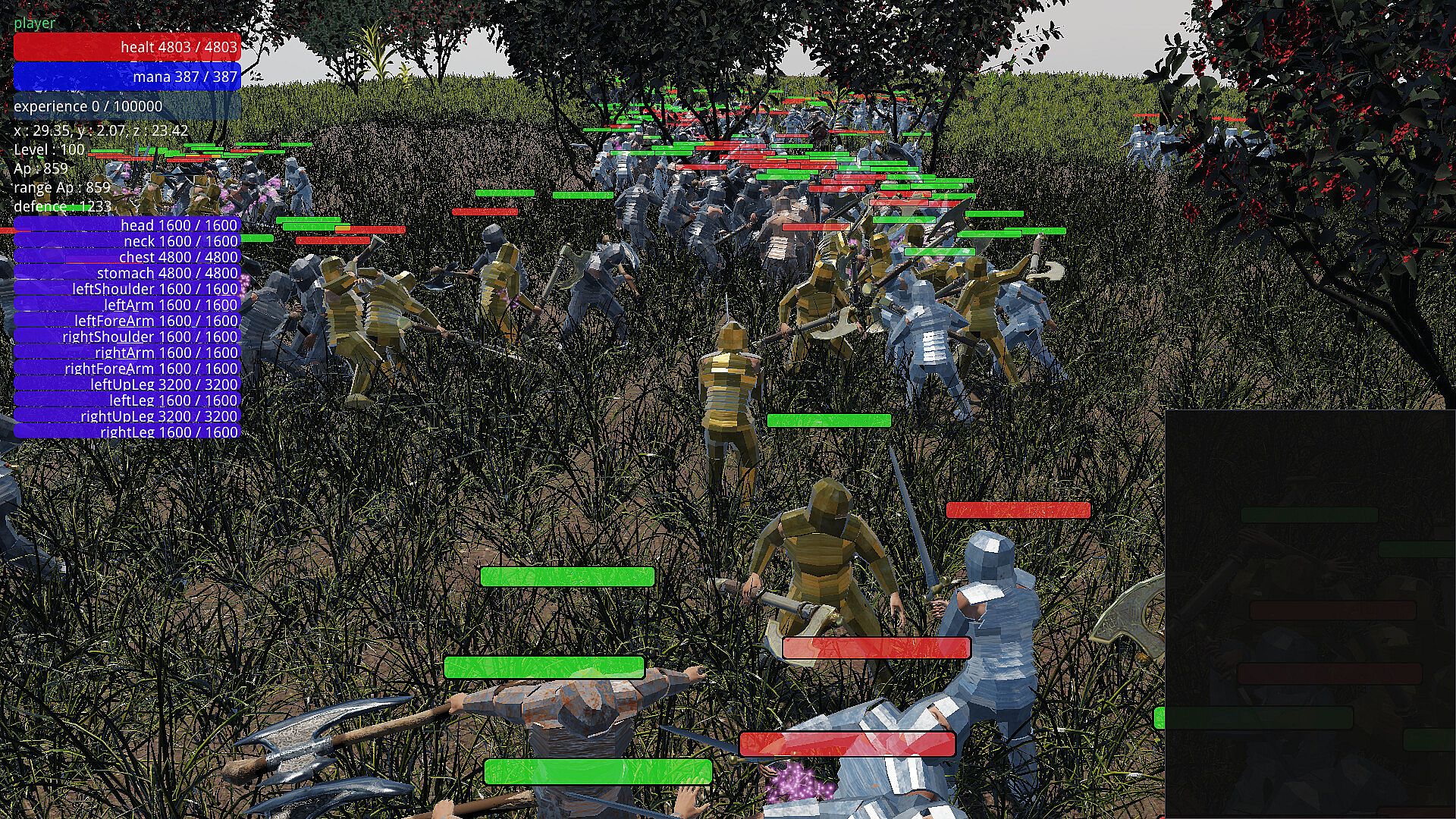
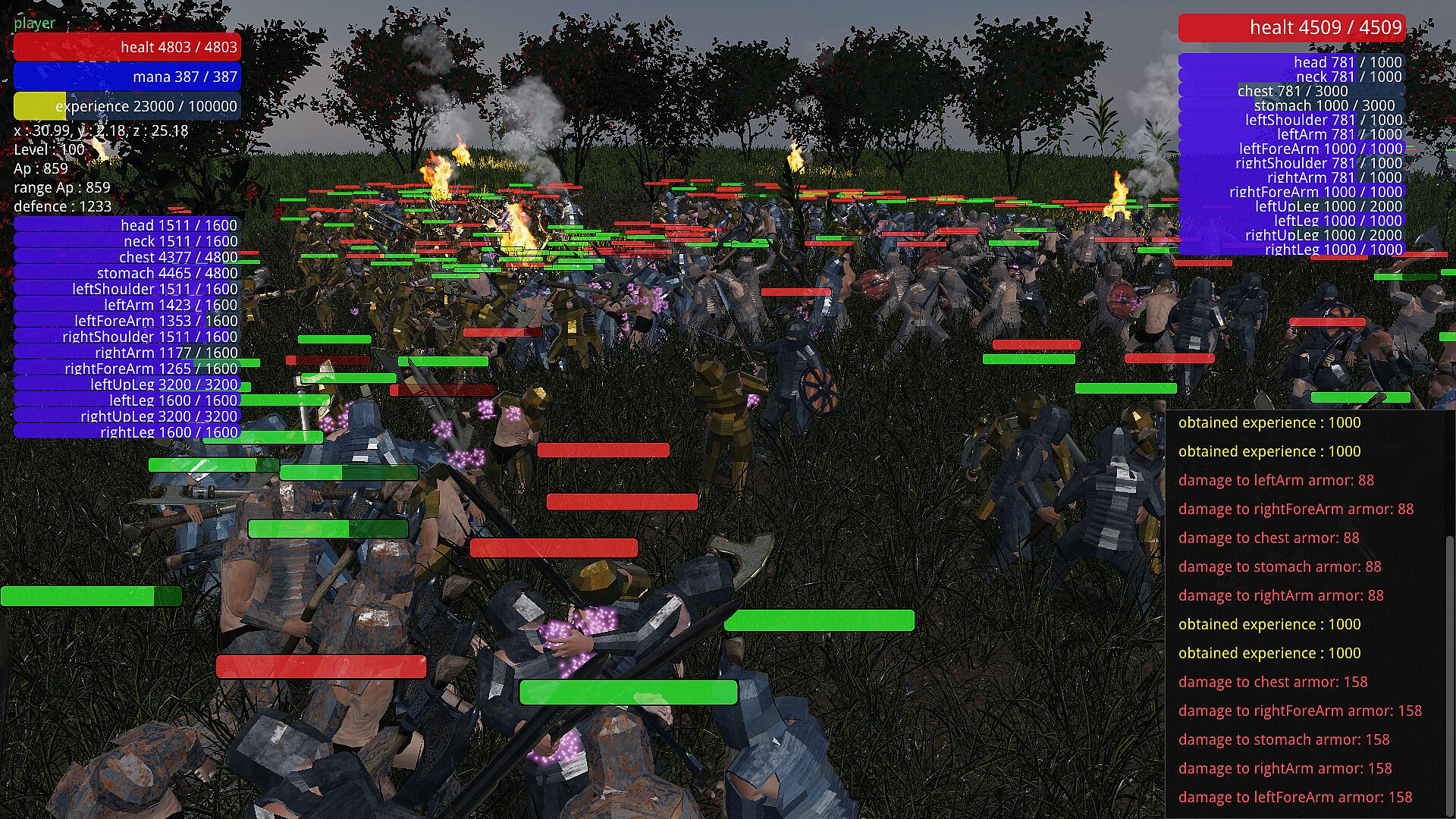
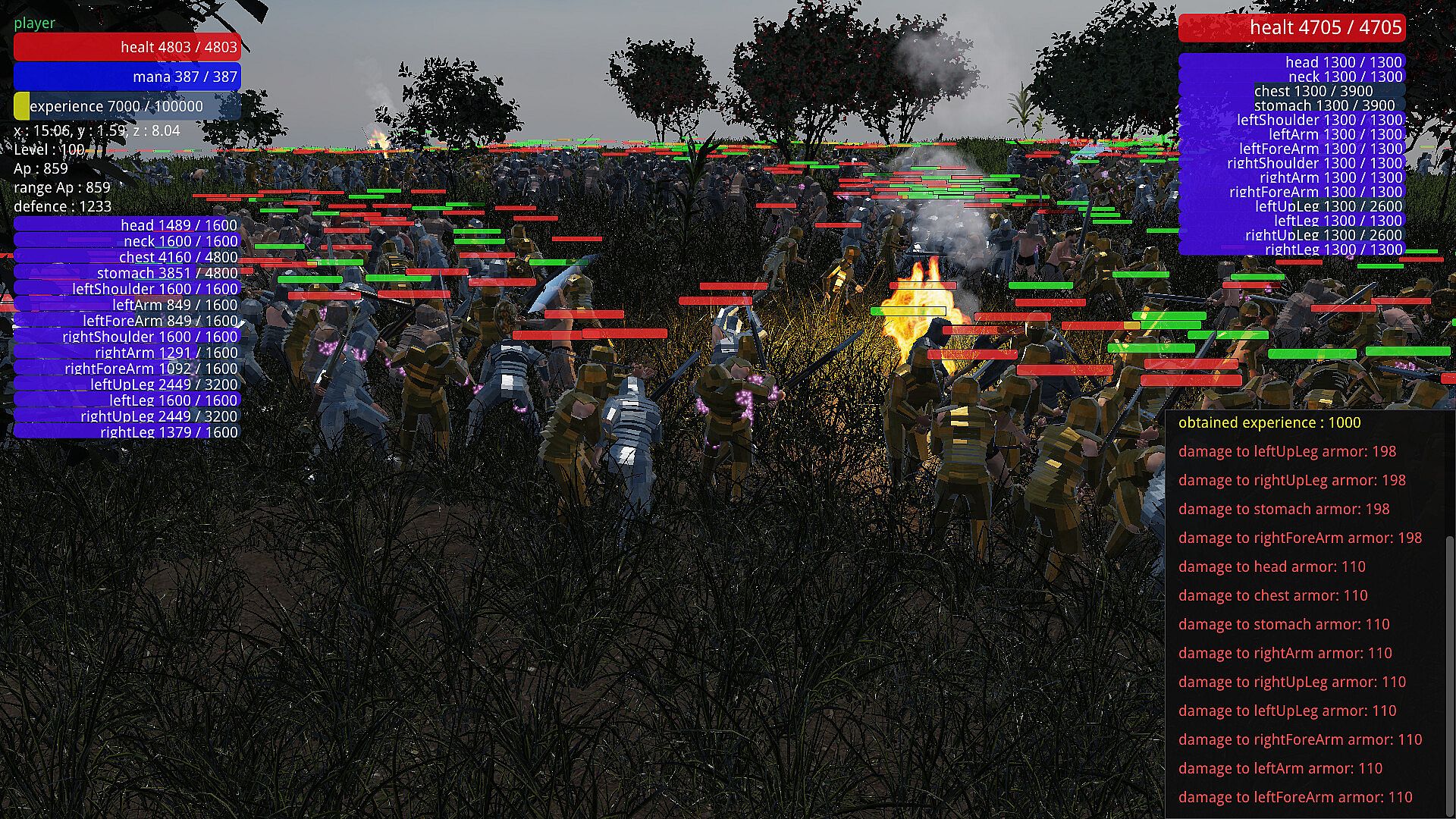
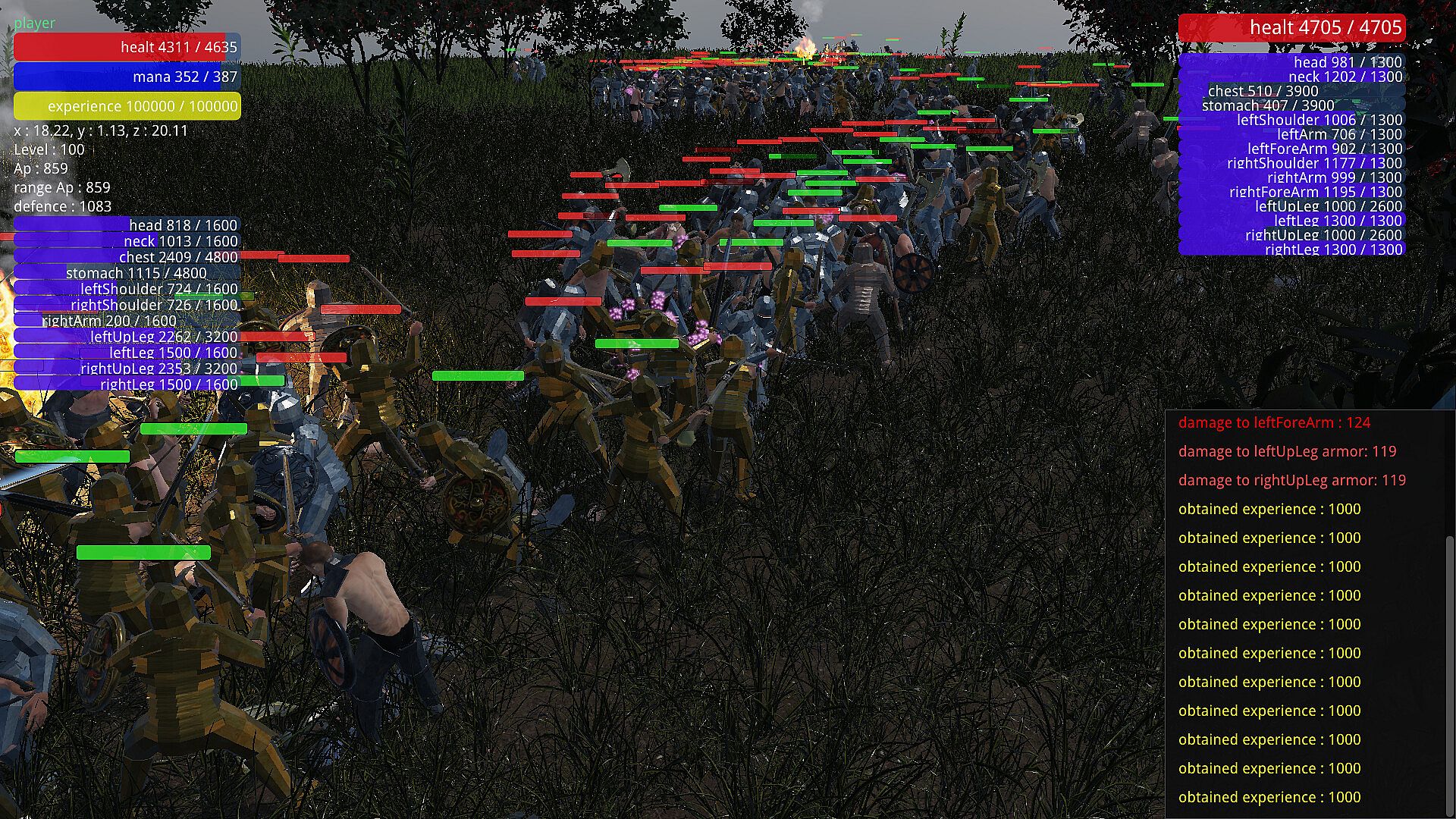
Combat takes place in third person with an emphasis on timing blocks, positioning strikes, and using ranged attacks before melee lines meet. Each battle features hundreds or thousands of individual AI-controlled warriors that move, flank, and engage independently, creating varied outcomes without scripted sequences. Armor functions as separate pieces for the head, neck, shoulders, arms, forearms, stomach, upper legs, and lower legs, allowing players to mix found items into custom loadouts. Weapons and armor drop from crates scattered across the field, and players can equip them immediately during the fight. Physics govern bodies, weapons, and objects, producing weighty and unpredictable collisions in every clash. The experience stays grounded in direct participation, with no army management or interruptions from cutscenes.
Game Modes
The title focuses entirely on single-player battles. Players join ongoing conflicts as one fighter among many, surviving successive engagements while collecting gear to grow stronger. No separate modes, factions, or multiplayer components appear in the available details, keeping the structure centered on repeated participation in these large encounters.
Progression and Equipment
Strength comes directly from the gear gathered on the battlefield. Modular armor pieces combine in different ways to suit individual play styles, while new weapons expand combat options. Loot crates reward exploration during fights, and the physics system influences how equipment performs once equipped. This loop encourages repeated battles as players test combinations and adapt to the chaos around them.
Visuals and Technical Features
Realistic lighting and physically based rendering support the dense battlefield scenes. The scale reaches up to 1000 versus 1000 soldiers, with each warrior operating under its own AI and pathfinding. These elements combine to make every engagement feel distinct without relying on predefined events.
Is It Worth Playing?
The game remains in a pre-release state with no user reviews or completed player data available. Its described systems center on hands-on third-person combat, modular equipment, and large single-player battles driven by individual AI behavior and physics. Those drawn to direct medieval fighting in chaotic environments without command layers or multiplayer may find the core loop appealing once it launches. The absence of confirmed updates or additional content at this stage means interest should rest on the listed mechanics alone.