





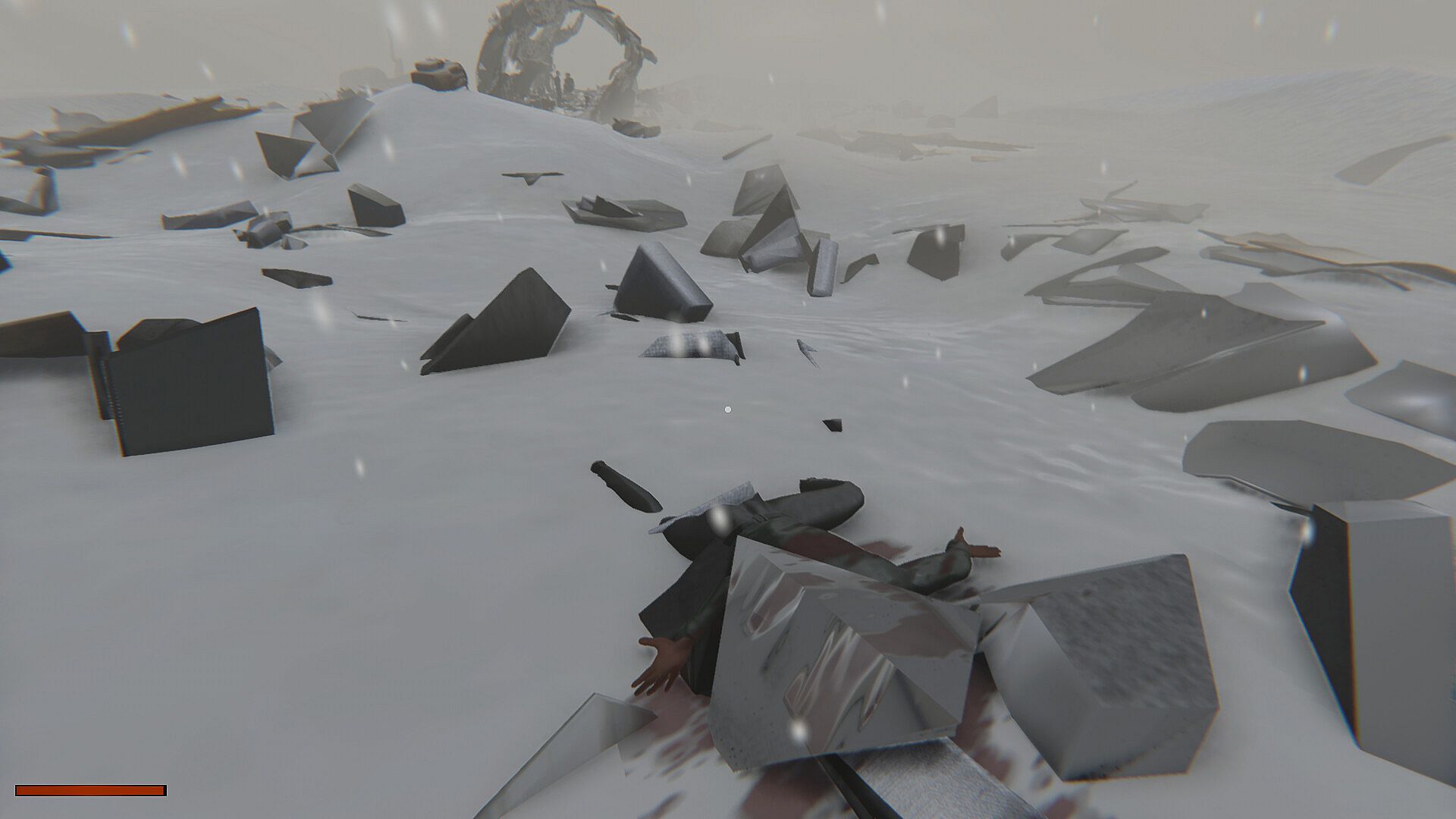
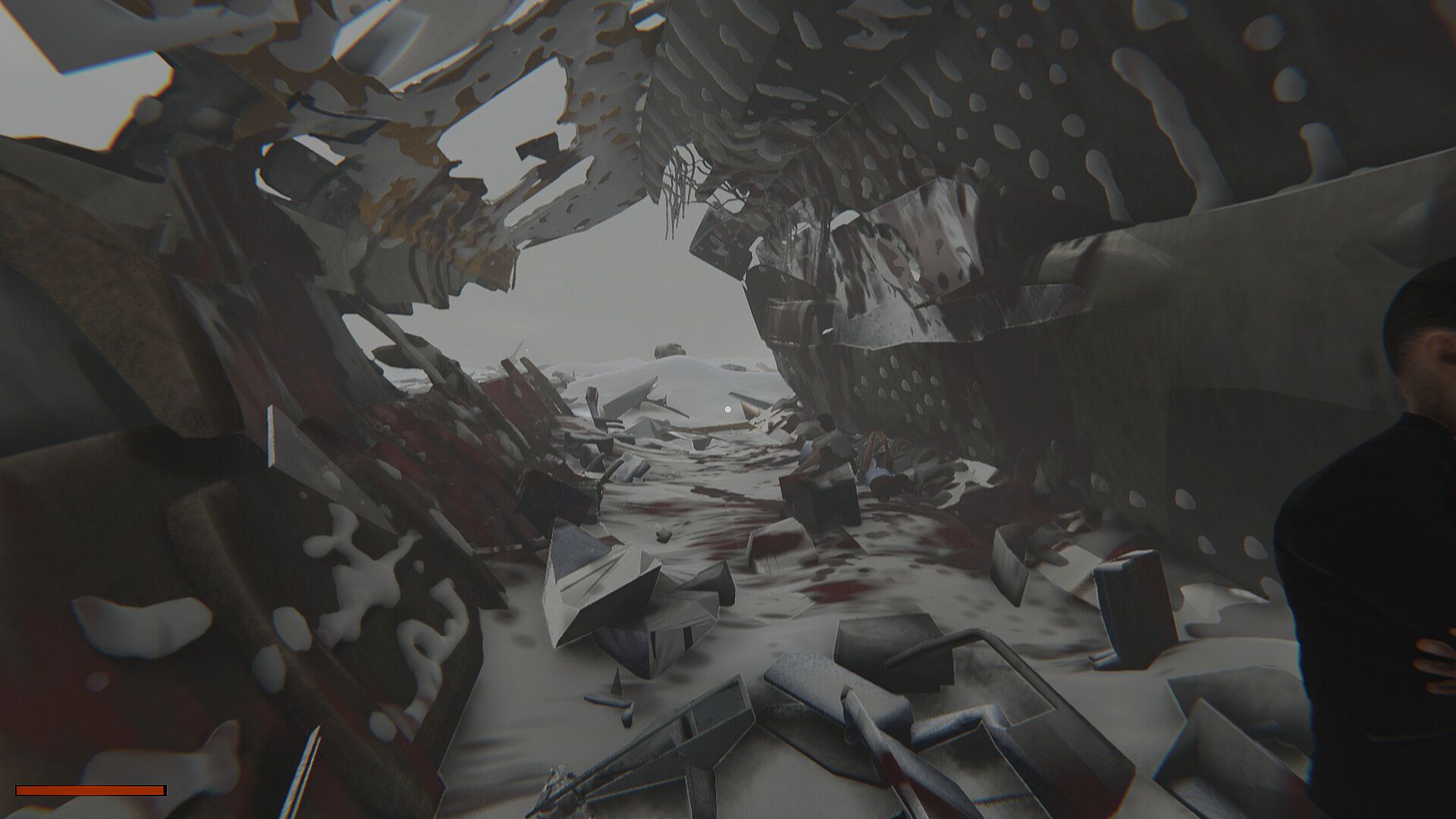
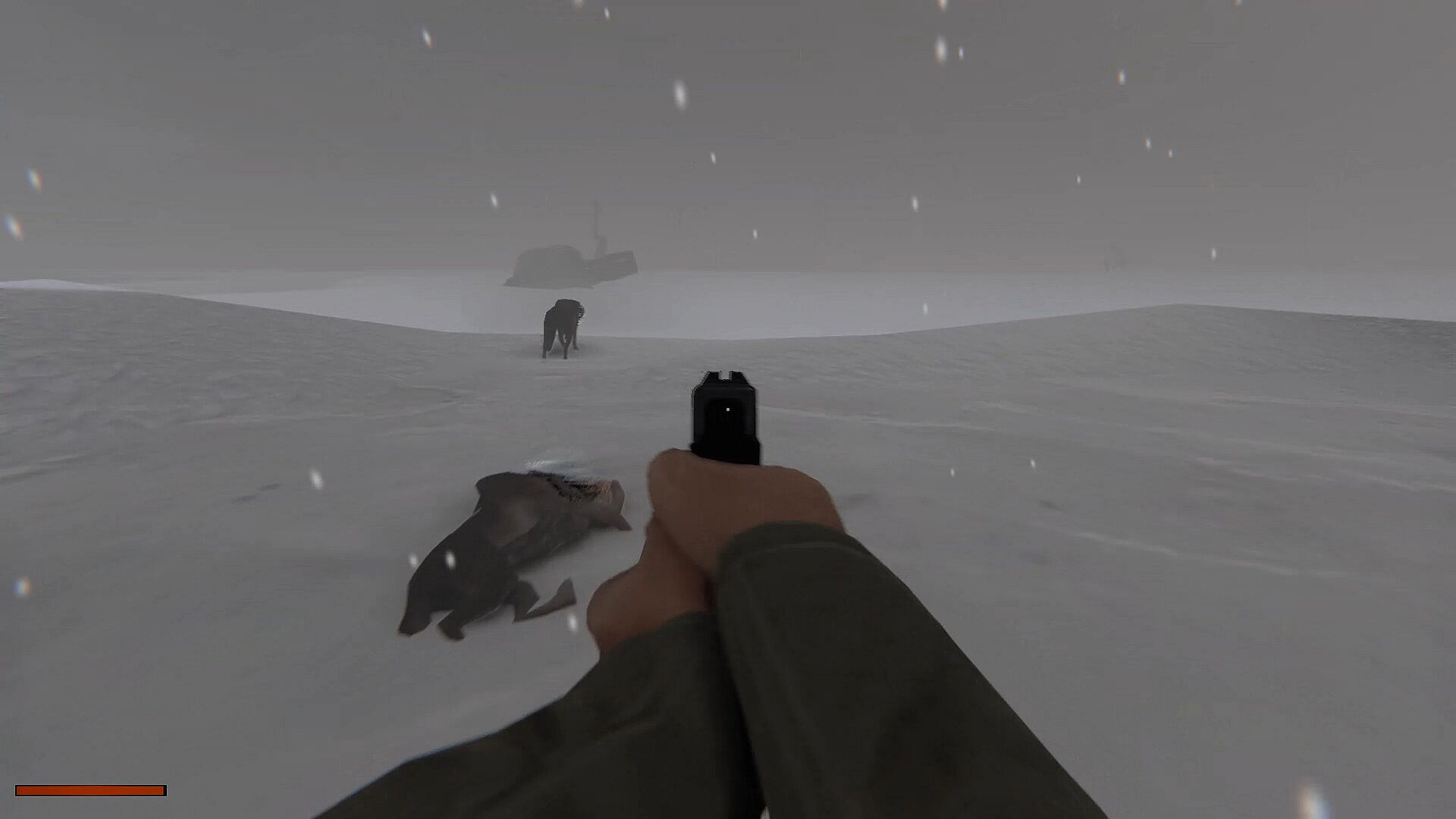
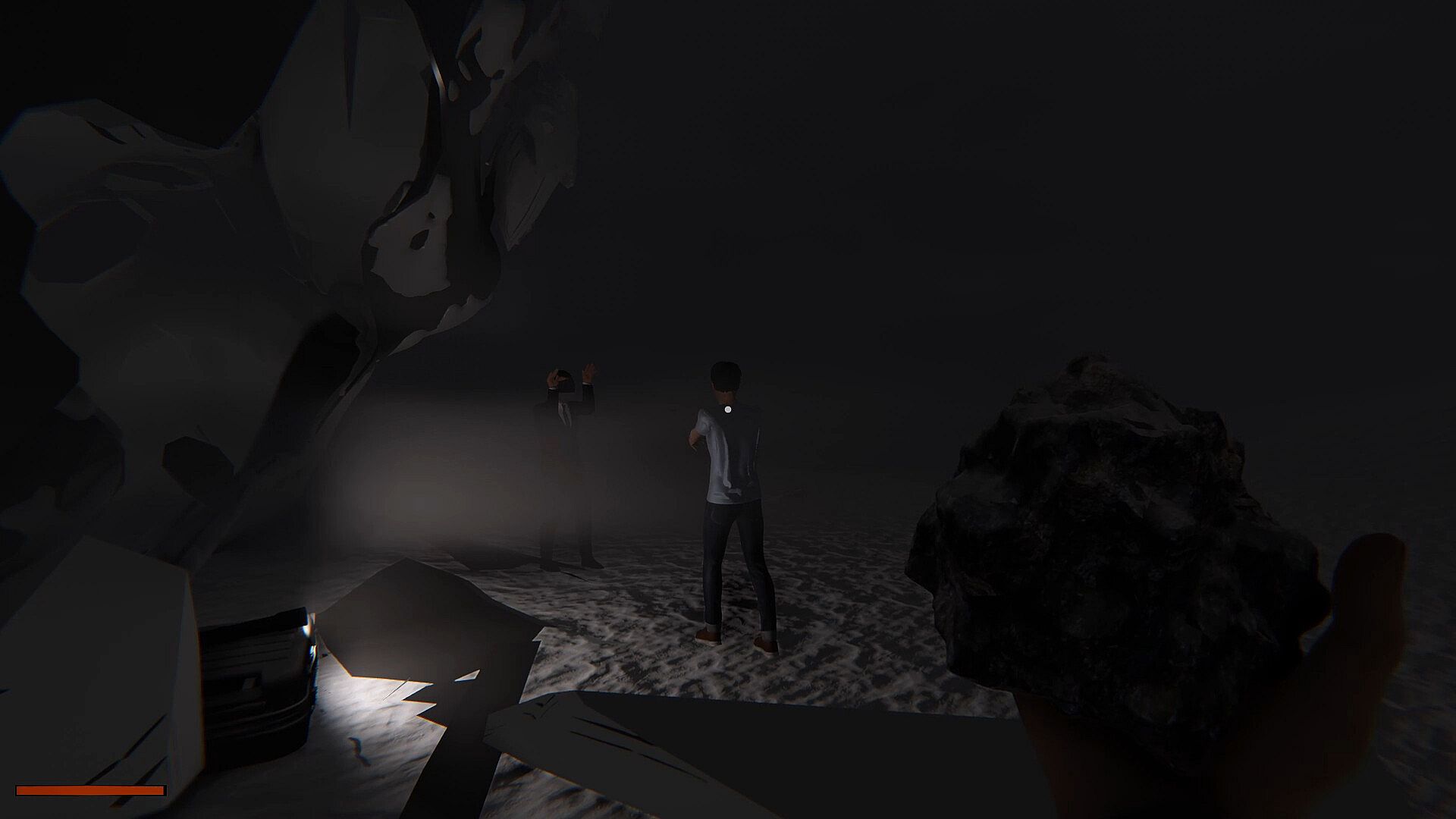




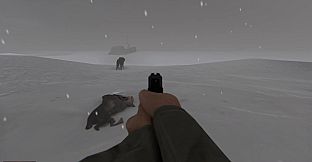




Survivor Files - 571 is a single-player narrative survival adventure that places players in a grounded horror scenario drawn from the 1972 Andes plane crash. Developed as the first episode in an episodic series, the game focuses on realistic survival challenges without supernatural elements. Players take on the role of one of the survivors stranded in the mountains after the crash, where the environment itself becomes the primary threat through extreme cold, limited resources, and isolation.
Gameplay
The core loop centers on daily survival decisions inside and around the wrecked aircraft. Players must locate shelter within the fuselage, search luggage for usable supplies, and secure clean water while temperatures continue to drop. Resource management plays a central role, as every item collected or consumed affects the group's overall condition and individual health. Interactions with other survivors require careful consideration of how to allocate scarce materials and respond to emerging conflicts.
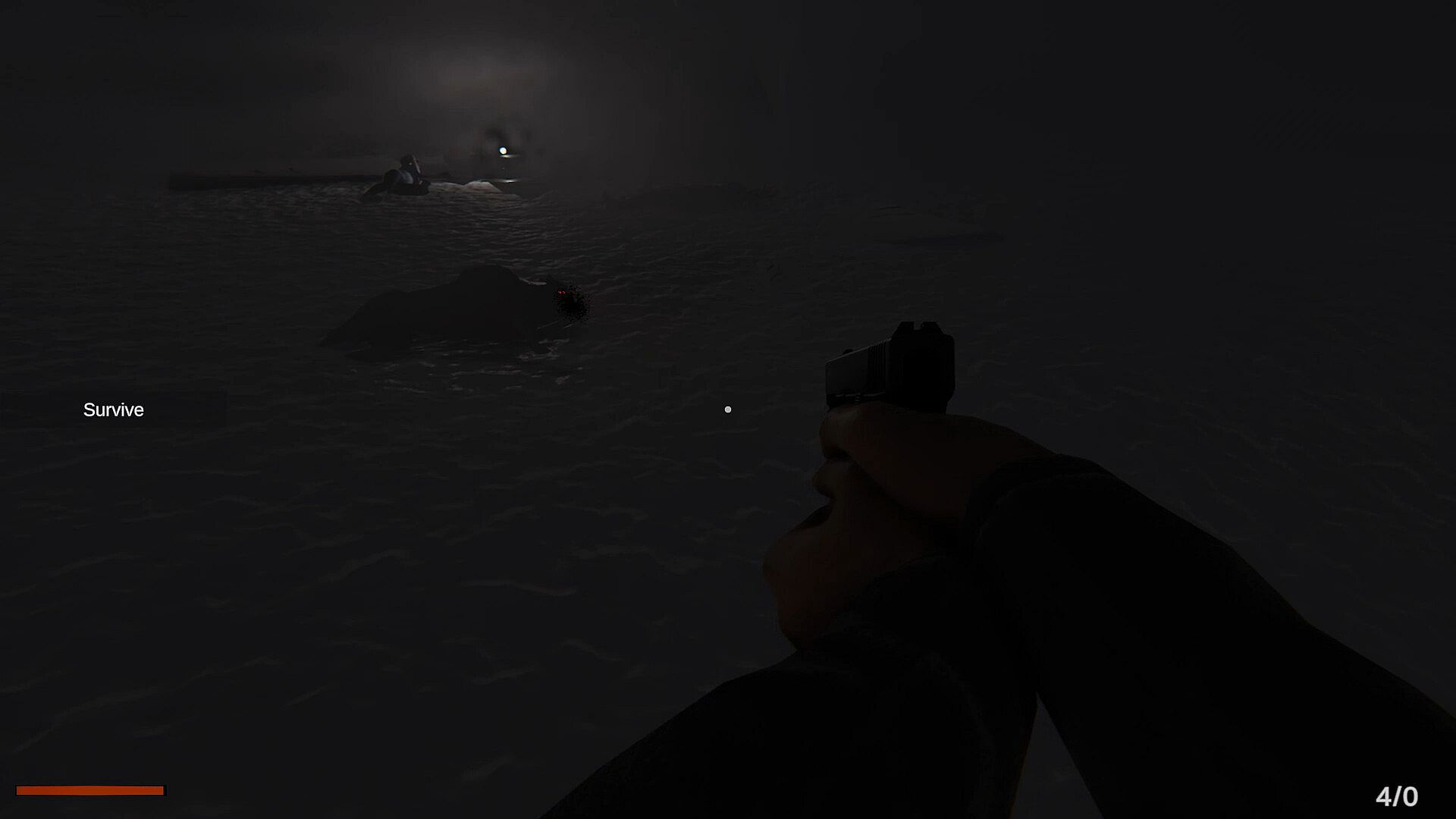
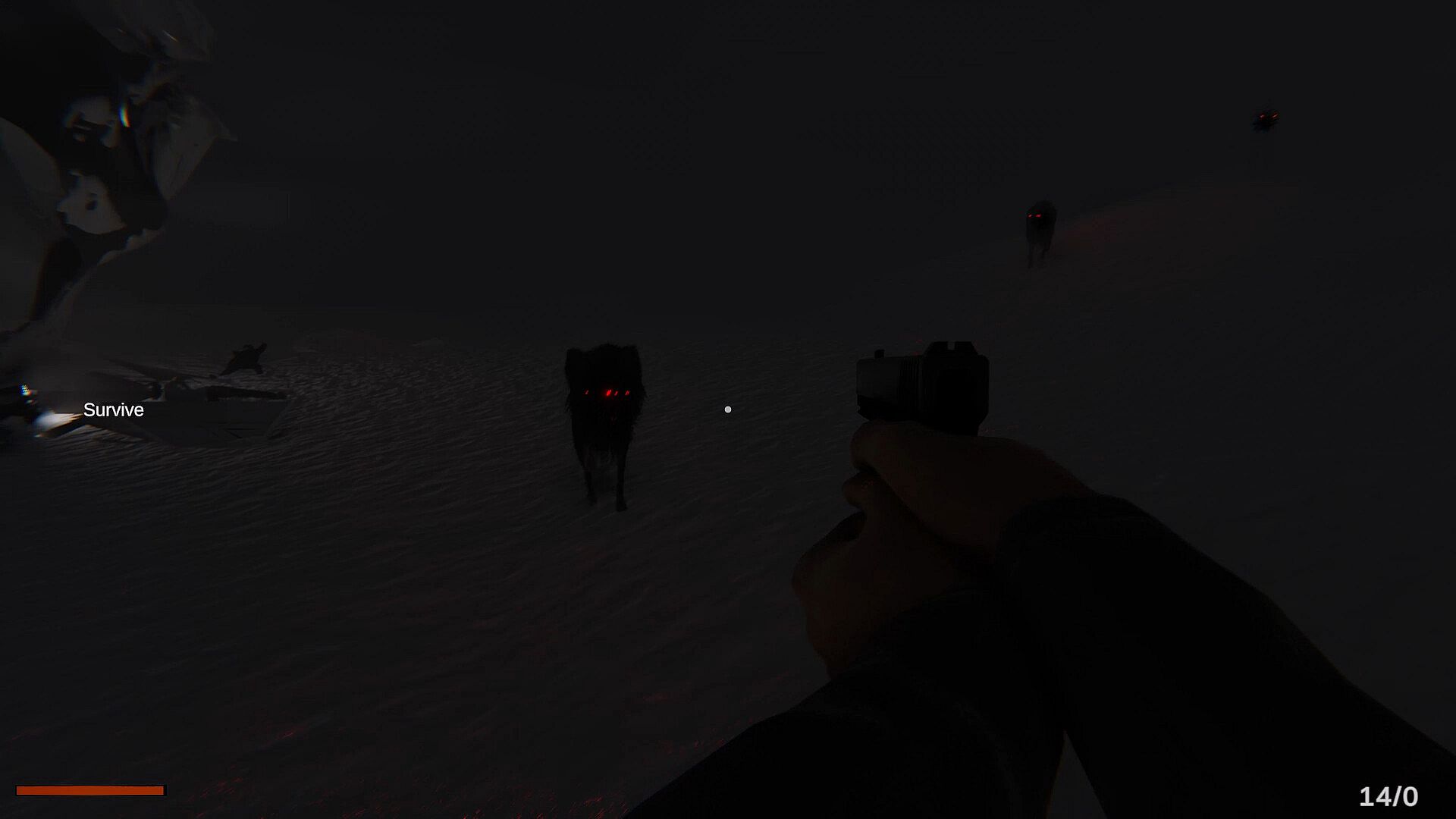
Atmospheric elements emphasize the harsh mountain setting through detailed visuals and sound design that convey the biting cold and growing tension. Predators in the area add an additional layer of risk, forcing players to secure the wreckage and plan movements carefully. The presentation frames the experience as a collection of investigative files, with the user interface and menus designed to maintain immersion in the 1972 setting throughout.
Meaningful choices shape the unfolding events, influencing relationships among the survivors and determining outcomes for both the player character and supporting figures. These decisions carry direct consequences for who remains alive as conditions worsen, creating a focused story that unfolds over a compact play session.
Game Modes
Survivor Files - 571 offers a single linear campaign experience built around its episodic structure. There are no separate multiplayer options or additional modes confirmed at this stage. The design prioritizes a concentrated narrative journey that players complete in one sitting, with all mechanics tied directly to the survival and choice systems within the Andes crash scenario.
Story and Setting
The narrative draws directly from the historical events of October 1972, when a flight carrying a Uruguayan rugby team crashed in the Andes Mountains. Players experience the aftermath through the eyes of a survivor, navigating the immediate aftermath of the impact and the prolonged struggle against the elements. The story emphasizes human endurance and the difficult moral and practical choices that arise in such isolation.
Every detail in the environment and interface reinforces the period setting, presenting events as recovered files from an investigator's perspective. This approach keeps the focus on the real-world terror of exposure, hunger, and dwindling hope rather than fictional threats.
Key Mechanics and Features
Survival revolves around practical tasks such as gathering supplies, maintaining shelter integrity, and managing the group's limited provisions. High-stakes decisions determine resource distribution and interpersonal dynamics, with outcomes that alter who survives each night. The short overall length keeps the intensity high, delivering a complete arc without unnecessary padding.
Visual and audio design work together to communicate the physical toll of the environment, from dropping temperatures to the sounds of the wind and distant threats. The game avoids any supernatural or monstrous elements, grounding the horror entirely in the documented challenges of the real event.
Is It Worth Playing?
Survivor Files - 571 suits players interested in short, choice-driven survival experiences that prioritize realism and narrative consequence over action or exploration. Its compact format makes it accessible for those seeking a focused session centered on difficult decisions and environmental pressure. As the opening entry in a planned anthology series, it establishes a tone of human endurance that may appeal to fans of grounded adventure and simulation titles. With no player reception data available yet due to its recent listing, the game stands on its described mechanics of resource management and branching outcomes within a historically inspired setting. Those who value concise, high-tension stories without filler will find the structure aligns with that preference.