




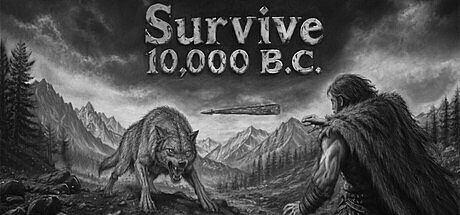


Survive 10,000 B.C. is a single-player survival game blending RPG, simulation, and adventure elements on PC. Set in the European Alps at the close of the last ice age, it places players in a harsh prehistoric environment where survival depends on careful resource management and adaptation to changing conditions rather than conquest.
Gameplay
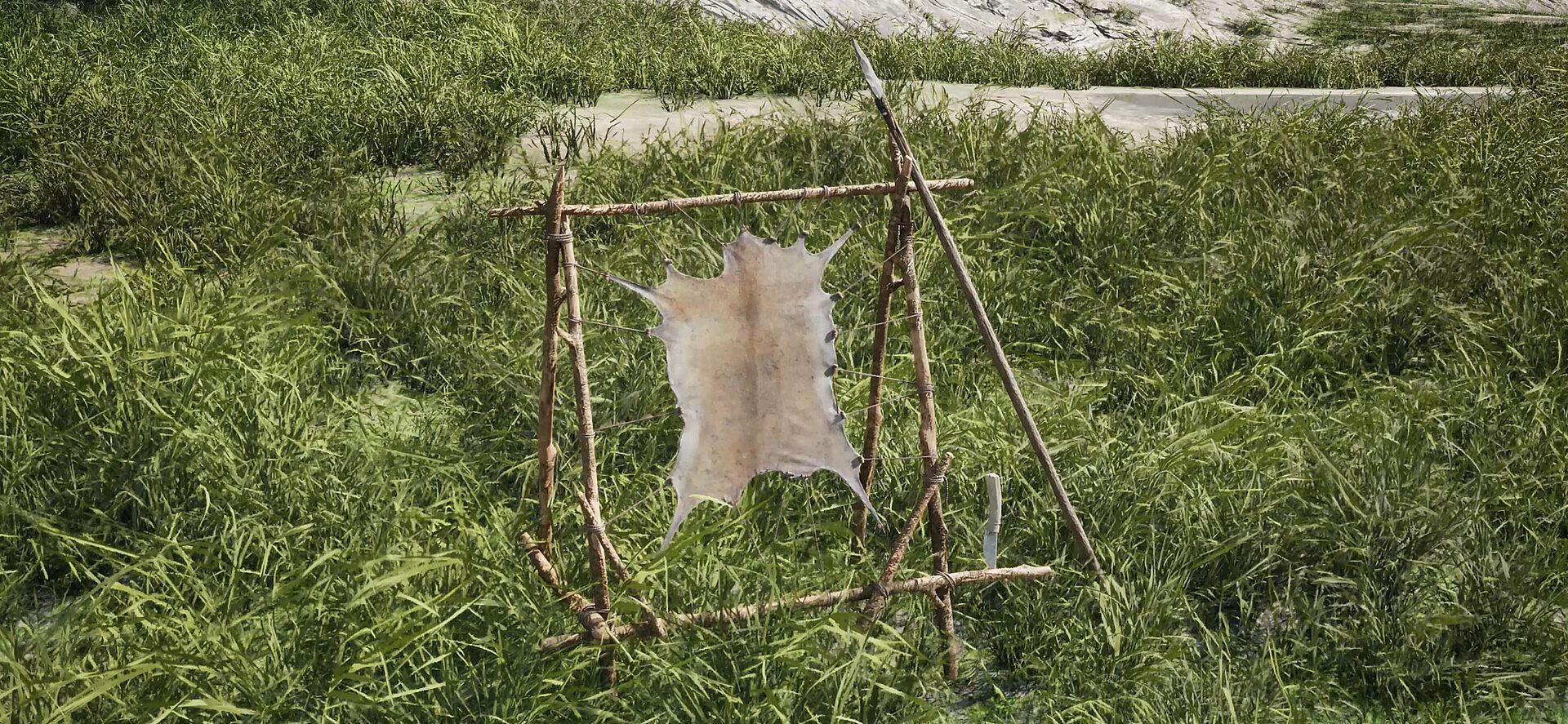
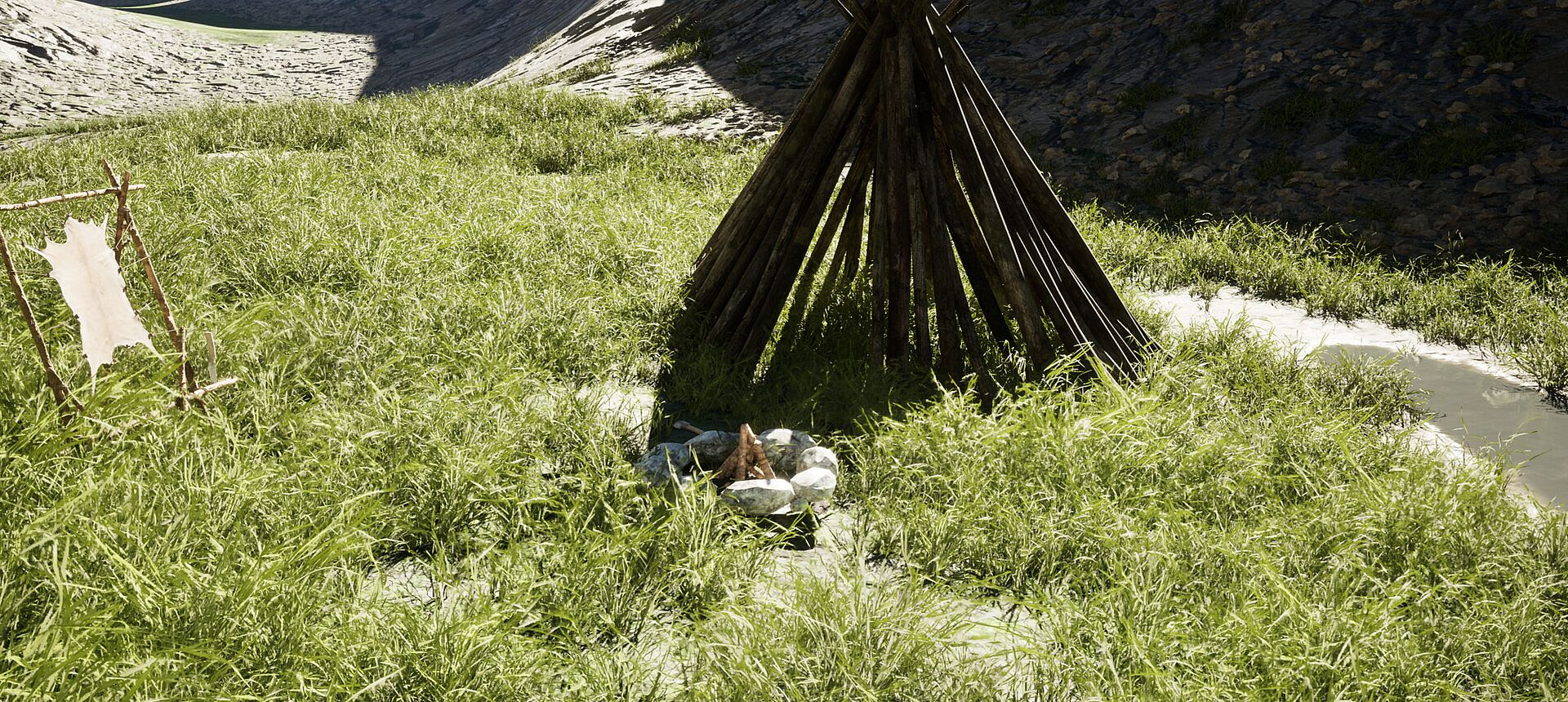
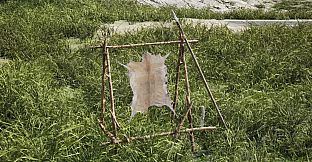
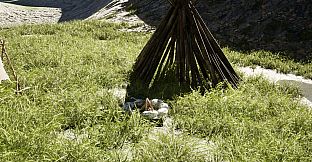
The core loop centers on foraging, crafting, and building within a dynamic alpine landscape of melting glaciers, rivers, and valleys. Players construct basic shelters such as primitive huts and set up drying racks to store food for longer periods. Tools and weapons come from local materials, including stone arrowheads and other Stone Age implements gathered from the surroundings.
Environmental hazards form a constant pressure. Hypothermia sets in during cold spells, while heat, hunger, and thirst require ongoing attention. Food preservation through drying and smoking helps mitigate shortages, and action-based learning allows skills to improve through repeated use of mechanics like hunting, gathering, trapping, and tracking.
Health management adds layers of risk. Wounds can lead to infections and diseases if untreated, and players must identify useful plants for medicine while avoiding toxic ones that cause harm. Wildlife poses another threat, with wolves and larger prehistoric animals that react intelligently and may turn the hunter into the hunted.
Game Modes
The experience unfolds entirely in single-player. No separate modes such as multiplayer sessions or competitive variants appear in the available details. Instead, the game focuses on one continuous survival scenario where progression comes from mastering the listed mechanics in an open prehistoric setting.
Players advance by balancing immediate needs against long-term preparation. This includes expanding basic structures, refining tool use, and learning plant properties through trial and observation. The absence of external factions or team elements keeps the emphasis on individual resilience against nature and fauna.
Setting and Atmosphere
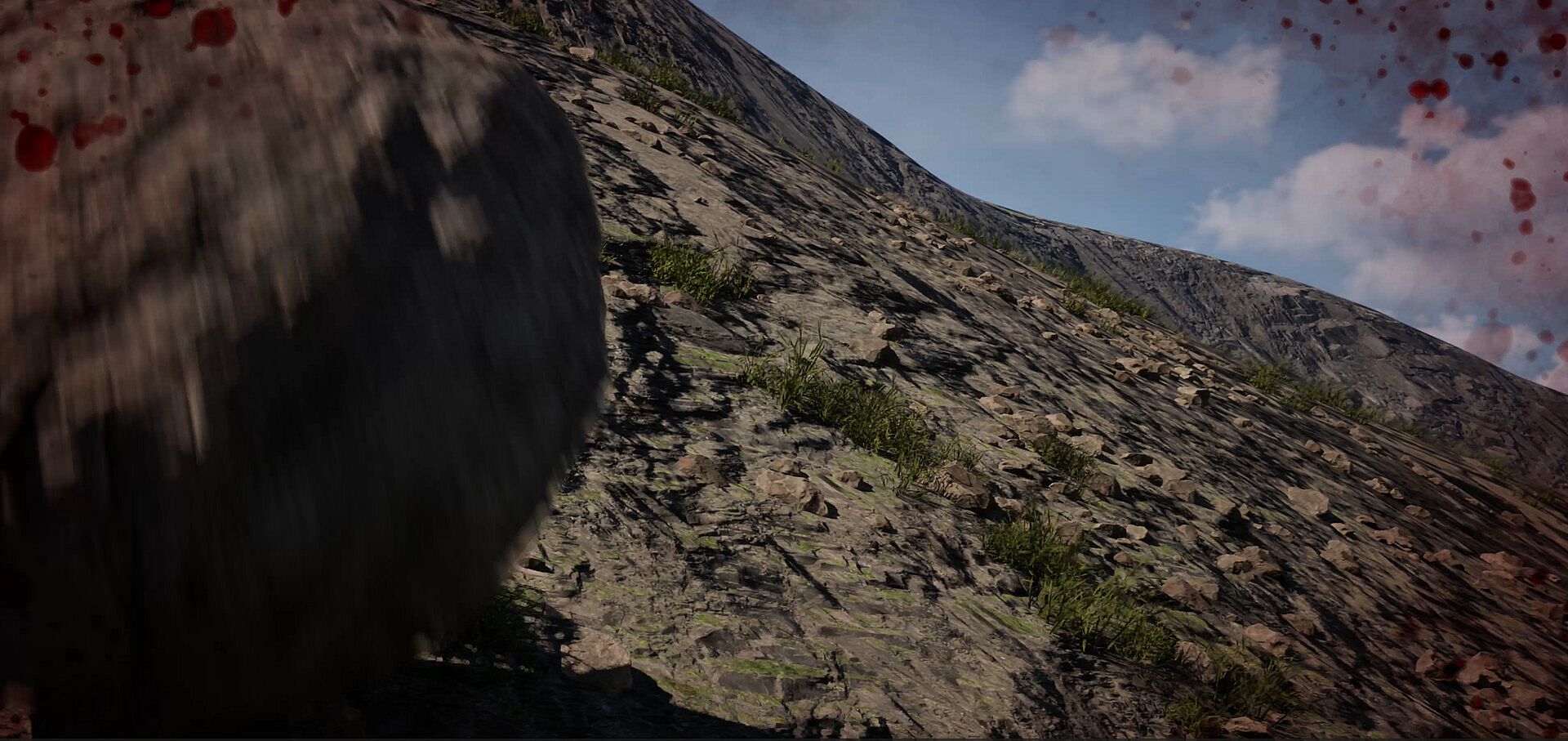
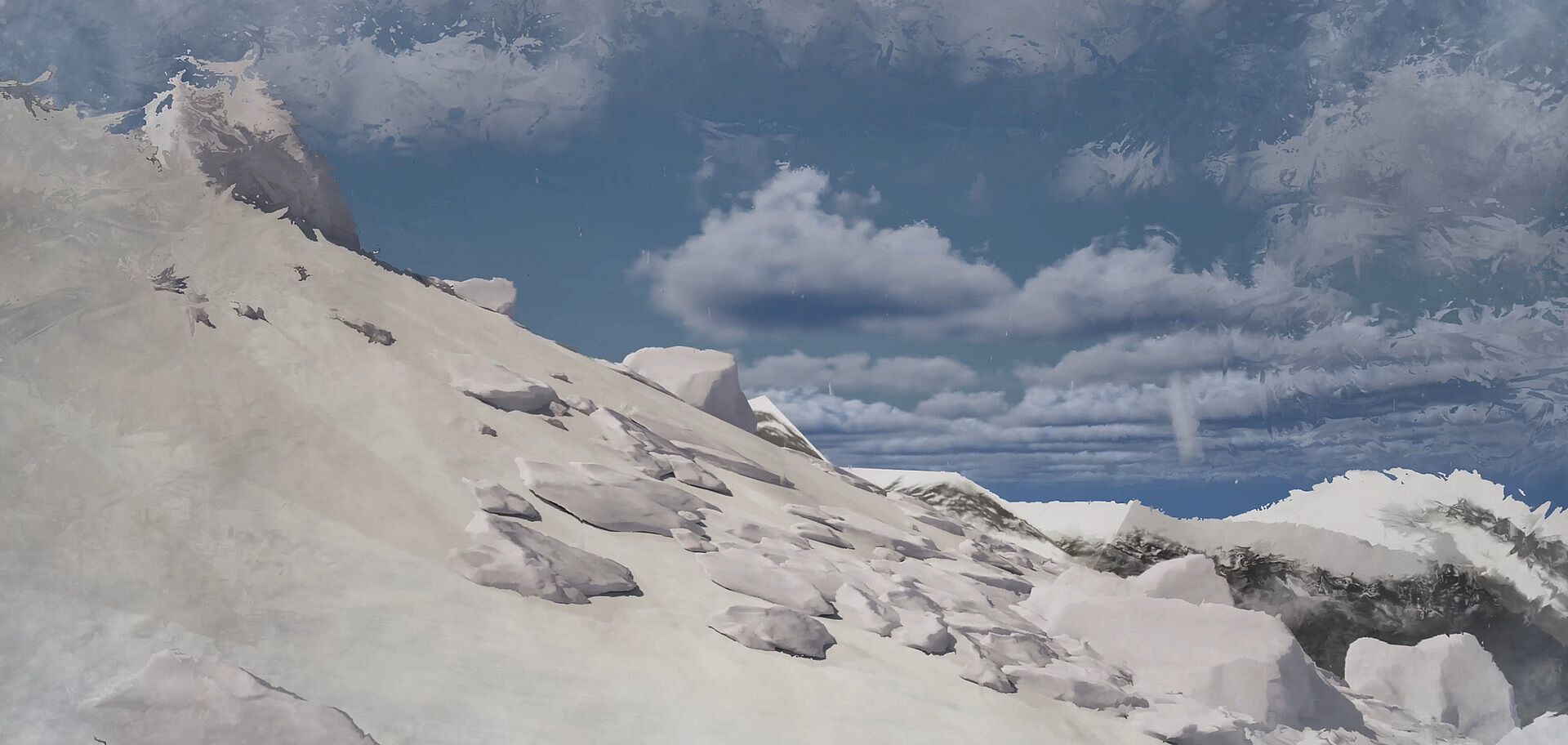
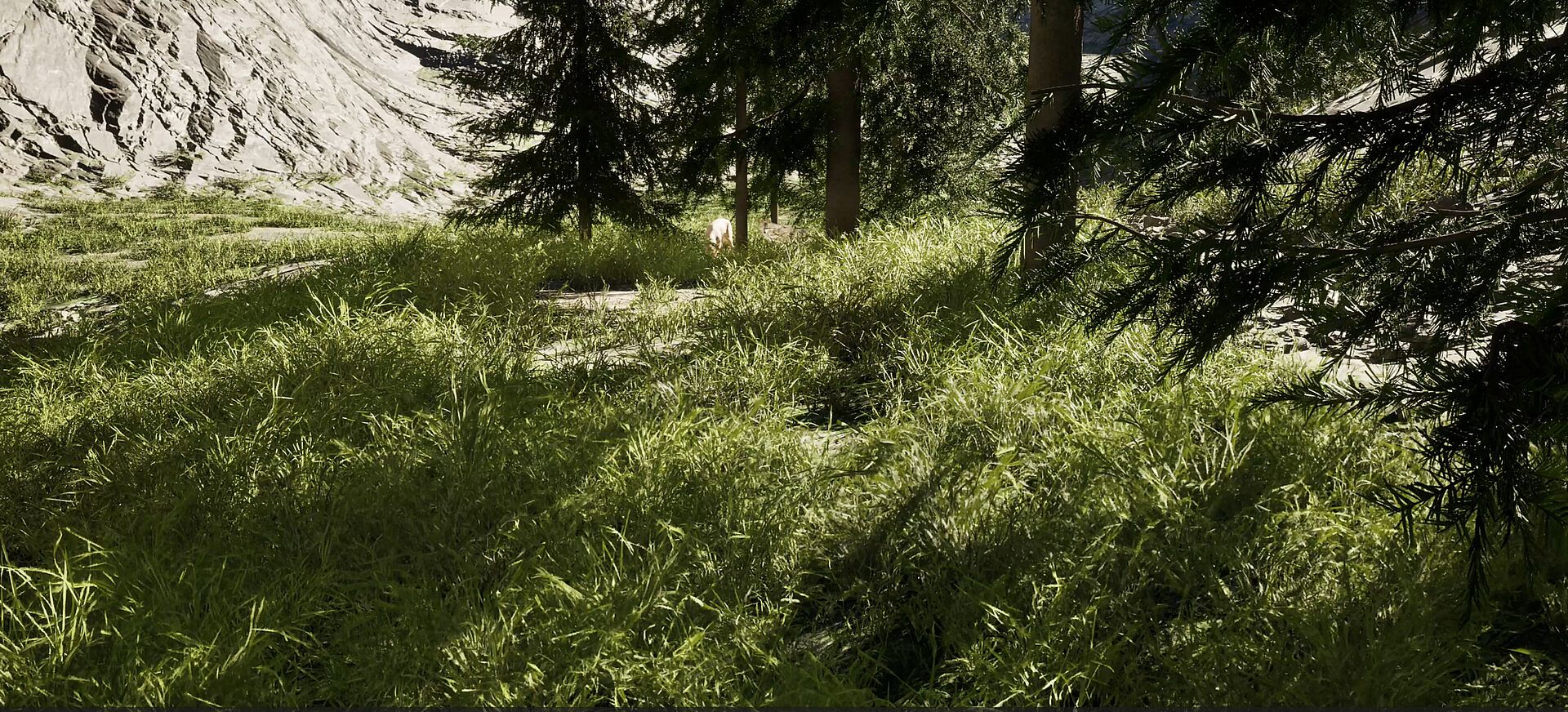
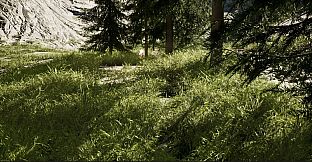
The European Alps of 10,000 B.C. serve as the sole environment. Glaciers retreat to reveal new terrain, creating opportunities alongside dangers like sudden weather shifts and limited visibility in foggy valleys. The world supports exploration on foot, with rivers and valleys shaping movement and resource placement.
Prehistoric fauna integrates directly into daily challenges. Stealthy predators and massive beasts demand careful tracking and positioning, reinforcing the theme that humans remain vulnerable prey in this era. Visual details highlight the transition from ice age to a more temperate but still unforgiving frontier.
Is It Worth Playing?
Survive 10,000 B.C. suits players who enjoy deliberate, systems-driven survival without modern conveniences or combat dominance. Its mechanics reward patience and observation, particularly in managing health, food, and temperature across a single-player campaign.
The game remains in active development with a planned release date yet to be announced. Those drawn to authentic prehistoric simulation and plant-based survival systems may find value in following its progress. No review scores or player counts exist yet, so expectations should center on the confirmed features of crafting, building, and environmental interaction rather than unverified additions.











