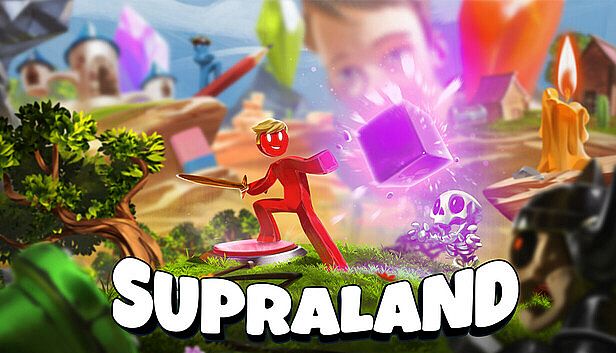

















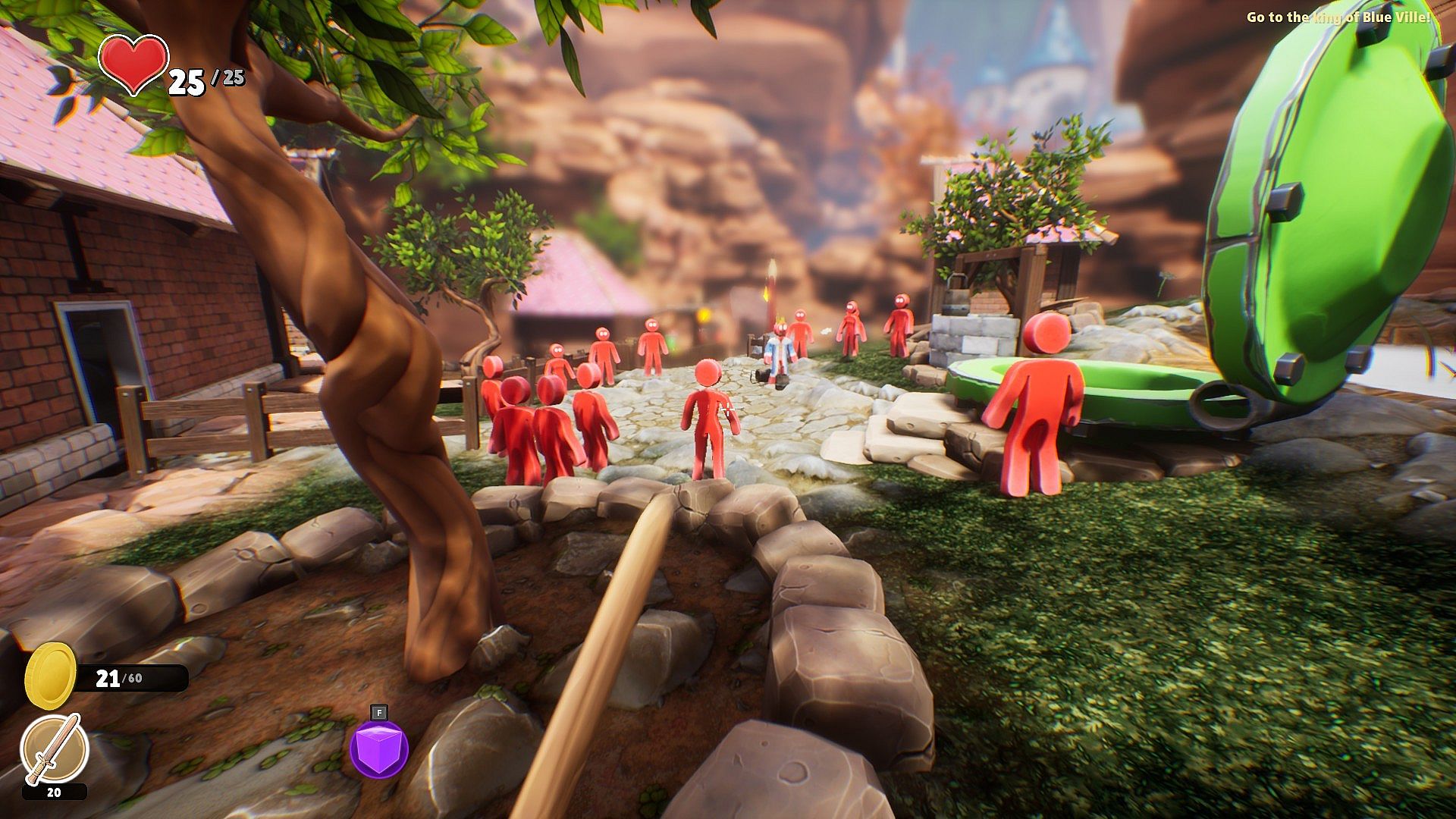
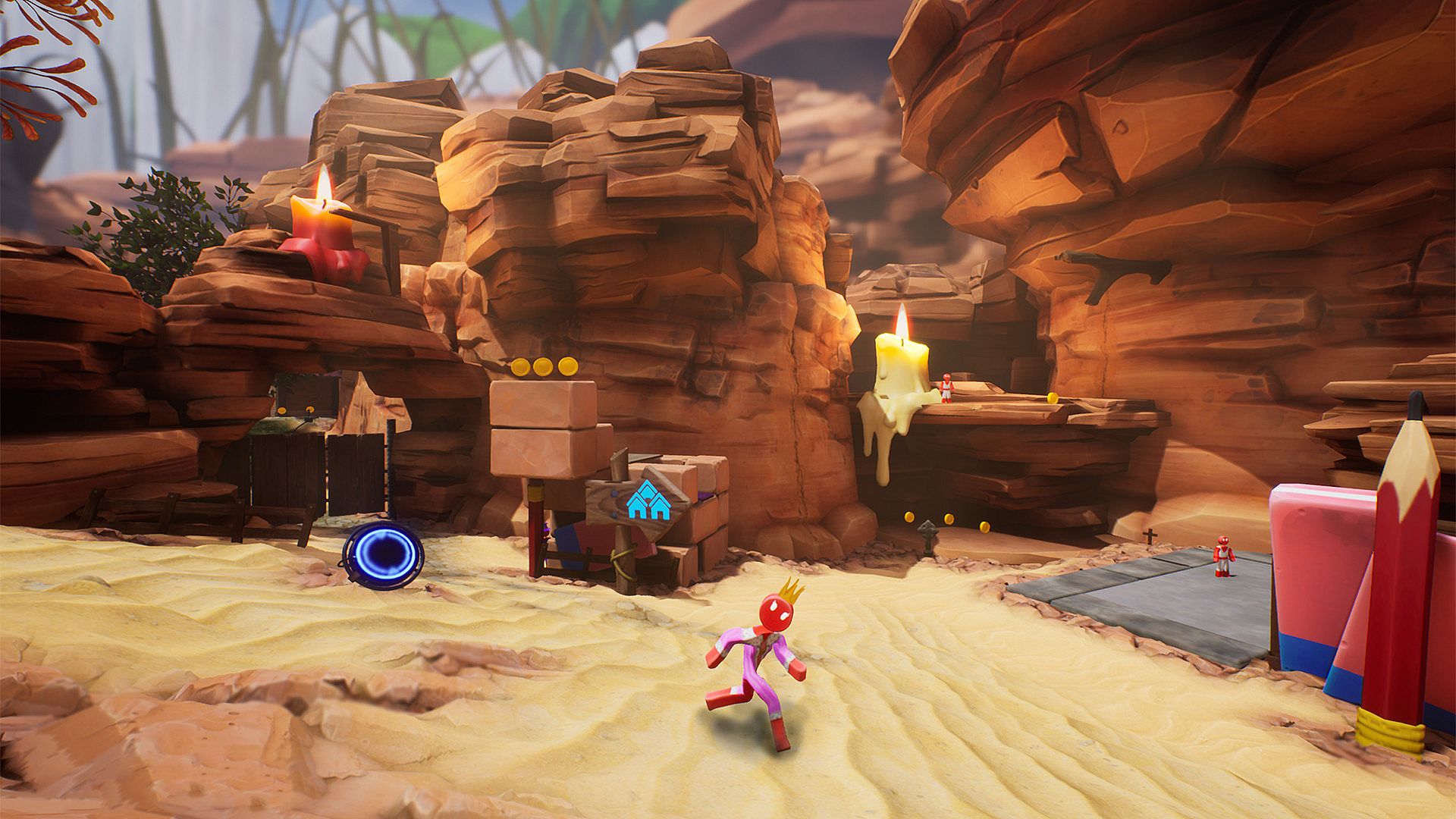
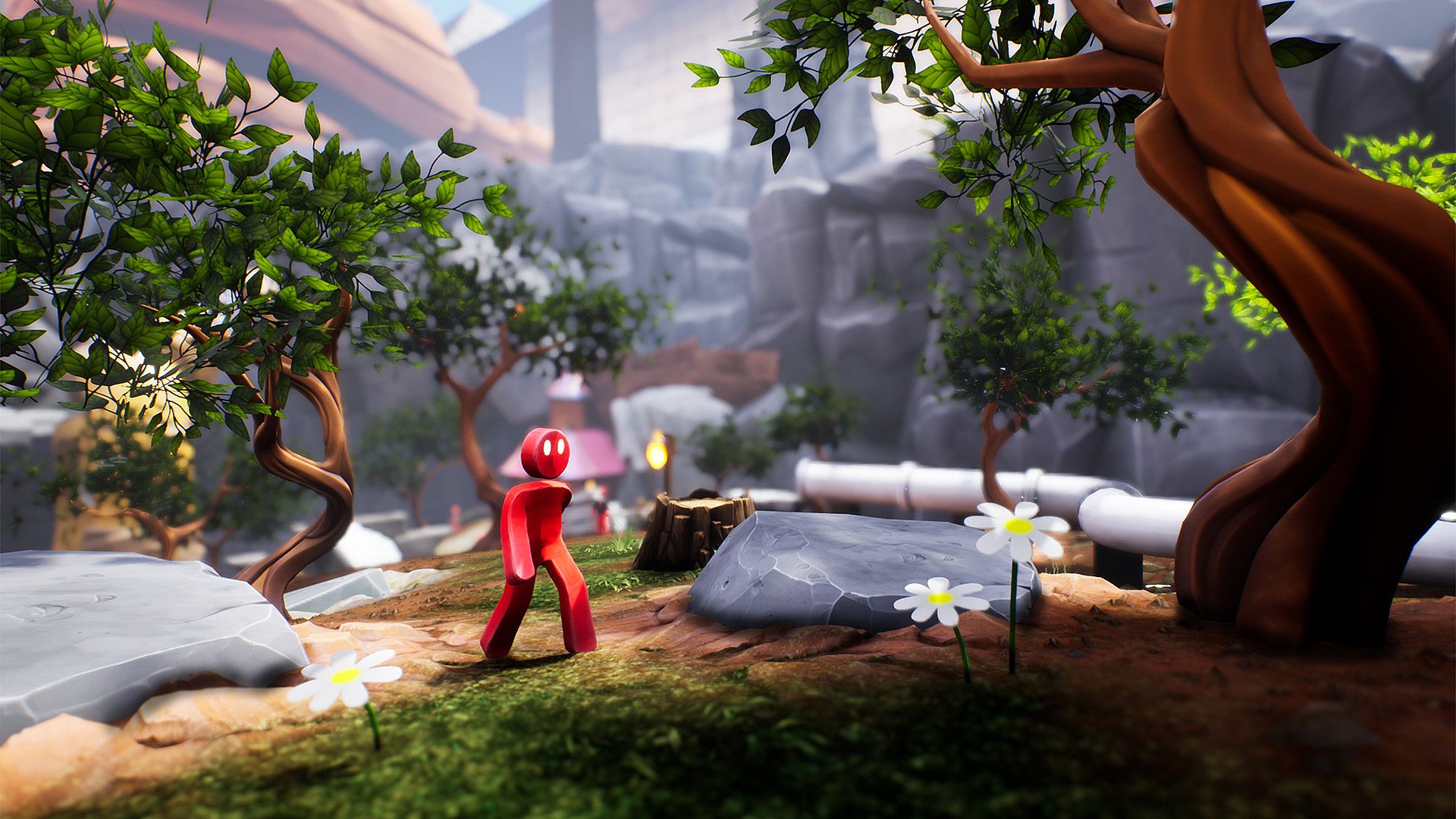
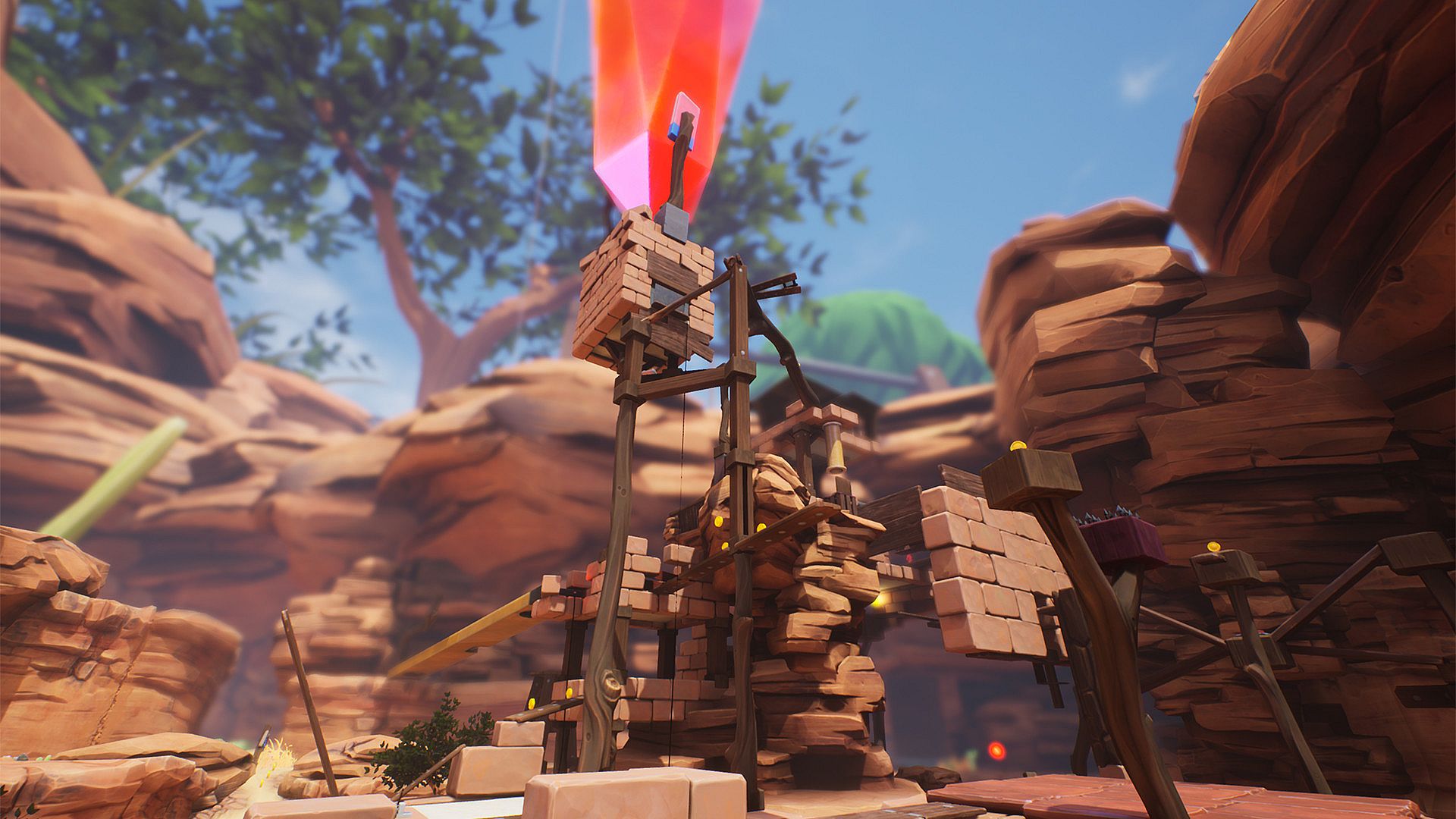
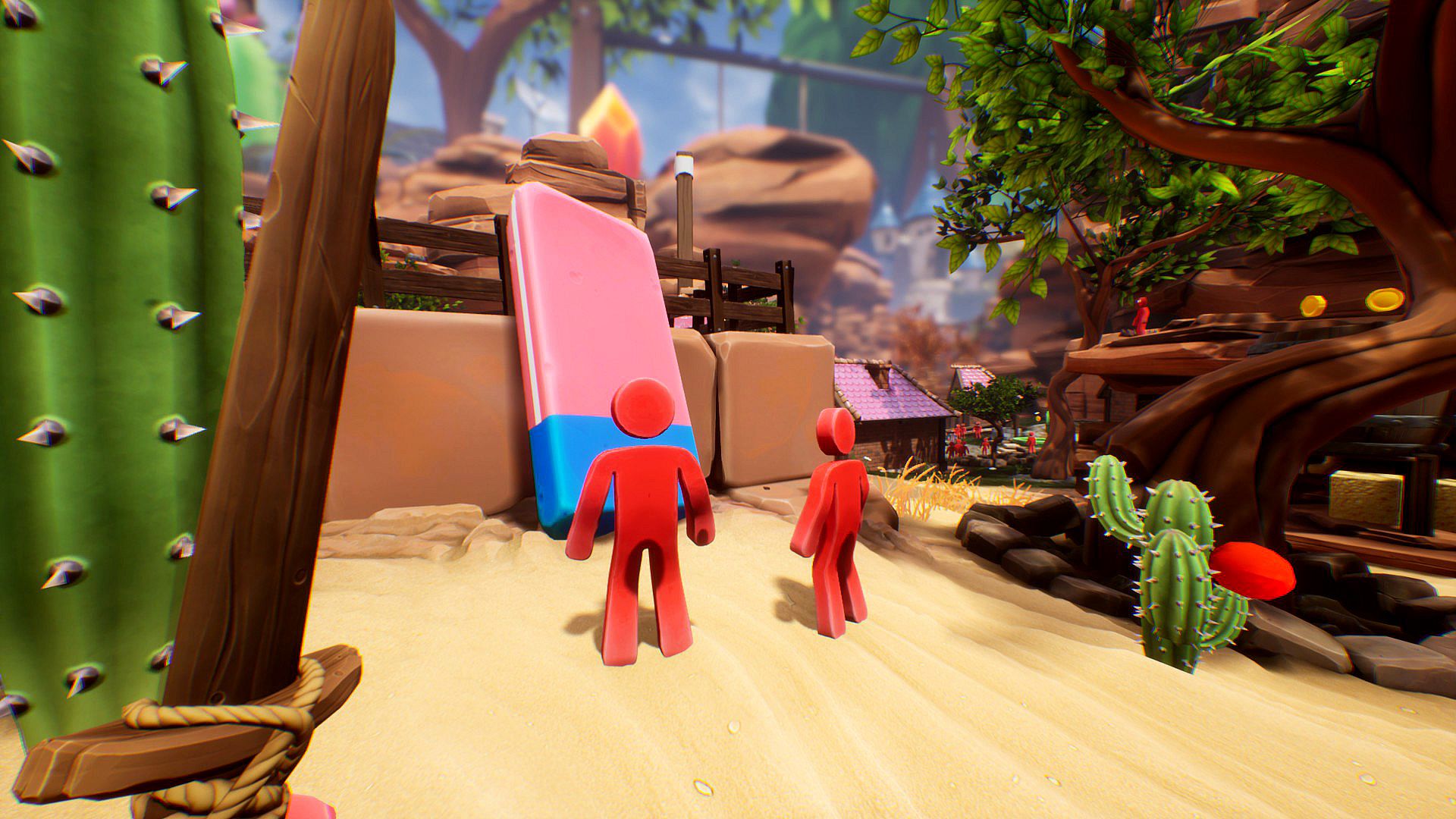
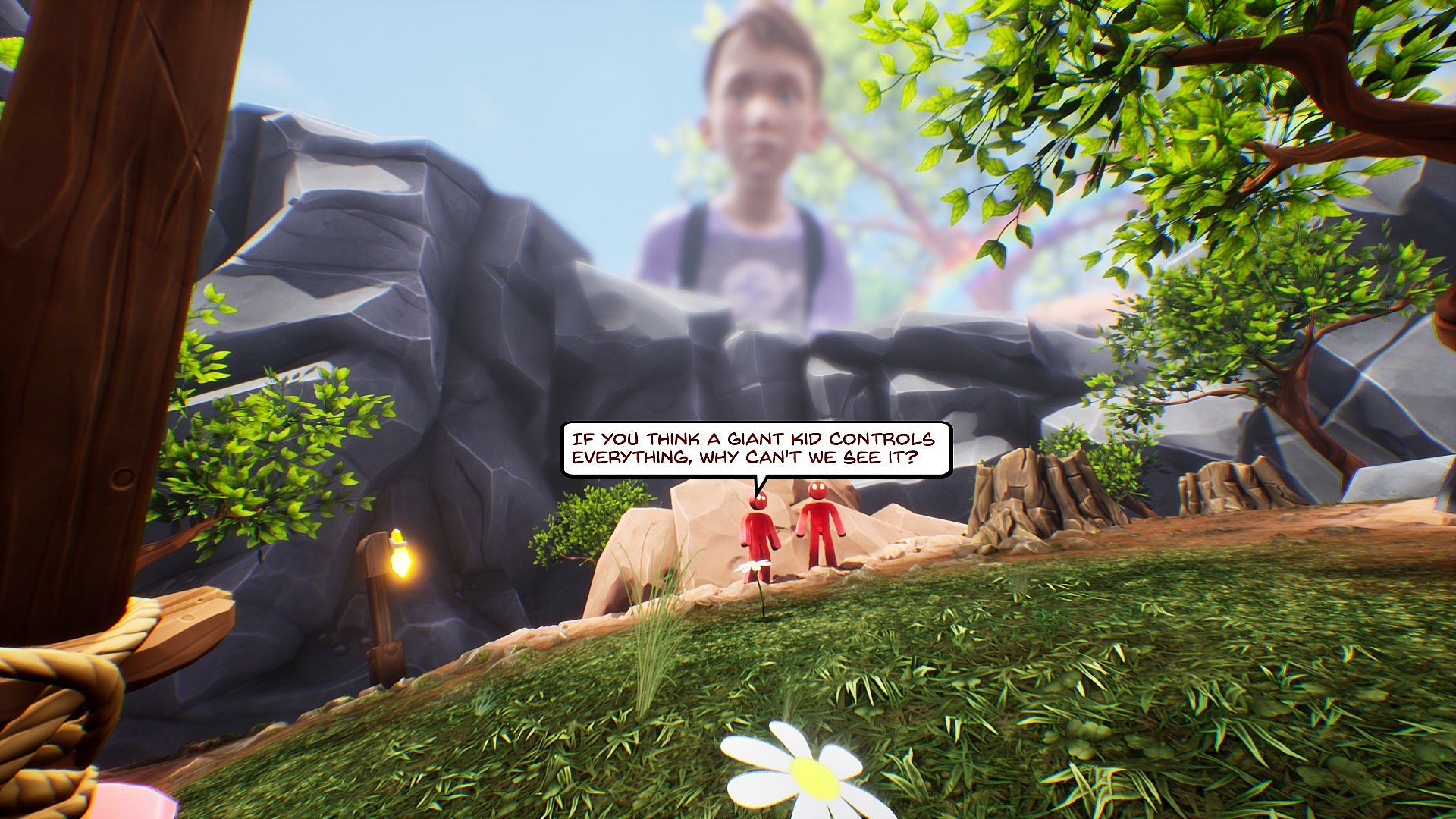
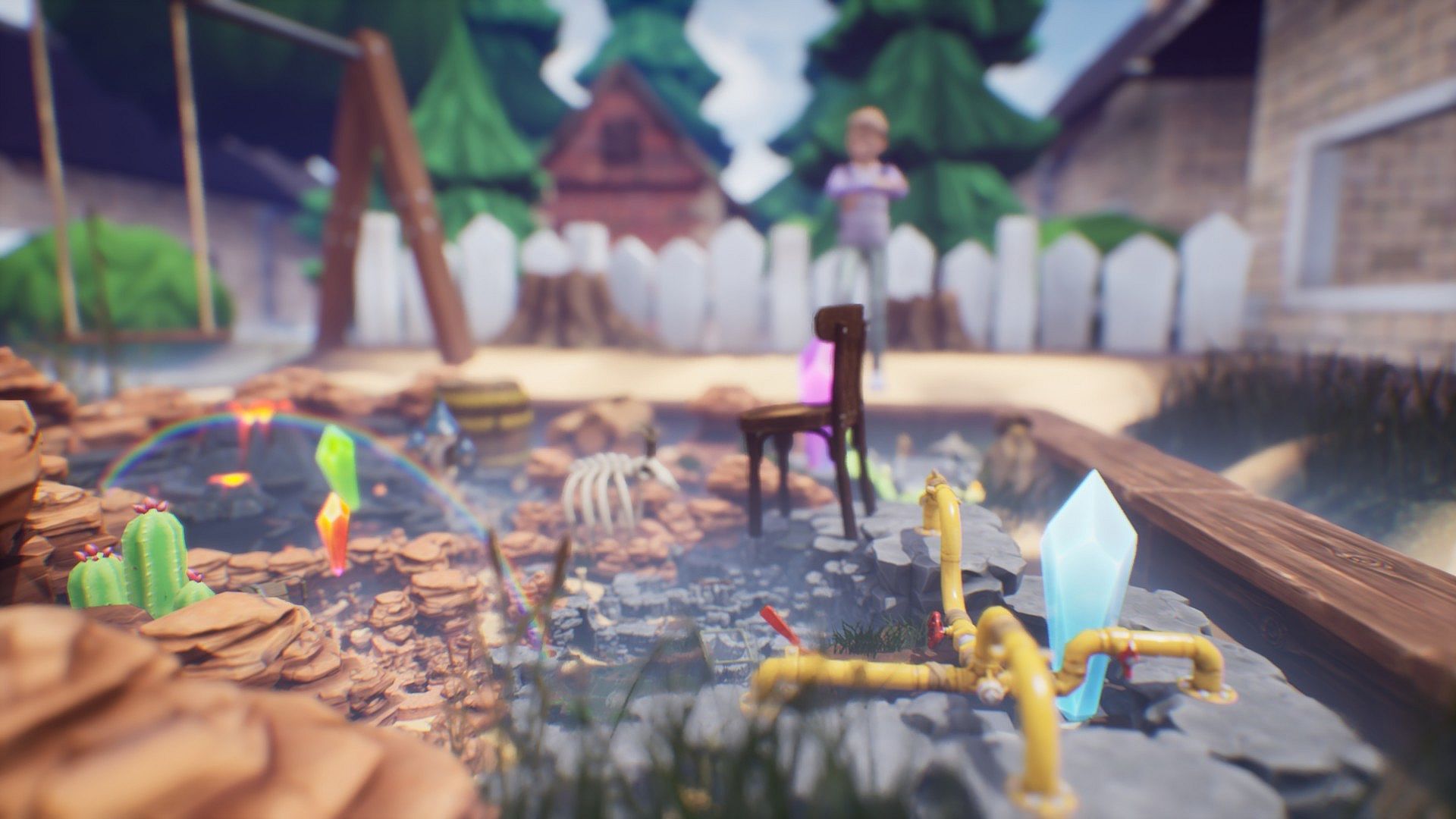
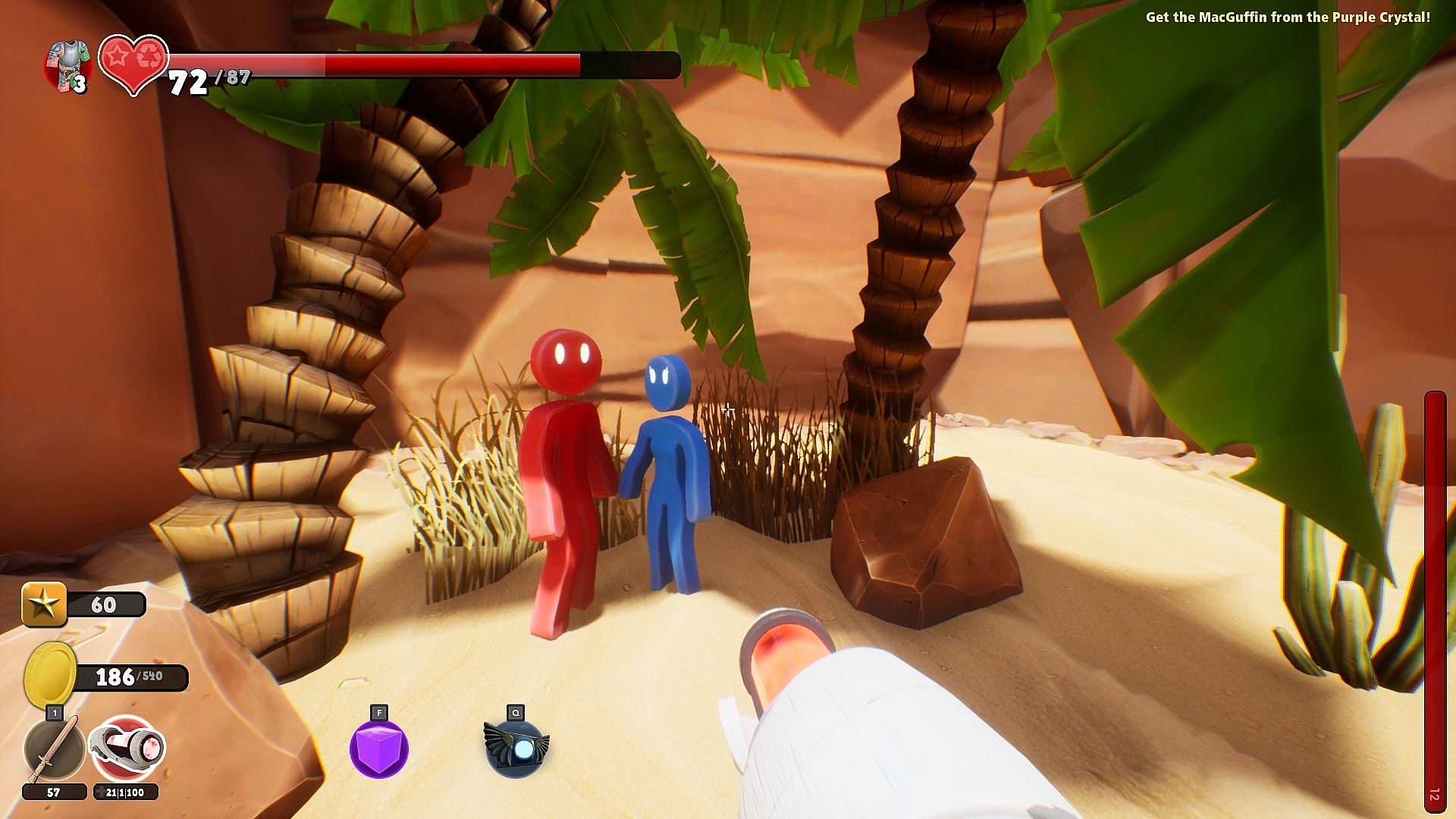
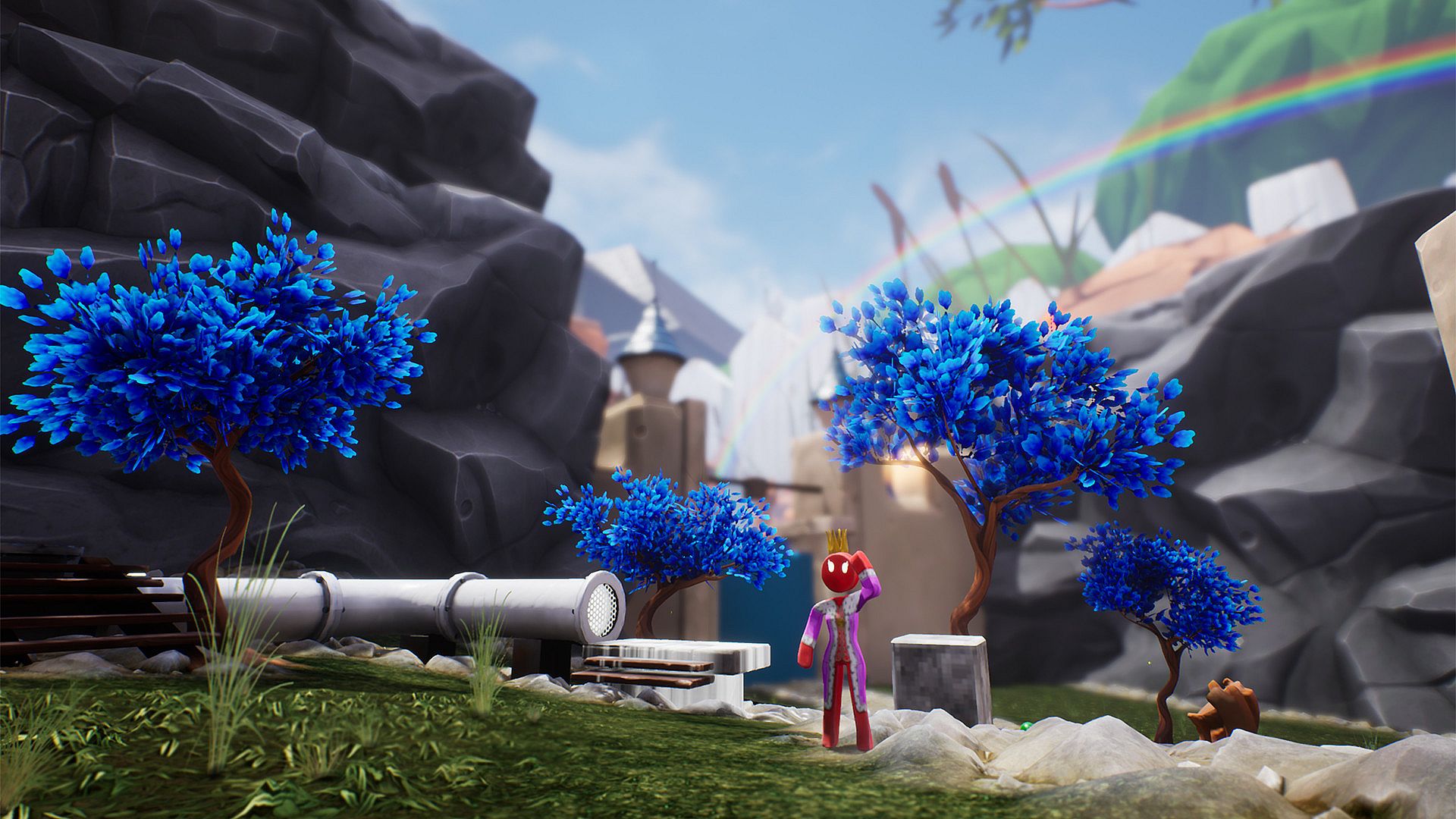
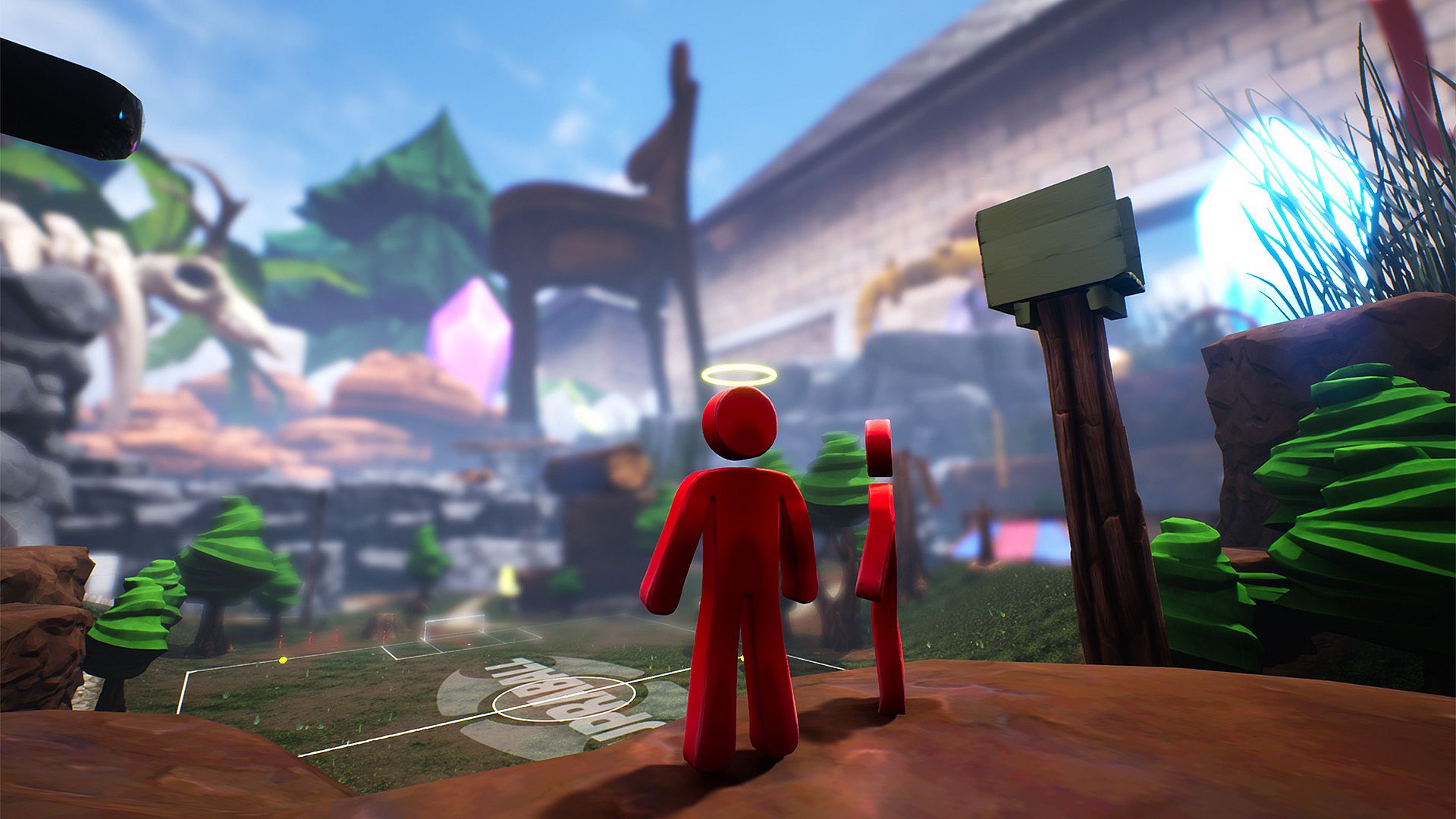
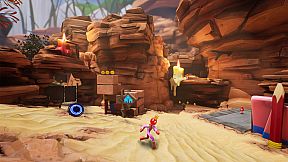
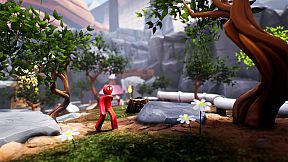
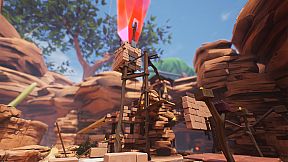
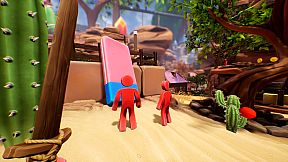
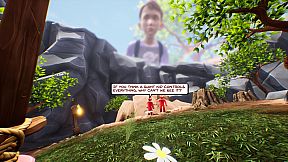
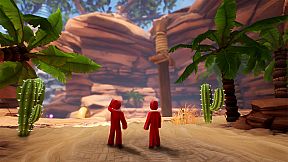
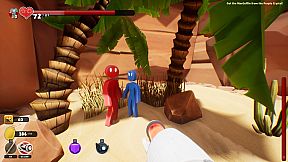
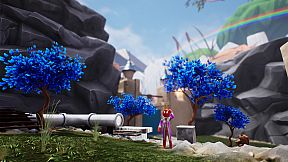
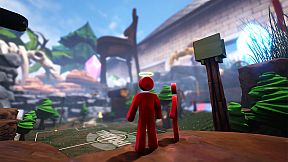
Supraland is a first-person Metroidvania puzzle game that places players in a sandbox-style world filled with interconnected areas, ability-gated progression, and creative problem-solving. Developed as a solo project by David Münnich, the title draws clear inspiration from Zelda for exploration and item use, Metroid for non-linear world design, and Portal for inventive puzzle logic. The experience runs on PC and emphasizes independent play without heavy hand-holding or filler content.
Gameplay
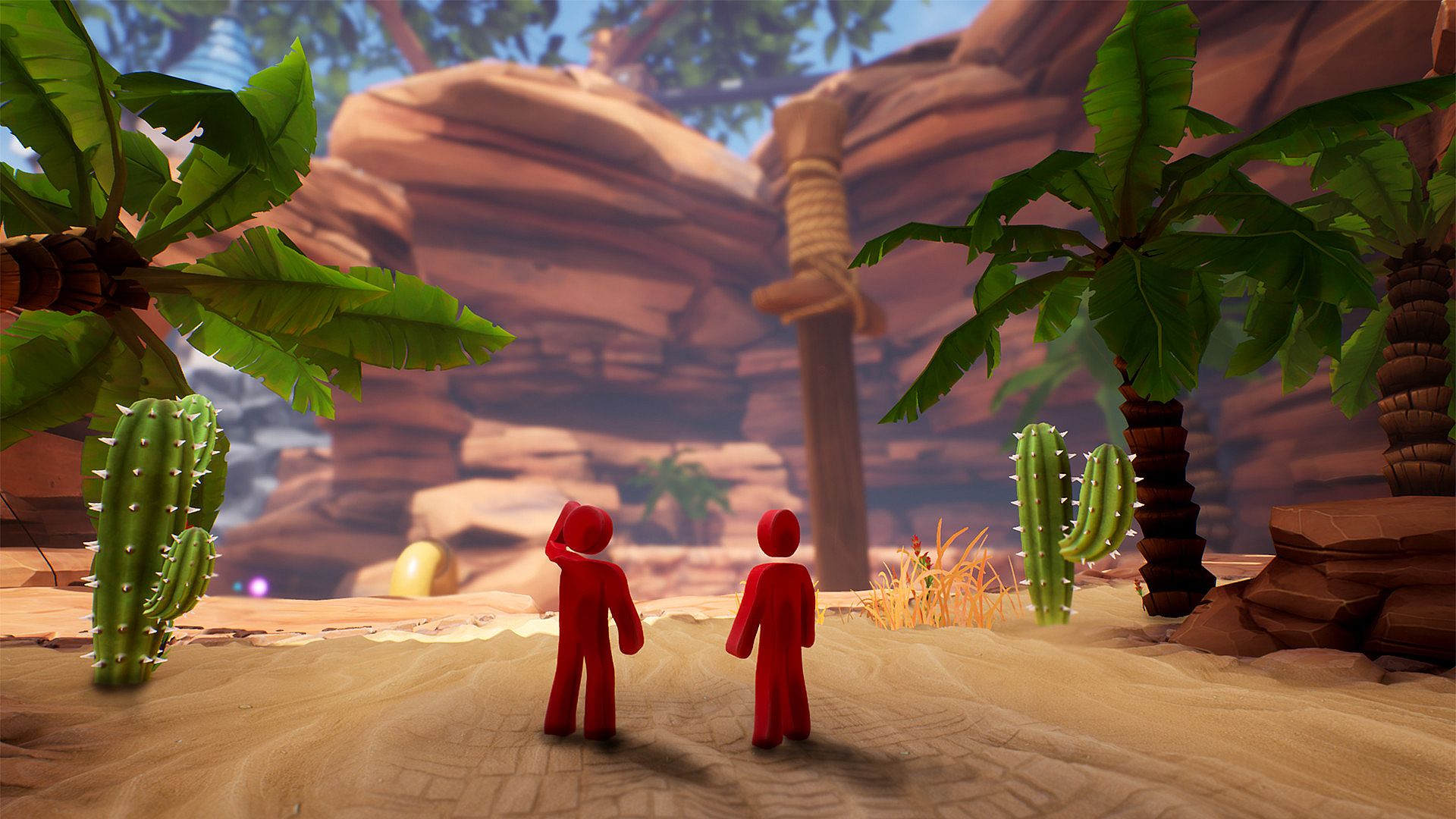
The core loop revolves around exploring a large, linked environment where initial paths remain blocked until new abilities are acquired. These tools start simple yet prove highly versatile across multiple contexts, from traversal and combat to environmental manipulation. Players collect upgrades hidden in out-of-the-way spots that reward thorough searching without relying on endless repetitive items.
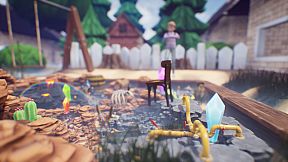
Puzzles grow more inventive as progress continues, requiring players to combine abilities in unexpected ways rather than repeat familiar patterns from other games. The design prioritizes quick realization of solutions once the core idea clicks, avoiding drawn-out trial-and-error execution. Platforming elements demand precision in first-person view, while the overall structure encourages backtracking through previously visited zones with fresh capabilities.
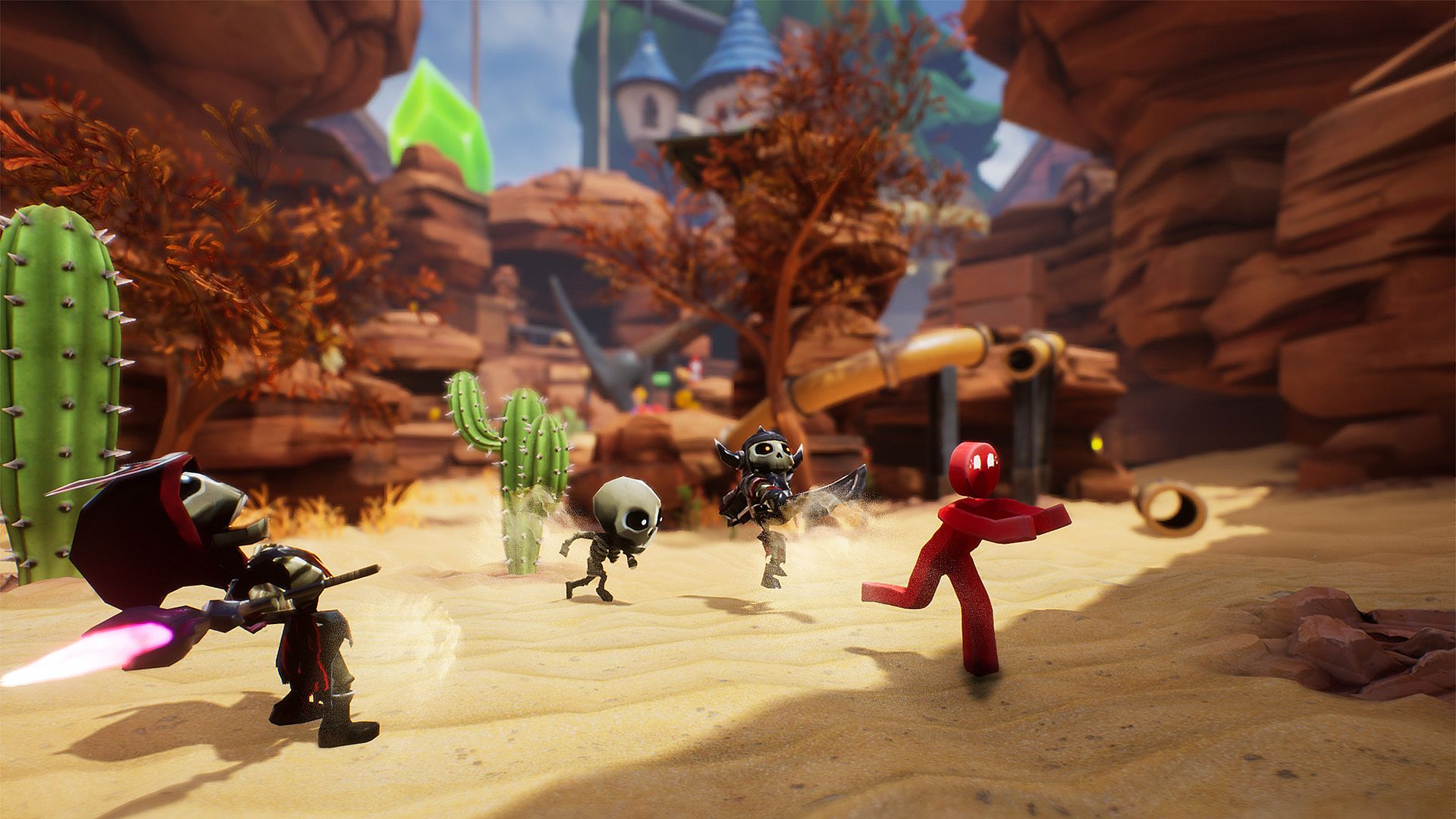
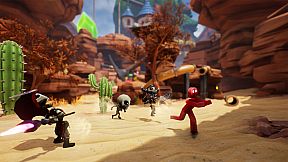
Combat draws from classic fast-paced shooters, favoring movement like strafing and jumping over static positioning. Encounters involve groups of enemies that players dispatch through direct engagement, with no reloading mechanics to interrupt the flow. Early fights lean melee-focused before expanding into ranged options that integrate with the broader ability set.
Game Modes
Supraland operates entirely in single-player mode. The main experience consists of a continuous campaign through the interconnected world, with no separate competitive or cooperative options. A free demo covers the opening section and carries progress forward into the full release, allowing players to test the core systems without repetition.
Progression stays linear in goal but open in execution, as the minimal story provides an overarching objective while leaving discovery and route choice to the player. No additional modes such as time trials, challenge arenas, or multiplayer variants exist in the base game.
Exploration and Progression
Most of the runtime centers on locating secrets and upgrades that expand movement and interaction options. Areas initially feel restricted, yet each new ability opens multiple previously inaccessible routes and hidden chests. The world scales in complexity, with later sections presenting layered obstacles that test combinations of everything collected so far.
Playtime typically ranges from 12 to 25 hours depending on how thoroughly players pursue optional content. The structure avoids padding through unnecessary collectibles, instead focusing on meaningful rewards that directly enhance capabilities.
Is It Worth Playing?
Supraland suits players who enjoy first-person exploration games that reward observation and creative ability use over combat depth or narrative complexity. Its puzzle design stands out for originality and respect toward the player's time, with versatile tools that continue to find new applications throughout the campaign.
Reception highlights the satisfying progression and inventive challenges, though some note the combat serves mainly as a supporting element rather than a focus. The game remains available as a complete title with a standalone expansion released later, and it continues to see modest ongoing play on PC. Those drawn to Metroidvania-style ability gating combined with puzzle emphasis will find a focused, self-contained experience that delivers on its core promises without unnecessary extensions.