






⚔️ A tale of wings, faith and second chances
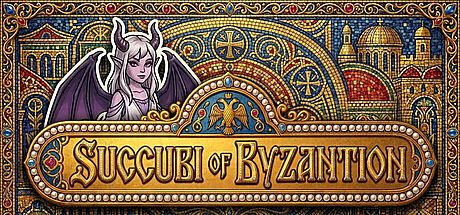
The olive harvest was going to be legendary that year. Then the demons came - and with them, the questions. The Inquisition teaches us that everything with wings serves hell. But when a succubus saves your life, a dragon carries you on its back, and a tiny winged girl with a foil comes running to defend the hobbits' gardens… how long can a teaching like that last?
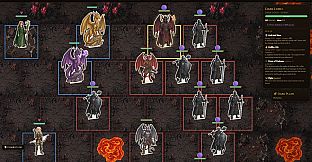
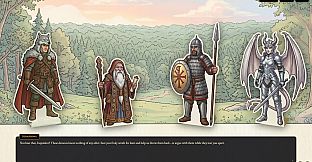
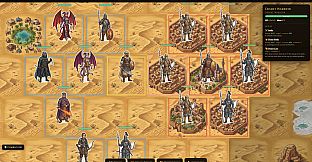
Succubi of Byzantion is a turn-based strategy game with a lighthearted, visual-novel-style campaign - you follow four heroes whose fates intertwine against the backdrop of a war with demons. What some of them have believed their whole lives may not survive contact with reality.
🛡️ Four main heroes and their paths
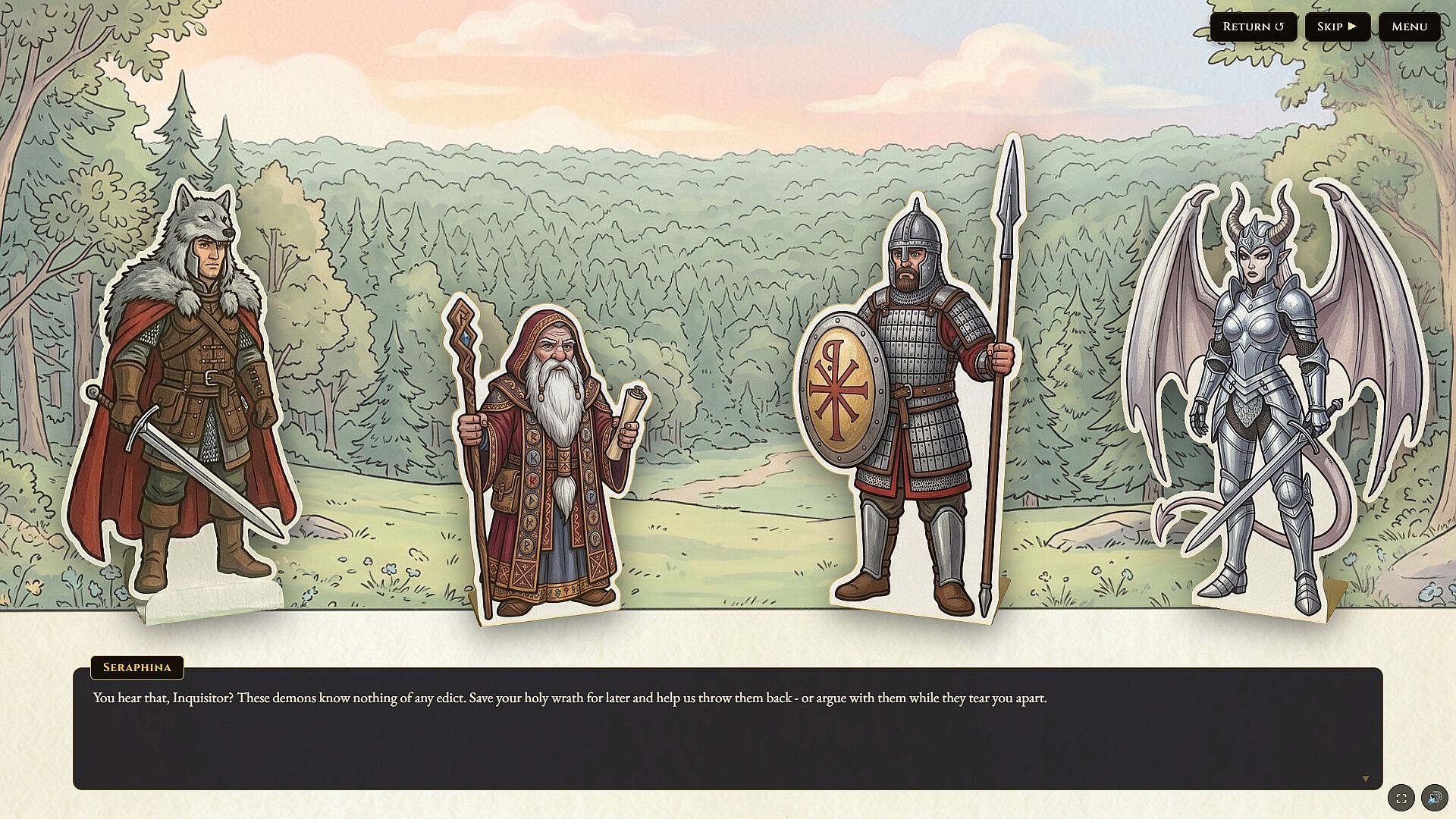
Galerond, the Inquisitor - a seasoned warrior who slowly begins to doubt whether his lifelong motto, "everything with wings serves hell," isn't a little too simple after all.
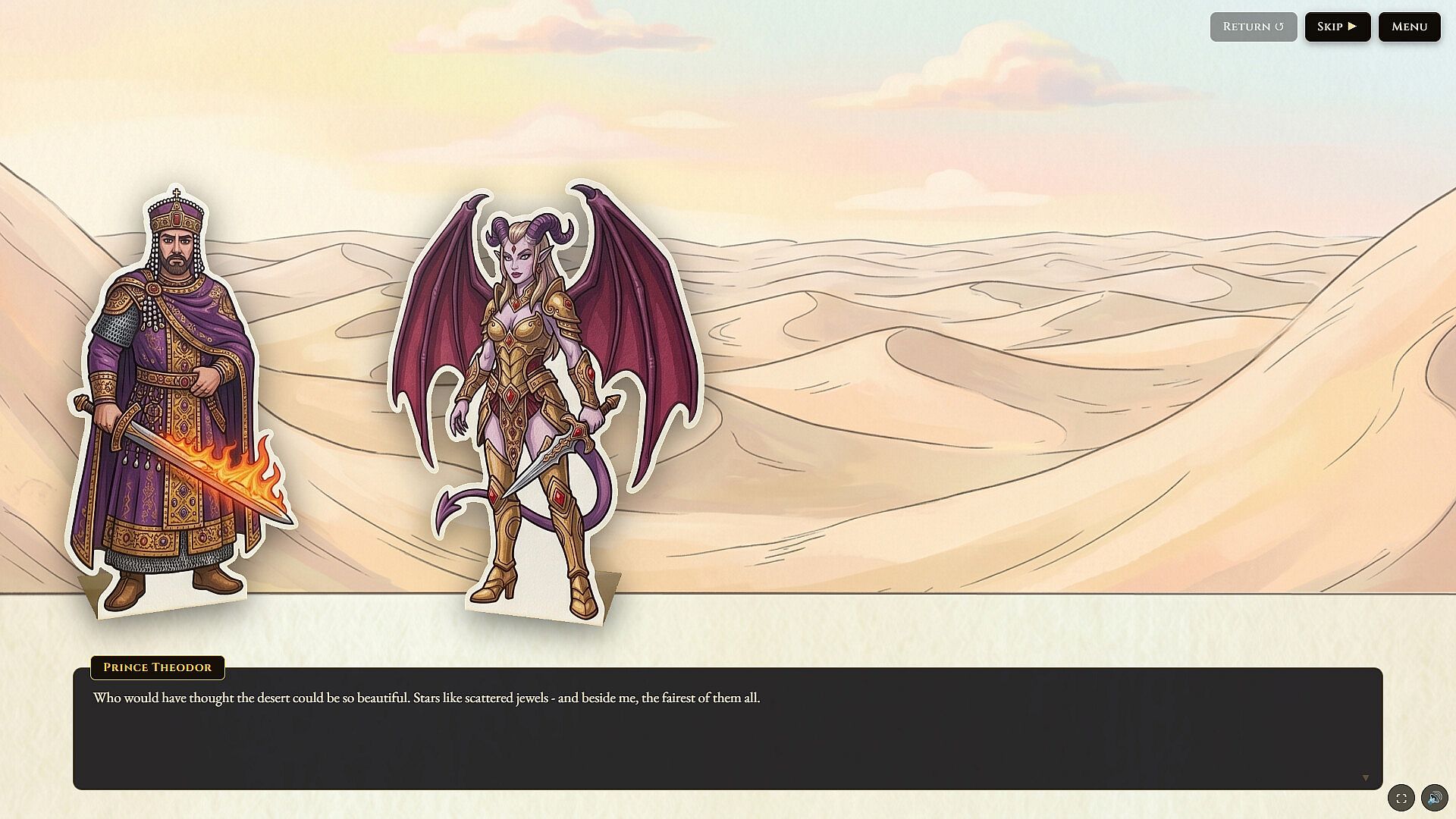
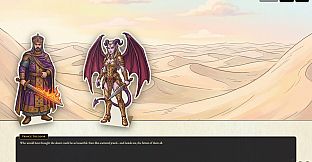
Prince Theodor & Seline - the heir of Byzantion and the court succubus meant to help him with the war in the south. A romance the world may not be ready for yet.
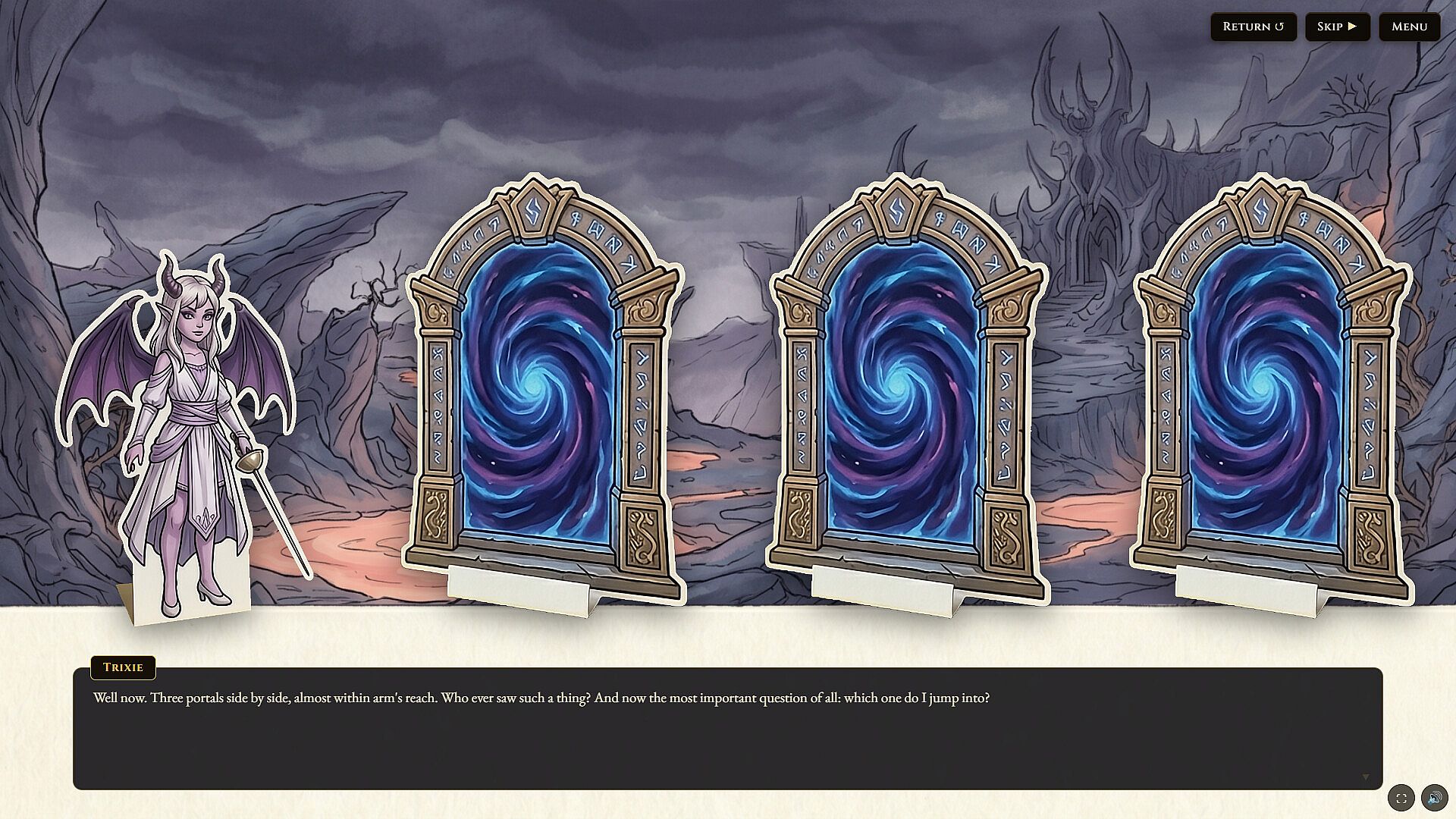
Trixie, the little succubus - a giggling whirlwind with a foil who cares more about biscuits and friends than about emperors, kings, or a war with hell. The hobbits adore her. The demons should worry.
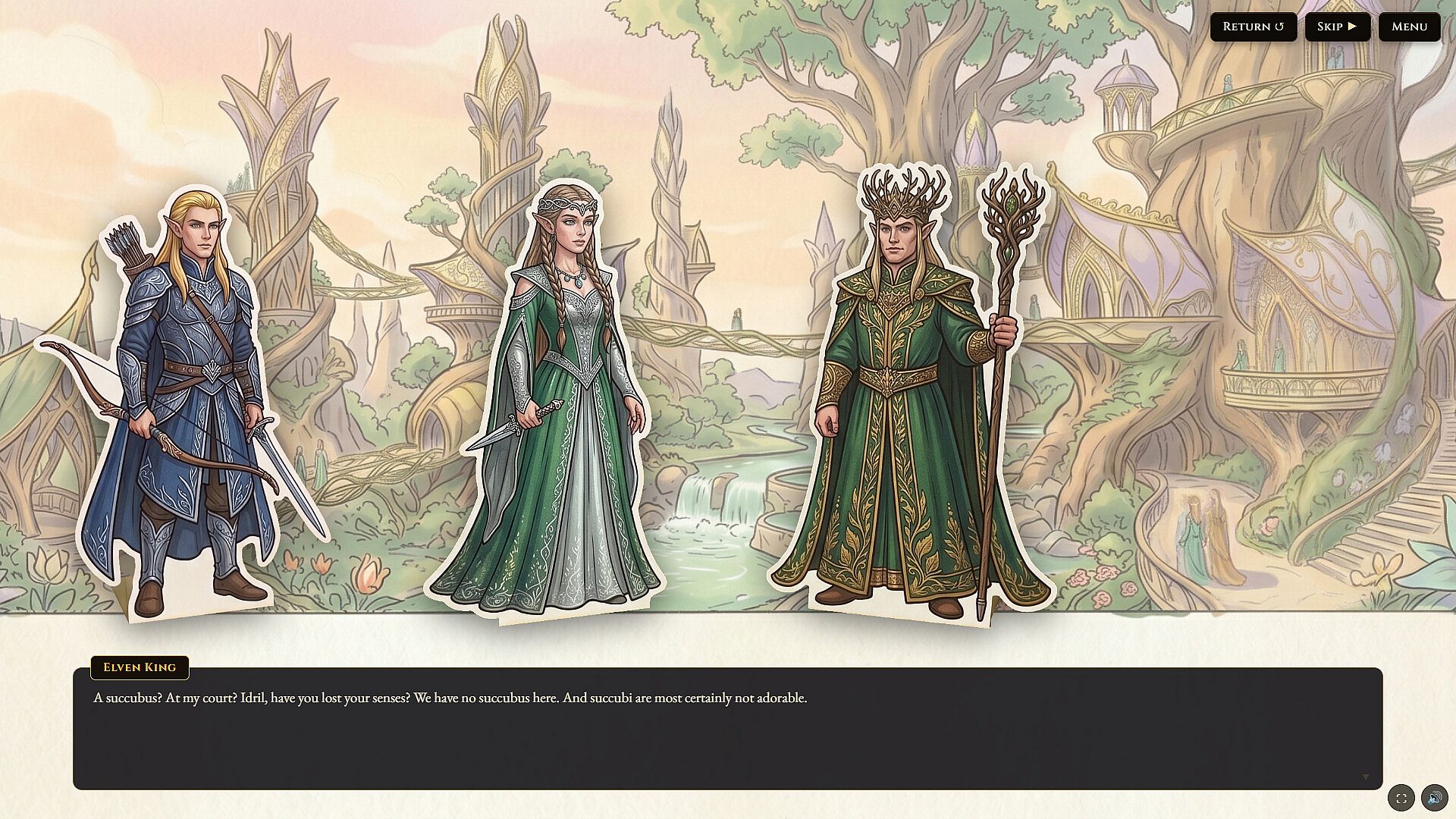
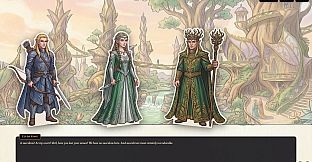
Celesian and the dragons - an elven nobleman who longs to restore the ancient alliance between the forest realm and the dragons.
📜 Story campaign
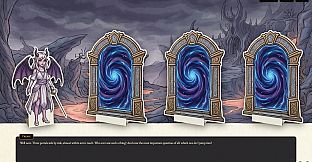
137 story scenes in a visual novel with paper-cutout characters.
43 battles, three difficulty settings and 22 achievements.
The campaign leads you scene by scene and remembers exactly where you left off.
Fully translated into Czech and English.
🎲 Tactical battles
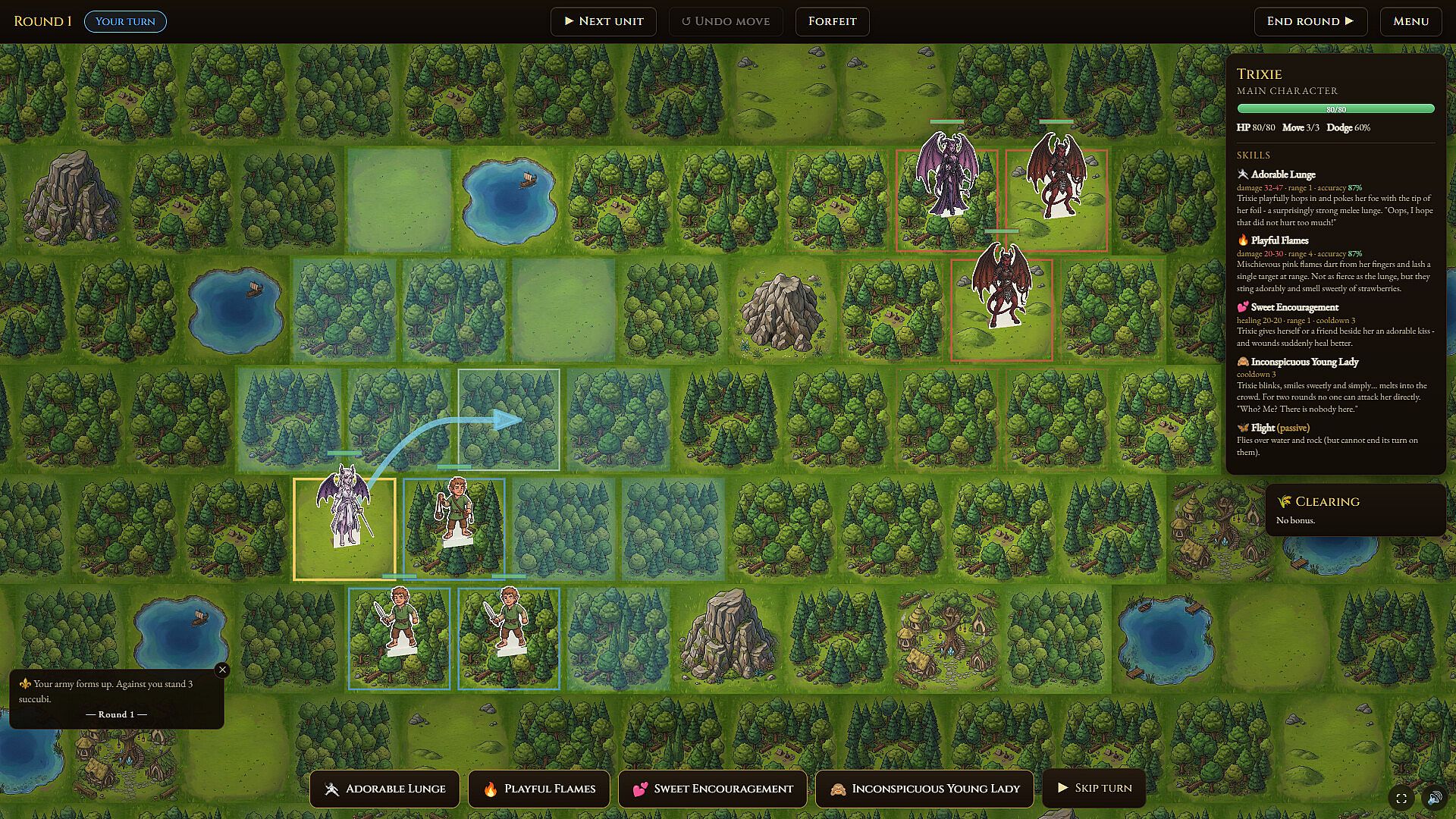
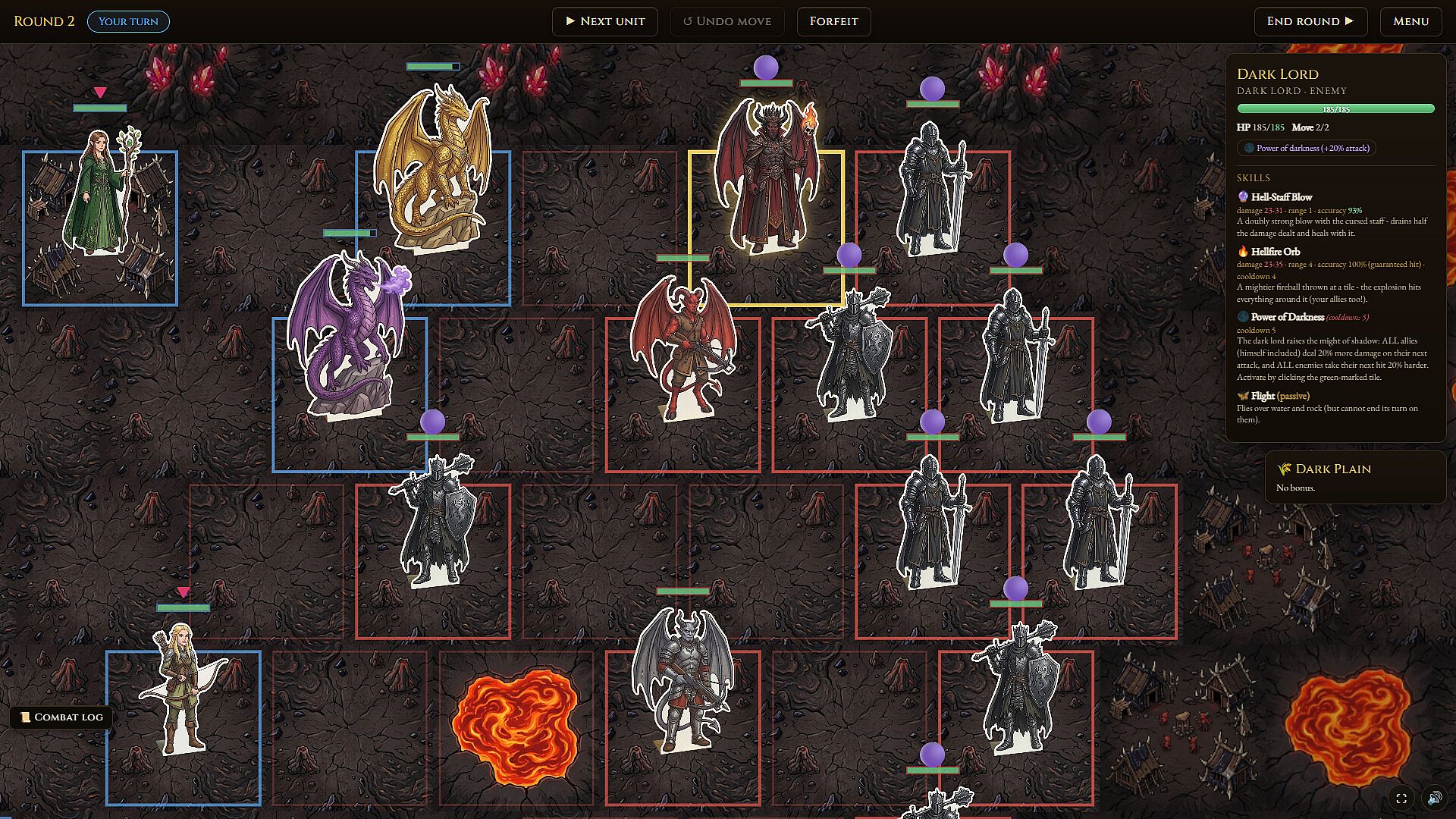
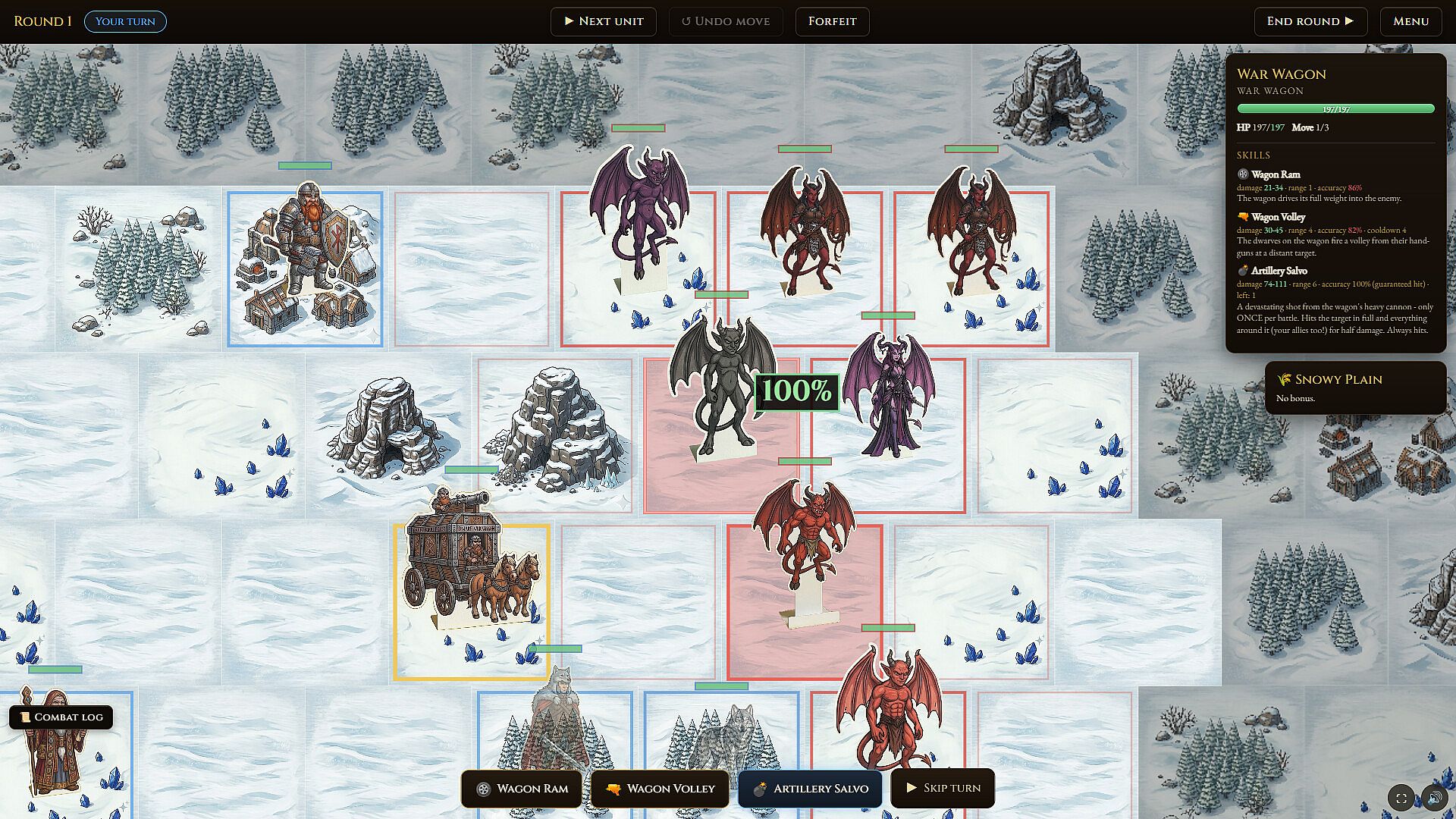
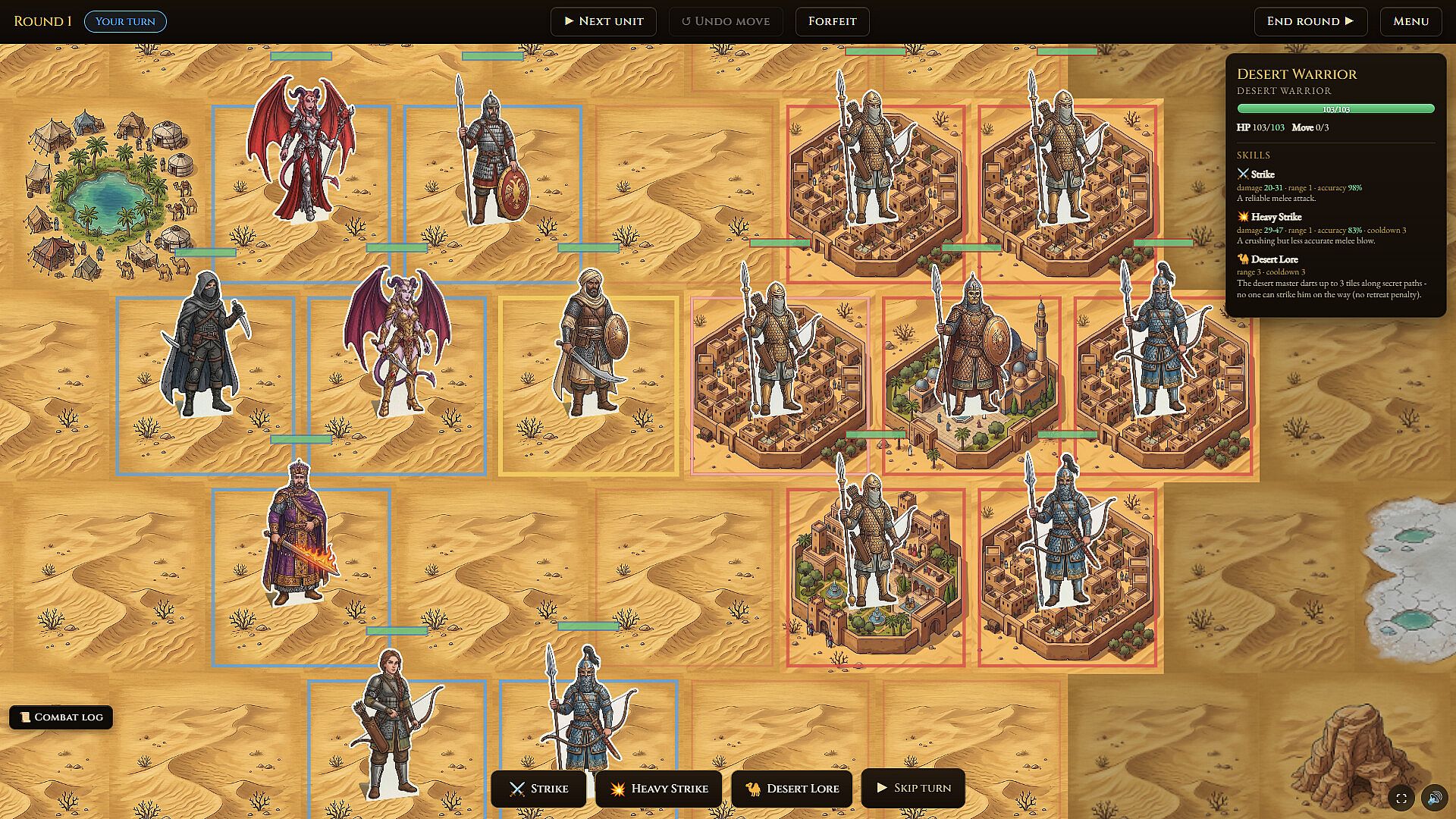
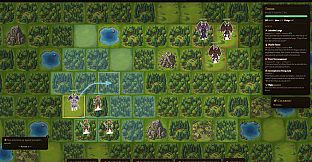
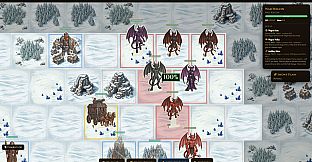
Turn-based battles on an 8x5 square grid.
Action-point movement. Skills have a percentage chance to hit. Terrain provides cover.
67 different units in all, sharing over 100 different skills between them.
Beyond the campaign there's a Quick Battle mode, where you build any army you like for both warring sides.
🎨 Inspired by the classics
The game is a tribute to classics like Battle for Wesnoth, Age of Wonders, Warlock: Master of the Arcane and XCOM.












