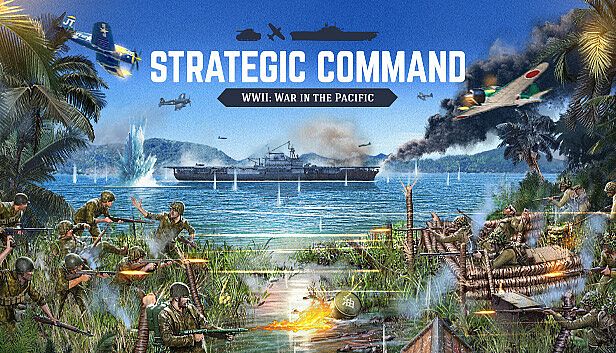














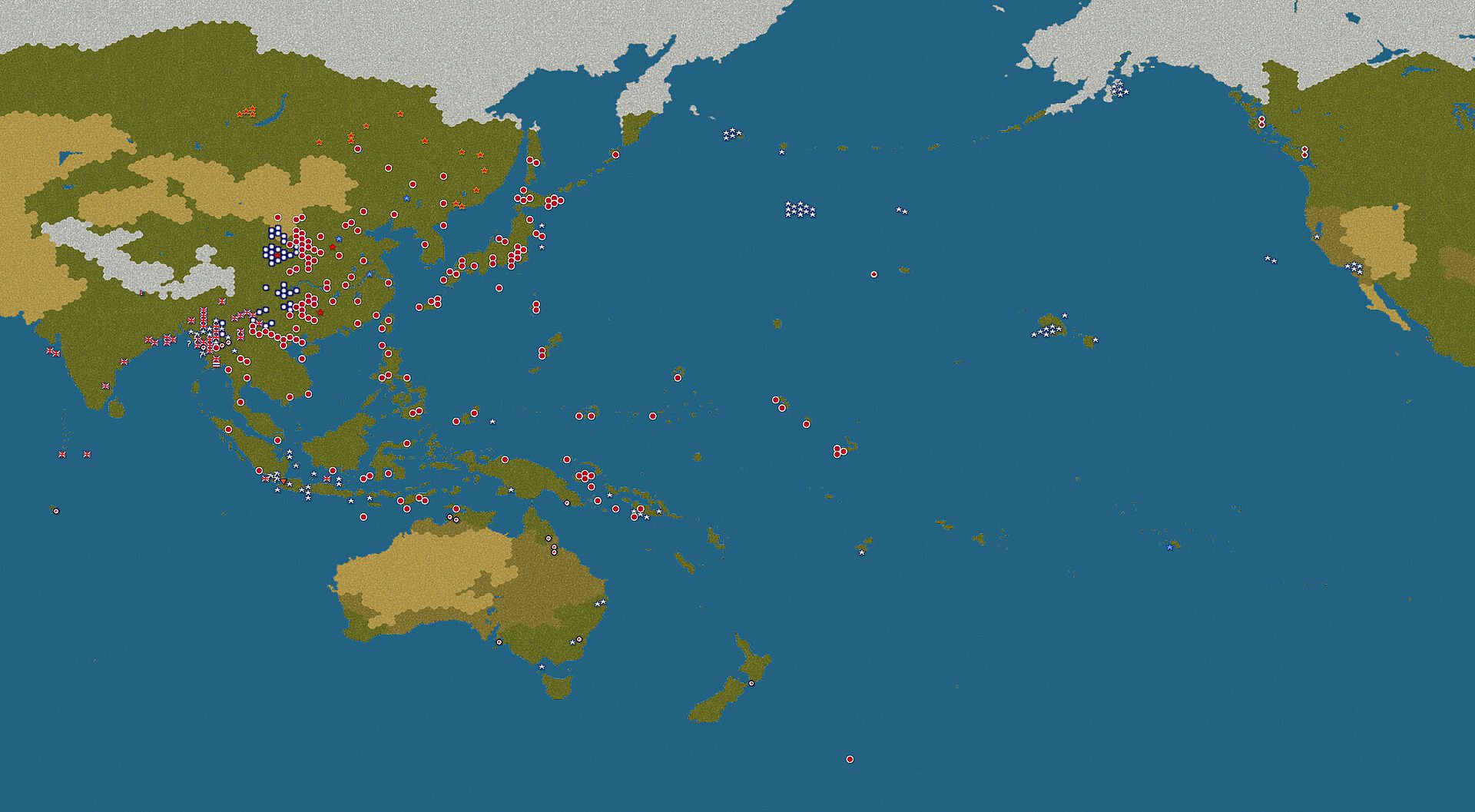
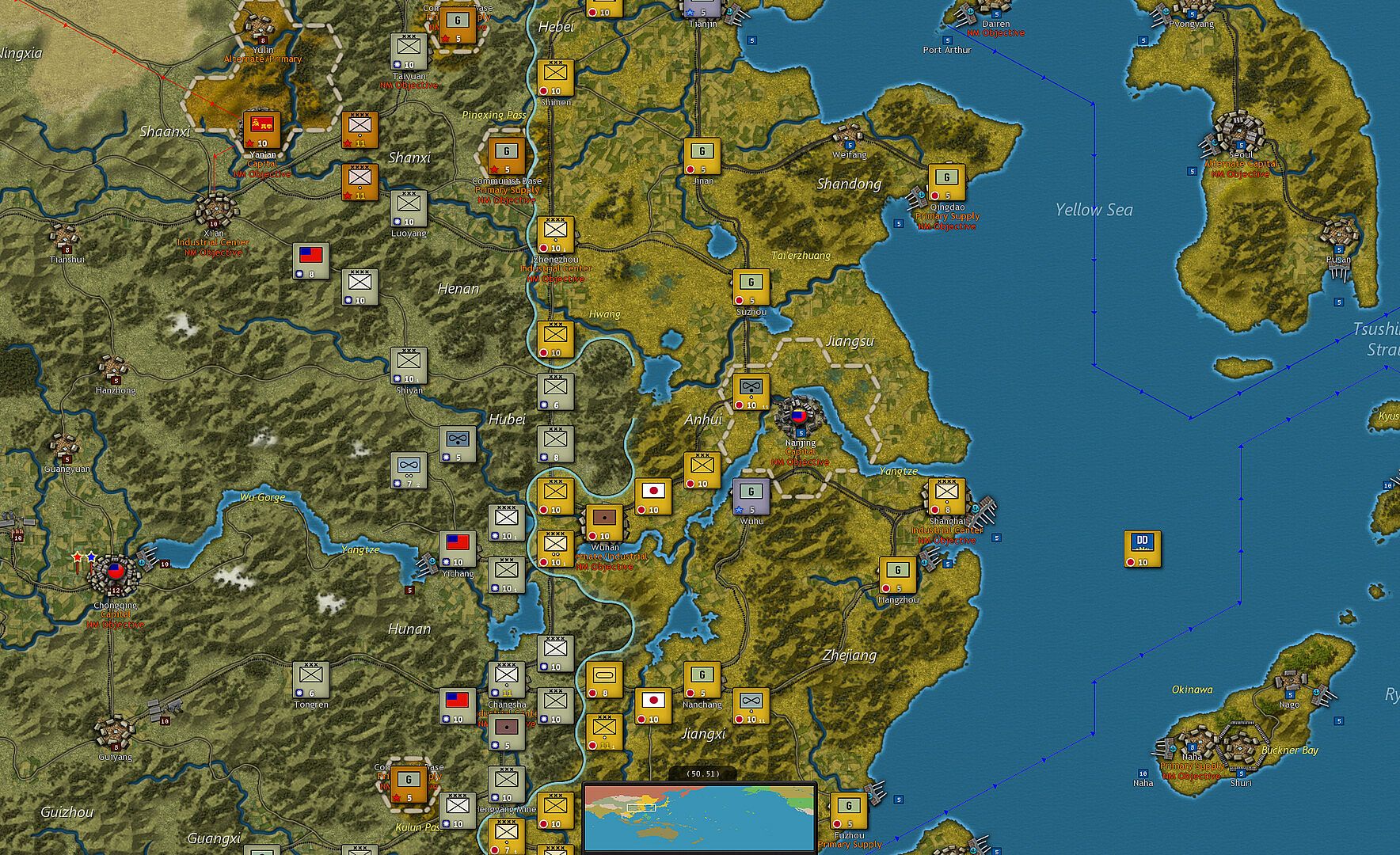
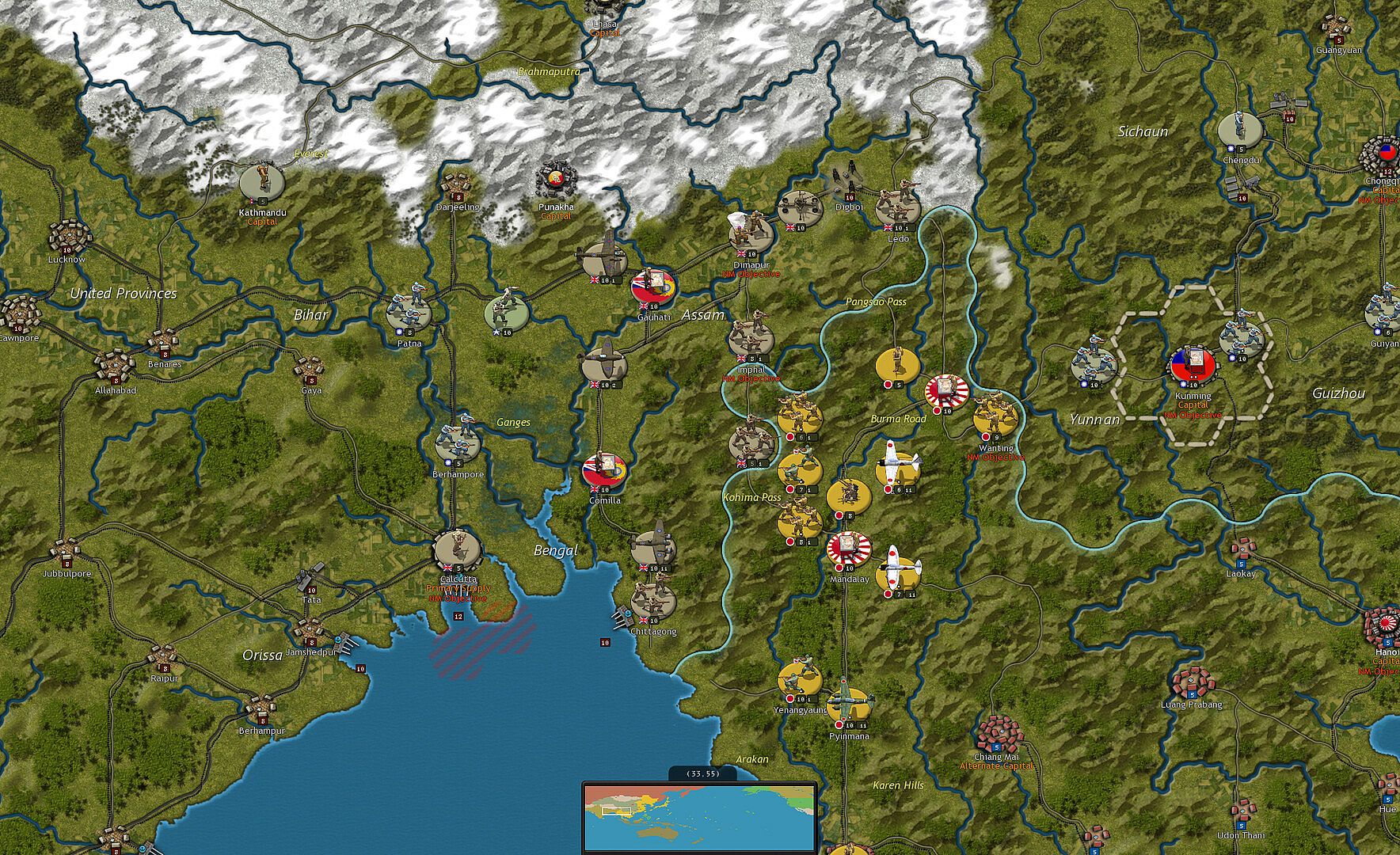
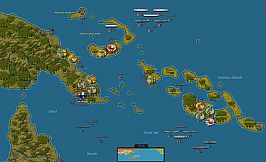
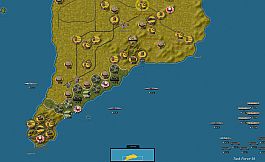
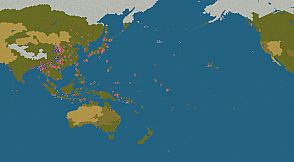
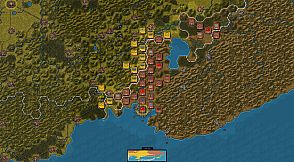
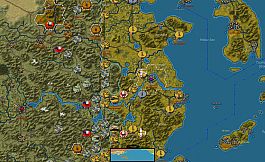
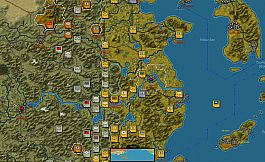
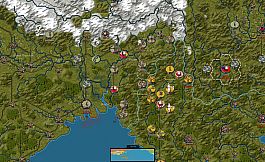
Strategic Command WWII: War in the Pacific is a turn-based strategy game that places players in command of major powers during the Pacific theater of World War II. The title centers on a large-scale hex map covering vast distances from India and Burma in the west to the North American coast in the east. Combat unfolds across land and sea at an approximate scale of 80 kilometers per hex, with the flagship campaign opening on the attack at Pearl Harbor in December 1941.
Gameplay
The core loop revolves around managing resources, positioning units, and executing operations across multiple fronts. Players direct forces from seven major powers and must balance land advances with naval movements while accounting for supply lines. Airfields function as a distinct resource type that influences air operations and requires specific management rules. Naval construction units, known as Seabees, allow for the development of forward bases that support fleet operations in remote areas.
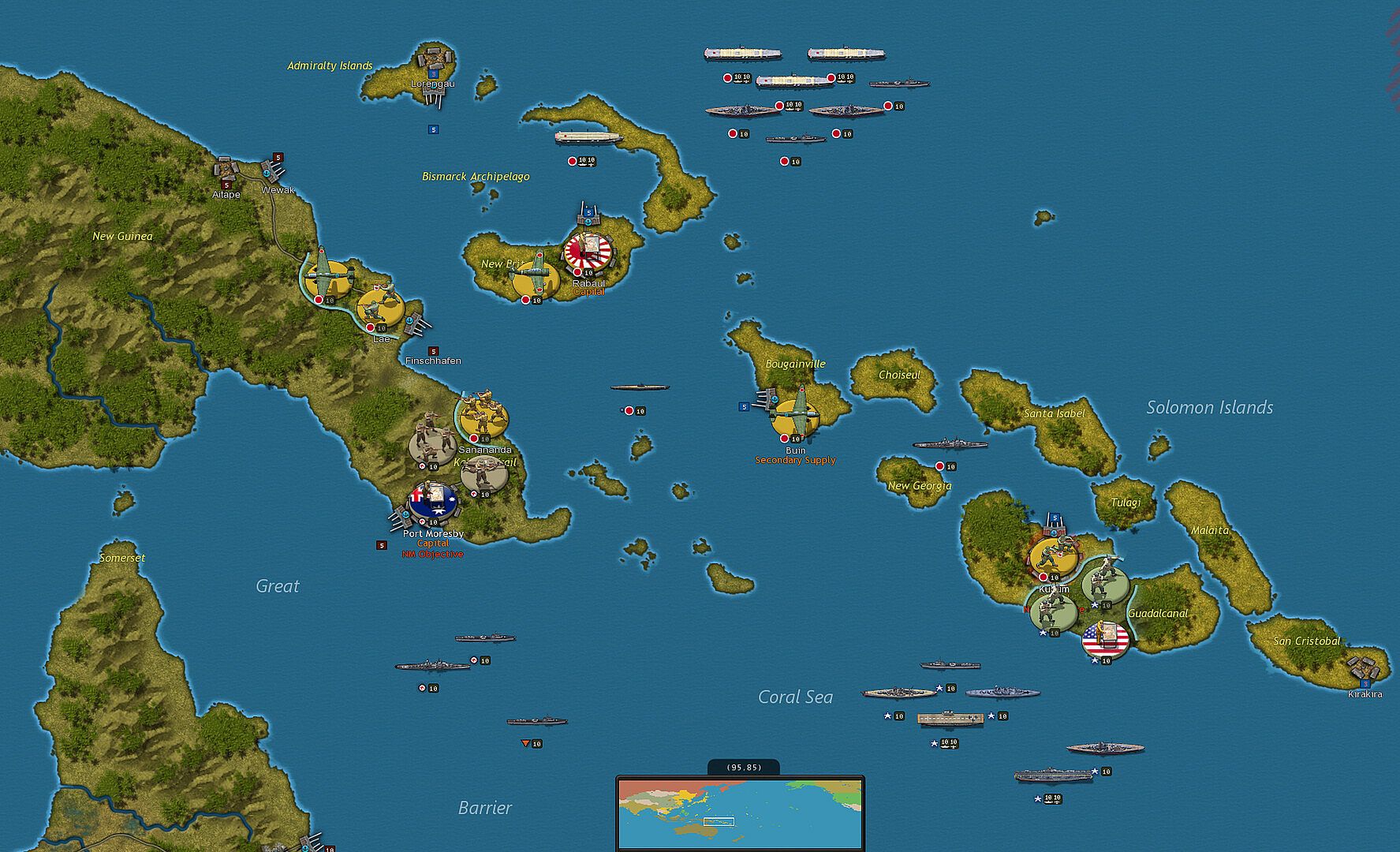
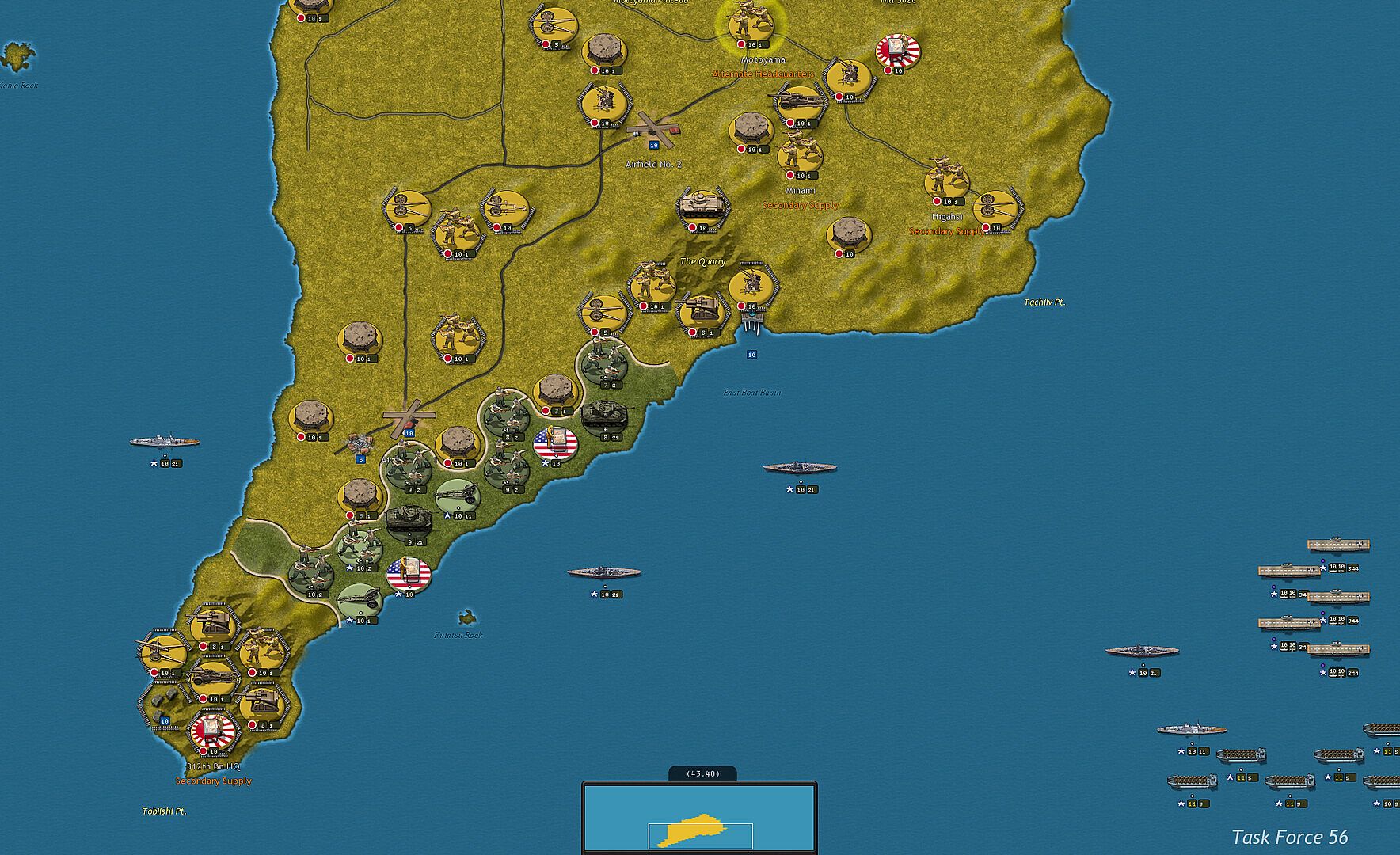
Iconic historical events such as the Doolittle Raid appear as scripted or triggered occurrences that can alter the strategic situation. Victory conditions shift depending on the scenario and may emphasize territorial control or time-limited objectives. A built-in scorecard tracks progress toward these goals, while a turn counter helps maintain awareness of the campaign timeline. Units can be displayed either as detailed three-dimensional models or as standard NATO counters, giving players flexibility in how they view the battlefield.
Supply mechanics receive particular attention through updated naval rules that affect fleet endurance and reinforcement. The editor tool included with the game supports creation of custom scenarios, allowing modification of maps, forces, and objectives for extended play.
Game Modes
The primary experience comes through six full campaigns that cover distinct phases of the Pacific conflict. These campaigns vary in length and focus, with victory conditions tailored to each historical context. Five shorter mini-campaigns provide quicker sessions that isolate specific operations or clashes.
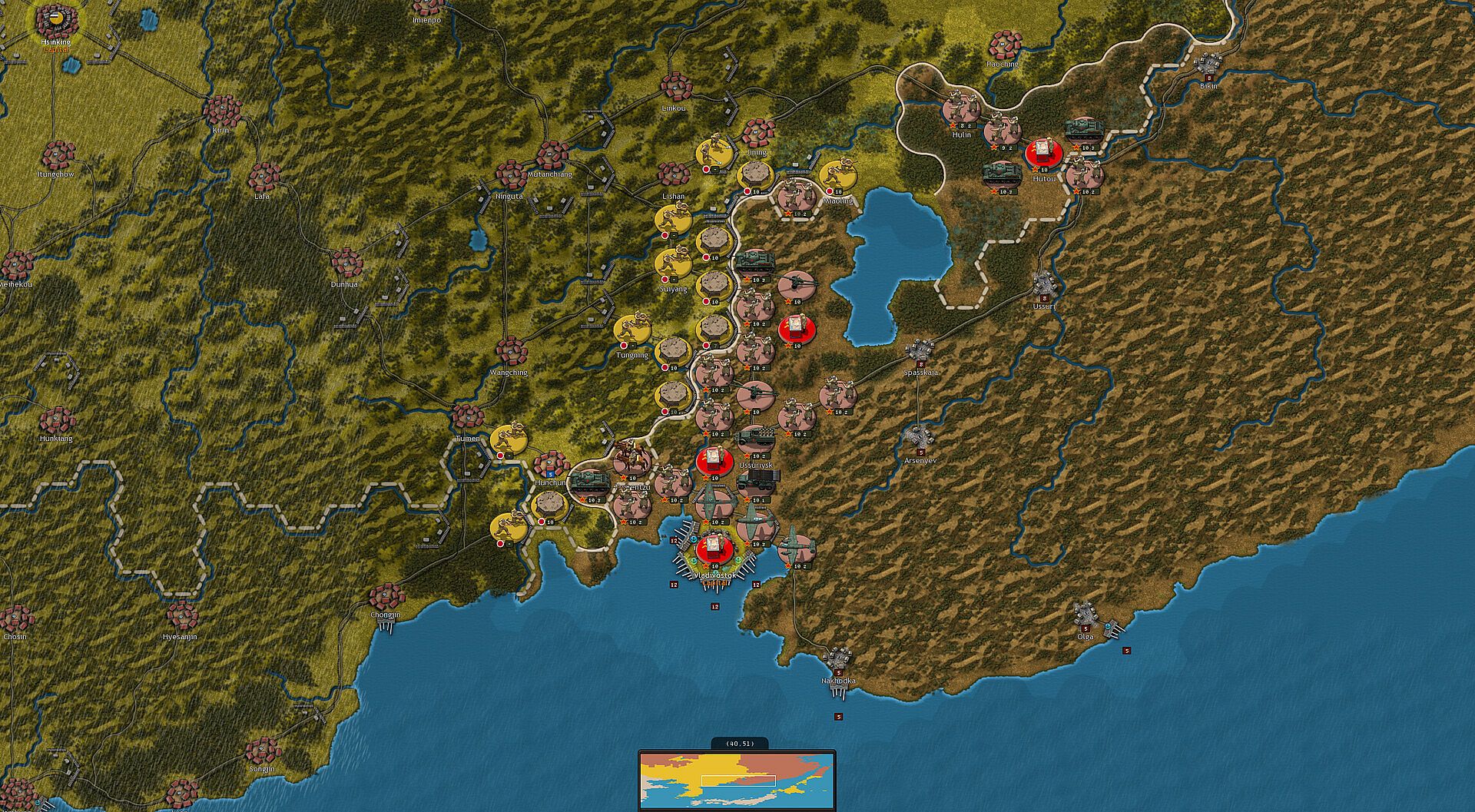
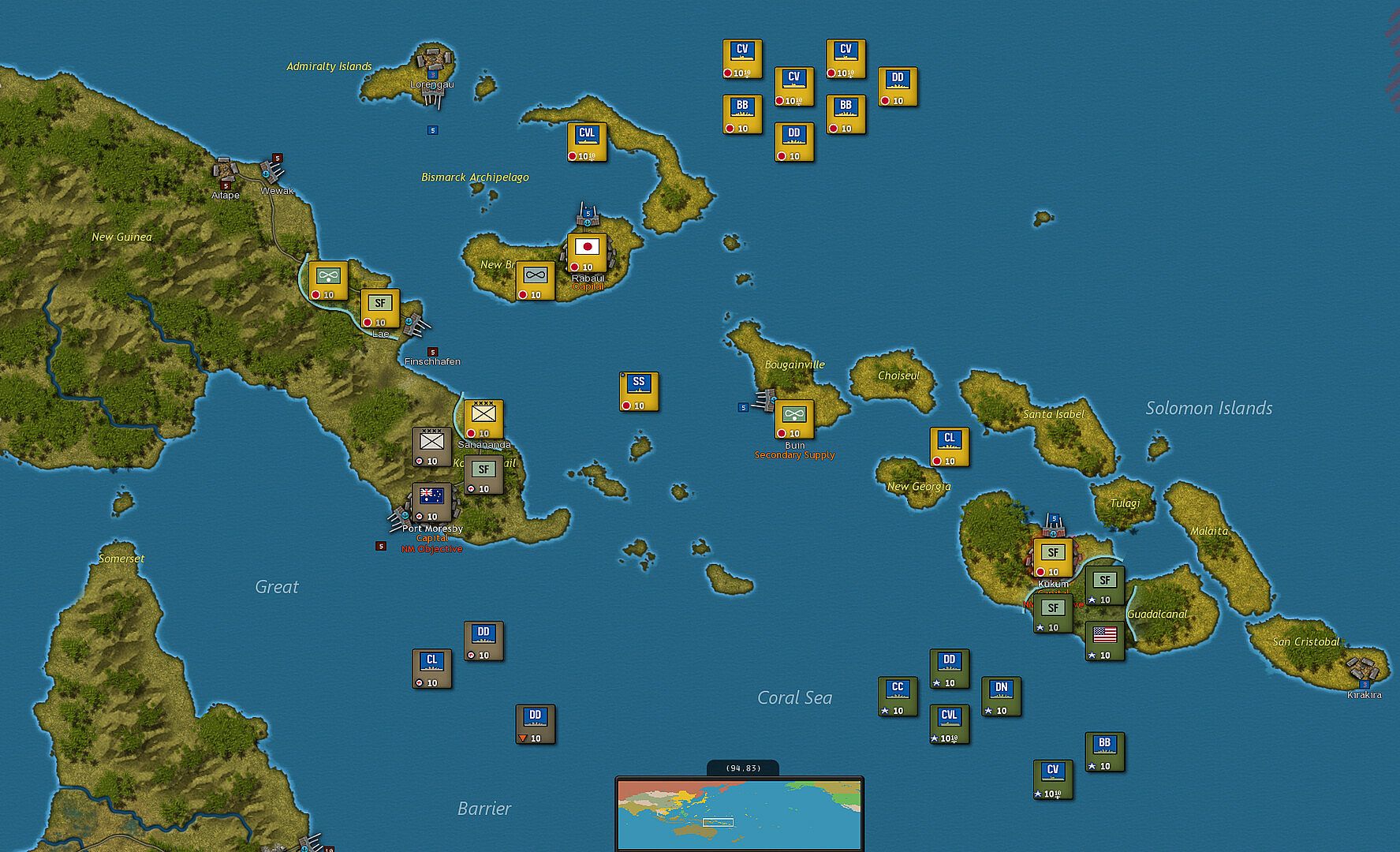
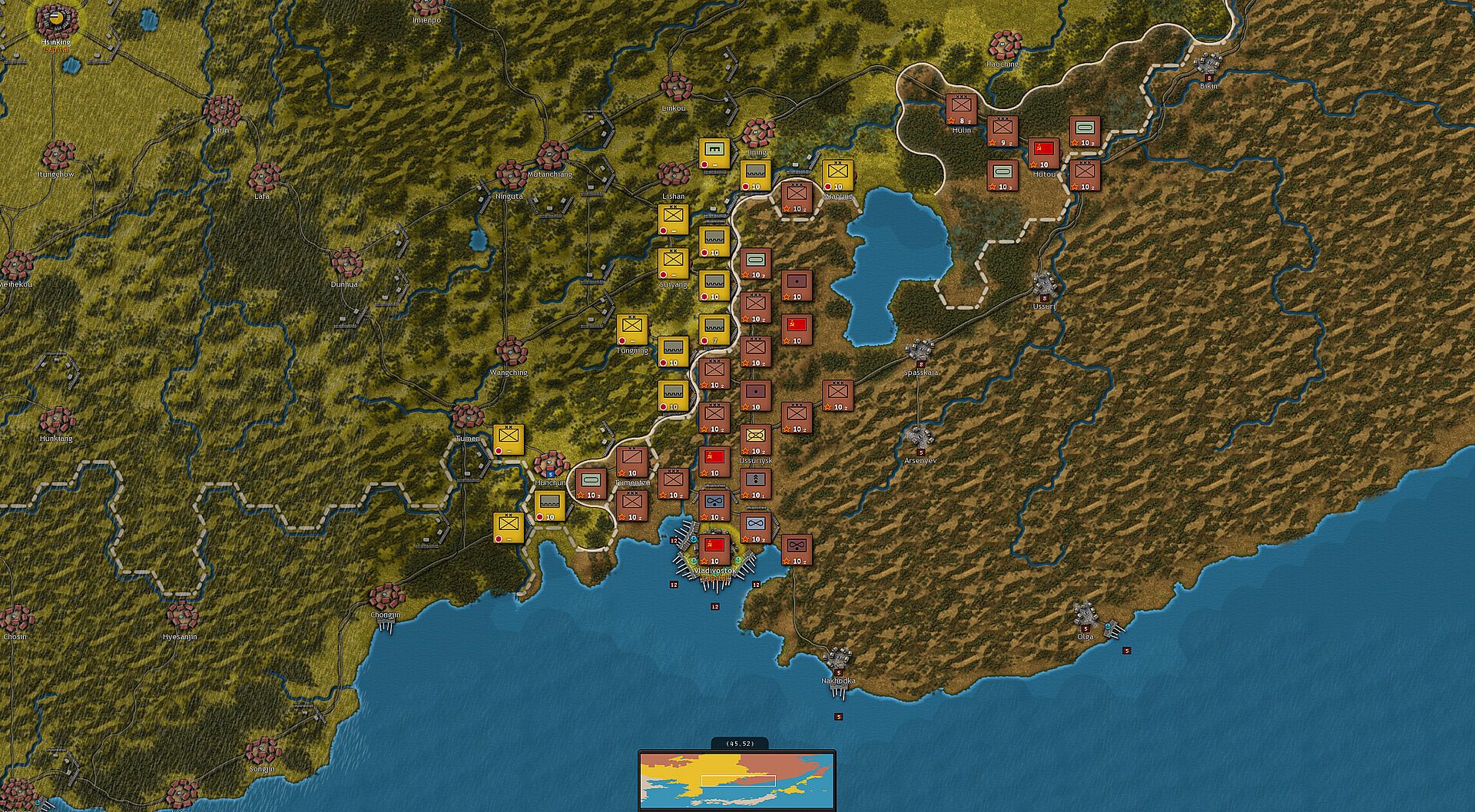
The mini-campaigns include the 1939 Khalkhin Gol confrontation between Soviet and Japanese forces, the 1942-43 Solomons Campaign centered on Guadalcanal, the 1944 Marianas Campaign involving landings on Saipan, Tinian, and Guam, the 1945 Iwo Jima operation, and the 1945 August Storm invasion of Manchuria by Soviet forces. Each mini-campaign runs for fewer turns than the main campaigns while still incorporating the full range of land, sea, and air systems.
Multiplayer support extends to play-by-email through the PBEM++ system, enabling two players to contest any campaign or scenario over extended periods. The included scenario editor further expands options by permitting entirely new setups beyond the official content.
Campaign Structure and Scale
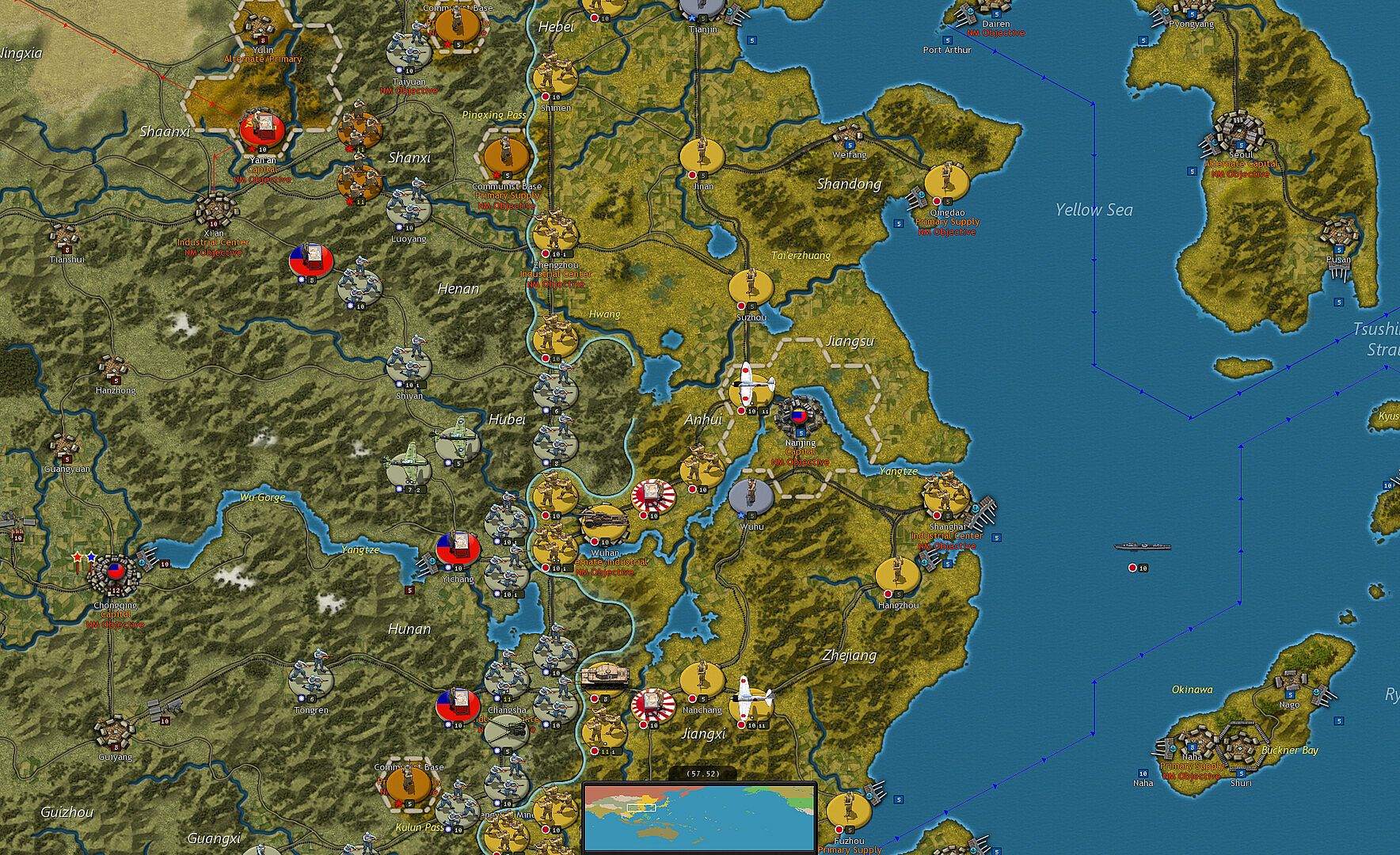
The flagship 1941 Day of Infamy campaign spans a 36,000-hex map and runs for approximately 75 turns. It begins with simultaneous Japanese strikes across Southeast Asia and the Pacific while Chinese and Japanese armies contest control of mainland China. Subsequent campaigns advance through later stages of the war, incorporating amphibious landings, carrier battles, and the final offensives against Japanese-held territories.
Resource management extends beyond traditional production to include airfield construction and naval base development. These elements integrate with unit movement and combat resolution, requiring careful planning to maintain offensive momentum across island chains and continental fronts. The game tracks time explicitly, with each turn representing a fixed period that influences weather, reinforcements, and event triggers.
Is It Worth Playing?
Player reception has been very positive since the July 2024 release, with the majority of reviews highlighting the depth of the campaign options and the fidelity of the Pacific theater representation. The combination of a massive single map, multiple shorter scenarios, and an accessible editor appeals to those seeking both grand strategic scope and focused operational challenges.
The title suits players who enjoy detailed turn-based systems that reward attention to supply, positioning, and historical event timing. Those interested in commanding Allied or Axis forces across land and naval domains will find substantial content in the six main campaigns and five mini-campaigns. Ongoing support through an expansion that adds further campaigns from 1937 onward extends the available scenarios for owners of the base game.
Overall the experience delivers a focused simulation of the Pacific war without unnecessary abstraction, making it a strong choice for strategy enthusiasts who value historical accuracy and replayability through varied victory conditions and map scales.