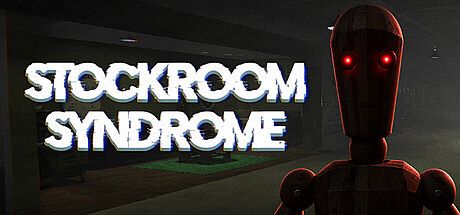


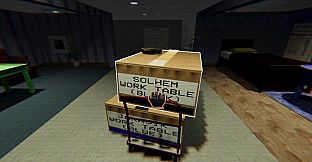
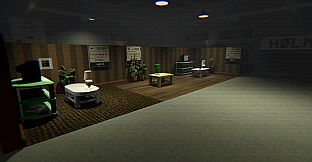
Stockroom Syndrome is a single-player action, indie, and simulation game set in a massive Scandinavian furniture superstore. Players take on the role of a night shift worker tasked with assembling flatpack furniture and arranging showroom displays while navigating escalating supernatural dangers in a procedurally generated environment.
Gameplay
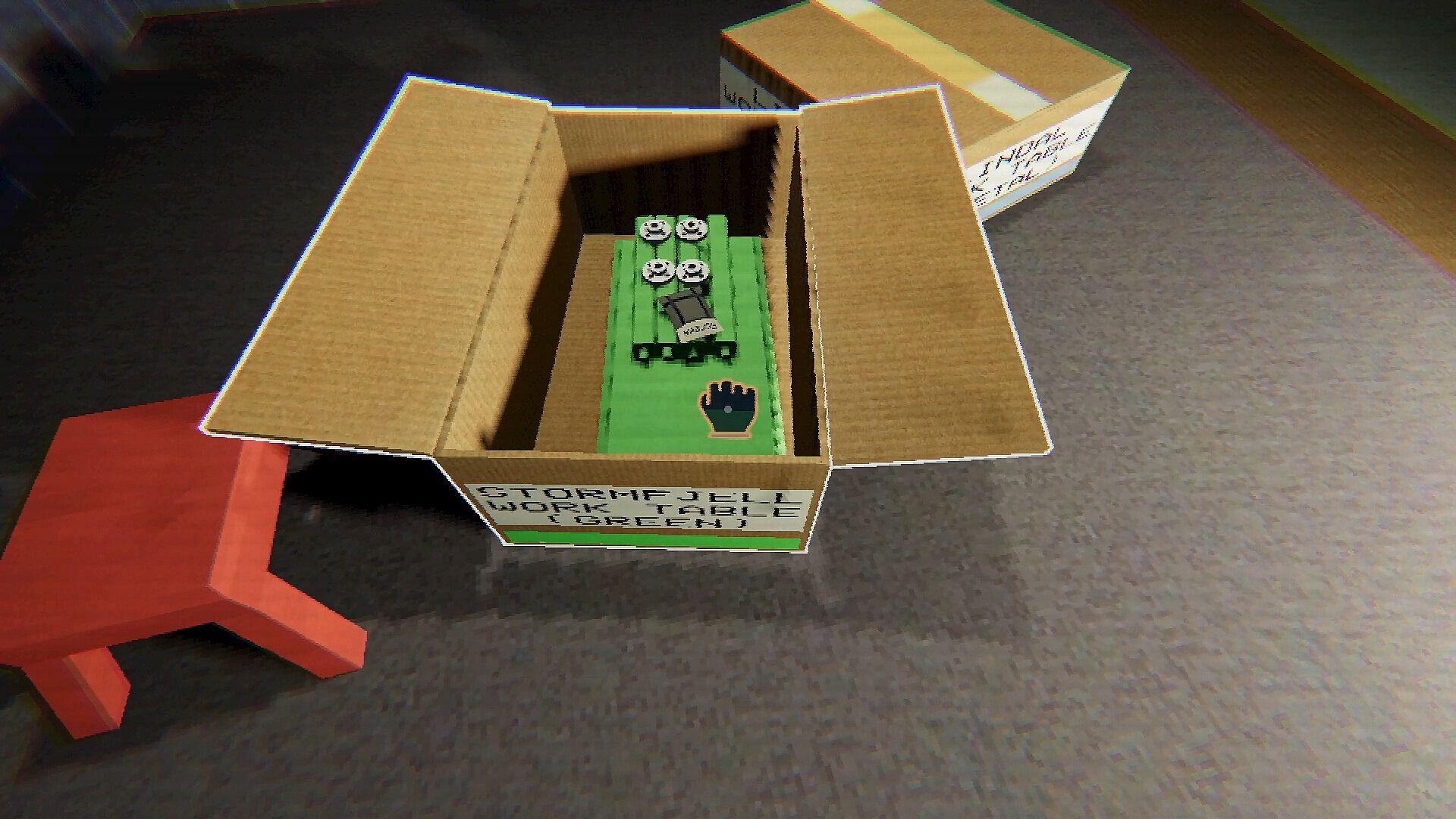
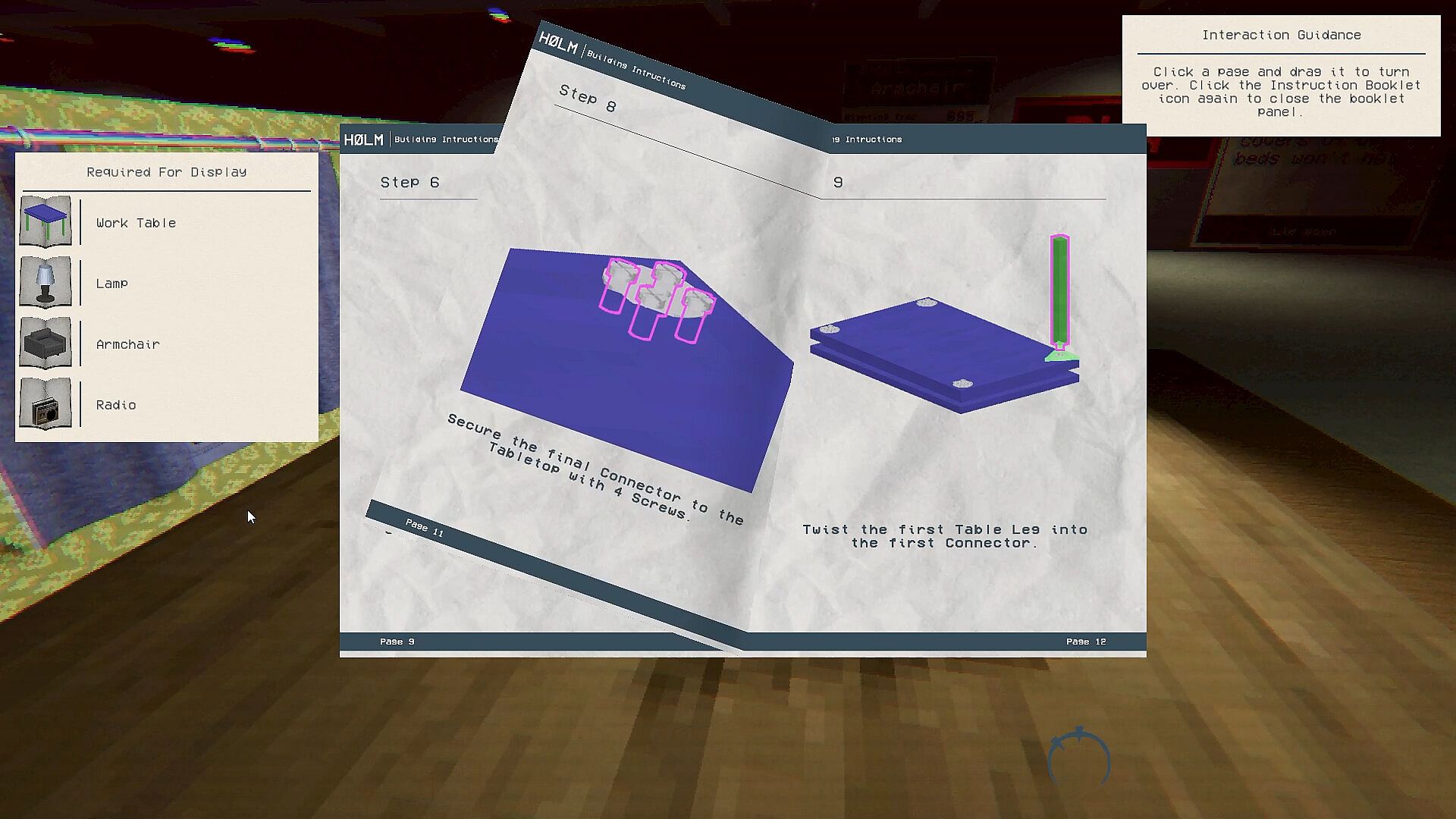
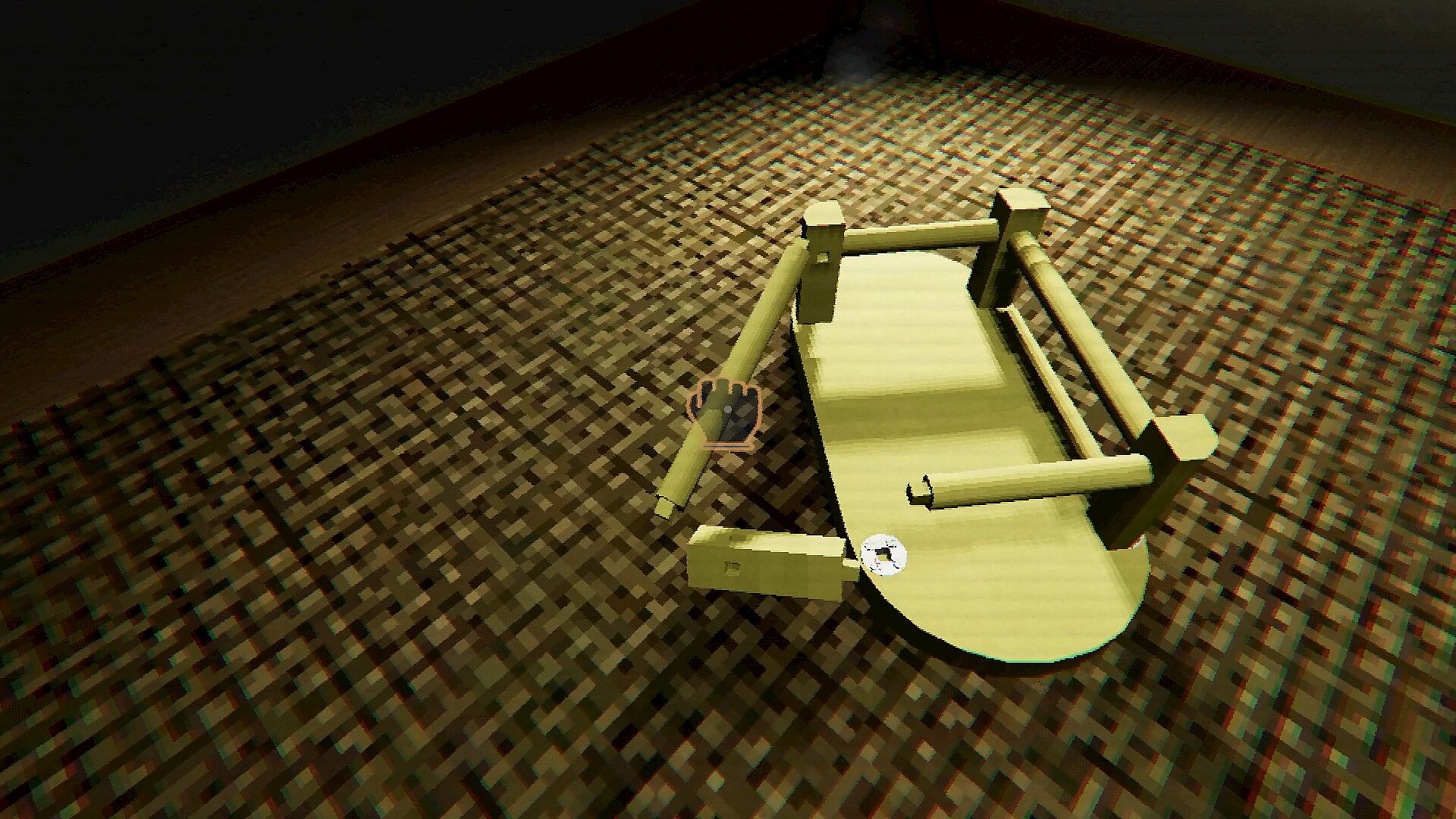
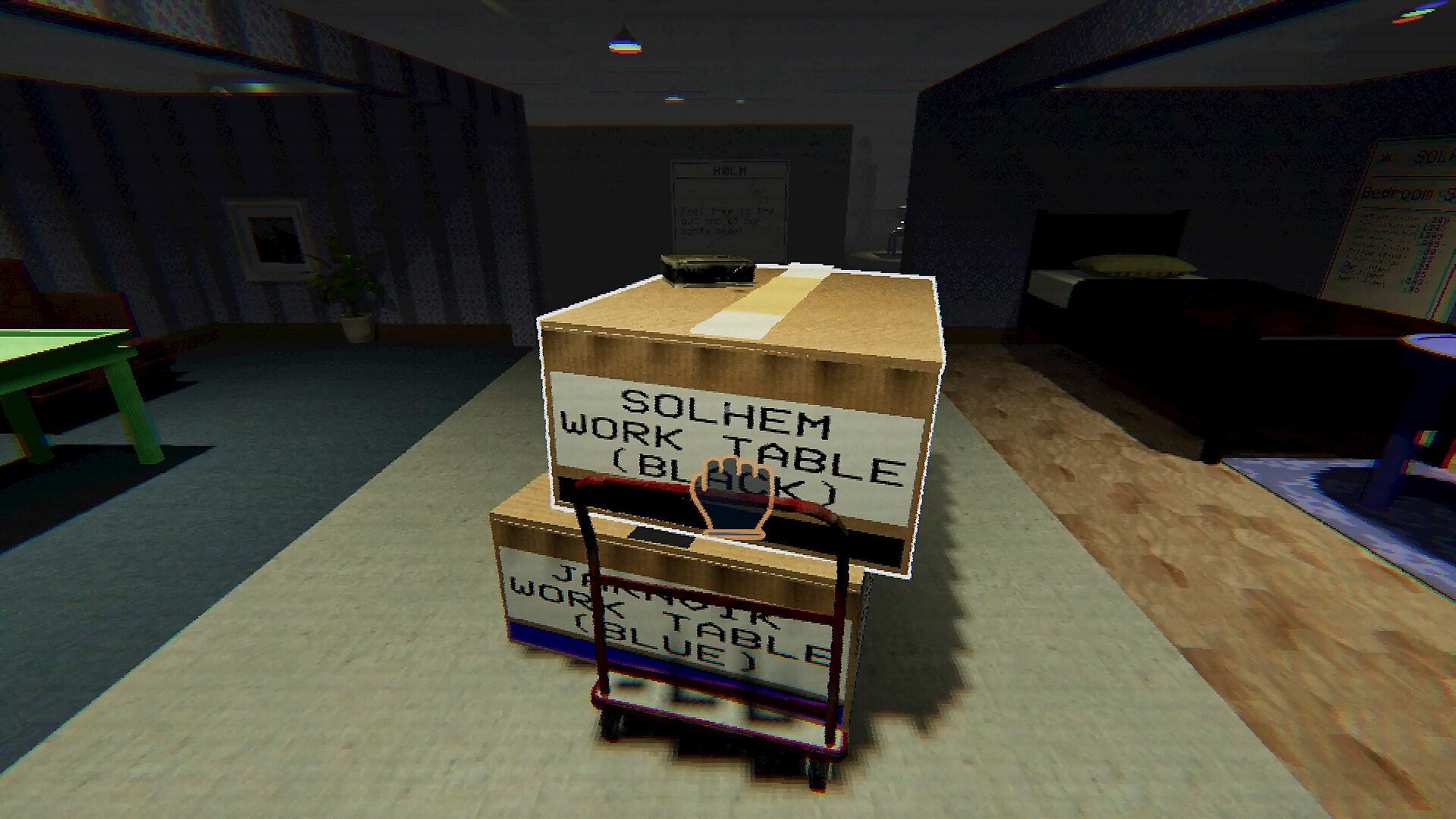
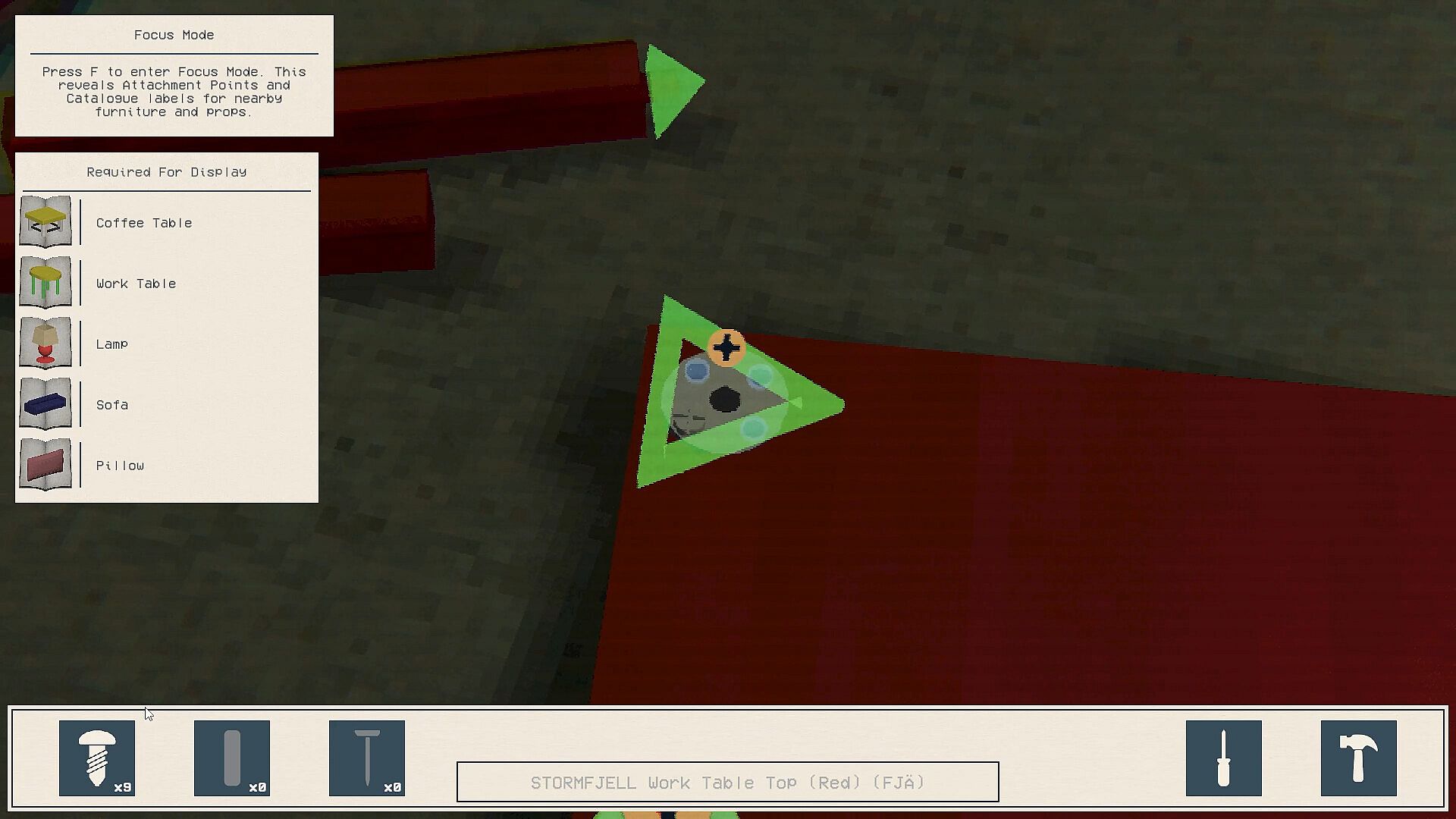
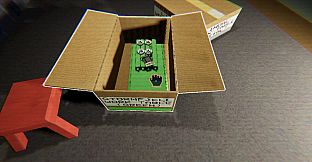
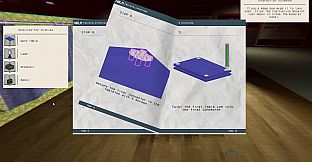
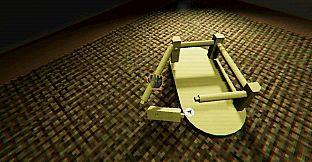
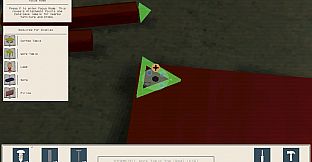
The core loop centers on completing work objectives across repeated night shifts in December 1996. Each shift begins with assembling modular flatpack furniture using individual parts, manuals, and joinery techniques. Furniture pieces connect in varied configurations, ensuring no two builds feel identical due to the store's changing layout.
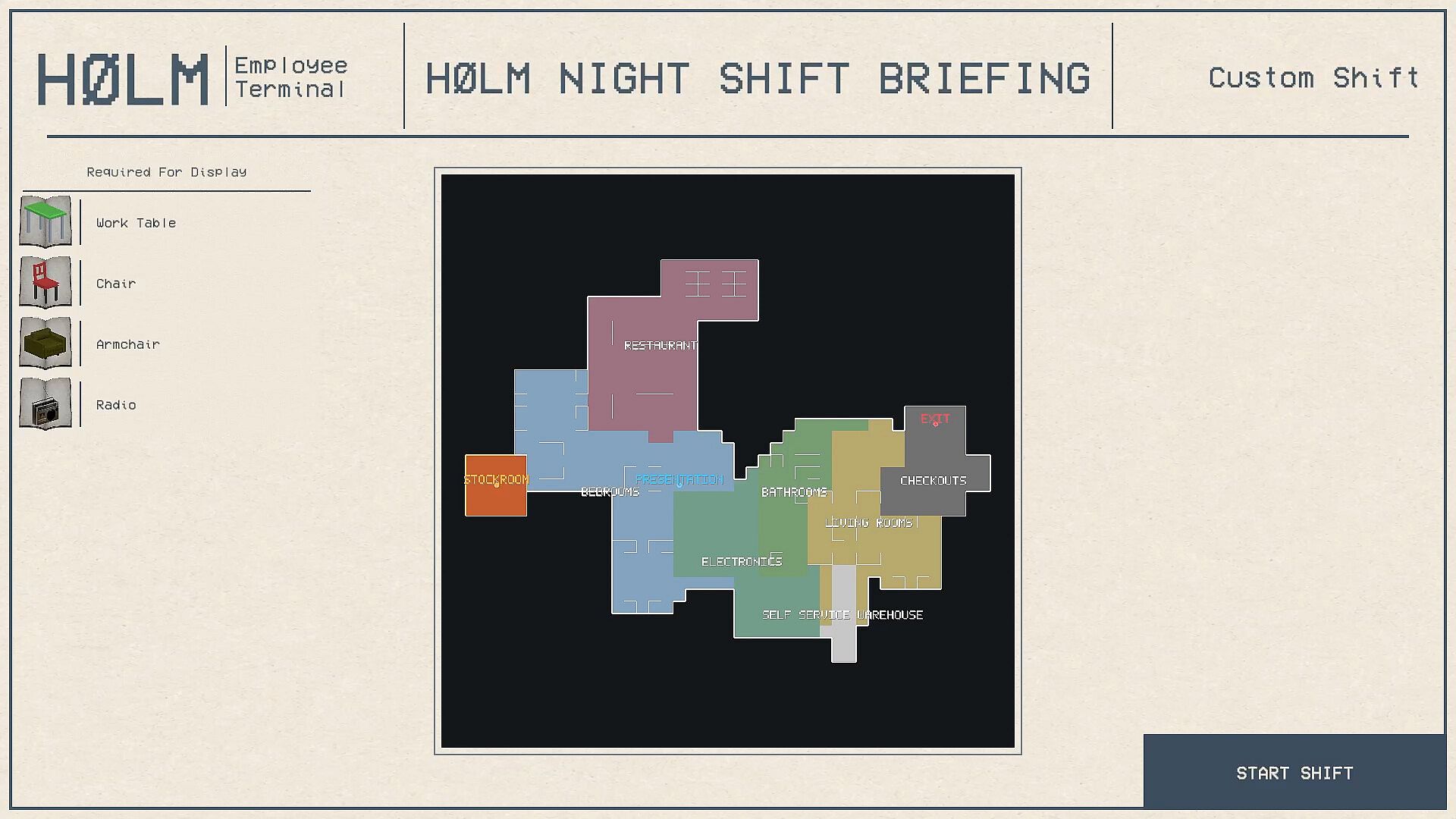
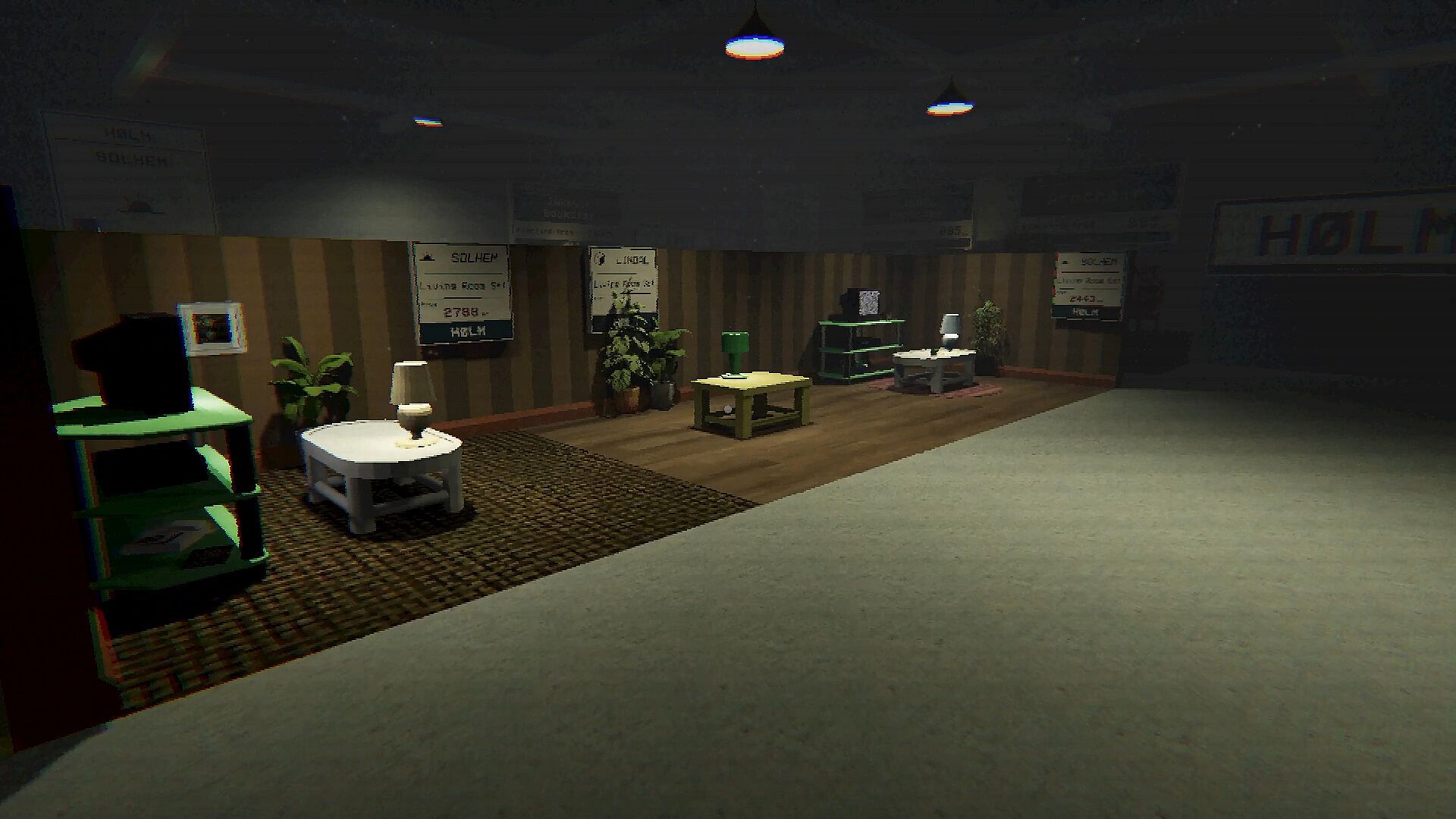
After construction, players furnish and decorate displays by placing items gathered from different departments. Every object functions as a physics-based item, allowing for hands-on positioning of televisions, armchairs, shelves, and other props. Creative arrangement turns each display into a unique setup before the shift ends.
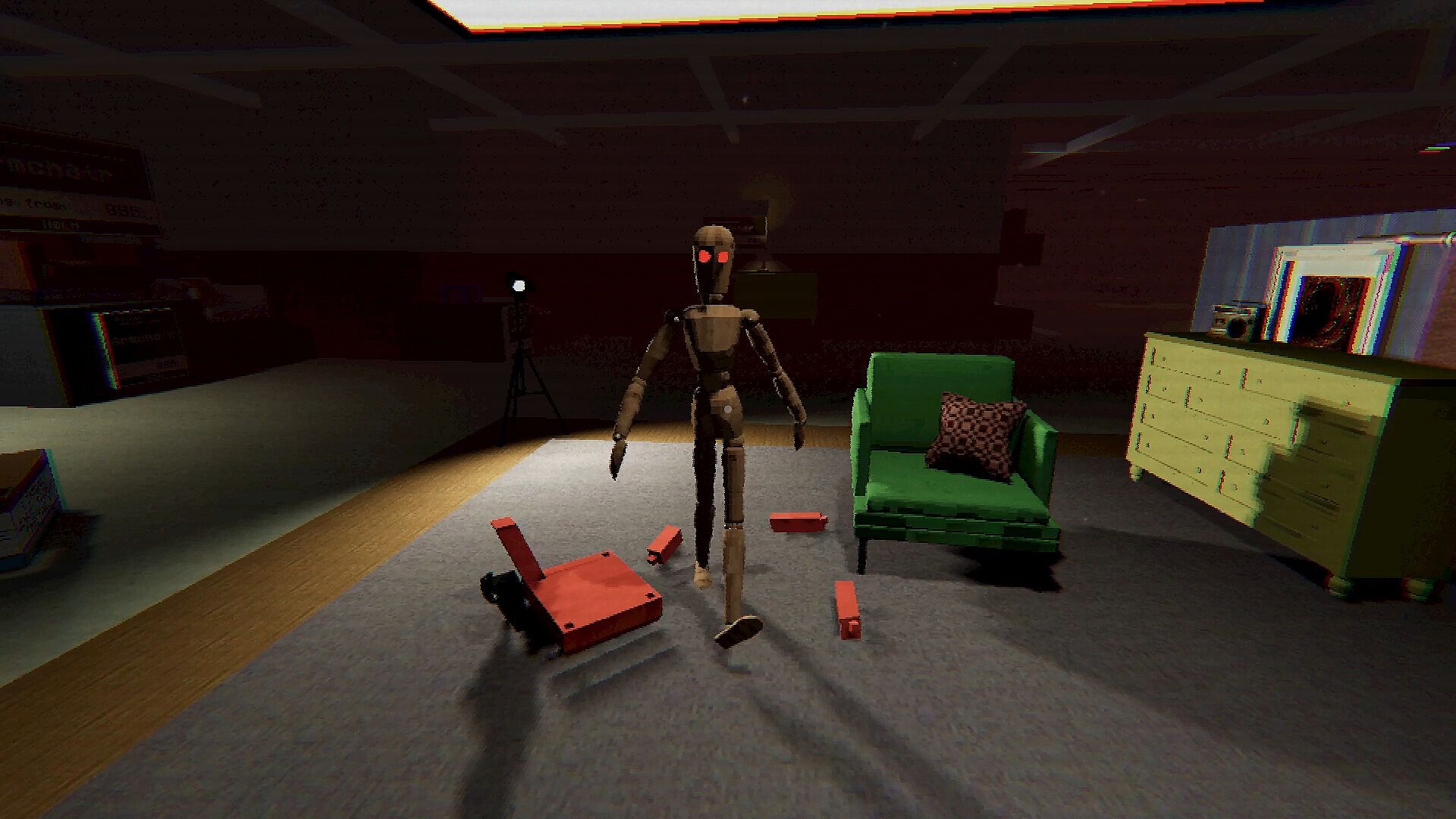
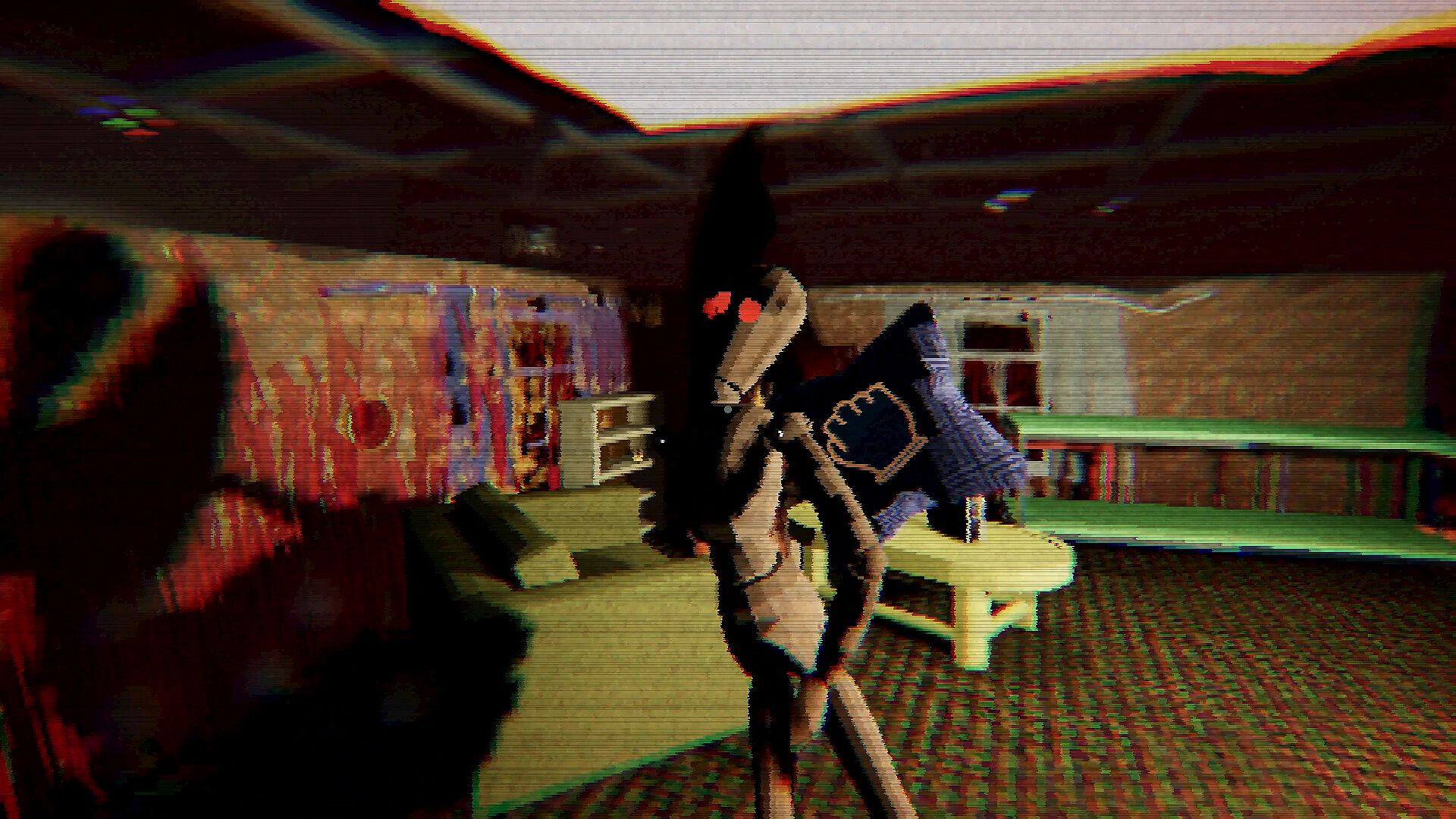
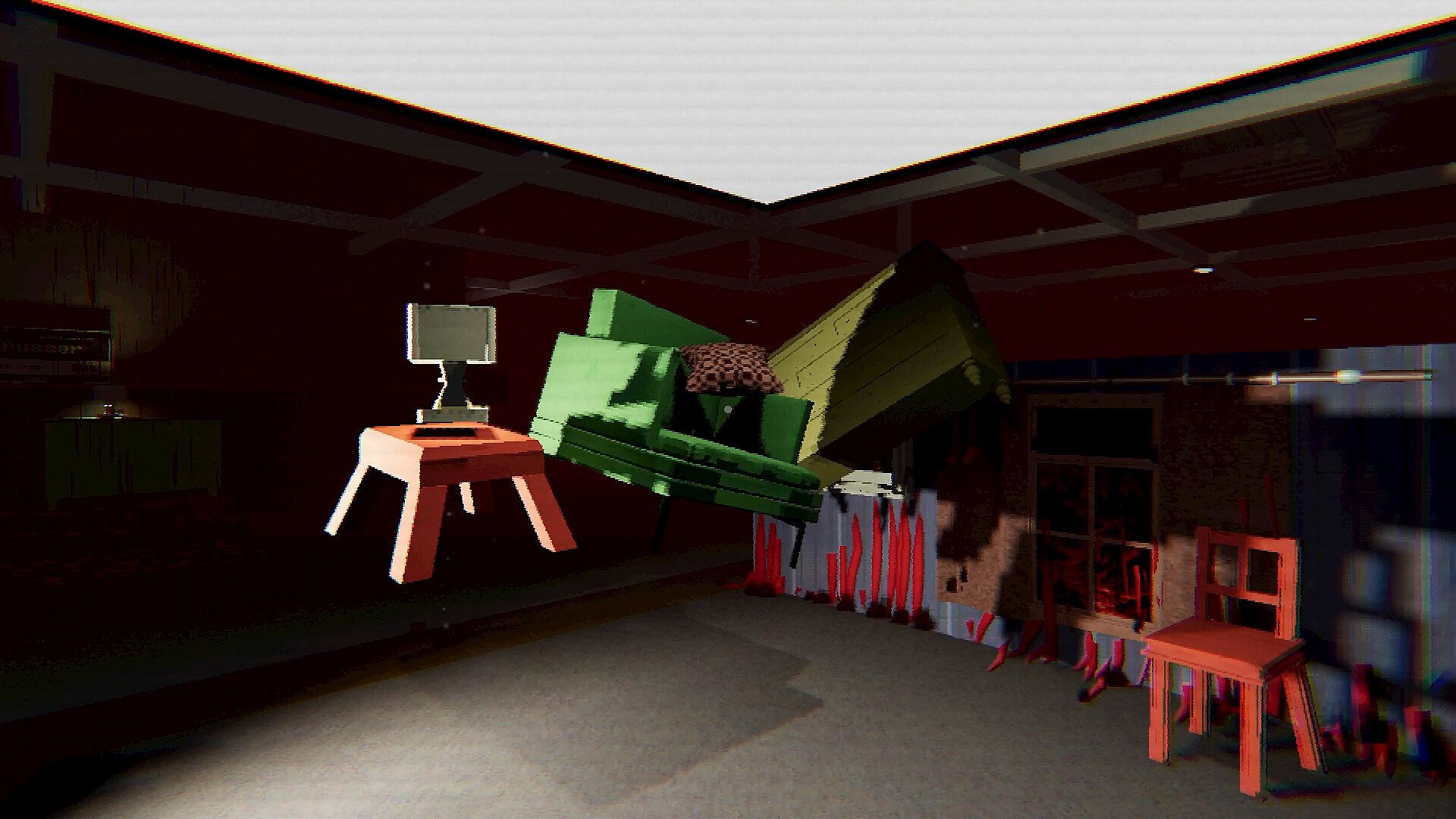
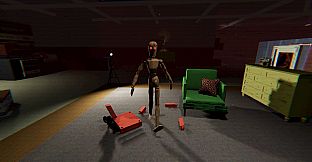
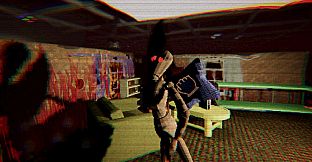
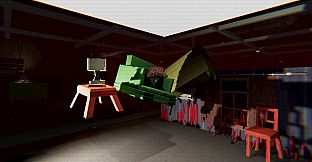
Survival elements interrupt these tasks. Supernatural threats appear throughout the store, with some roaming freely and others tied to specific departments. Environmental hazards intensify over time, including moving mannequins, bleeding walls, spontaneous combustion, and flaming rocks breaking through floors. Players must balance task completion with evasion to finish shifts efficiently.
Game Modes
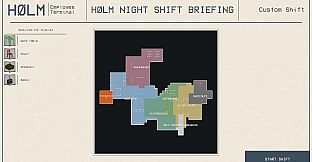
Stockroom Syndrome operates as a single continuous campaign rather than separate modes. The experience unfolds through a series of night shifts that form a full narrative arc set in 1996. Objectives evolve across shifts, incorporating new situations and increasing threat levels while the underlying store layout regenerates procedurally each time.
Progression ties directly to completing work and uncovering story elements. An authored mystery runs beneath the procedural systems, revealed through in-game discoveries such as recordings, old company materials, and cartoons. Shifts conclude once tasks are finished, with faster completion allowing quicker exits from the building.
Key Mechanics and Features
Procedural generation keeps the superstore dynamic, altering departments, pathways, displays, and stock between shifts. This combines with modular furniture assembly to create replayable work segments within the campaign structure.
Physics interactions extend to all items, supporting detailed furnishing and decoration. Breaks become available in areas like the restaurant or stockroom, though lingering carries risks from the surrounding threats.
The campaign builds tension through escalating hauntings and workplace events. Distinct supernatural entities add variety to encounters, requiring players to adapt strategies as conditions worsen over successive nights.
Is It Worth Playing?
Stockroom Syndrome targets players interested in simulation gameplay blended with survival and light horror elements. The emphasis on physical furniture assembly and creative display work provides a distinctive loop, supported by procedural variety and an underlying mystery delivered through environmental storytelling.
Those who enjoy methodical task completion alongside tension from roaming threats will find the night shift structure engaging. The single-player campaign format suits focused sessions where progress comes from mastering builds and navigating hazards efficiently.
Since the game remains in development with a planned release, interested players can follow updates for the exact launch timing. The described systems suggest strong appeal for fans of indie simulations that mix routine work with unexpected dangers.