




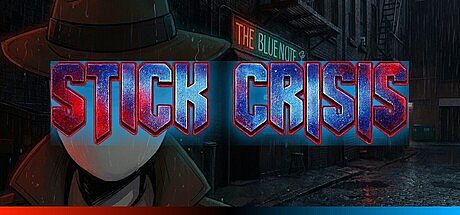


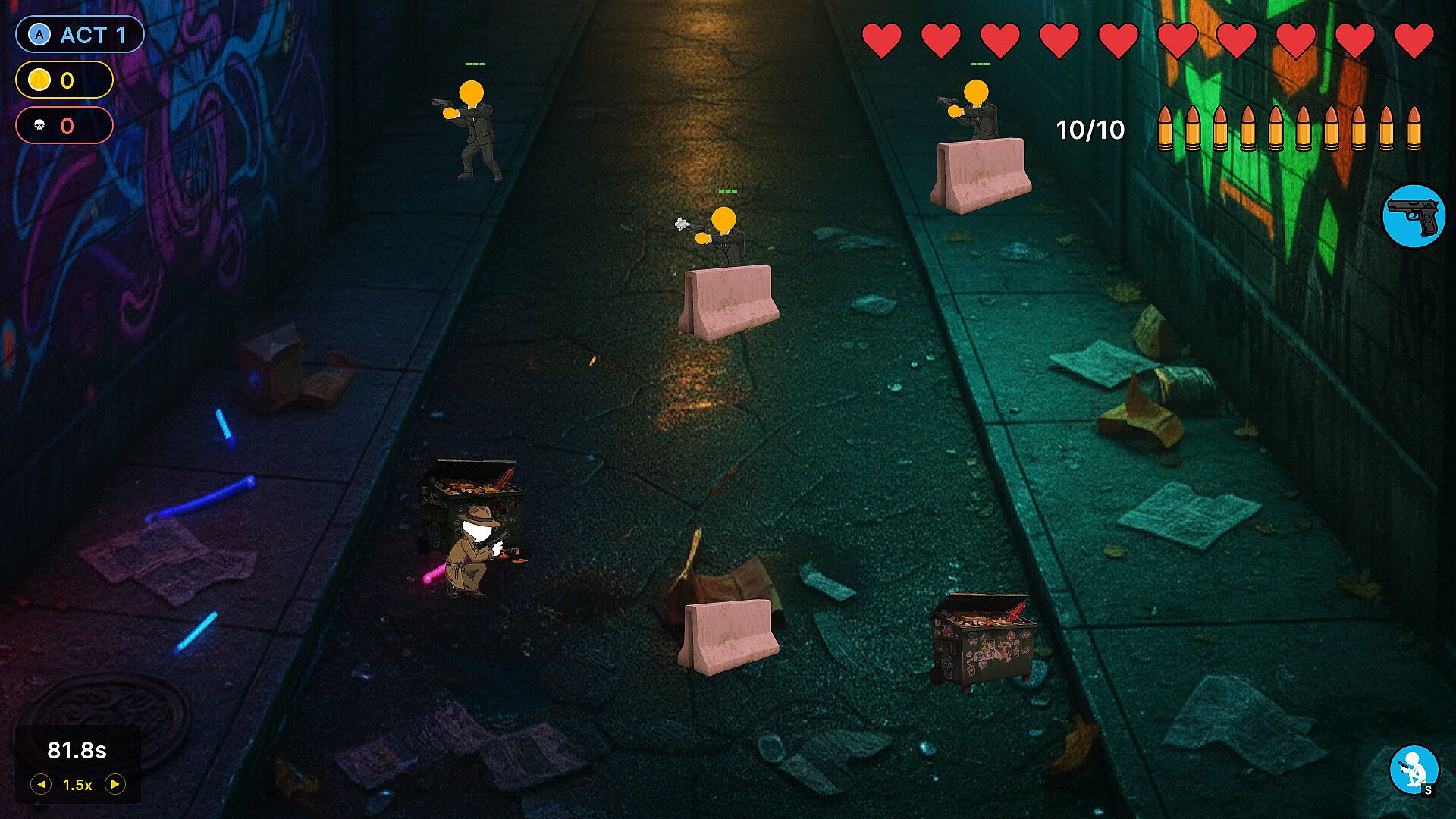
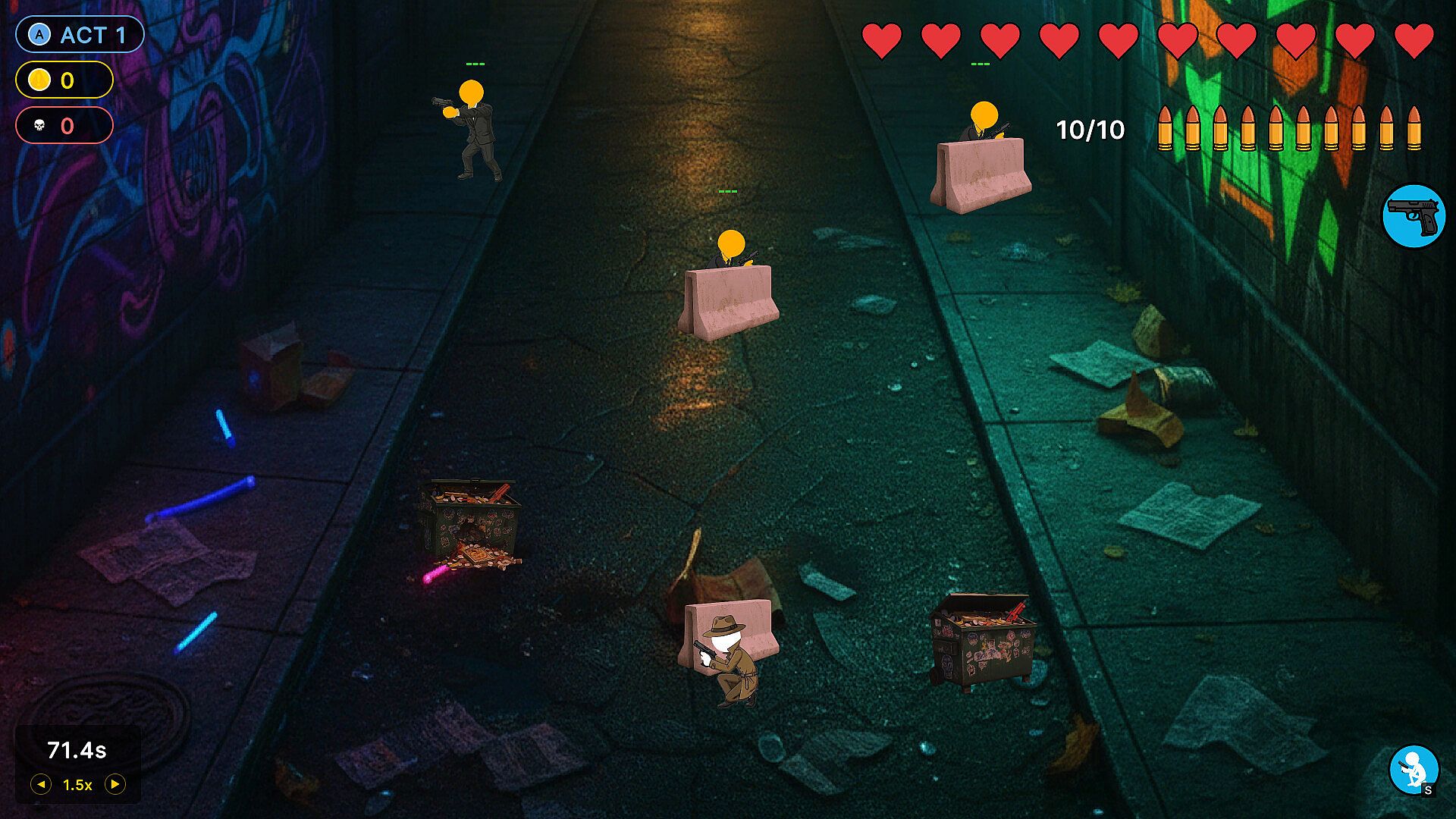
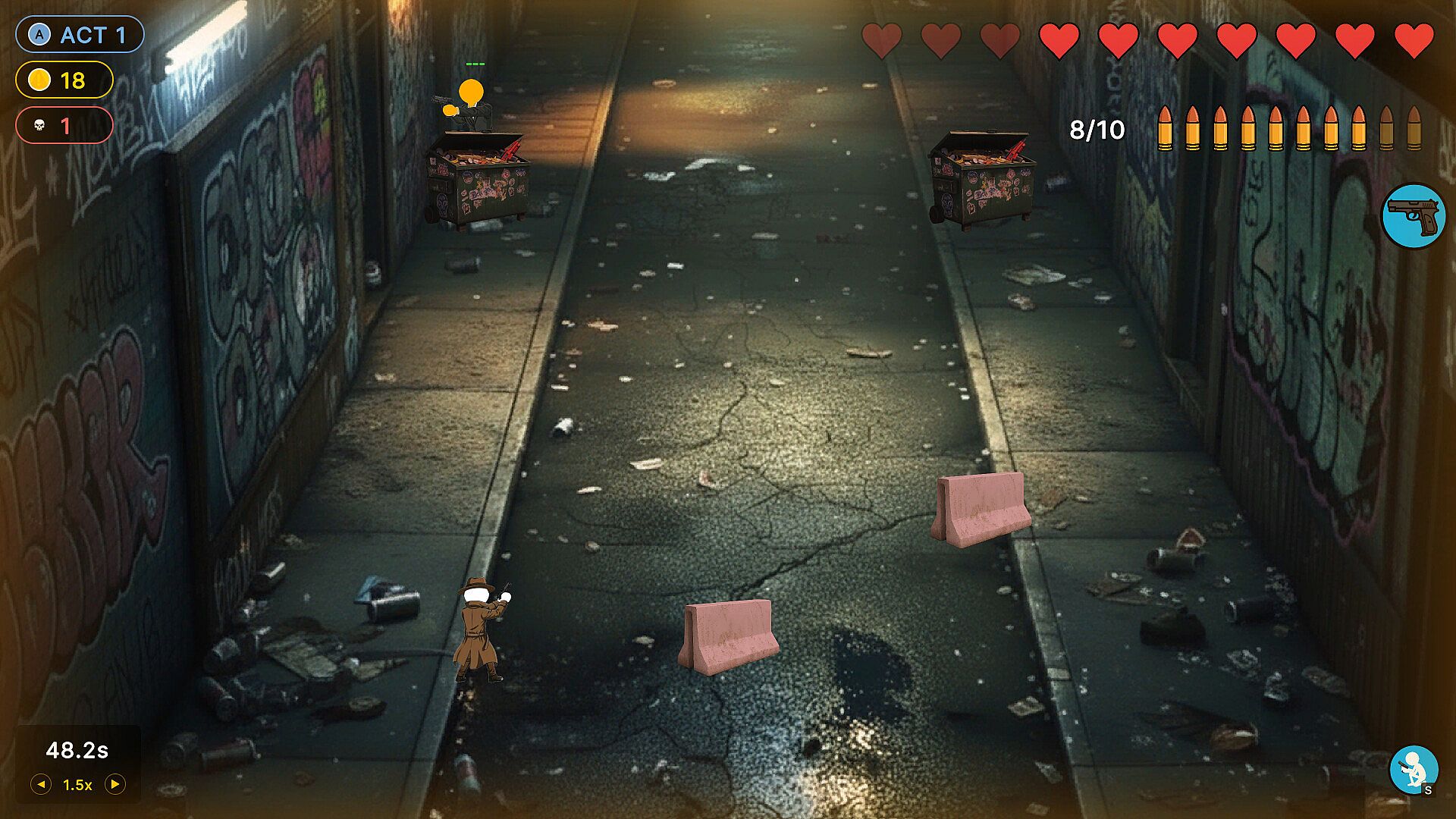
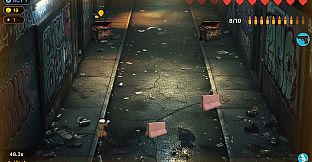
Stick Crisis is a roguelite shooter developed for PC that blends action, indie, and casual elements into a focused single-player experience. Players control a nameless ex-special-ops technician who returns to a city under siege by Project Obelisk, a shadow organization wielding advanced technology. The core loop centers on cover-based shooting, precise timing, and adapting to changing threats across repeated runs.
Gameplay
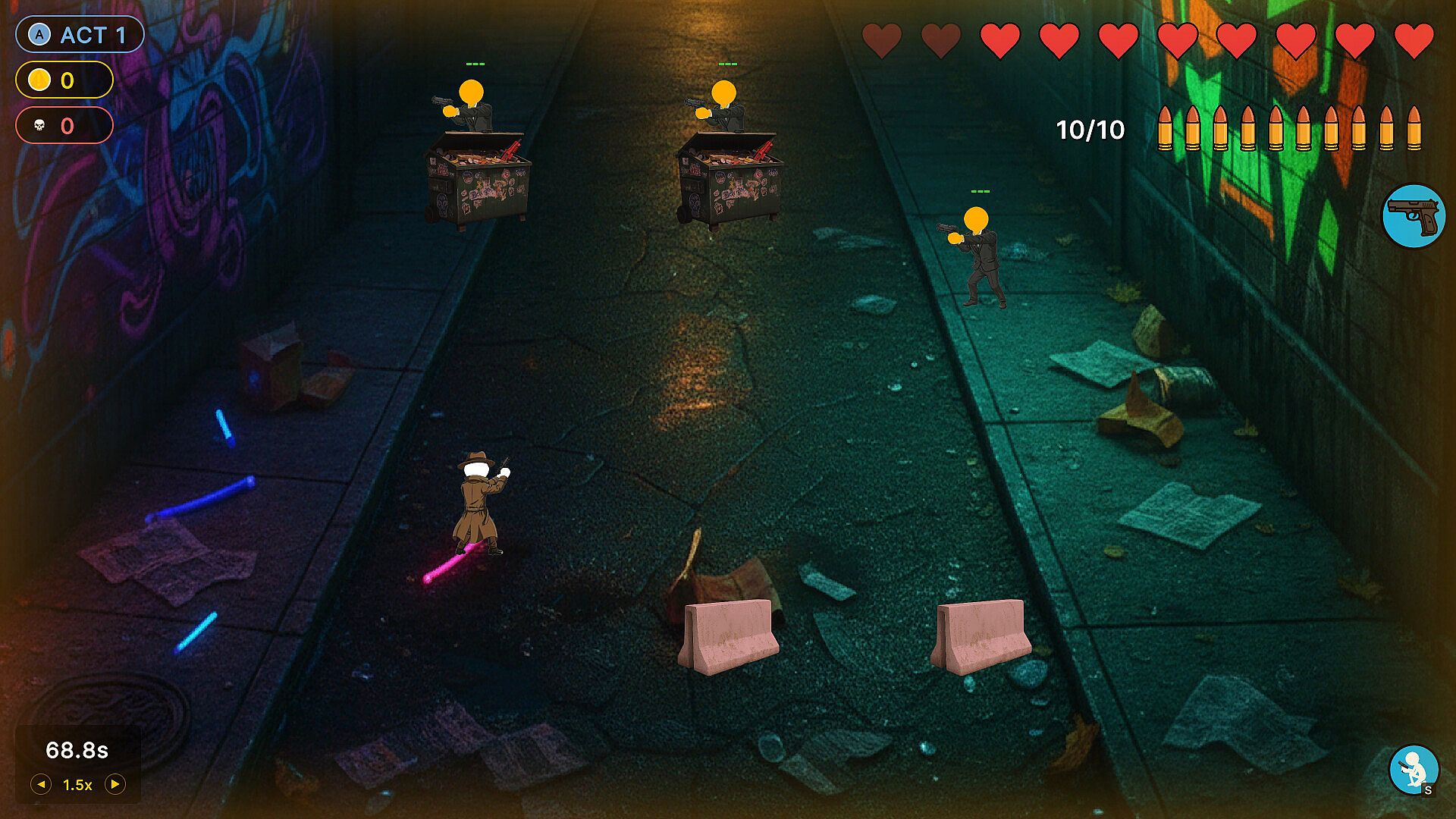
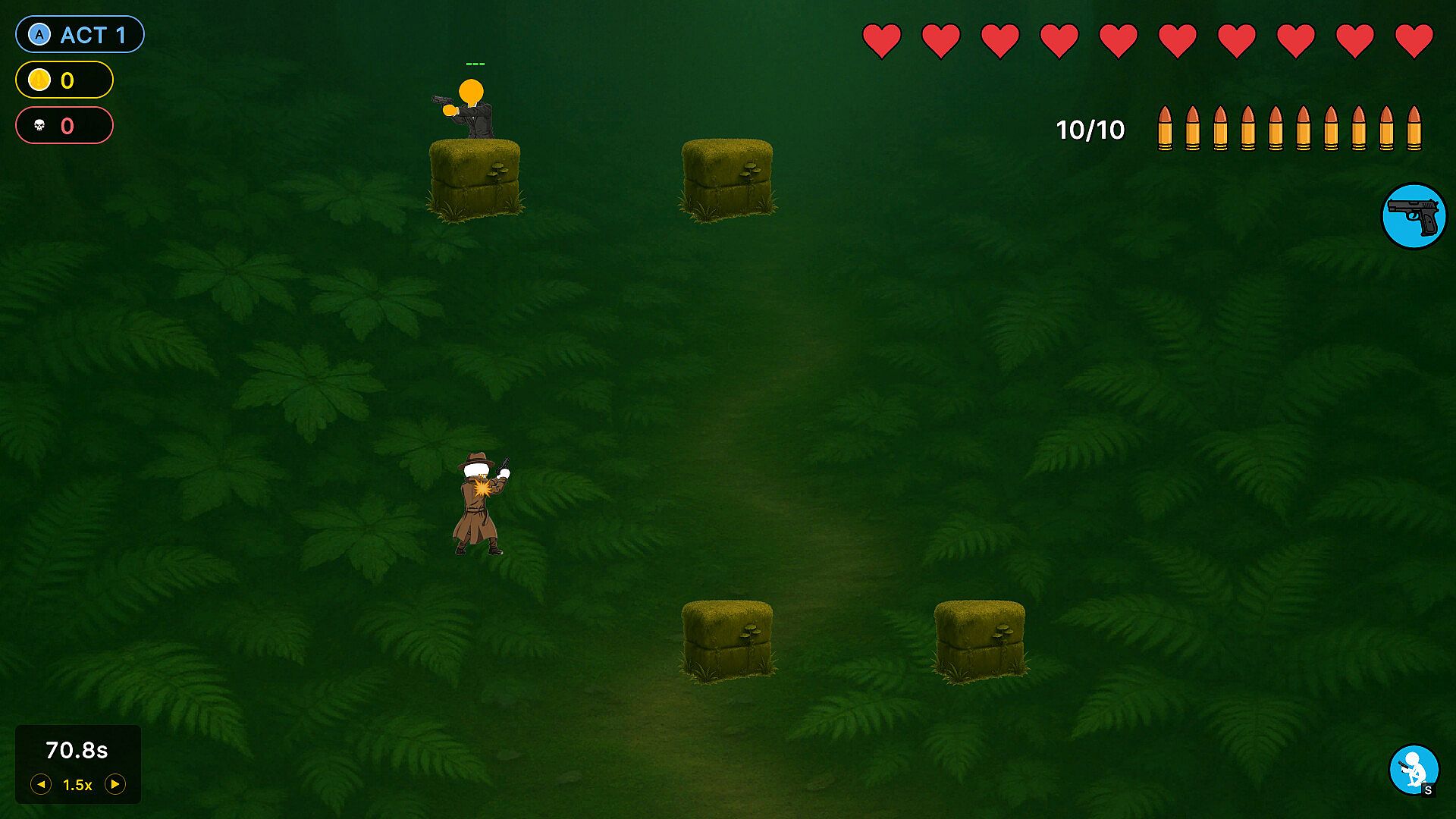
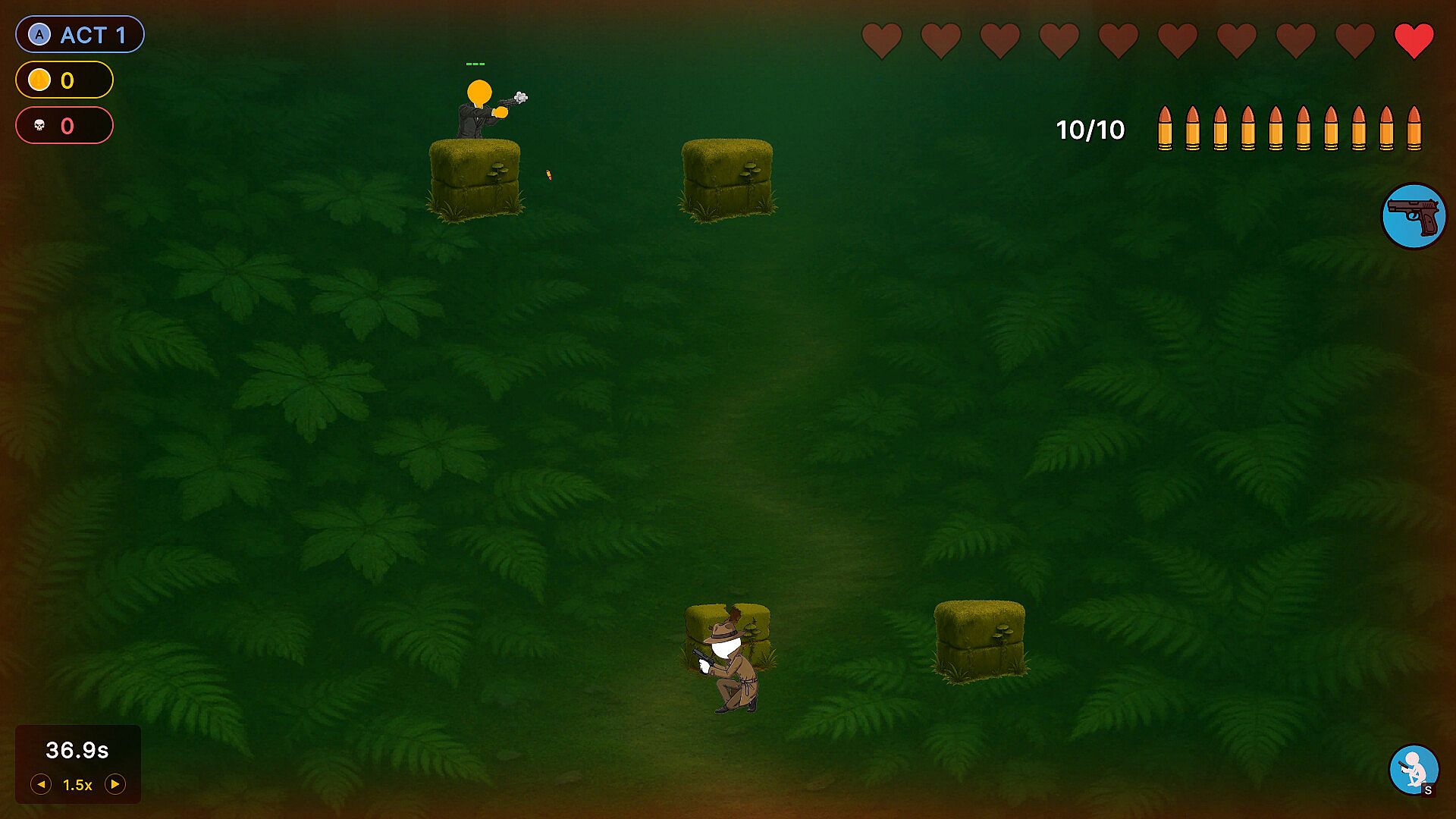
The gameplay emphasizes tactical positioning and pattern recognition. Players move between cover points, expose themselves briefly to line up shots, and manage enemy attack patterns that grow more complex over time. Combat occurs in procedural encounters where layouts, obstacles, enemy waves, and compositions vary with each attempt. This setup rewards observation and adjustment rather than raw reflexes alone.
Abilities play a central role in shaping each run. Players collect and upgrade active skills for direct combat effects, passive bonuses for ongoing advantages, and fused combinations that merge elements from both categories. These build-changing options evolve as the run progresses through its three acts, allowing different approaches to the same battlefield challenges.
Progression ties directly into the roguelite structure. Currency recovered from failed runs funds weapon purchases and permanent stat upgrades that carry over between attempts. The arsenal expands steadily, giving players more tools and options for subsequent efforts while the core combat remains consistent in its demands.
Game Modes
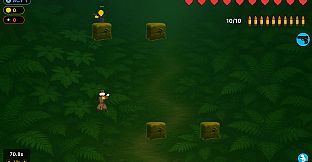
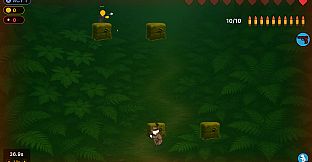
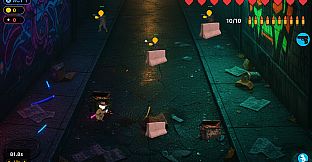
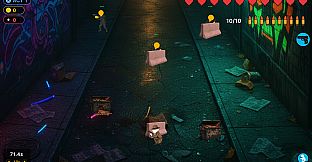
Stick Crisis operates through a single primary mode built around roguelite runs. Each attempt reshuffles combat phases, obstacles, enemy waves, and rewards across three distinct acts. The first act unfolds in city streets during The Incident, the second moves into the hostile jungle of Obelisk Rising, and the third involves a desert pursuit called The Oasis. Failure ends the current run, but recovered resources and upgrades prepare the player for the next one.
No separate multiplayer or alternative modes appear in the available details. The experience stays single-player focused, with procedural generation ensuring that no two runs follow identical sequences. Controller support allows navigation and combat input through gamepad or customized keyboard bindings, keeping the interface accessible for different play styles.
Story and Setting
An original narrative threads through the three acts. The protagonist follows the trail of Project Obelisk and an object known as the Tesseract, moving from urban conflict to jungle outposts and then into desert terrain. The story unfolds gradually through the progression of runs, revealing more about the organization's technology and motives without interrupting the core shooting loop.
Visuals feature stick-figure characters in a cyberpunk-influenced style that matches the arcade roguelite tone. Environments shift distinctly between the three battlefields, providing visual variety while maintaining the same cover-based combat rules.
Is It Worth Playing?
Stick Crisis suits players who enjoy roguelite shooters with cover mechanics and systems that reward repeated attempts. The permanent upgrades and expanding arsenal create a sense of steady improvement, while procedural elements keep individual runs fresh. Those drawn to stick-figure action, run-based progression, and learning enemy patterns will find the structure engaging.
The game remains in a wishlist stage ahead of launch, with no confirmed release date or post-launch updates available at this time. Its appeal lies in the tight integration of cover combat and ability builds rather than broad content volume. Fans of similar indie action titles that emphasize adaptation over spectacle may find it a worthwhile addition once it becomes available on PC.











