





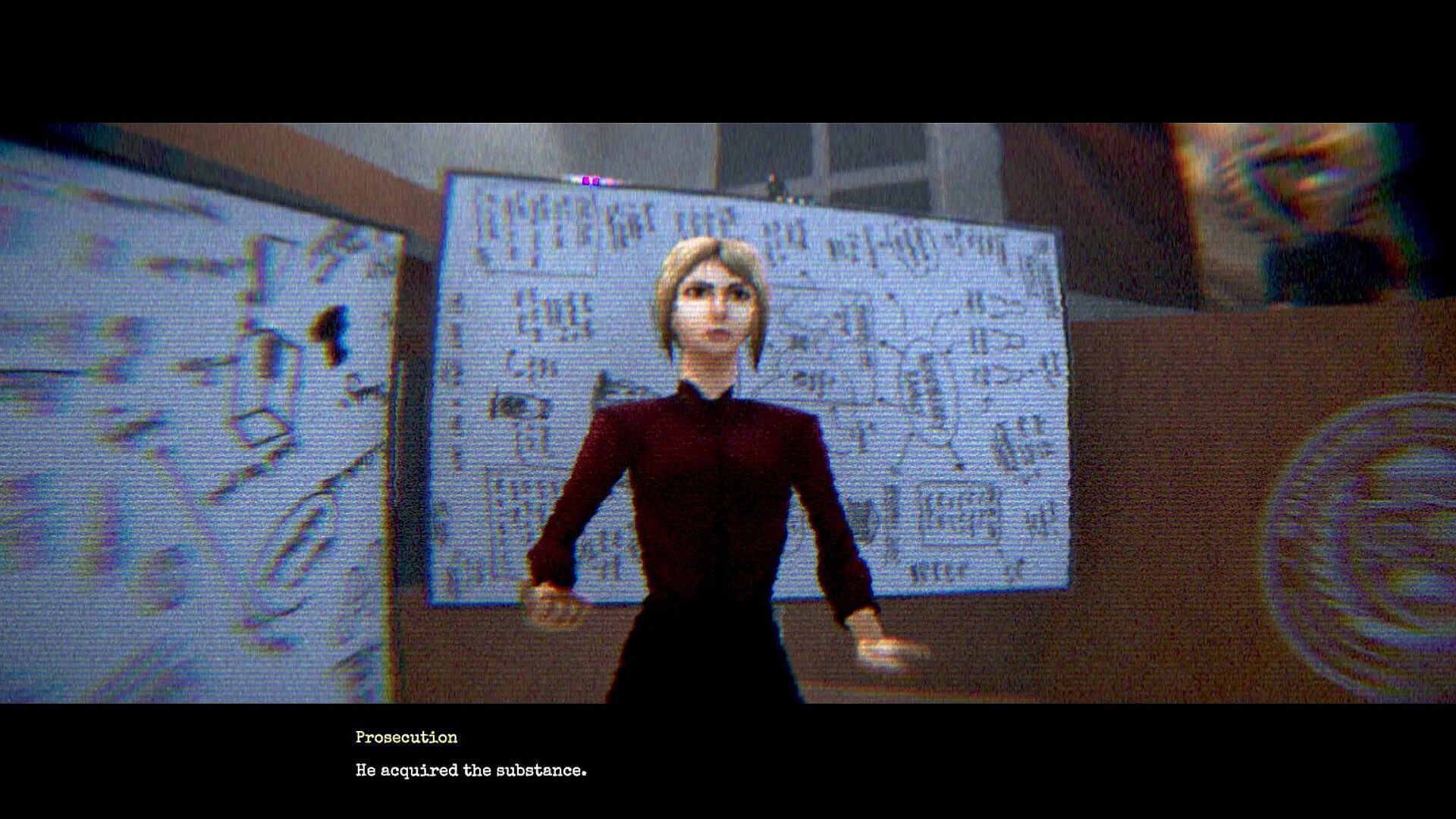









STAY: Possession Obsession Permanence is an indie story-driven psychological horror game for PC that follows the confession of a man facing accusations of crimes committed over many years. The narrative explores themes of abandonment, fractured relationships, and an intense desire for connection that evolves into something darker. Players witness events through the perspective of someone whose sense of love and belonging has been shaped by early loss, with the story unfolding during an interrogation that reveals layers of memory and motivation.
Gameplay
The core experience centers on piecing together a personal history as memories surface and blend with the present interrogation. Players engage with conversations and recollections that carry emotional weight, where small details from childhood and later life reveal how ordinary needs for acceptance can shift into deeper attachments. The structure moves between the interrogation room and past events, allowing the story to build through dialogue choices and revelations rather than action sequences or combat. Attention to relationships and their consequences forms the main loop, as each interaction adds context to the central figure's understanding of permanence and loss.
Chapter One introduces the origins through the perspective of an eight-year-old orphan adopted into a new family. This section establishes the foundation of longing for stability after years of isolation, showing how subtle neglect in even a seemingly warm home can create lasting effects. The gameplay here focuses on observing these early moments and understanding their influence on later behavior, without relying on traditional puzzle mechanics or exploration in open environments.
Game Modes
The game presents its content as a continuous narrative experience without separate modes or branches for multiplayer or competitive play. Progression follows the unfolding confession and memory sequences in a linear fashion, with the interrogation serving as the framing device that ties past and present together. No additional game modes such as survival, puzzle collections, or alternate endings have been detailed beyond the core story chapters.
Narrative Structure and Themes
The story examines how a desire for lasting connections can distort over time. Friendships turn into dependencies, and the fear of being forgotten drives actions that blur the line between care and control. Nothing is framed as straightforward morality; instead, the account invites consideration of the reasons behind events rather than judgment of outcomes alone. Memories interact with reality in ways that highlight the lasting impact of early experiences, particularly the search for a family or community that will not disappear.
Subsequent chapters build on the initial setup from the orphan's adoption and the development of the Jar Theory, a concept rooted in the child's attempt to make sense of impermanence. This framework shapes the adult perspective and connects directly to the accusations that open the game. The emphasis remains on personal relationships and their consequences, with each new layer adding depth to the central figure's worldview.
Is It Worth Playing?
STAY suits players interested in narrative-focused psychological horror that prioritizes emotional and psychological depth over scares or action. The single-player story format delivers a focused examination of obsession and belonging through its confession structure and memory sequences. Those who appreciate games centered on character motivation and the gradual reveal of personal history will find the approach aligns with that preference. No public review scores, player counts, or post-launch updates are available at this stage, so expectations should center on the described narrative style rather than additional features or ongoing content. The game is available on PC for those seeking this type of introspective experience.