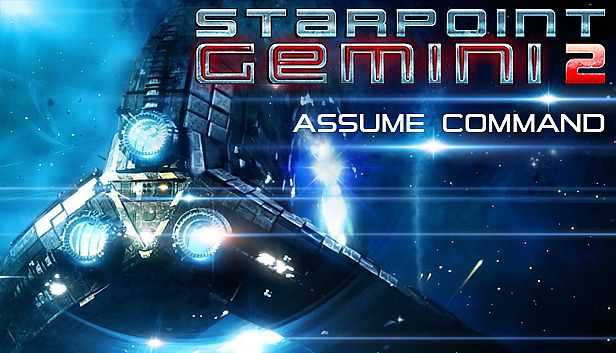




















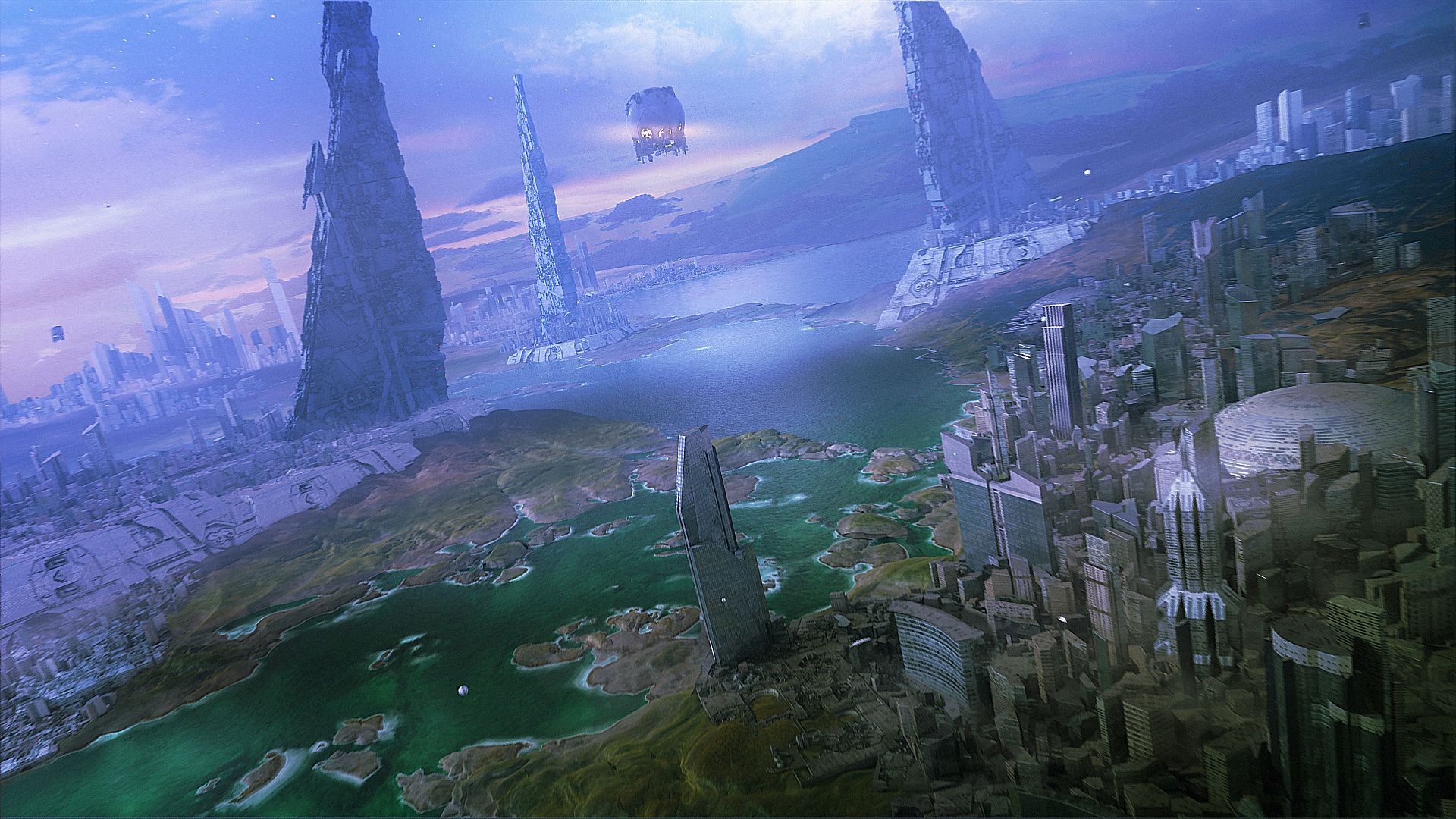
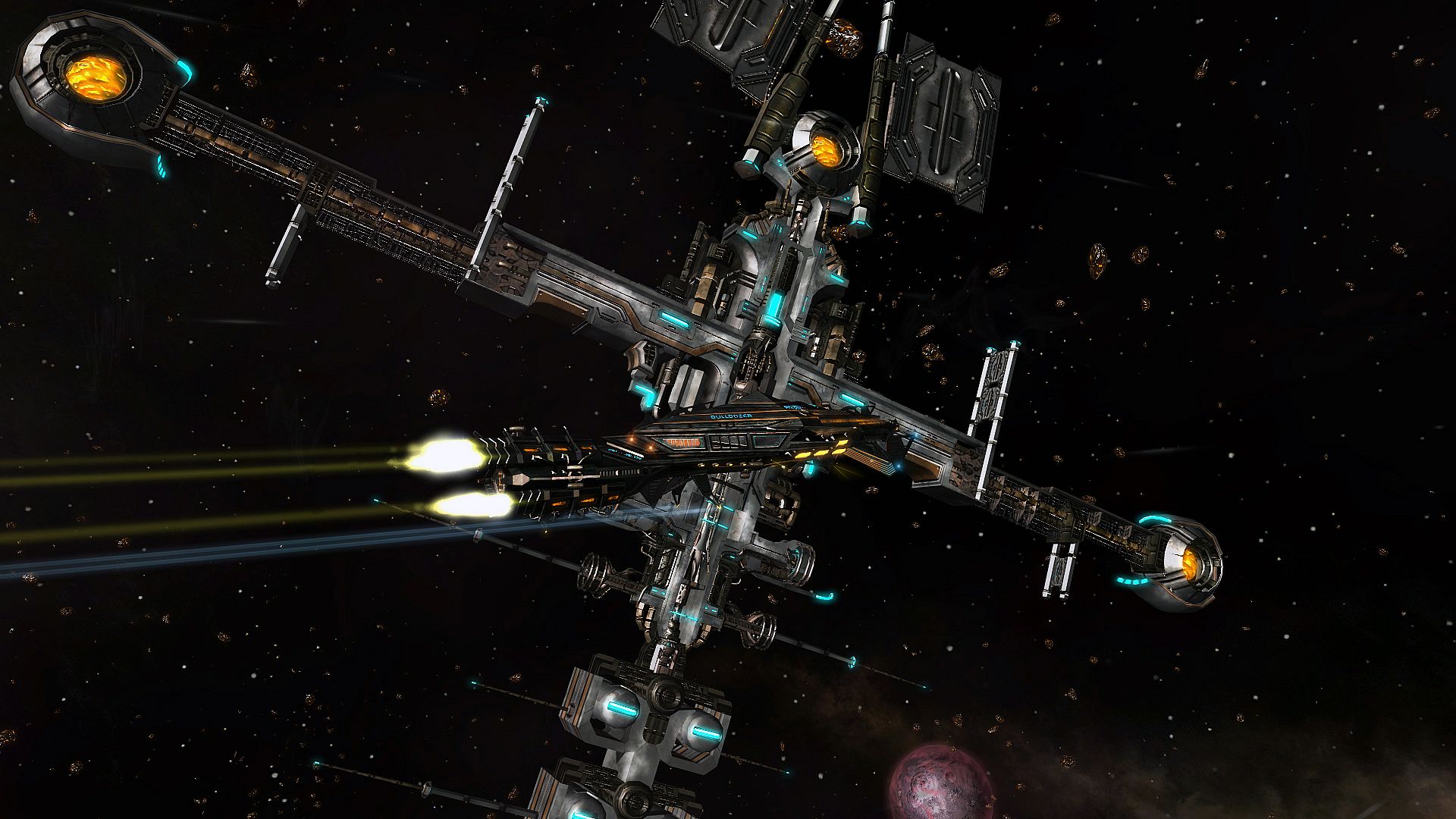
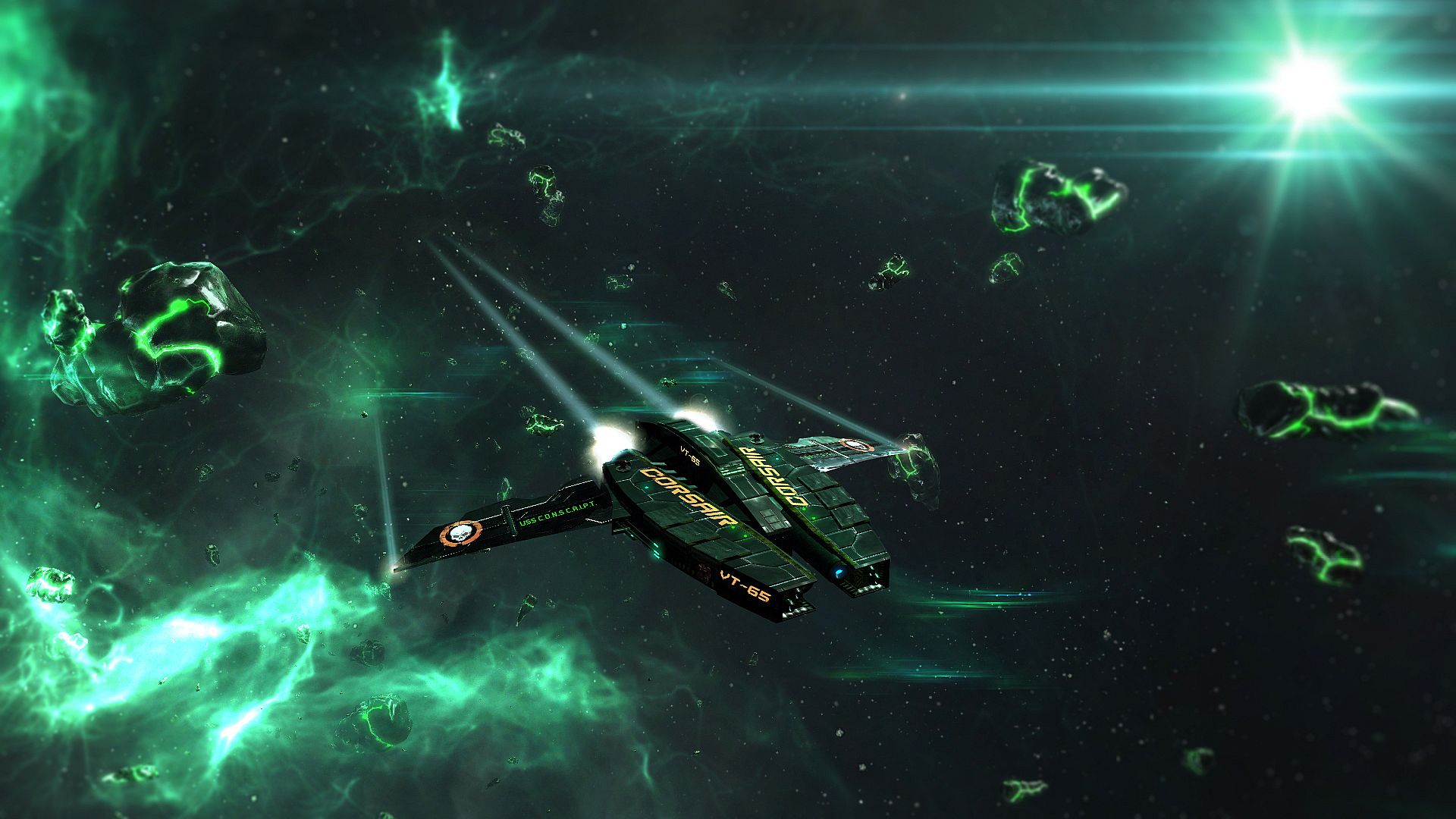
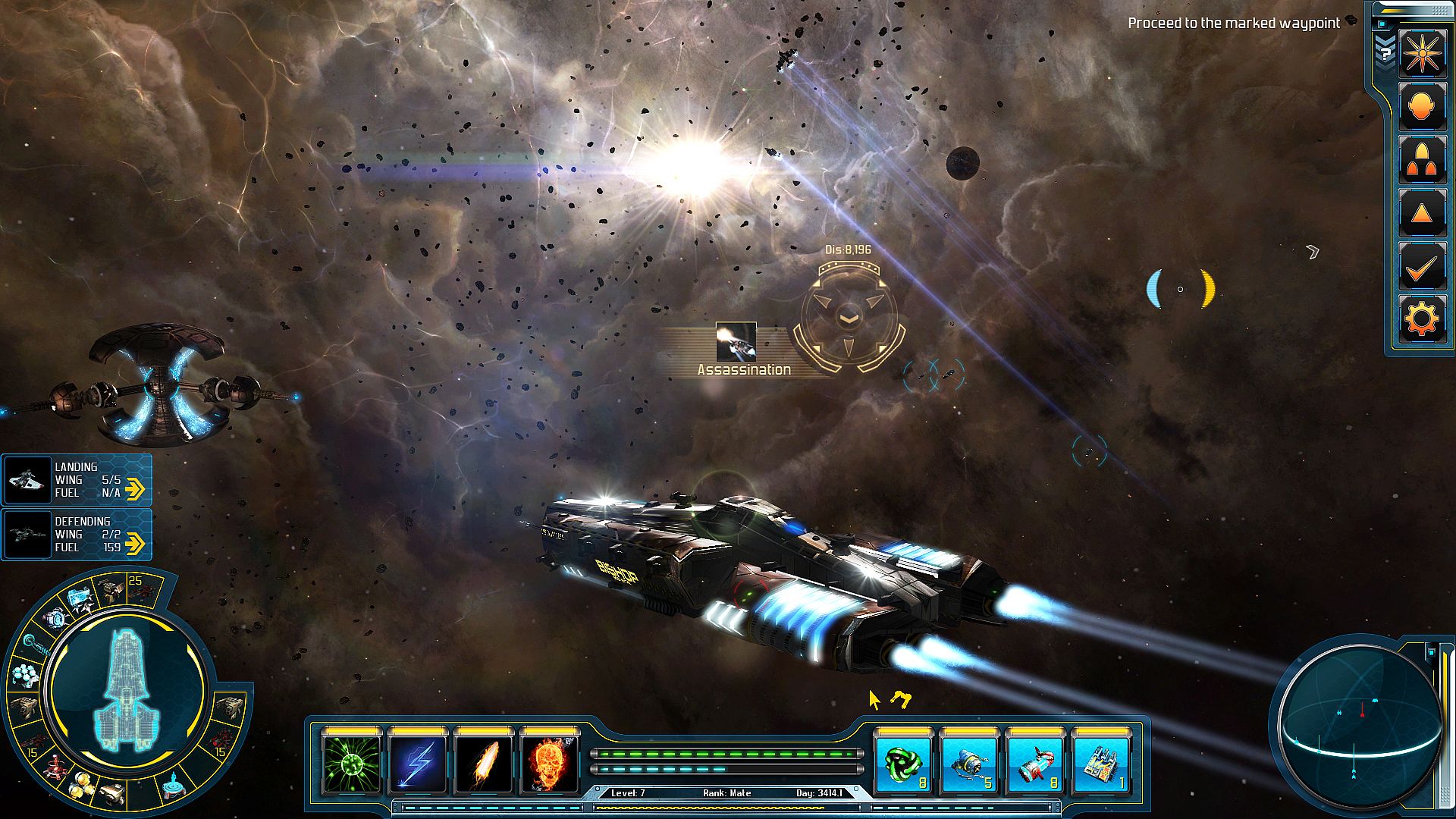
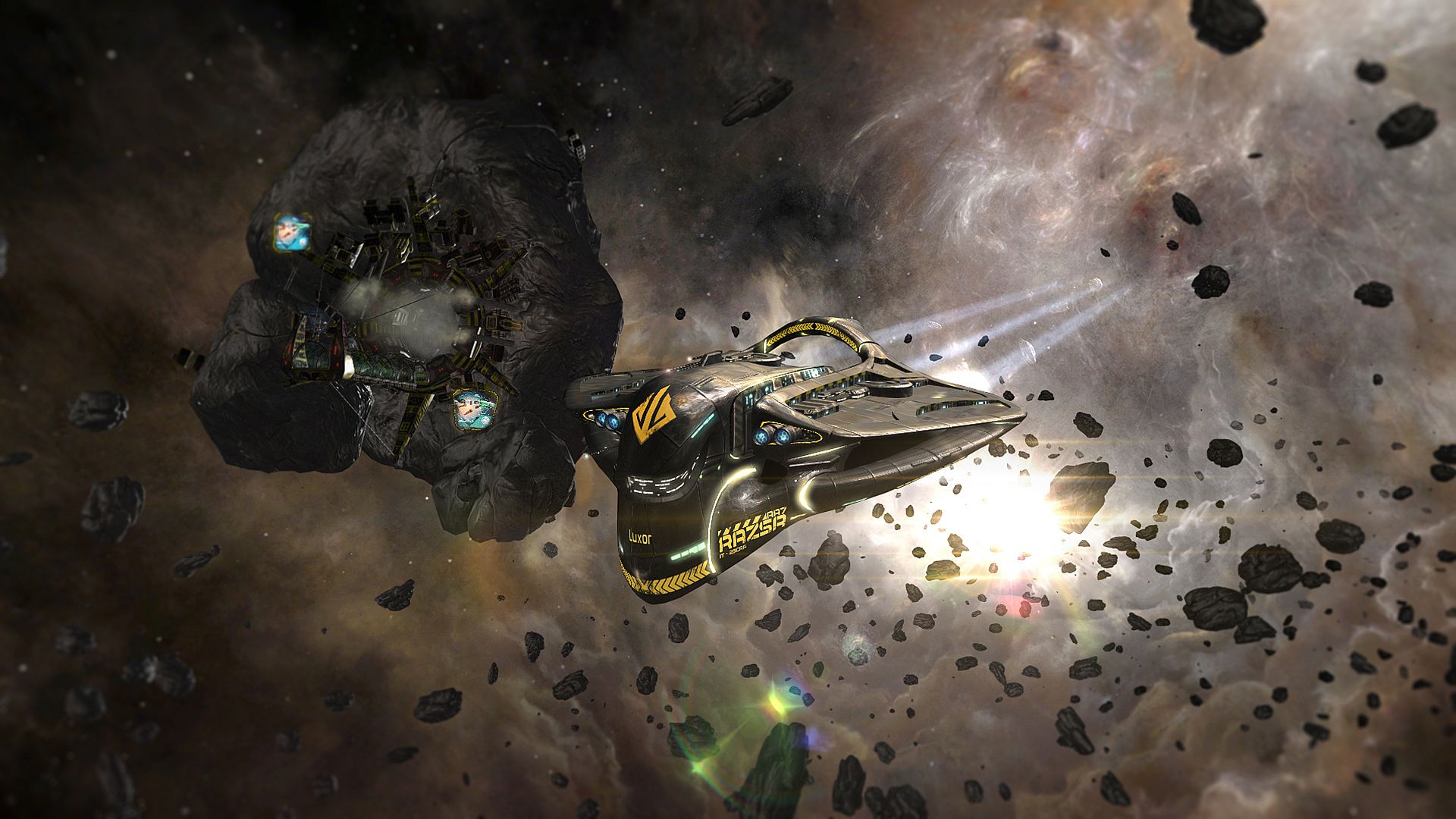
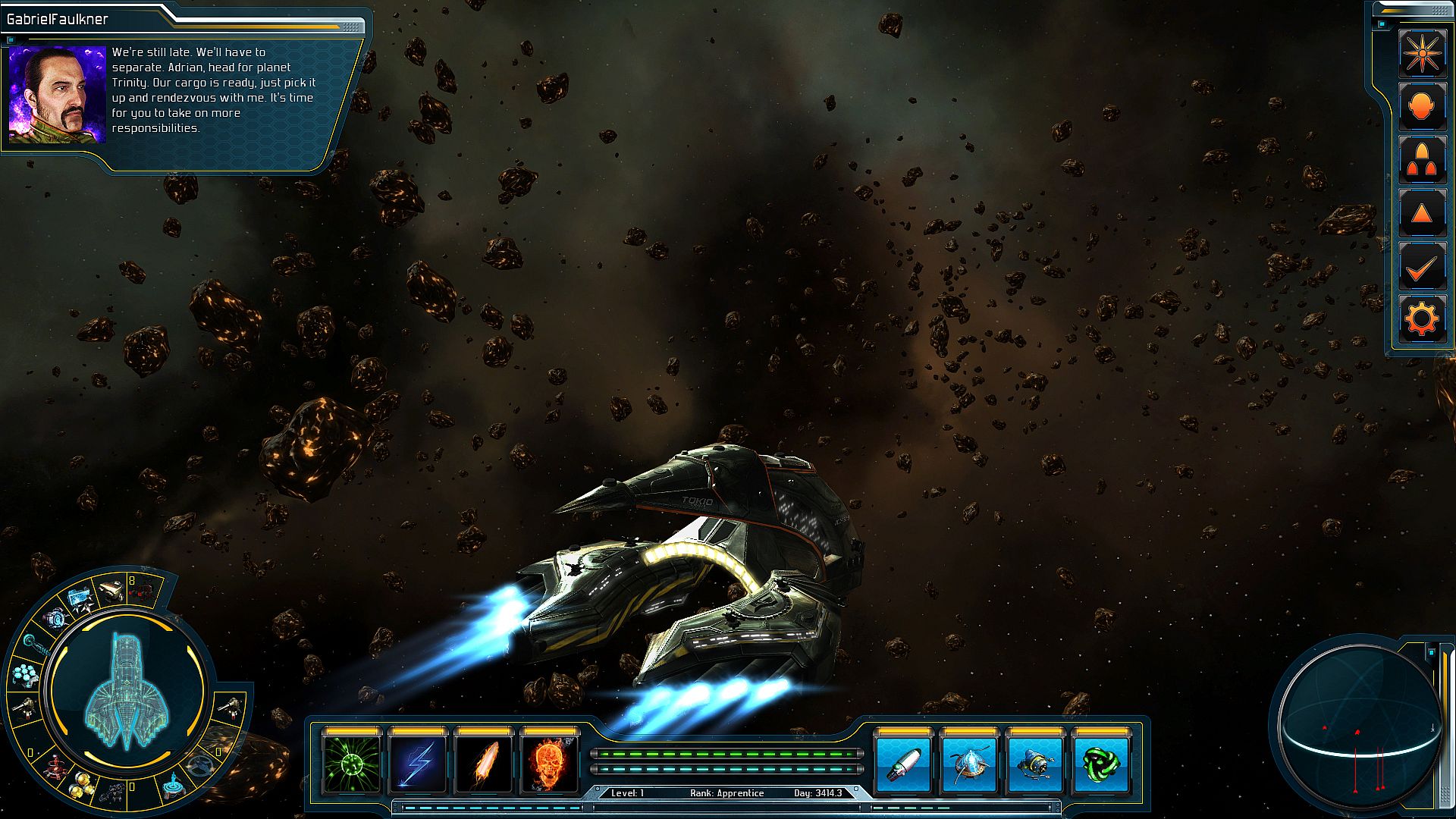
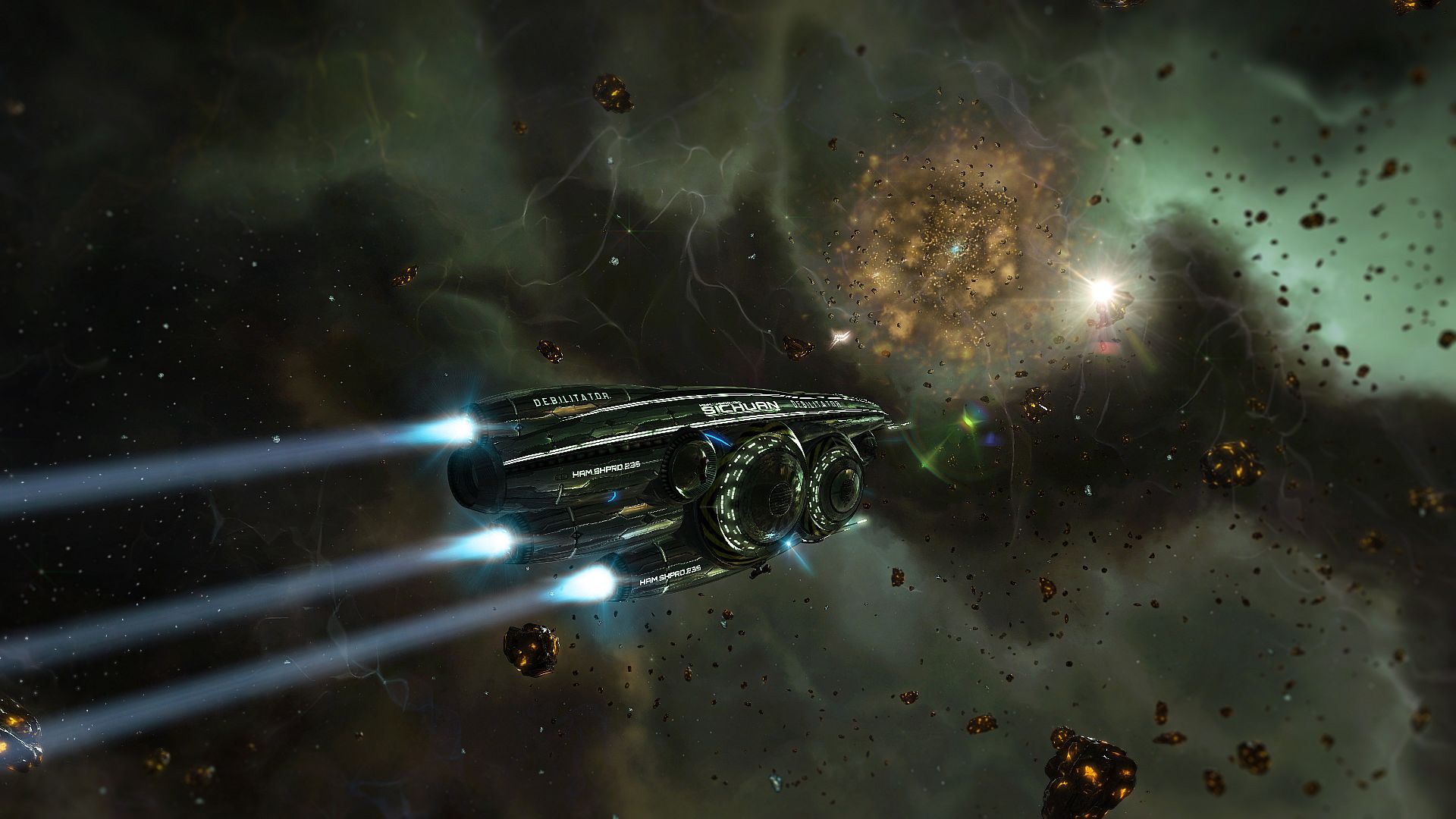
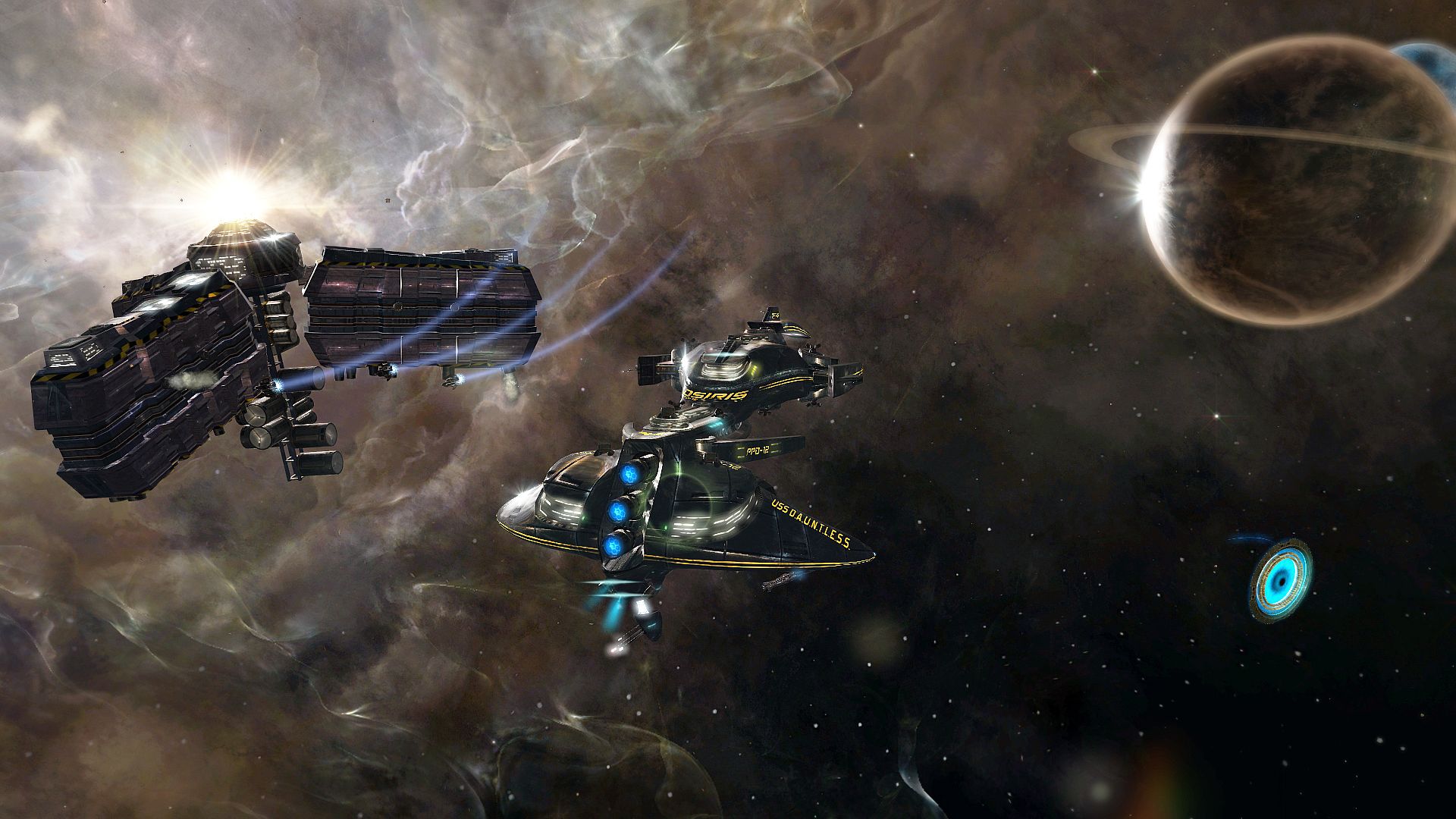
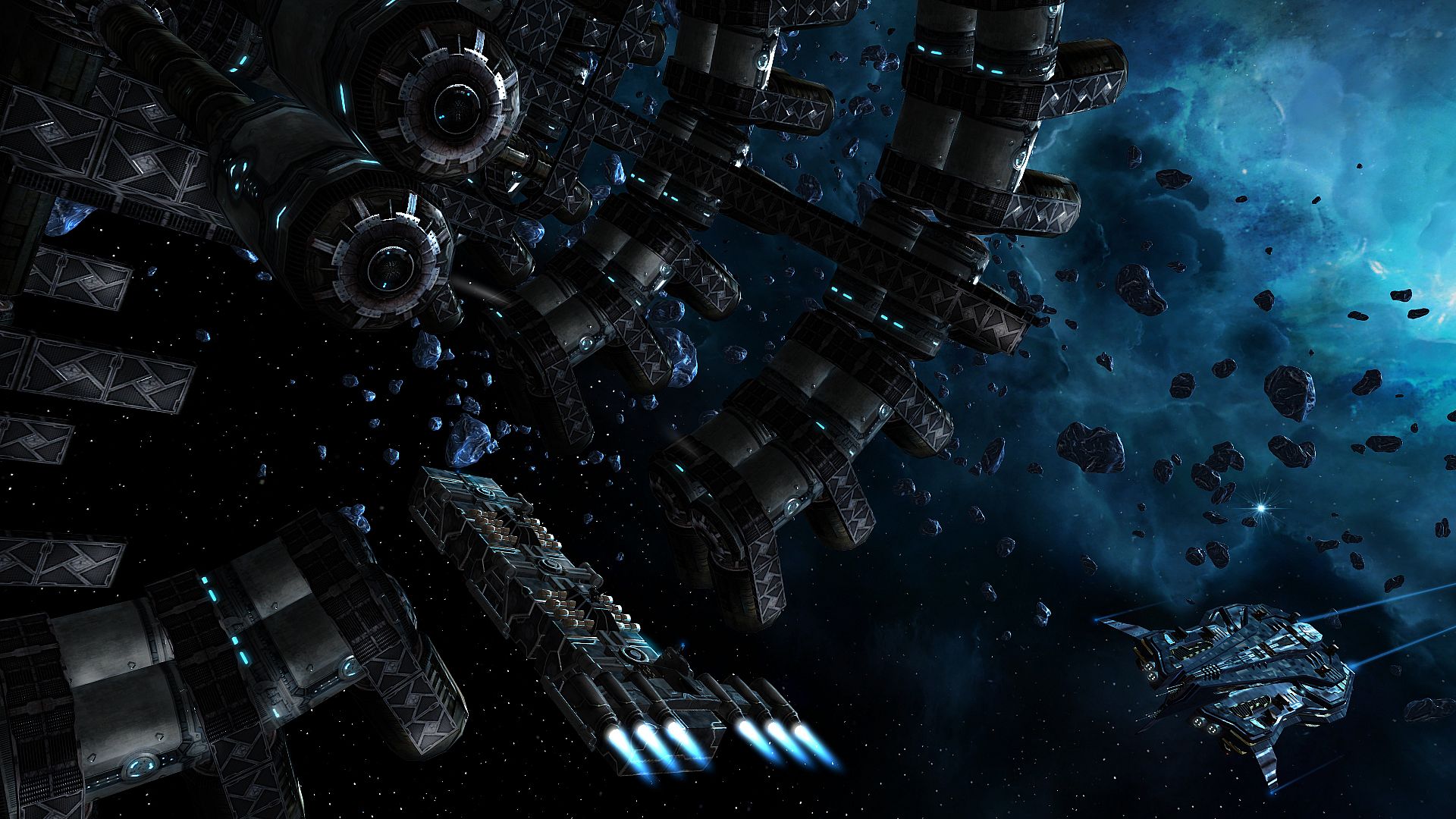
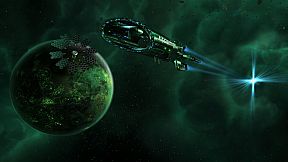
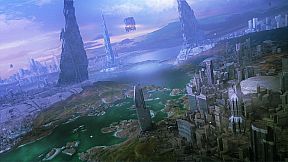
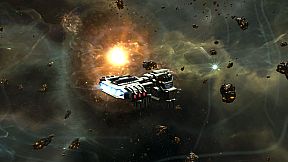
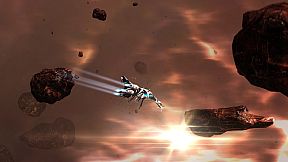
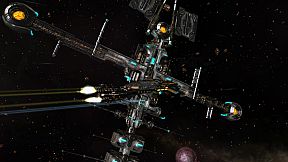
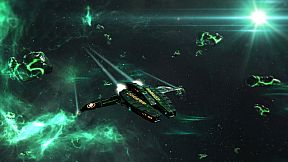
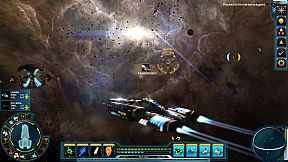
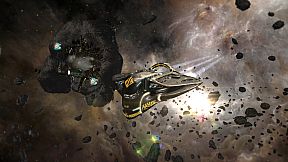
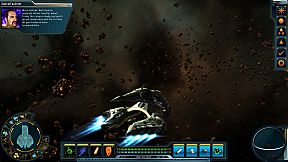
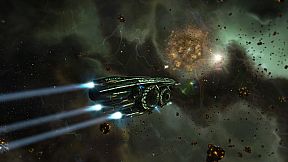
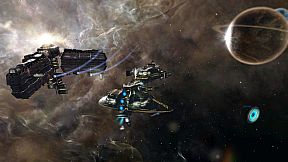
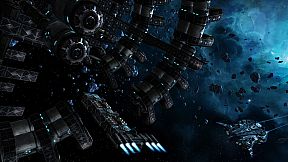
Starpoint Gemini 2 is a single-player space simulation that blends action combat with deep RPG progression. Players take command of a customizable spaceship in a vast, interconnected galaxy where exploration, trading, and faction politics shape every decision. The game places emphasis on managing ship systems, crew assignments, and allegiances across a post-war setting filled with rival powers and hidden threats.
Gameplay
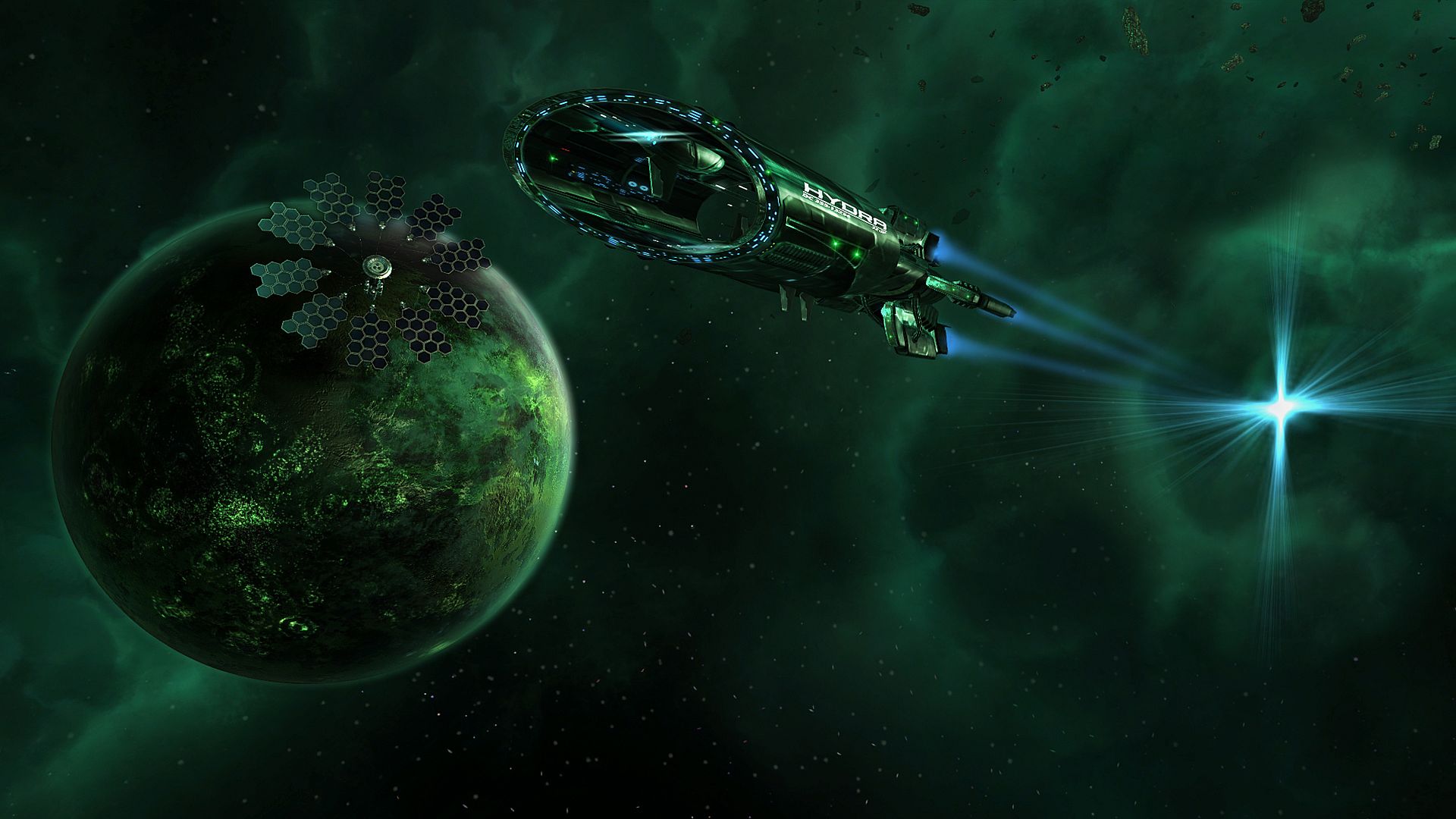
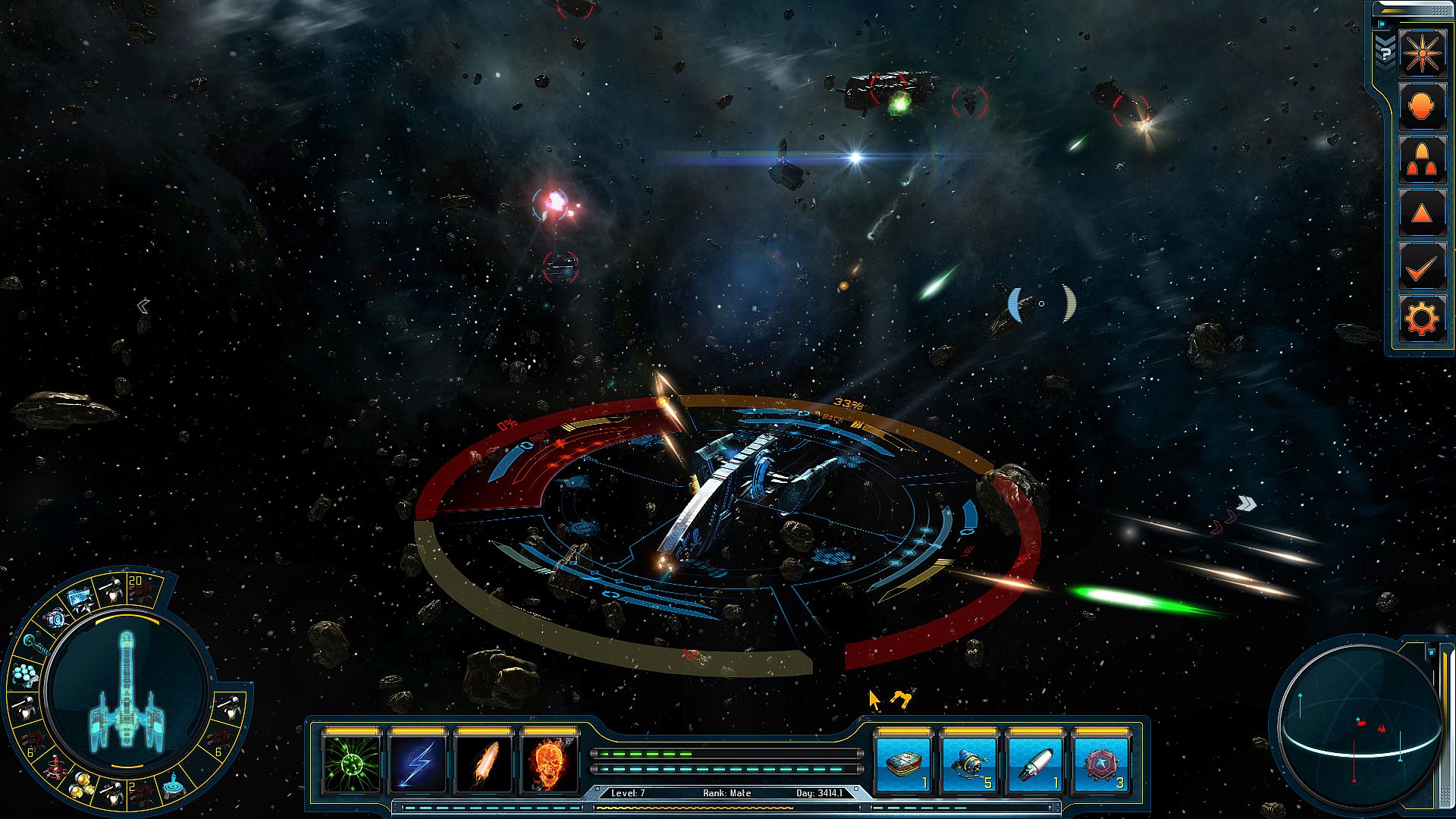
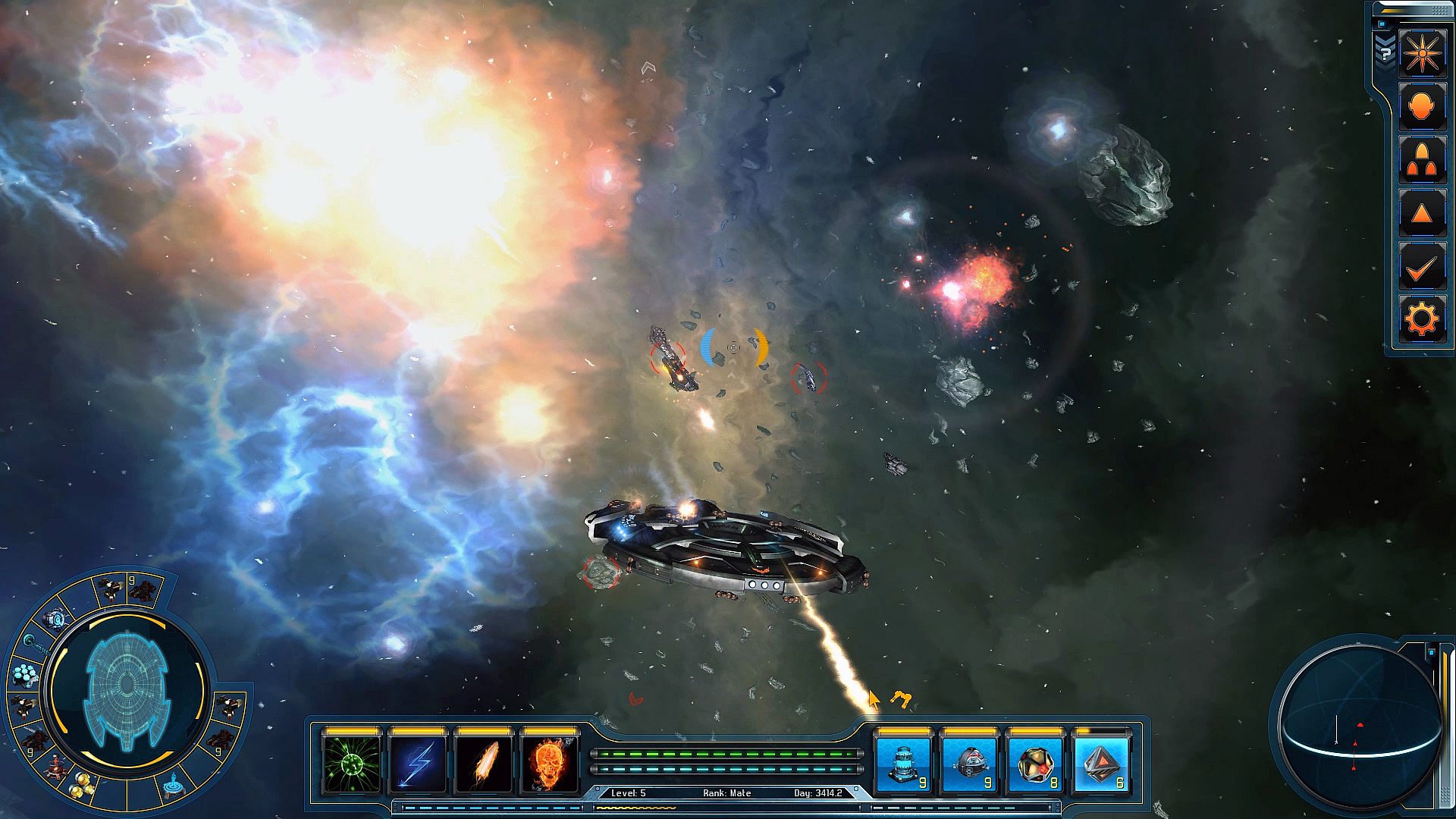
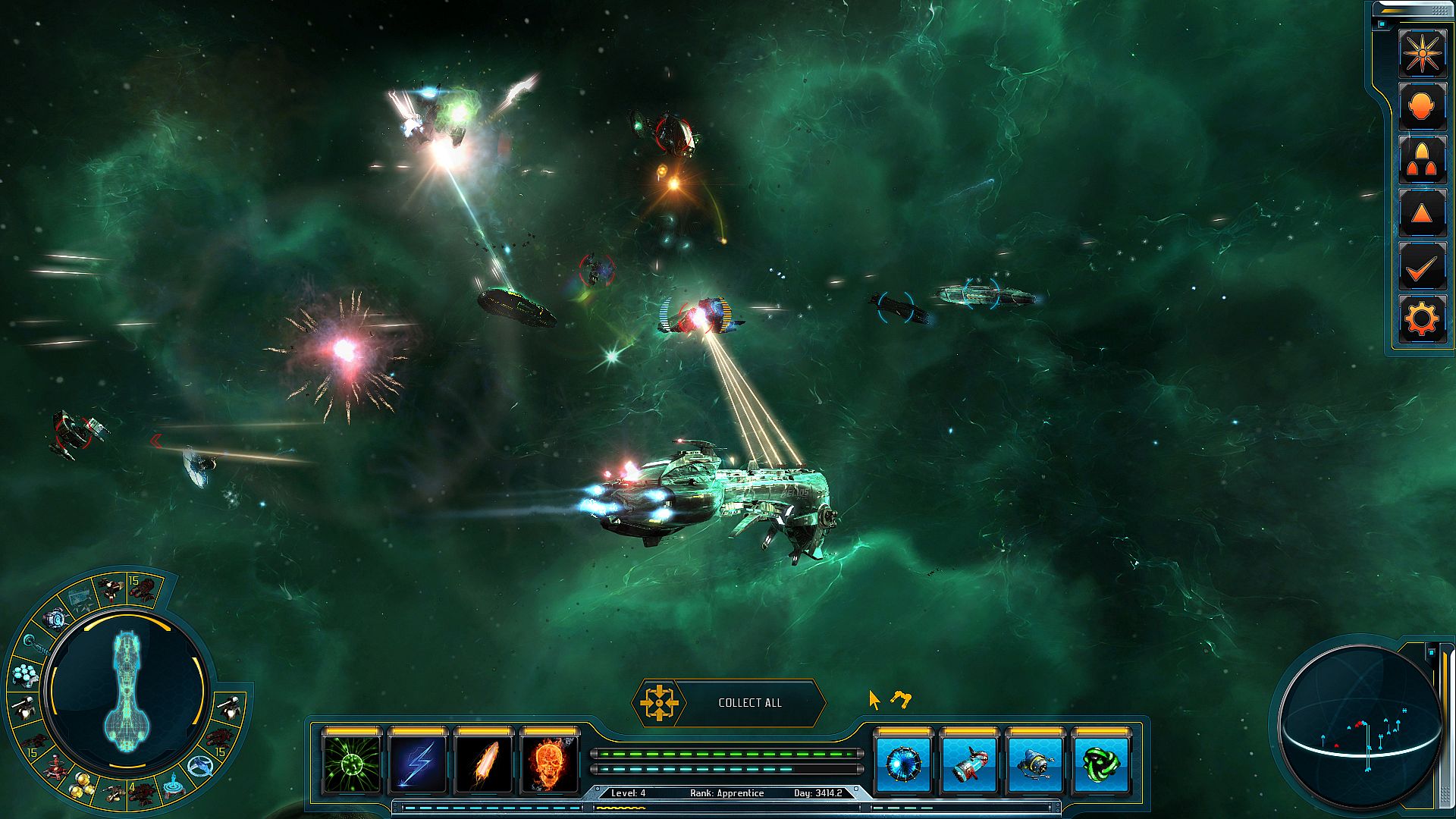
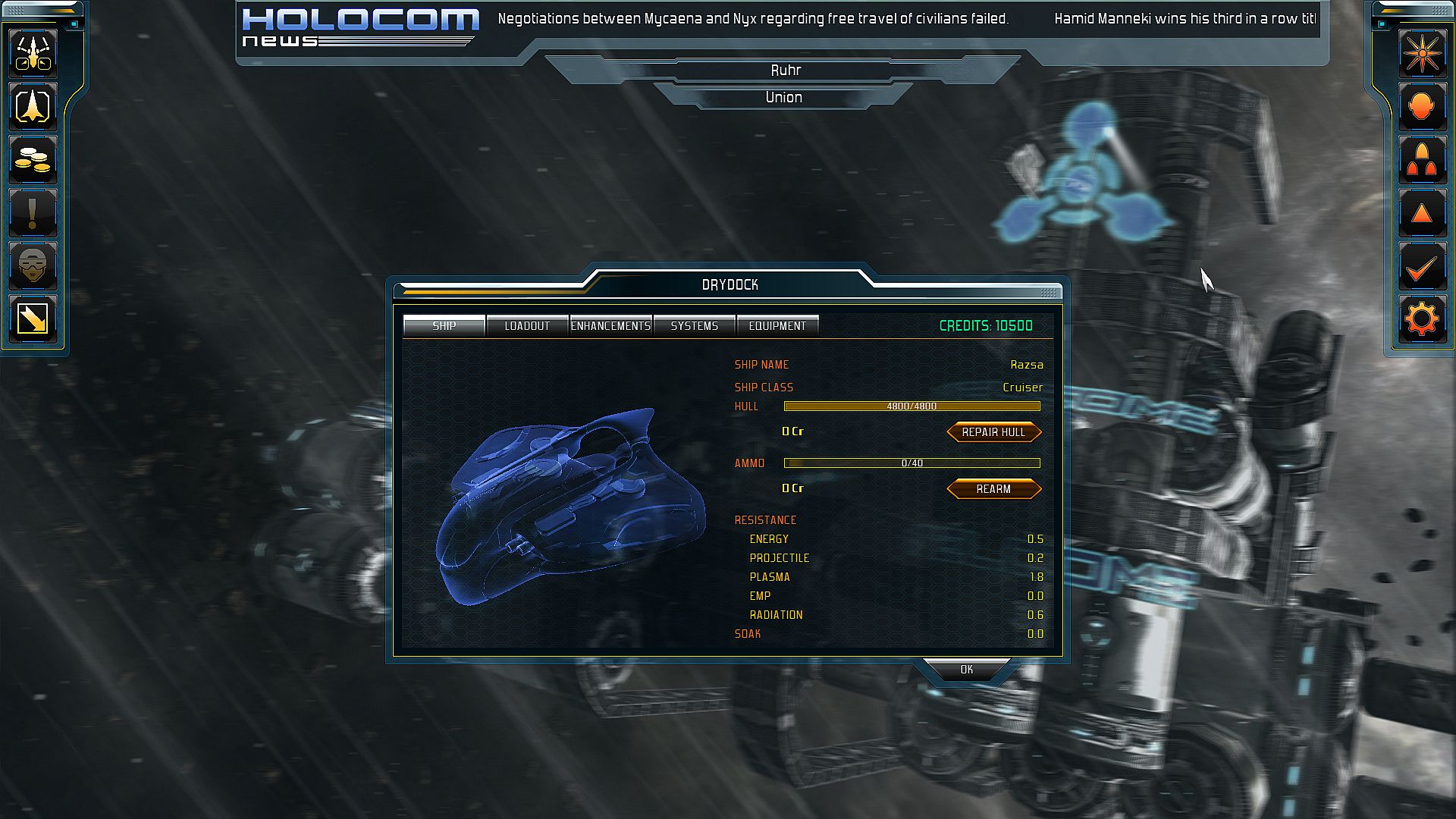
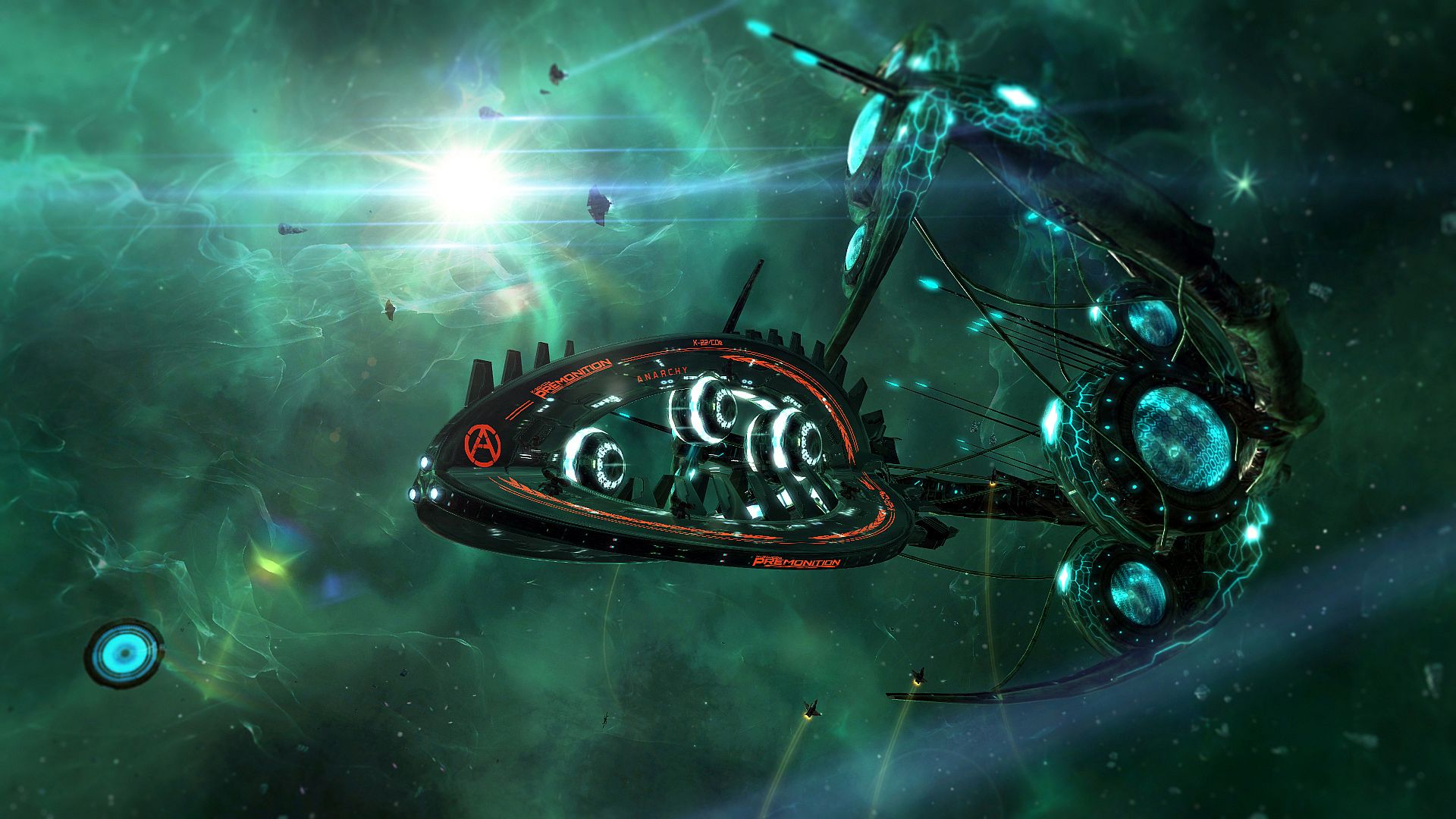
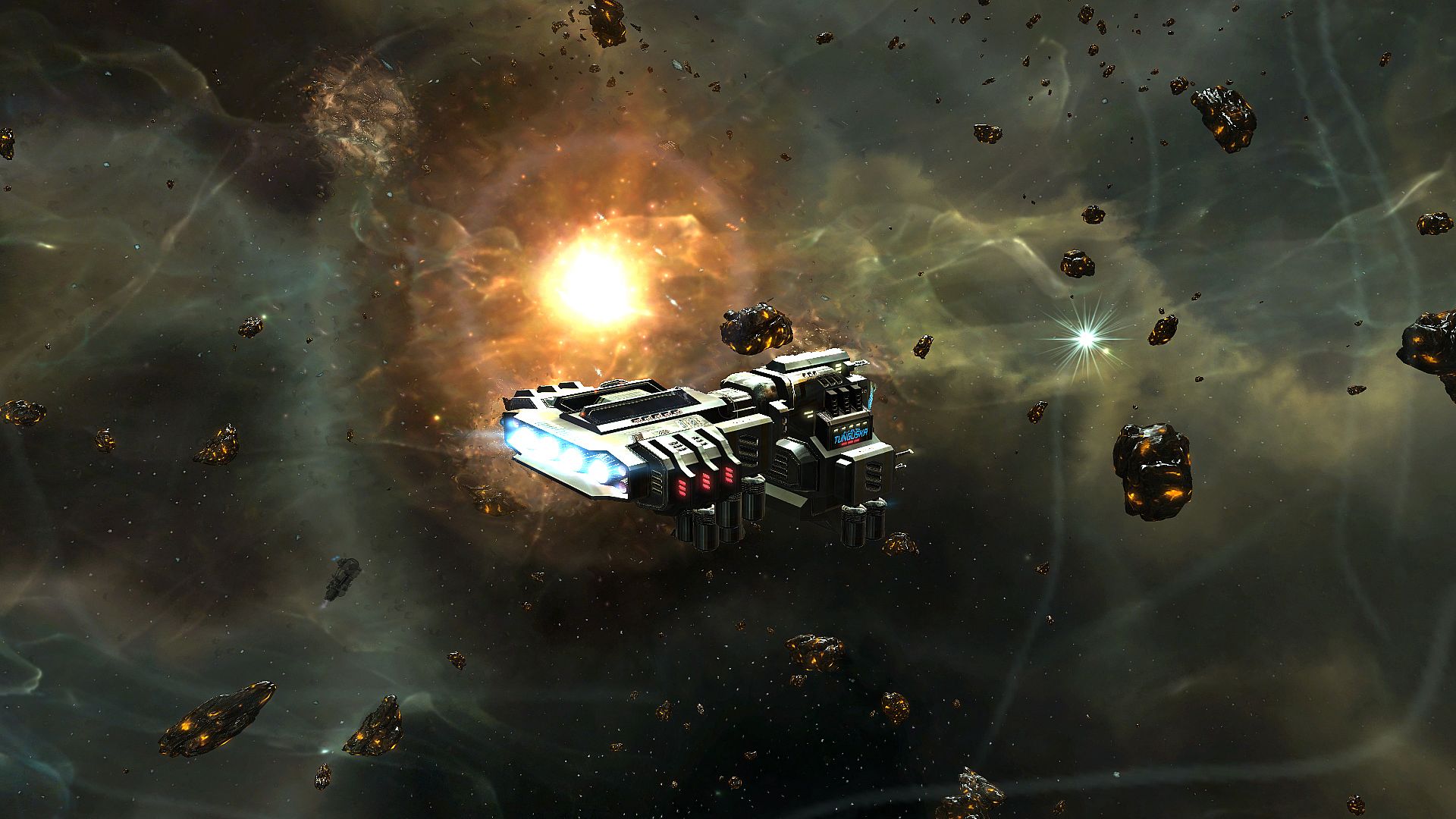
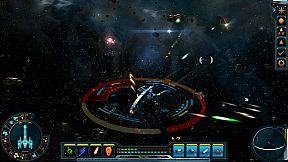
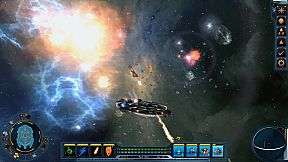
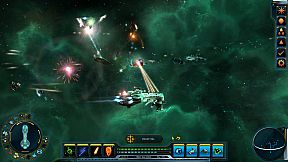
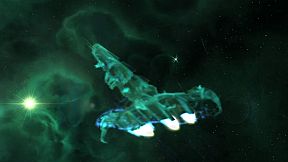
The core loop centers on piloting a vessel through real-time 3D space battles while advancing character and ship capabilities. Combat involves direct control of movement and weapons, supported by advanced physics that affect collisions and projectile behavior. Players upgrade dozens of ship components, including visible turrets and specialized modules, to handle different threats. An RPG layer tracks skills and experience, allowing gradual improvements to engineering, navigation, and tactical roles.
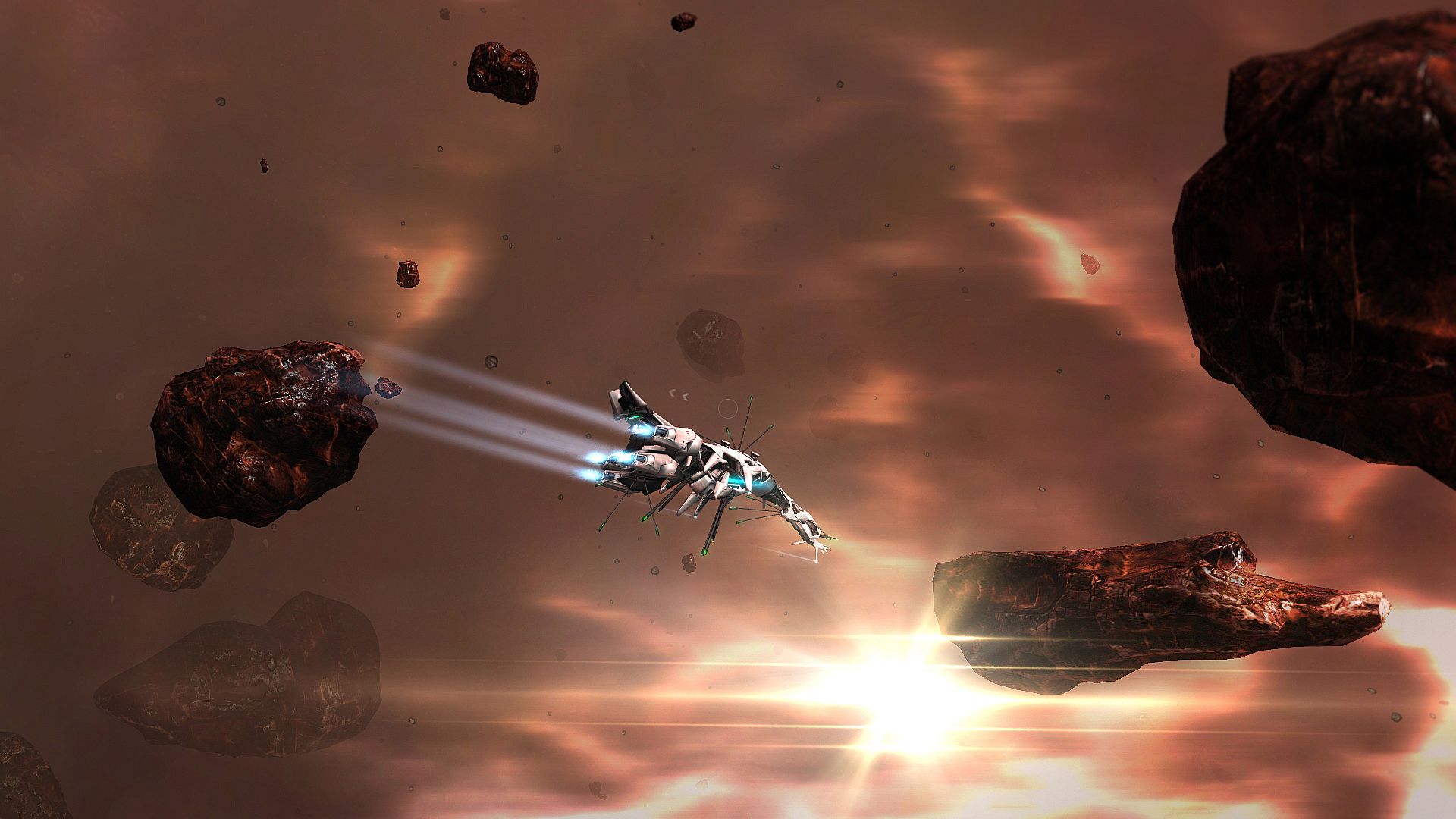
Travel relies on a network of T-gates, wormholes, and riftways that connect sectors without loading separate maps. This creates a seamless environment where players encounter dynamic events based on their current standing with various groups. Trading involves over one hundred commodities that fluctuate in value depending on supply, demand, and ongoing conflicts. Special licenses earned from factions grant bonuses such as reduced prices or access to restricted areas.
Crew management adds another dimension. Players recruit mercenary captains who accompany the main ship and assign officers to key stations like engineering or weapons control. These hires influence combat effectiveness and long-term survival. Missions appear based on player actions and reputation, ranging from escort duties to targeted strikes against opposing forces.
Game Modes
The experience unfolds as an open-ended single-player campaign that mixes structured story missions with free-form exploration. Players follow a central narrative involving imperial expansion and mysterious dangers emerging from the T-gate network, while side activities arise naturally from faction interactions. There are no separate competitive or cooperative modes; all progression occurs within the persistent galaxy.
Randomly generated tasks adapt to the player's alliances and past choices, encouraging repeated playthroughs with different faction paths. The absence of multiplayer keeps focus on solo decision-making and long-term ship development across dozens of unique vessel designs.
Factions and Progression Systems
Fifty distinct factions operate in the Gemini system, including governments, corporations, and outlaw groups locked in ongoing power struggles. Each maintains its own territory, resources, and attitudes toward outsiders. Building favor unlocks revocable licenses that provide tangible advantages, while poor relations can lead to ambushes or blocked trade routes.
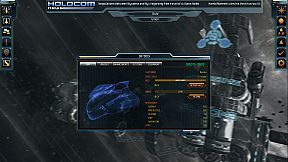
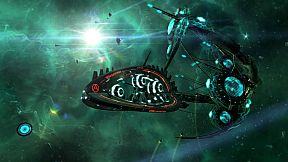
Progression extends beyond the player character to the entire fleet. Ships receive modular upgrades that alter performance in visible ways, and officers gain experience that improves their contributions during flights. This system rewards consistent play across multiple sessions as resources accumulate and options expand.
Is It Worth Playing?
Starpoint Gemini 2 suits players who enjoy methodical space simulation combined with character advancement and economic management. The real-time combat and seamless travel create a cohesive world that rewards careful planning over quick reflexes. Niche appeal comes from the depth of faction diplomacy and ship customization rather than fast-paced action.
Reception among fans of the genre highlights the satisfying progression and variety of encounters, though some note the dated interface and occasional repetition in mission structure. The game remains available as a complete package with its original features intact, making it a solid choice for those seeking a self-contained experience without ongoing seasonal content. Those drawn to tactical ship handling and galaxy-spanning RPG elements will find the systems rewarding over many hours of play.