







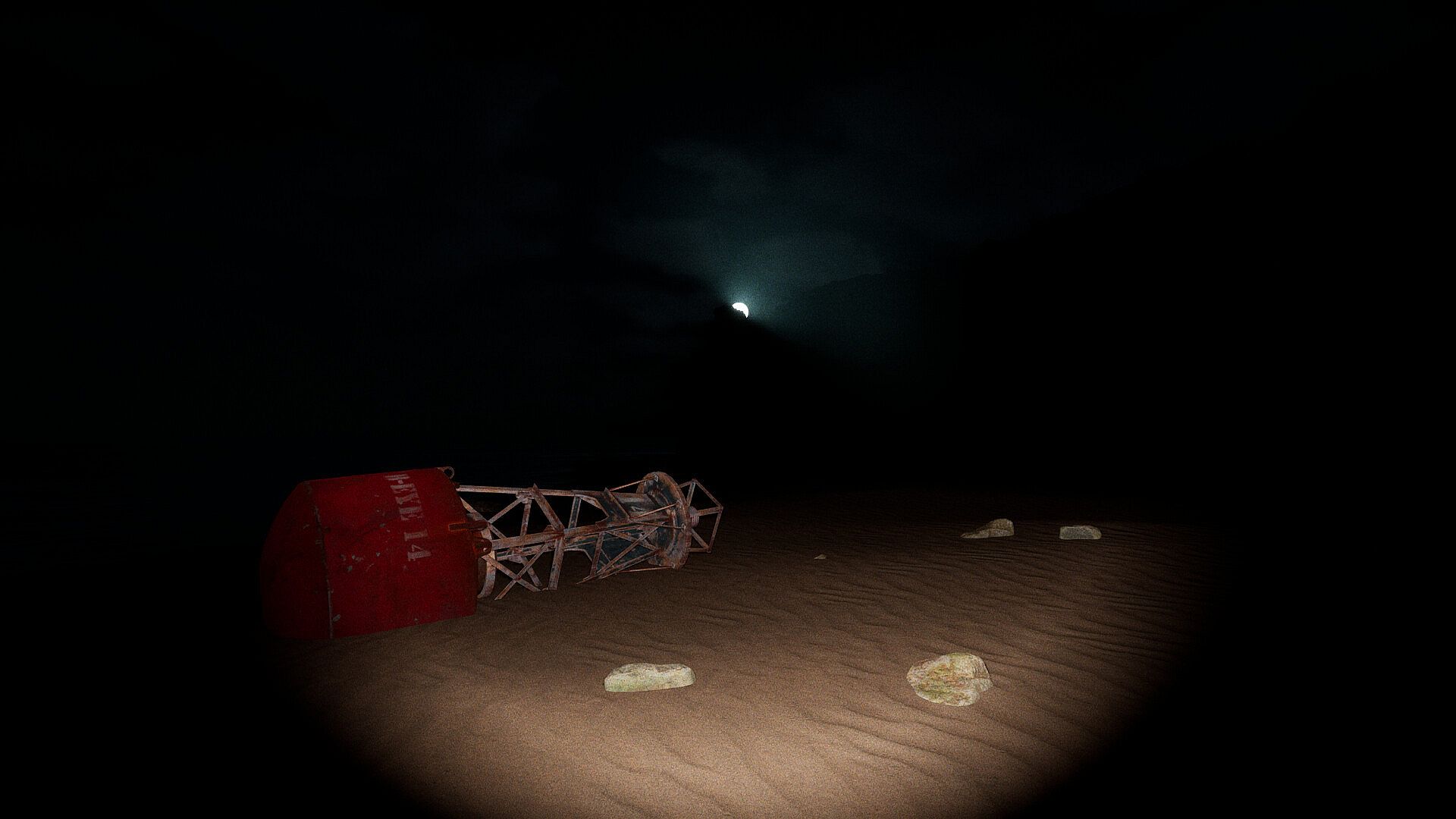



Stalkers Strand is an action indie game for PC that places players in a tense single-player survival scenario on a remote beach. The core experience revolves around scavenging under pressure while managing a persistent threat that grows more aggressive with each action taken.
Gameplay
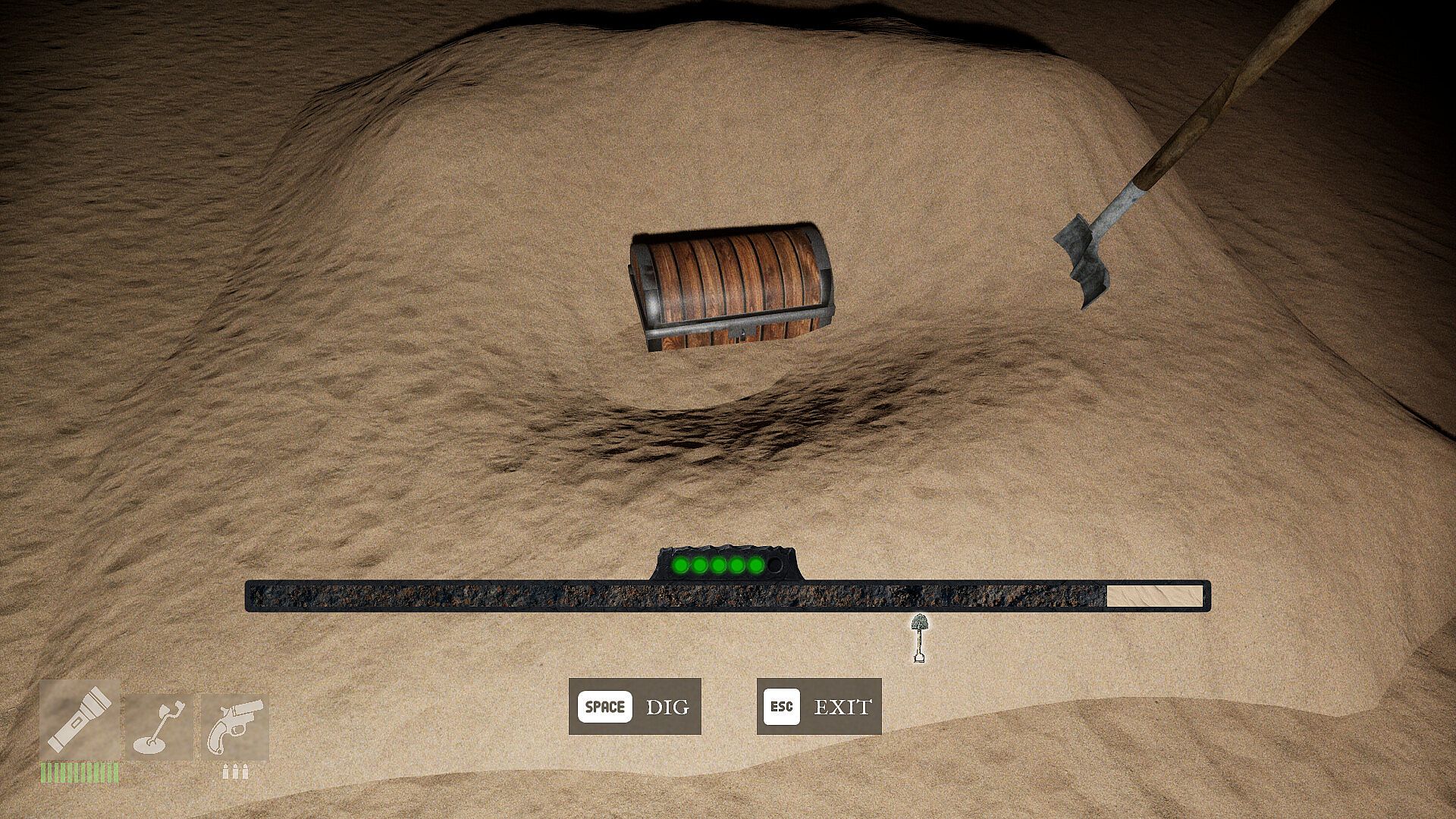
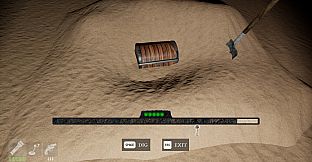
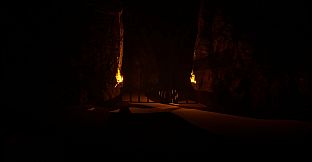
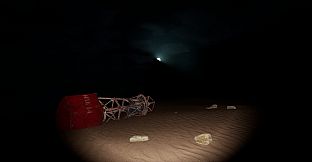
The gameplay centers on a focused loop of detection, collection, and evasion. Players arrive at an isolated stretch of shoreline hemmed in by cliffs and the ocean. The immediate objective requires gathering enough valuables to reach a $500 quota before the night ends and escape becomes possible. The metal detector serves as the primary tool, emitting signals that narrow down the locations of buried items scattered across the sand. Once a signal strengthens, players switch to digging to retrieve the objects and add their value toward the target total.
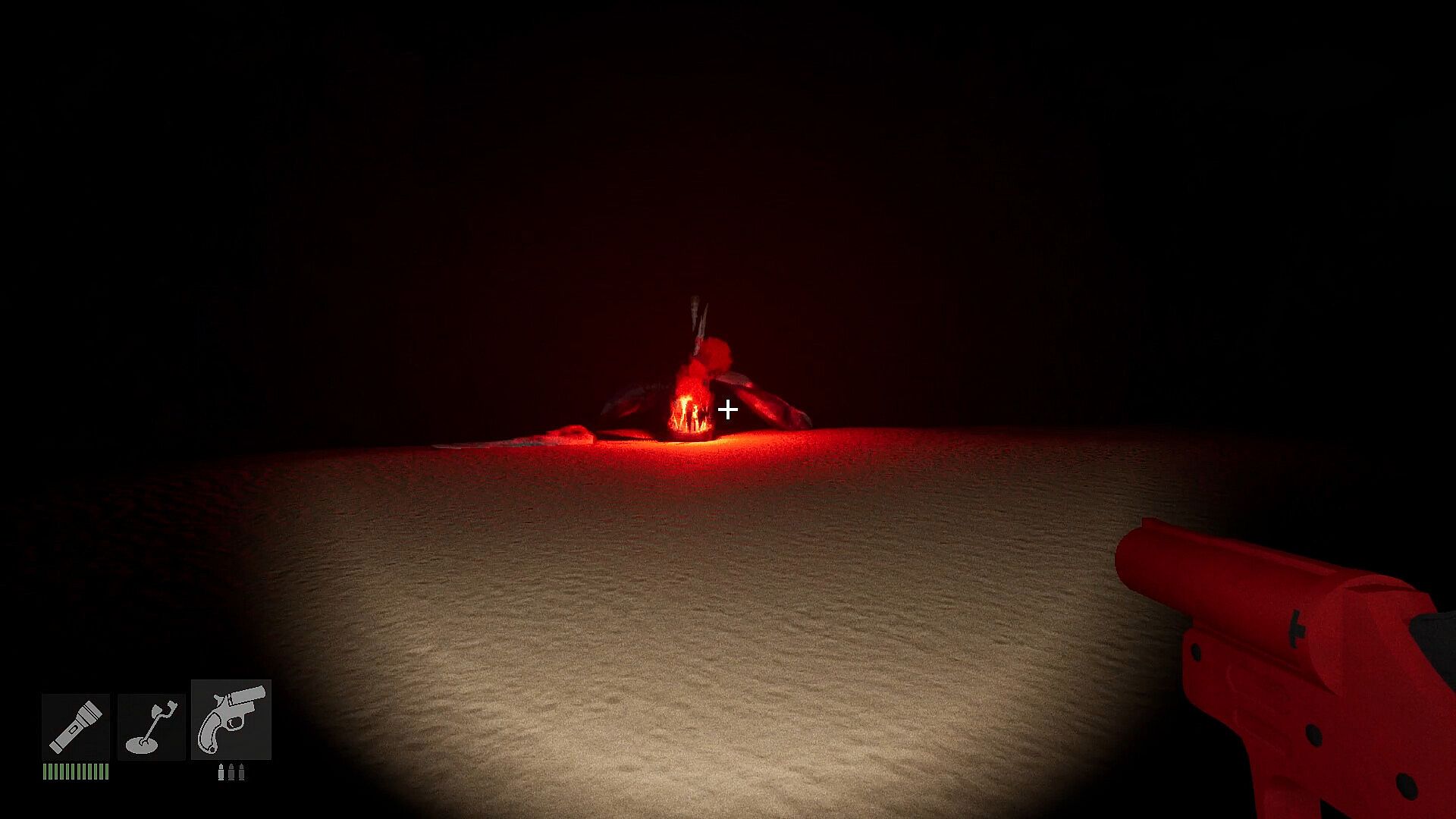
Progress comes with risk. Every sweep of the detector and every successful dig draws the attention of a guardian that patrols the area from a distance. The entity reacts to noise and activity, closing in when players linger too long in one spot or handle too many items in quick succession. Movement across the beach must stay deliberate to avoid drawing it closer. When the guardian approaches, players have a brief window to activate their light and repel the threat. The flare gun provides a stronger but limited option for emergencies, forcing careful decisions about when to expend the scarce ammunition.
Resource management extends beyond the quota itself. Limited tools and the constant presence of the guardian create a rhythm of cautious searching interrupted by sudden defensive moments. The barren setting offers little cover, so positioning and timing become essential for completing the run without being overwhelmed.
Game Modes
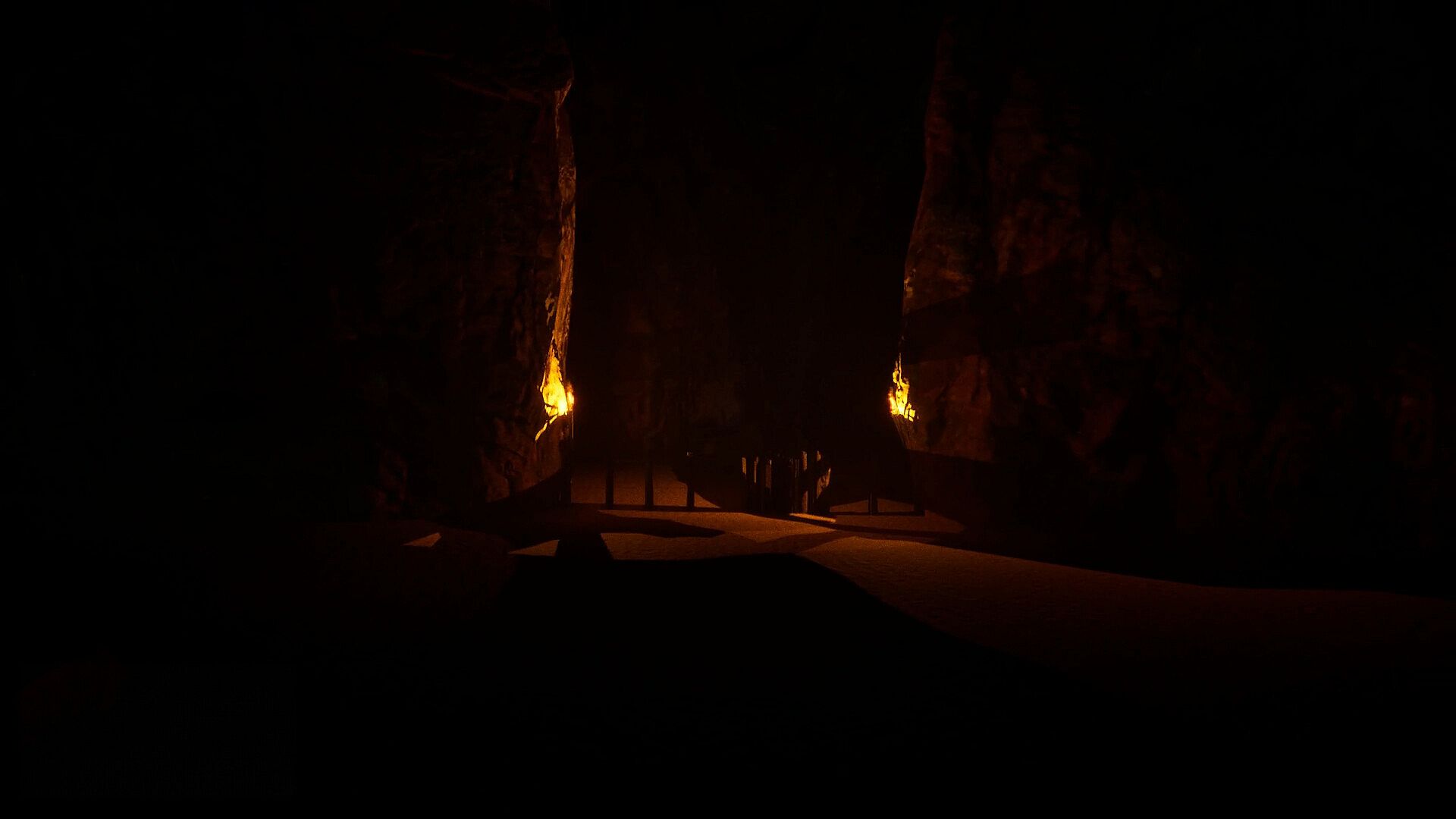
Stalkers Strand operates as a single-player experience with one primary mode built around the scavenging quota. There are no separate multiplayer options or alternate rule sets. The entire session unfolds on the same beach layout, with the guardian's behavior scaling according to player actions rather than external variables. Each attempt follows the same structure: enter through the gate, locate and extract items with the detector and shovel, monitor the guardian's position, and reach the financial target before attempting to leave. Failure occurs if the guardian reaches the player, while success depends on efficient collection balanced against the need to stay mobile and defensive.
Core Mechanics and Tension
The metal detector forms the heart of exploration, requiring players to interpret audio cues and visual feedback to pinpoint items efficiently. Digging adds a short but vulnerable pause that can accelerate the guardian's approach. The light serves as an immediate countermeasure with its own cooldown or usage limits implied by the need for split-second reactions. Flares act as a high-stakes backup, encouraging restraint until the situation turns critical. These systems combine to reward methodical play while punishing overextension or repeated mistakes in the same area.
Environmental constraints reinforce the pressure. The beach offers no safe zones or progression unlocks within a single run, keeping focus on the immediate task of quota completion. The guardian's stalking behavior ensures that even successful scavenging carries ongoing risk, as attention accumulates over time.
Is It Worth Playing?
Stalkers Strand suits players who enjoy short, high-stakes survival sessions centered on resource gathering and evasion rather than combat or exploration depth. The single-player format delivers a consistent loop of detection and defense without additional layers such as progression systems or varied objectives. With a planned release on November 27, 2026, and no user reviews available yet, the game remains untested by the broader audience. Those drawn to indie action titles that emphasize careful tool use and threat management may find the described mechanics engaging, while players seeking multiplayer, multiple modes, or extensive content may prefer to wait for post-launch feedback. The narrow scope keeps the experience focused but limits replay variety to repeated attempts at the same quota challenge.












