

Stackcraft: Three Kingdoms is a strategy simulation game that blends card mechanics with town building and territorial expansion in a late Han dynasty setting. Players start in a ruined settlement and use card stacking to develop infrastructure, gather resources, and raise forces while fending off threats.
Gameplay
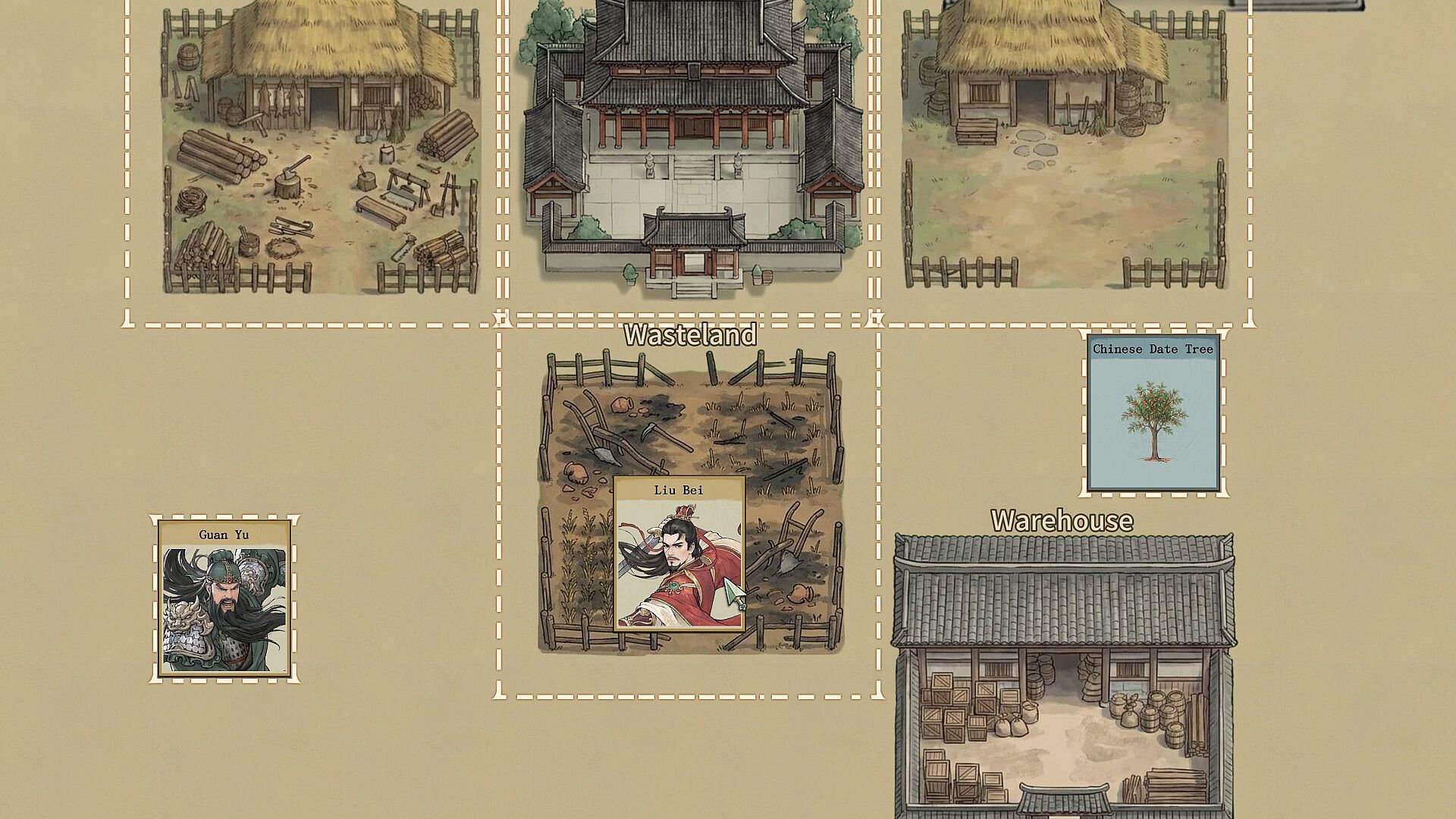
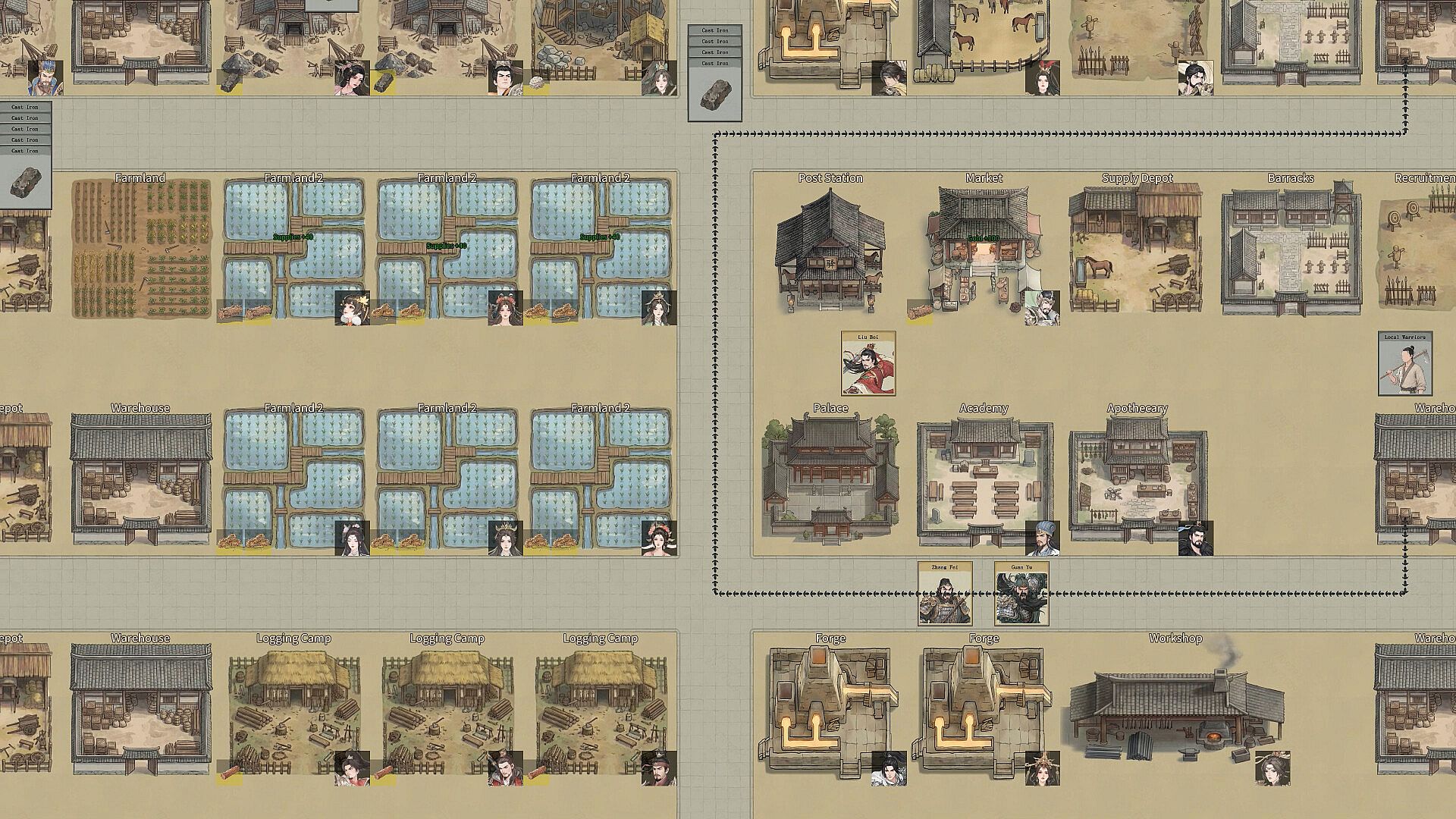
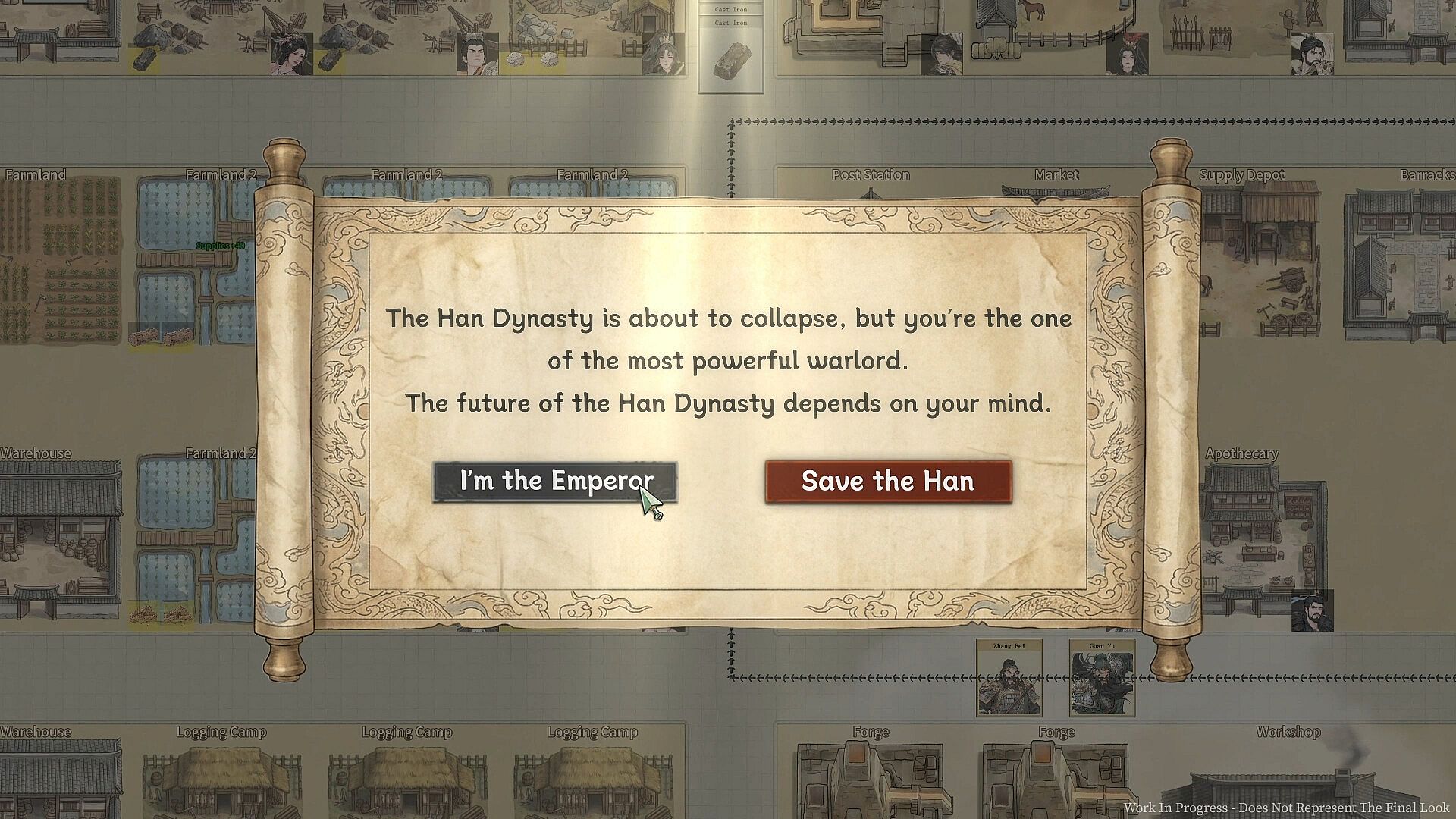
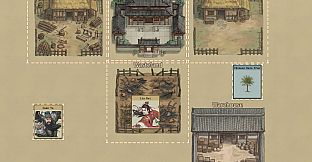
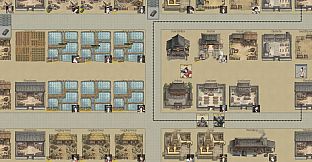
The core loop centers on dragging and stacking cards to create facilities, generate resources, produce weapons, and train soldiers. This system turns an initial settlement into a self-sustaining operation that supplies ongoing needs for troops, food, and equipment. Resource allocation requires careful planning to maintain balance between defense, growth, and military output.
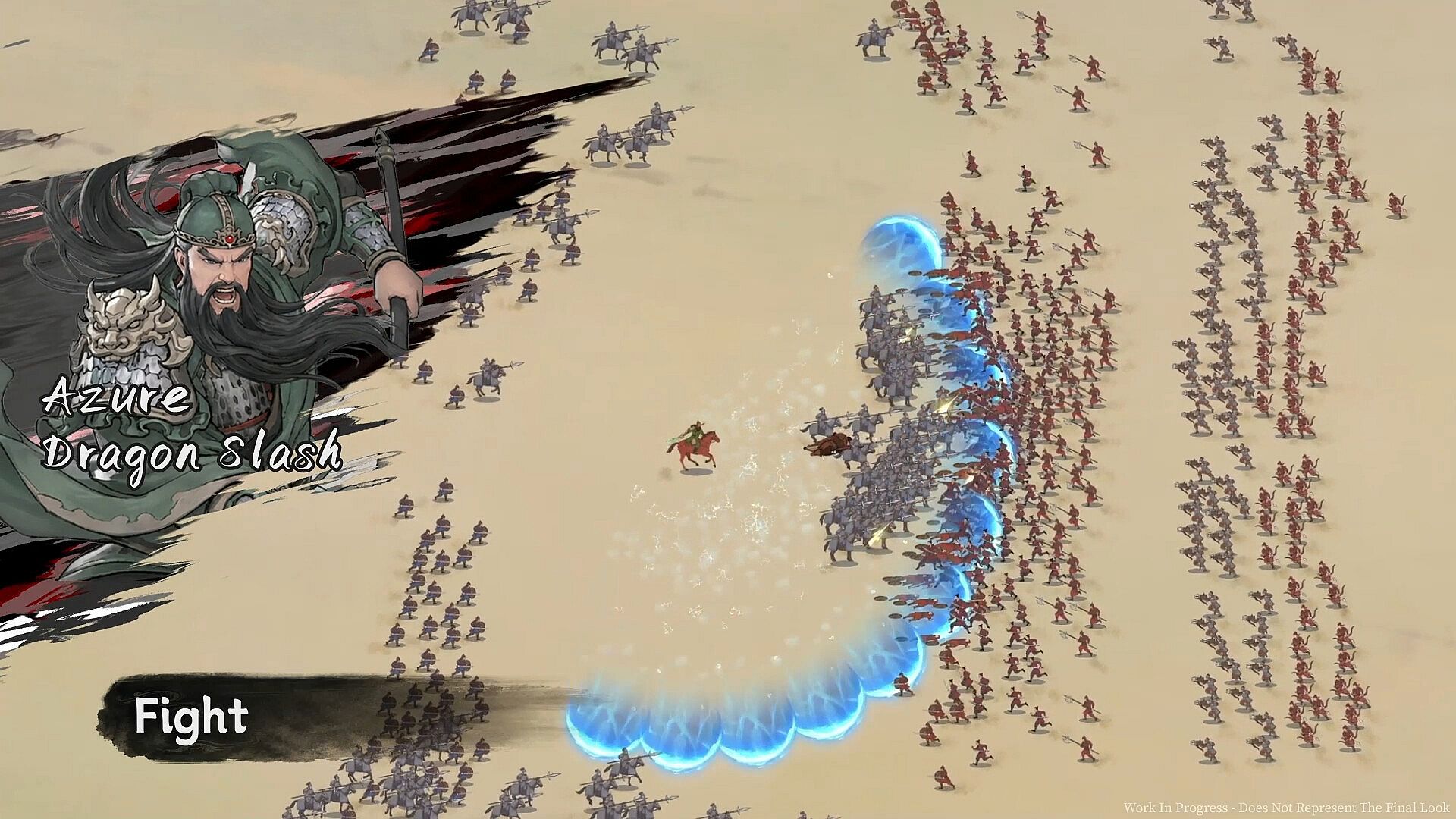
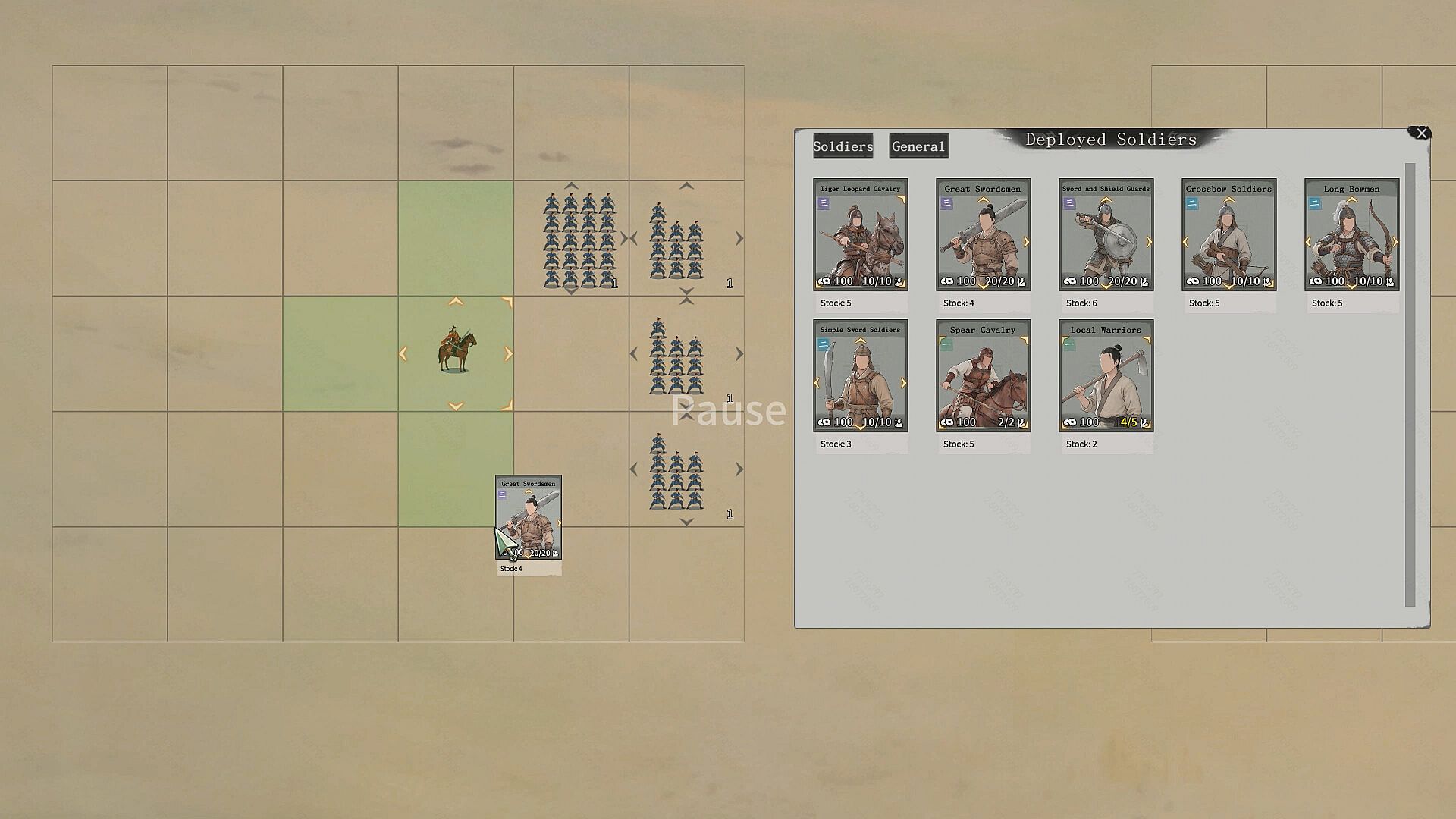
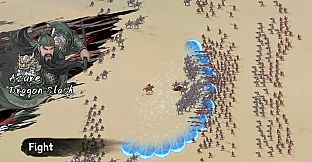
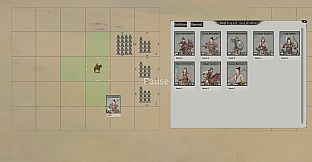
Combat preparation involves assembling legions from different unit types and assigning generals. Attribute advantages come into play when matching forces to specific situations, and later development unlocks new unit varieties along with custom weapons and gear that enable special battlefield abilities for commanders.
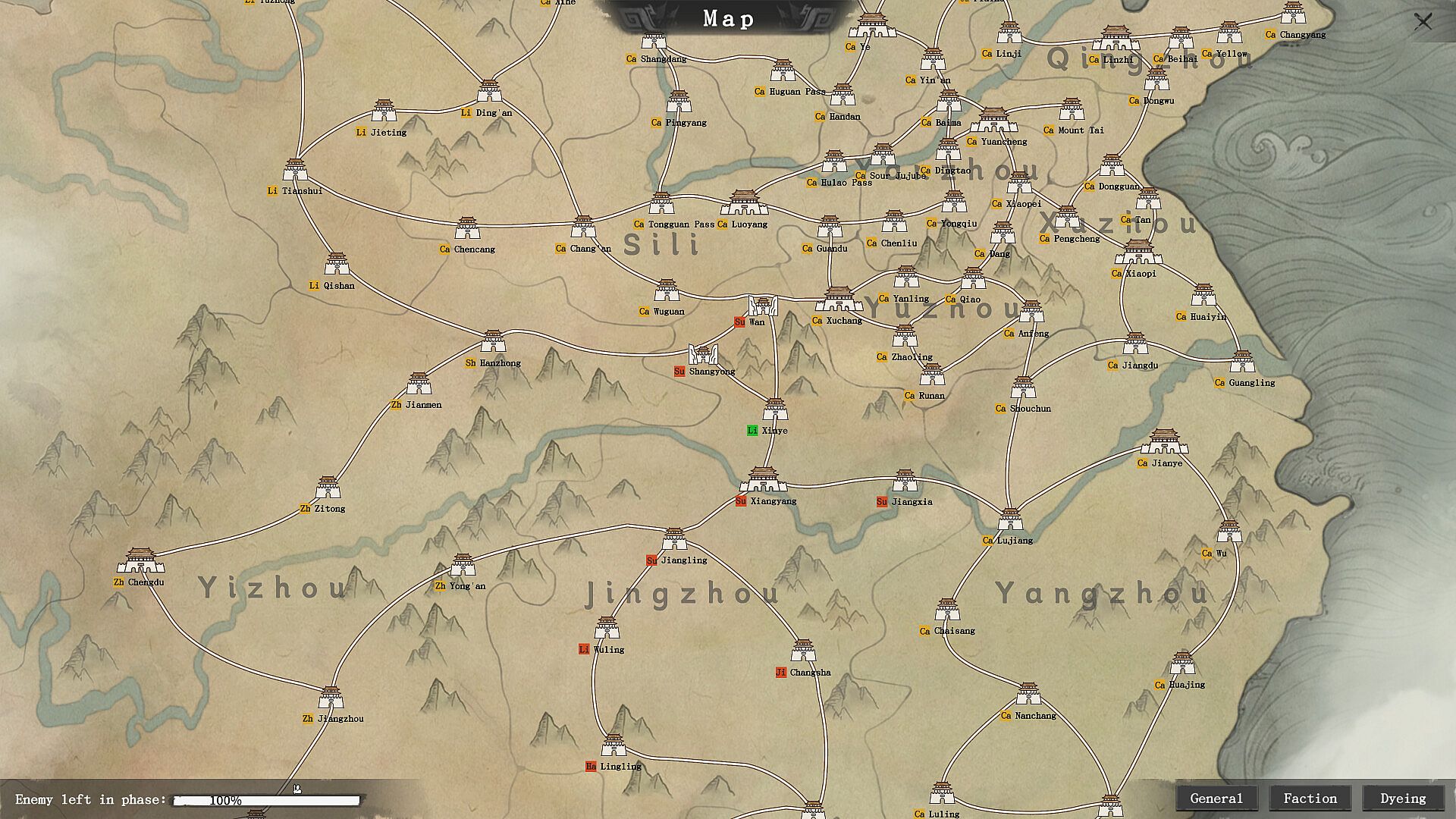
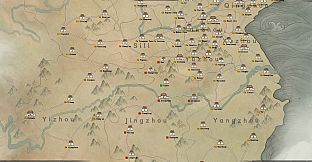
Map progression focuses on conquering additional cities and extending control over a larger territory. Generals can be stationed to hold locations or sent to attack opposing strongholds, creating opportunities for both defensive setups and offensive campaigns.
Game Modes
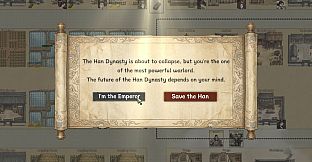
The experience centers on single-player progression through a campaign-style structure. Players manage internal development while responding to external pressures such as bandit raids and rival factions. Choices during play influence long-term direction, including options to support existing authority or pursue independent rule.
Recruitment integrates into the main loop through several paths. Commanders may join after battlefield outcomes, appear via random encounters, or respond to rising reputation levels. This adds variety to faction composition without requiring separate mode selection.
Character Recruitment and Faction Building
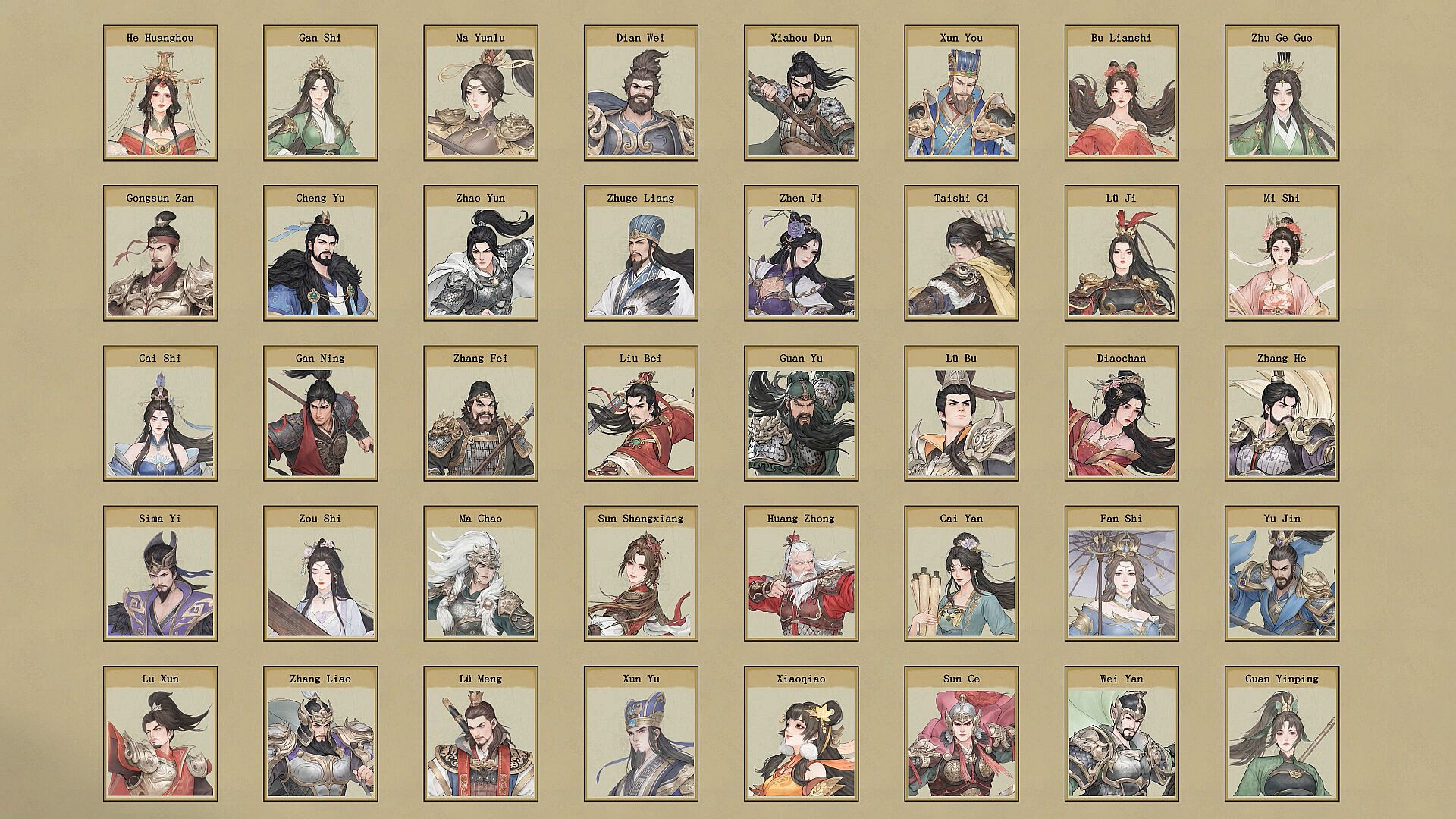
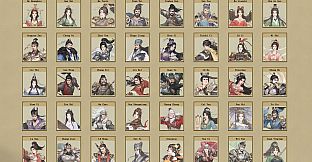
Notable historical figures from the Three Kingdoms period appear as recruitable generals. Examples include Guan Yu, Lü Bu, Zhou Yu, Xiahou Dun, and Zhuge Liang. Each brings distinct strengths that affect both town management and field operations once integrated into the player's forces.
Building a cohesive faction requires combining these recruits with steadily improving infrastructure. The process rewards consistent card management and strategic placement to support larger-scale operations over time.
Is It Worth Playing?
Stackcraft: Three Kingdoms targets players who enjoy deliberate strategy and simulation elements combined with card-based systems. Its single-player focus allows uninterrupted attention to town automation, legion composition, and territorial decisions without competitive pressure.
The setting draws from a well-known historical period, and the card-stacking approach provides a distinct way to handle production and military scaling. Those interested in gradual empire growth from modest beginnings will find the described mechanics align with that preference. The game remains unreleased, so final assessment depends on post-launch performance and any adjustments made before availability.