



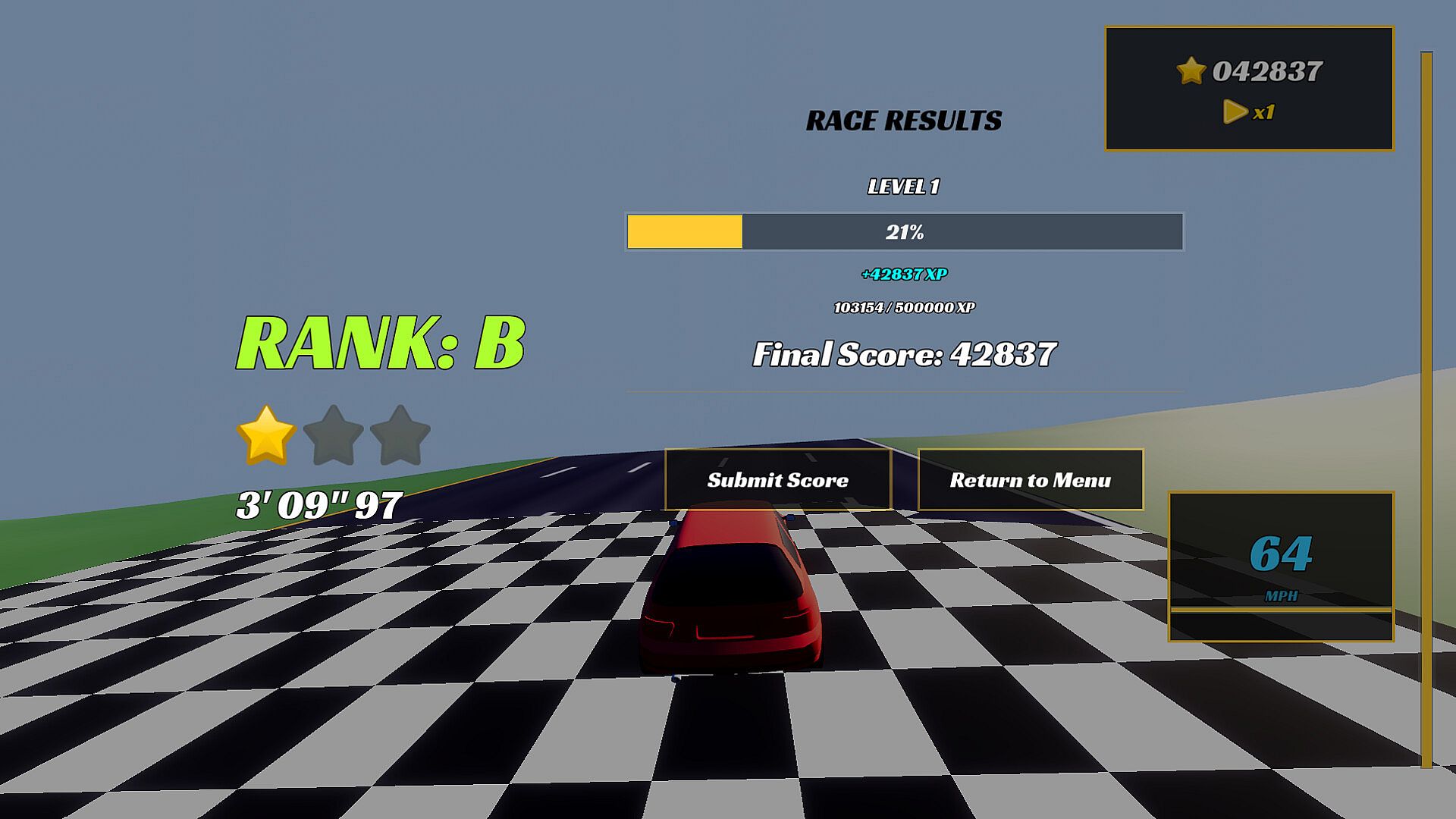
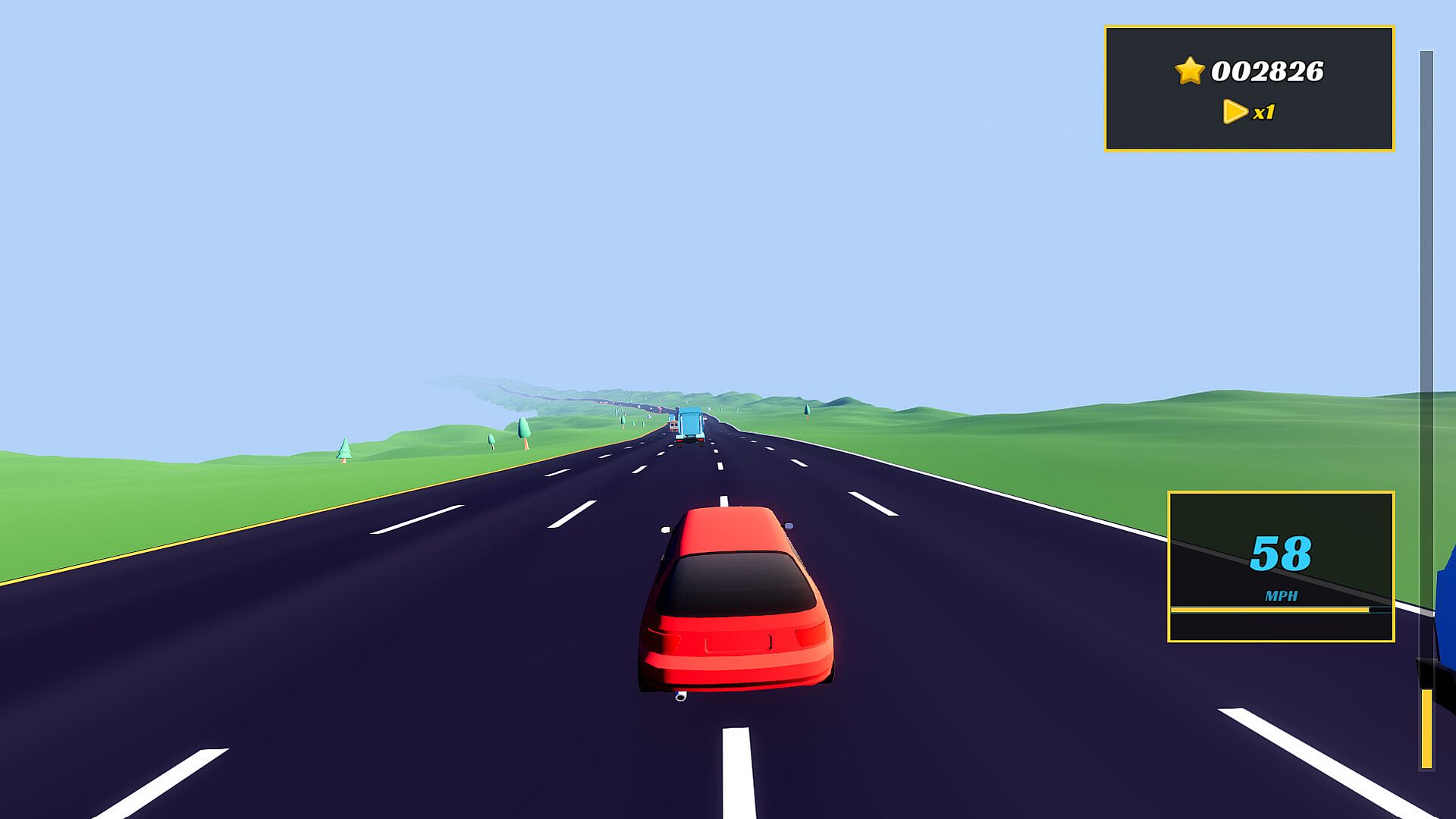
Speed Weaver is an action indie casual racing game for PC that puts players in control of high-speed lane splitting on procedurally generated highways. The core experience revolves around surviving dense traffic while chasing high scores through near-miss multipliers and vehicle upgrades. This endless driving title emphasizes reflexes and risk management over traditional racing laps or story elements.
Gameplay
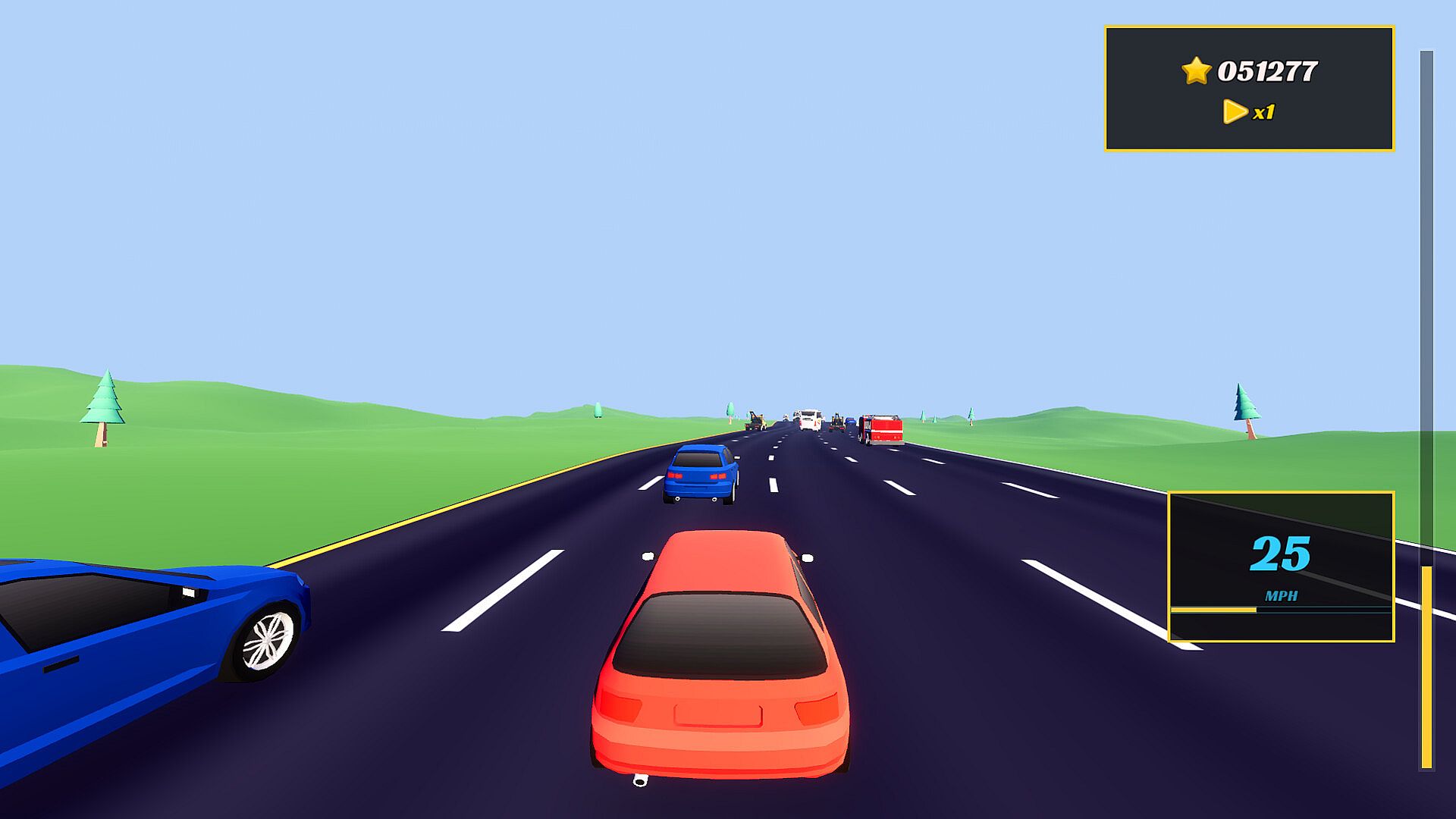
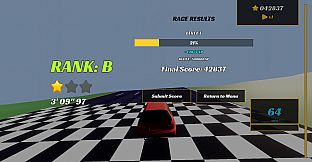
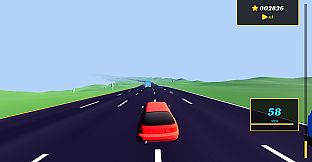
The gameplay loop centers on weaving through unpredictable traffic at increasing speeds. Players navigate a constant flow of vehicles on an open road, adjusting lanes to avoid collisions while building score multipliers from close calls. Procedural generation ensures fresh layouts each session, with new weekly road configurations adding variety to the challenge. Speed builds momentum for higher scores, but pushing limits demands precise timing to dodge obstacles like buses and emergency vehicles. The system rewards both cautious survival runs and aggressive high-speed attempts, creating a tension between safety and point potential.
Vehicle handling shifts based on chosen physics settings, and audio cues like engine RPM and wind noise provide real-time feedback on speed and proximity to other cars. Input options cover keyboard, controller, and touch controls for flexible play styles. Progression ties directly to XP earned during runs, unlocking new vehicles that alter acceleration, top speed, and handling characteristics across multiple tiers.
Game Modes
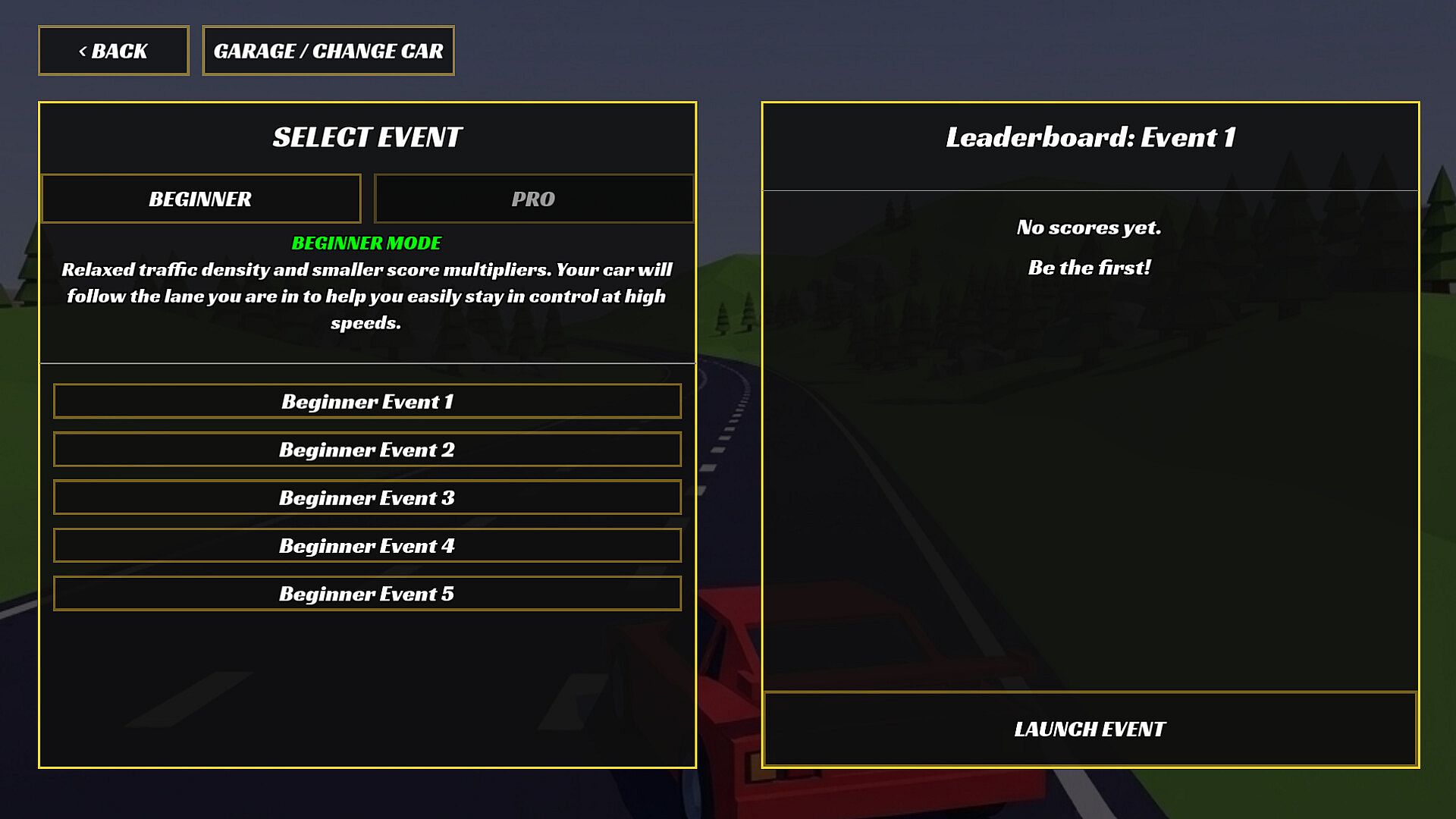
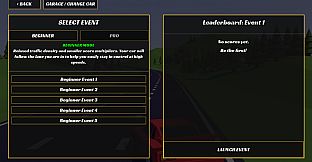
Speed Weaver features two primary physics modes that alter the driving experience. Beginner mode uses simplified arcade-style lane offsets suited for casual sessions or touch input. Pro mode introduces full 3D vehicle physics with rotational momentum for players seeking more realistic control and challenge. These options allow adjustment of difficulty without changing the core endless format.
Weekly leaderboard events form the competitive layer, presenting 10 escalating challenges each week. Global rankings track performance on custom roads that reset periodically, encouraging repeated attempts to climb leaderboards. The single-player focus keeps emphasis on personal score chasing and survival, with leaderboards providing an optional multiplayer comparison element through real-time tracking.
Vehicles and Progression
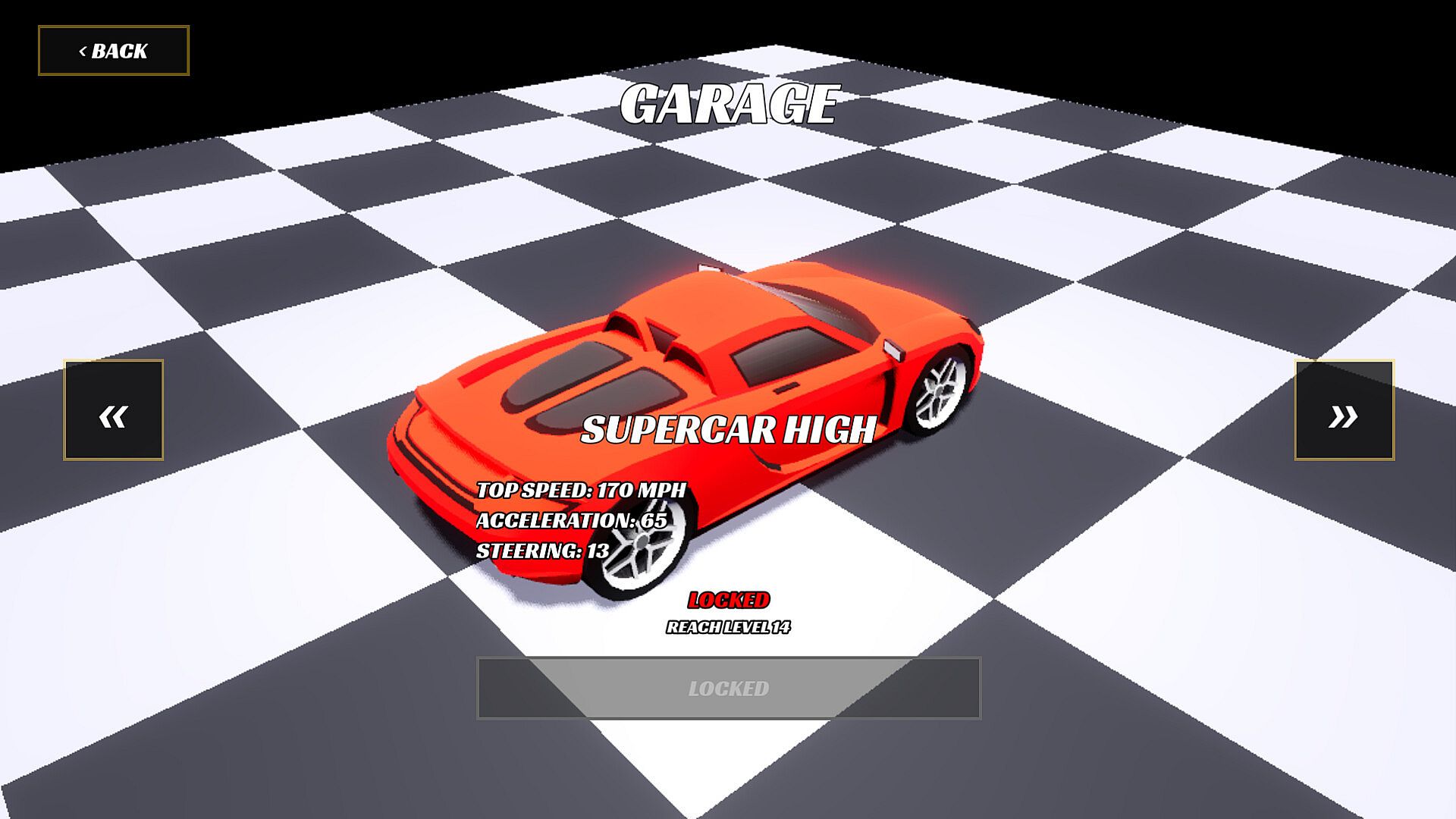
Unlocking vehicles spans 20 tiers earned through XP from successful runs. Early tiers deliver hatchbacks and compact sedans with nimble handling at moderate speeds around 80 to 115 km/h. Mid tiers introduce sports hatches, muscle cars, and GT cruisers with stronger acceleration for handling denser traffic. Late tiers unlock concepts, supercars, and hypercars capable of exceeding 300 km/h, featuring sharper steering and stronger braking for advanced play.
Each vehicle tier builds on the previous ones, encouraging experimentation as players master lane splitting at higher velocities. The progression system integrates directly with the endless runs, turning score accumulation into tangible upgrades that support longer survival and bigger multipliers.
The Highway Experience
Traffic populates the road with distinct AI behaviors that shape every run. Standard commuters in sedans and wagons maintain steady paces with predictable lane changes. Heavy obstacles such as buses, semi-trucks, and garbage trucks create blockages that force rapid adjustments. Emergency vehicles including police, ambulances, and fire trucks move aggressively across lanes. Occasional specialty vehicles like limos, food trucks, and vintage models add visual variety without altering core mechanics.
This mix keeps the environment dynamic, requiring constant attention to shifting patterns. The combination of procedural roads and varied traffic ensures no two runs feel identical, supporting repeated play for score improvement.
Is It Worth Playing?
Speed Weaver targets fans of arcade-style score-attack driving games who enjoy endless survival mechanics and leaderboard competition. The dual physics modes accommodate both casual and skilled players, while vehicle progression provides clear goals tied to performance. As an upcoming single-player title with no user reviews available yet, its appeal rests on the described lane-splitting thrills and weekly event structure. Those drawn to reflex-based racing without complex narratives or multiplayer sessions may find the focused gameplay loop satisfying once released.