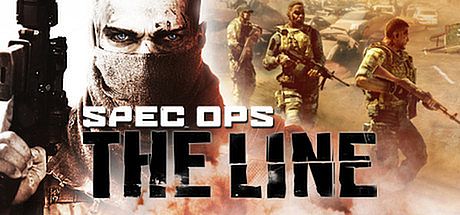











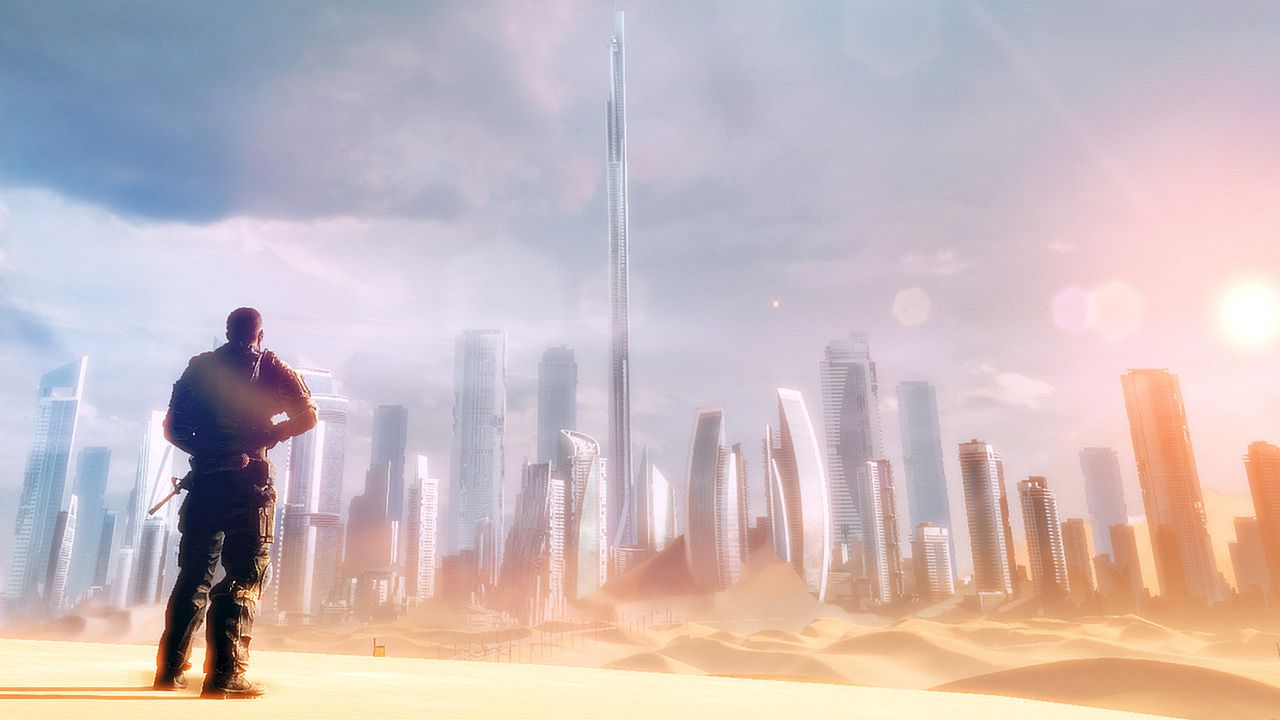
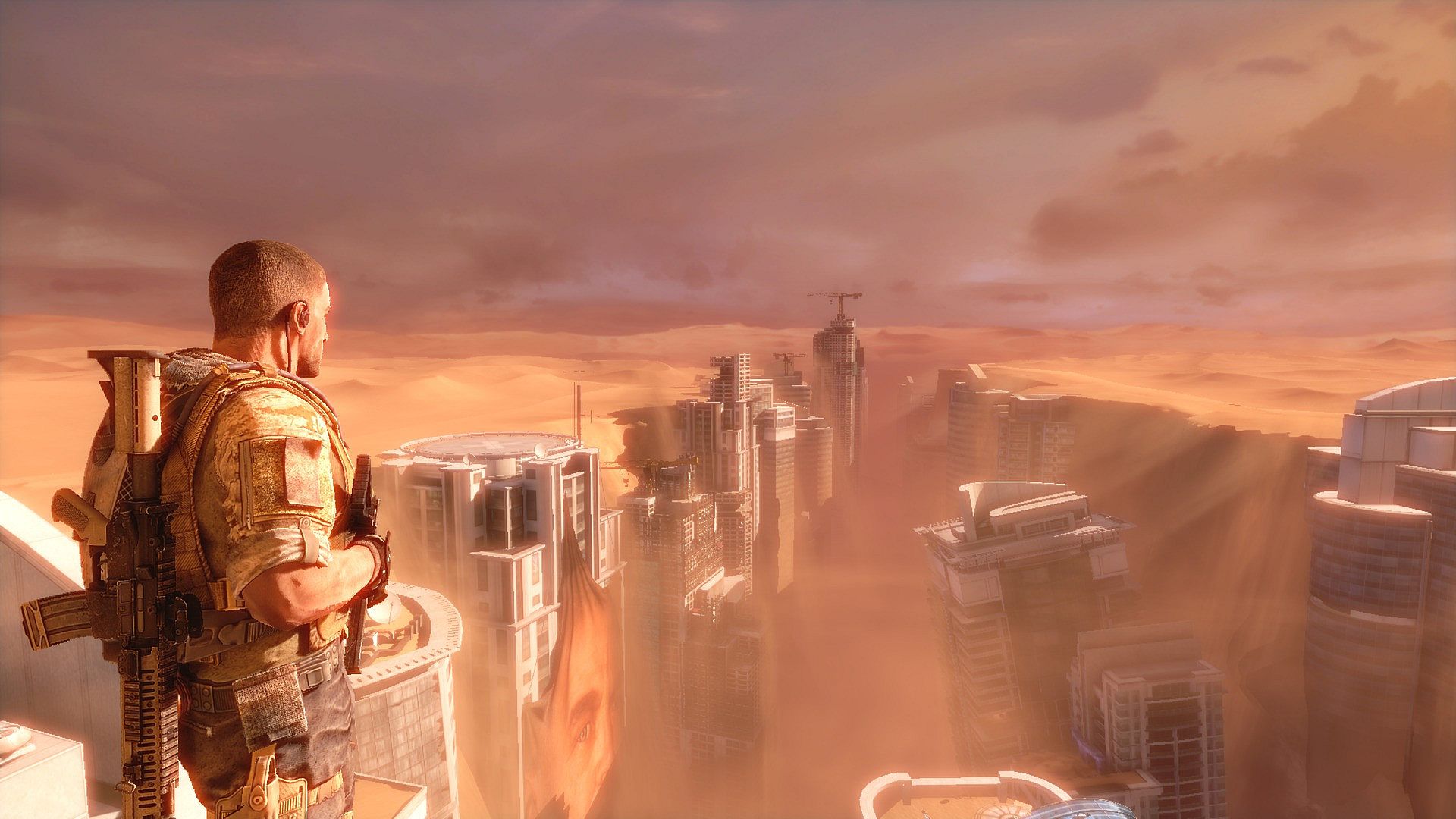
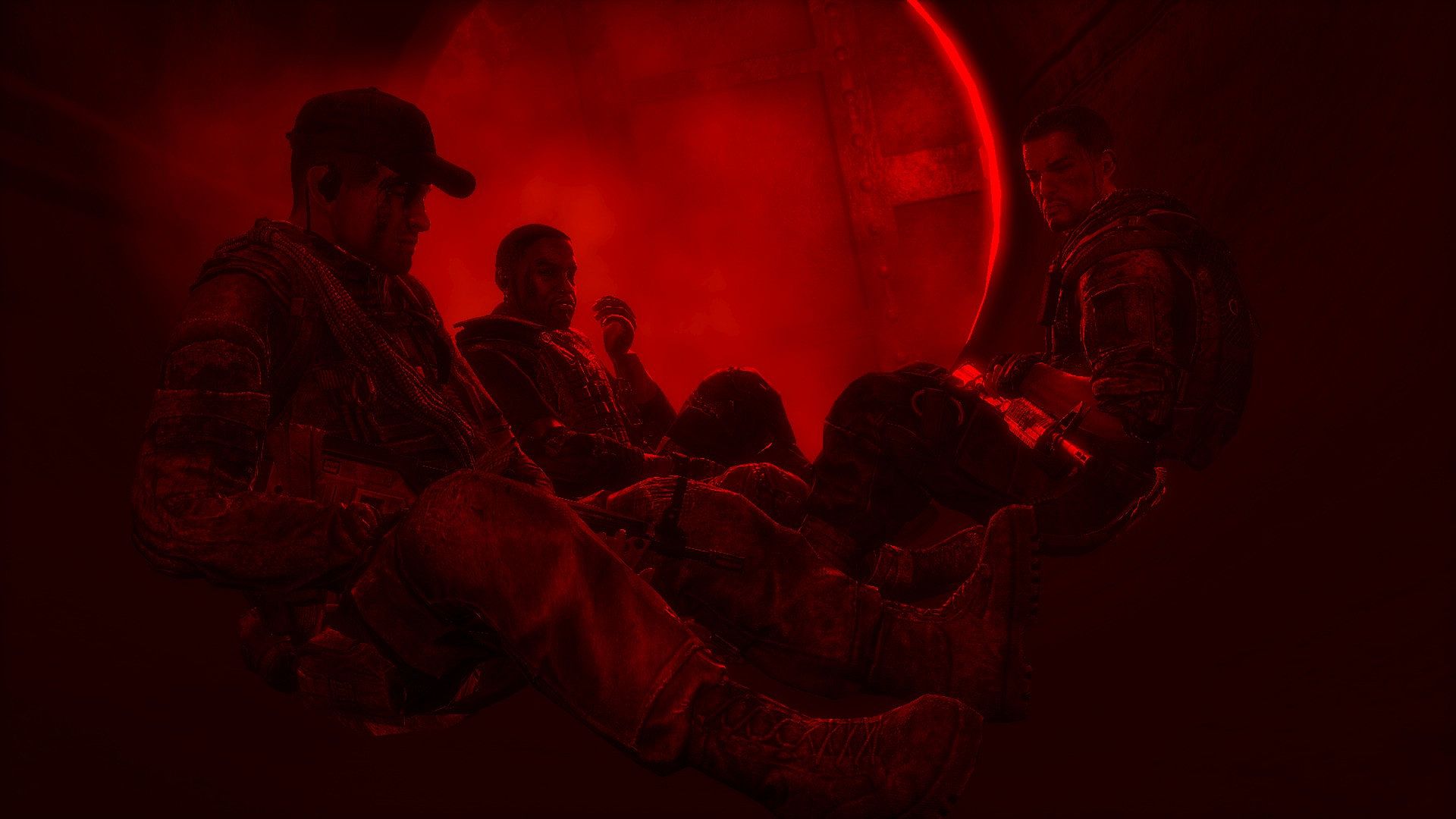
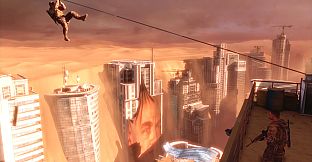


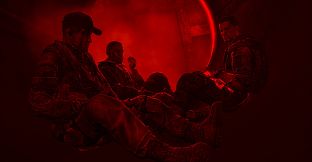
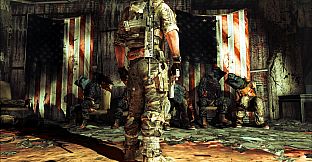
Spec Ops: The Line is a third-person shooter that places players in command of a Delta Force squad navigating the ruins of Dubai after a catastrophic sandstorm. The game combines action sequences with a narrative that examines the psychological toll of military decisions in an environment where every choice carries irreversible consequences. Set six months after the disaster that buried the city under sand, the story follows Captain Martin Walker, Lieutenant Adams, and Sergeant Lugo as they respond to a distress signal and encounter a city gripped by conflict.
Gameplay
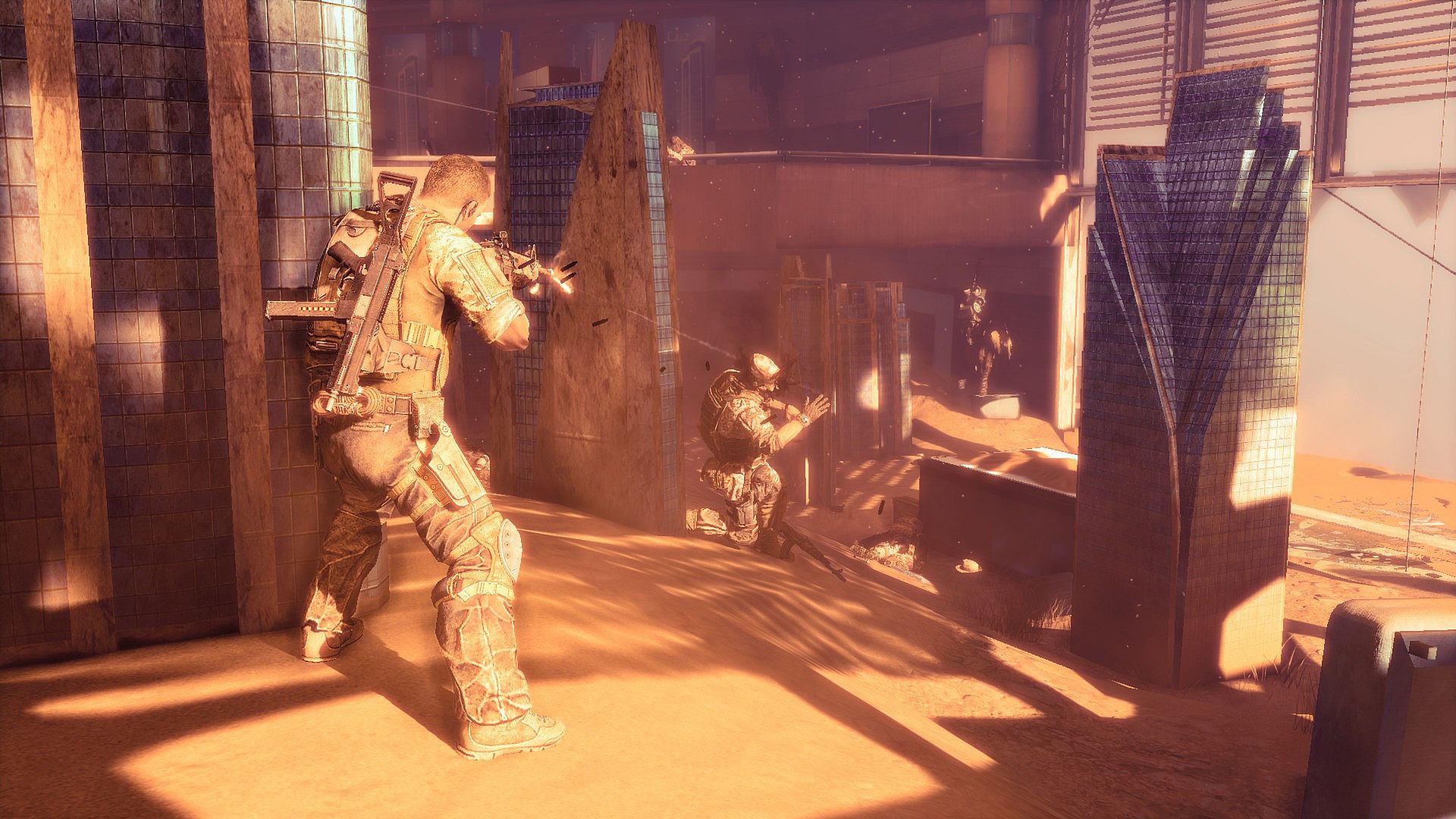
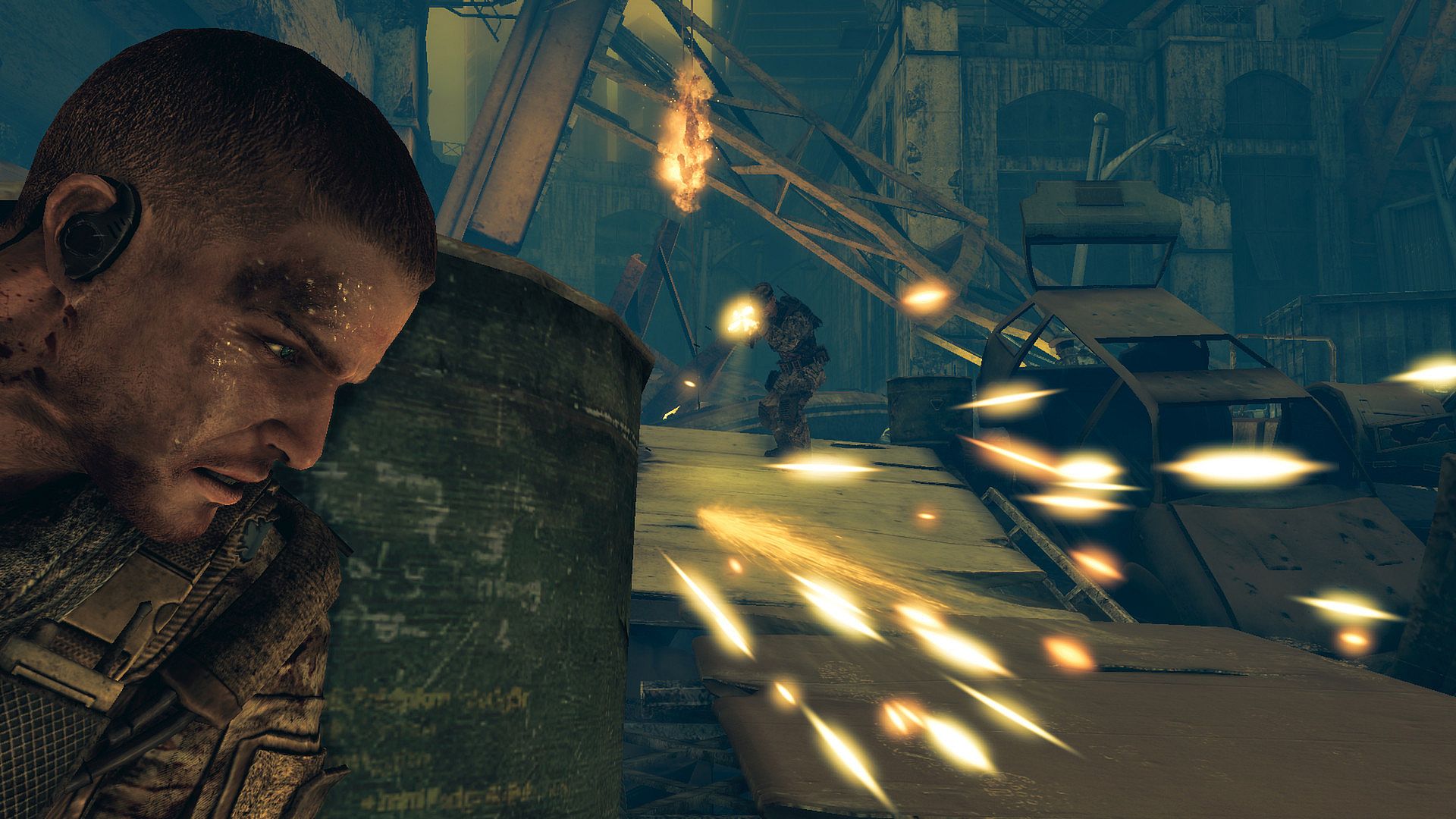
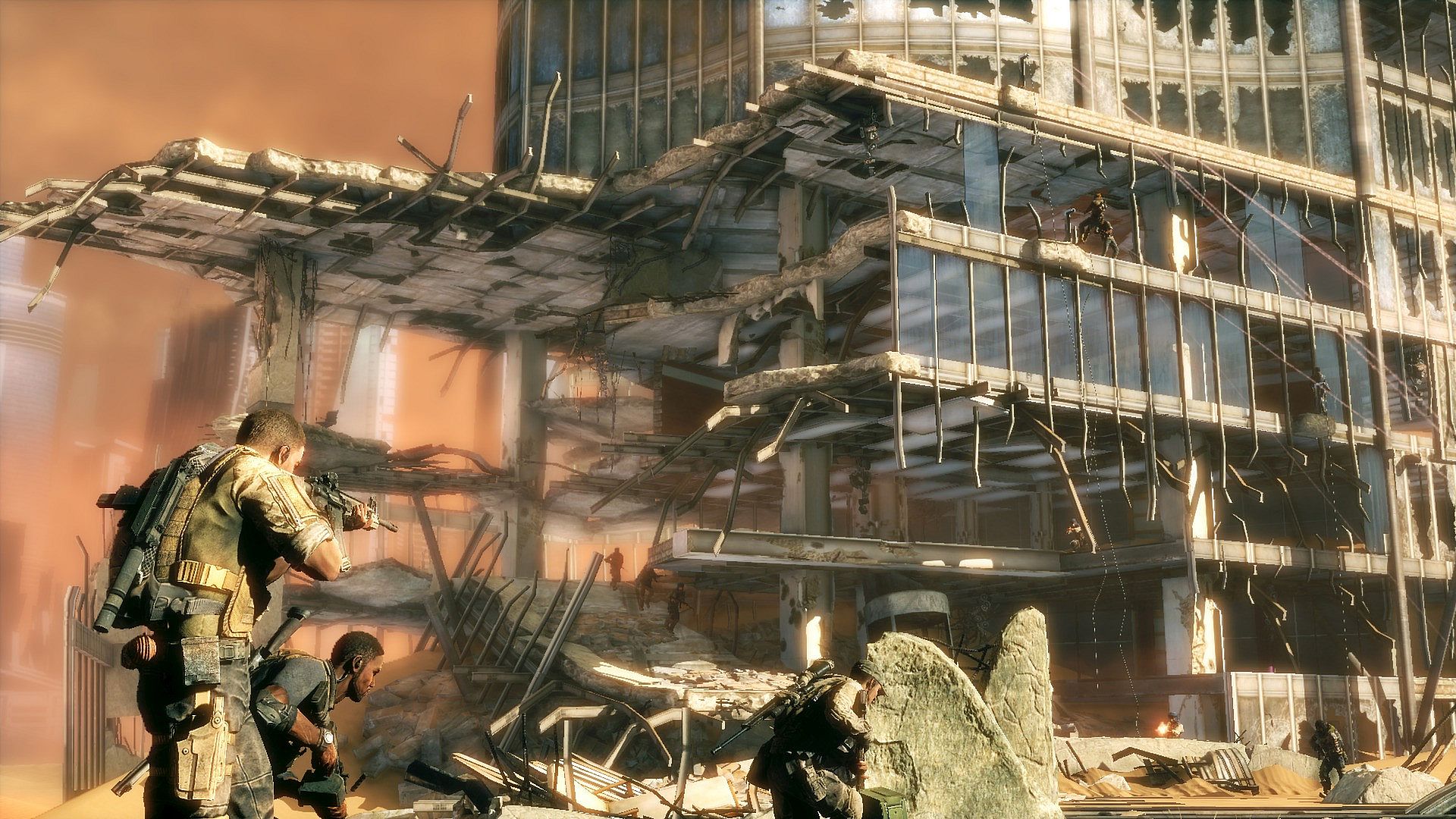
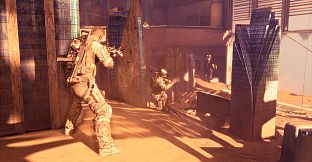
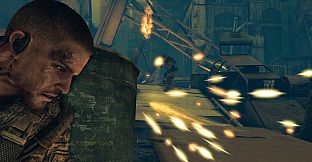
The core loop revolves around squad-based third-person combat in which players direct a team of three distinct characters through linear missions. Each squad member brings specialized abilities that influence how encounters unfold, from direct fire support to flanking maneuvers. Combat emphasizes cover usage and positioning within both horizontal streets and the vertical interiors of high-rise buildings, creating opportunities for tactical approaches that exploit elevation and line of sight.
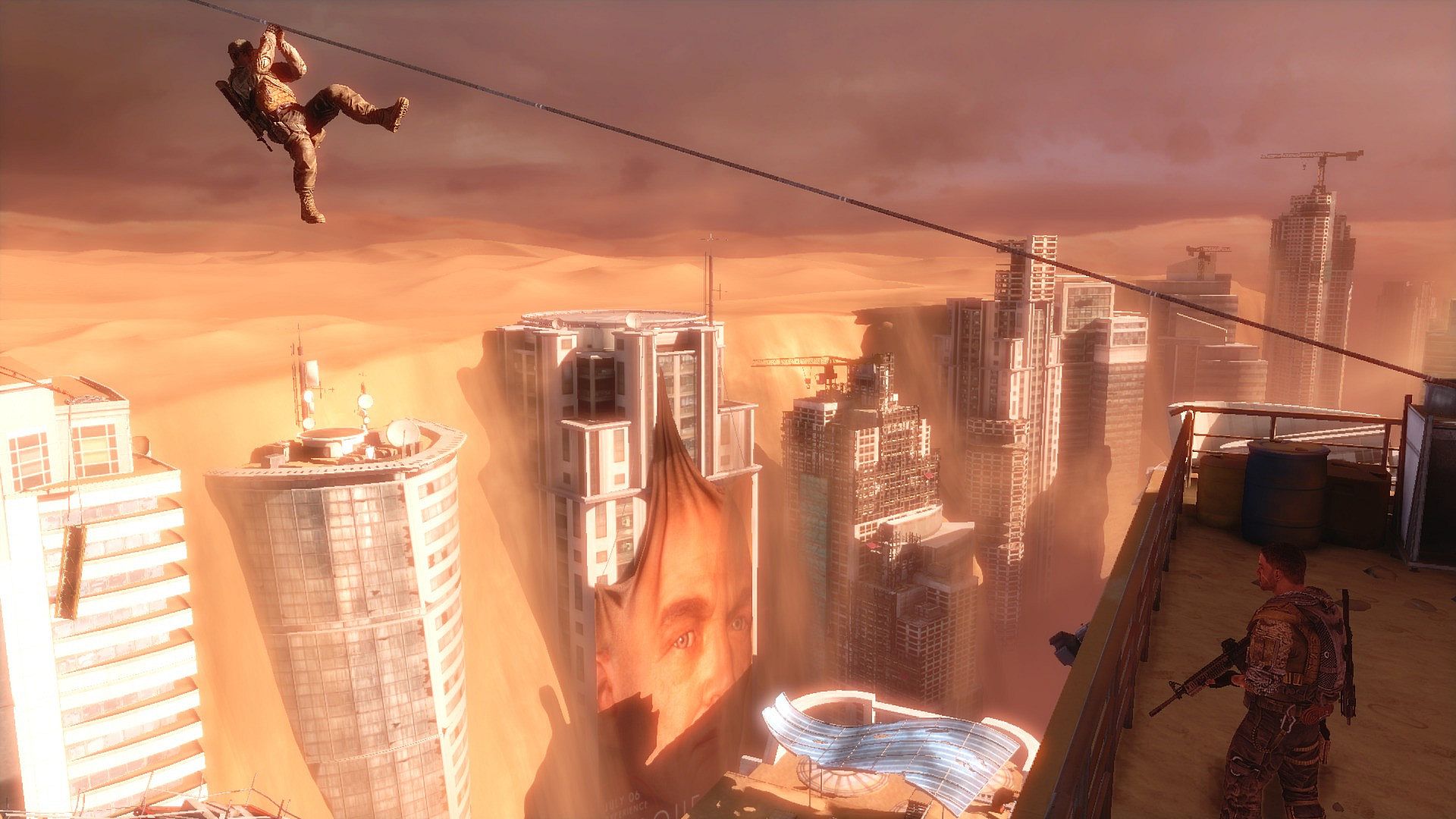
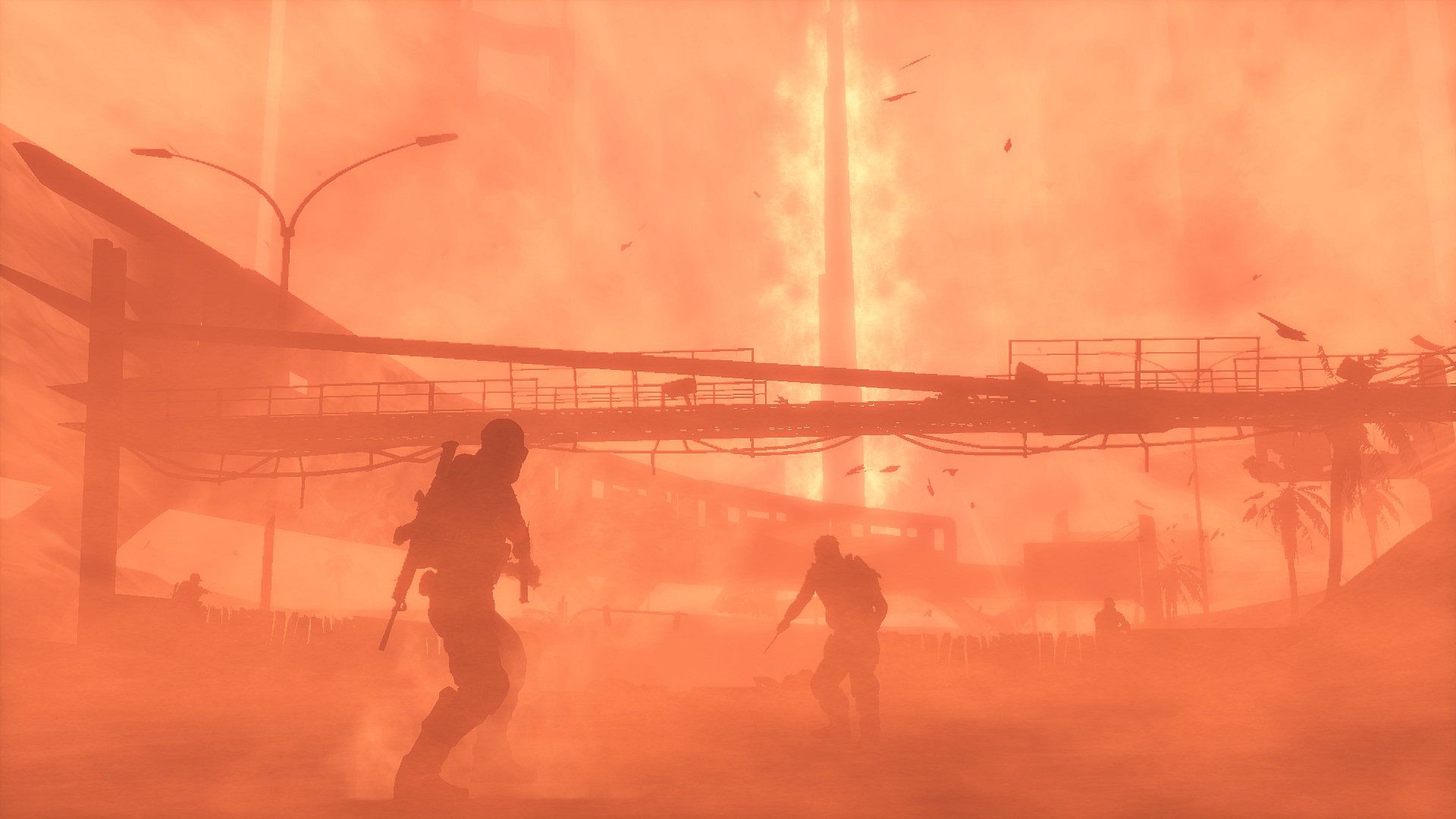
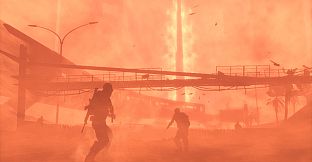
Environmental hazards play a central role. Dynamic sandstorms periodically sweep through levels, reducing visibility, altering movement, and providing temporary cover or disorientation that can be leveraged against enemies. Sand avalanches and shifting dunes further modify the battlefield, forcing players to adapt positioning mid-fight. As missions progress, new weapons and equipment become available, expanding options for engaging hostiles at close and medium ranges.
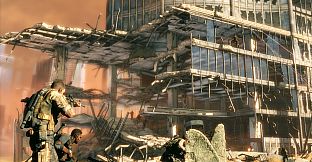
The single-player campaign unfolds across a ruined Dubai that serves as both setting and gameplay mechanic. Vertical traversal through skyscrapers introduces risks and advantages, while the desert environment influences sightlines and mobility in ways that differentiate encounters from standard urban shooters.
Game Modes
Spec Ops: The Line features a single-player campaign focused on narrative progression and a separate multiplayer component. Multiplayer supports class-based customization across two factions and includes several distinct modes. Chaos operates as a free-for-all elimination match. Mutiny functions as team deathmatch where opposing sides eliminate each other. Rally Point requires teams to secure and hold a central location to accumulate points. Uplink involves capturing a rally point while disabling the enemy team's communication station. Attrition consists of elimination rounds with limited lives and no respawns until each round concludes. Additional modes such as Buried appear in the rotation.
Cooperative play offers objective-based missions that can be tackled with another player, extending the squad mechanics into shared scenarios against AI opponents. These modes draw from the same sandstorm and verticality systems found in the campaign, though the emphasis shifts toward competitive or cooperative objectives rather than story beats.
Narrative and Themes
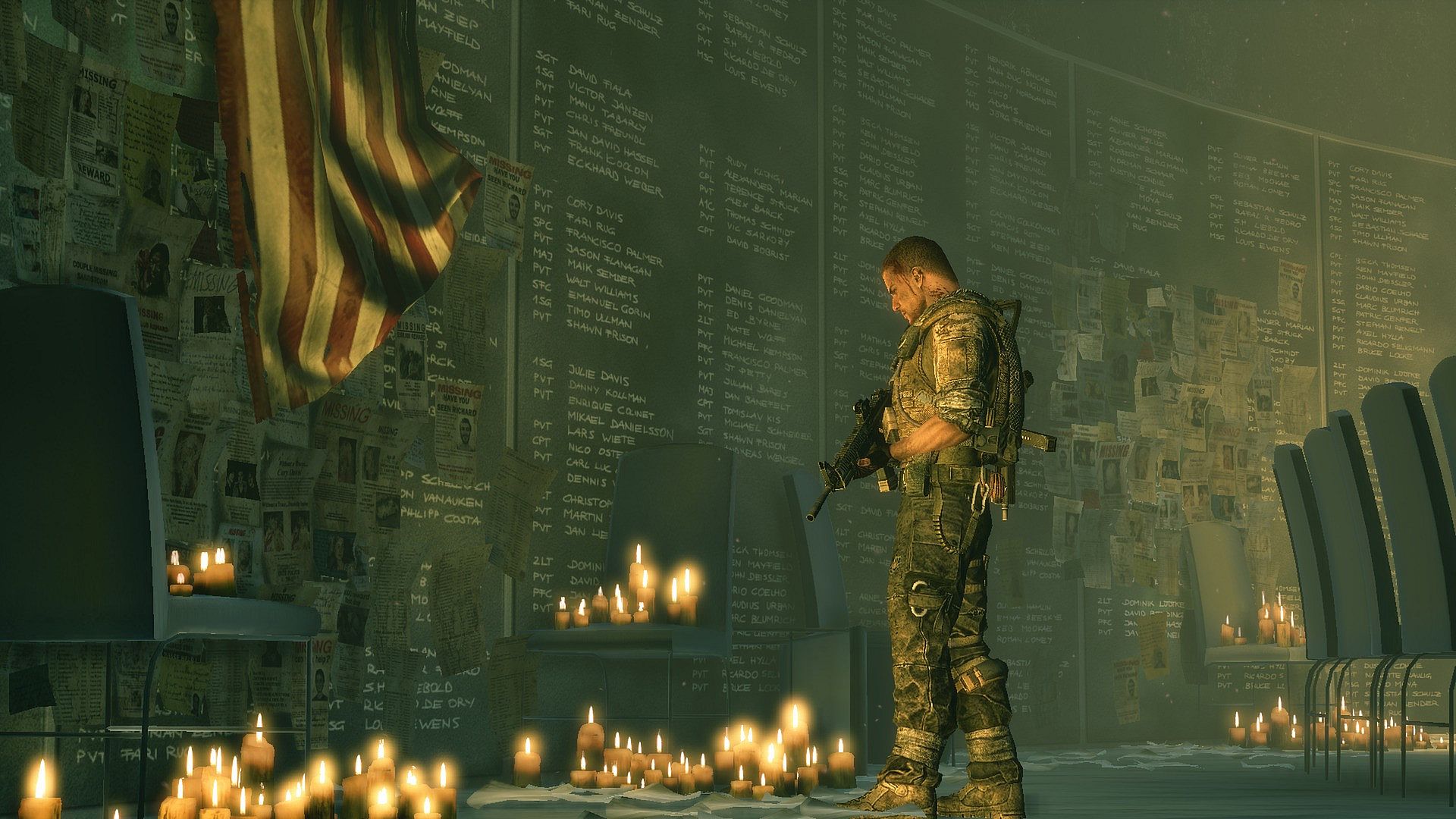
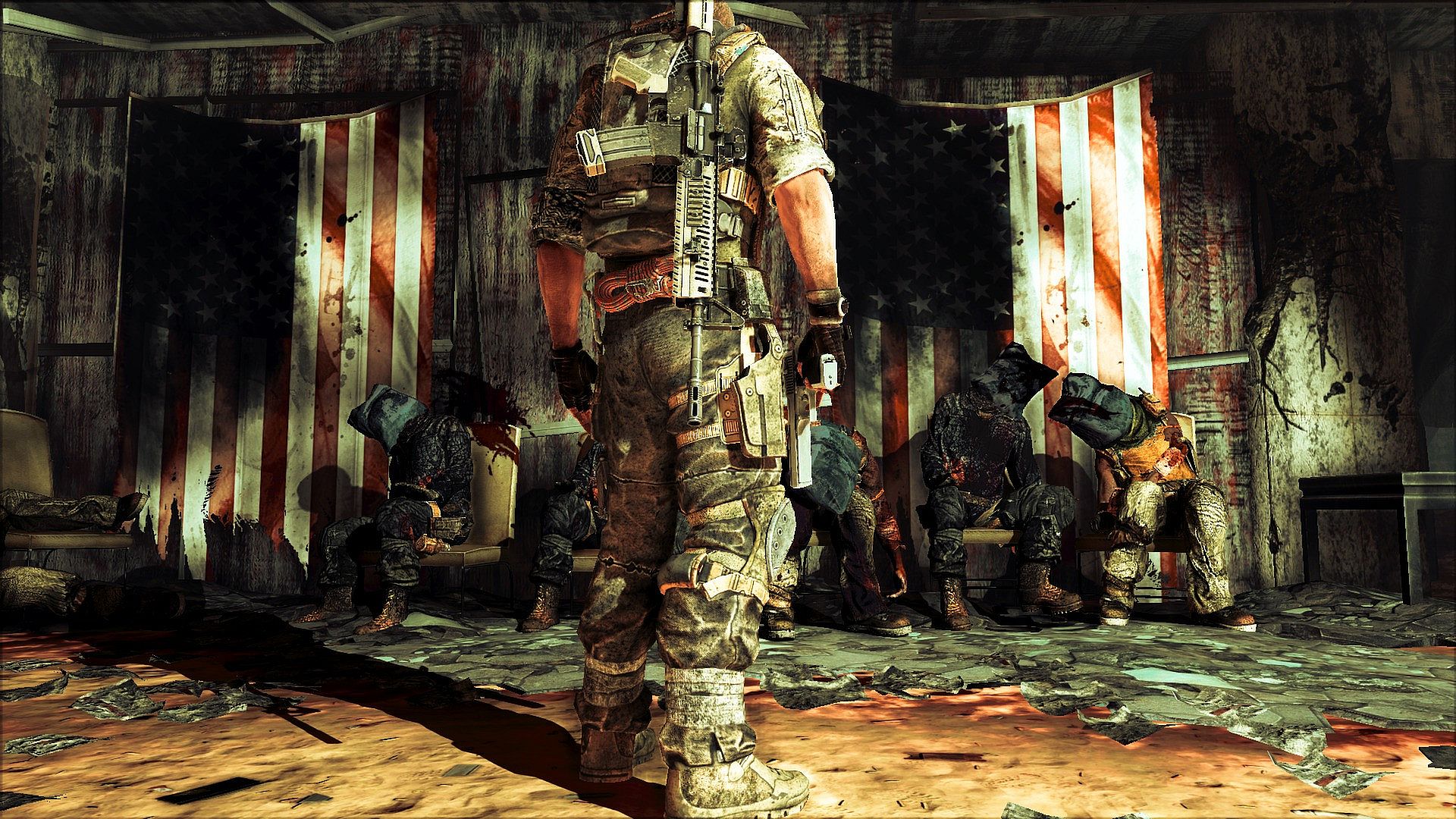
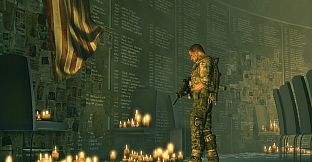
The story draws inspiration from classic tales of descent into moral ambiguity, placing the squad in situations where conventional military objectives clash with civilian realities. Dialogue and character interactions reveal distinct personalities that evolve based on the decisions made during missions. There are no optimal paths; outcomes range from difficult to worse, reflecting the game's exploration of war's psychological impact without offering clear resolutions.
Advanced weapons unlock gradually, tying progression to mission completion and encouraging experimentation with different loadouts across replays. The mature tone extends to the presentation of combat brutality and the emotional weight carried by the protagonists.
Is It Worth Playing?
The single-player campaign stands as the primary draw for those interested in story-driven third-person shooters that prioritize moral complexity over straightforward heroics. Its focus on hard choices and the consequences of command decisions appeals to players seeking a more introspective military experience. The environmental integration of sandstorms and vertical architecture adds mechanical variety that supports the narrative tension.
Multiplayer support exists through the listed modes and two factions, though the game's delisting from digital storefronts means new players must rely on physical copies or existing libraries, and server activity has diminished over time. Co-op missions provide a lighter extension of the core squad mechanics for those who prefer shared play.
Overall, the title suits players who value narrative depth and tactical squad combat in a distinctive setting. Those primarily seeking active competitive multiplayer may find the experience limited by the current availability and population. The campaign's emphasis on realistic portrayals of difficult decisions makes it a distinctive entry in the genre for audiences open to its themes.