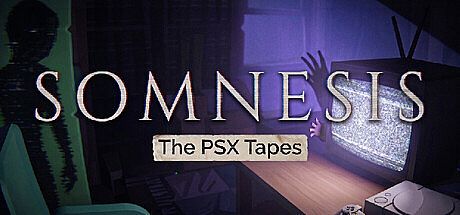


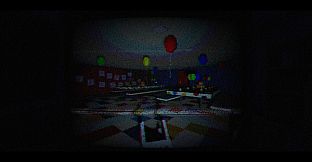
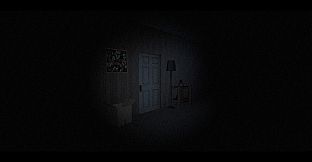
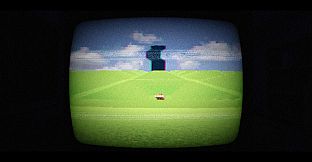
Somnesis: The PSX Tapes is a single-player psychological horror adventure that places players in the role of a young girl navigating a new home filled with unsettling secrets from the early 2000s. The experience centers on a stack of unmarked 90s cartridges discovered in the attic, each one tied to a darker past that begins to intrude on reality once the console powers on.
Gameplay
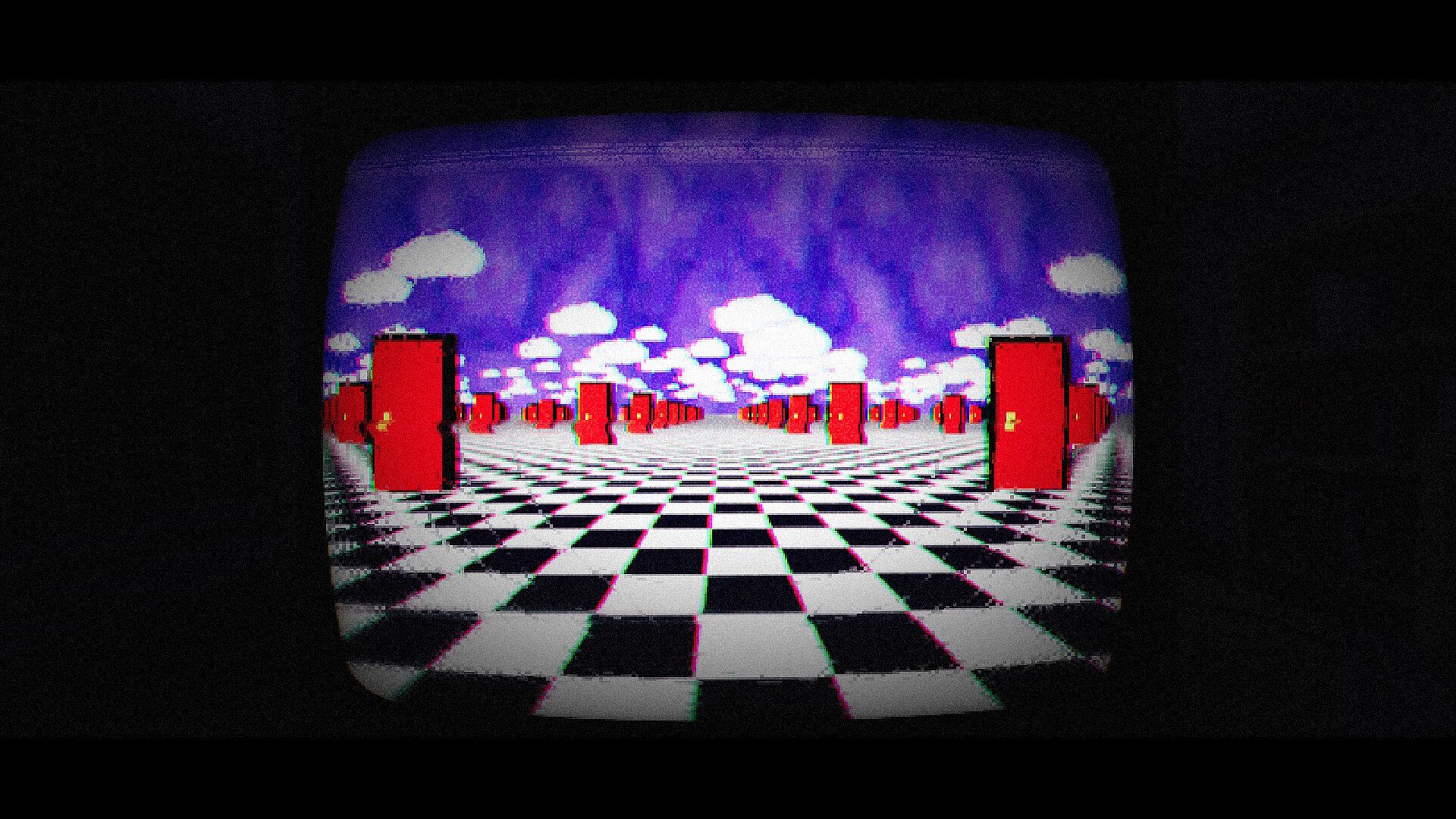
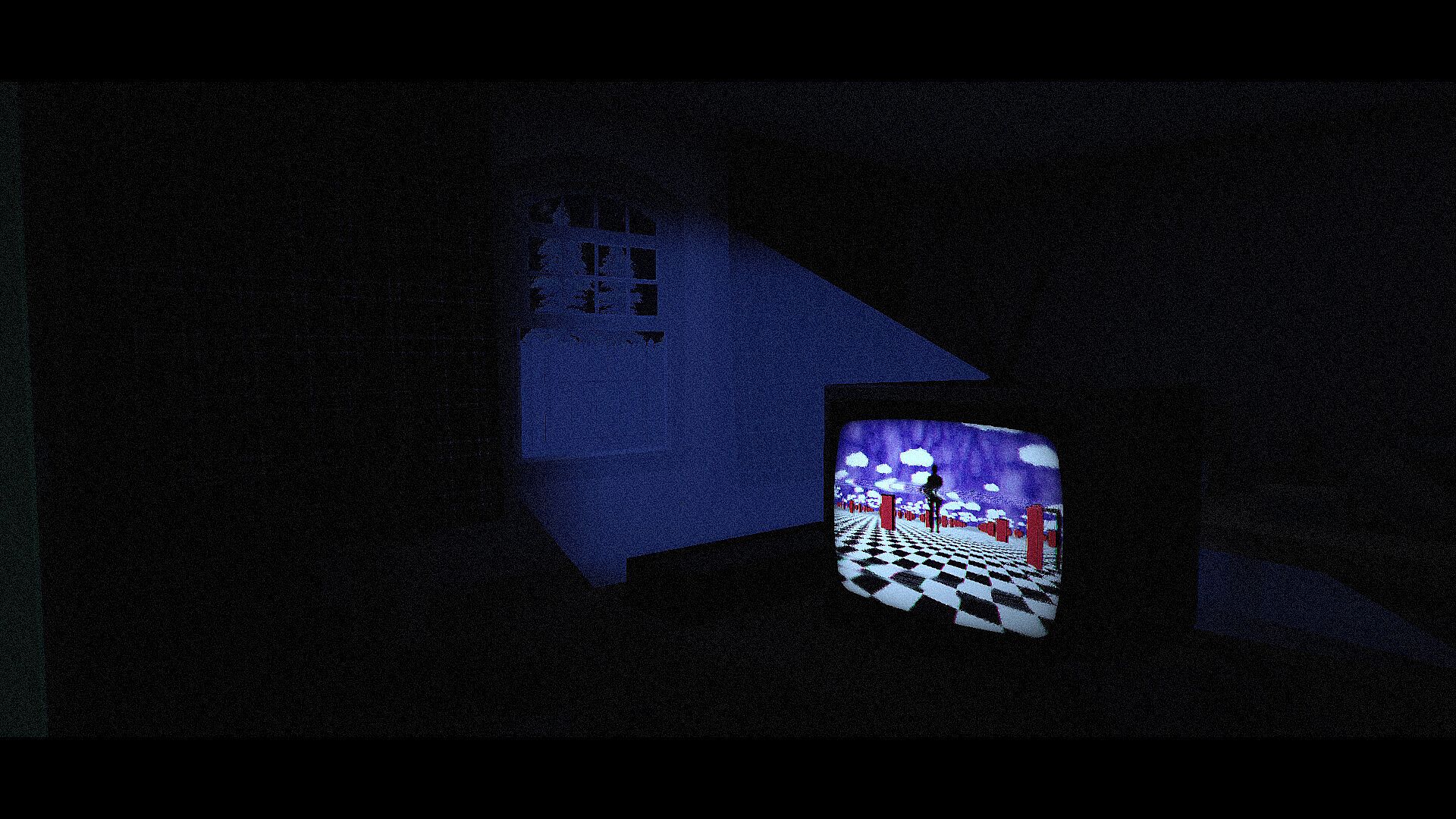
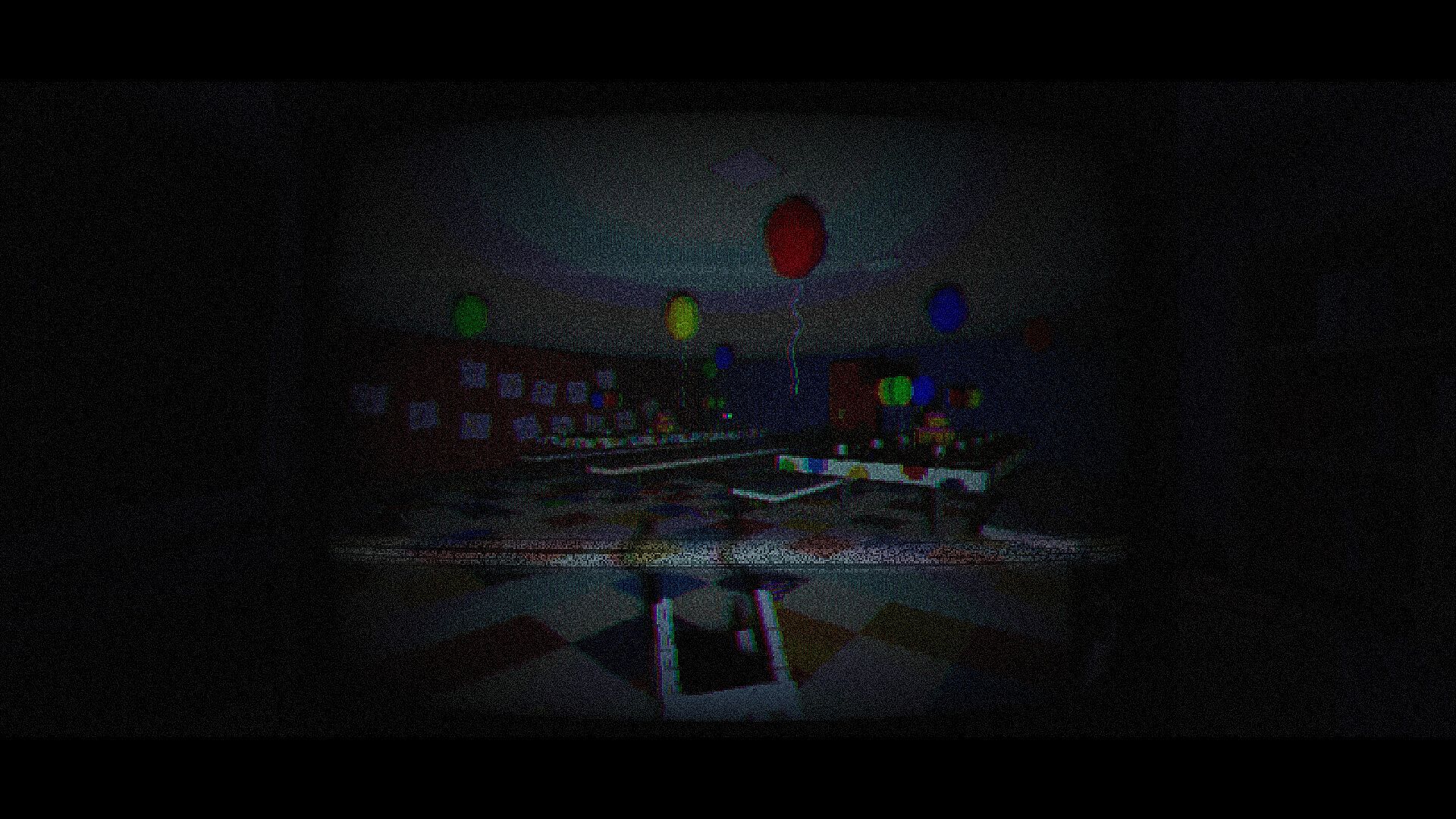
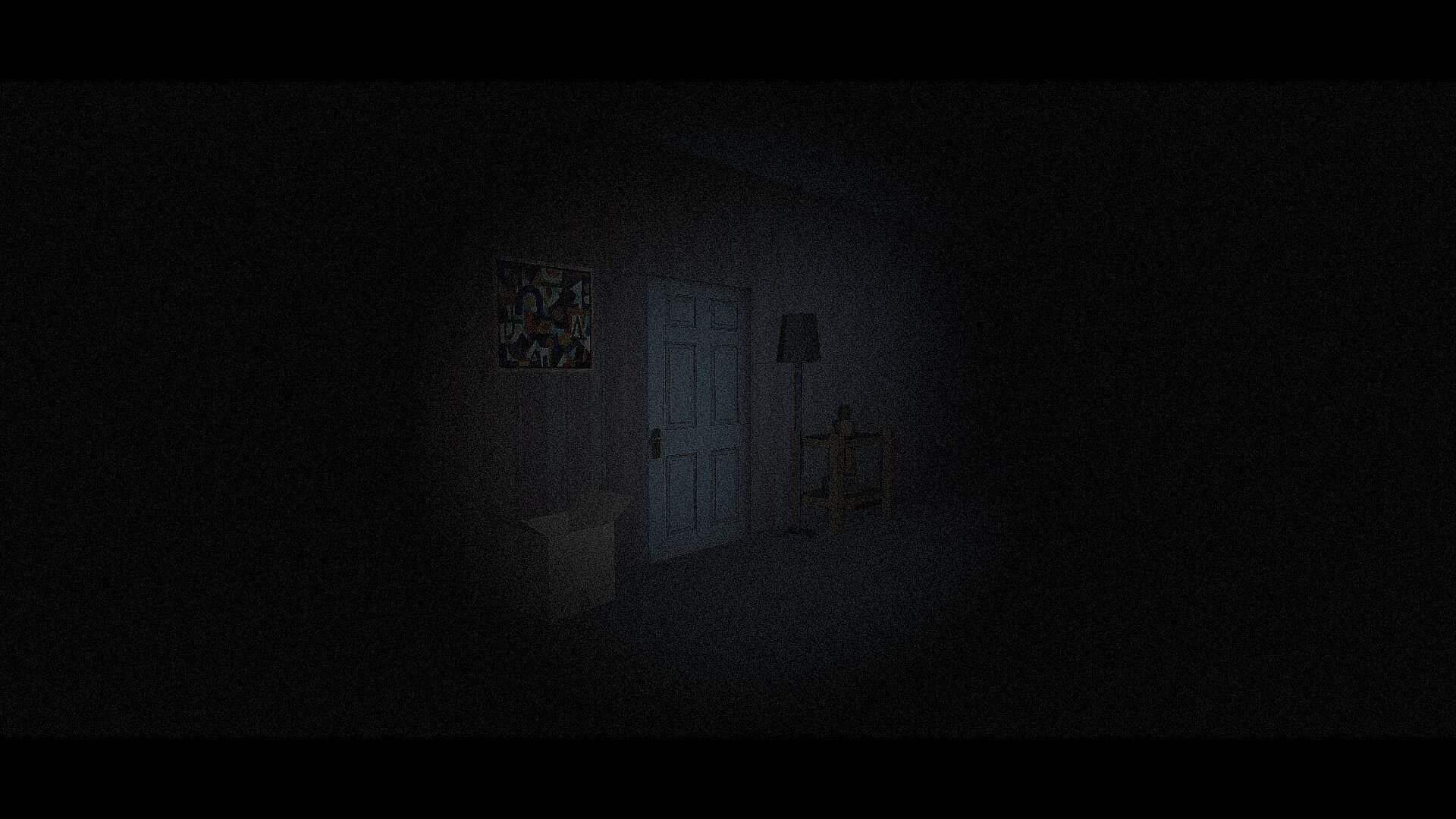
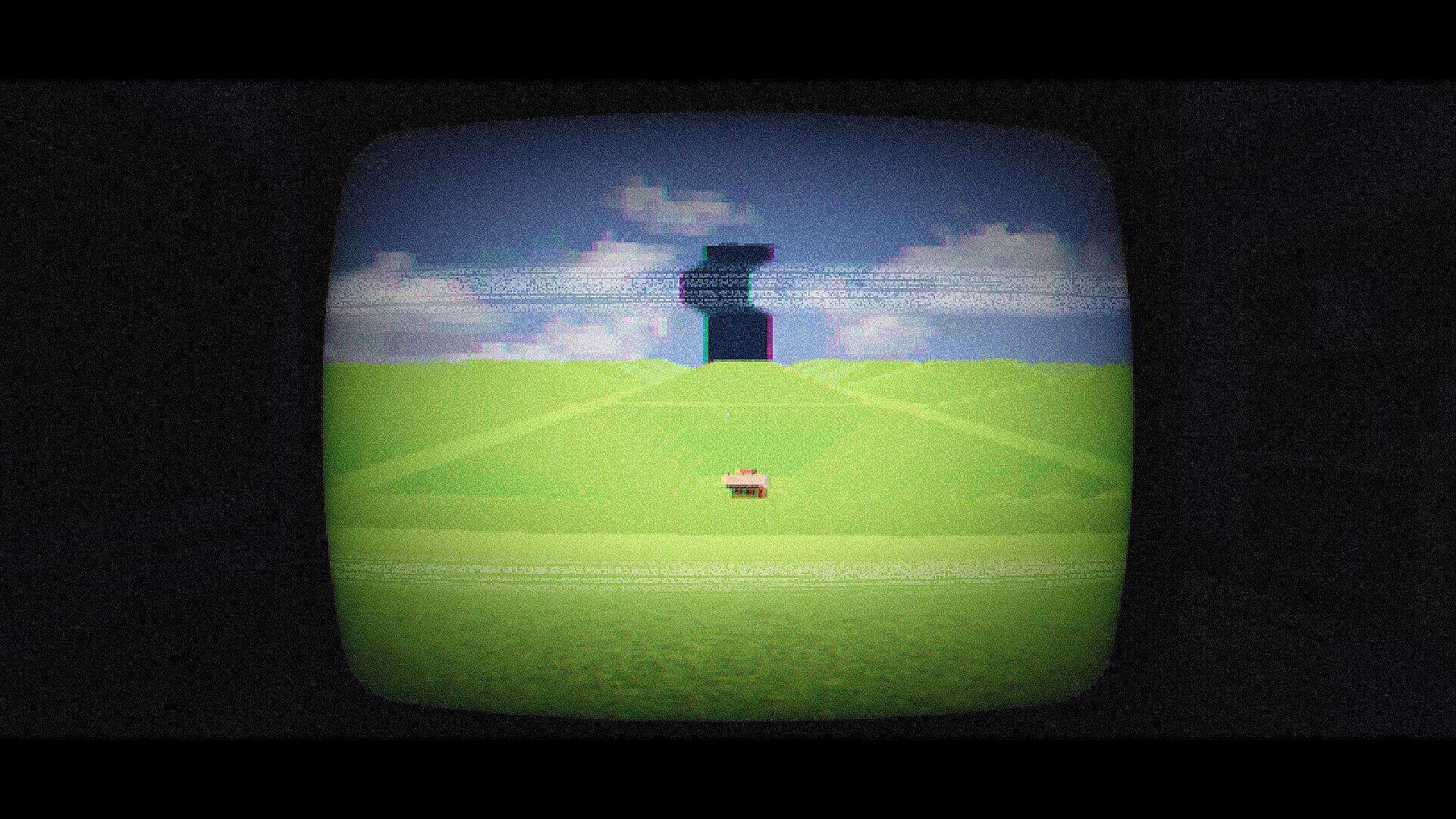
The core loop requires constant attention to two distinct spaces at once. On the CRT monitor, players advance through low-poly environments that start with familiar liminal spaces and shift over time. Progress involves exploring these digital worlds while noting changes in visuals and audio that signal the curse taking hold. At the same time, the bedroom demands vigilance through sound cues, movement in the shadows, and environmental shifts that indicate an entity has crossed over from the screen.
Survival hinges on quick decisions about when to pause the cartridge, where to position oneself, and how to respond to threats without breaking immersion in the retro title. The setup creates tension through divided focus, as ignoring one layer risks immediate consequences in the other. Atmospheric details like scanlines, color bleed, and muffled audio reinforce the period setting while heightening unease as the games degrade.
Game Modes
The title operates entirely in a single-player format with no multiplayer options or separate modes listed. The experience unfolds as a continuous narrative-driven session that blends cartridge progression with bedroom management. Players move between these layers without switching to distinct game types, instead experiencing escalation as each subsequent cartridge introduces more intense psychological elements and physical manifestations in the room.
Progression follows the sequence of tapes found in the box, with no branching paths or alternate scenarios confirmed at this stage. The structure emphasizes sustained play sessions where the boundary between the two layers grows thinner, forcing ongoing adaptation rather than discrete challenges.
Atmosphere and Presentation
Visuals draw directly from 90s console limitations, using blocky models, limited draw distances, and deliberate distortions that feel authentic to the era. Audio layers combine chiptune-style tracks that warp into dissonant noise with real-world bedroom sounds that grow more intrusive. The house itself remains a fixed, dimly lit space where small details like furniture placement and window views become critical for survival tactics.
Over time, the cartridges themselves change in tone and structure, moving from straightforward exploration into fragmented, nightmarish sequences that mirror the player's growing exposure to the curse. This gradual transformation keeps the focus on discovery and reaction rather than repetition.
Is It Worth Playing?
The game remains in a coming soon state with no released version or user reviews available yet. Its appeal rests on the described dual-layer system that combines retro cartridge play with real-time hiding mechanics in a confined bedroom setting. Those drawn to psychological horror that emphasizes observation, timing, and divided attention may find the concept engaging once it launches.
Availability will be limited to PC at first, with single-player focus and no additional modes confirmed. The experience targets players interested in atmospheric indie adventures that use period-accurate aesthetics to build dread through mechanical tension rather than traditional combat or puzzles. Early interest appears centered on the unique setup of managing both screen and surroundings simultaneously.