












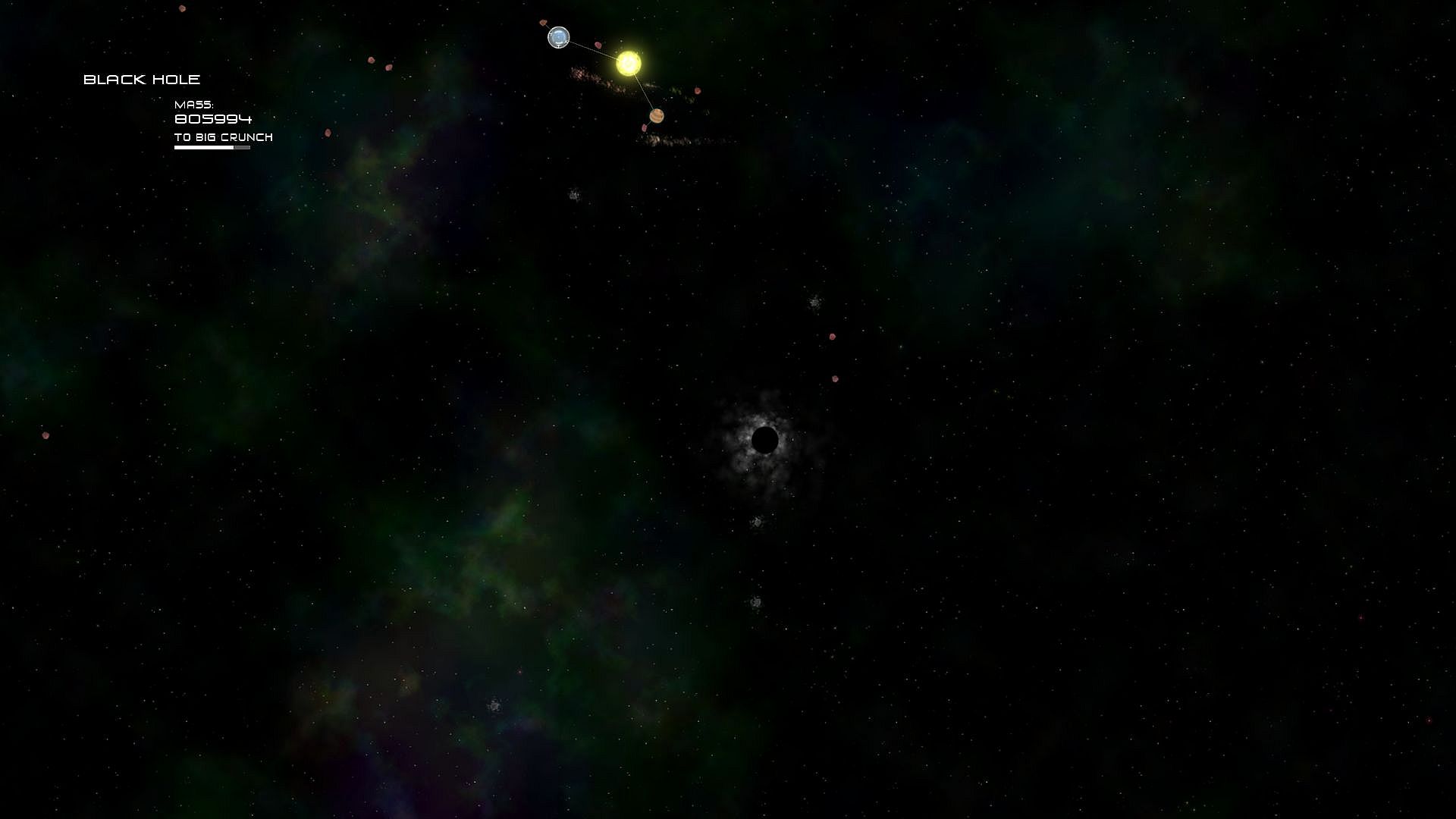
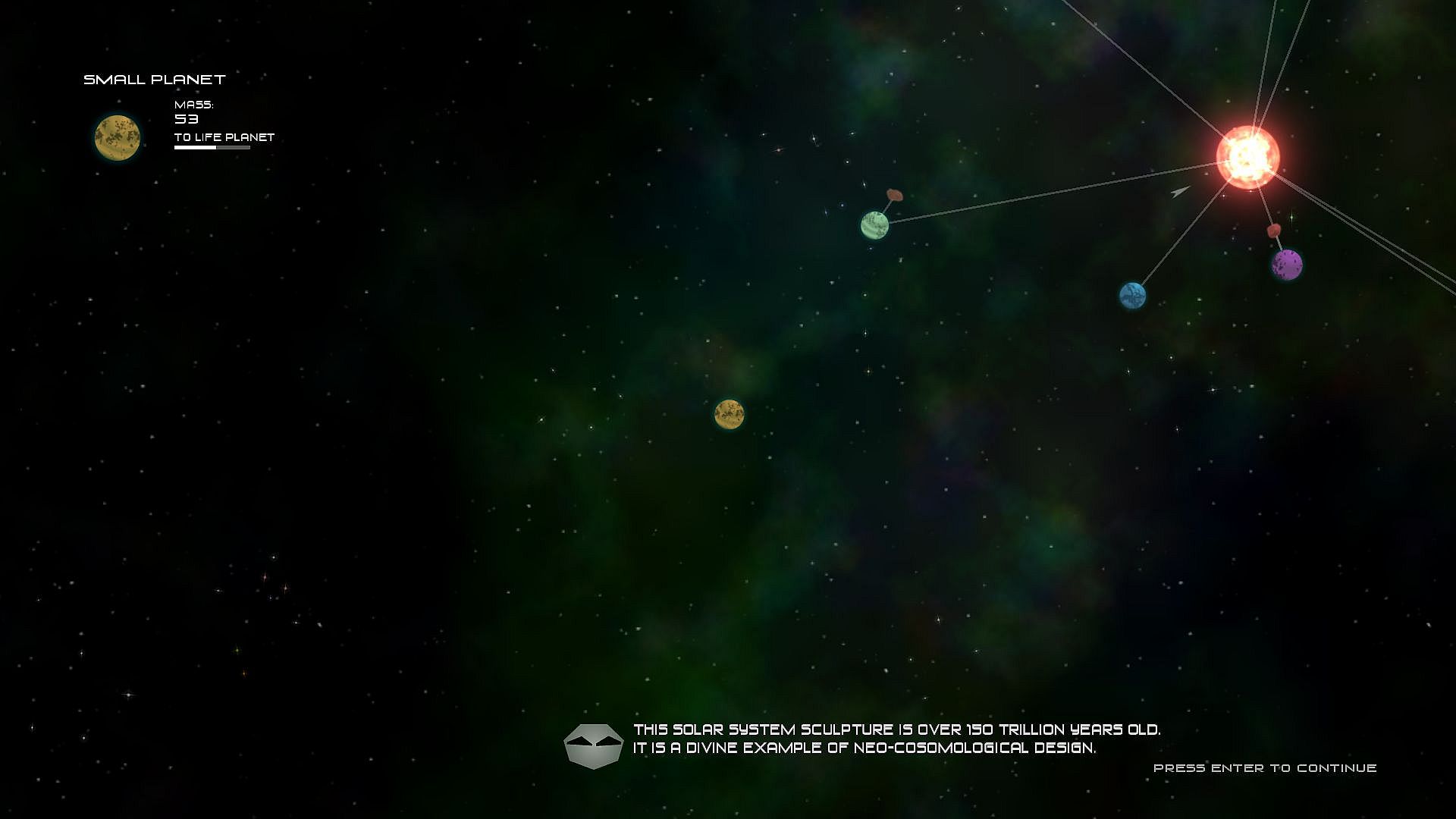
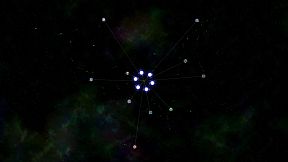
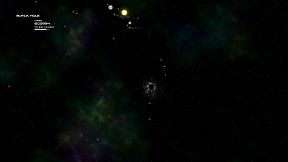
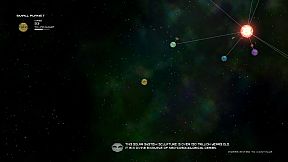
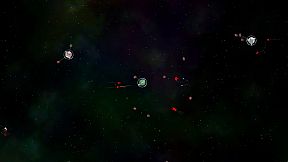
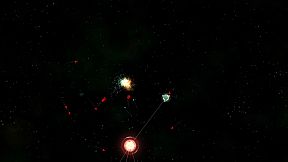
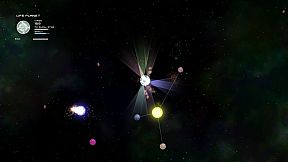
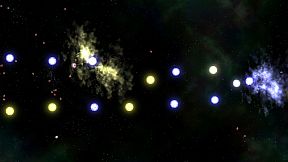
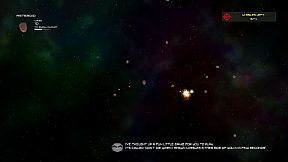
Solar 2 is an action indie casual simulation adventure game that places players directly in control of celestial bodies within an abstract open-world sandbox universe on PC. Rather than observing stars and planets from afar, participants embody asteroids, planets, stars, and even black holes as they navigate an infinite space environment filled with opportunities for growth and interaction.
Gameplay
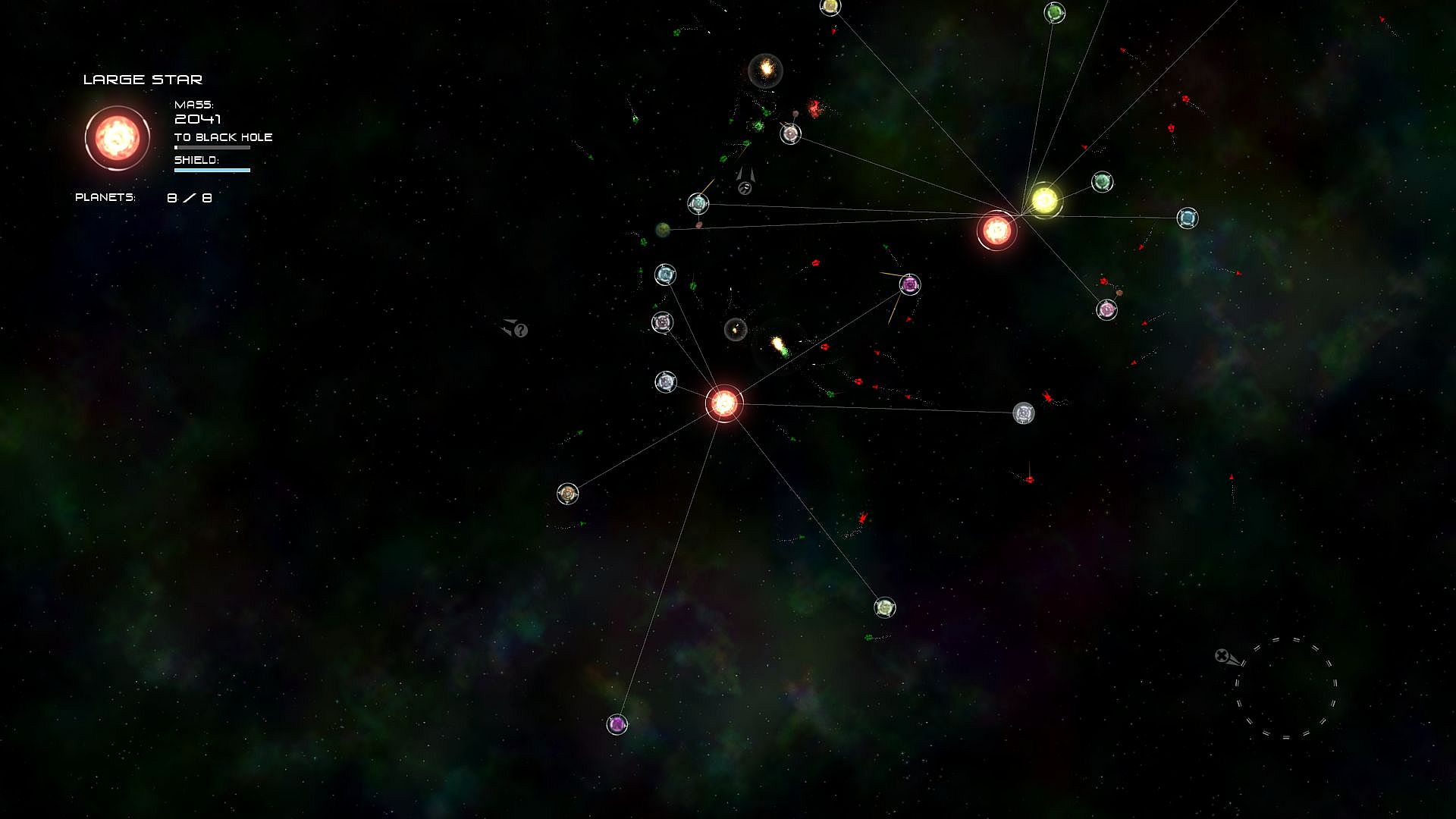
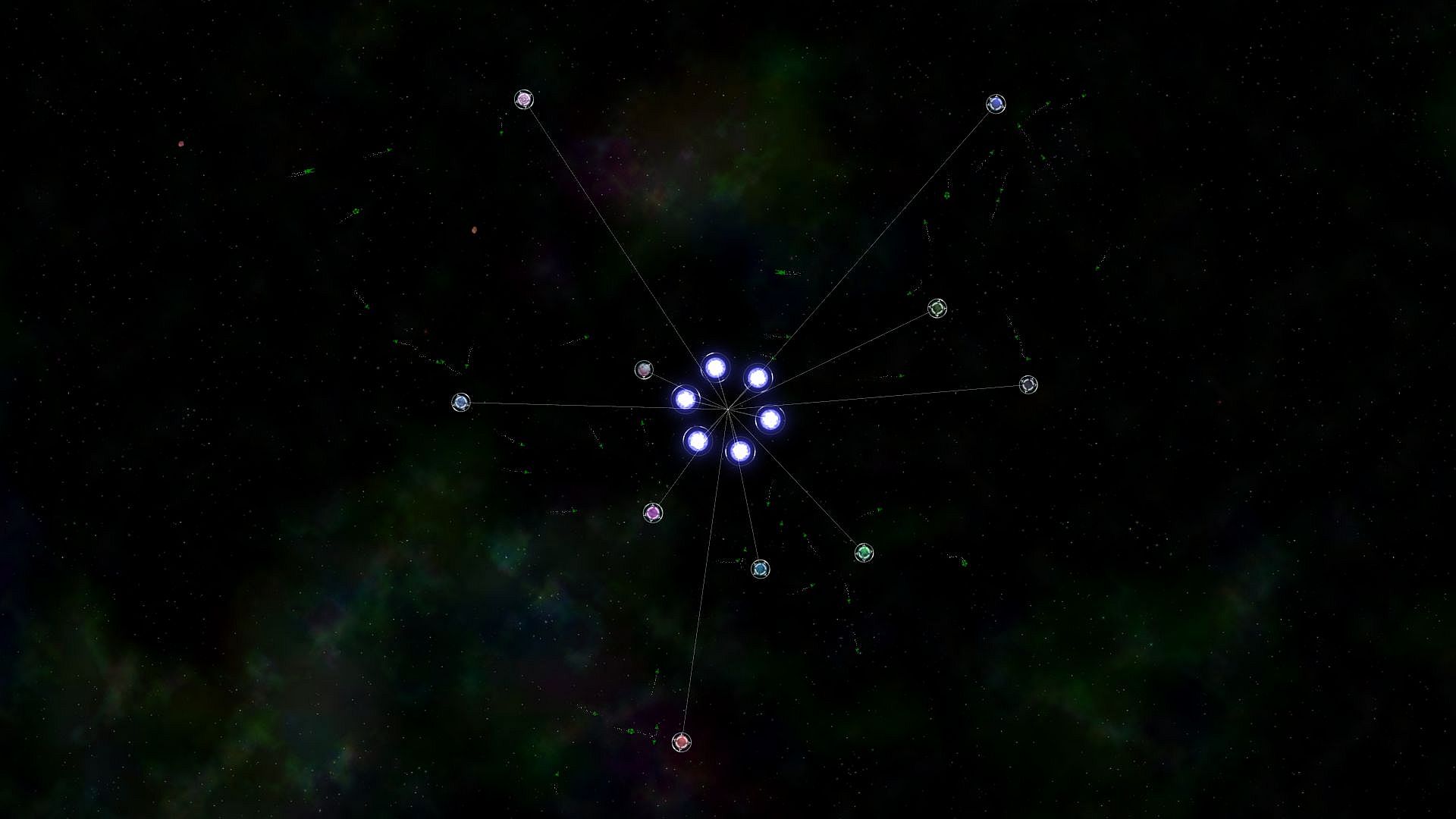
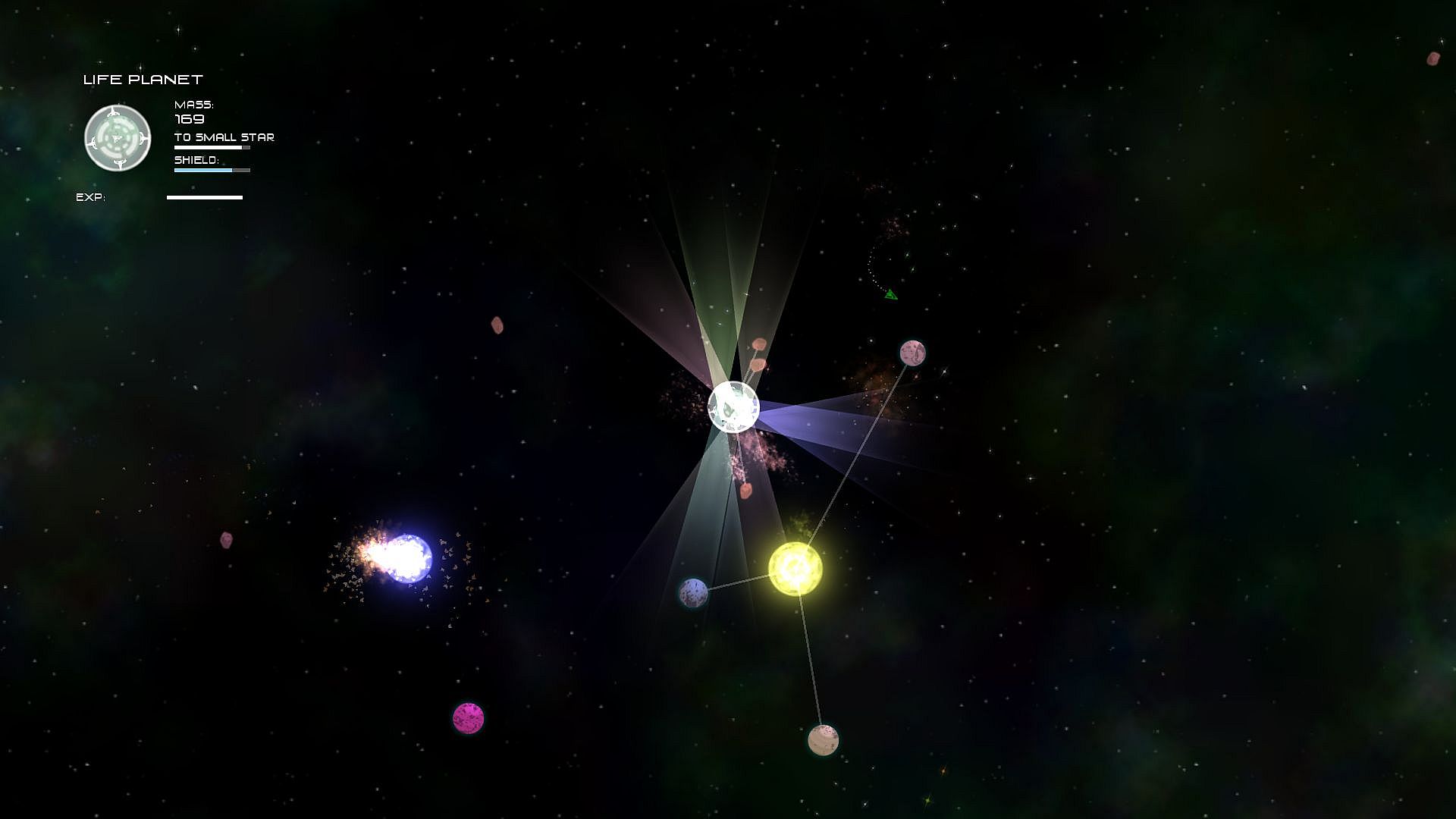
The core loop revolves around progressive expansion and interaction with surrounding objects. Players begin as small asteroids and gradually build mass by colliding with and absorbing other debris. This process evolves the controlled body into larger forms such as planets capable of developing orbiting satellites and supporting life forms. Further advancement leads to stellar stages where systems form around the central object, enabling more complex maneuvers and encounters.
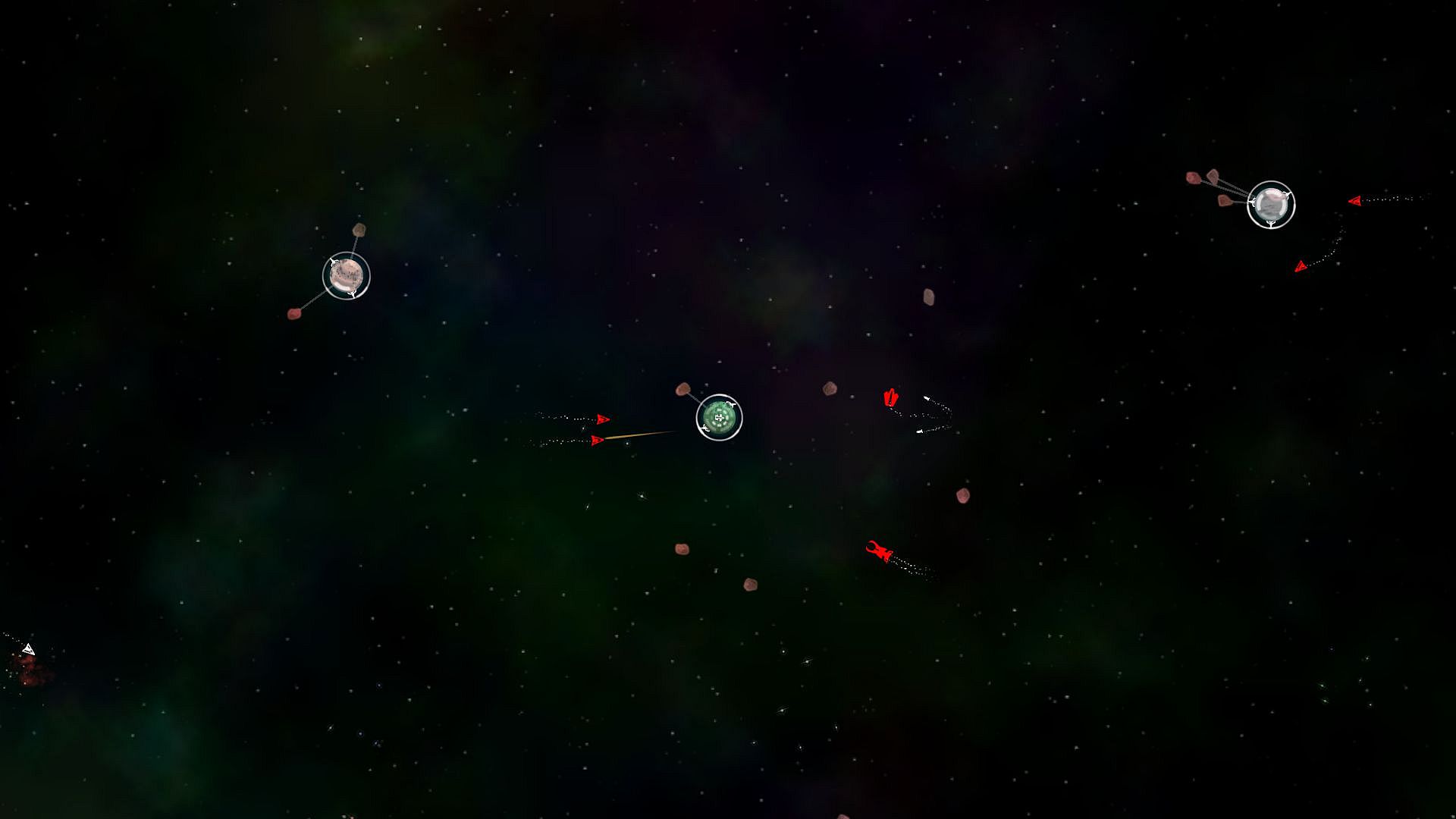
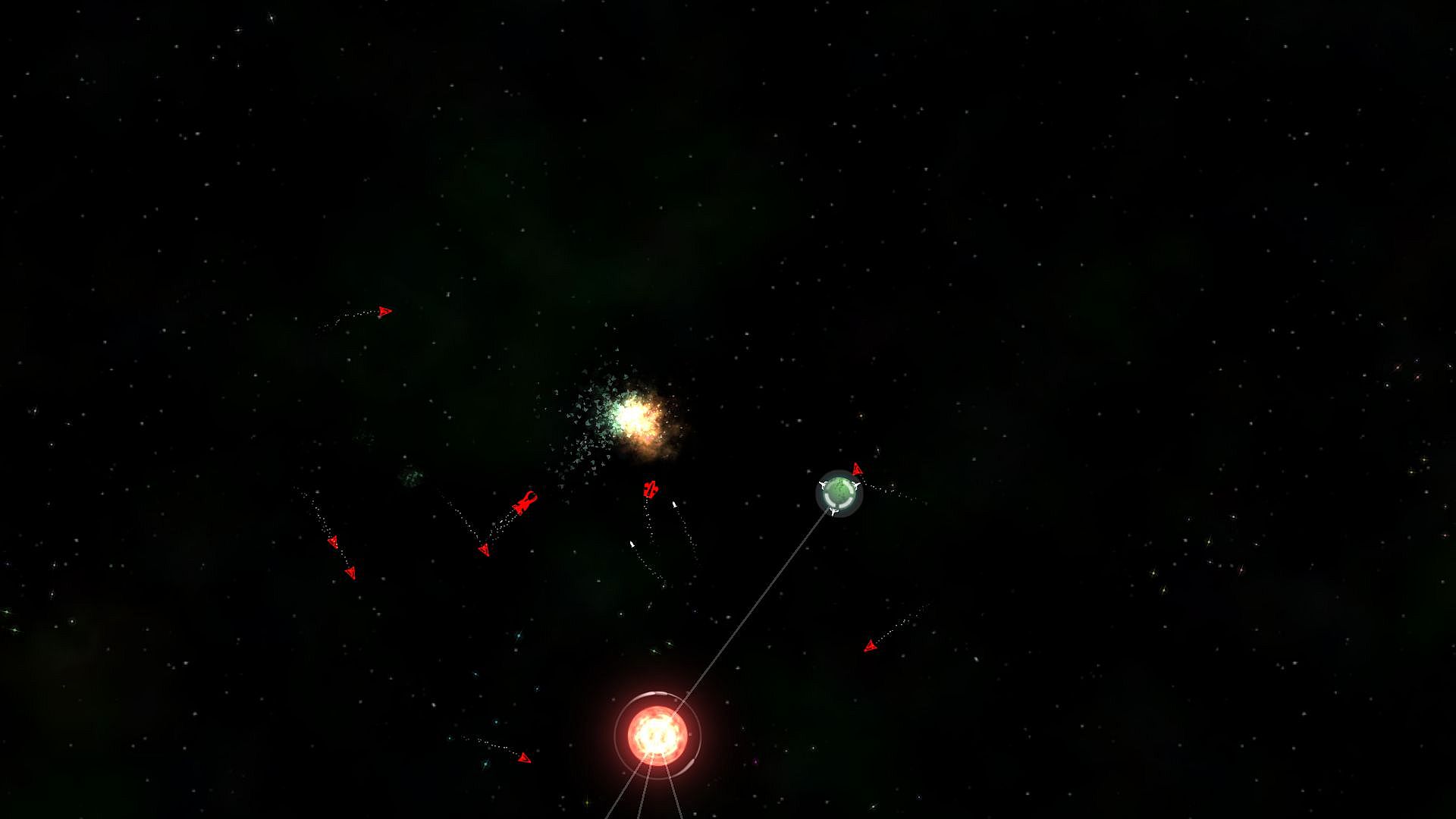
Mechanics emphasize both constructive and chaotic approaches. Orbiting bodies can be guided into stable paths or repurposed as tools for impact and disruption. Life nurturing involves managing planetary conditions to foster development, while conflicts arise through direct engagement with rival entities in large-scale space confrontations. The physics-driven system allows objects to function in versatile ways, including using gravitational pulls and momentum for strategic advantage during movement or combat.
Controls remain straightforward with directional input for navigation and a limited set of actions for absorption, orbiting adjustments, and attacks. The environment evolves dynamically based on player choices, creating a responsive space where systems expand or destabilize over time without fixed boundaries.
Game Modes
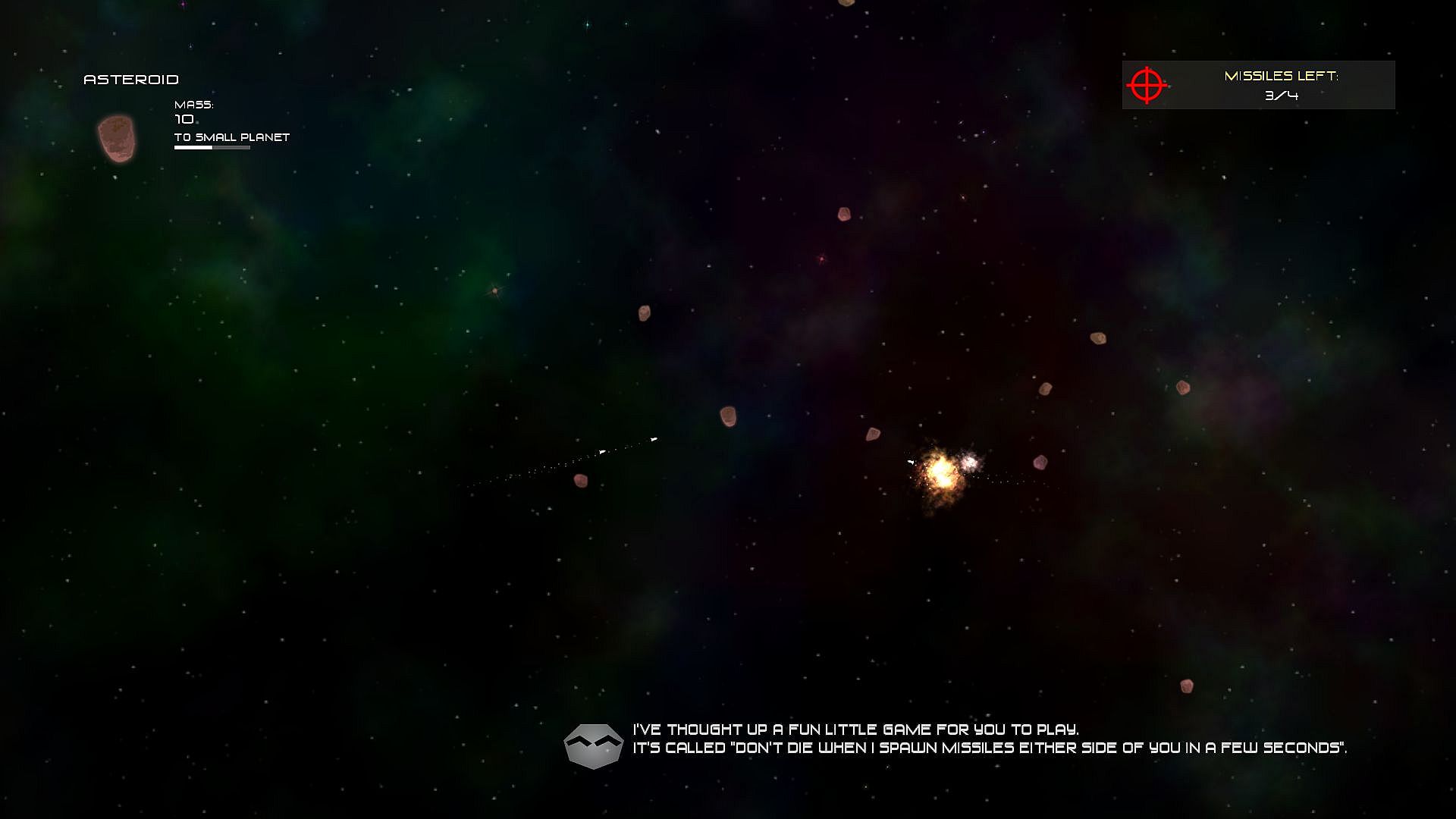
Solar 2 operates as a single-player open-world experience centered on non-linear tasks and free exploration. A central figure issues varied objectives that range from specific challenges to open-ended goals, though these can be bypassed entirely in favor of unrestricted growth and experimentation. The sandbox structure supports two primary styles of engagement: one focused on system development, planetary life support, and defensive or offensive battles against other life, and another centered on collision-based destruction, orbital manipulation for impact effects, and resource acquisition from competing systems.
Progression follows no strict path, allowing players to drift indefinitely while the abstract universe shifts in response to accumulated mass and actions. This freedom extends to mission selection, where tasks appear as optional prompts rather than required sequences, encouraging repeated sessions with different emphases on creation or disorder.
The Abstract Universe
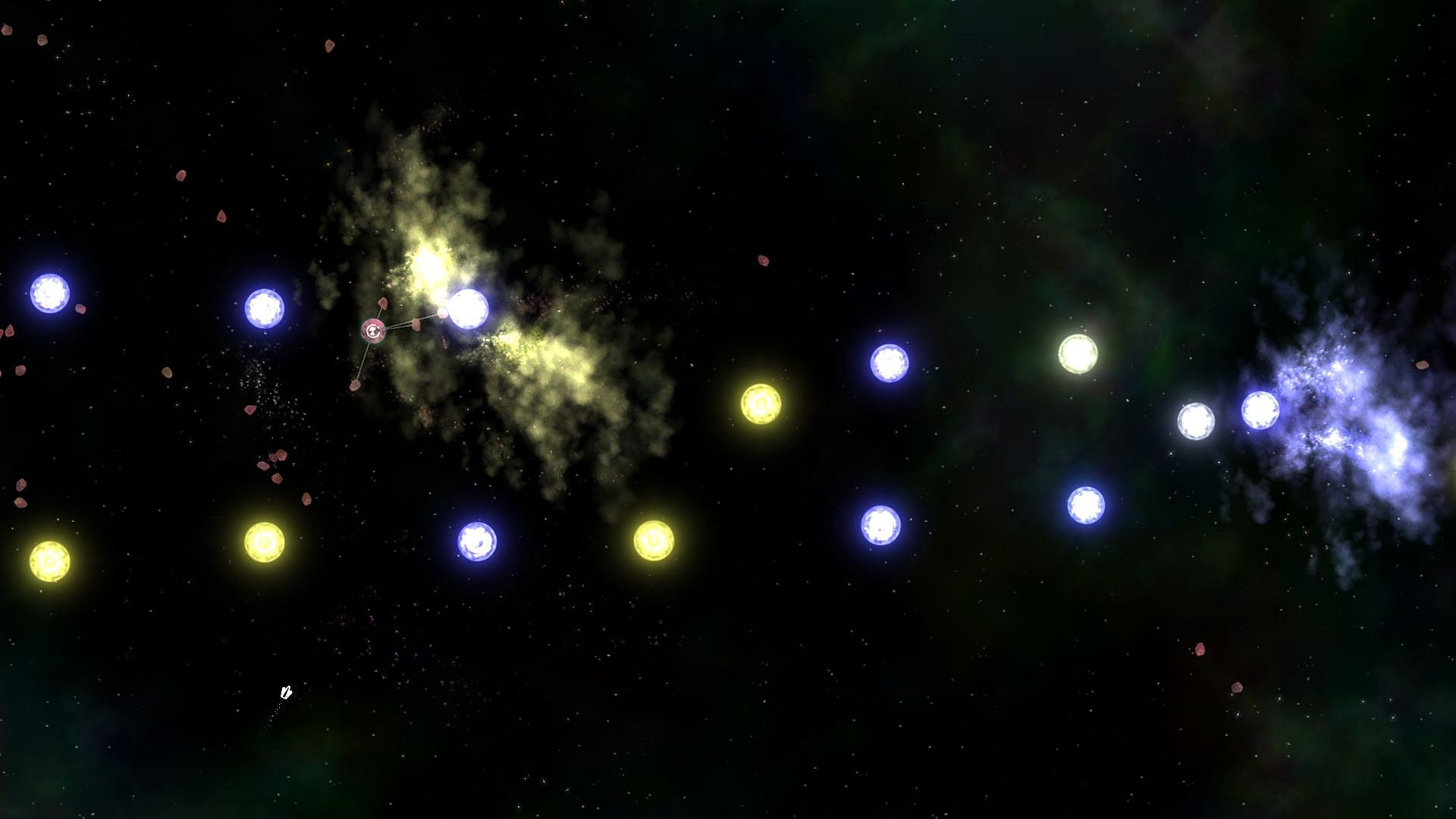
The setting consists of an evolving, boundary-free space rendered in a stylized manner that prioritizes conceptual representation over realistic simulation. Objects interact through gravitational and collision rules that produce emergent behaviors, such as chain reactions from impacts or orbital stability changes. Humor appears through eccentric elements and unexpected interactions that contrast the otherwise serene ambient drift.
Audio design features an extensive custom soundtrack that adapts to the player's scale and activity level, enhancing the sense of isolation or intensity during growth phases and encounters. Achievements track milestones in size, life development, and task completion, providing additional structure for those seeking measurable progress within the sandbox.
Is It Worth Playing?
Solar 2 appeals to players interested in physics-based sandbox experiences with a focus on celestial embodiment and creative freedom rather than traditional narrative or competitive structures. Its positive overall reception stems from the novelty of the growth mechanics and the balance between guided tasks and unstructured play. The game suits those who enjoy experimenting with object interactions, managing orbital systems, or pursuing chaotic outcomes in a relaxed single-player format.
Availability on PC remains straightforward with no additional requirements beyond standard hardware from its era. Those drawn to simulation and adventure elements that emphasize player-driven evolution over linear campaigns will find consistent engagement through its responsive universe and varied task options. The experience rewards repeated exploration of different growth strategies without external pressures or seasonal changes.