


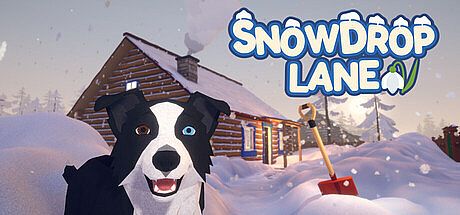


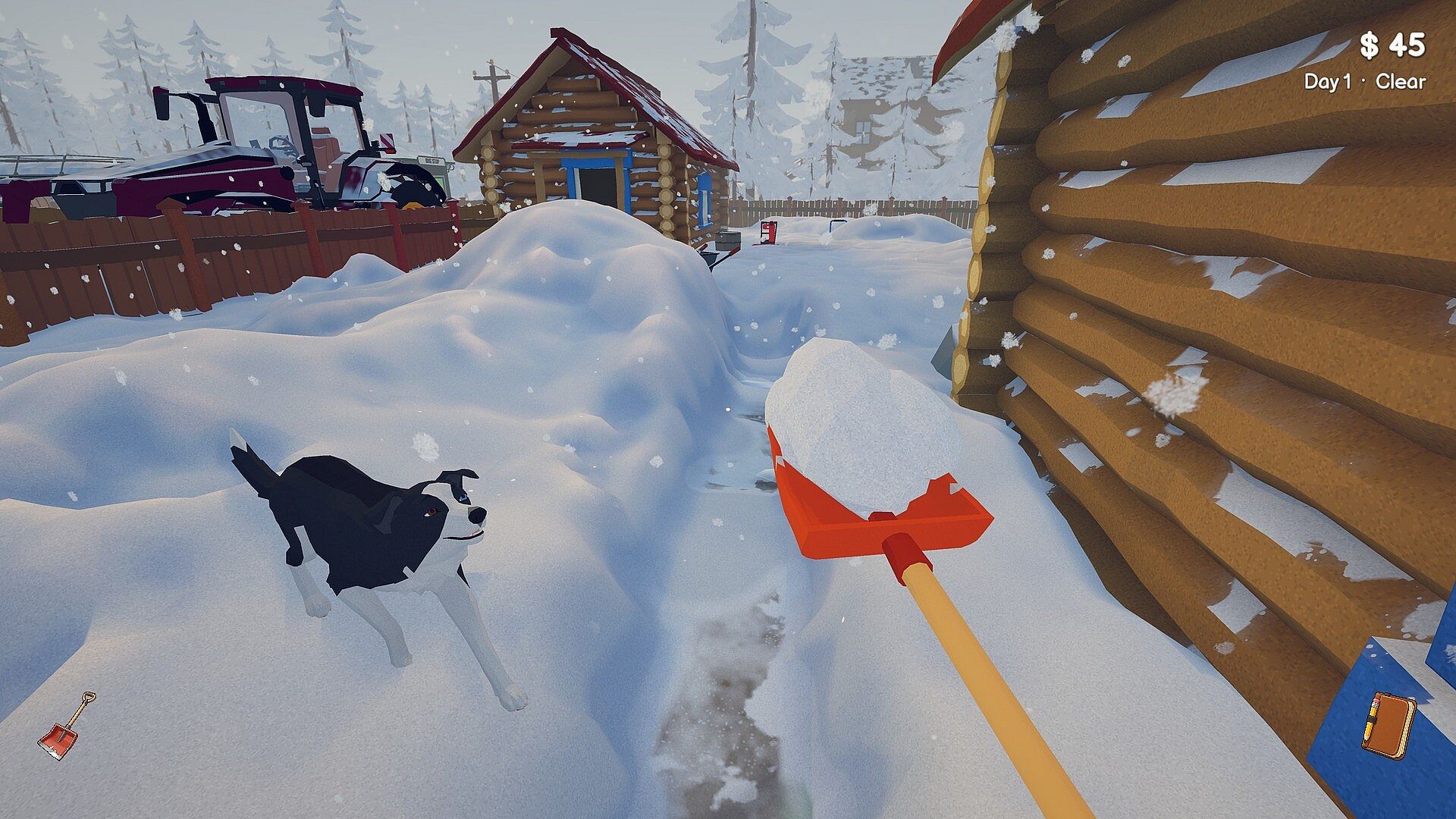
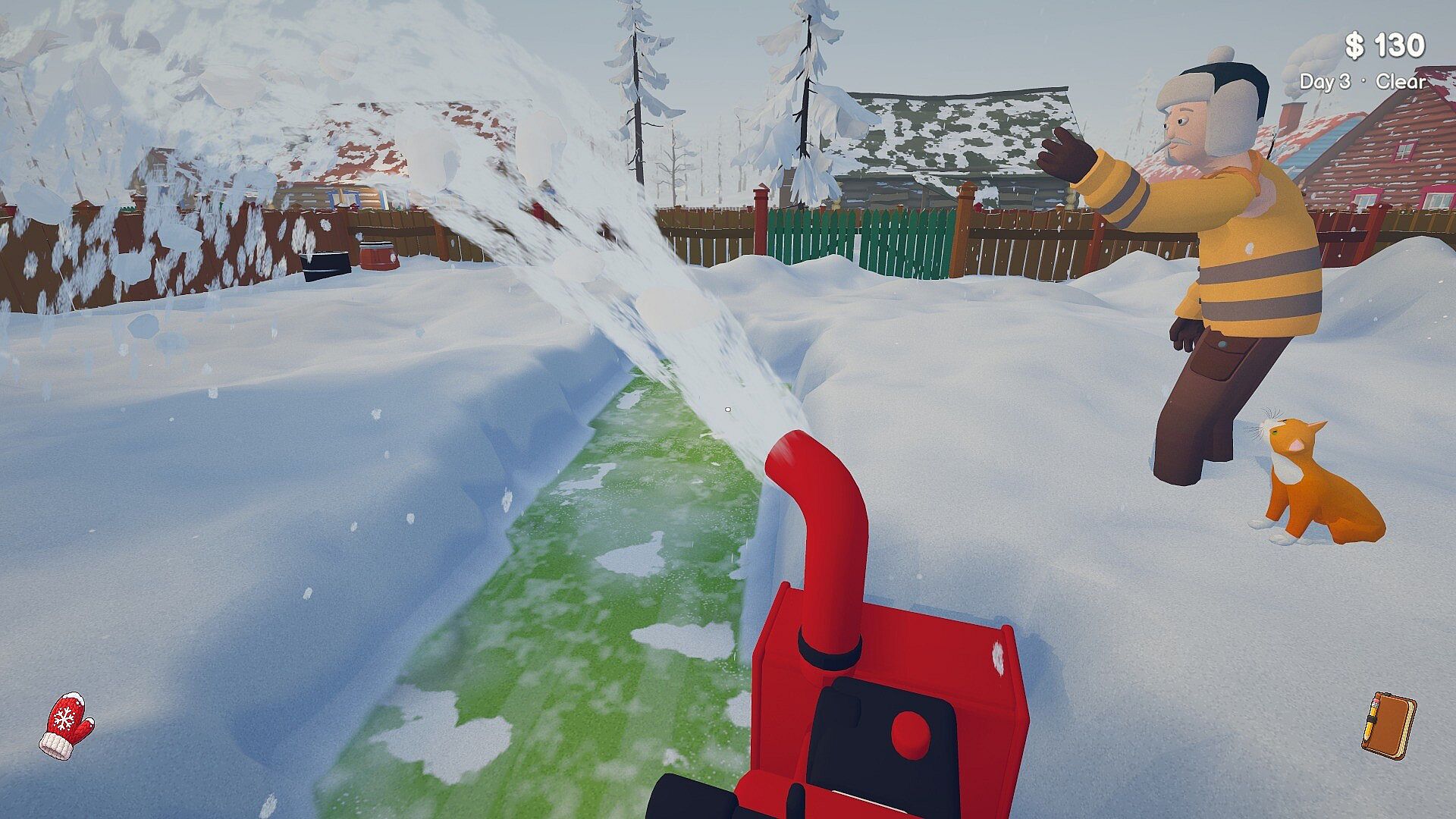
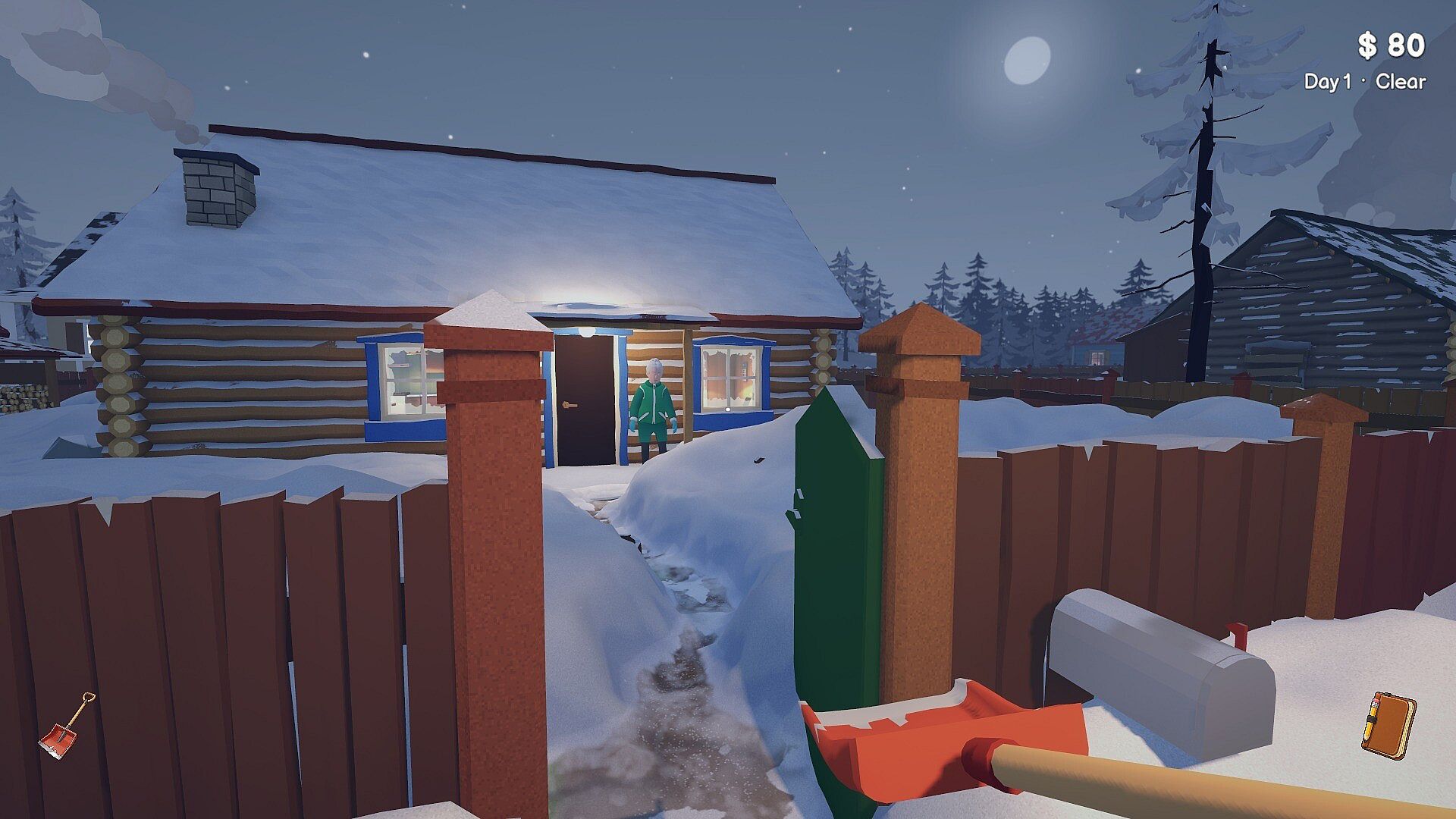
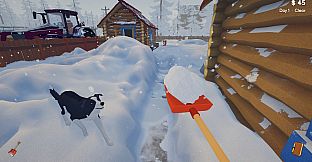
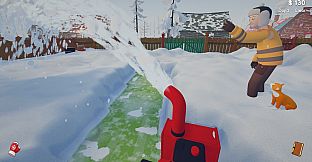
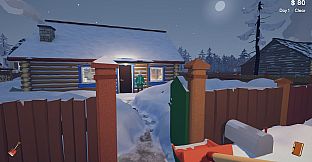
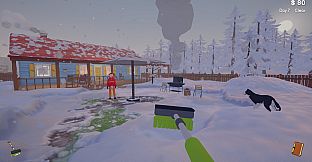
Snowdrop Lane is an indie casual simulation adventure game for PC in which players step into the boots of a temporary mail carrier in a quiet, snowbound residential street. The story begins when heavy snowfall buries the neighborhood overnight, leaving the regular carrier unavailable and placing the new arrival in charge of deliveries while staying as a guest at Granny's house. The experience centers on navigating deep snow, managing limited equipment like a snowblower and tractor, and completing daily routes amid requests from local residents.
Gameplay
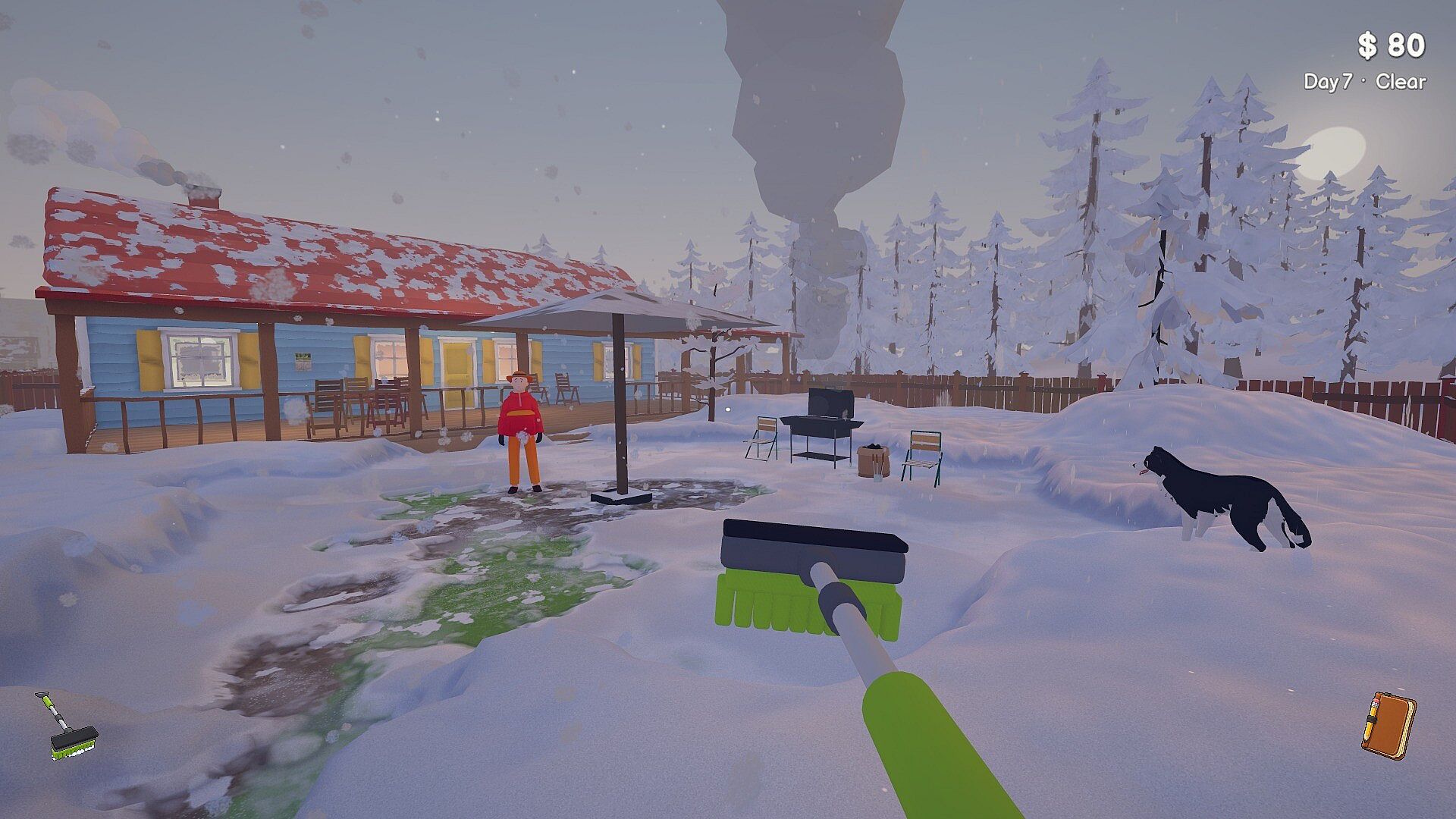
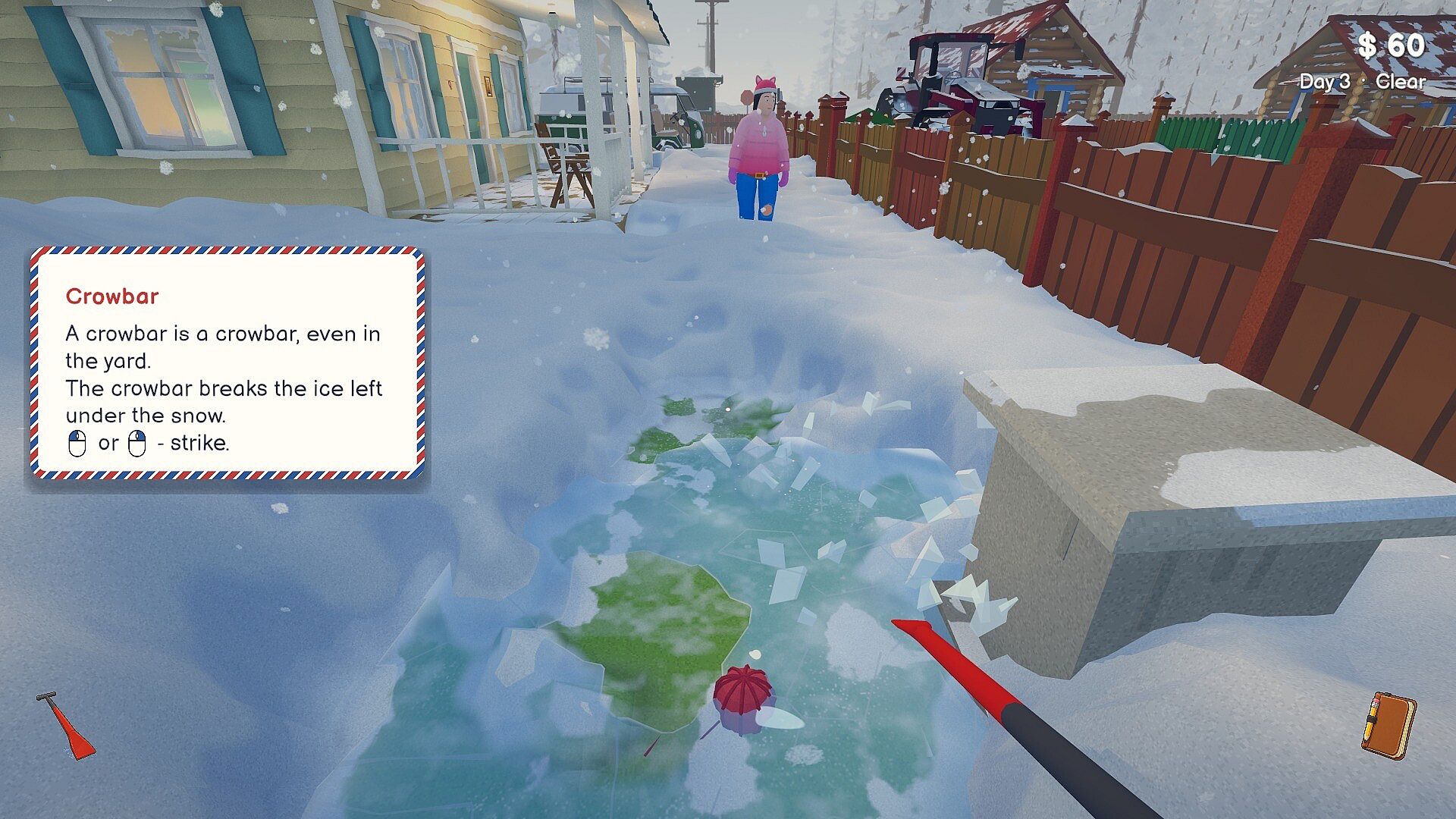
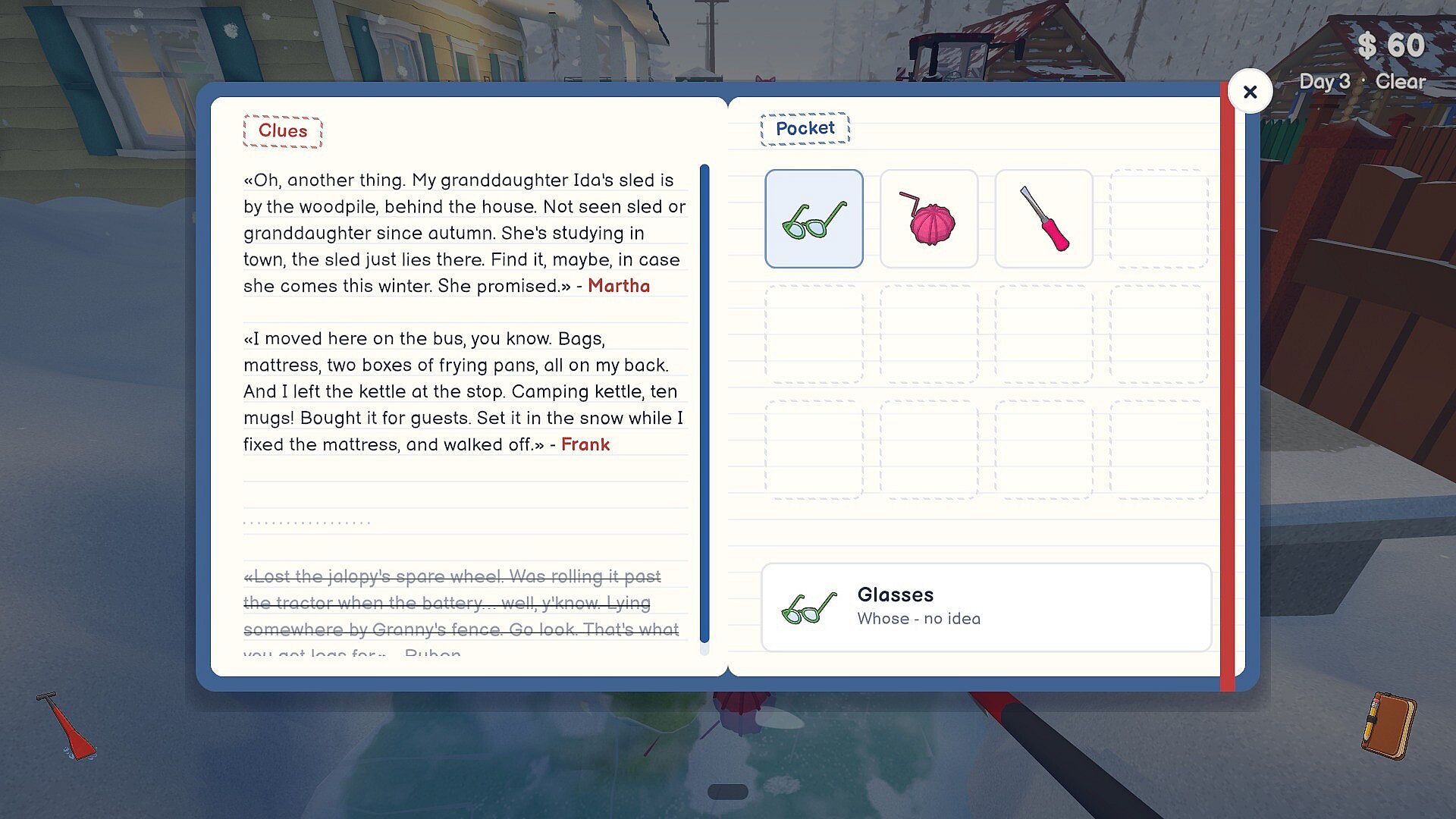
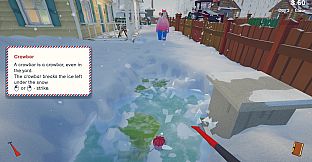
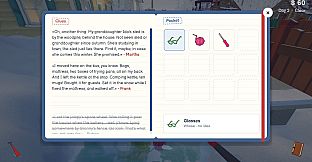
The core loop revolves around preparing for and executing mail routes each day. Players clear paths through accumulating snow and ice before focusing on parcel delivery. Equipment such as the snowblower becomes available once its battery is located, and the tractor offers additional clearing power later in the week. Exploration involves digging through drifts to uncover everyday objects including glasses, a screwdriver, and a chair frozen in place. These finds tie into resident stories and create opportunities for further interaction.
Neighbors frequently request assistance beyond standard deliveries. Ruben asks for help clearing his garage drive, citing his back and lack of motivation. Other residents offer favors in return or share fragments of local history. Two neighbors with mirror-image houses maintain a decade-long silence despite sharing the same surname and plot of land. Dialogue options and task completion gradually reveal why the street has remained so quiet for years until the new carrier arrives.
Progress unfolds over the course of one week of winter. Each day brings fresh snow, new parcels, and evolving requests that build on previous actions. Finding lost items often leads to conversations where residents explain their significance, sometimes under light pressure such as sharing tea with jam. The simulation emphasizes practical problem solving and relationship building rather than combat or high-stakes challenges.
Game Modes
Snowdrop Lane presents its content as a single continuous experience without separate named modes. The entire narrative and activity set takes place across the seven days of winter, with daily routines forming the structure. Players handle deliveries, snow management, and neighbor requests in sequence, with choices and discoveries carrying forward through the week.
Tasks scale naturally as equipment improves and relationships develop. Early days focus on basic route completion and simple favors, while later days incorporate more complex digging operations and conversations that tie multiple threads together. The absence of distinct modes keeps the focus on the cohesive story of a neighborhood waking up after years of quiet.
Story and Characters
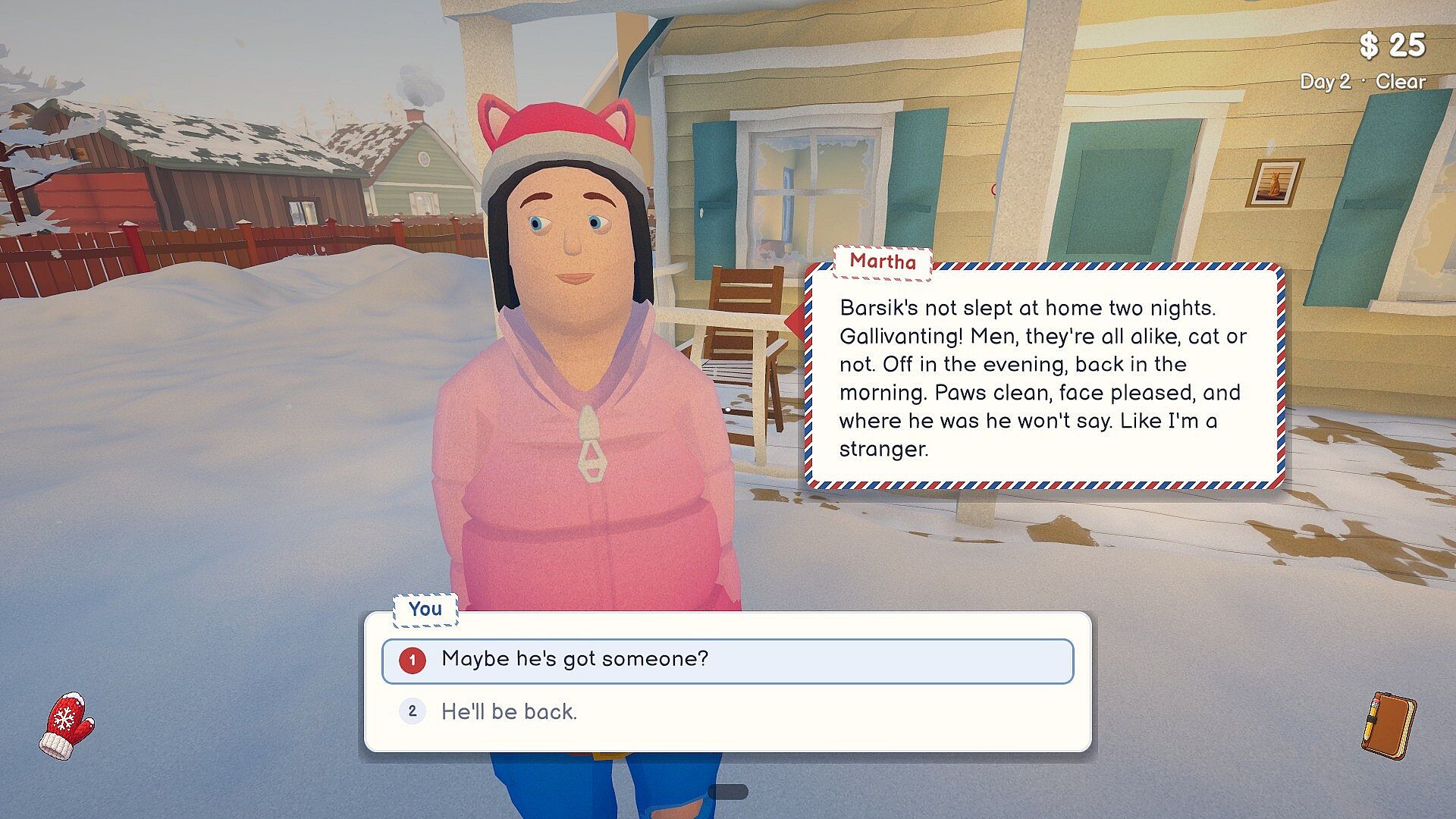
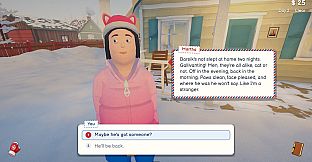
Granny provides the starting point with her dry humor about filing the player as lost in transit if supper is missed. Her house serves as the base between routes. Ruben represents the more reluctant residents who still need practical help despite their complaints. The feuding pair Nils and Lars offer contrasting perspectives on their shared history while maintaining distance. Martha holds information tightly but may reveal details during relaxed moments.
Interactions reveal layers of the community without requiring combat or complex skill systems. Each resident's personality shapes the favors they request and the explanations they give for buried items. The week-long timeframe allows these relationships to shift gradually as deliveries and assistance accumulate.
Is It Worth Playing?
Snowdrop Lane suits players who enjoy relaxed simulation and light adventure elements focused on daily routines and character interactions. The emphasis on snow clearing, item recovery, and neighbor assistance creates a steady rhythm that rewards consistent play over short sessions. Those drawn to indie titles with strong atmosphere and understated storytelling will find the one-week structure satisfying without unnecessary padding.
The game appeals most to fans of casual simulation adventures that prioritize exploration and dialogue over action or competition. Its PC availability makes it accessible for short play periods, and the self-contained narrative concludes naturally after the winter week. Players seeking a low-pressure experience centered on community and practical problem solving will likely appreciate the focused scope and quirky resident dynamics.











