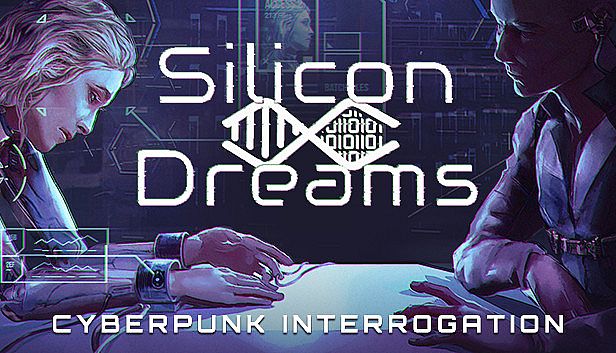

















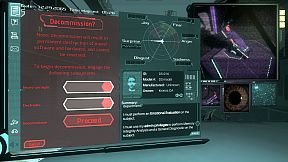




Silicon Dreams is an indie simulation and adventure game set in a corporate-controlled dystopian future. Players take on the role of an interrogator android tasked with investigating humans and androids to uncover deviants. The experience centers on careful questioning, real-time emotional monitoring, and moral decisions that shape outcomes in a world where distinctions between authentic and artificial have faded.
Gameplay
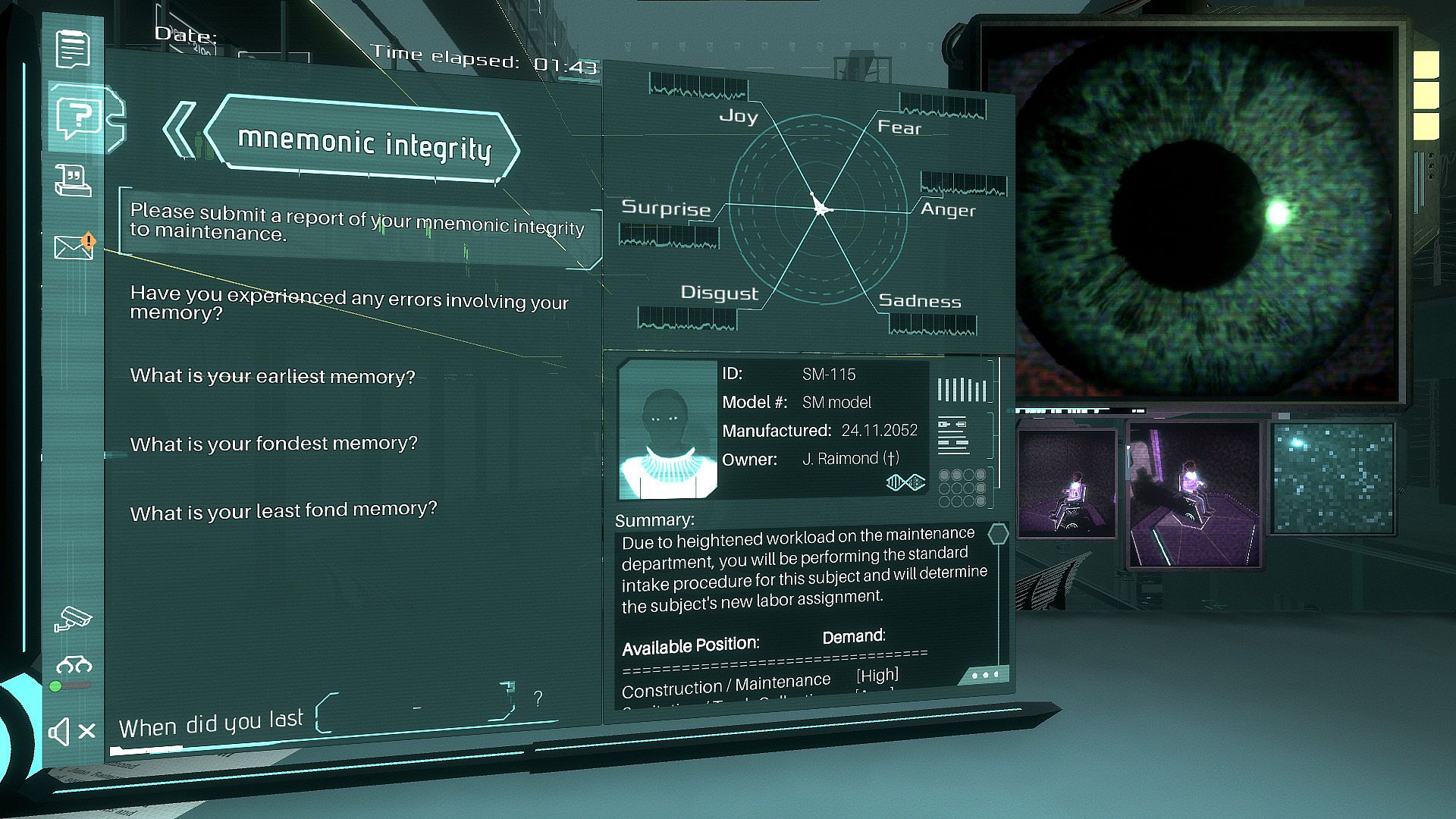
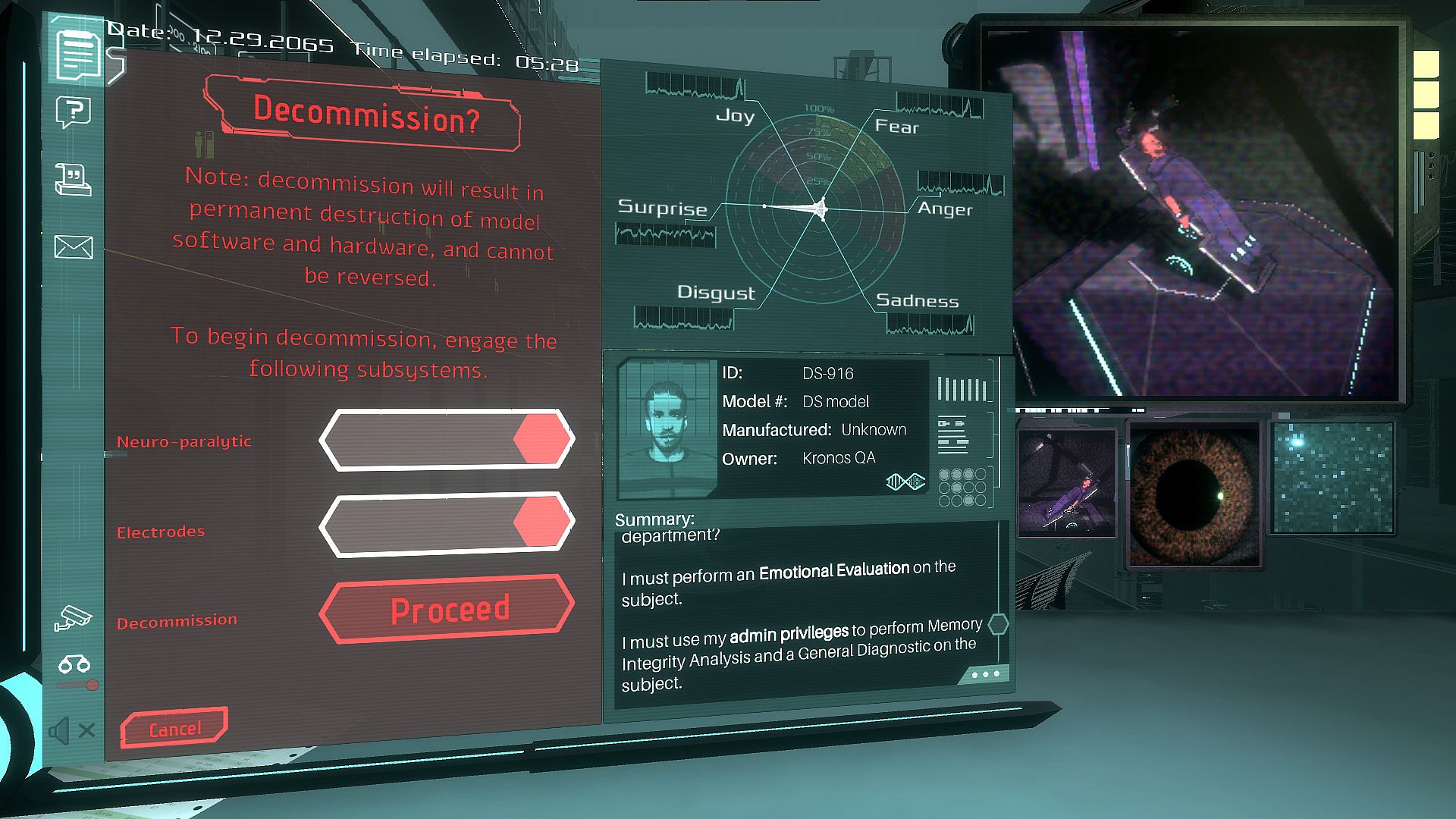
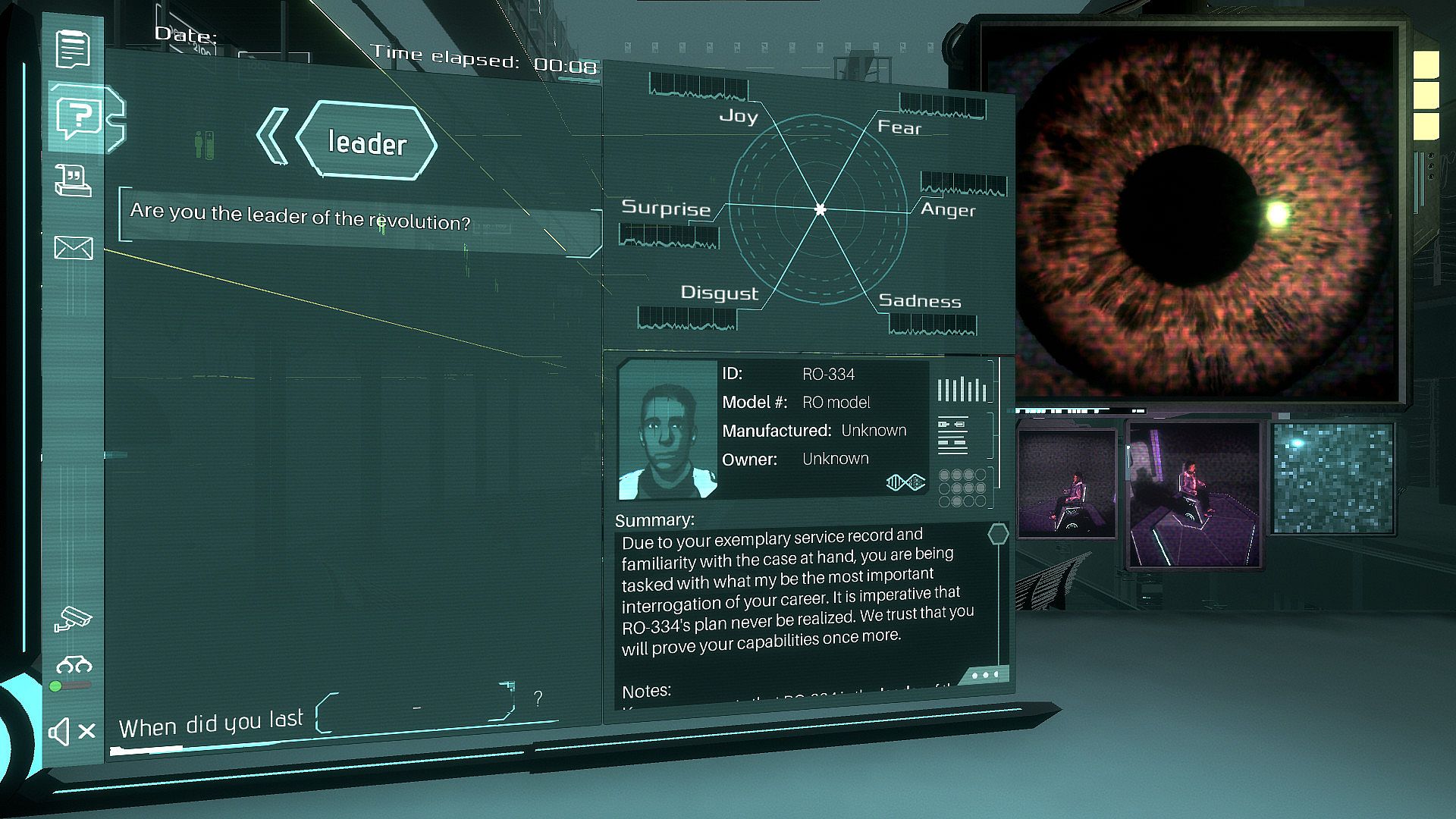
The core loop revolves around preparing for and conducting interviews with subjects. Research provides background details on each interviewee before questioning begins. During sessions, players track six specific emotional states in real time: joy, sadness, anger, disgust, shock, and fear. Responses to questions influence these indicators, allowing adjustments in approach such as applying pressure, offering reassurance, or building rapport to extract additional details.
Question selection requires precision because the wrong line of inquiry can close off avenues of information or trigger defensive reactions. The system rewards observation and adaptation rather than brute force tactics. Choices made throughout an interrogation carry forward, affecting how much truth surfaces and what consequences follow for the subject.
Beyond individual sessions, broader narrative decisions emerge from the corporate environment. Players can withhold information from superiors or align with directives, creating tension between personal ethics and self-preservation. These elements combine to form a focused interrogation simulator where every interaction builds toward larger revelations about the android population and the controlling corporation.
Game Modes
Silicon Dreams operates as a single-player narrative experience without separate multiplayer or competitive modes. The structure follows a sequence of interrogations connected by overarching story progression. Branching paths arise naturally from dialogue choices and emotional management during each session.
Replay value stems from the multiple endings determined by cumulative decisions. Each android subject can end up spared or condemned based on the information gathered and the stance taken toward the corporation. This design encourages additional playthroughs to explore alternate outcomes without altering the fundamental interrogation mechanics.
Narrative and Themes
The story unfolds in 2065 amid a society dominated by a single android manufacturer. As an interrogator model, the player operates within quality control processes aimed at identifying deviations from expected behavior. Themes of corporate control, identity, and loyalty surface through the subjects' responses and the player's own position in the hierarchy.
Dialogue trees and emotional data create opportunities to probe deeper into personal histories and potential conspiracies. The writing emphasizes the blurred lines between programmed responses and genuine sentience, with no clear heroes or villains. Outcomes reflect the cumulative weight of small choices rather than dramatic set pieces.
Is It Worth Playing?
Silicon Dreams suits players who enjoy deliberate, choice-driven narrative games focused on conversation and deduction. Its mechanics reward patience and attention to emotional cues over action or exploration. The game reached full release in 2021 and remains available as a complete title without ongoing seasonal content or expansions.
Reception highlights the engaging interrogation system and the impact of moral decisions on multiple endings. Those drawn to simulation titles with strong writing and branching consequences will find a compact experience that prioritizes thoughtful play over length or spectacle. Availability on PC makes it accessible for sessions that can be completed in focused sittings.