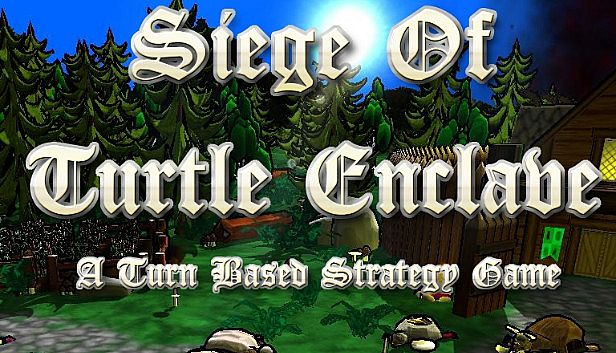














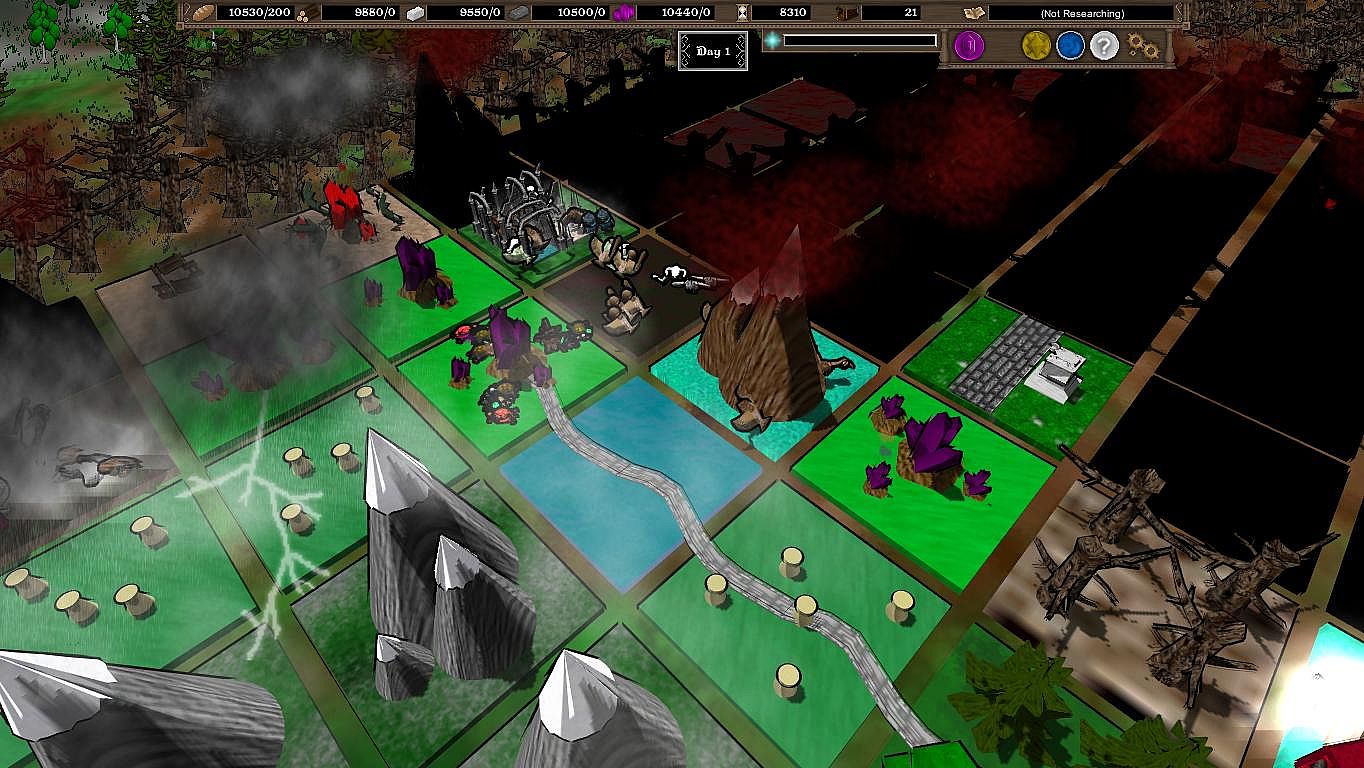
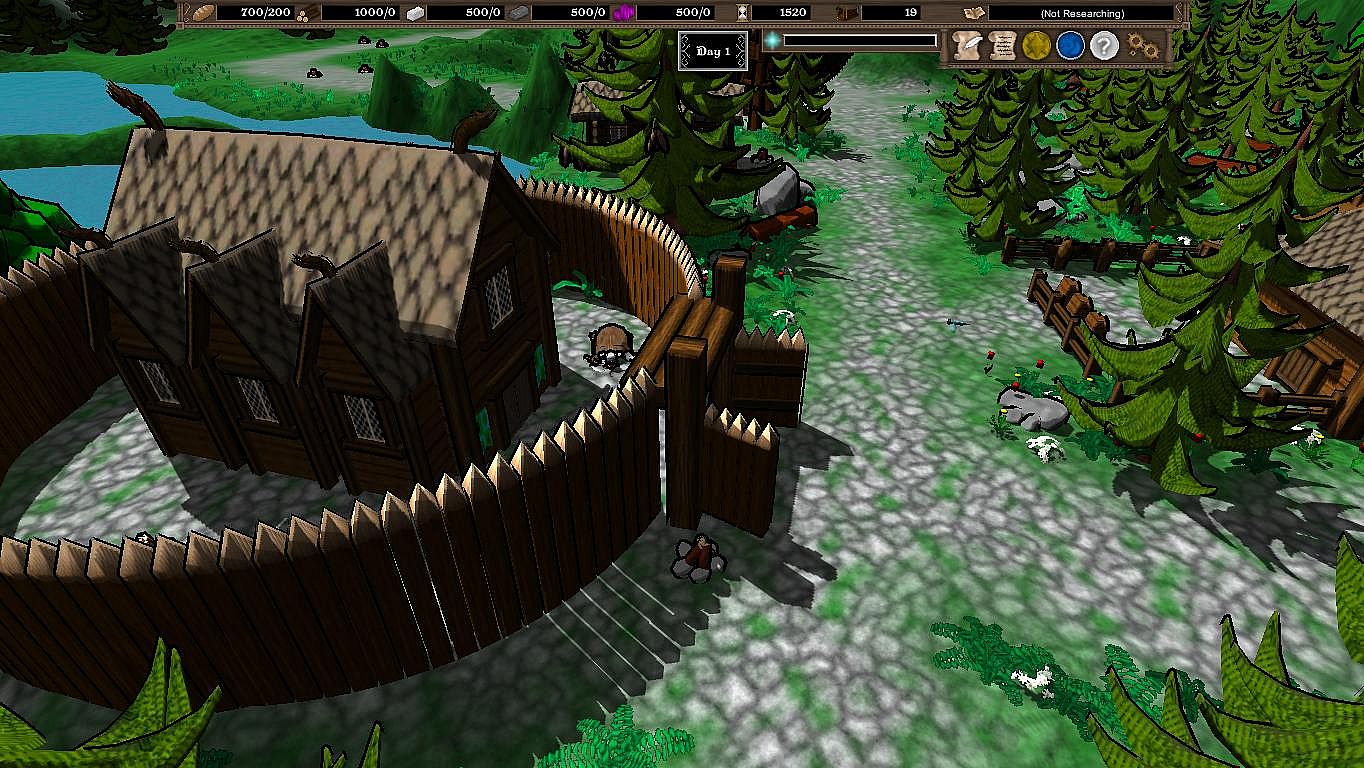
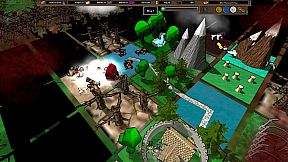
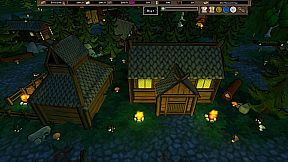
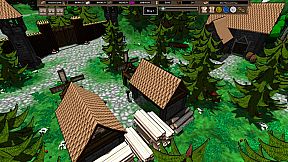
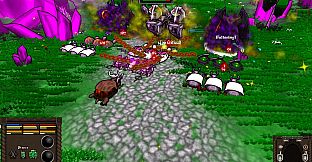
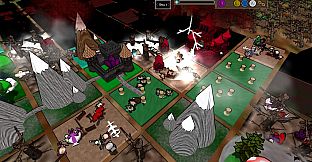
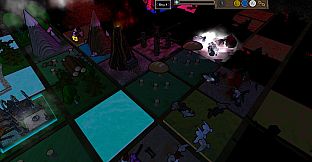
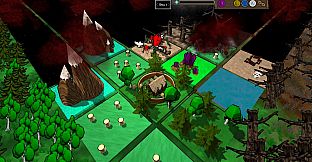
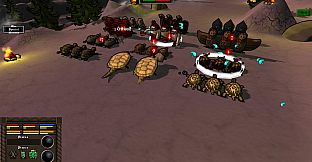
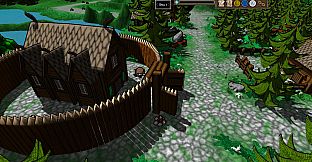
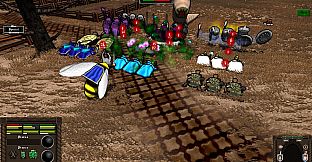
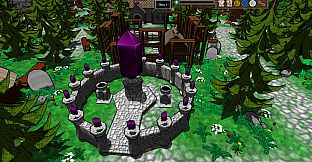
Siege of Turtle Enclave is a turn-based strategy game with real-time battles set on PC. Players lead the last remnant of a turtle nation through a fantasy world as they work to reclaim territory from a horde of corrupt owls. The experience centers on managing a settlement, expanding influence across a map, and engaging in combat that blends deliberate planning with faster-paced resolution.
Gameplay
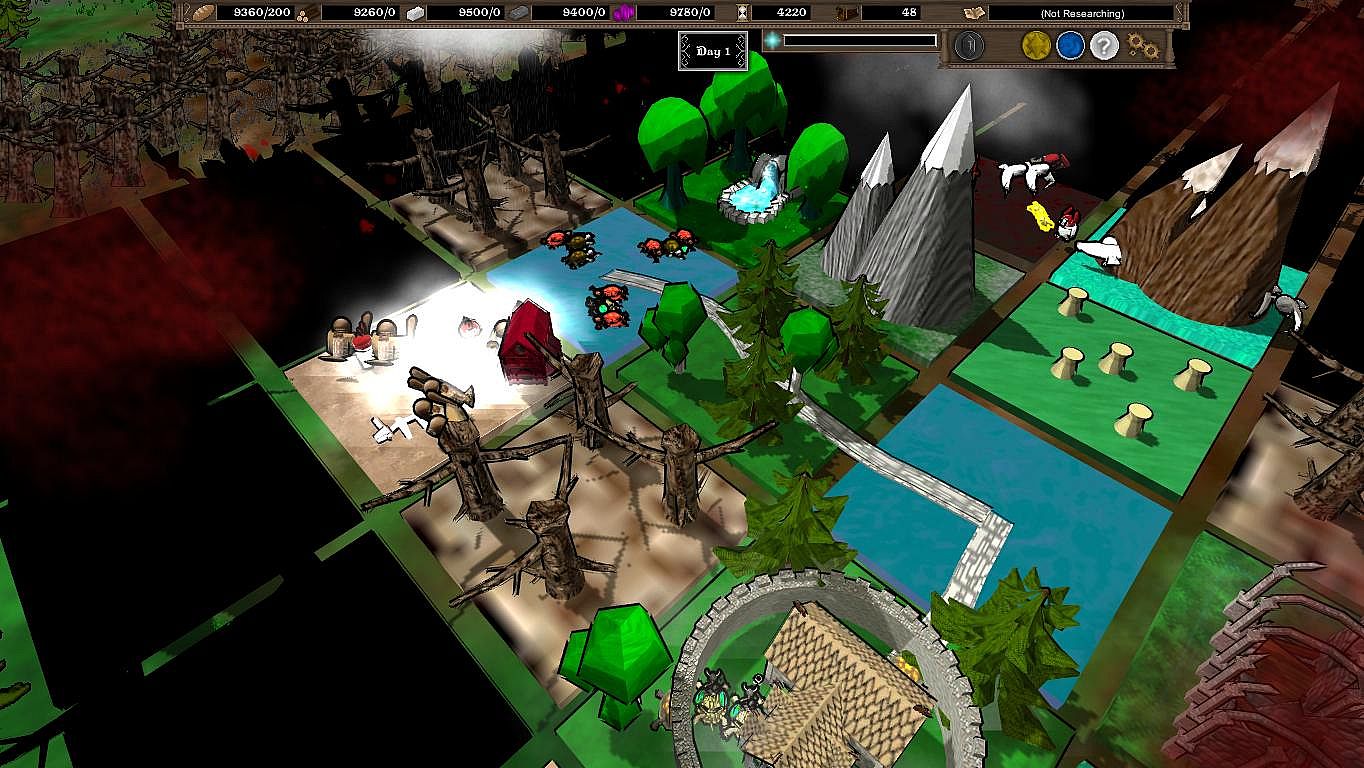
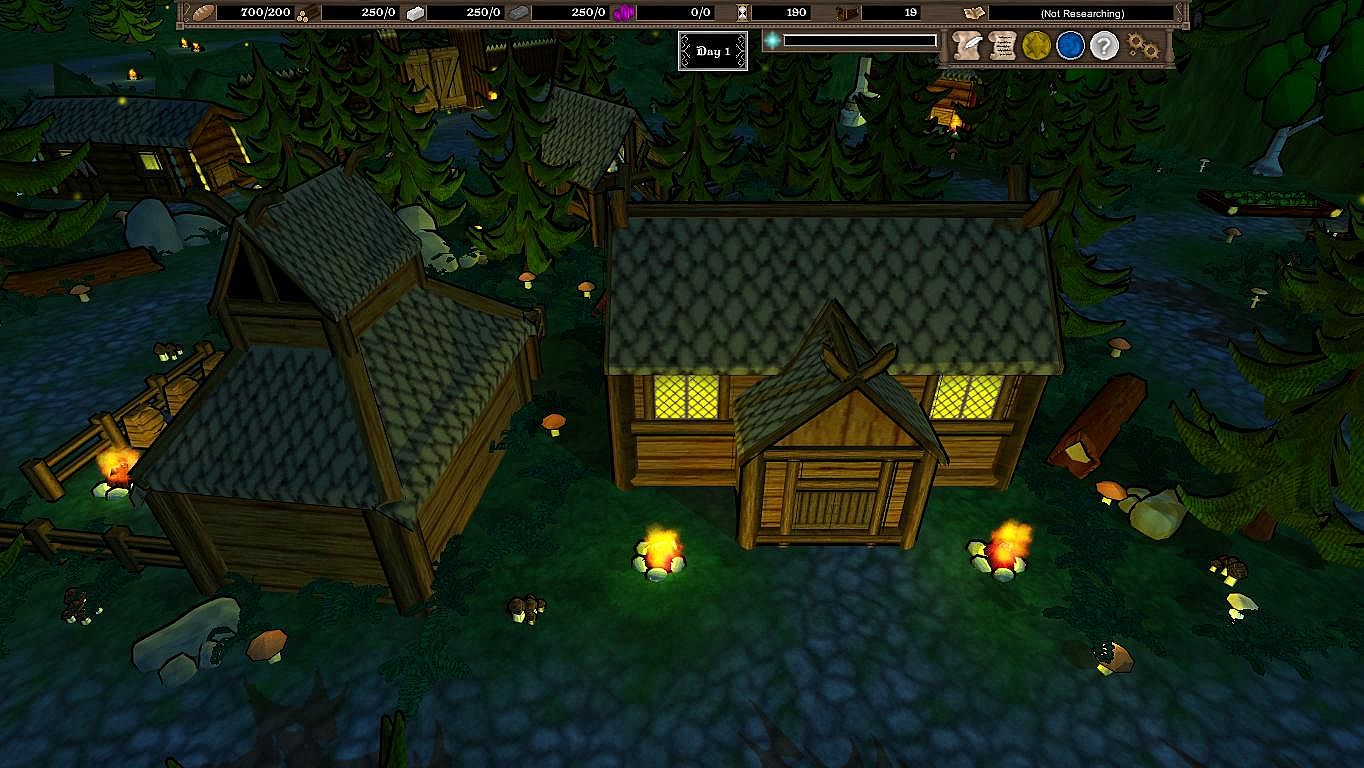
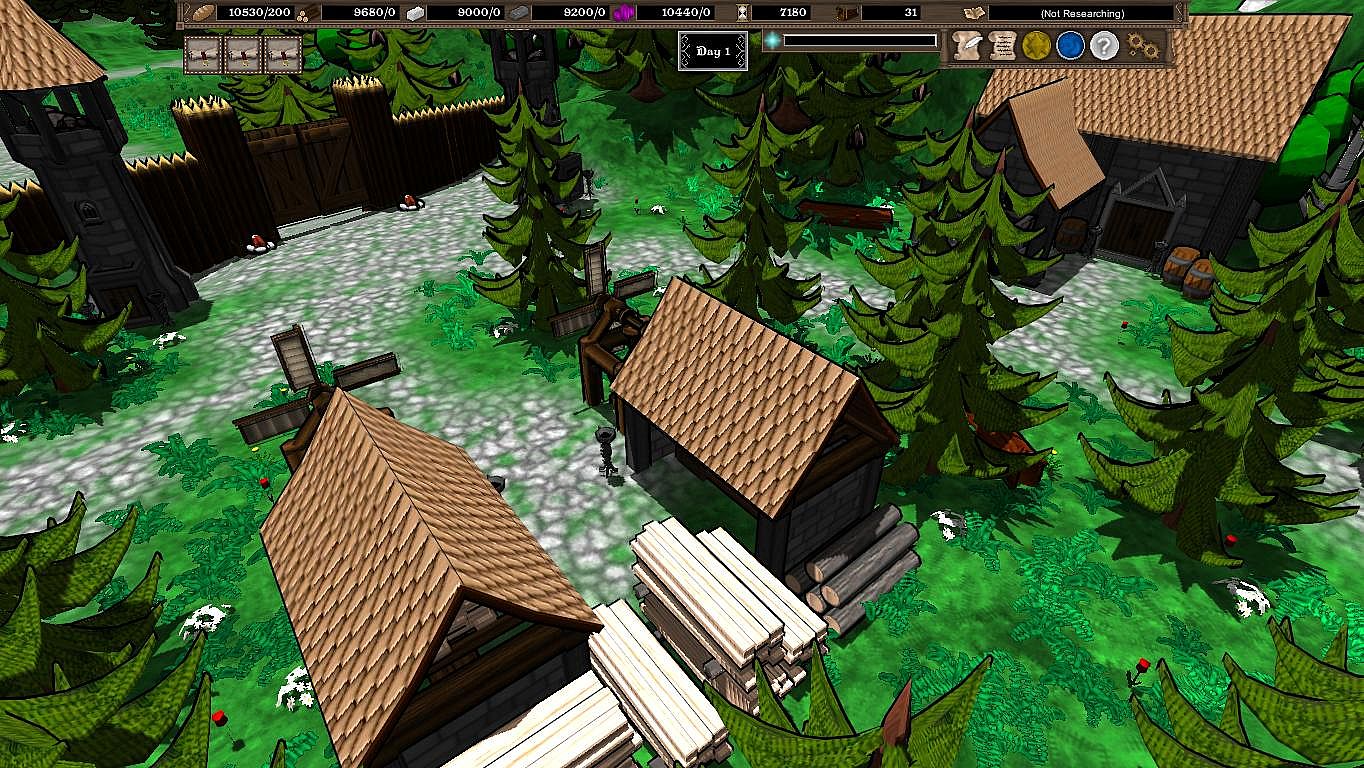
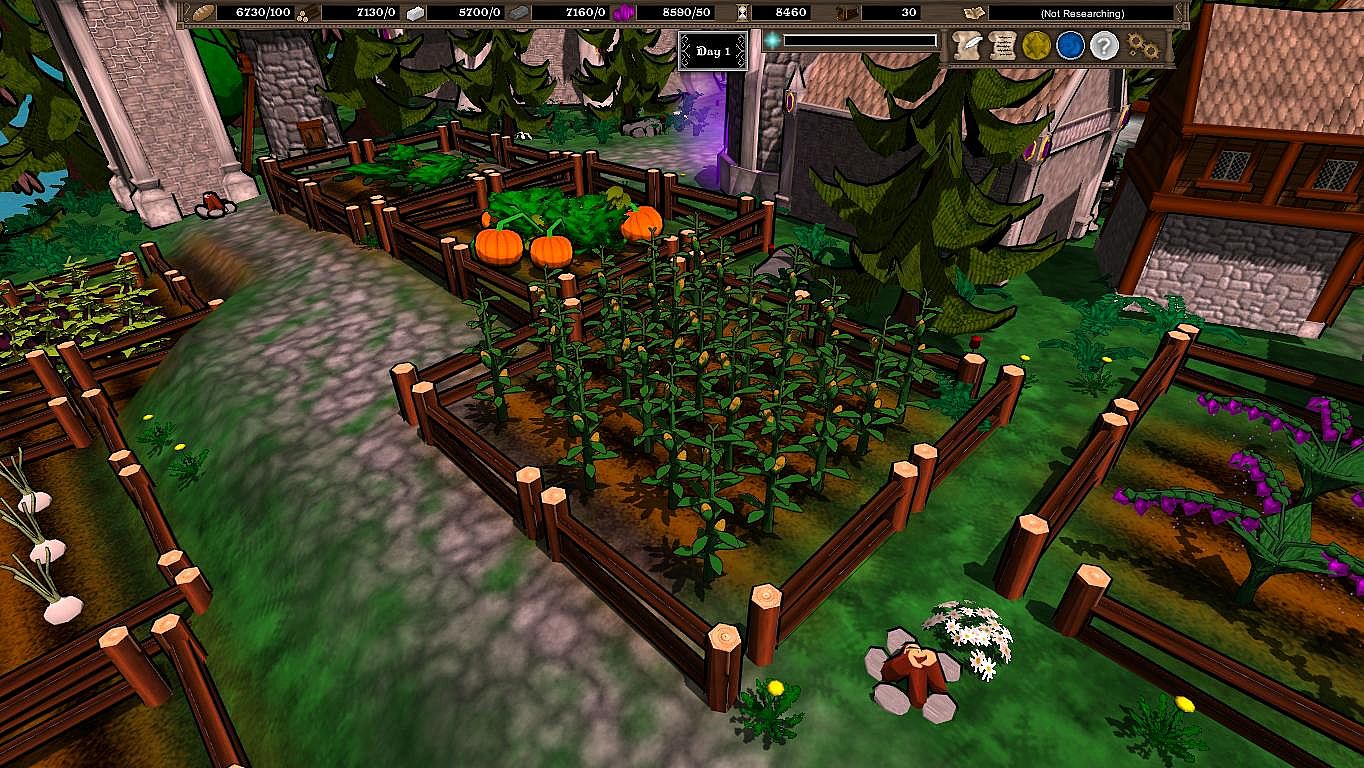
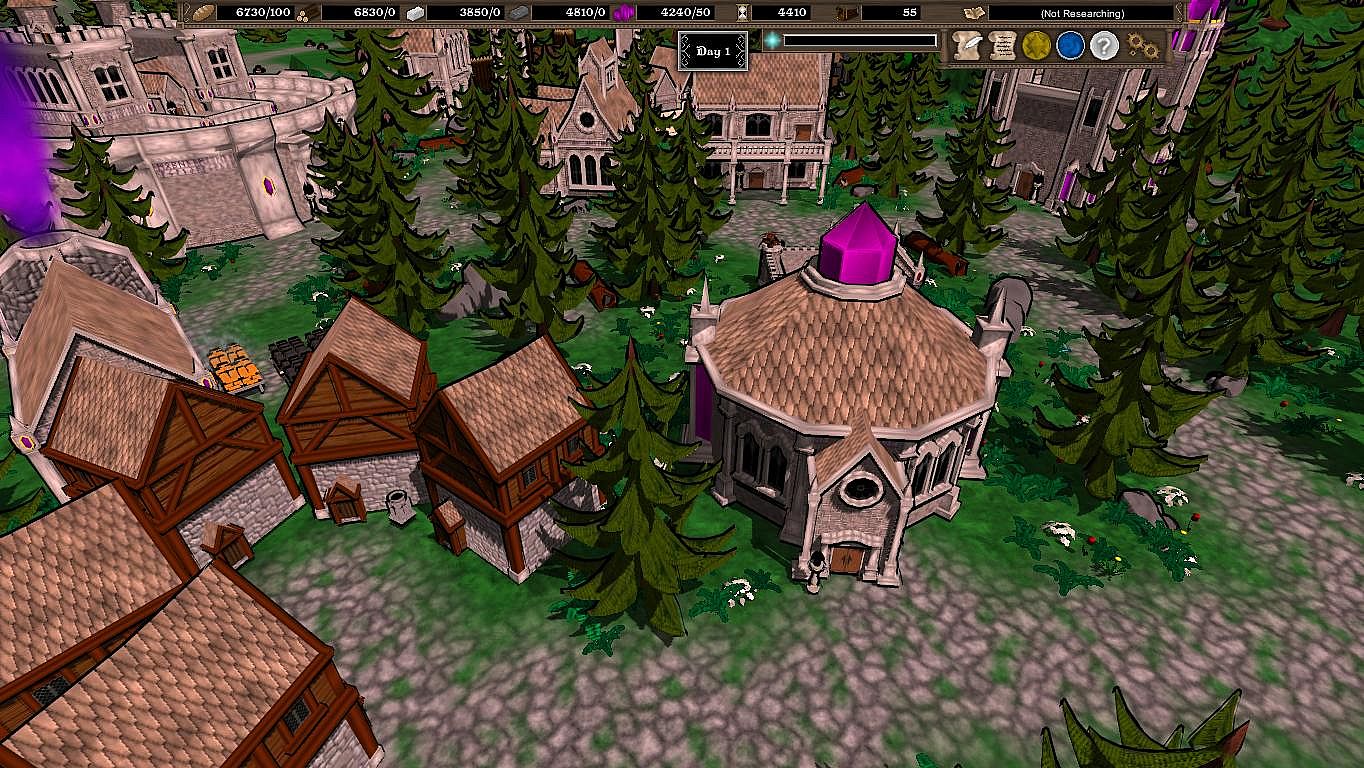
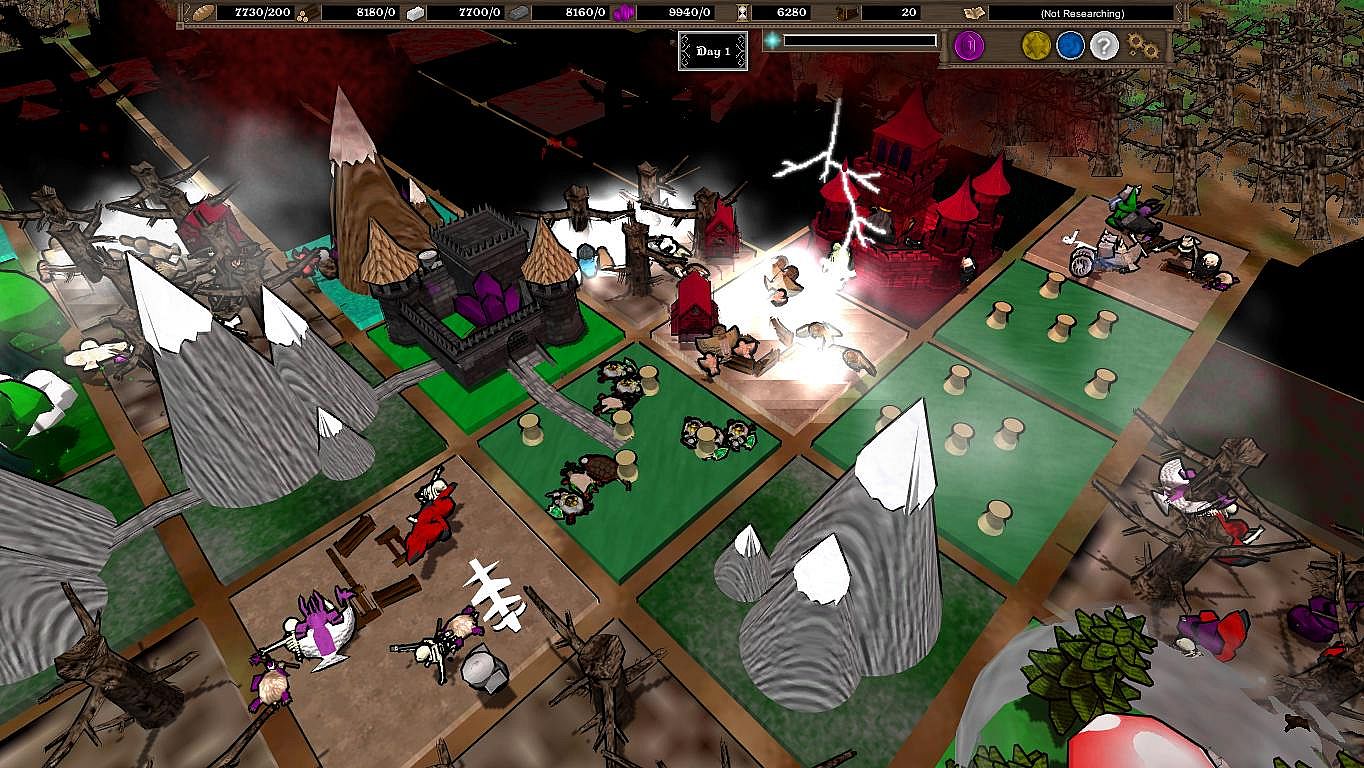
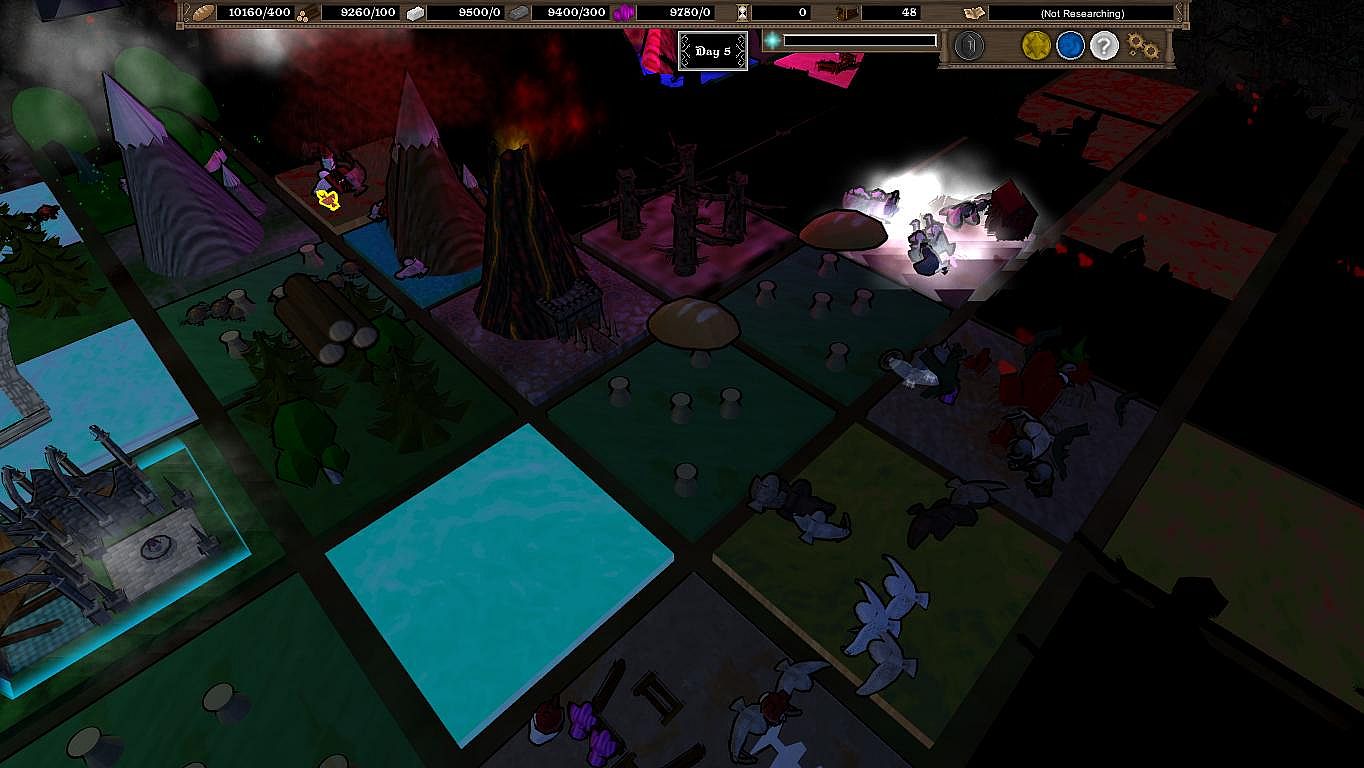
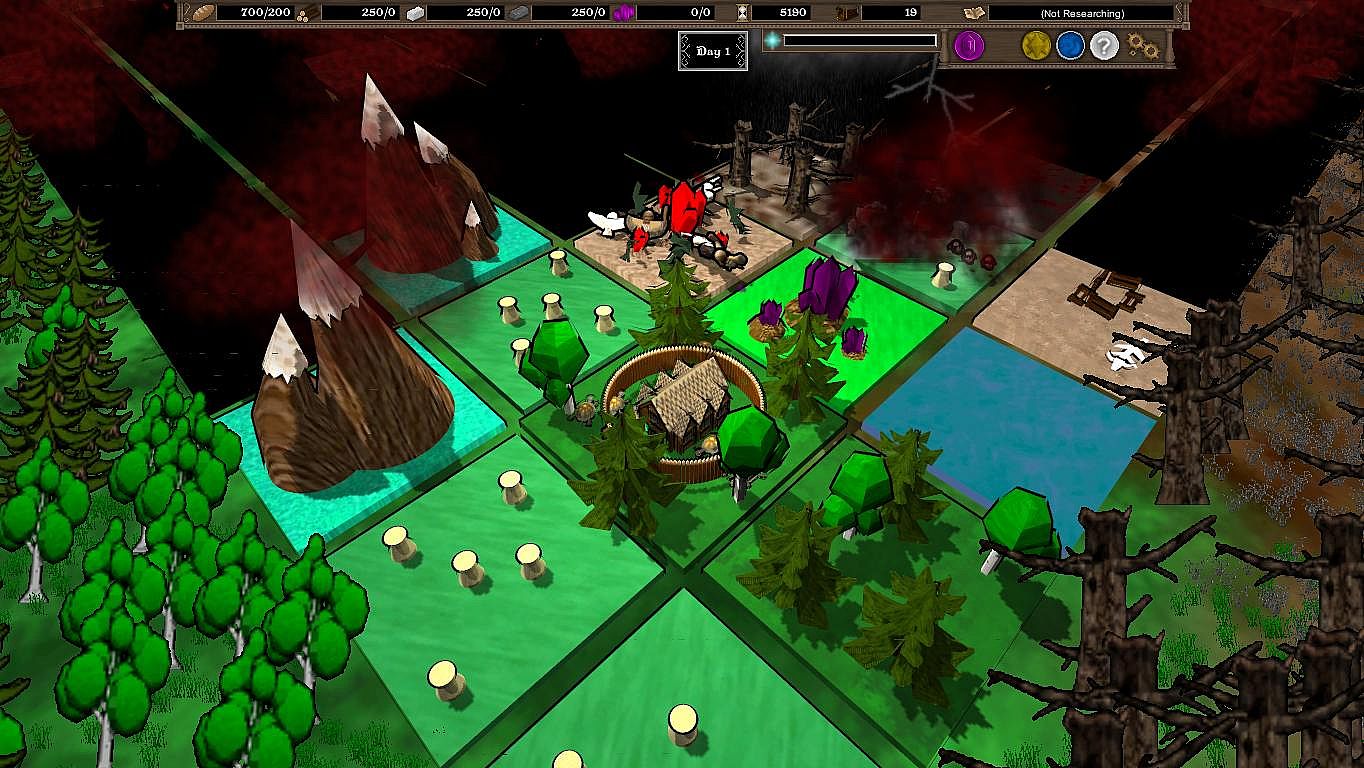
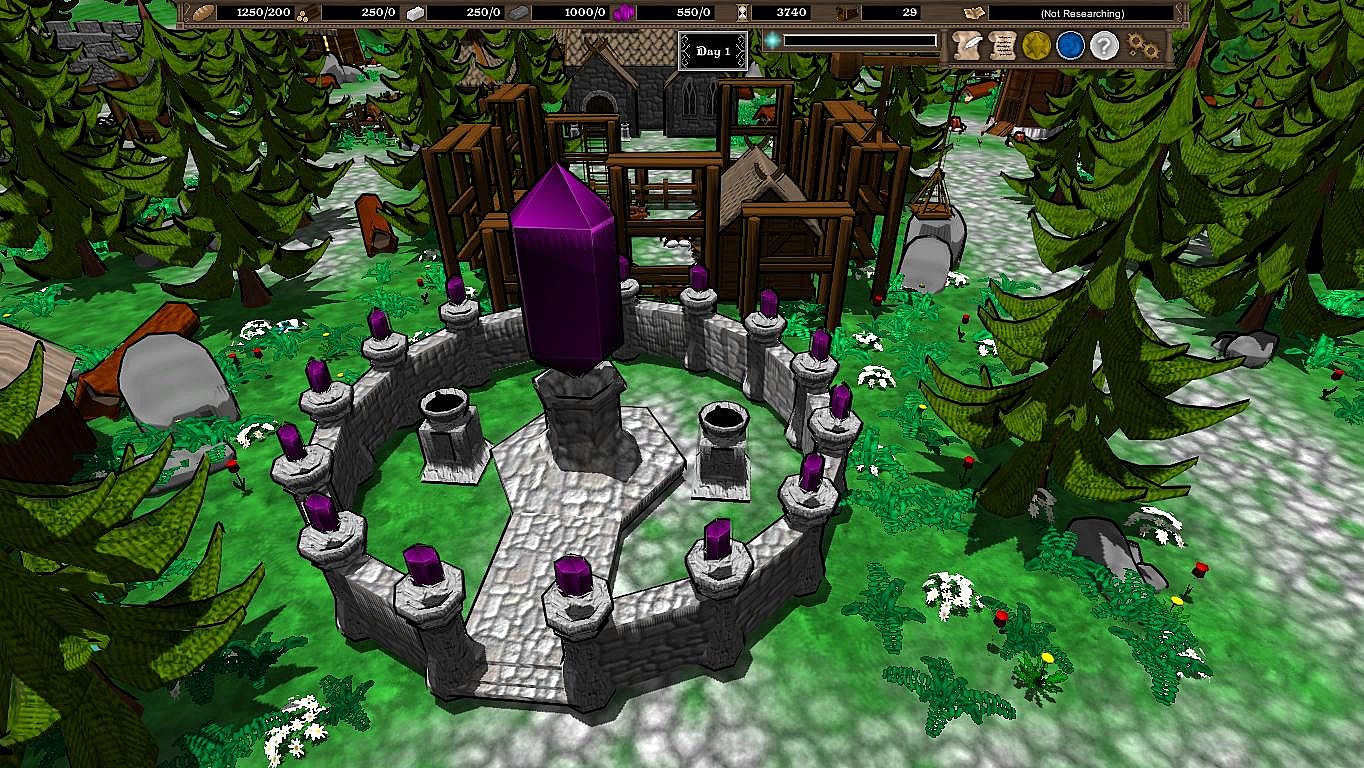
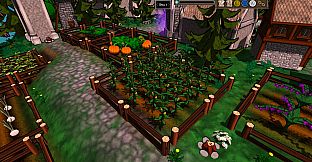
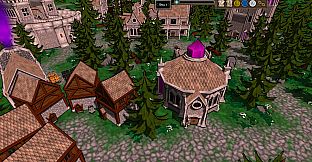
The core loop involves allocating time as a limited resource each turn based on workforce size. This determines how many actions such as construction, research, or army movement can occur before the next phase. Players gather resources from the map, clear goodie huts for rewards, and expand infrastructure to support larger forces. Agriculture plays a direct role by providing crop-based buffs that strengthen units once battles begin.
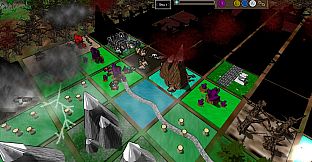
Research unlocks new technologies that open additional units, spells, and capabilities. Magic operates on the campaign map for both offensive and defensive purposes, adding another layer to positioning and timing. Heroes and villains join the roster and influence nearby troops by boosting allies or weakening enemies through their presence alone. Dozens of distinct units are available to command or face in opposition.
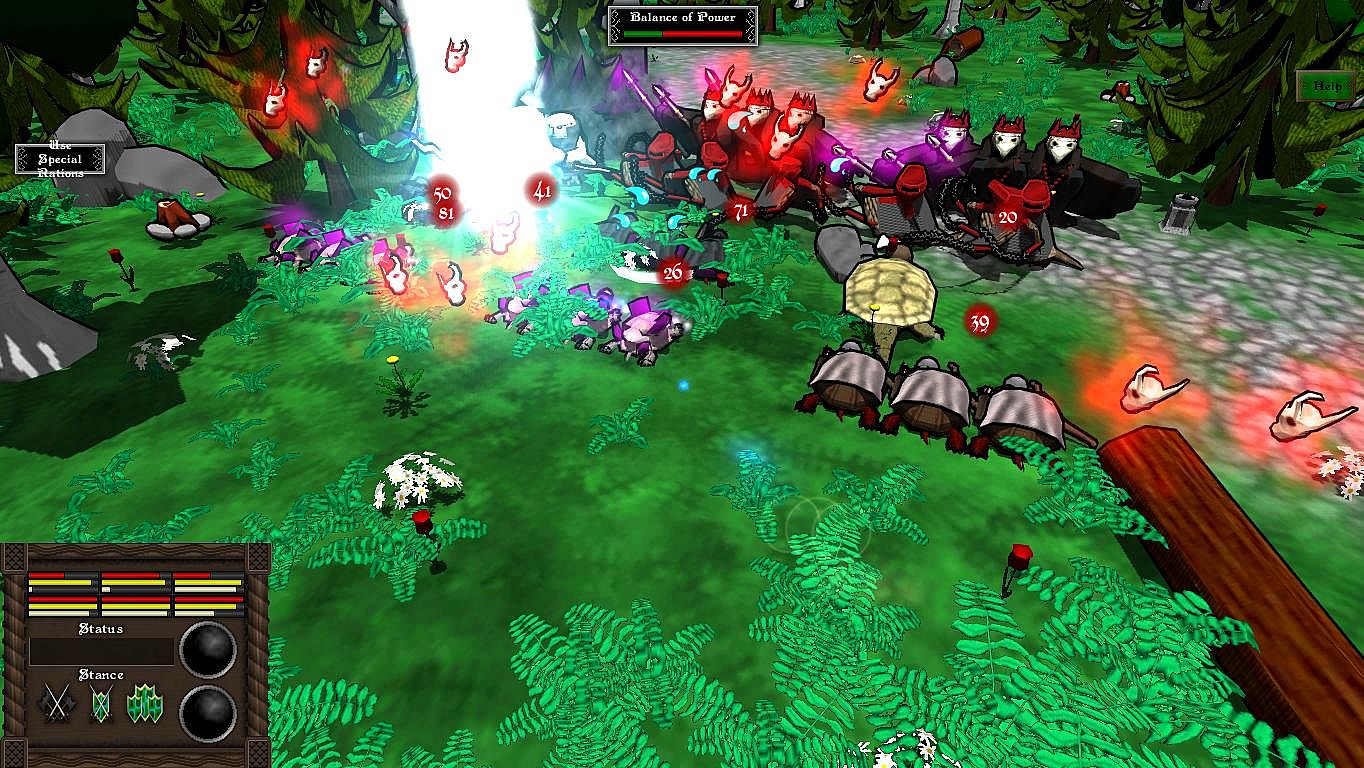
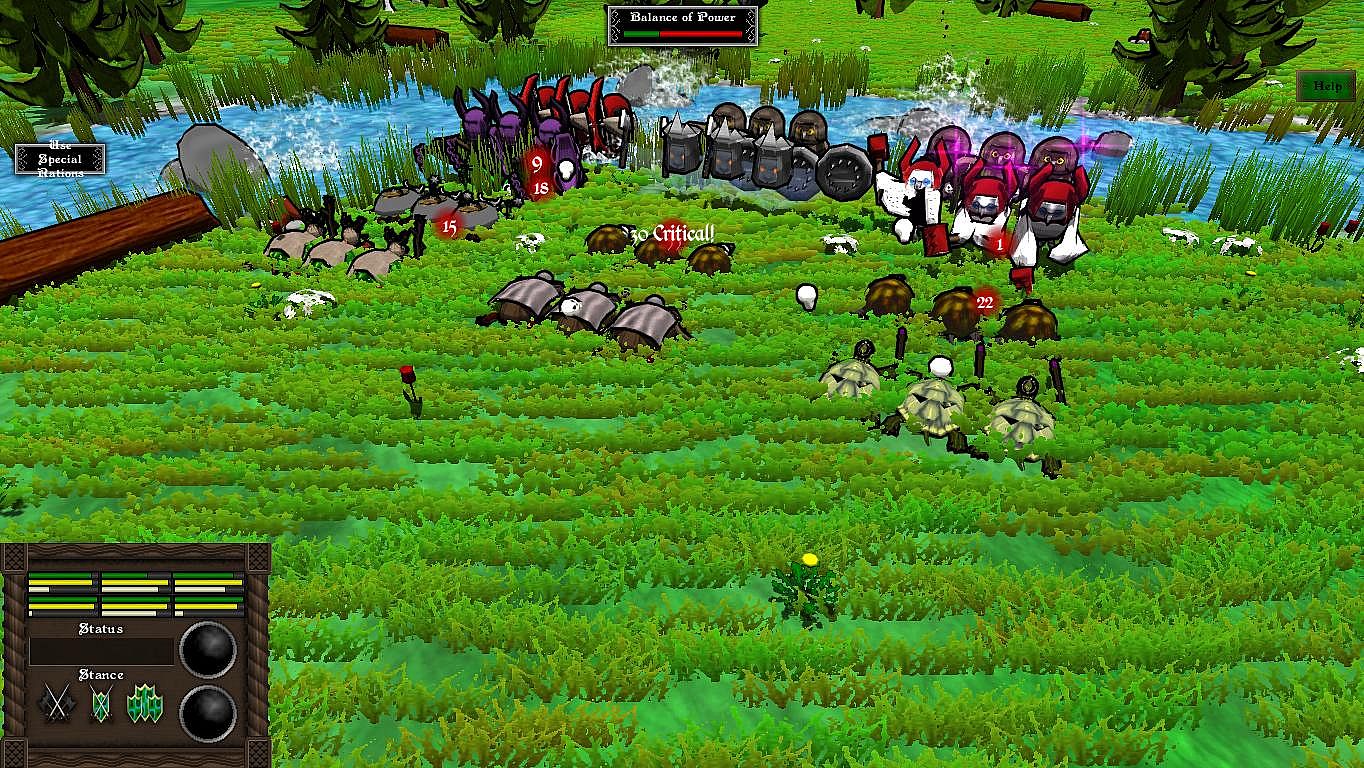
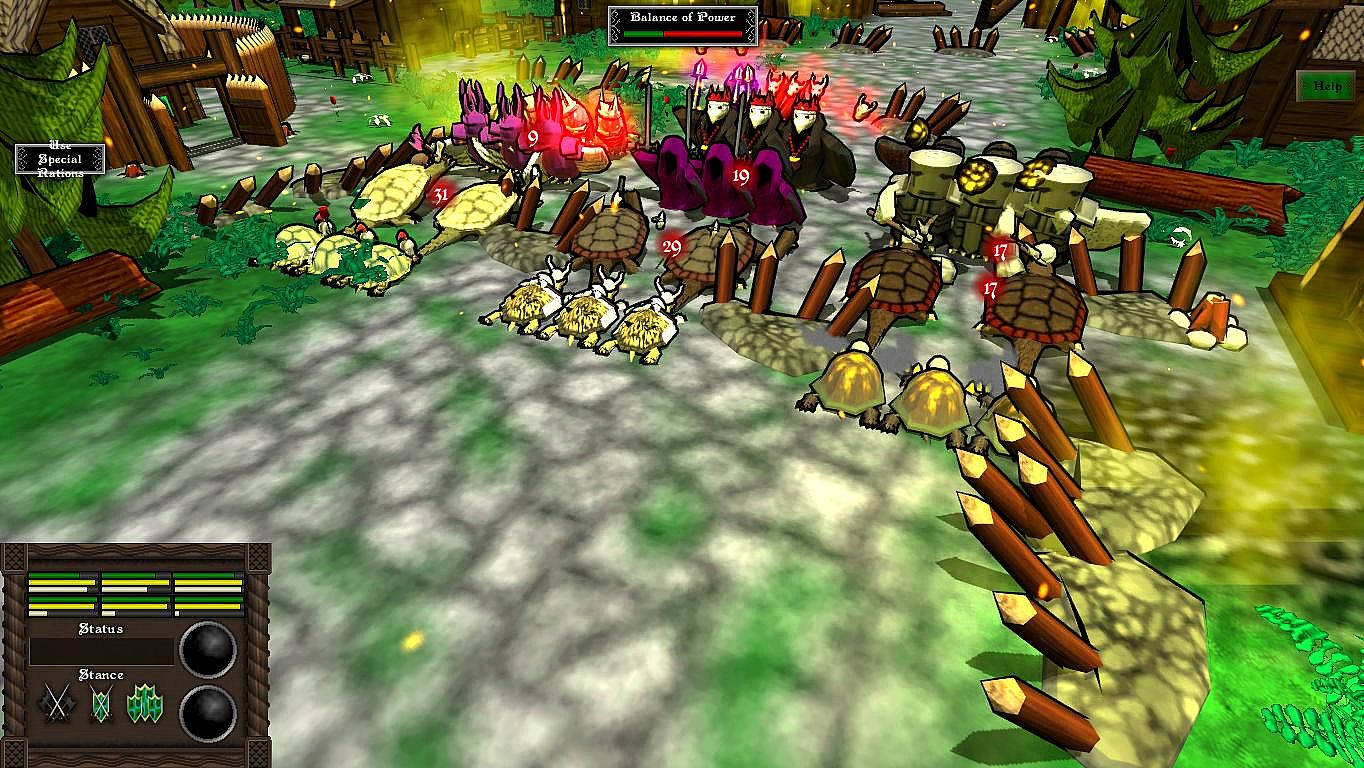
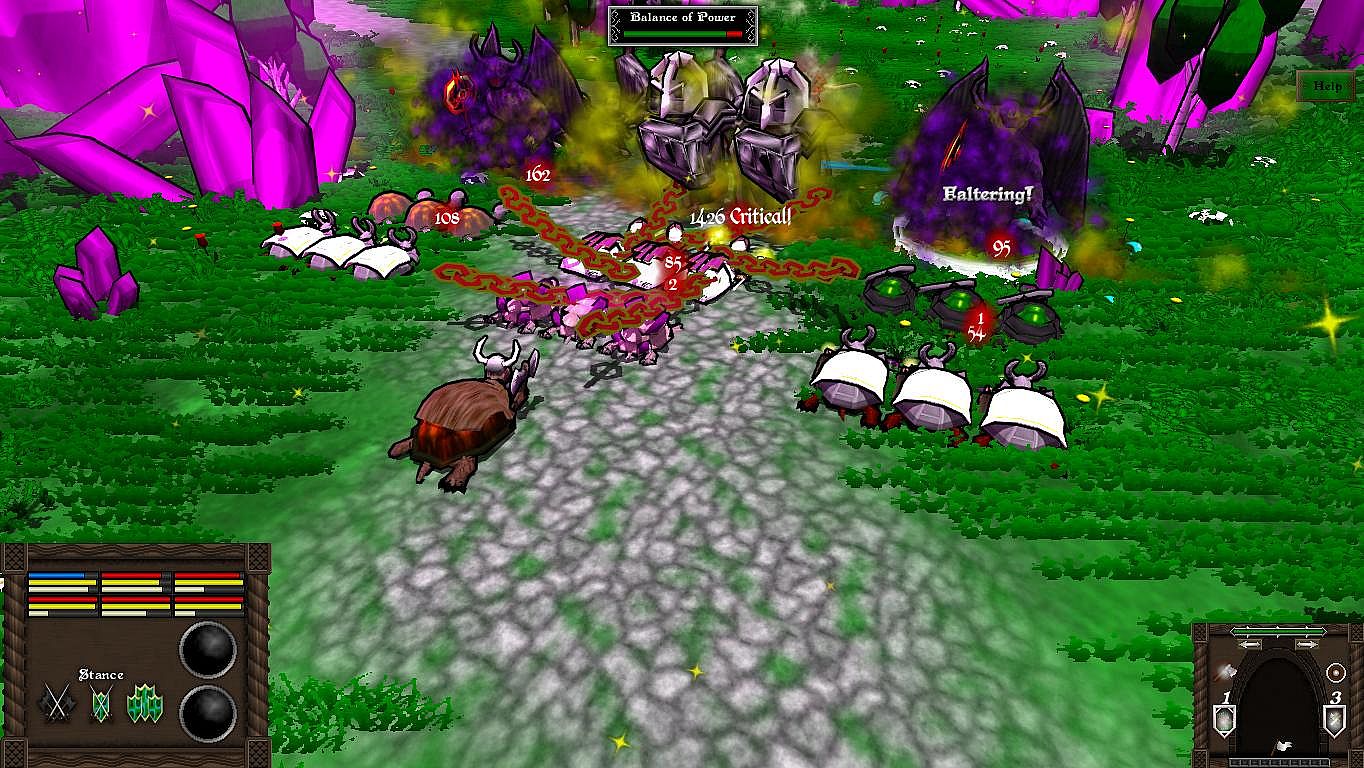
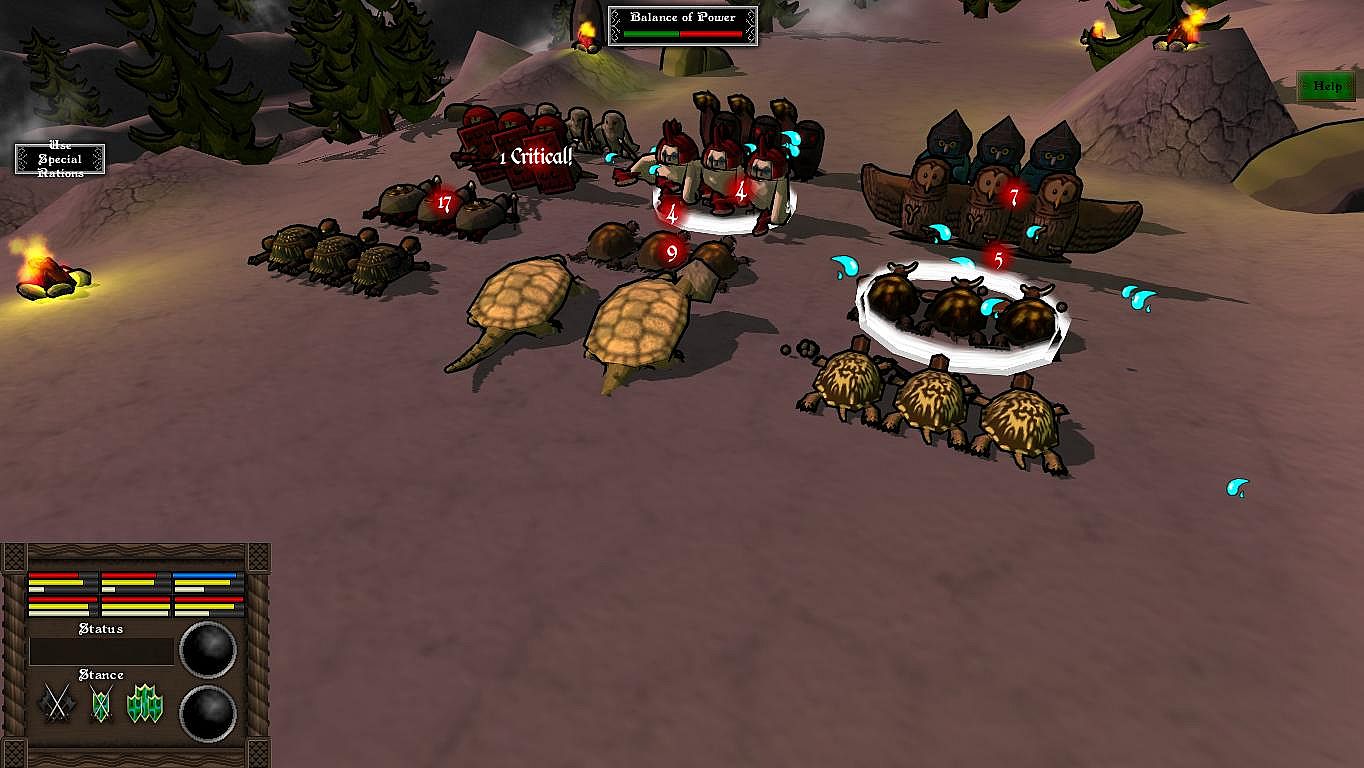
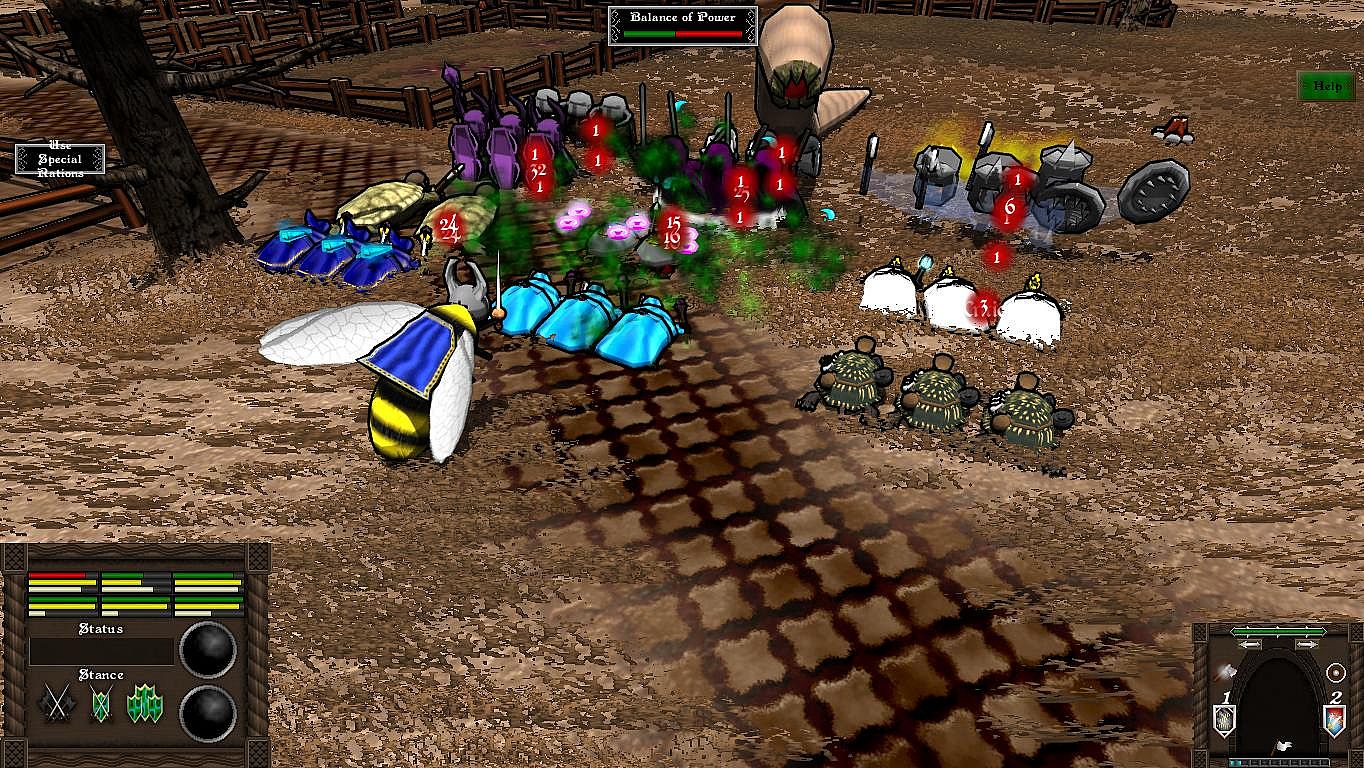
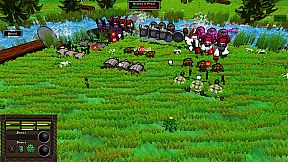
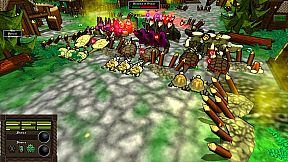
Combat shifts to real-time battles that incorporate a dual rock-paper-scissors system. This mechanic requires quick adaptation to unit matchups while accounting for the buffs and debuffs carried in from the campaign layer. The overall pace remains brisk even though the strategic layer stays turn-based.
Game Modes
The game centers on a single-player campaign that unfolds across a randomly generated map at the start of each run. This procedural element changes terrain layout, resource placement, and enemy positions, which directly supports repeated playthroughs without identical experiences. Progress involves pushing armies toward the enemy warlord's keep while managing settlement growth and hero recruitment along the way.
No separate competitive or cooperative modes appear in the design. The focus remains on the campaign structure, where each attempt builds on the same foundational systems but delivers fresh strategic challenges due to the map variation.
Units, Heroes, and Progression
Army composition draws from a roster of units that players train and upgrade through infrastructure and research. Heroes add personality and tactical value by inspiring troops or disrupting opponents in their vicinity. Villains serve a similar but opposing function when encountered. Progression feels steady as technologies and settlement improvements gradually expand options for both economy and military strength.
Exploration rewards players who clear goodie huts scattered across the map. These locations provide tangible benefits that can accelerate settlement development or strengthen armies for upcoming confrontations. The combination of map-based collection and settlement building creates a steady sense of forward momentum between battles.
Is It Worth Playing?
Siege of Turtle Enclave suits players who enjoy turn-based strategy games that incorporate real-time combat resolution and procedural map generation. The emphasis on time management, infrastructure choices, and hero integration offers depth for those who like planning across multiple layers rather than pure tactics or pure simulation. Random maps provide meaningful replay value for anyone willing to experiment with different settlement builds and army compositions.
Reception centers on its niche appeal as an independent title with distinctive mechanics like the dual rock-paper-scissors battles and agriculture system. Those seeking a focused single-player campaign with consistent strategic variety will find the most alignment with its design. Availability on PC makes it accessible for anyone interested in this specific blend of turn-based oversight and real-time execution.