















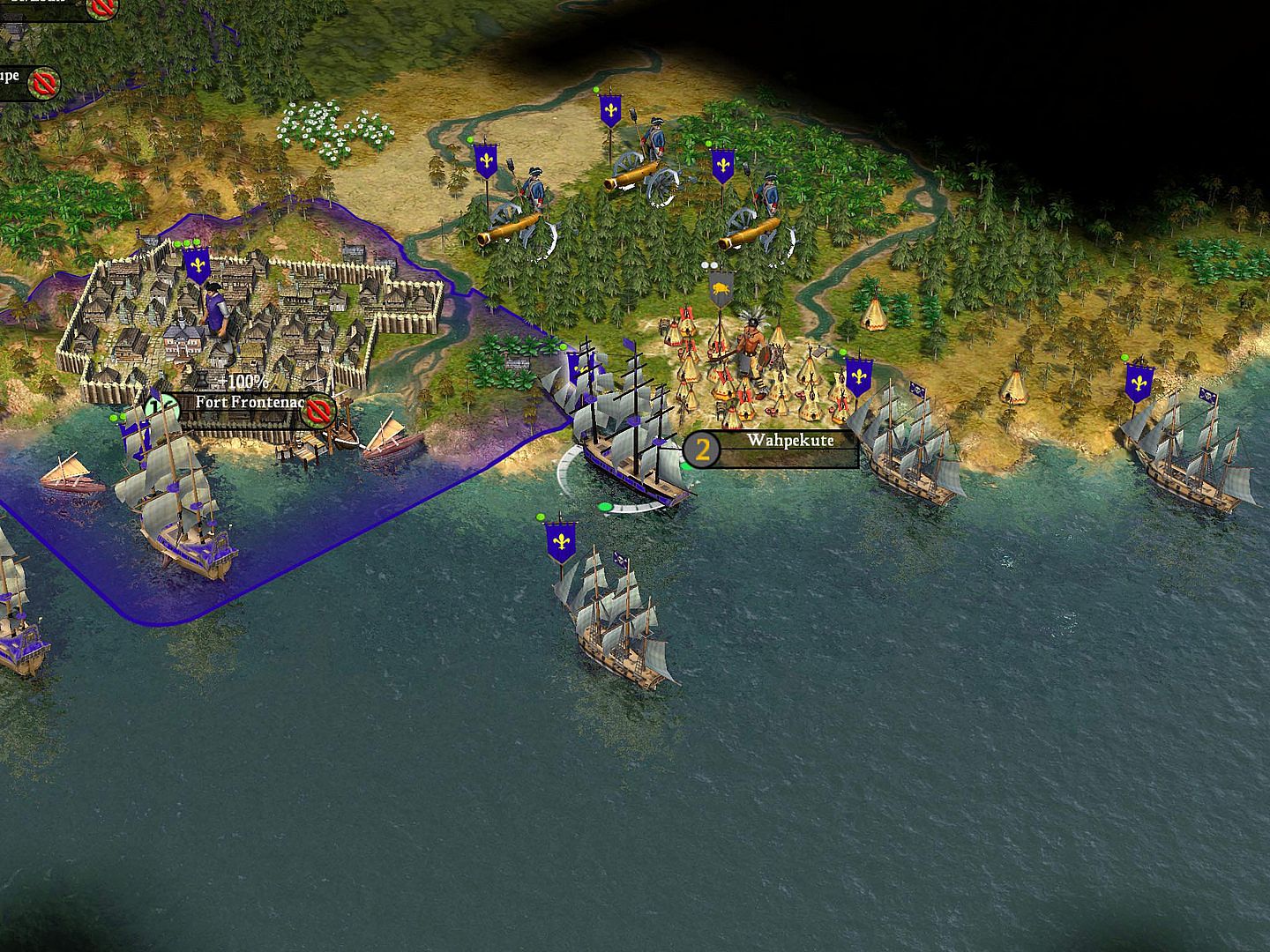
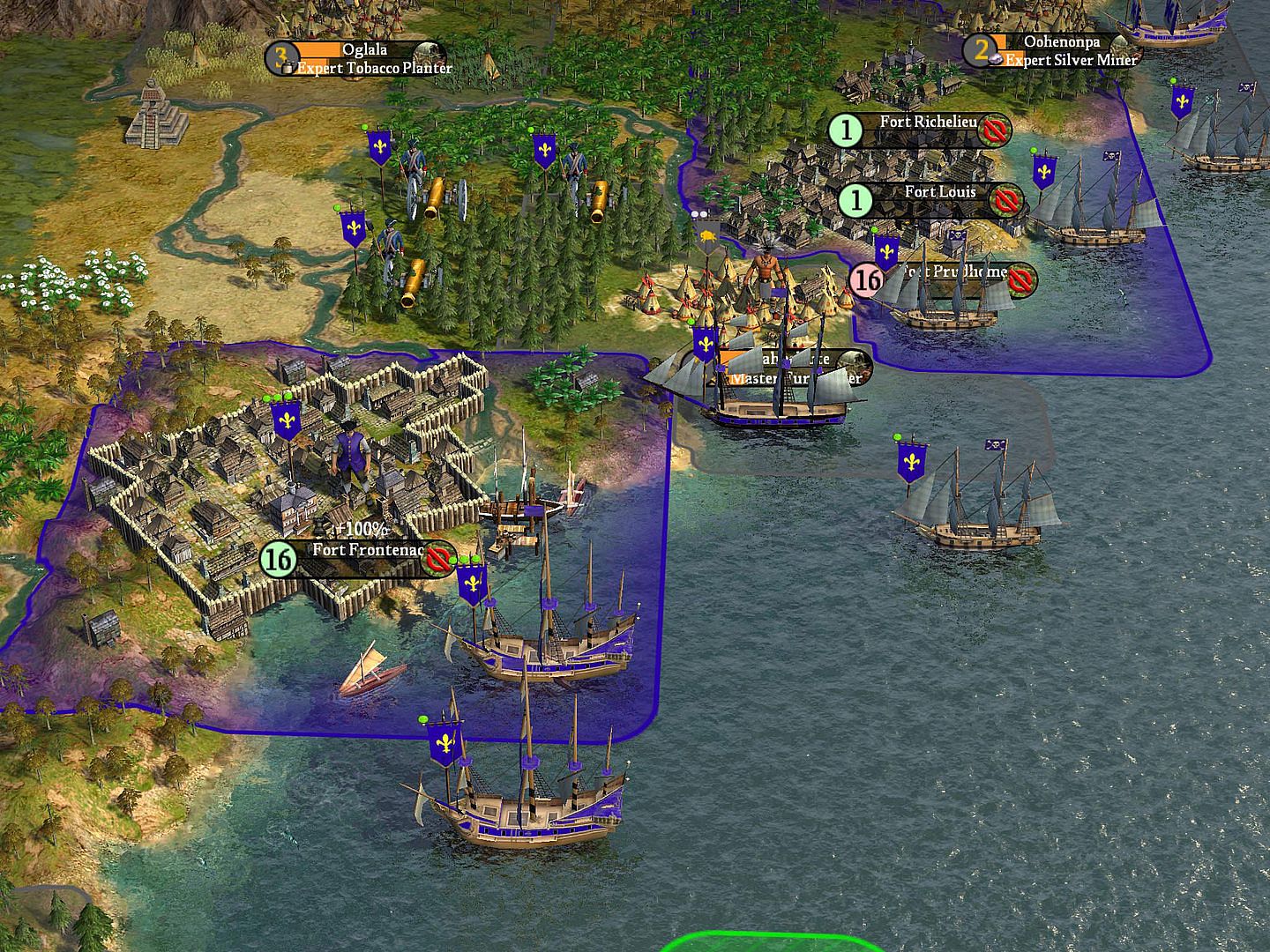
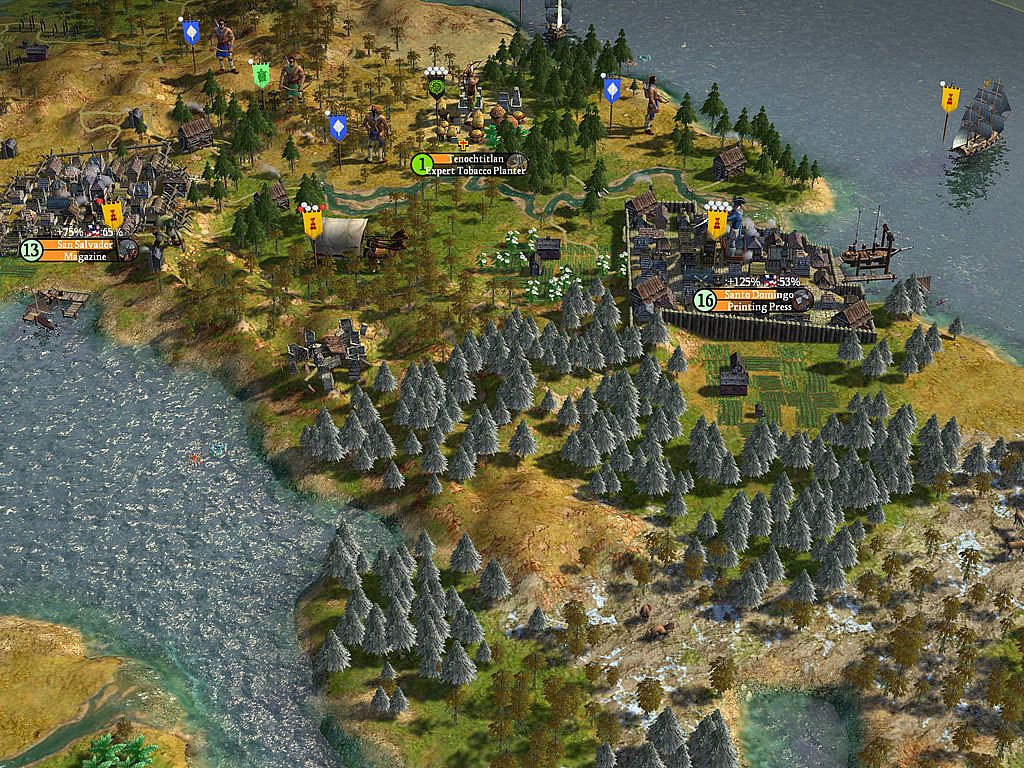
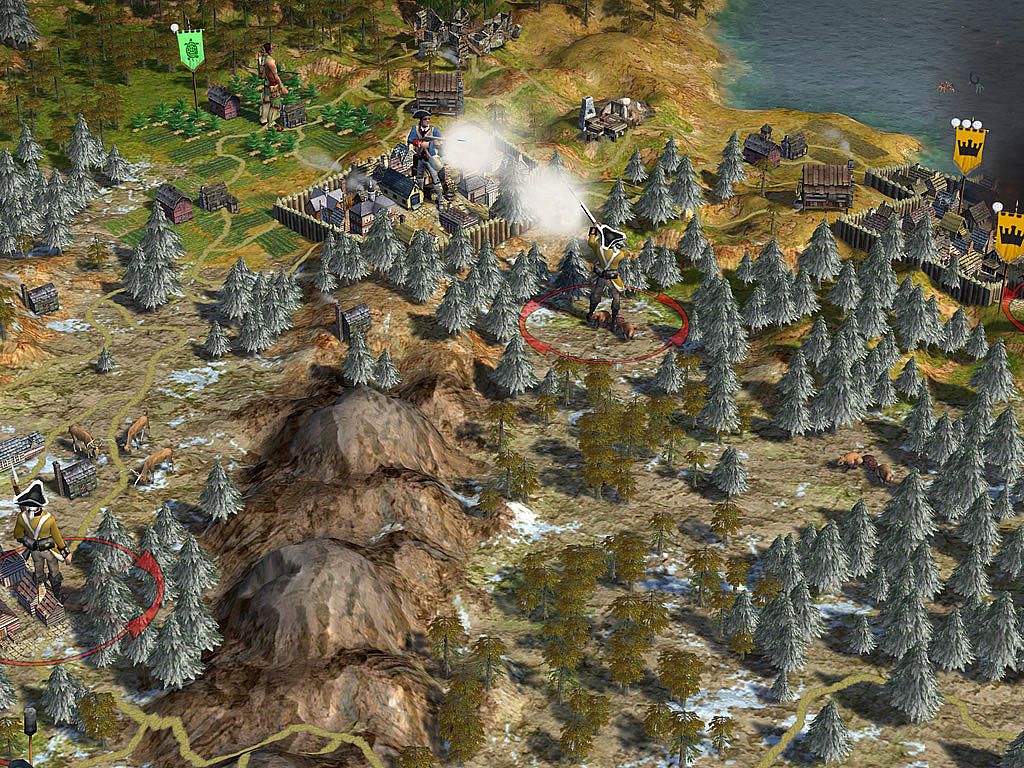
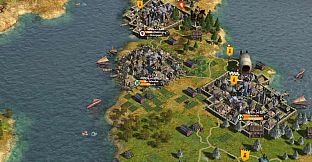
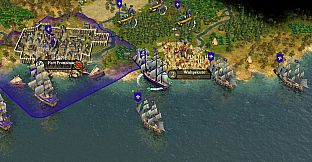
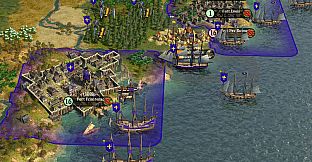
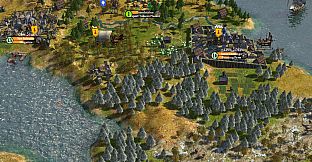
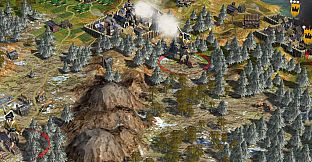
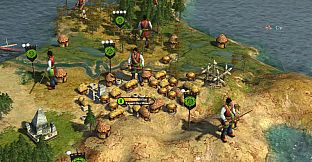
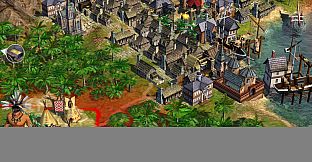
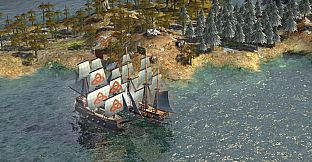
Sid Meier's Civilization IV: Colonization stands as a turn-based strategy game that places players in command of one of four European powers seeking to establish and expand settlements across the New World. The experience centers on guiding colonists away from their homeland, developing self-sufficient outposts through resource production and trade, and eventually declaring independence through armed conflict. Built on the Civilization IV engine, it emphasizes economic management, diplomatic interactions, and military preparation over broad technological advancement.
Gameplay
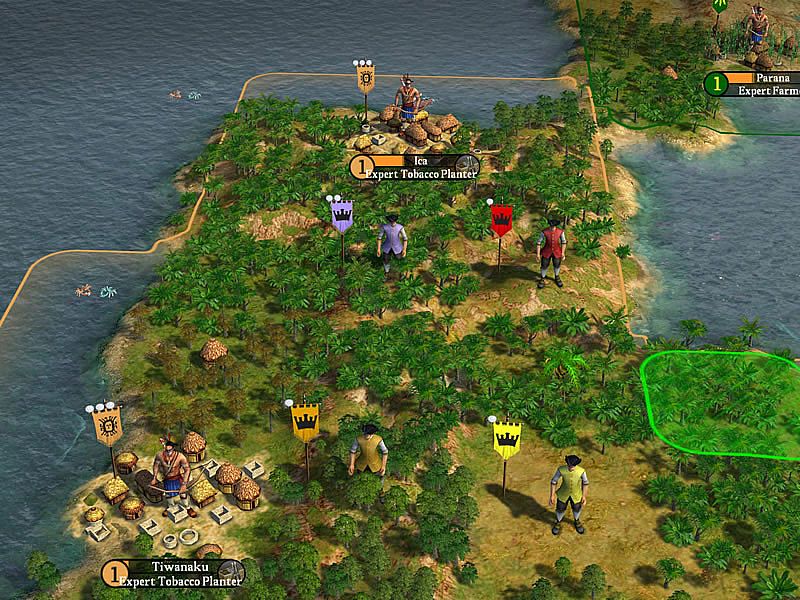
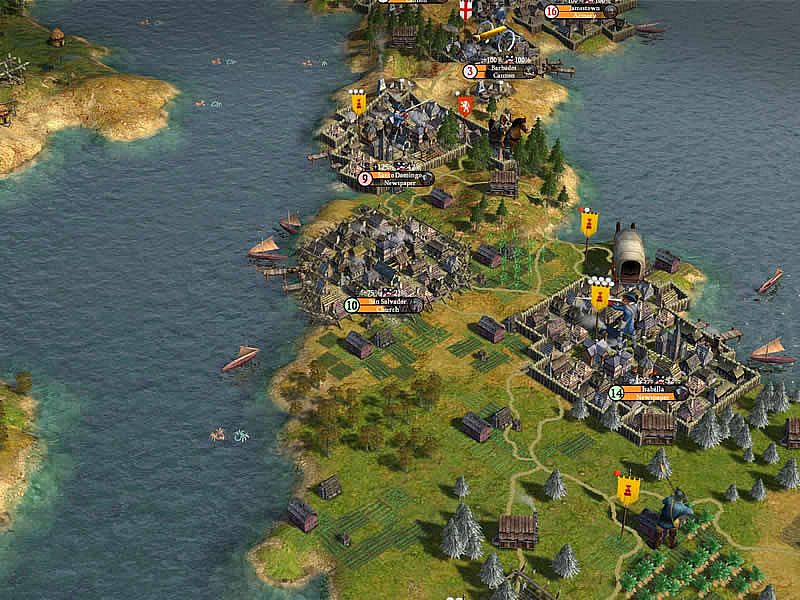
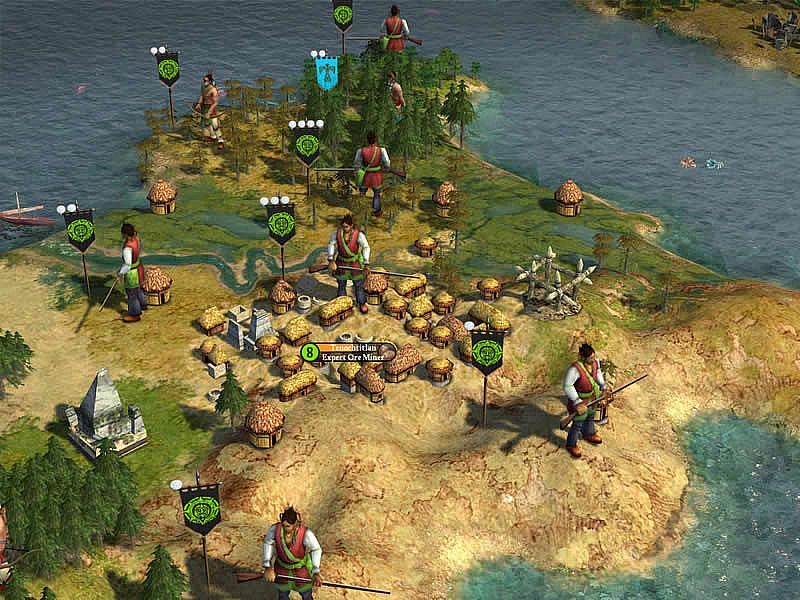
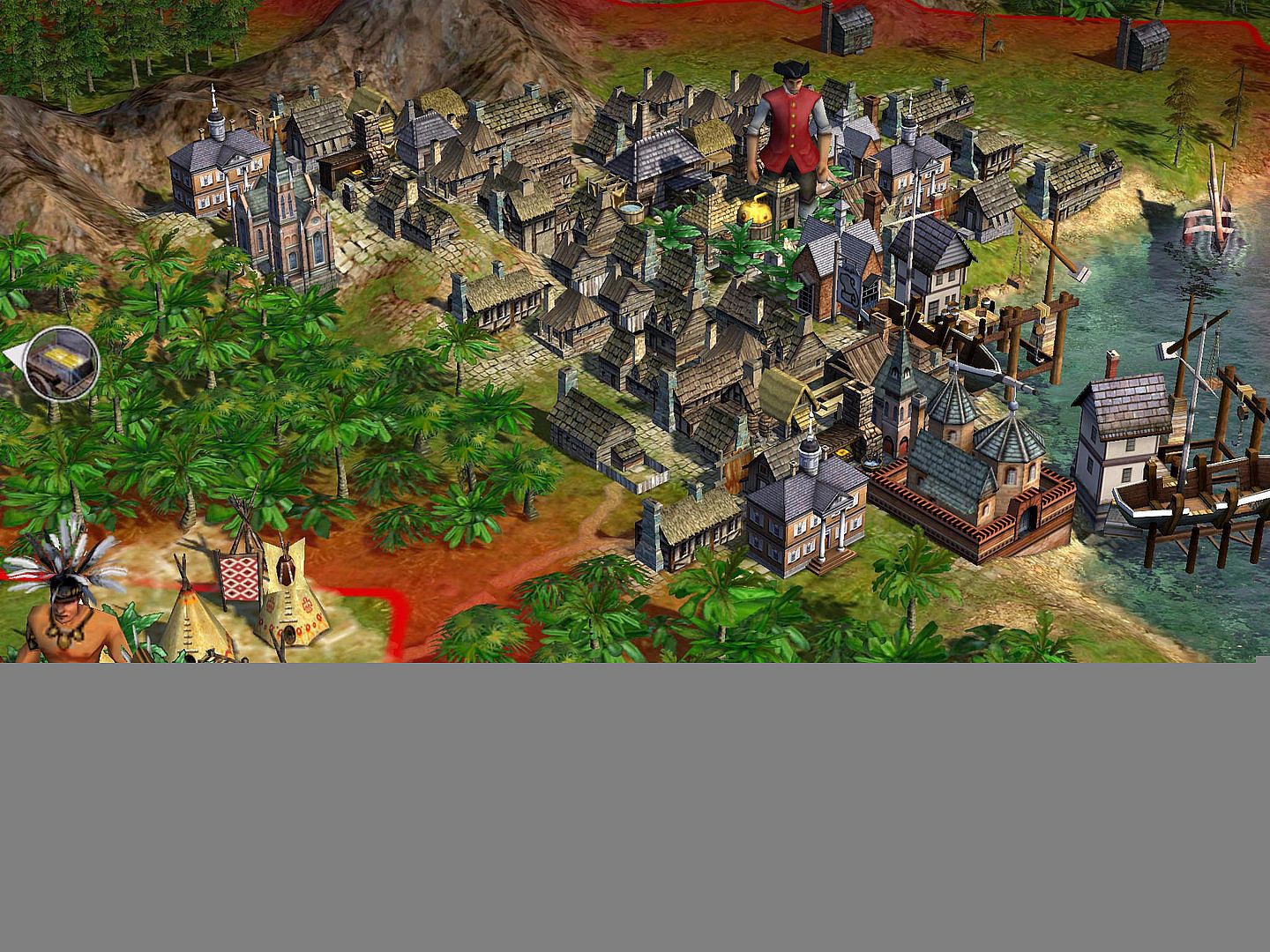
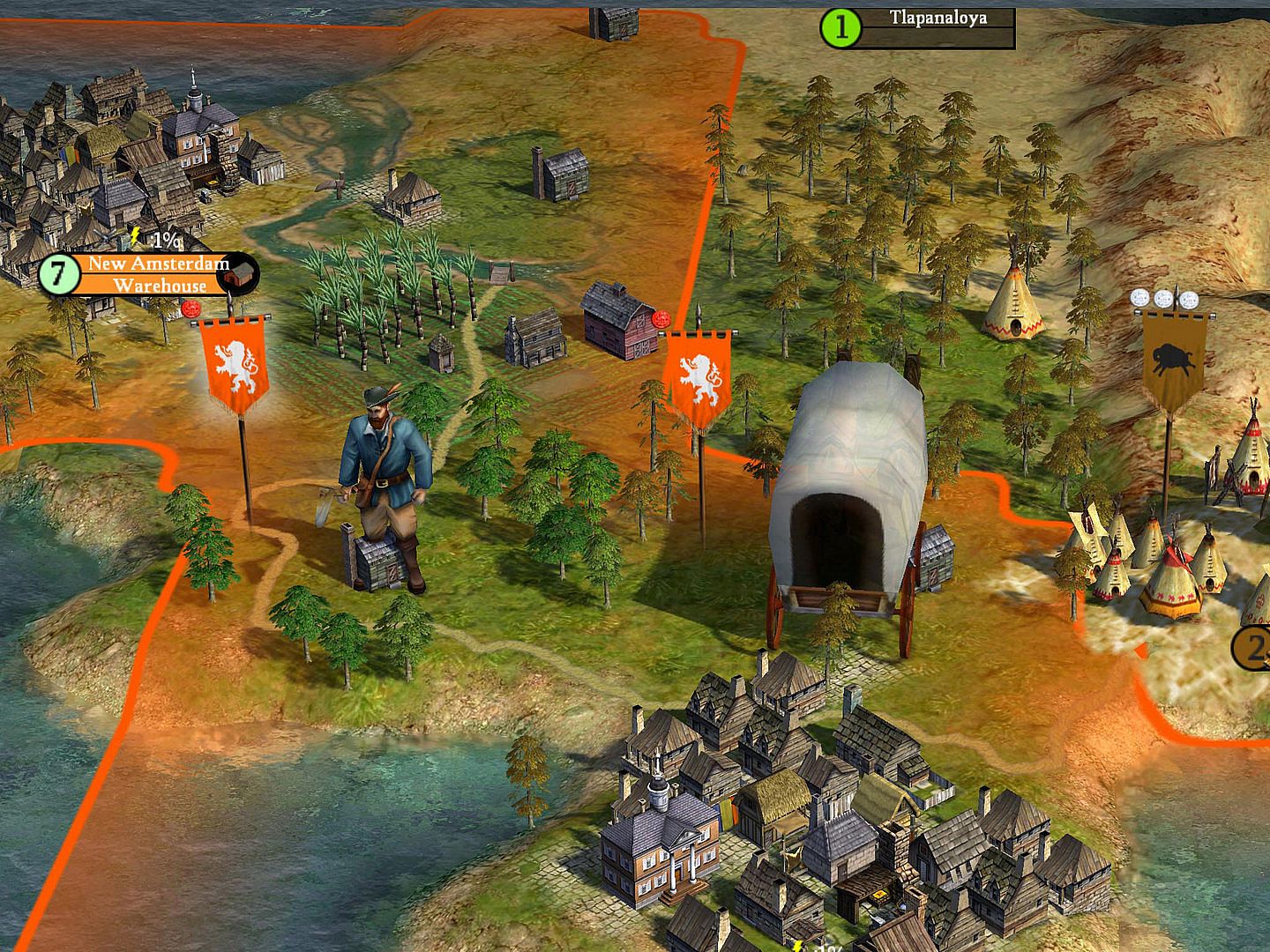
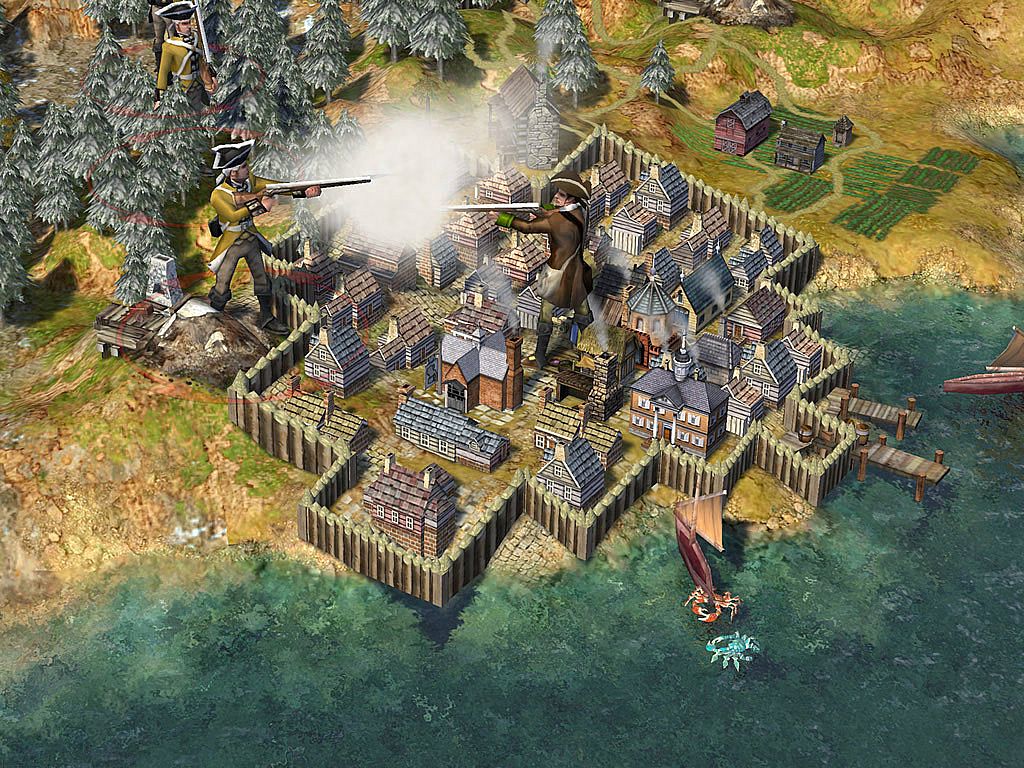
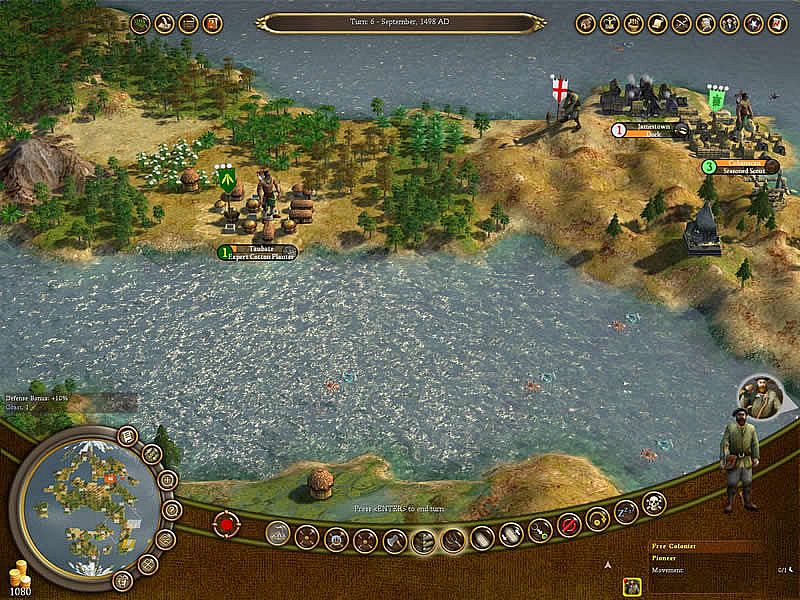
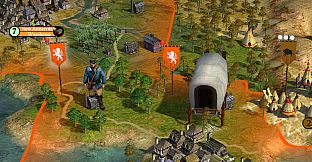
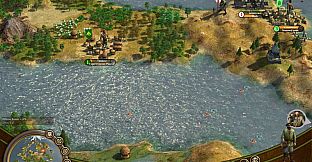
Core play revolves around founding and growing colonies on a map representing the Americas. Players select from the English, Spanish, French, or Dutch to begin, each bringing distinct starting advantages in trade or exploration. Settlements produce goods such as lumber, tobacco, and rum that can be sold back to Europe for gold, which funds further expansion and unit recruitment. Units arrive primarily through purchases from the homeland rather than local construction, shifting focus toward logistics and supply chains.
Diplomacy plays a central role with native tribes and rival colonies. Negotiations cover resource exchanges, land deals, and alliances that help sustain growth without constant warfare. Historical figures known as Founding Fathers join the cause once players accumulate sufficient points across five categories: military, trade, exploration, religion, and politics. These individuals grant permanent bonuses tailored to different playstyles, such as improved liberty bell production or reduced recruitment costs.
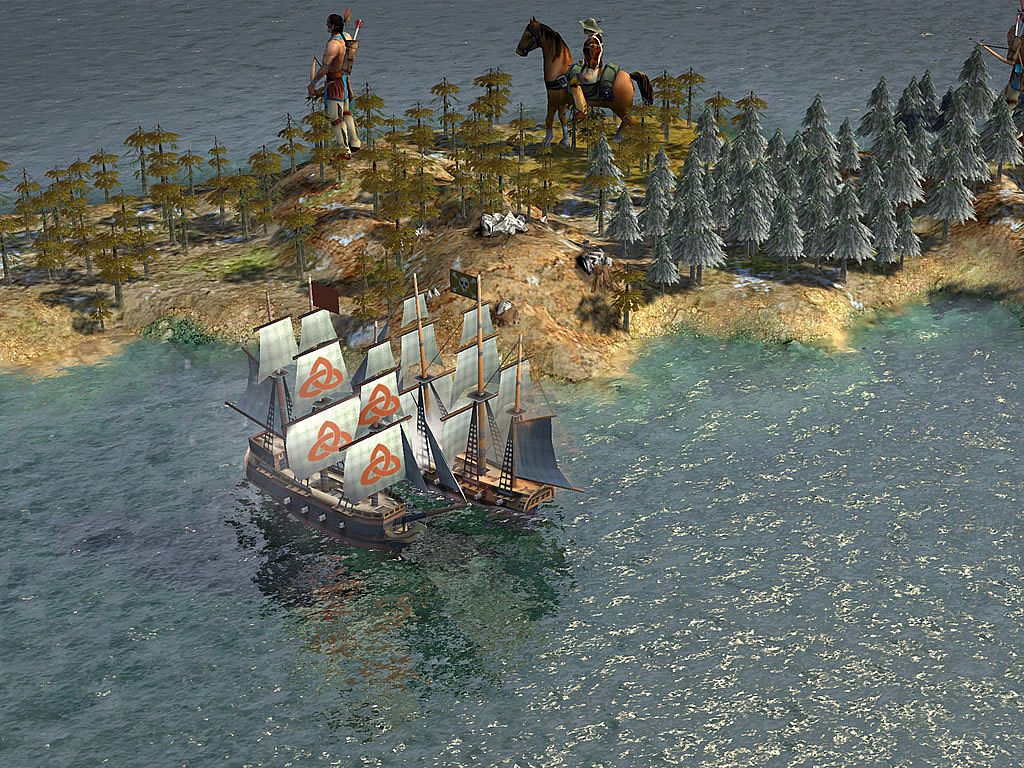
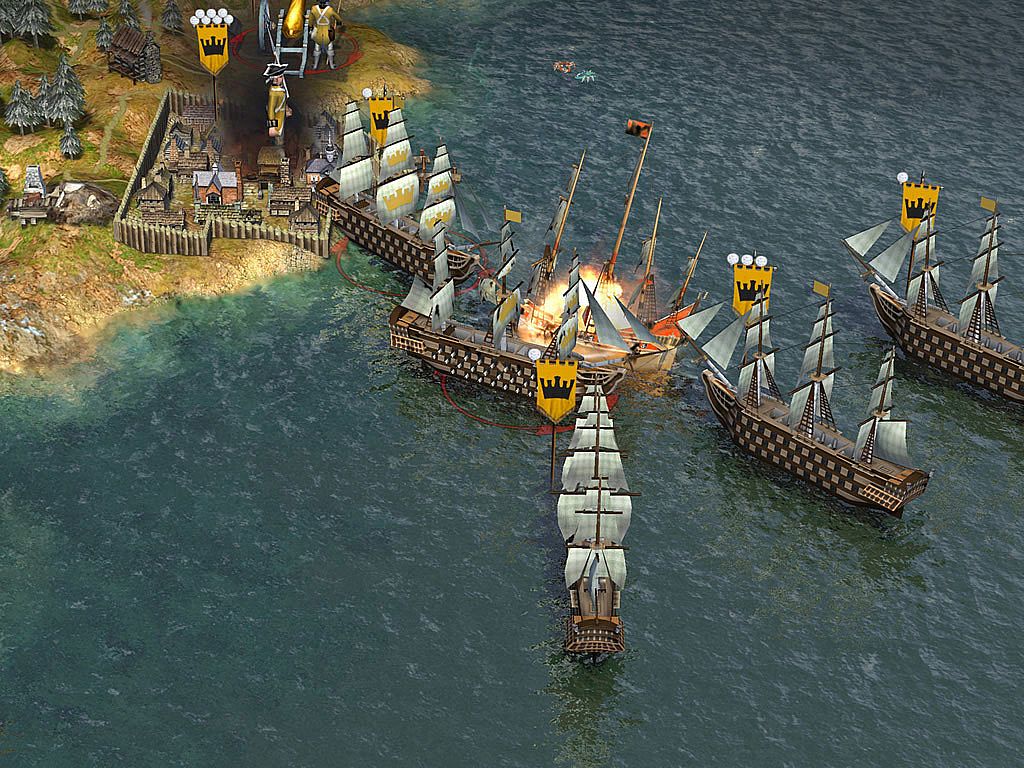
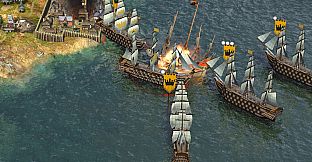
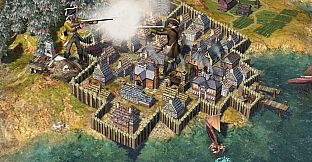
Combat occurs both on land and at sea once independence is declared. The player must amass forces to repel the mother country's royal expeditionary force while preventing other colonies from achieving freedom first. Economic decisions directly influence military readiness, as excess production converts into the political support needed for the final break from European control.
Game Modes
Single-player campaigns form the primary experience, allowing full control over colony development and the path to independence on maps of varying sizes. Multiplayer options extend the competition through internet connections, play-by-email turns, hotseat sessions on one computer, and local area network play. These modes support direct rivalry among friends or strangers as each faction races toward its own declaration of freedom.
Modding tools ship with the game, including a map editor and support for XML and Python modifications. Community creations can alter balance, add content, or refine mechanics while preserving the foundational systems of trade, diplomacy, and independence warfare.
Colonies and Independence
Progression builds toward a decisive war of independence. Liberty bells generated through political activity and certain buildings raise rebel sentiment in colonies, unlocking the option to declare freedom. Success requires defeating the invading royal forces on the map before competing colonies reach the same milestone. Failure occurs if all settlements fall prior to victory.
Resource management remains tight throughout. Goods flow through production chains that reward efficient placement of specialists and buildings. Trade with Europe provides the capital for ships, soldiers, and specialists, while interactions with natives can yield additional benefits or conflicts depending on negotiation outcomes.
Is It Worth Playing?
The game delivers a focused strategy experience centered on economic simulation and timed military confrontation. Reviews from the period highlight its polished interface and deep systems for players who enjoy managing production lines and diplomatic relations. Ratings include 8.7 from IGN and 7 out of 10 from GameFAQs, reflecting strong appeal within the turn-based strategy audience.
Those seeking long sessions of colony building, trade optimization, and a climactic independence struggle will find substantial depth. The title remains available for purchase and runs on modern systems through its original platform. Mod support extends replayability for those interested in community refinements. It suits dedicated strategy enthusiasts more than casual players due to its specialized mechanics and lack of ongoing updates.