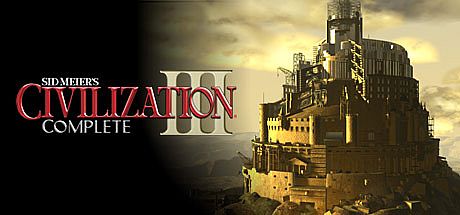















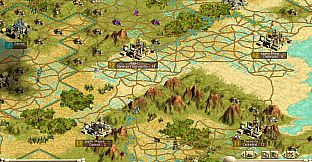
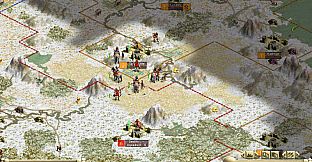
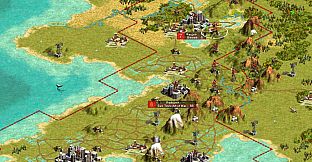
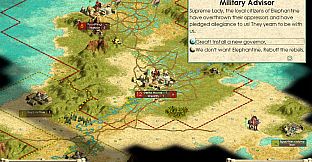
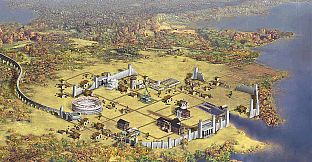
Sid Meier's Civilization III Complete is a turn-based strategy game that places players in control of a civilization from ancient times through the modern era. The title combines the original game with its two major expansions to deliver an expanded experience focused on empire building, technological progress, and strategic decision making on the PC platform.
Gameplay
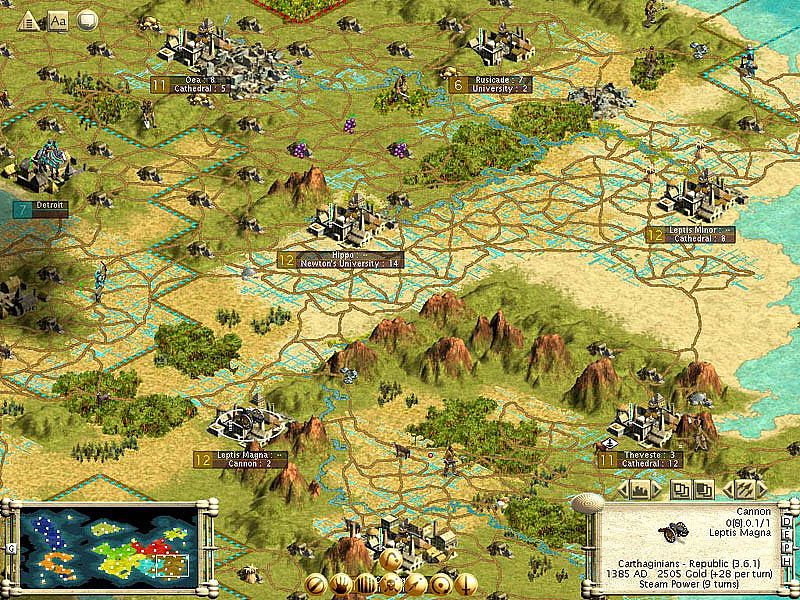
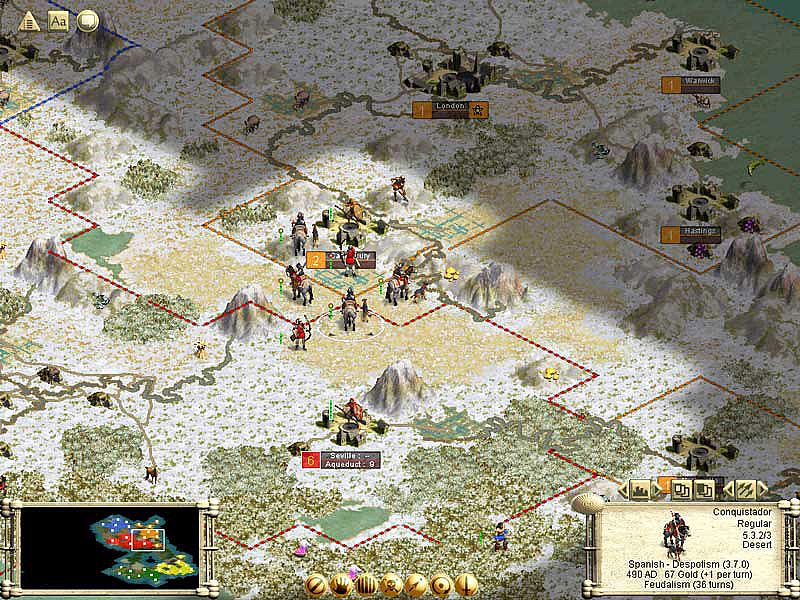
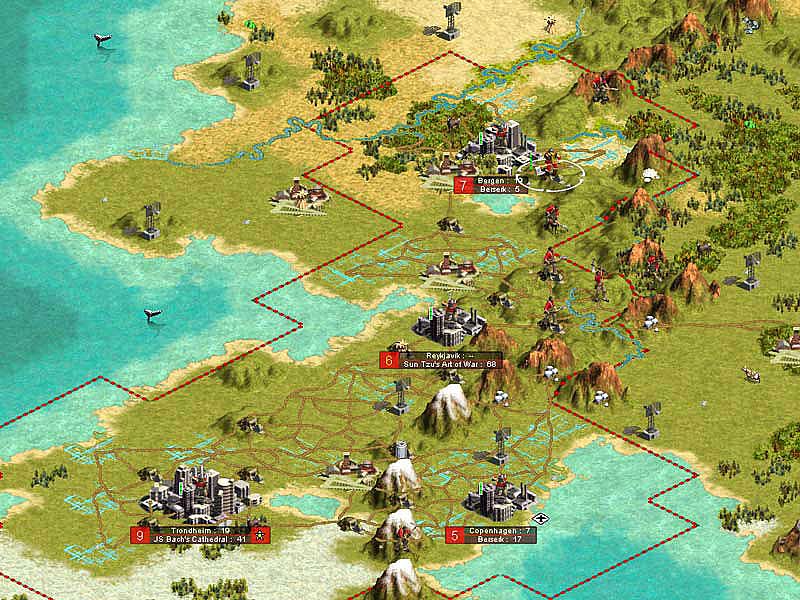
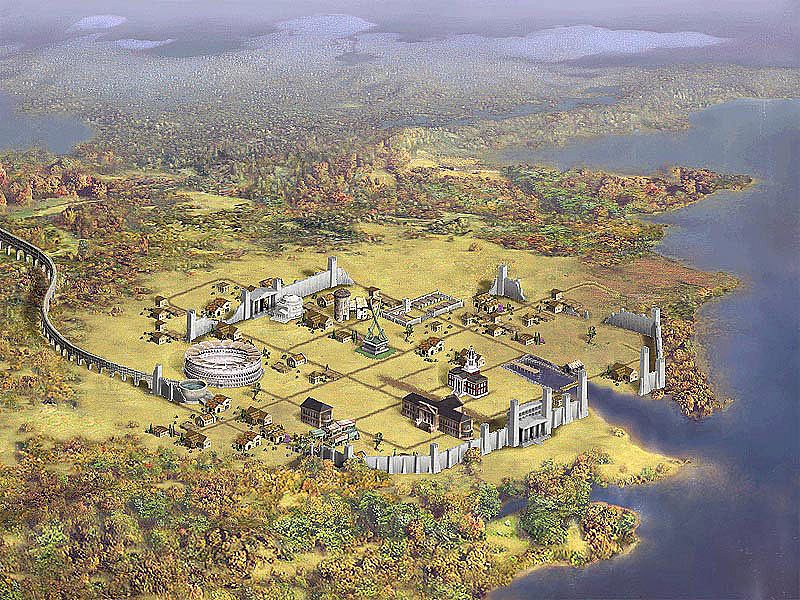
The core loop revolves around managing cities, researching technologies across four distinct ages, and expanding territory while balancing military, economic, and cultural needs. Players start with a settler unit and must establish settlements, improve terrain with workers, and allocate production between infrastructure, units, and wonders of the world. Resources appear on the map and influence city output and unit capabilities.
Civilizations receive two traits chosen from a set of eight options, each providing specific bonuses such as improved agriculture or seafaring advantages. Every civilization also features a unique unit that replaces a standard one and offers tactical edges in combat. The culture system allows borders to expand peacefully and supports one path to victory through assimilation of neighboring territories.
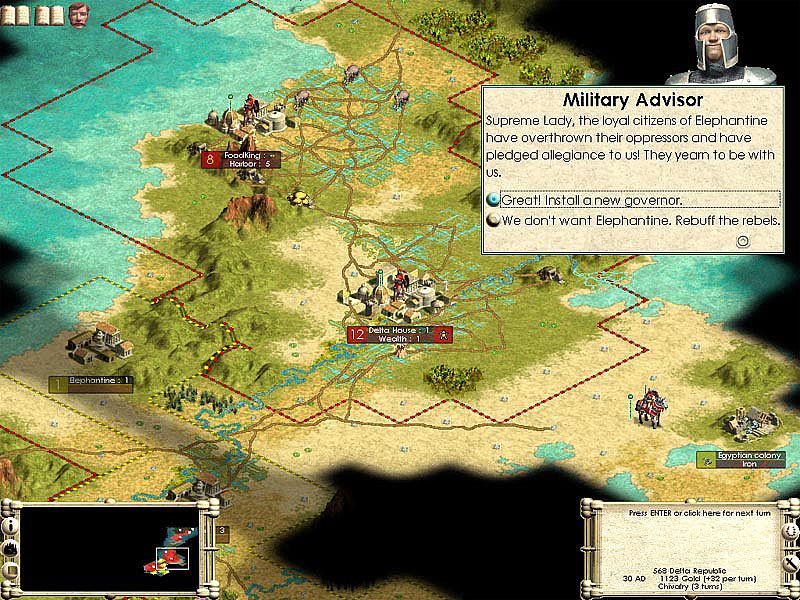
Diplomacy includes trade agreements, alliances, and declarations of war, while the technology tree branches into military, economic, and scientific advances. Combat follows a weighted system where unit statistics, terrain, and support determine outcomes. Government types evolve with research and affect happiness, production, and military maintenance.
Game Modes
Standard play supports single-player campaigns against AI opponents on customizable maps with adjustable victory conditions. These include domination through land and population control, space race completion, cultural dominance, diplomatic leadership via the United Nations, and total conquest.
Expansions introduce shorter game modes designed for quicker sessions and a collection of scenarios that impose specialized rules and victory requirements. Multiplayer operates through local area network connections following the suspension of online servers in 2014.
Key Mechanics and Features
Terrain improvement and resource management form the foundation of city growth and unit support. The addition of visible resources on the map adds a layer of strategic placement for improvements and trade routes. Wonders provide powerful bonuses that can shift the balance of power when completed first.
Players navigate eras by researching prerequisite technologies, unlocking new units, buildings, and government options. The trait system encourages different playstyles, with combinations rewarding expansion, defense, or scientific focus depending on map conditions and opponents.
Is It Worth Playing?
Player reception has remained positive over the years, with critics awarding high marks for its strategic depth and scope at release. Retrospective discussions highlight its lasting appeal among fans of classic turn-based empire building who appreciate the balance of systems introduced here.
The game continues to attract players through community resources and LAN multiplayer support. It suits those seeking a self-contained strategy experience without ongoing seasonal content or frequent patches. Individuals who enjoy managing multiple interlocking systems in long sessions will find substantial replay value across different civilizations and map settings.
Those preferring modern interfaces or real-time elements may find the pace and presentation dated, yet the underlying mechanics deliver consistent strategic engagement for the right audience.