




















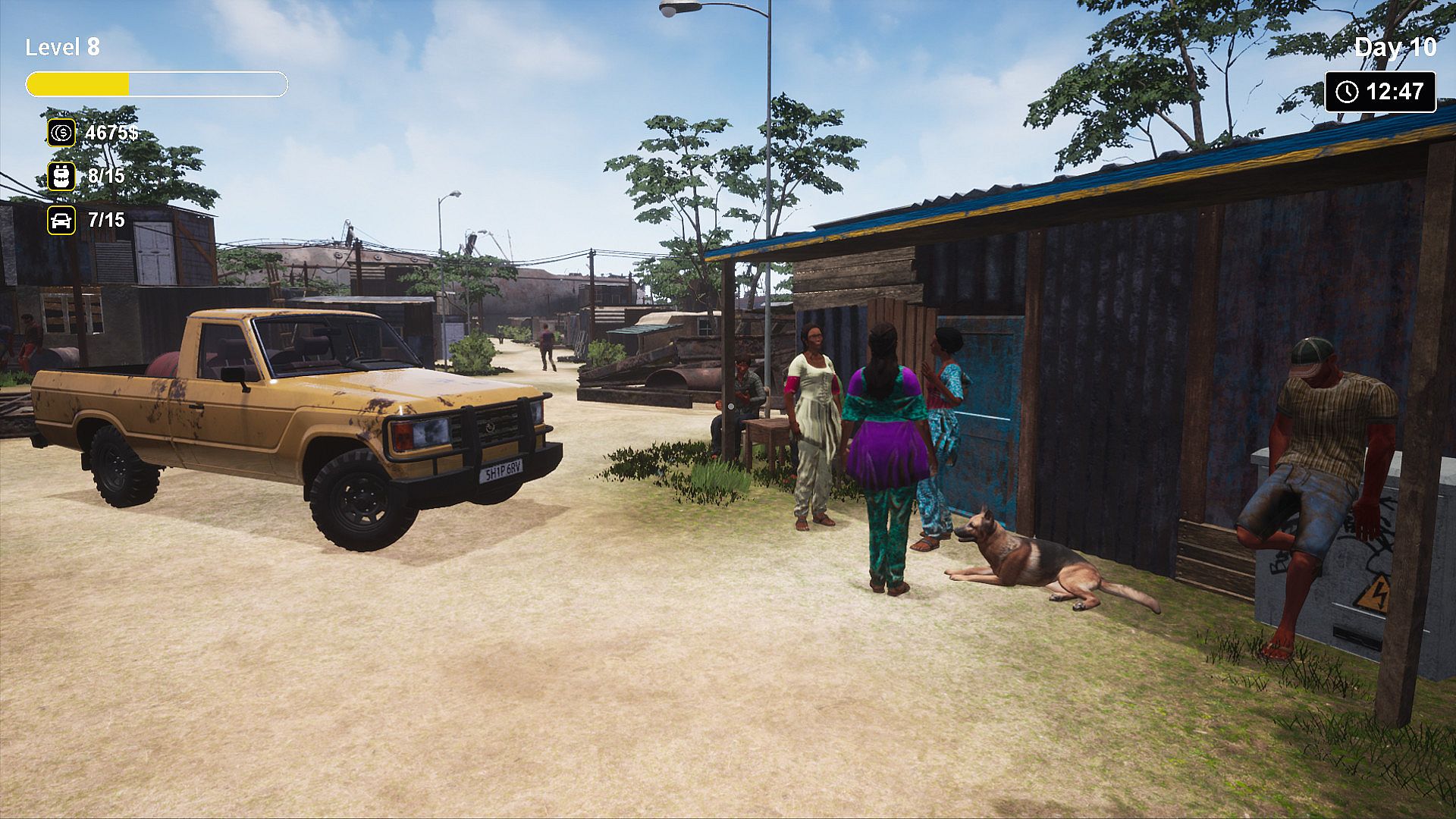
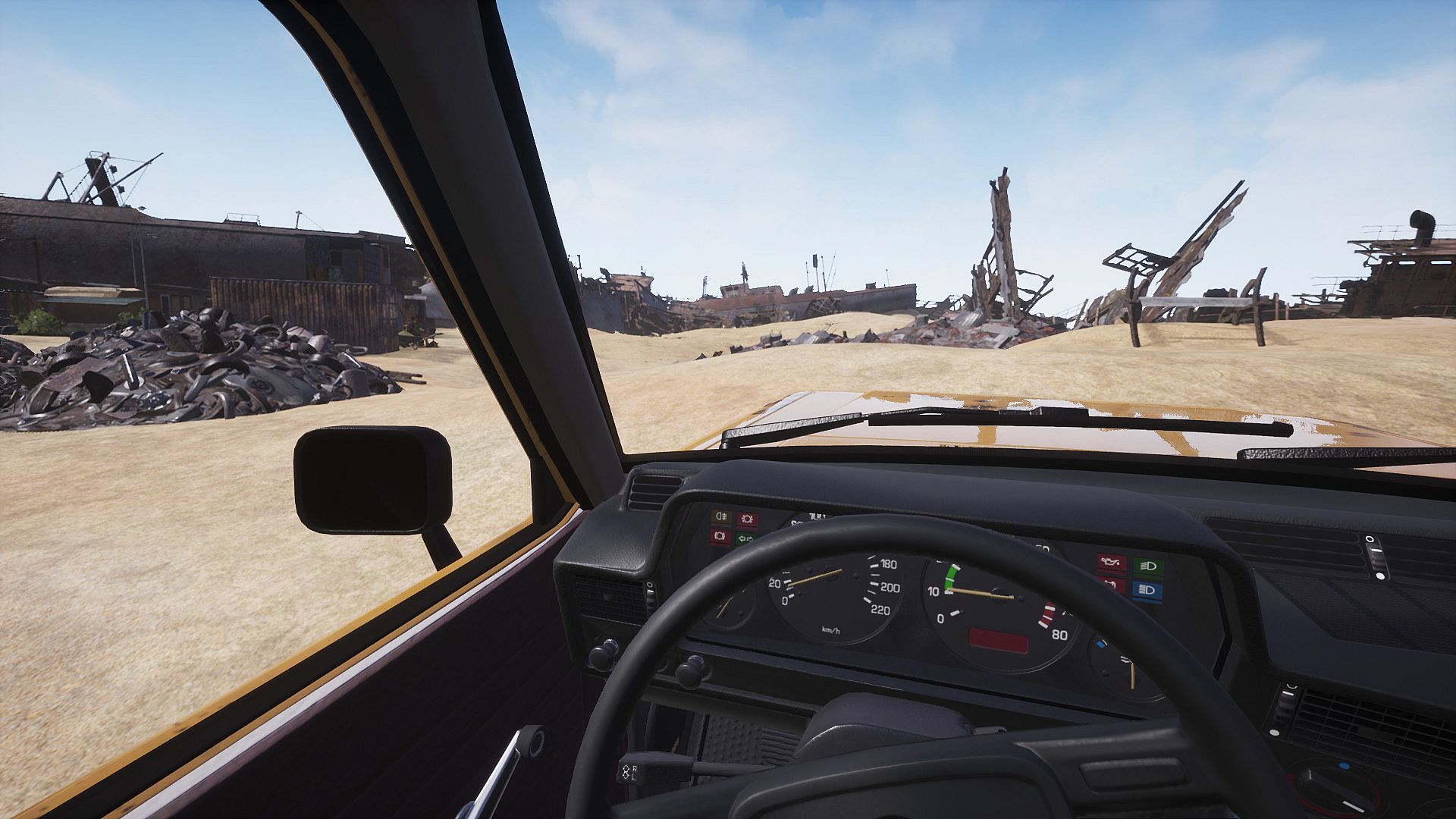



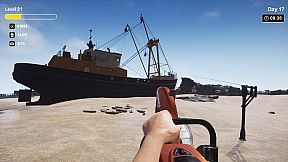

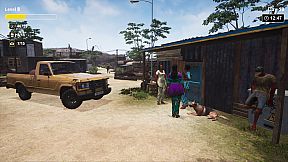
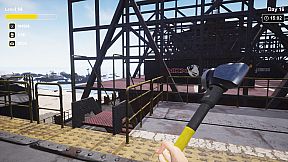
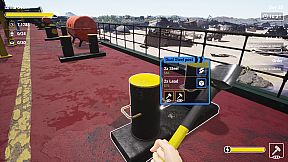
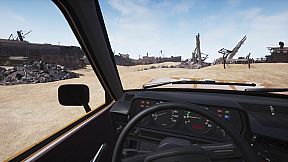
Ship Graveyard Simulator is a simulation game that places players in the role of a ship dismantler working at one of the world's largest wreck sites. Available on PC, the title combines elements of action, strategy, indie development, casual play, simulation, and adventure to create a focused experience centered on breaking down massive vessels for valuable materials.
Gameplay
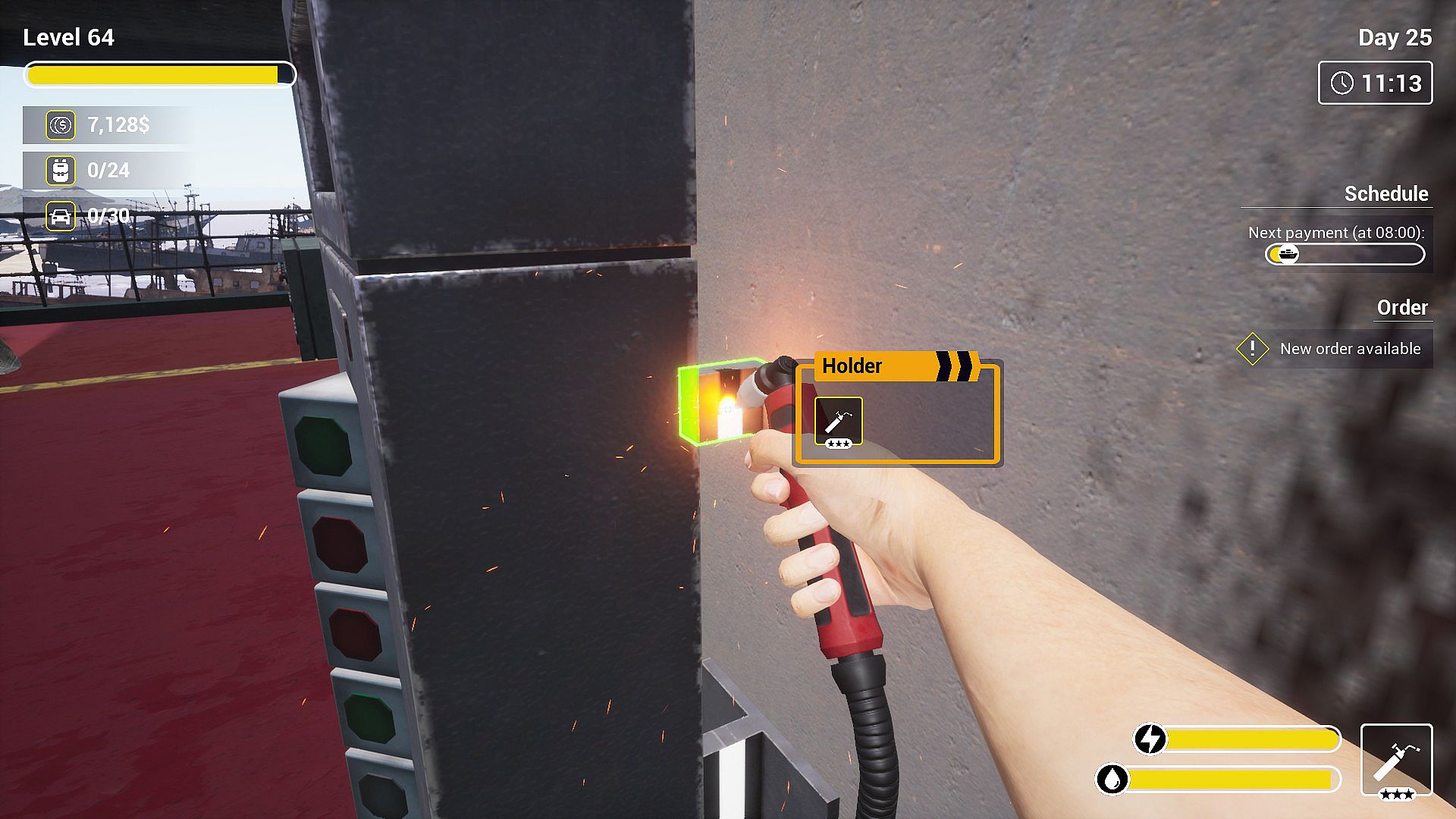
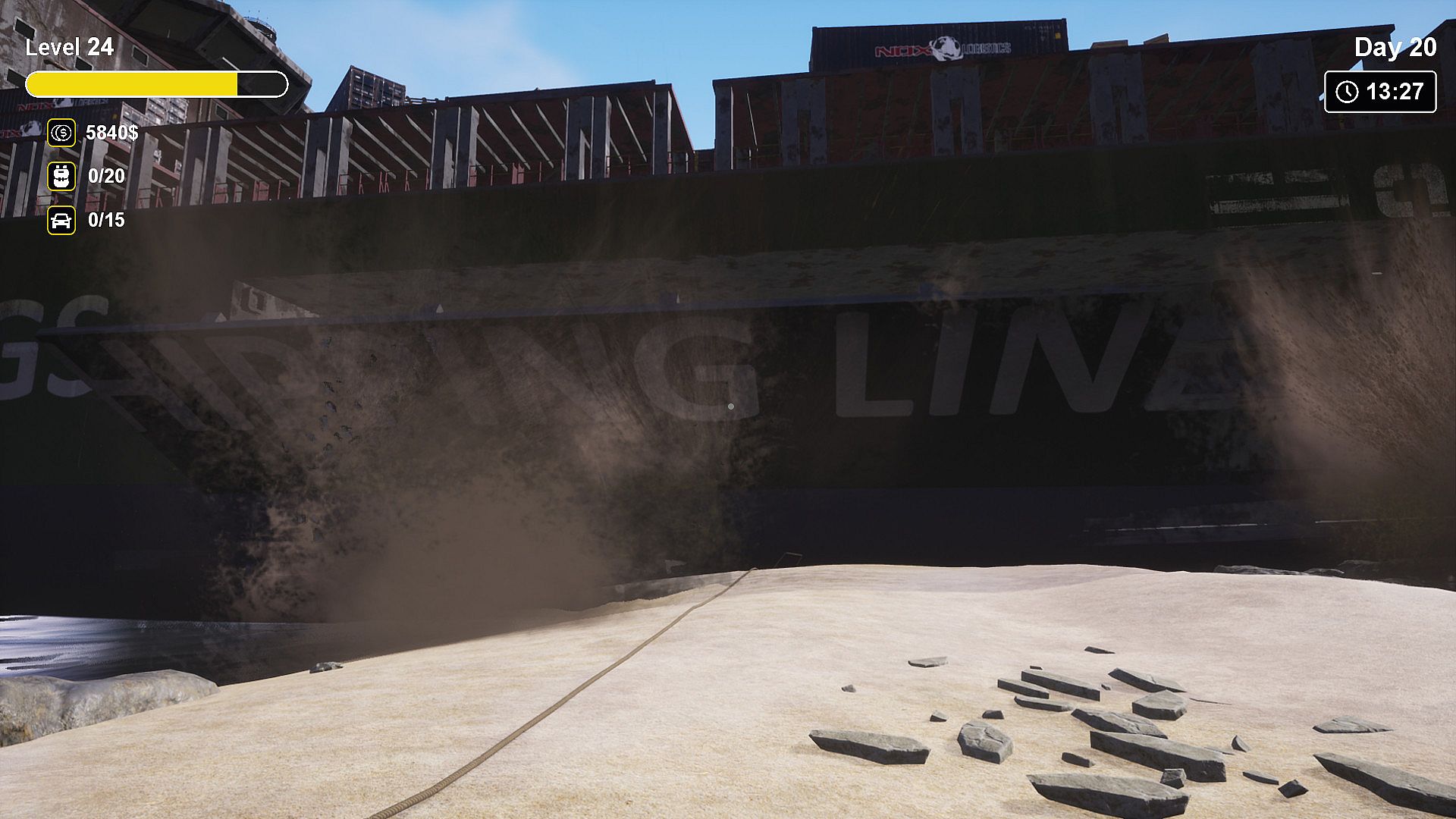
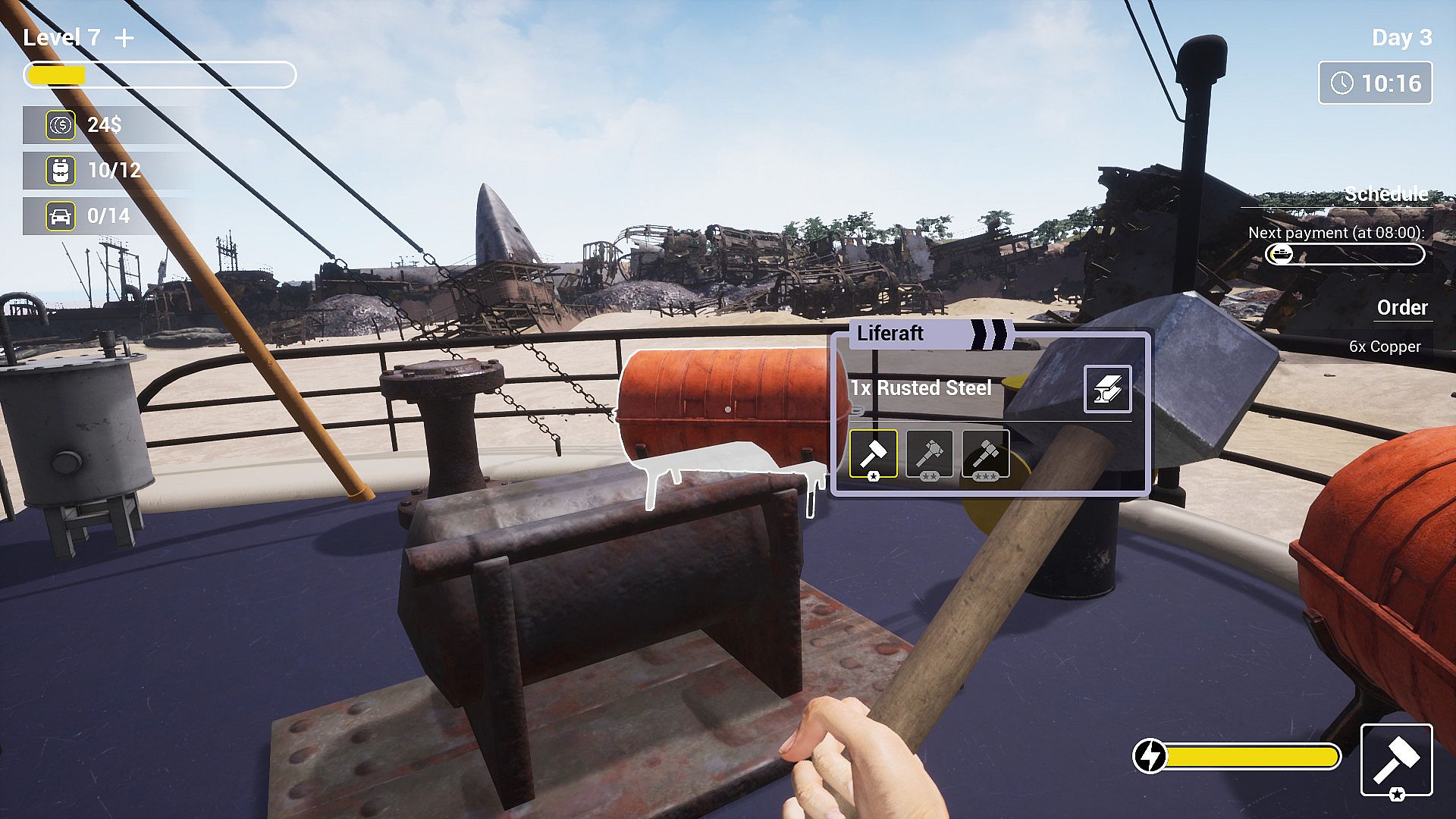
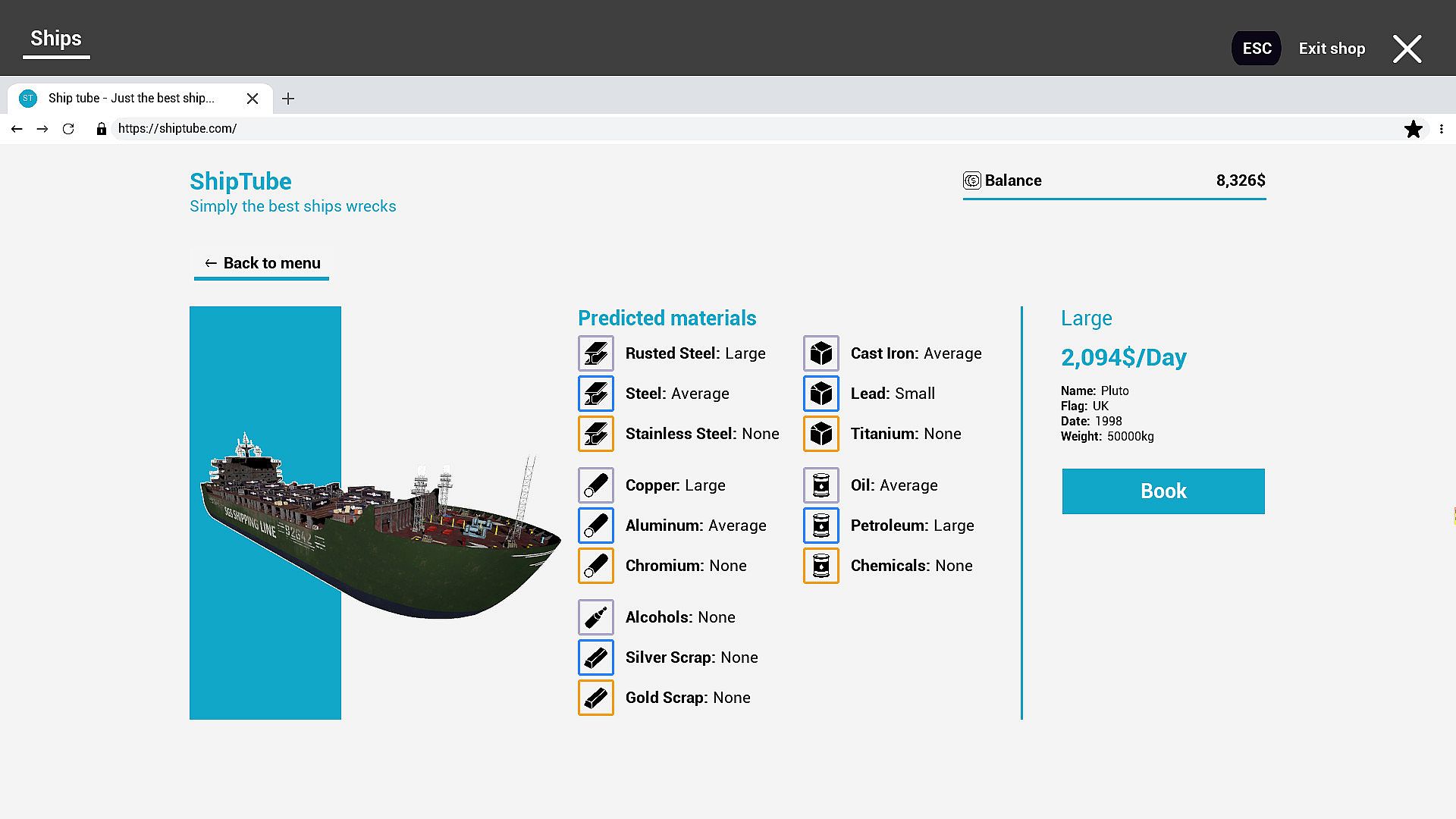
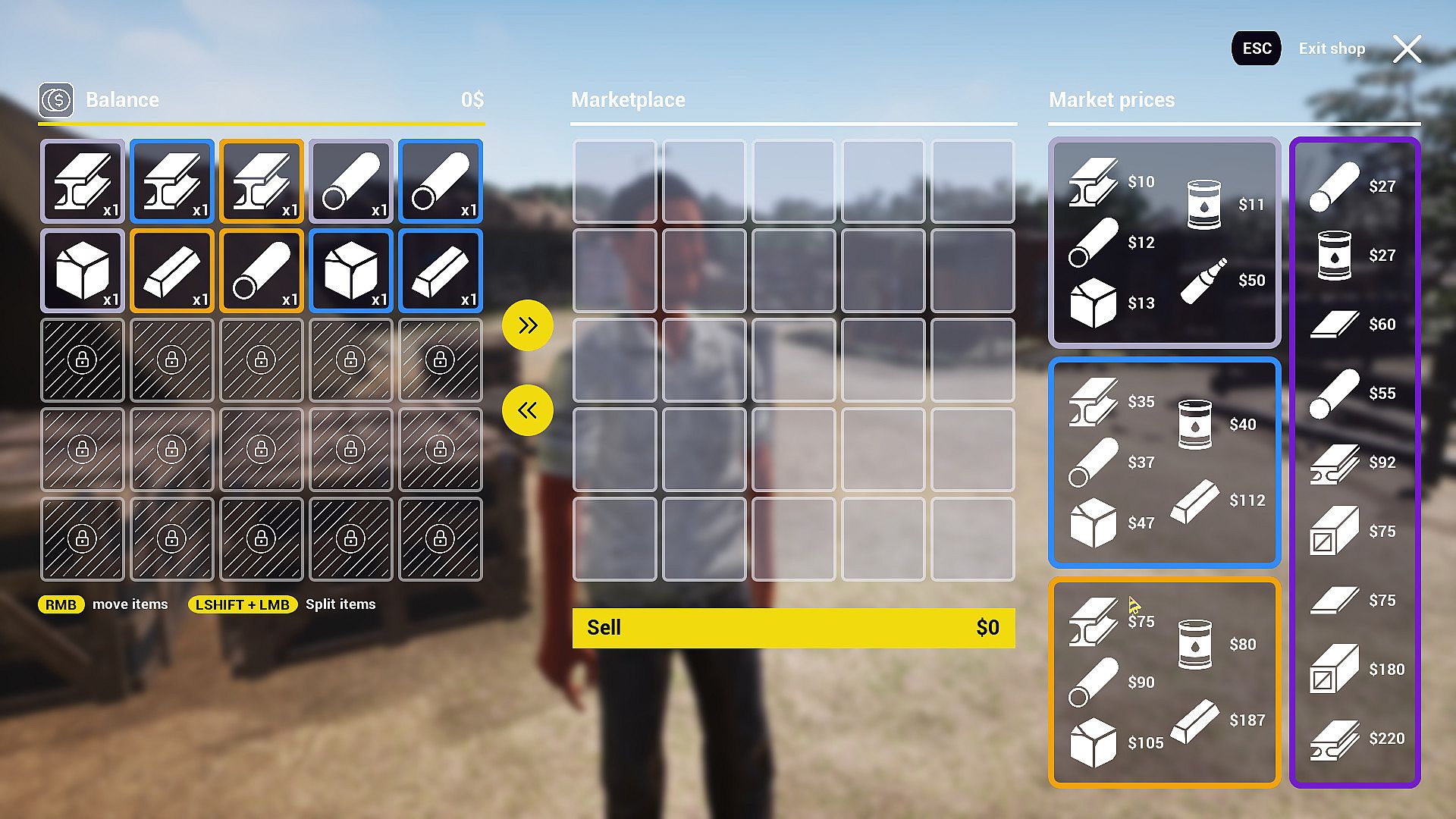
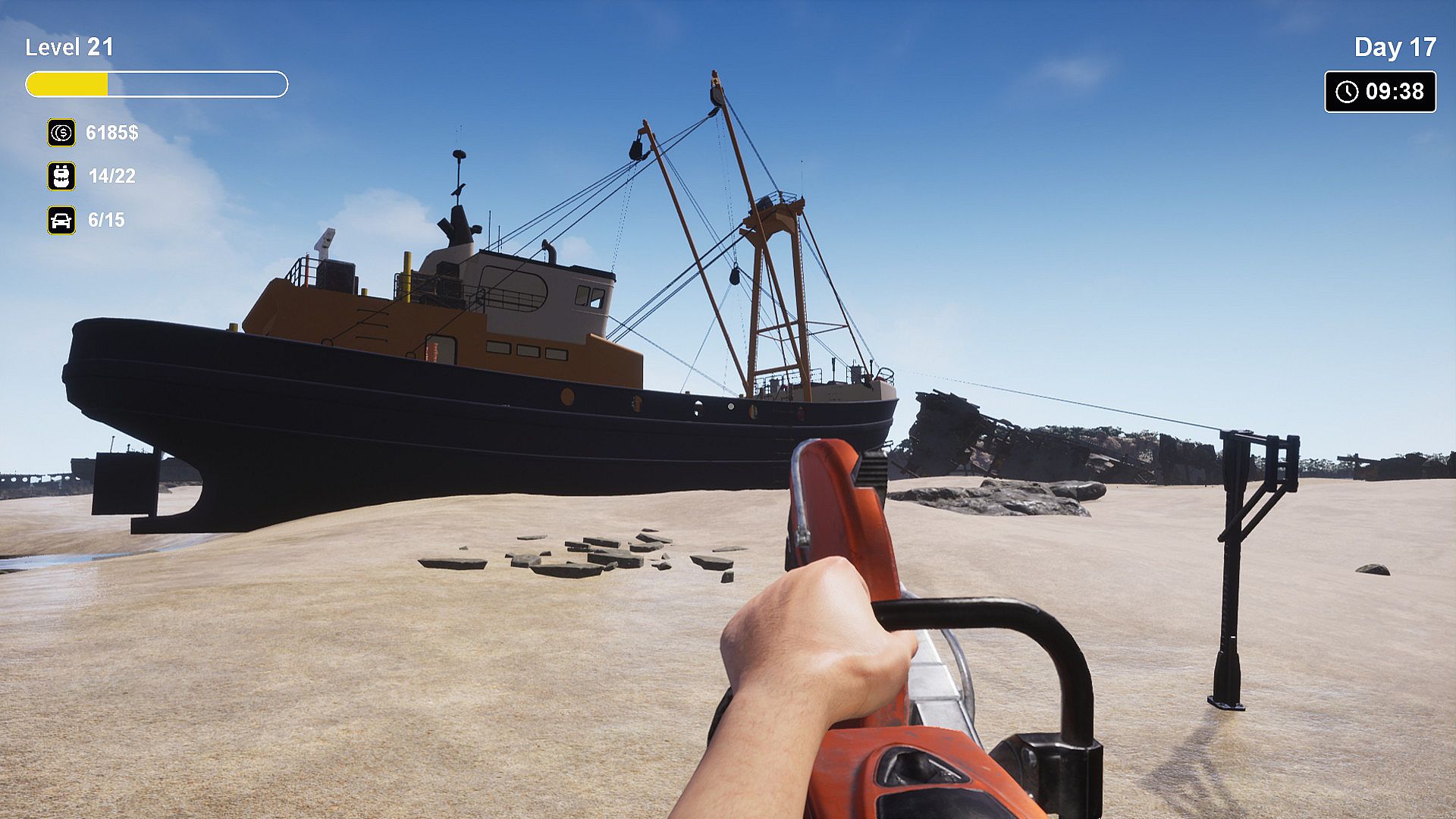
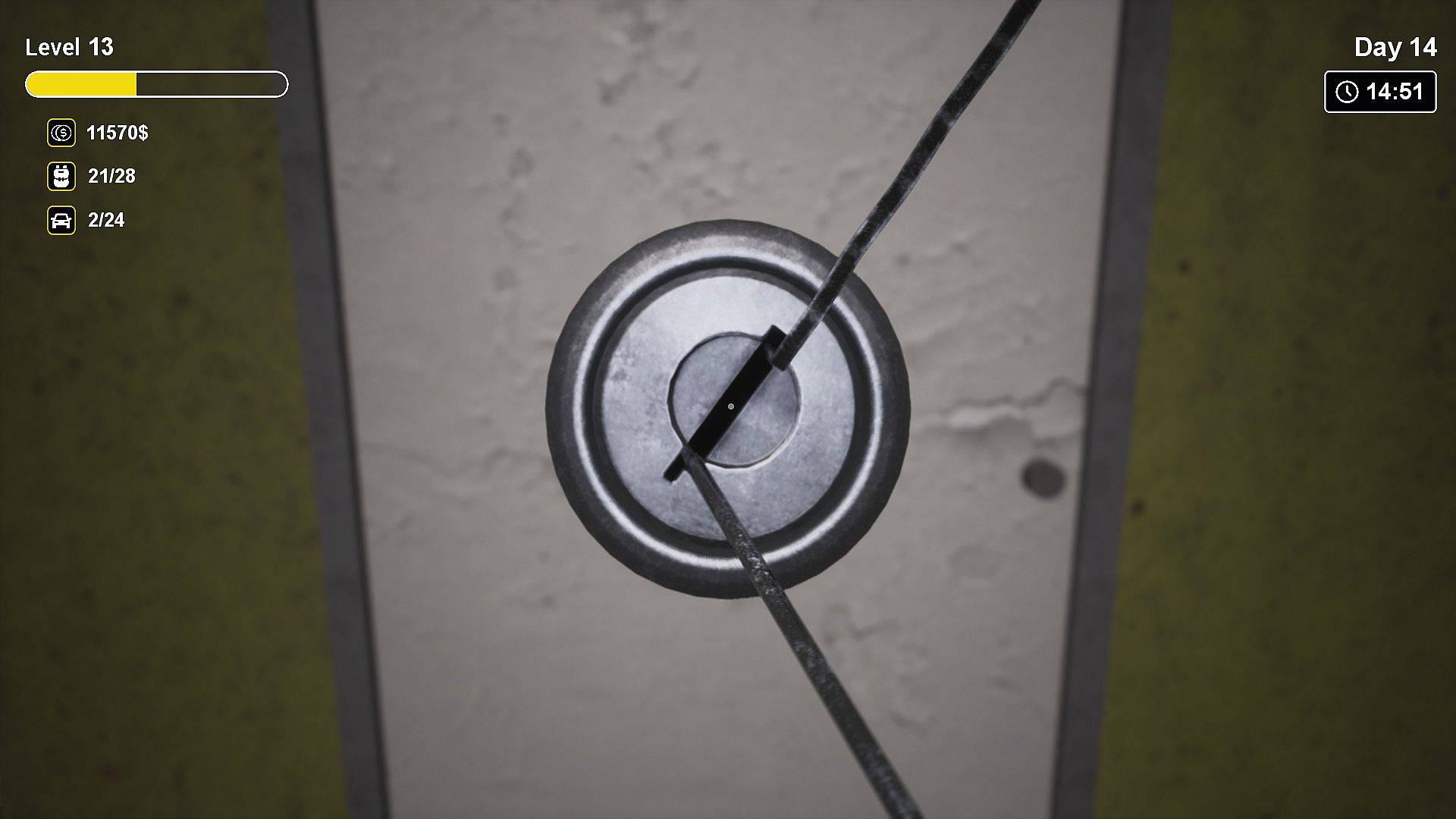
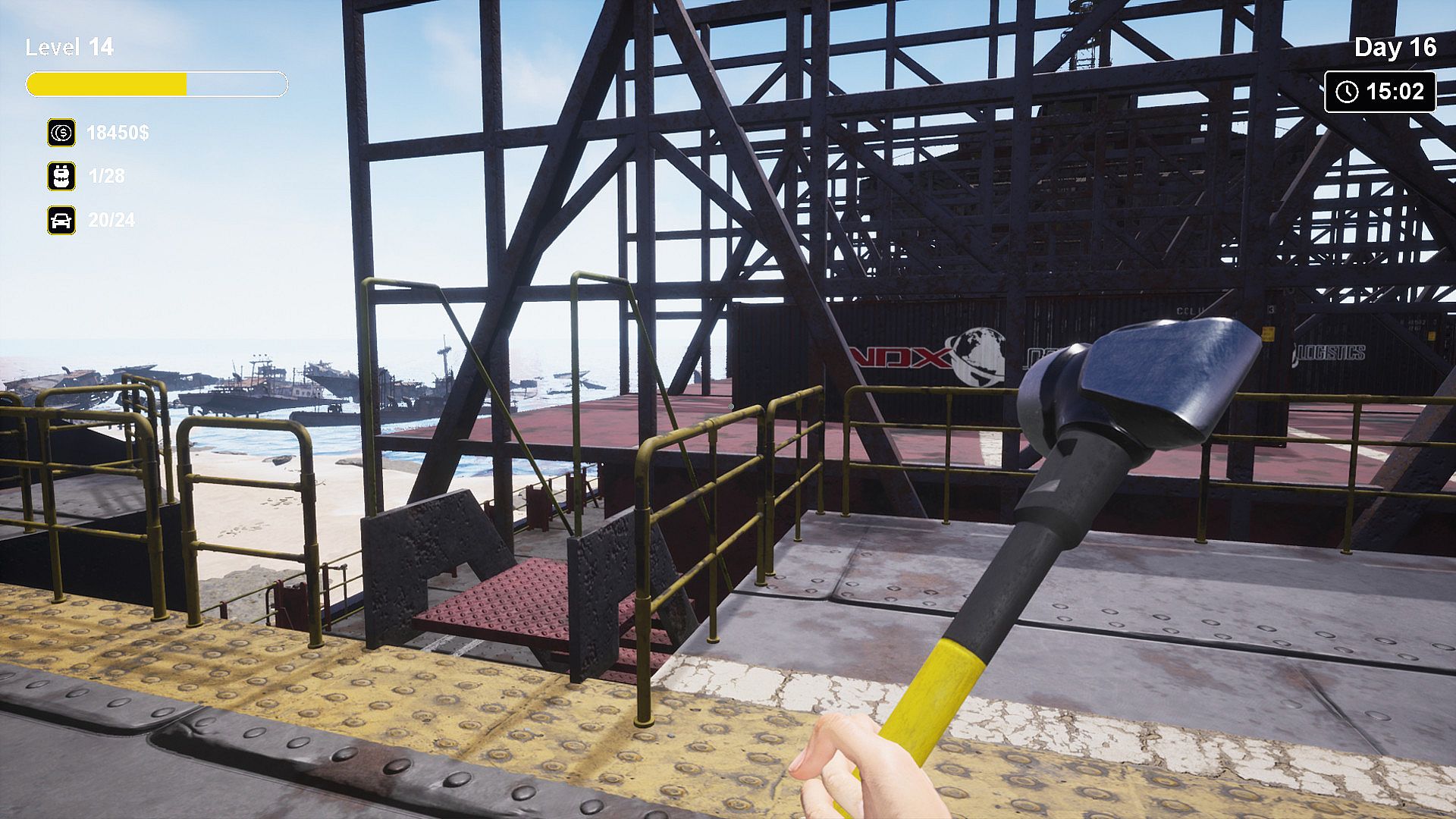
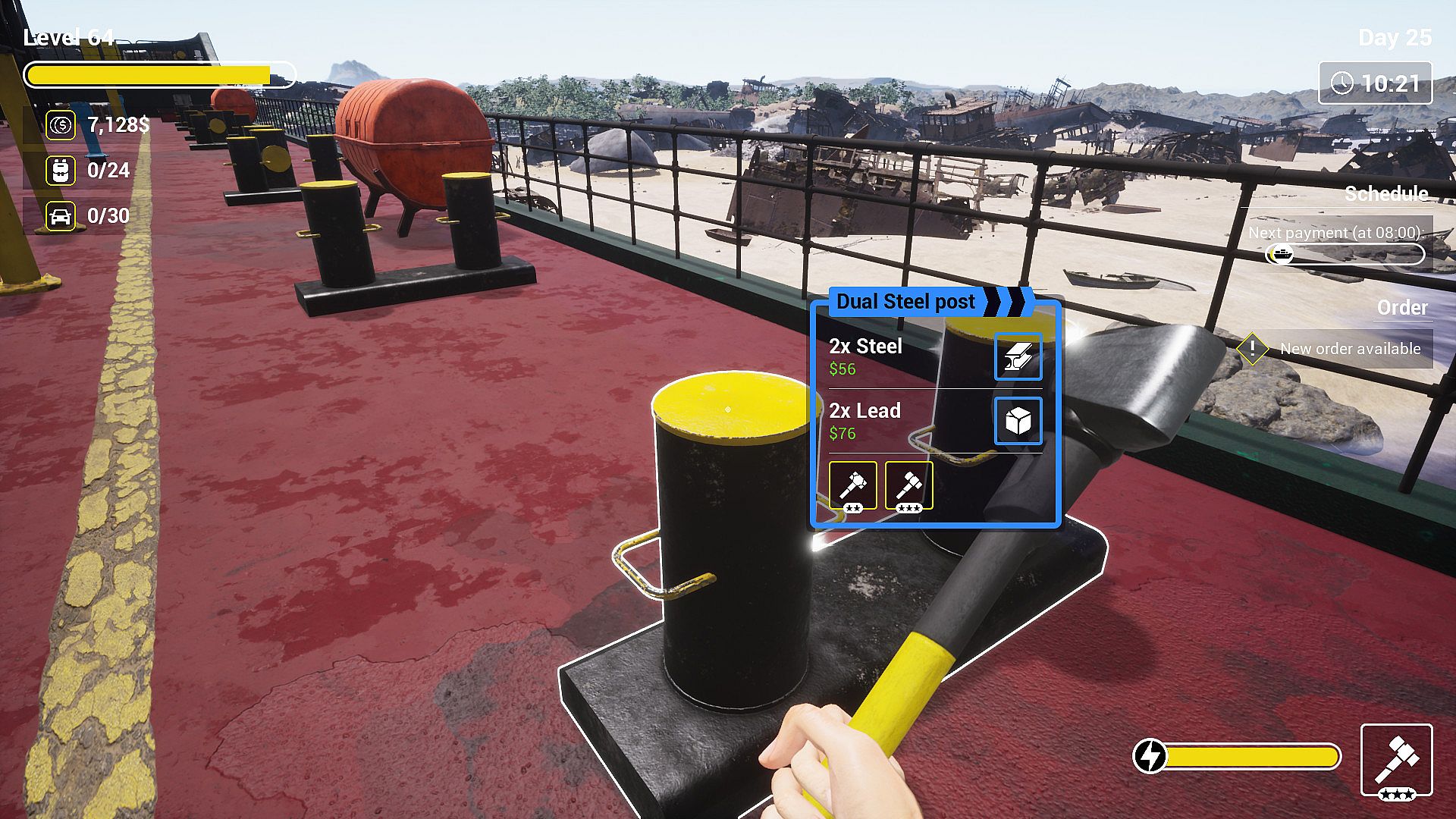
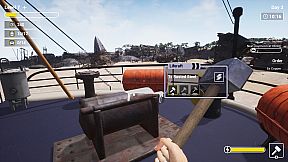
The core loop revolves around selecting a wrecked ship along a lengthy coastal graveyard filled with steel structures. Players use basic tools to cut, strike, and weld sections apart, gathering resources such as steel and other components that can then be sold or traded for upgrades. Equipment improvements help handle larger or more complex parts over time, while careful navigation through the ship's interior reveals additional items hidden in various compartments.
Exploration forms a key part of progress, as workers must move across multiple decks and into enclosed spaces within these large wrecks. The process involves physical interaction with the environment, where improper handling of tools or materials can lead to accidents. This risk adds tension to the otherwise methodical work of dismantling, requiring attention to safety during each shift.
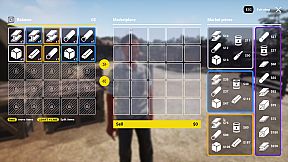
Resource management extends beyond simple collection. Acquired parts and items support ongoing operations through sales or exchanges that fund better tools and protective measures. The simulation emphasizes hands-on demolition with limited starting equipment, reflecting the demanding nature of the job without additional layers of complexity.
Game Modes
Ship Graveyard Simulator operates as a single-player experience with no verified multiplayer options or separate competitive modes. Progress occurs through sequential ship selections and repeated dismantling cycles on the available wrecks. Players advance by completing sections of individual vessels, selling materials, and expanding their toolkit in a continuous solo workflow.
The structure supports open-ended play within the ship graveyard setting. There are no time-based challenges or faction systems, allowing focus on personal pace and equipment choices. All activity stays within the core dismantling and exploration framework across the dozen kilometers of beach area described in the premise.
Exploration and Risks
Each ship offers distinct internal layouts that encourage thorough searches for hidden valuables. Players climb and move through tight or elevated areas to reach every accessible compartment, uncovering items that supplement the main resource haul from structural disassembly. This aspect rewards methodical coverage rather than speed.
Accidents remain a constant possibility due to the use of basic tools on unstable wreckage. Oils, unstable sections, and falls represent real hazards that can interrupt work or end a session. Managing these risks through positioning and tool selection becomes part of the strategic layer alongside material gathering.
Is It Worth Playing?
Reception for Ship Graveyard Simulator sits at mixed levels, with roughly 61 percent positive reviews from English-language feedback on its primary platform. The game appeals most to players who enjoy relaxed, repetitive simulation tasks involving physical demolition and incremental upgrades without pressure from timers or opponents.
Those interested in the shipbreaking theme and straightforward resource loops will find consistent mechanics that match the described dangerous work environment. The title suits casual sessions focused on steady progress through multiple vessels rather than high-intensity action or narrative depth.
Support continues in a stable state for the original release, with the emphasis remaining on the single-player dismantling loop. It provides a direct match for fans of indie simulation titles that prioritize tool-based interaction and material collection in a specialized industrial setting.