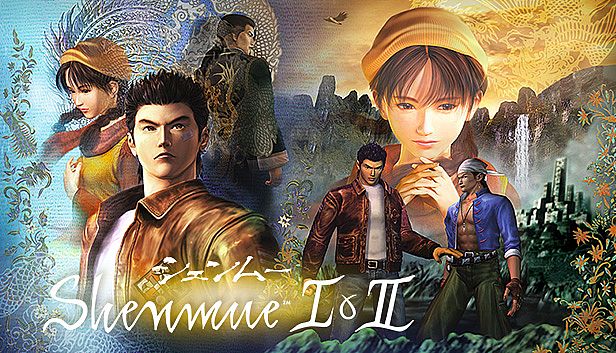















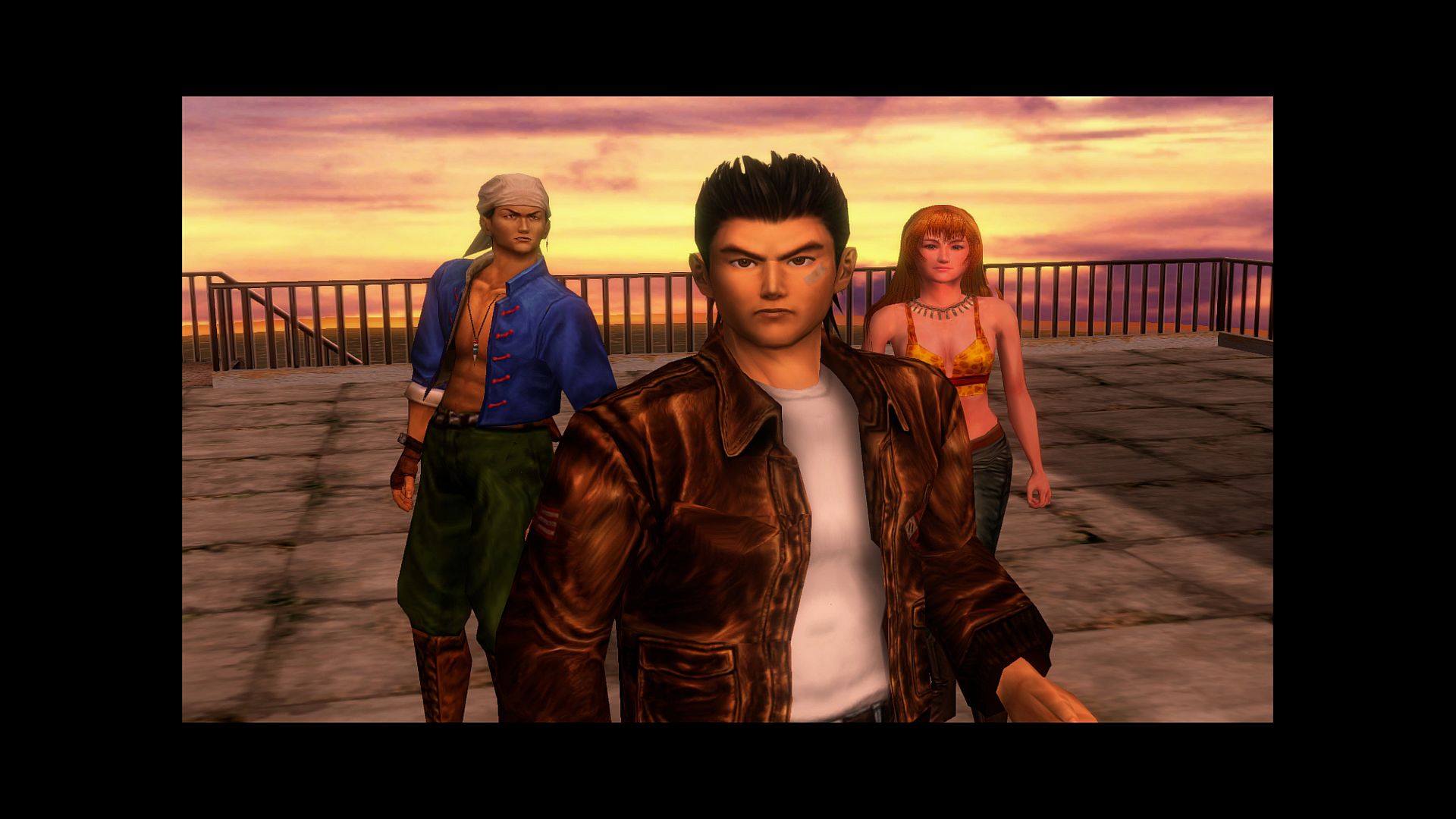
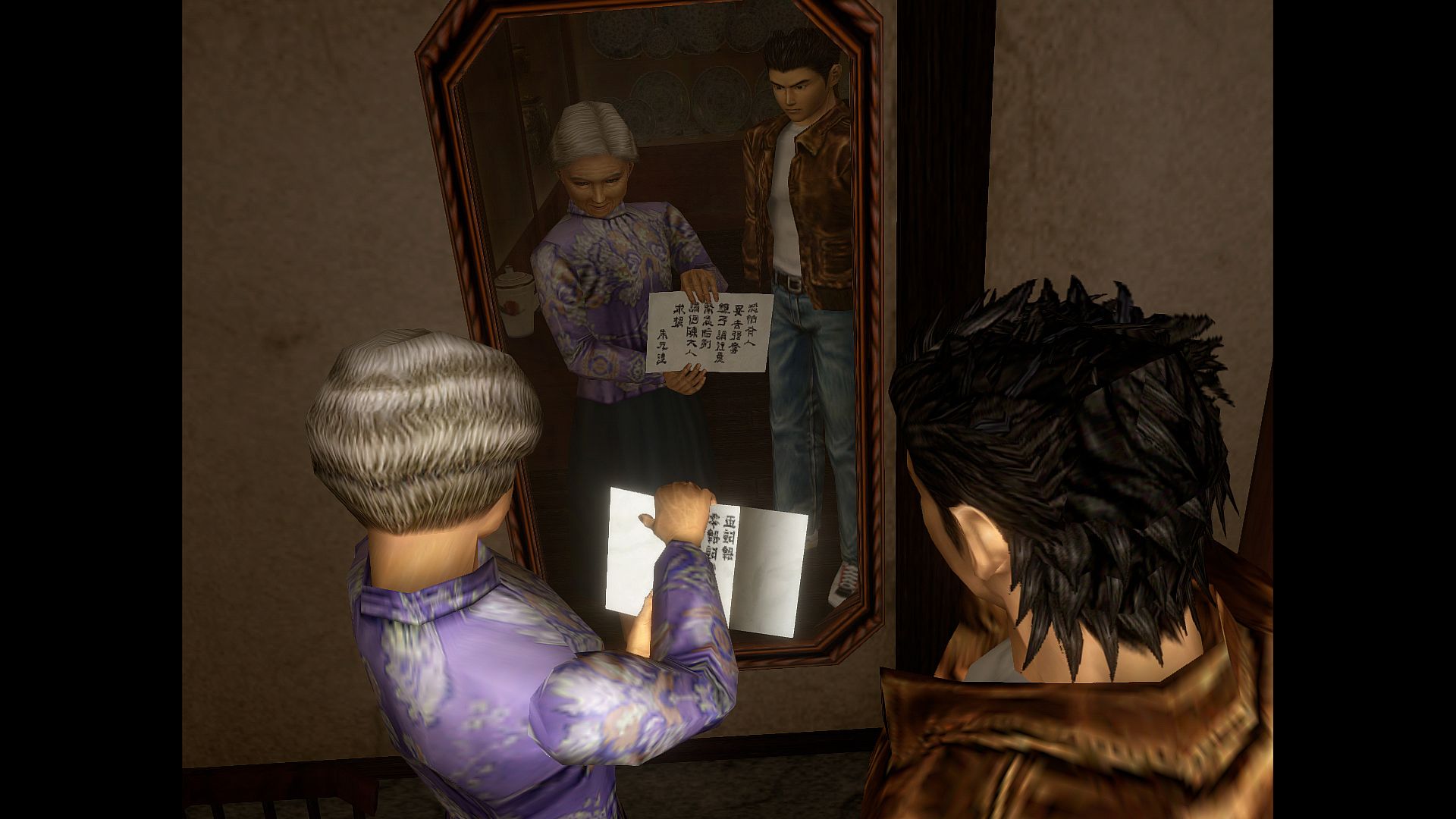
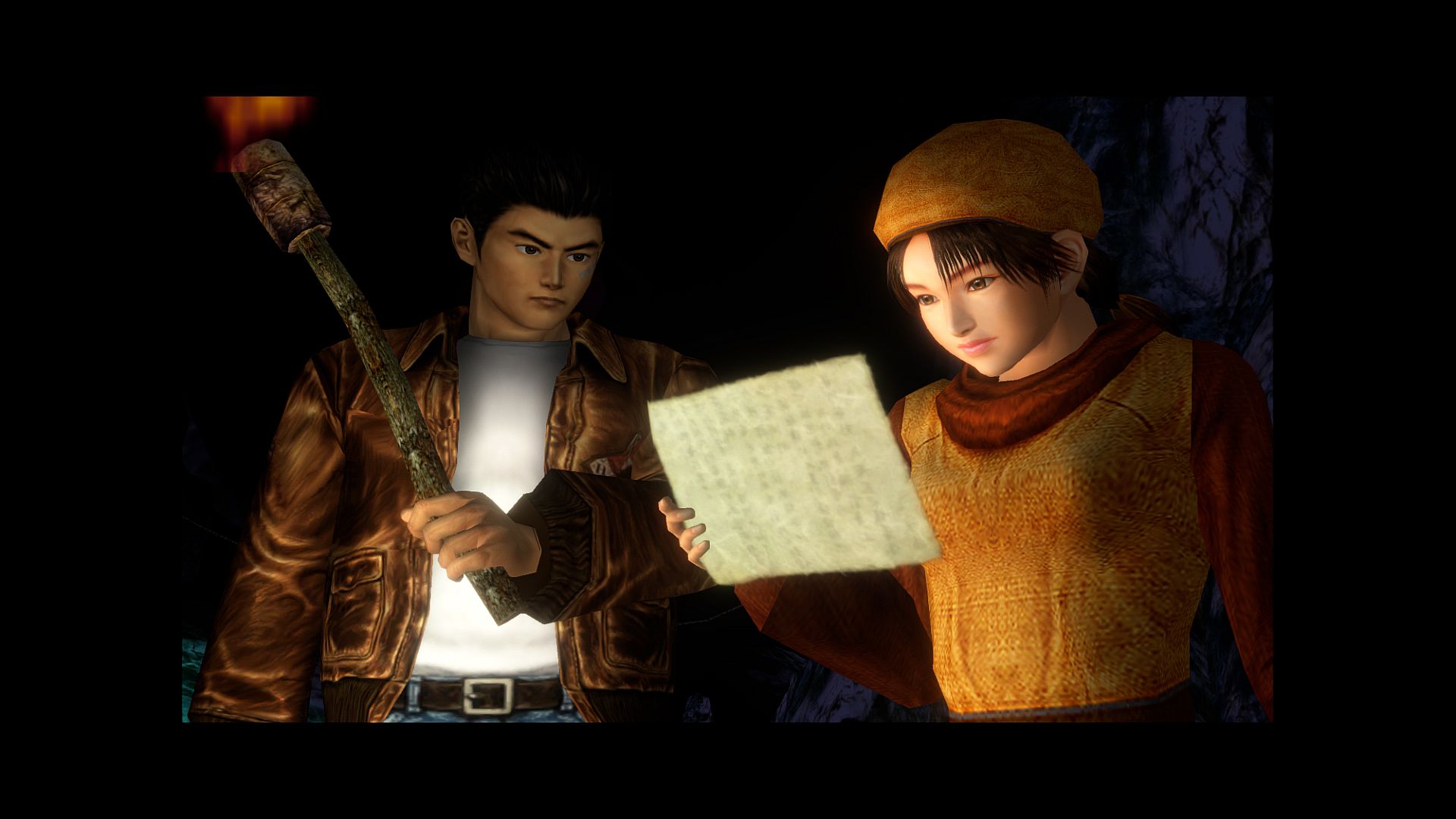
Shenmue I & II is an action RPG adventure title on PC that places players in the role of Ryo Hazuki, a young martial artist seeking answers after a personal tragedy in 1980s Japan and later China. The package combines open world city navigation, jujitsu based combat, clue gathering through conversations and object examination, and occasional quick time sequences alongside lighter diversions. Released originally on Dreamcast and later brought to modern platforms with interface refinements and control options, the collection preserves the original structure while adding support for higher resolutions and language tracks.
Gameplay
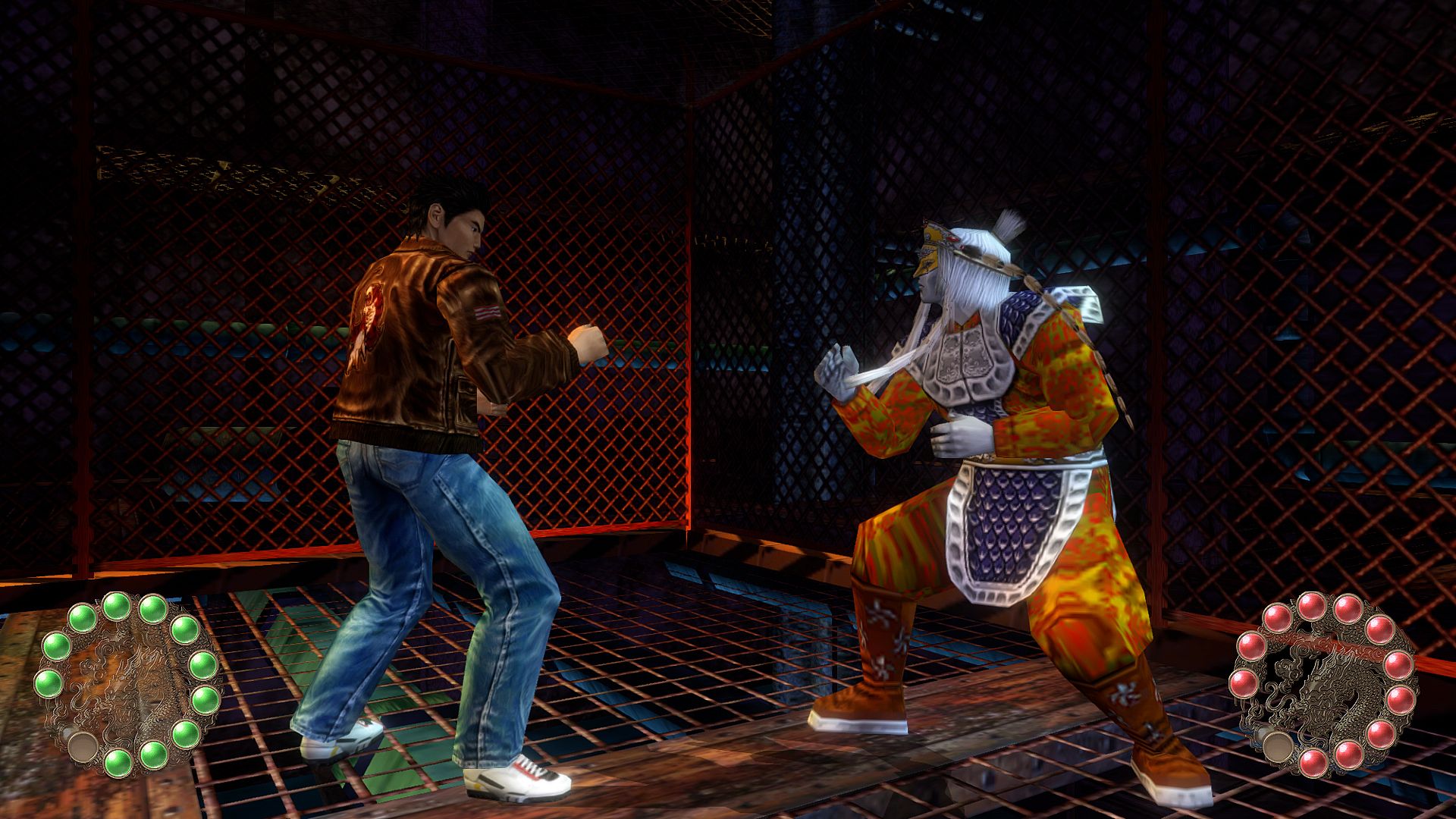
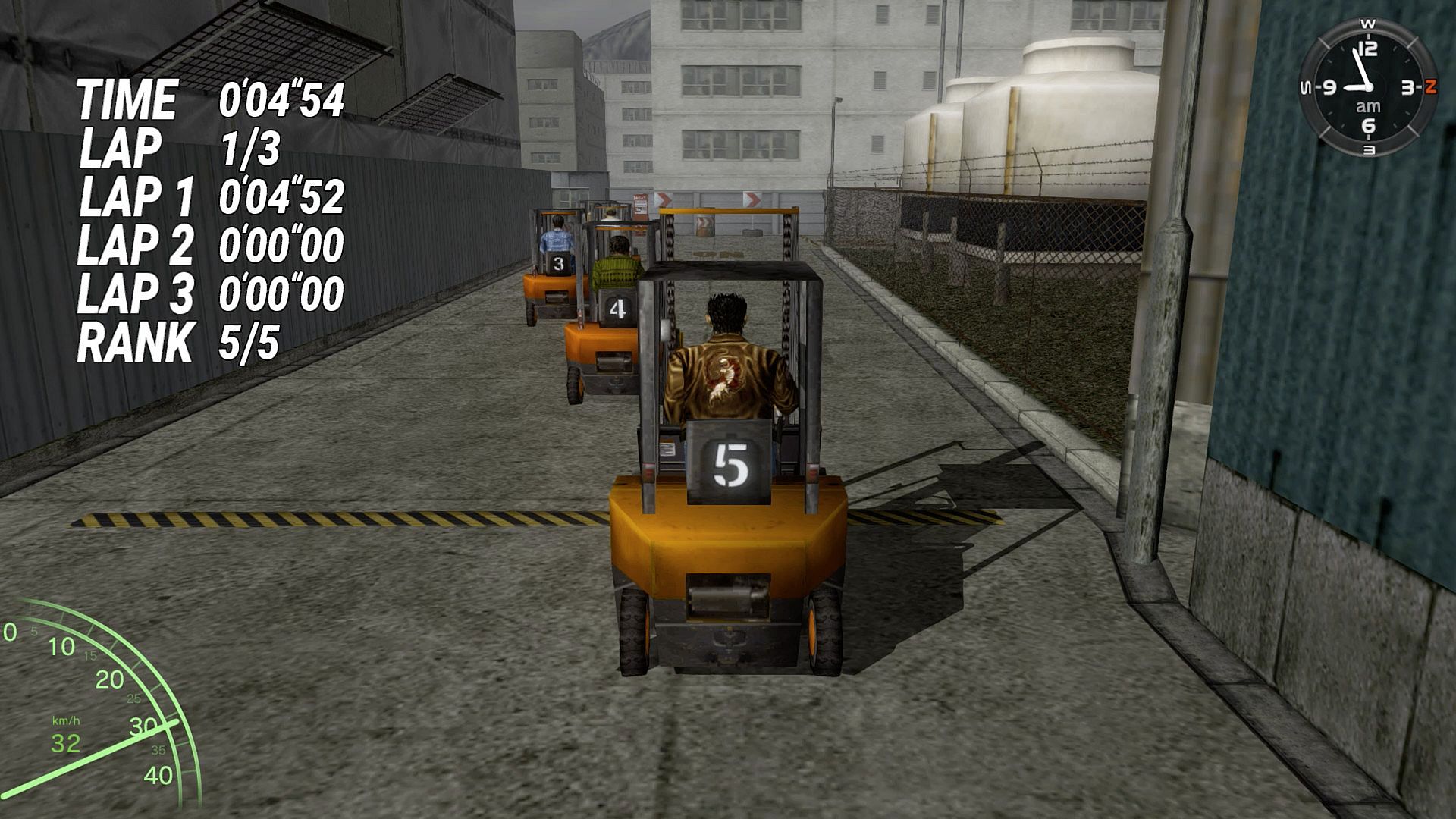
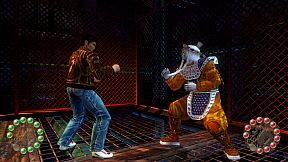
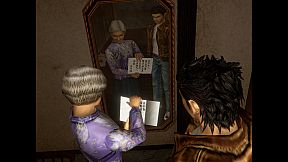
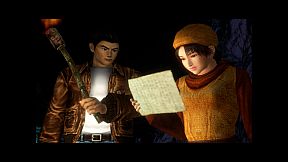
Players move through detailed recreations of Yokosuka and Hong Kong districts in third person view. Time advances naturally with day turning to night, weather shifts, and businesses operating on fixed schedules that affect which characters appear and what information they share. Interaction focuses on approaching residents for dialogue that branches based on prior progress, inspecting items in the environment for hidden details, and managing a small inventory of clues and items. Combat occurs in real time when confronting opponents, drawing from a library of Hazuki style jujitsu techniques that players learn and chain during encounters. Quick time prompts interrupt certain sequences, requiring timed inputs to advance fights or chases. Side activities include operating arcade cabinets that replicate classic Sega titles, participating in street games such as duck racing, and collecting small objects scattered through the neighborhoods. The PC version supplies both classic and updated control schemes, Japanese voice acting with subtitles, and adjustable display settings to match different monitor setups.
Game Modes
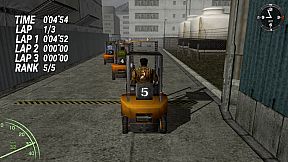
The core experience unfolds as a continuous single player narrative that spans the two titles without branching multiplayer components. Progress follows Ryo's investigation across fixed locations, with freedom to explore side streets and repeat conversations before advancing key story beats. Free battle encounters allow direct testing of combat moves against groups of opponents outside the main path. Mini game sections appear at regular intervals, offering self contained challenges that range from vehicle operation to simple gambling style contests. These elements integrate into the larger loop rather than functioning as separate selectable modes, encouraging players to balance investigation with occasional breaks for practice or relaxation within the same persistent world.
The Living Environment
Each district operates with independent routines for non player characters, creating a sense of ongoing activity even when the player stands still. Shops open and close according to in game hours, forcing adjustments to daily plans if certain vendors hold needed information. Weather influences visibility and NPC behavior in subtle ways, while the passage from morning to evening changes available interactions and lighting. The design emphasizes patient observation over rapid traversal, rewarding repeated visits to the same blocks as new details surface through different times of day or after story milestones.
Is It Worth Playing?
Shenmue I & II suits players who value deliberate pacing and detailed world building in a single player context. The combination of investigation, martial arts combat, and period accurate settings delivers a distinctive rhythm that differs from faster paced modern action games. Updated presentation elements on PC remove some original technical limitations while retaining the deliberate movement and conversation systems that define the series. Those drawn to stories centered on personal quests and gradual discovery will find consistent engagement across both chapters, particularly when they enjoy mixing main objectives with optional street level activities. The collection stands as a preserved example of early open world techniques that influenced later titles, making it relevant for anyone interested in the evolution of narrative adventure design.