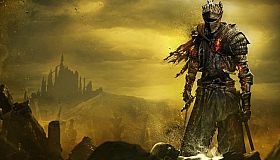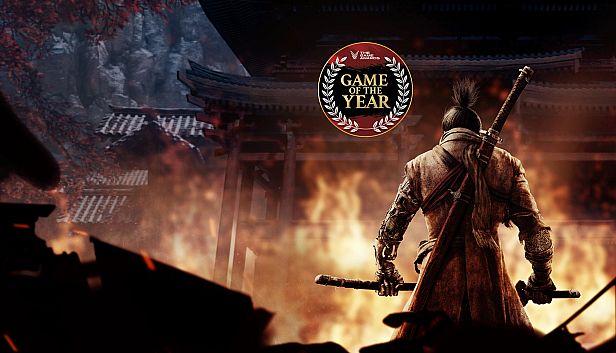



Sekiro: Shadows Die Twice is a single-player action-adventure game set in a fictionalized version of late 1500s Sengoku Japan. Players take control of the one-armed wolf, a disfigured shinobi who must navigate a dark world filled with formidable enemies while seeking to restore honor through precise combat and clever tactics.
Gameplay
The core loop centers on third-person combat that prioritizes timing and posture management over traditional health depletion. Every foe maintains both a vitality bar and a posture bar. Repeated strikes and well-timed deflections fill the posture meter until a deathblow becomes available, ending the encounter in one decisive move. Blocking builds enemy posture efficiently when timed correctly, while perilous attacks require specific counters such as jumping over sweeps or using unlockable skills against thrusts.
Vertical traversal forms a key part of movement. Players climb walls, grapple across gaps with the prosthetic arm, and use stealth to approach encounters from unexpected angles. The prosthetic arm supports multiple tool attachments that can be swapped mid-mission, including options for ranged attacks, area denial, or utility effects that open new paths or weaken groups of enemies.
A skill tree allows incremental improvements to health, attack power, and specialized techniques. Resources gathered from defeated bosses and mini-bosses fuel these upgrades. Exploration rewards careful observation, as hidden paths and alternative routes often bypass direct confrontations or reveal shortcuts between areas.
Game Modes
The primary experience is a linear single-player campaign focused on story progression through interconnected regions. No multiplayer components exist, keeping the focus entirely on individual skill development and repeated attempts against tough encounters.
A free update released in 2020 added dedicated boss challenge modes. These allow players to replay specific boss fights in isolation, with options to view community recordings of successful runs. The same update introduced additional cosmetic options for the protagonist that unlock through continued play.
Exploration and Progression
Progression ties directly to mastery rather than broad character customization. Each area presents layered vertical spaces where grappling and jumping reveal new vantage points or hidden items. Stealth sequences encourage patience, letting players thin out patrols before engaging stronger targets. The world design loops back on itself frequently, turning early zones into faster travel routes once key abilities are acquired.
Enemies range from standard soldiers to towering bosses that demand pattern recognition and adaptive responses. Mini-bosses scattered throughout the map provide the materials needed for permanent stat increases, encouraging thorough exploration without relying on random drops.
Is It Worth Playing?
Sekiro: Shadows Die Twice delivers a focused single-player action-adventure experience built around demanding combat and deliberate exploration. Its posture-based system creates a distinct rhythm that rewards practice and observation over grinding or external assistance. The 2020 update expanded replay value through boss challenges without altering the core campaign.
Critical reception placed the game at a 90 Metacritic score across platforms, with users largely describing the challenge as fair once the deflection timing clicks. It suits players who enjoy precise, high-stakes swordplay and do not mind learning through failure. Those seeking cooperative play or frequent content updates will find the game complete and self-contained rather than ongoing. Availability on PS5 preserves the original performance and visuals through backward compatibility.