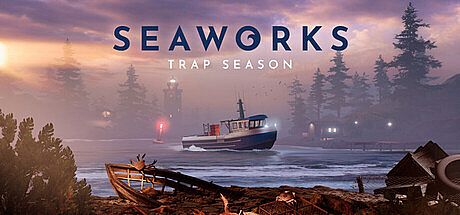


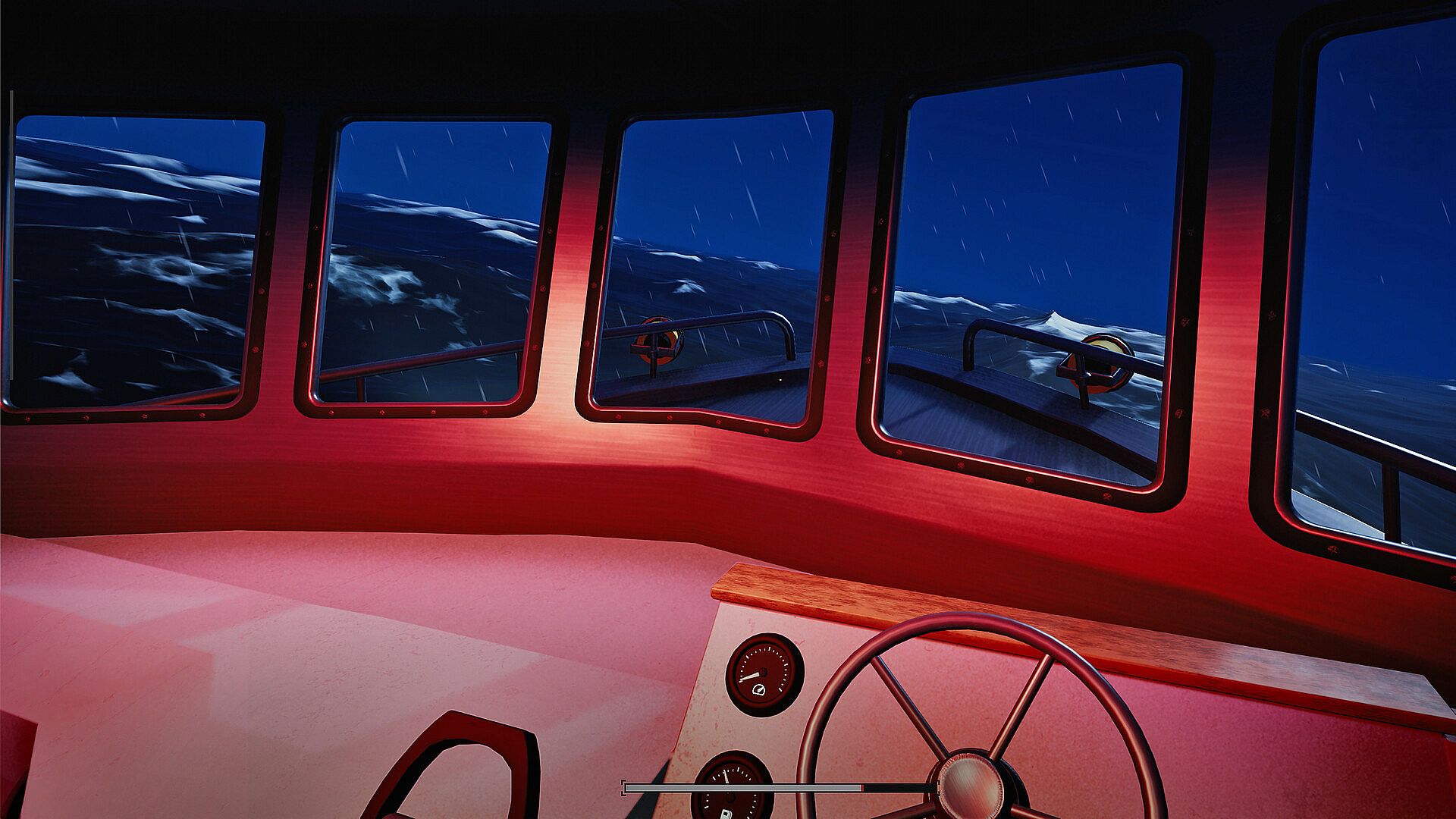
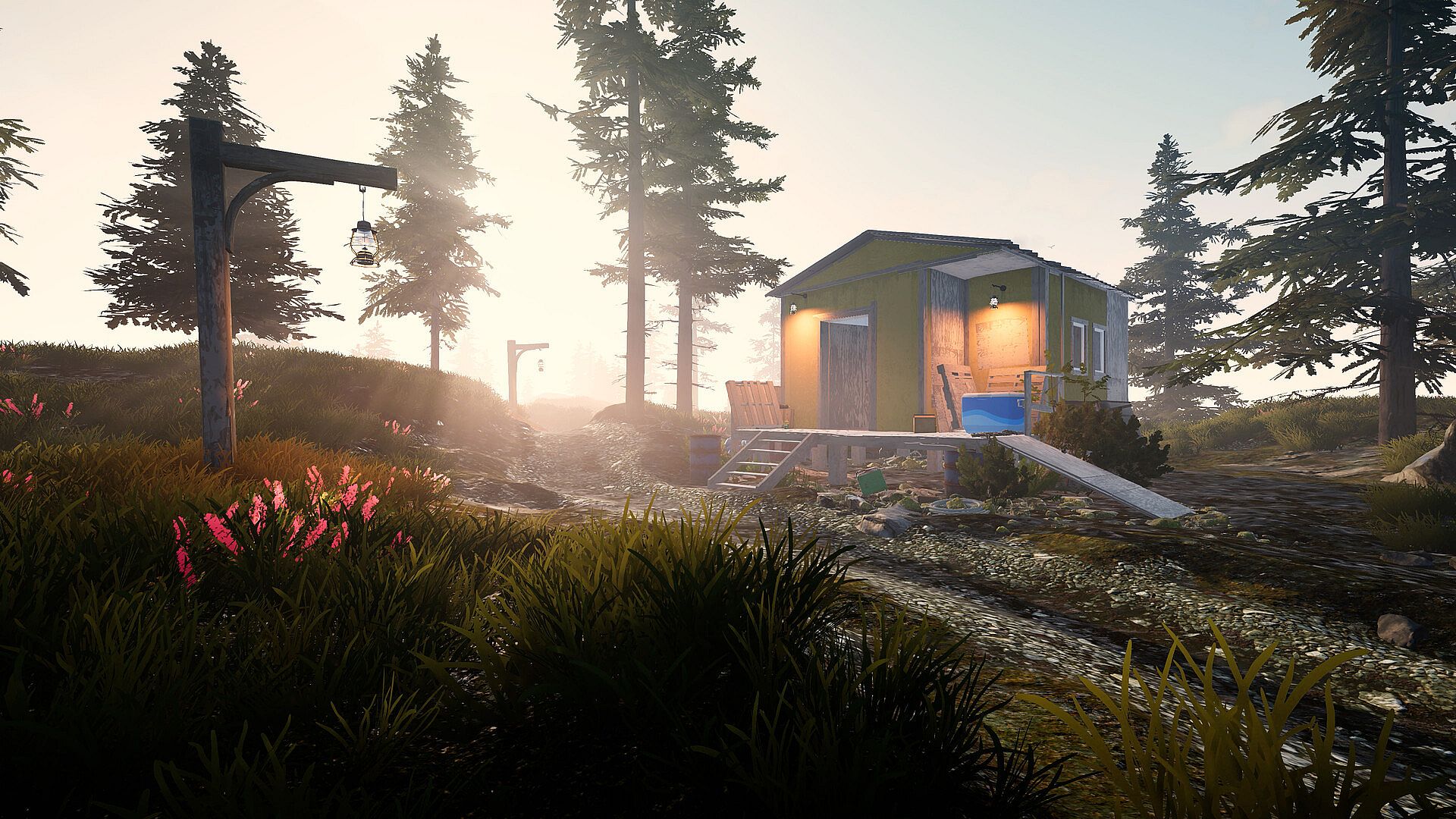
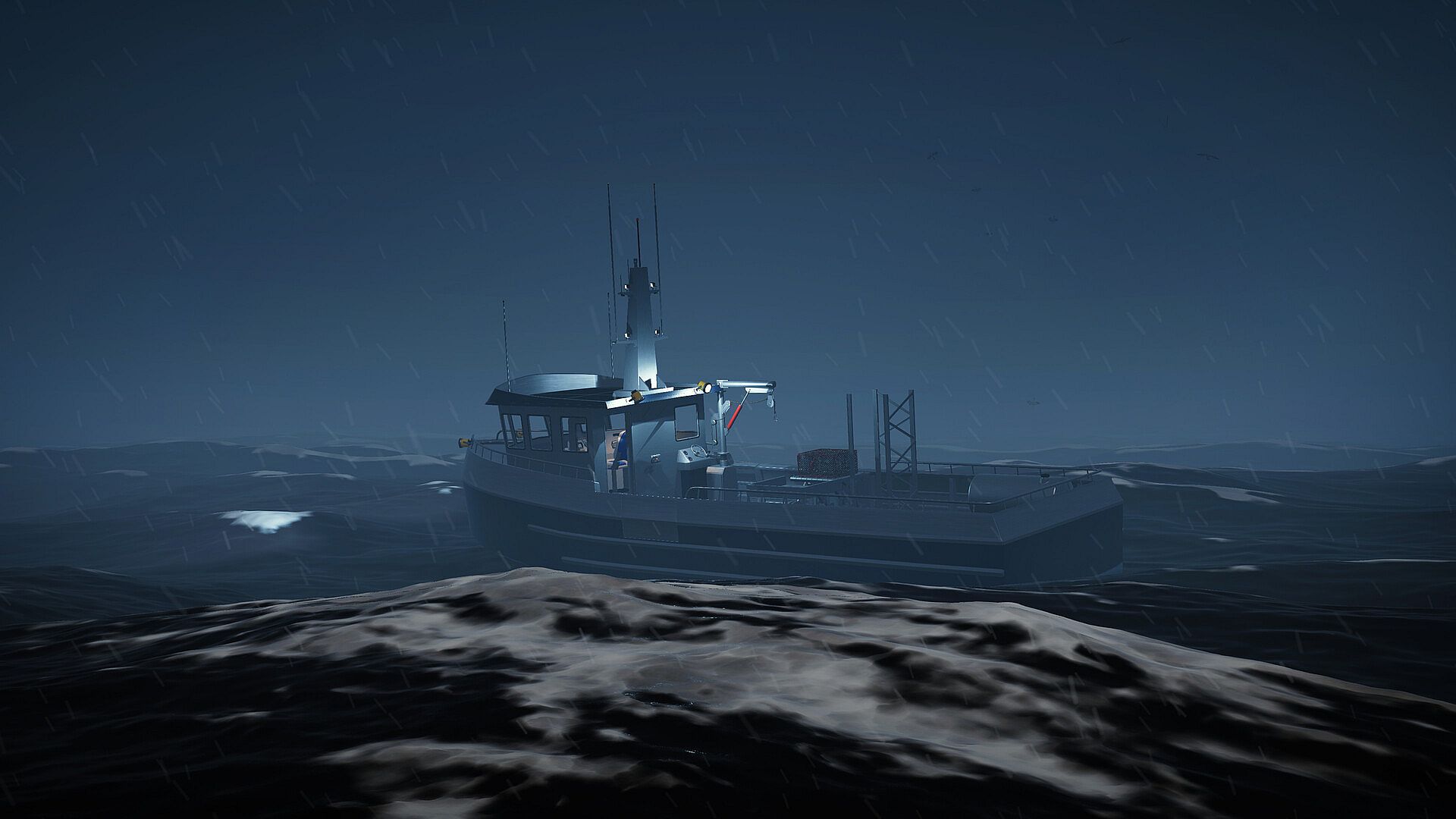
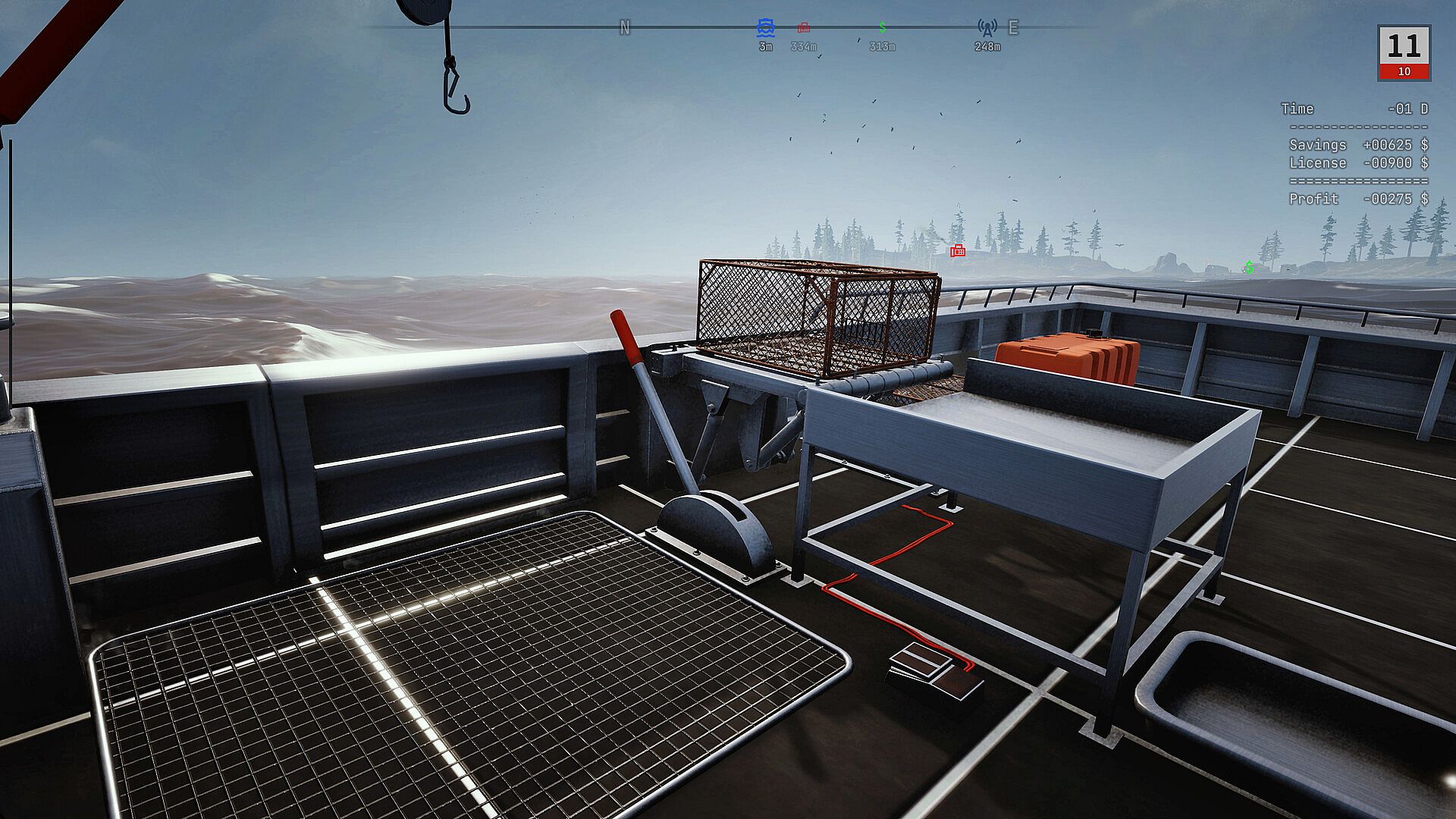
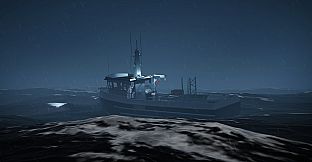
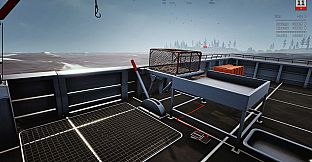
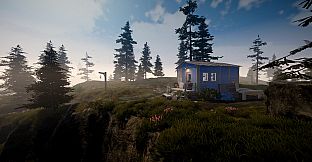
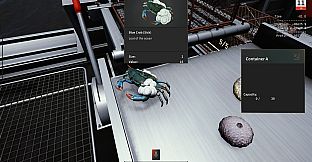
Seaworks: Trap Season is a strategy, indie, and simulation game that places players in the role of a crab fisher operating in the remote Pacific Northwest during the 1990s. The experience centers on building a sustainable routine around boat operations, trap placement, catch processing, and island maintenance while responding to shifting weather and limited resources. Players begin with basic equipment and gradually expand their capabilities through licensed work and incremental upgrades.
Gameplay
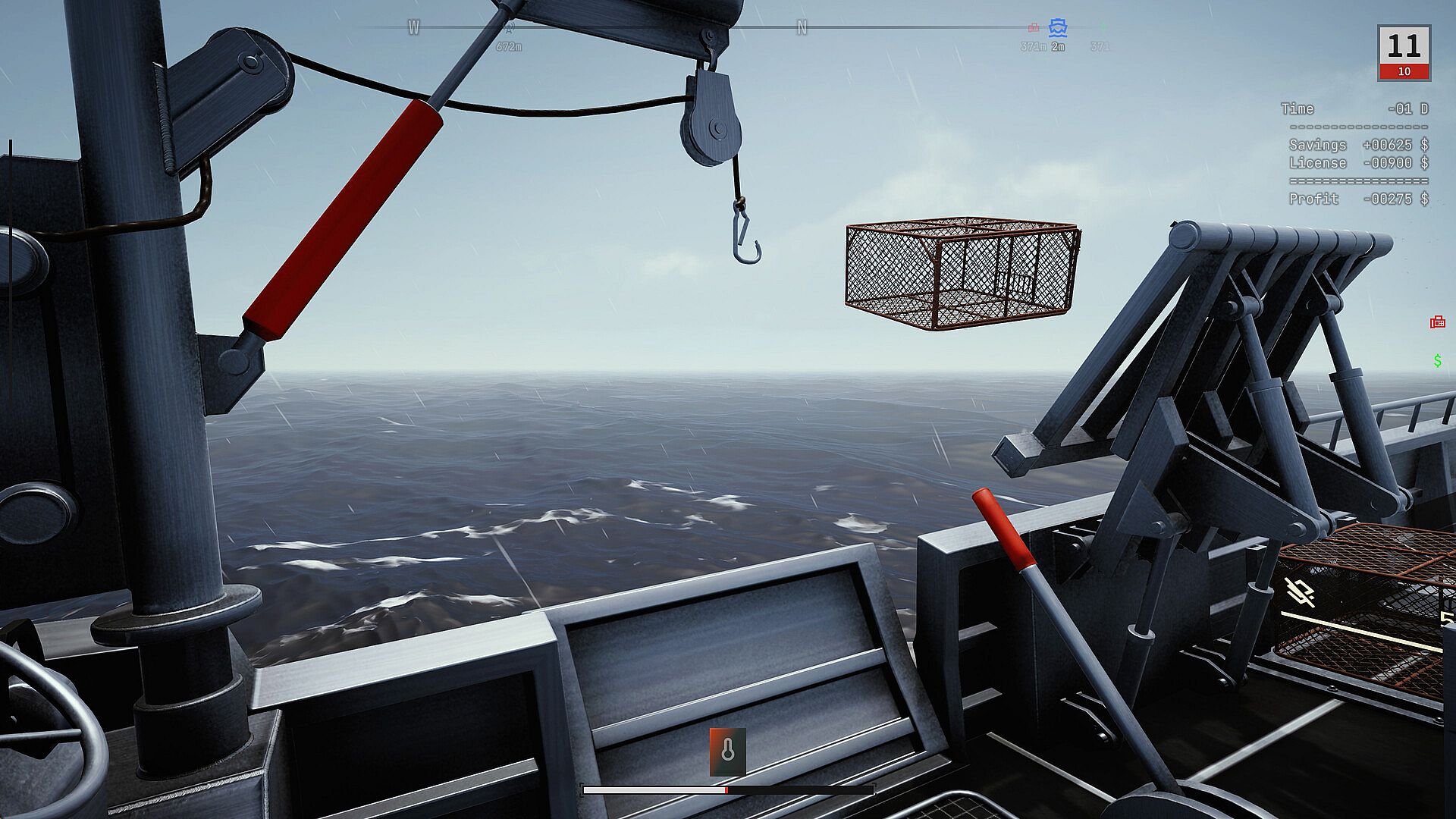
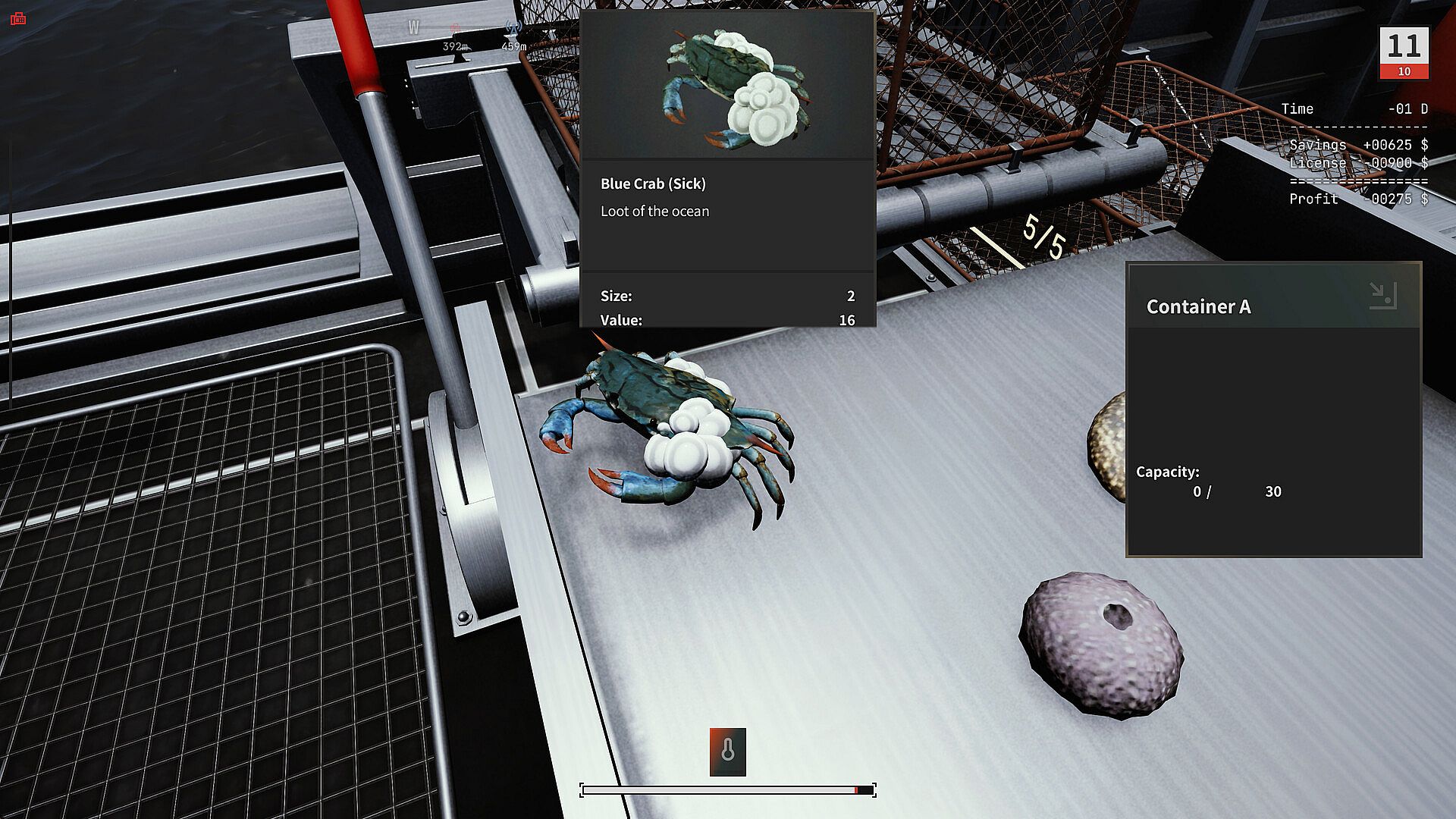
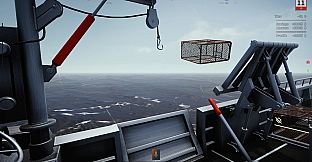
The core loop involves monitoring a fax machine for bounties, preparing the boat, and heading out only when conditions allow. Players set crab traps in designated waters and return after an appropriate interval to haul them aboard. Each catch requires manual sorting to separate marketable crabs from discards such as sick specimens or debris. Proceeds from sales fund further improvements, while experience gained unlocks better licenses and equipment options.
Boat upkeep forms a constant requirement. Barnacles accumulate on the hull and increase fuel consumption, so regular cleaning and repairs become necessary to maintain efficiency. Fuel management and stamina limits restrict how far or how long a trip can last. Customization options let players apply personal colors to the vessel without altering its functional performance.
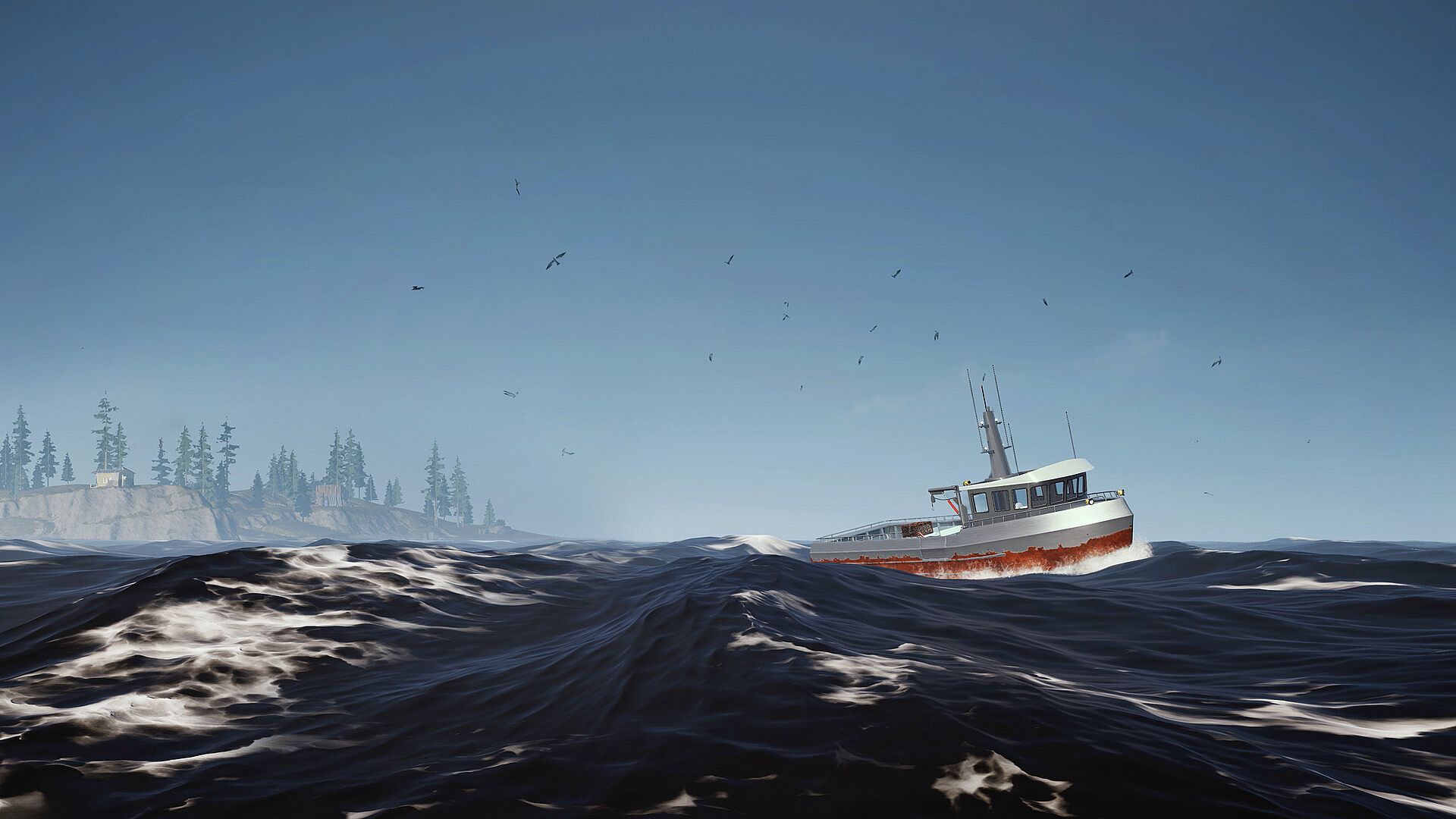
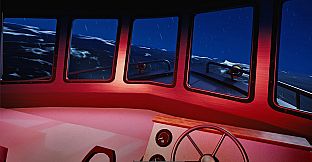
Weather systems directly influence planning. Changing conditions alter wave patterns and overall safety, forcing decisions about departure times, route choices, and return deadlines. Poor timing can lead to wasted fuel or damaged equipment, while accurate forecasts support more productive outings.
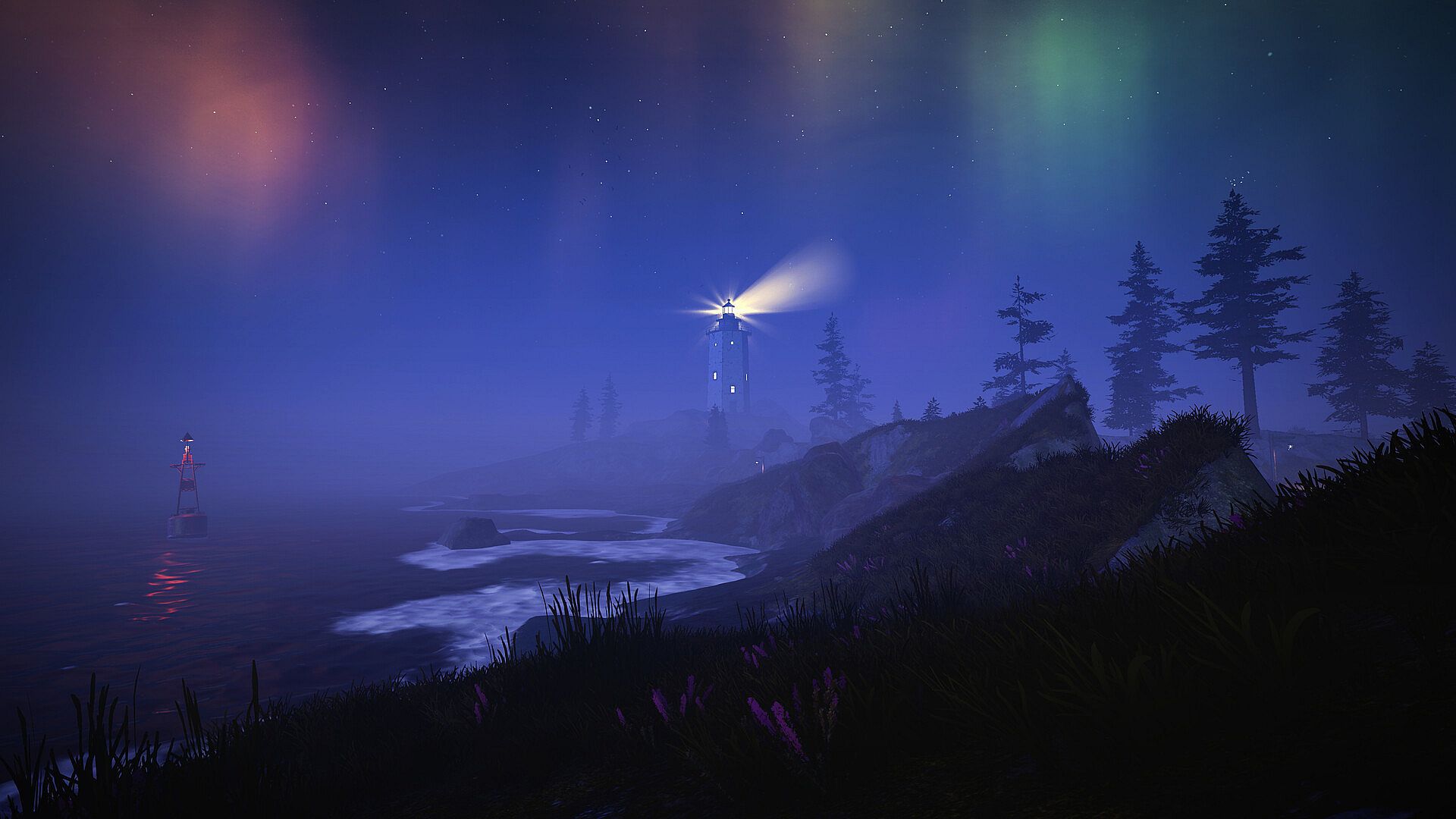
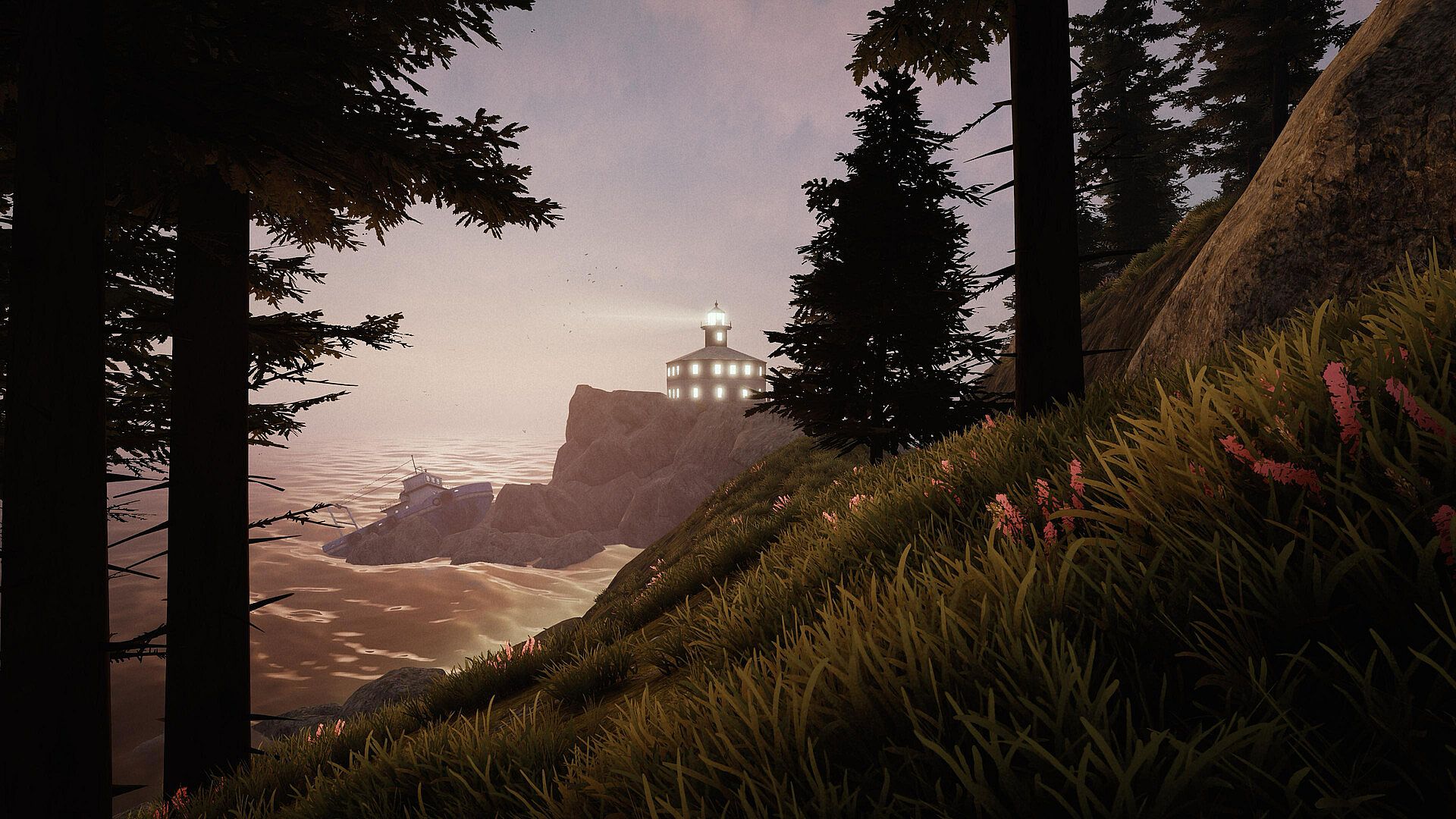
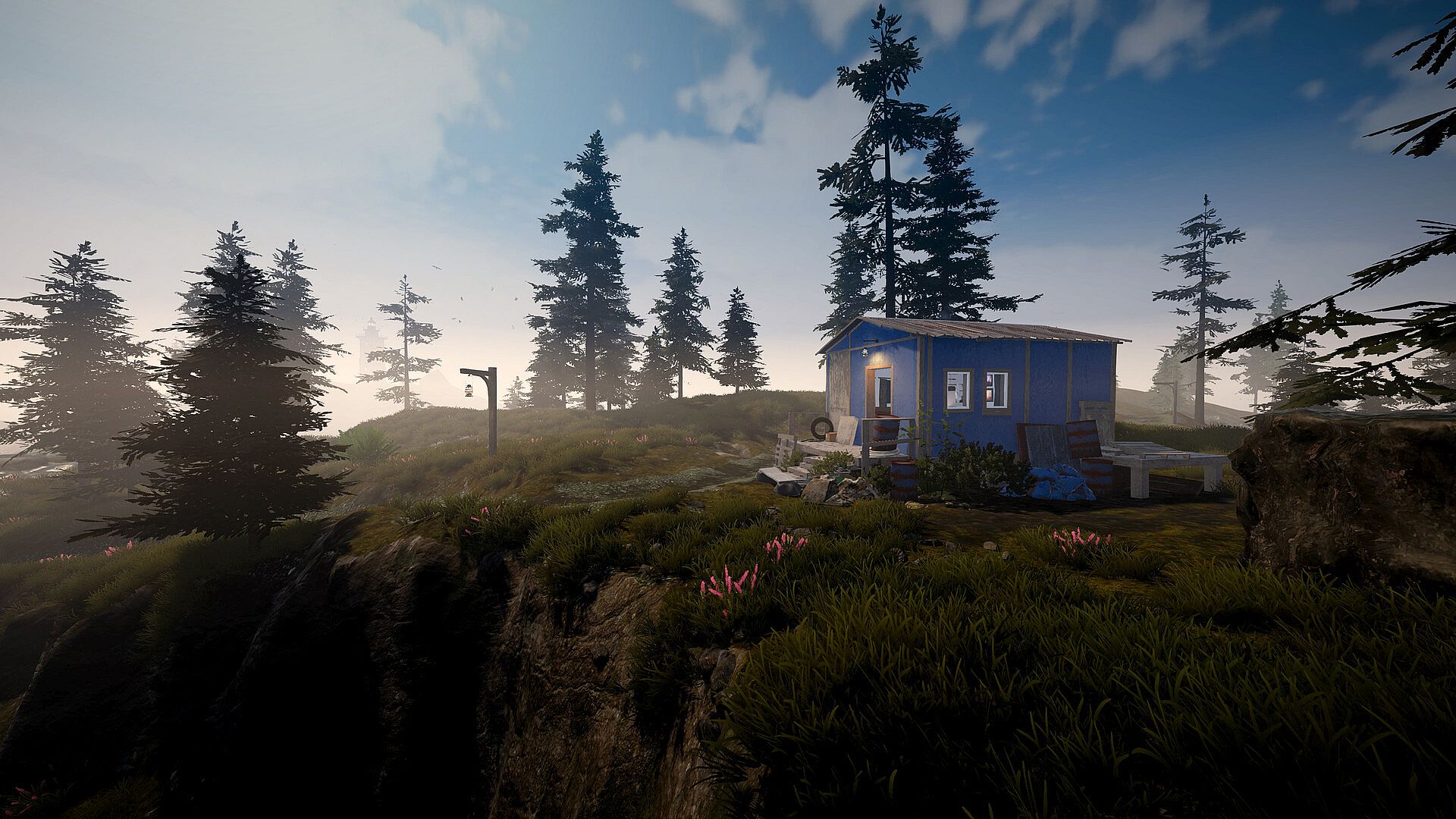
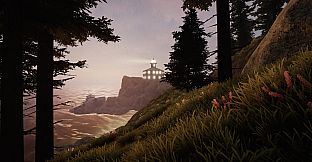
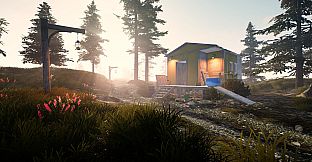
On land, players maintain small cabins and repair island structures such as lighthouses to create functional bases. These improvements support longer stays and better preparation for subsequent trips. The world generates new island layouts and bounty distributions each playthrough, encouraging repeated exploration of different routes and timing strategies.
Game Modes
Seaworks: Trap Season functions as a single-player simulation without separate competitive or cooperative modes. All progress occurs within one continuous career structure where players balance fishing trips, maintenance tasks, and base development. The randomized world and shifting seasonal conditions create natural variation across multiple runs, but the underlying systems remain focused on personal routine and incremental growth rather than distinct game variants.
Activities integrate into a unified loop. Bounty acceptance, trap deployment, catch sorting, sales decisions, and boat or cabin upgrades all feed into the same progression path. No additional modes introduce multiplayer elements or alternate objectives beyond the core emphasis on steady work and adaptation to environmental factors.
Key Mechanics and Progression
Progression relies on earned money and experience to secure better licenses and equipment. Early stages limit players to short trips and basic traps, while later stages allow access to more distant waters and larger hauls. Processing catches on land yields higher returns than immediate fresh sales, creating strategic choices about time investment versus immediate profit.
Stamina and fuel act as primary constraints. Overextending a trip risks stranding the player or damaging the boat, so efficient route planning and weather awareness become essential skills. Randomized elements ensure that no two seasons follow identical patterns, rewarding careful observation and adaptive decision making.
Is It Worth Playing?
Seaworks: Trap Season suits players who enjoy deliberate, systems-driven simulation experiences centered on resource management and environmental interaction. The emphasis on routine tasks, weather timing, and incremental upgrades appeals to those who prefer steady progression over fast-paced action or narrative-driven stories. Because the game remains in development with a planned 2026 release, current information comes solely from official descriptions and announcement materials. Individuals interested in hands-on fishing mechanics combined with life-simulation elements may find the described systems engaging once the title becomes available. Those seeking multiplayer options or rapid advancement will likely find the single-player focus and measured pace less aligned with their preferences. The game targets a niche audience that values realistic constraints and the satisfaction of maintaining equipment and routines over extended play sessions.