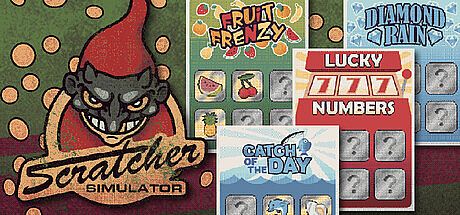


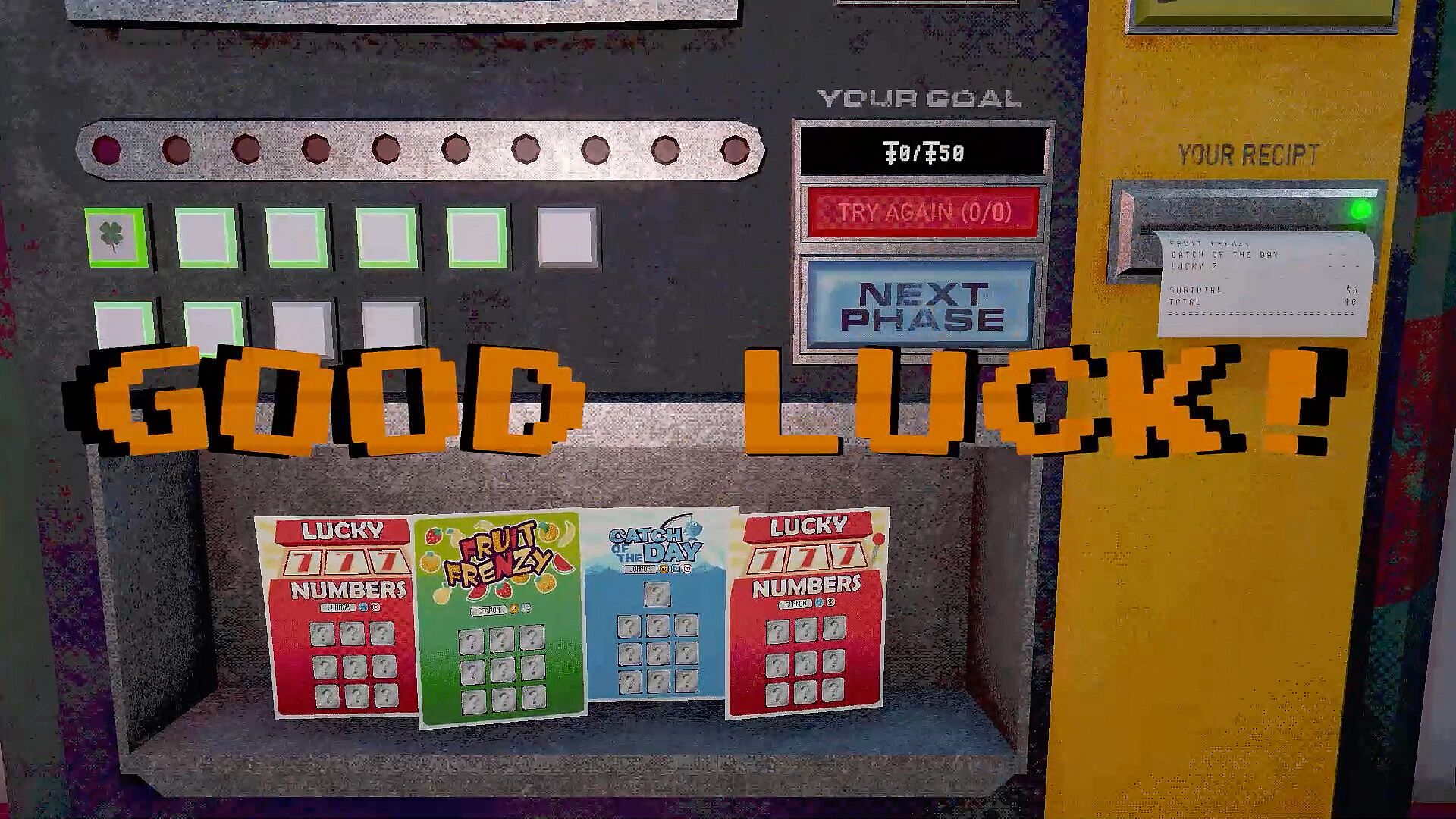
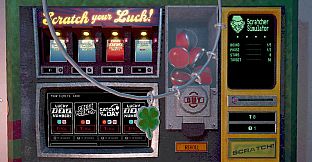
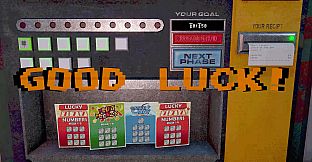
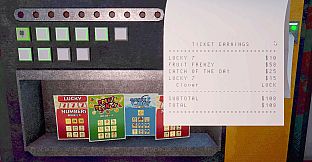
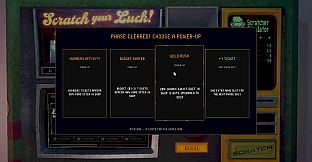
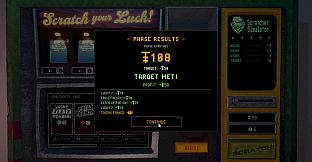
Scratcher Simulator is a single-player simulation game built around a solitary vending machine and the constant pressure of a shared wallet. Players enter a dark room and interact directly with the machine to buy and scratch tickets, aiming to hit rising cash targets before resources run out. The entire experience revolves around one pool of money that serves both as spending power for upgrades and as the score needed to advance.
Gameplay
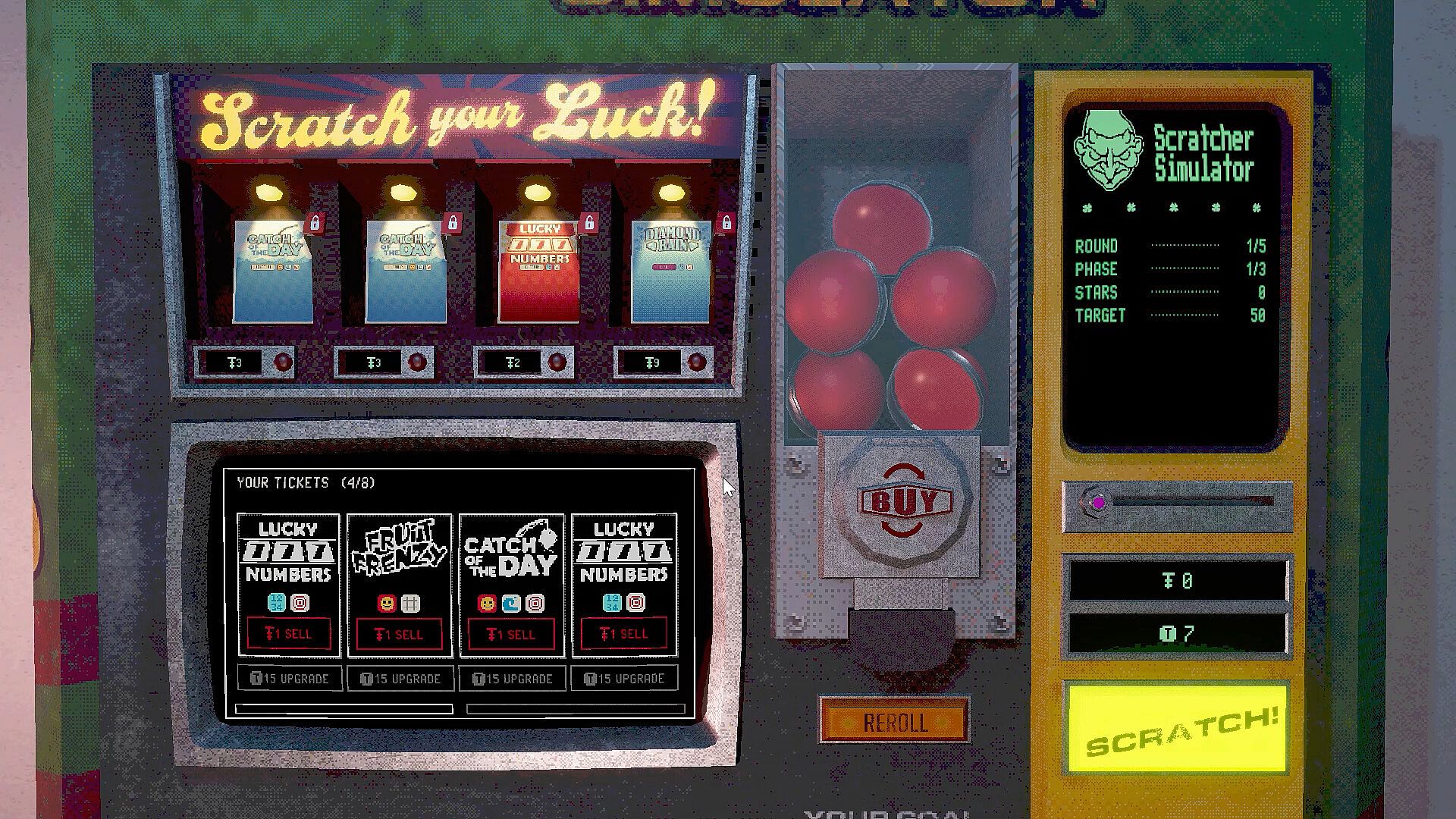
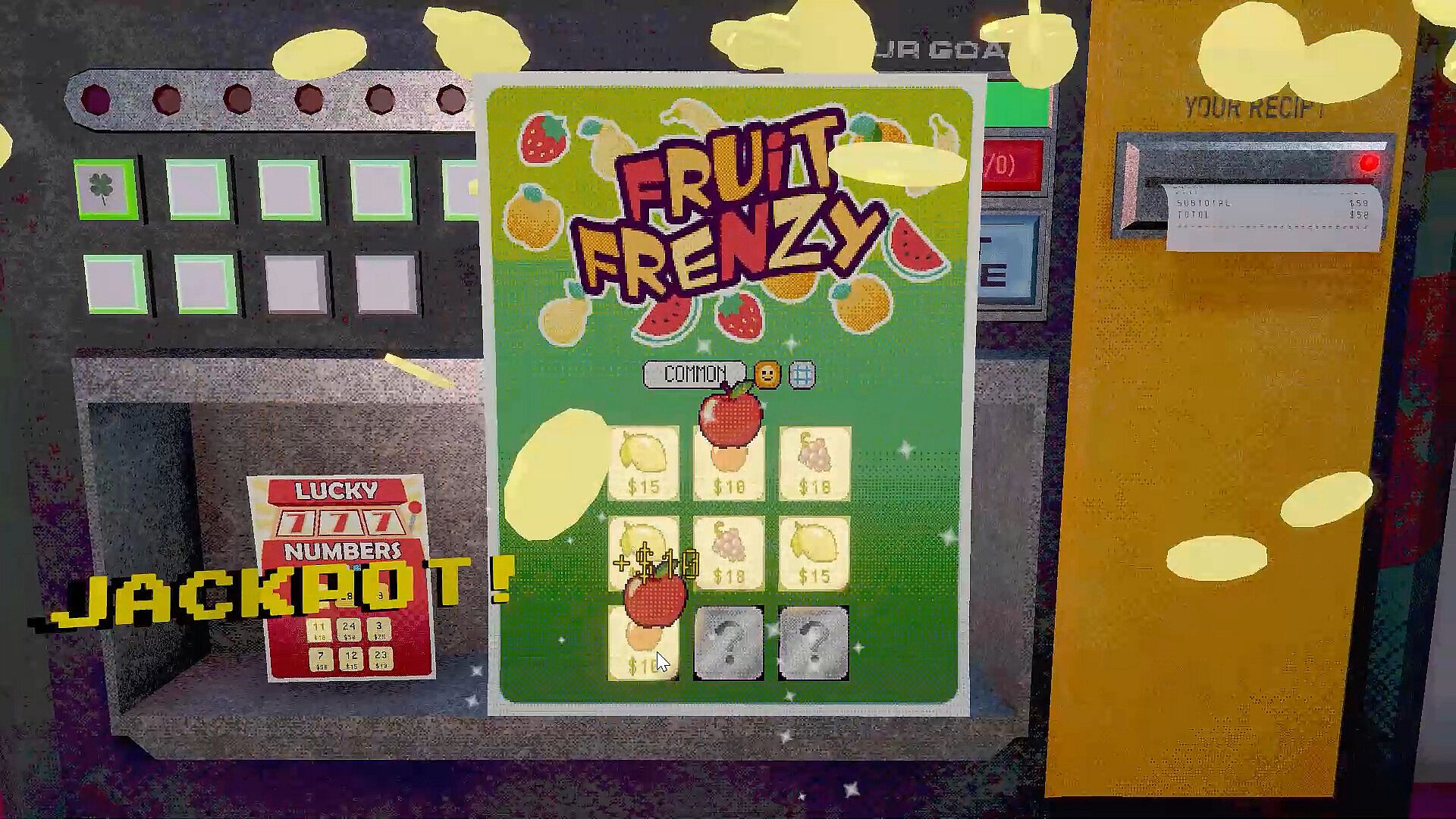
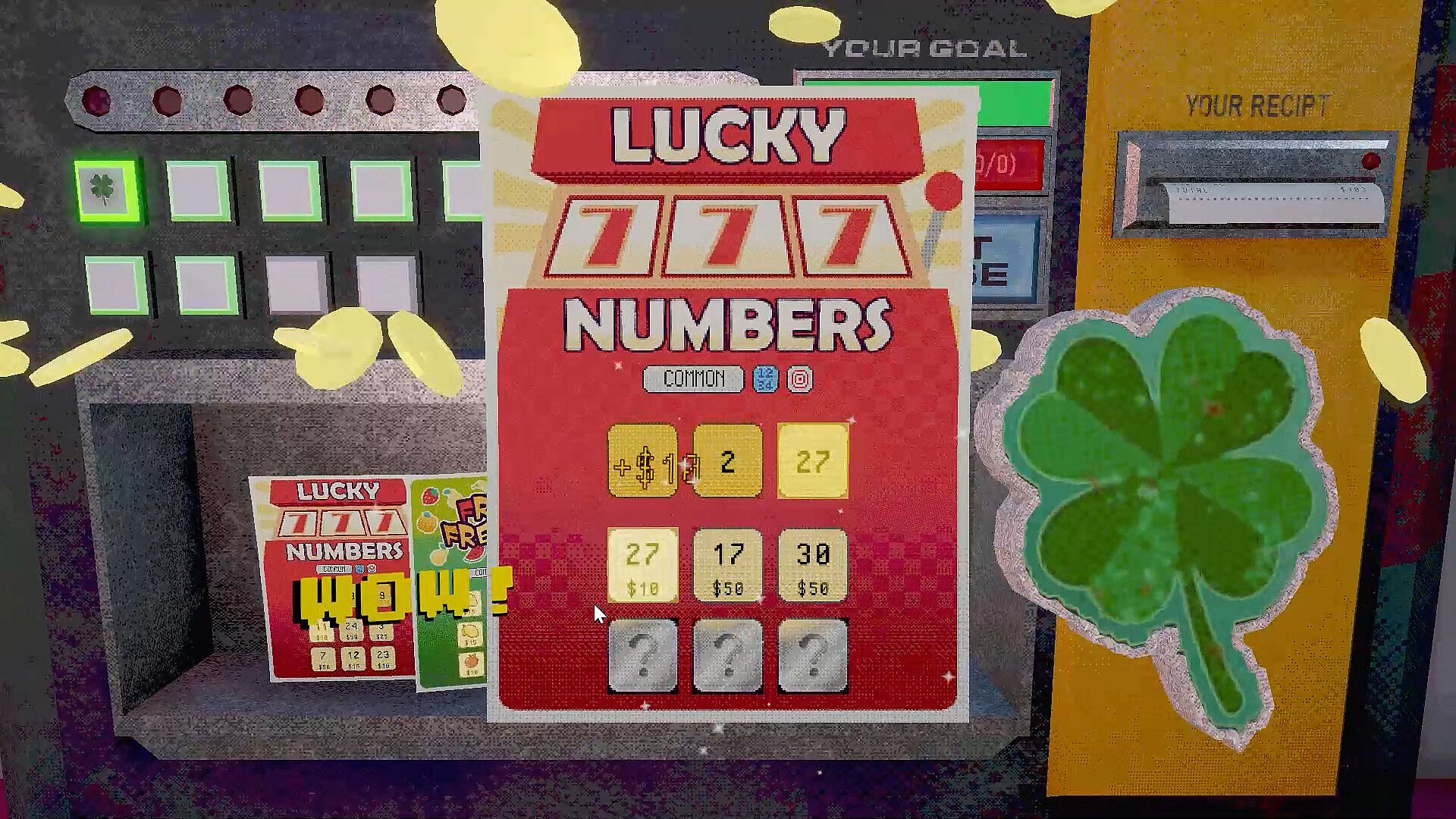
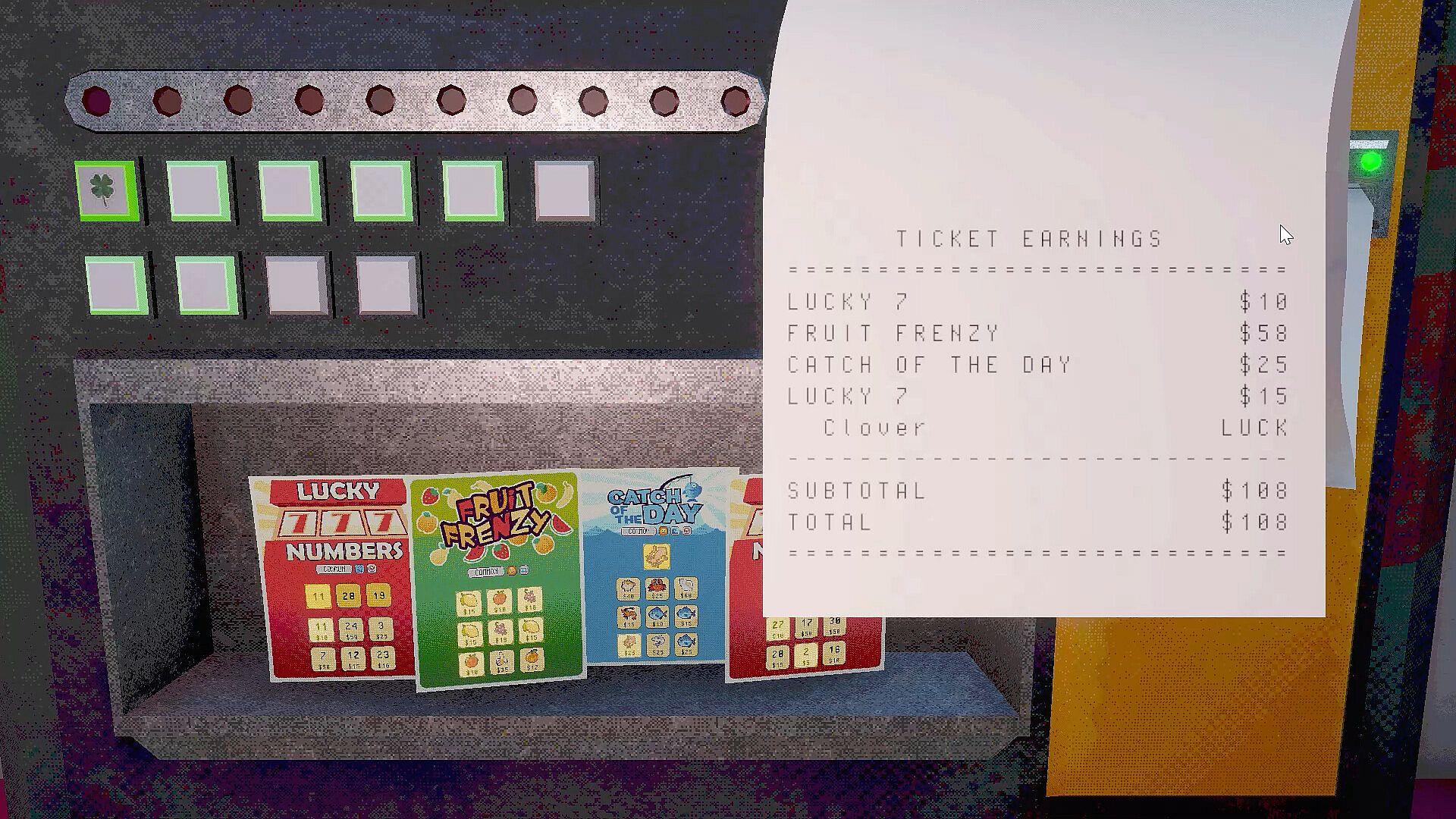
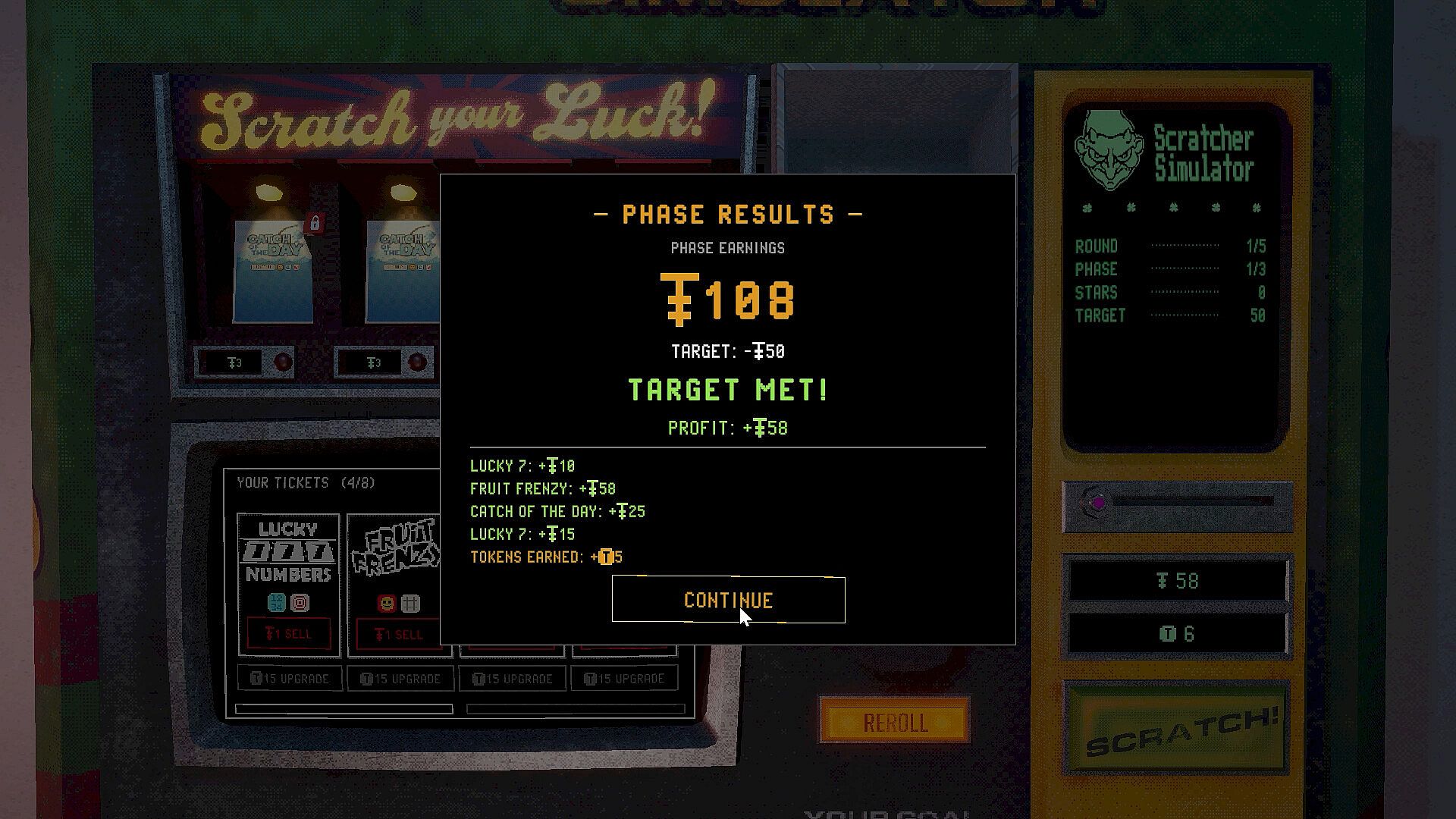
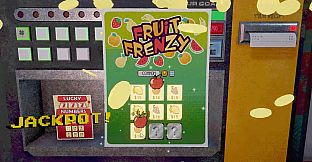
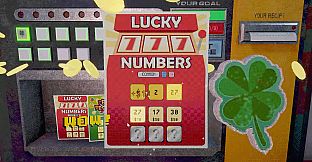
The core loop centers on physical machine interactions. Players drop a coin, twist a knob, press buttons, and then scratch the foil layer on three-dimensional tickets using the cursor to reveal hidden values. A paper receipt prints out after each payout, providing immediate feedback on winnings. Every decision ties back to the single wallet, where spending on upgrades or charms reduces the cash available for the current target.
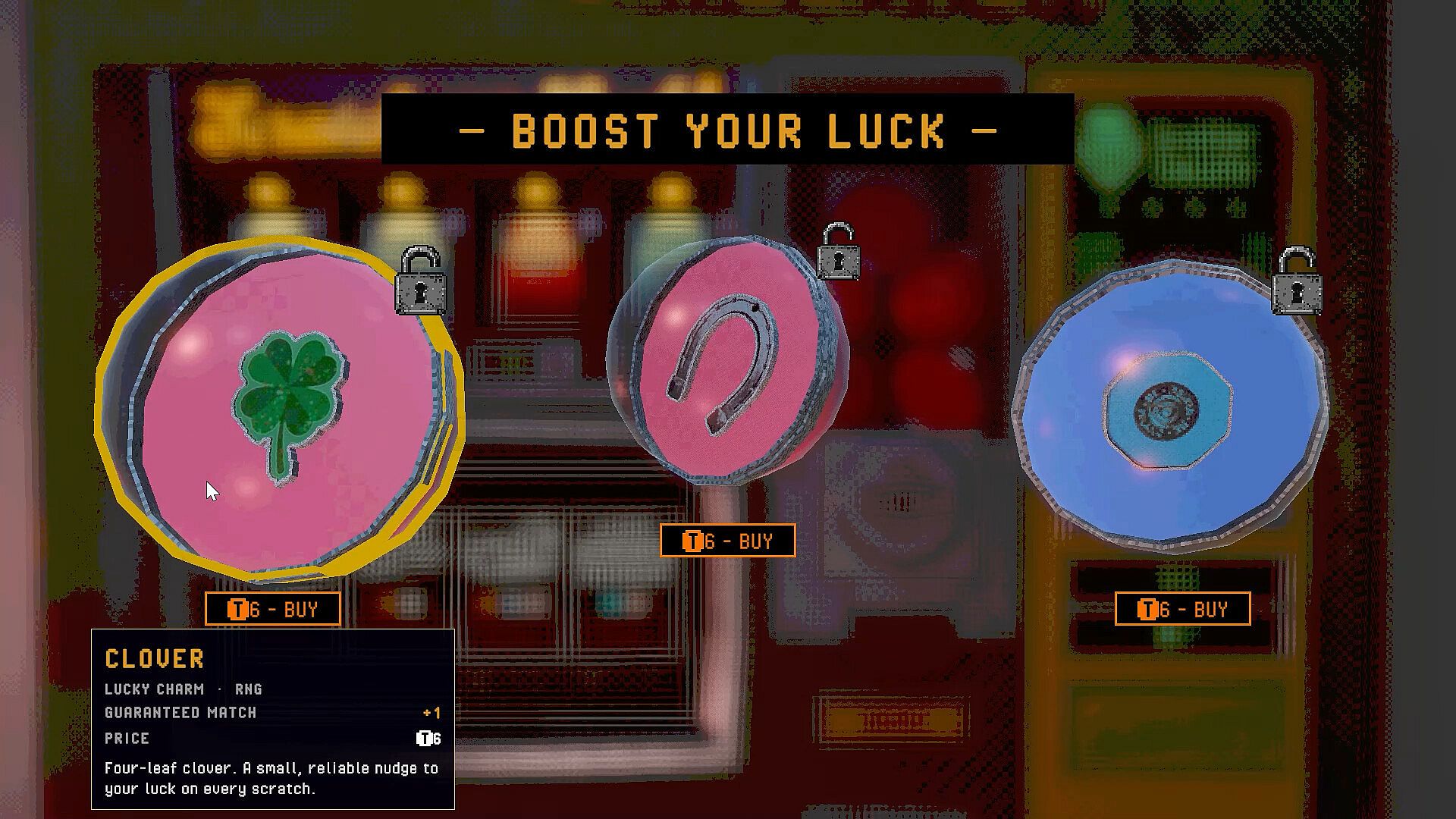
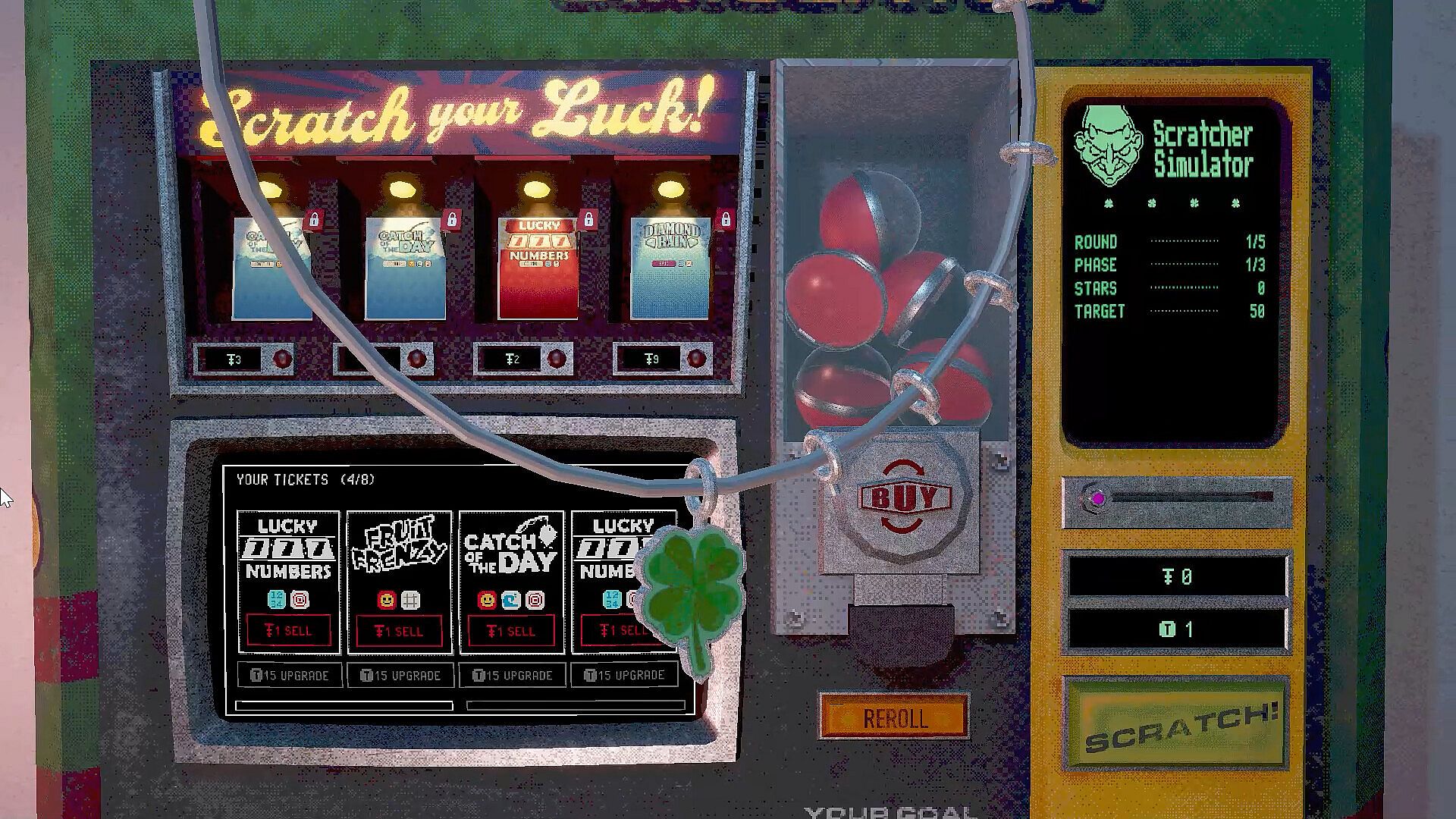
Tickets come from 26 families spread across six archetypes that include number matches, symbol hunts, slots, bingo, dice, and blackjack. Each family starts at a base level and can be upgraded through PRO and TURBO stages to increase prize potential. Lucky charms fall into four categories that adjust odds, base values, multipliers, or compound interest, though only five can be equipped at once. Seven tactical consumables allow targeted interventions such as forcing a high prize on the next ticket or doubling its value afterward.
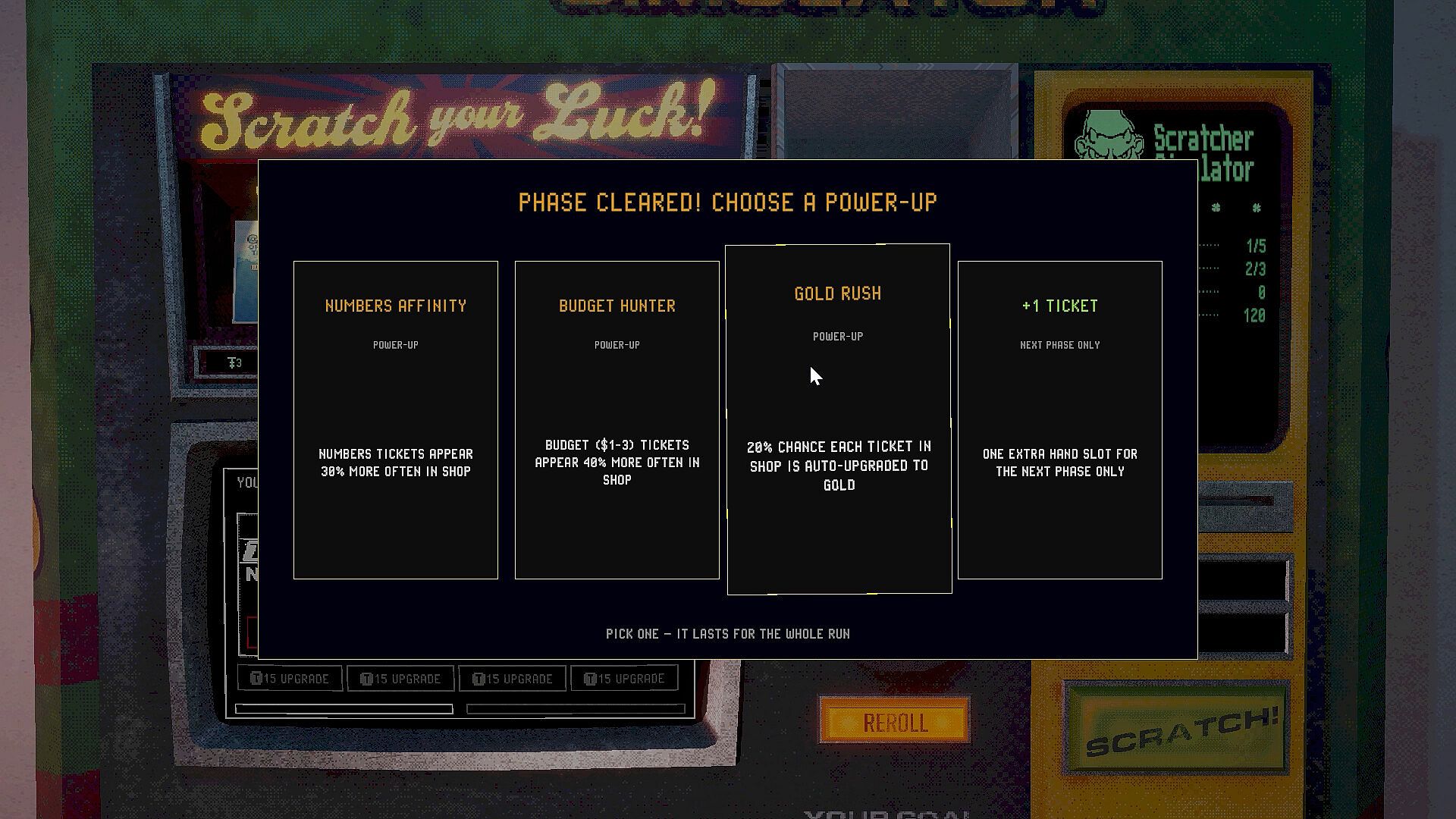
Progression occurs through phases that grow more demanding. Every third phase introduces boss-style handicaps including hidden values, doubled prices, cursed symbols, limited hand space, or unscratchable cells. These obstacles directly challenge different parts of a player's build, forcing adaptation rather than reliance on a single strategy.
Game Modes
The game operates through repeated runs that end either by reaching the cash target or by exhausting the wallet. Each attempt builds on the same core systems without separate named modes, emphasizing survival and incremental improvement across escalating phases. The structure rewards careful resource management because money spent on charms or upgrades cannot contribute to the target.
Failure simply ends the current run, but every attempt grants Stars regardless of outcome. These Stars unlock additional ticket families, charms, and consumables for future runs, expanding the available options over time. The single-player format keeps all focus on personal decision-making inside the machine interface.
Progression and Builds
Unlocks expand the arsenal gradually. New ticket families raise the ceiling for potential earnings, while additional charms and consumables open new combinations within the five charm slots. Players experiment with different loadouts to counter the handicaps that appear in later phases, turning early pocket change into much larger totals through chained multipliers and interest effects.
The limited charm slots create meaningful choices because each selection must support the overall engine while leaving room for responses to upcoming obstacles. Consumables provide one-time tactical edges that can turn a marginal run into a successful one when timed correctly.
Is It Worth Playing?
Scratcher Simulator suits players who enjoy simulation games centered on risk-reward decisions and build crafting under constraints. The direct machine interface and unified wallet create constant tension between spending for future gains and conserving cash for the immediate target. Those who appreciate incremental unlocks and adapting to shifting handicaps will find repeated runs engaging as the available tools grow.
The game remains a contained single-player experience with no real-money elements or external transactions. Its appeal lies in the tight integration of ticket variety, charm synergies, and phase-based challenges rather than broad content volume. Players seeking a focused loop of mechanical interaction and strategic spending will likely find value in the systems as described.