

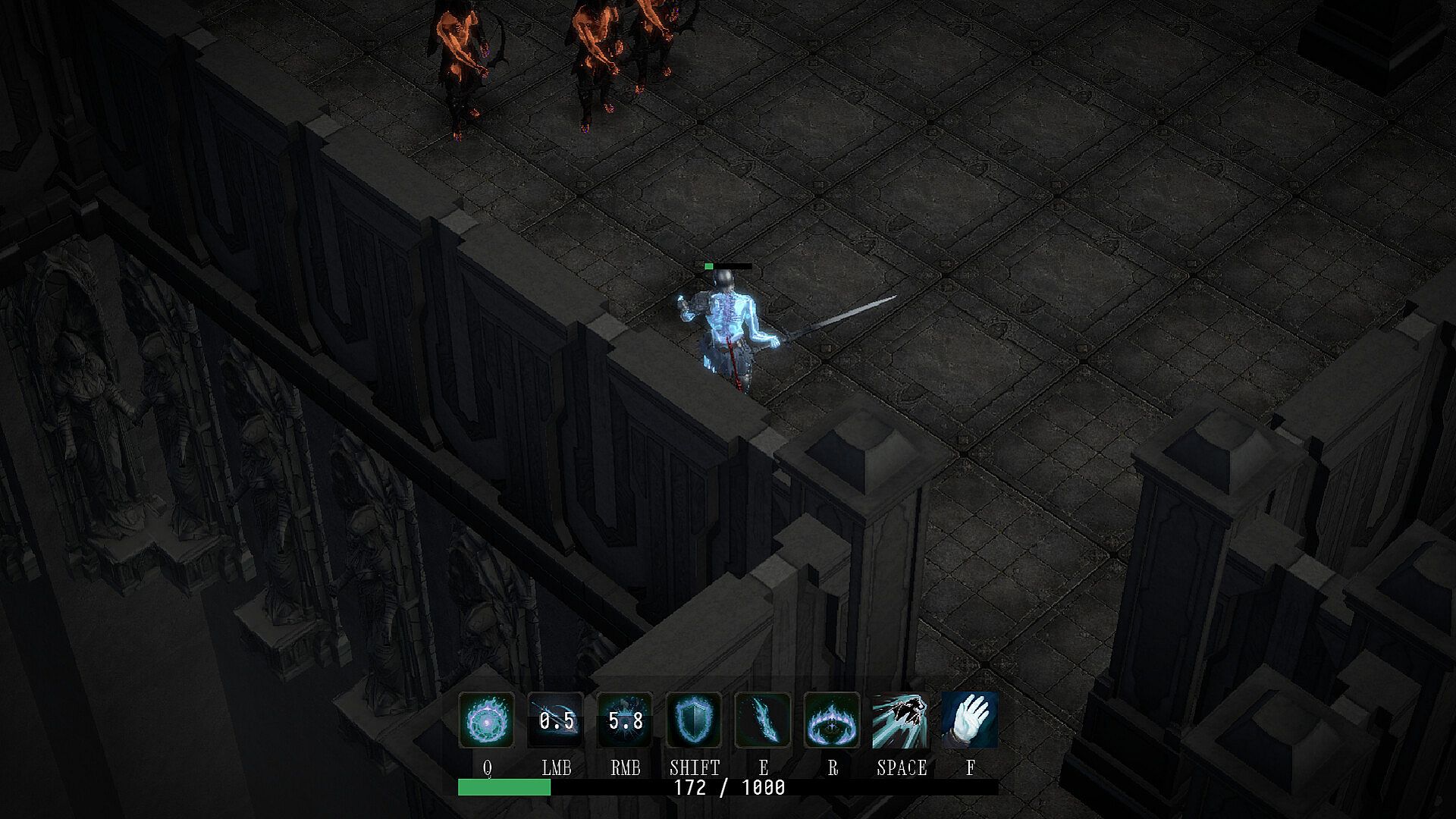


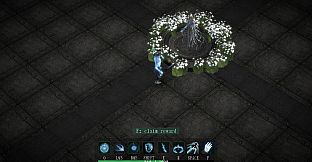
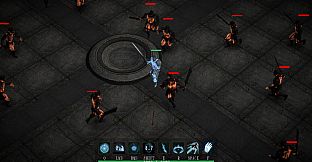
Sange is an isometric action RPG developed for PC that places players in control of a spectral warrior navigating a vast gothic citadel suspended above a fog-filled abyss. The game emphasizes deliberate combat against waves of flame-wreathed enemies in a dark fantasy setting filled with ruined halls, towering battlements, and ritual arenas. Core systems revolve around positioning, timing, and resource management in a run-based structure where mistakes carry lasting consequences.
Gameplay
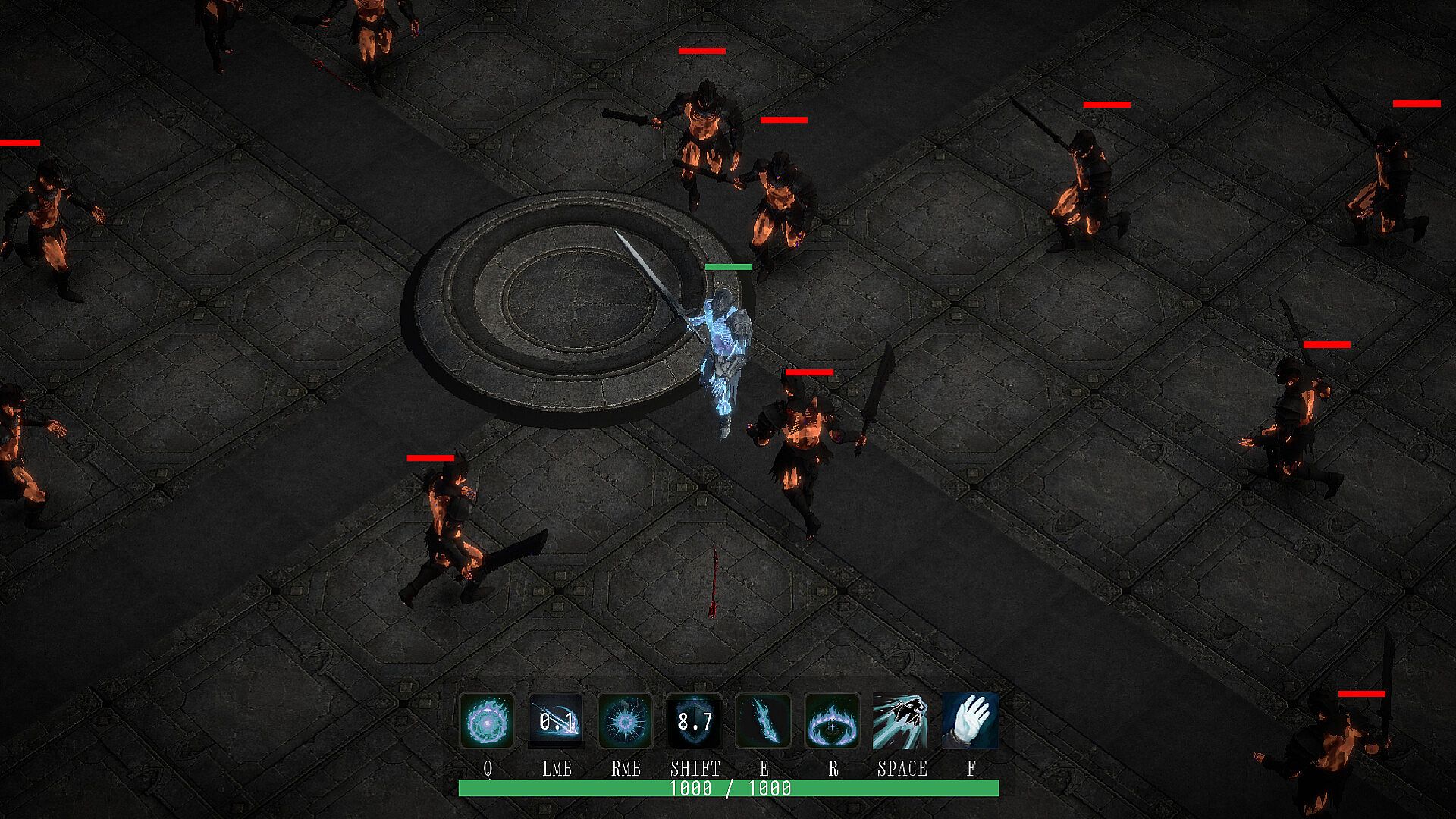
Combat unfolds in fast yet measured isometric encounters. Players chain melee strikes, execute dashes to reposition through enemy lines, raise defenses against incoming blows, and activate special, power, and ultimate abilities. Each action carries distinct range, timing, and cooldown values, rewarding careful commitment over button mashing. Reckless advances expose the warrior to encirclement, while overly cautious play allows hordes to close in.
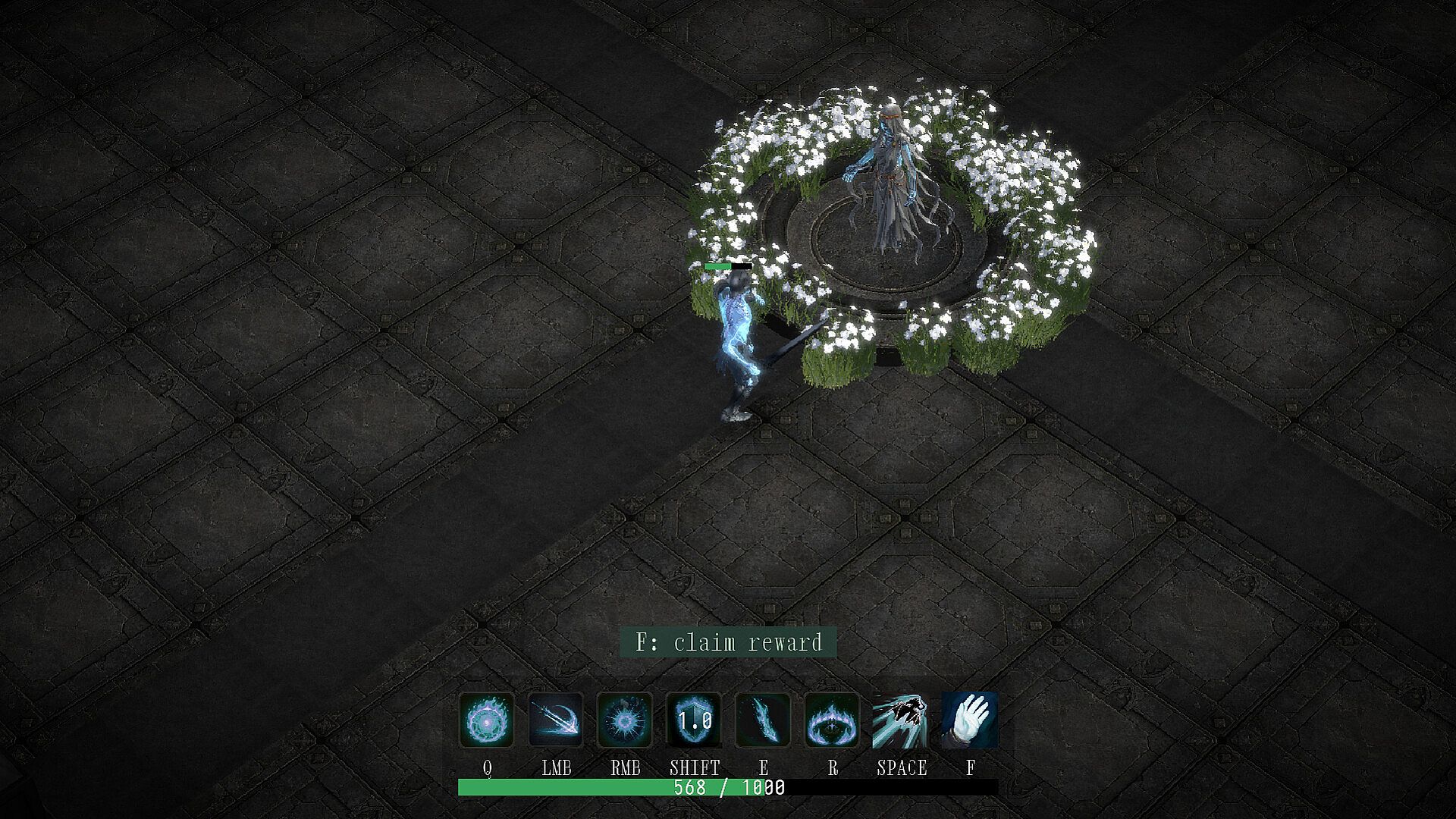
Health persists across levels without automatic restoration between arenas. This design turns every encounter into a calculated risk, where surviving with low health demands efficient use of limited healing options. After clearing an arena, an angel shrine activates at its center. Approaching the fallen angel presents reward choices that influence the remainder of the run, such as boosts to movement speed, faster attack rates, shorter ability cooldowns, or direct health recovery.
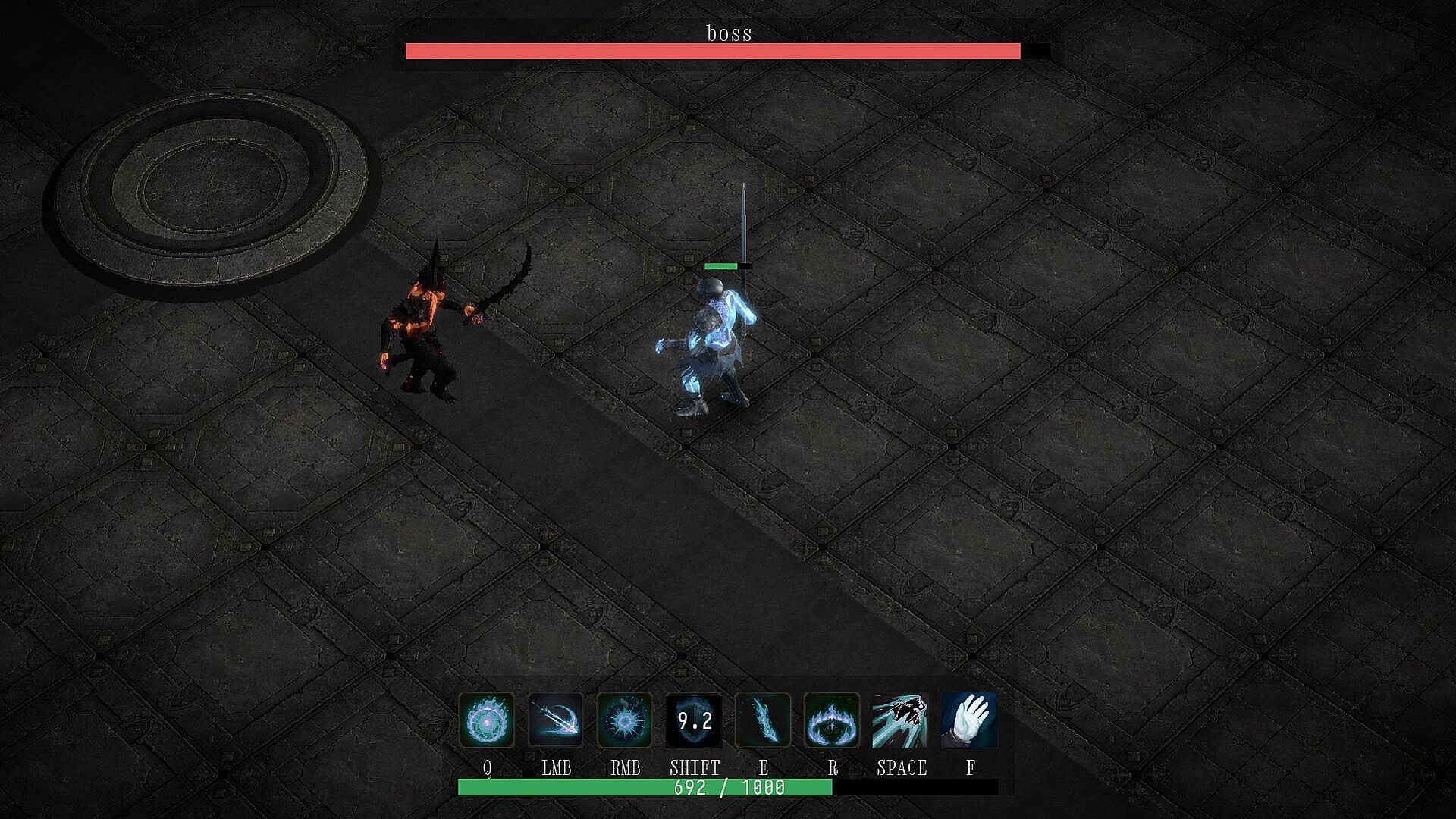
Progression builds through repeated runs. Early levels feature standard cursed foes, while later stages introduce tougher variants. The structure culminates in boss fights where enemies demonstrate advanced maneuvers like battlefield dashes, close-range stuns, and powerful ability barrages. The visual style reinforces the atmosphere with monumental stonework, distant spires, spectral lighting, and structures hanging over endless darkness.
Game Modes
Sange centers on a single run-based mode that forms the complete gameplay loop. Each attempt sends the spectral warrior through a sequence of arenas, with upgrades and health carried forward from prior successes. The demo version includes a full run of ten levels ending in a boss encounter, allowing players to test the core loop of combat mastery and shrine selections.
No separate multiplayer, co-op, or alternative modes appear in the current build. The experience stays focused on solo runs that test endurance and decision-making under persistent damage constraints. This format encourages repeated attempts to refine ability usage and upgrade paths.
Combat and Progression Systems
Ability management forms the backbone of survival. Special moves handle crowd control or burst damage, power abilities provide sustained advantages, and ultimates deliver high-impact finishes when cooldowns align. Positioning proves critical because enemy formations tighten quickly in the confined arena spaces. Dashing serves both offense and escape, while defending creates brief windows for counterattacks.
Shrine rewards introduce meaningful variety between runs. Speed increases help maintain distance from aggressive packs, attack acceleration shortens time spent in melee range, cooldown reductions enable more frequent ability use, and health restoration preserves momentum into tougher sections. These choices compound over the ten-level structure, shaping how later encounters play out.
Is It Worth Playing?
The demo offers a complete, self-contained run that showcases the full combat loop and progression without requiring additional purchases. Players who enjoy challenging isometric action with roguelite elements, where health management and upgrade selection directly impact success, will find the systems rewarding. The deliberate pace and emphasis on positioning suit those who prefer tactical engagement over pure reflex tests.
Development remains early, handled by a solo creator, with the demo serving as an introduction to the intended experience. Those interested in dark fantasy settings and persistent-consequence gameplay can try the available build to determine fit. The absence of reviews at this stage leaves direct feedback limited, but the mechanics described align with the playable content for anyone seeking a focused action RPG trial.