




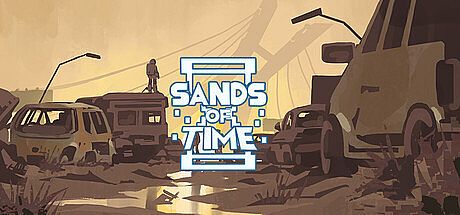


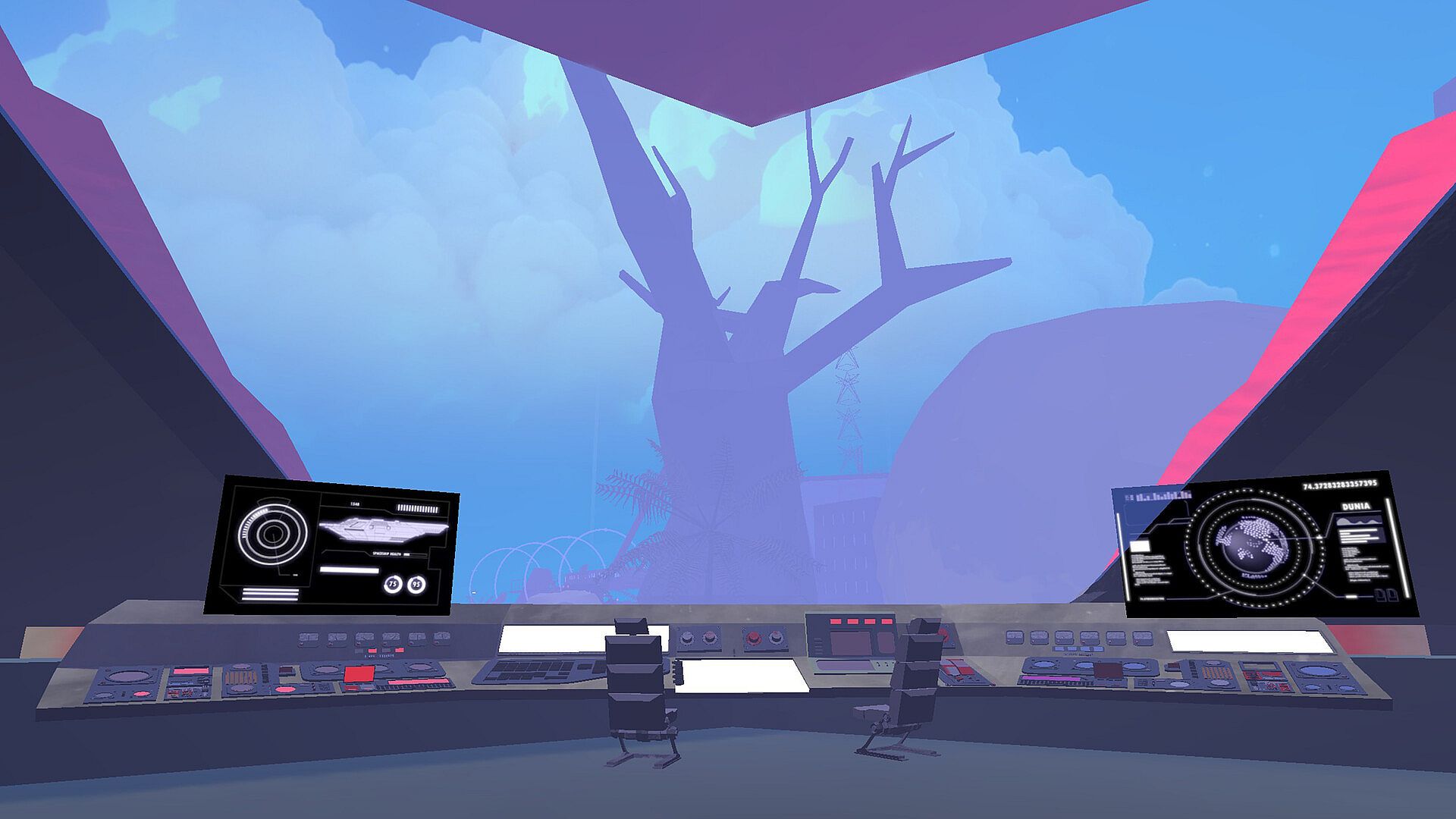
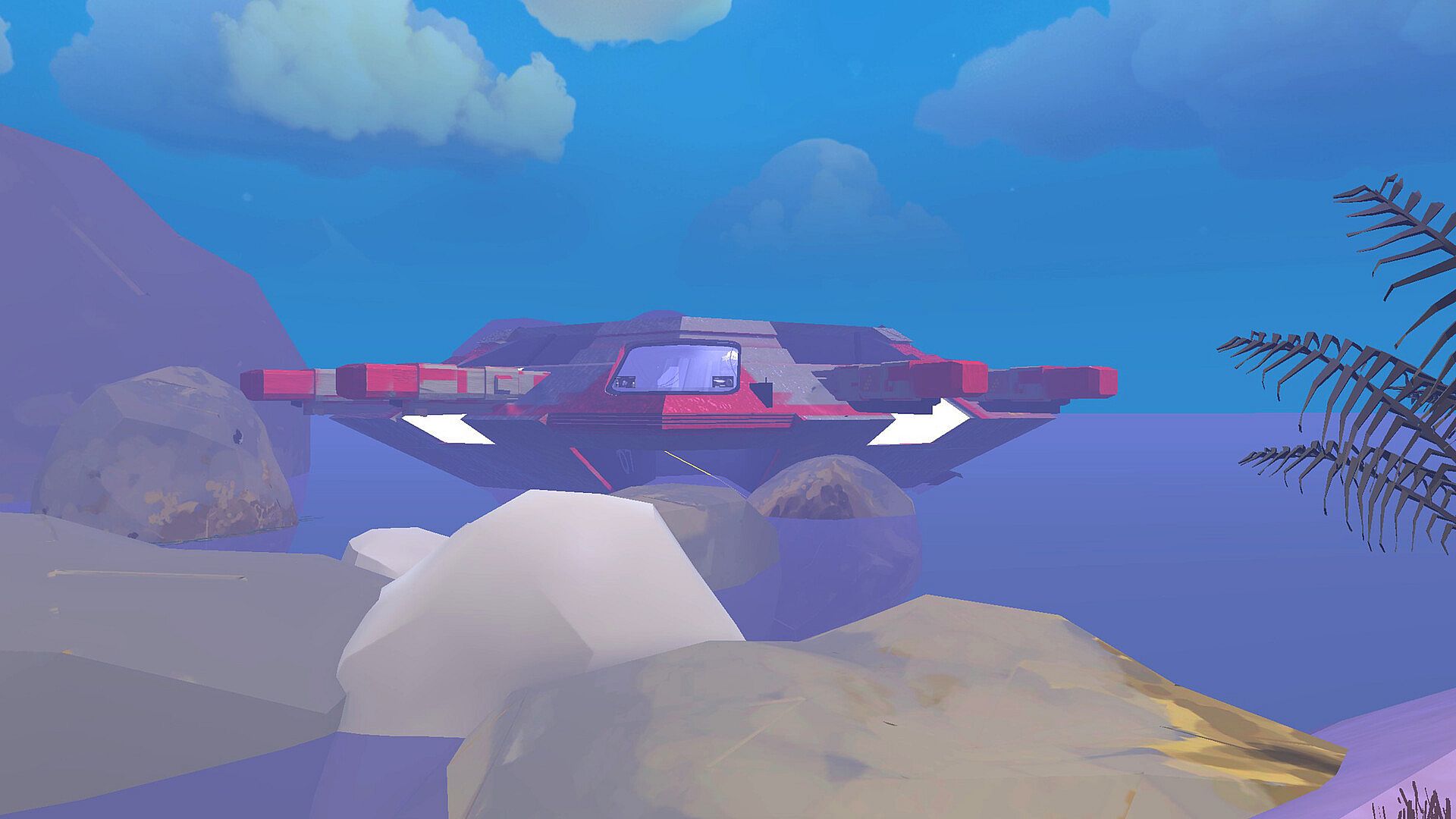
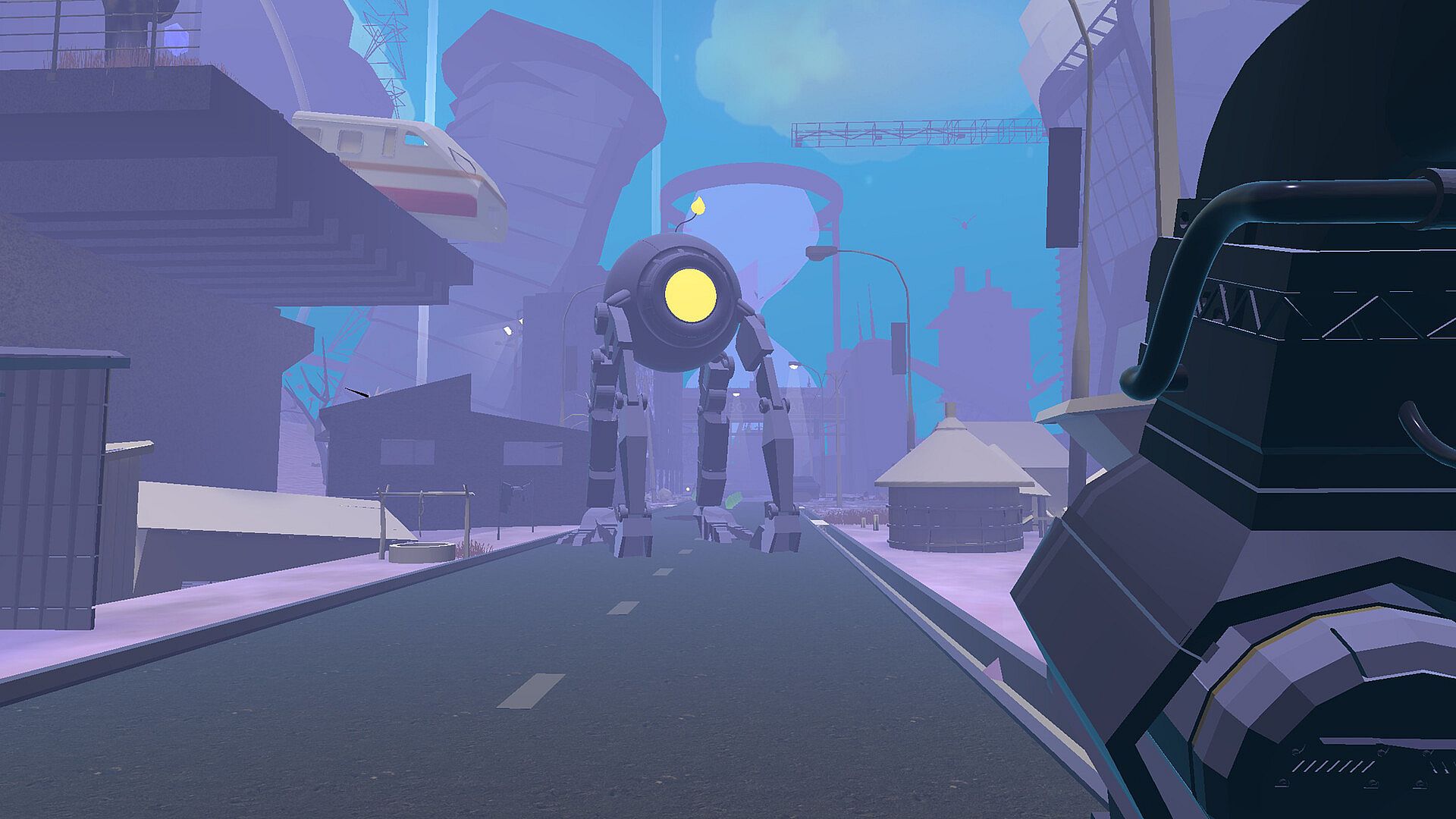

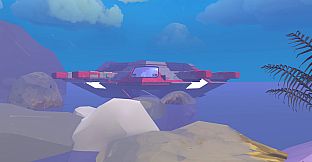
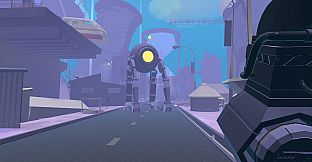
Sands of Time is an action adventure indie game built exclusively for virtual reality on PC and Meta Quest headsets. The experience places players in the aftermath of a spaceship crash on a future coastline of Dar es Salaam, where decades of sand mining have reshaped the land into a series of ruined zones. Exploration forms the central activity, with movement focused on climbing structures, navigating fractured environments, and examining remnants of communities and ecosystems that have been displaced or submerged.
Gameplay
Core mechanics center on traversing three distinct areas drawn from real locations and architectural details in Dar es Salaam. The eroding Coastal Line features unstable shores and leaning monuments that require careful climbing and route finding. Excavation Sites present scarred terrain with visible signs of resource extraction, while the Underground City offers buried passages filled with submerged aquatic life and collapsed infrastructure. Players interact with these spaces by examining objects and environments that reveal details through direct engagement rather than menus or overlays.
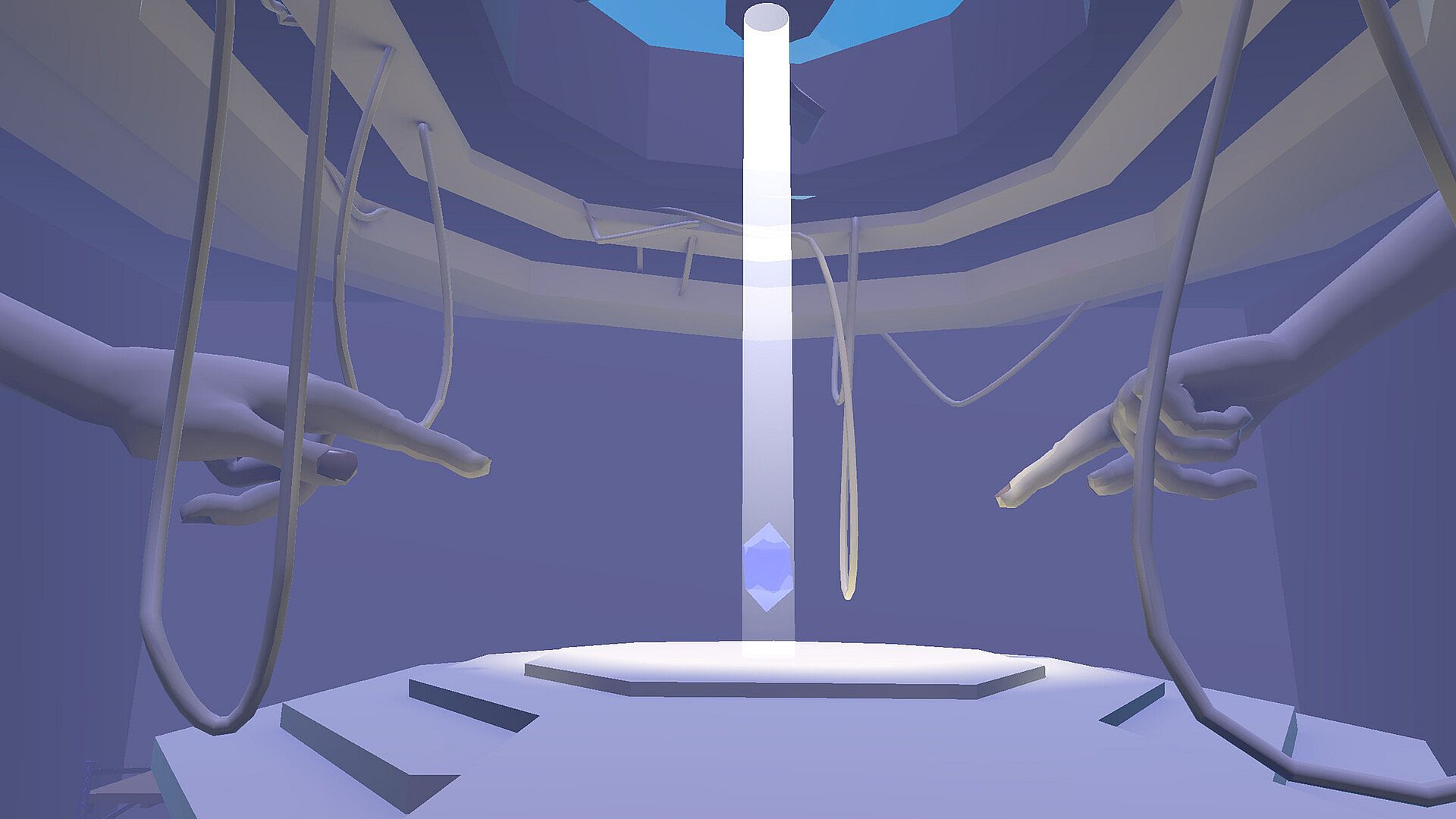
Progression ties directly to locating luminous Tanzanite stones scattered throughout the zones. Each stone unlocks fragments of information about the human and ecological impacts of sand mining, delivered via voice narration and environmental cues. An original score accompanies movement and discovery, shifting tone based on the area being explored. The system encourages thorough searching and repeated visits to zones to locate every collectible before advancing toward the central hourglass structure visible on the horizon.
Game Modes
Support exists for solo sessions where a single player handles all navigation and collection tasks independently. Shared multiplayer sessions allow up to several participants to explore the same world together, coordinating climbs and discoveries in real time. Both options run on the same map layout without altering core objectives or zone access. The design keeps the focus on cooperative observation and joint navigation rather than competitive elements or separate mission structures.
Exploration Zones and Environmental Detail
Each of the three zones incorporates specific cultural landmarks and architectural elements sourced from the real Dar es Salaam region. The Coastal Line emphasizes shifting sands and water intrusion that affect movement paths. Excavation Sites highlight exposed layers of earth and abandoned equipment that serve as visual markers for navigation. The Underground City contains layered ruins where light and water interact with remaining structures, creating distinct visual and auditory cues during traversal. These elements combine to form a continuous setting that rewards observation of how each area connects to the next through shared themes of erosion and loss.
Is It Worth Playing?
The game remains in development with a release date listed as coming soon and no user reviews available at this stage. Its appeal lies in the combination of VR locomotion, collectible-driven narrative, and focus on a single environmental issue presented through real-world inspired locations. Individuals drawn to narrative adventures that emphasize discovery over combat or timed challenges may find the structure engaging once it launches. Those seeking established multiplayer systems or frequent content updates should monitor official channels for confirmation of post-launch support. The current feature set, including full VR implementation and shared sessions, positions it as a targeted experience rather than a broad action title.











