







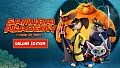




Samurai Academy: Paws of Fury is a third-person action adventure game set in a colorful world of anthropomorphic cats and one determined dog samurai named Hank. Players step into Hank's paws to defend villages from the Shogun's forces while uncovering a larger conspiracy that threatens the land. The experience blends exploration, combat, and light platforming in a package aimed at players of all ages who enjoy accessible, humorous adventures.
Gameplay
The core loop revolves around moving through village hubs and surrounding areas to complete tasks, gather resources, and prepare for larger confrontations. Hank learns new movement abilities and mystical skills over time that help navigate the environment and surprise groups of enemies. Combat involves basic combos, dodges, and special attacks that become available as progress continues, with gadgets and weapons added to handle waves of foes more effectively. Side activities include helping quirky residents with small requests and hunting for collectibles that unlock new areas or playable characters.
Progression feels steady as players unlock additional villages beyond the starting location of Kakamucho. These new spots introduce fresh challenges and expand the available tools. The tone stays light throughout, with animated cutscenes advancing the story of Hank and his allies facing the Shogun's unexpected return to power.
Game Modes
Three distinct styles of play make up the full experience. The main story campaign combines hub-based exploration with combat encounters and short platforming sections. Samurai Trials present fast 2.5D obstacle courses where players race against the mentor character Jimbo, timing jumps and using traps to reach the finish line first. Village Raids function as tower defense sequences in which players protect temple areas from incoming enemy waves by placing traps, using environmental objects like barrels, and calling on allied characters for support.
Local split-screen co-op supports two players through the entire campaign on PC. This mode encourages teamwork during raids and trials while keeping the single-player path fully viable for solo runs. Enemy types range from standard ninja forces to more specialized units that require different approaches.
Story and World
The narrative picks up directly after the events of the original Paws of Fury film. Hank and Jimbo find themselves back in action when the Shogun turns against the villages they protect. The campaign follows a clear path of rescuing friends, uniting settlements such as Dookiehill and Pippishore, and revealing the source of the threat. Animated sequences introduce new characters alongside familiar ones, maintaining a consistent comedic tone.
The world features bright, cartoon-style visuals with plenty of verticality in the village layouts. Exploration rewards curiosity through hidden items and optional objectives that grant fame, awards, and additional gear. The overall structure keeps sessions varied without requiring long commitments in any single activity.
Is It Worth Playing?
Samurai Academy: Paws of Fury suits players seeking a straightforward action adventure with family-friendly appeal and built-in variety. The mix of exploration, timed trials, and defensive raids provides enough change in pace to hold attention across a full playthrough. Local co-op adds replay value for pairs who want to tackle the campaign together.
Reception highlights the charm of the setting and the solid execution of the raid sequences, though some players note occasional control or camera quirks that can affect tighter platforming moments. The game launched with post-release updates focused on stability and refinements. At its price point it delivers a complete single-player or co-op story without additional purchases required for the core content.
Those who enjoyed the source film or similar lighthearted licensed adventures will likely find the most satisfaction here. Newcomers looking for an entry-level third-person experience with humorous characters and multiple gameplay styles can approach it confidently as a self-contained title. The emphasis on accessibility makes it a reasonable choice for younger players or groups wanting shared screen time without steep difficulty spikes.