













Salvage Shop Simulator is a casual simulation game set on PC that puts players in charge of building a retail business from salvaged goods. The core experience revolves around participating in container auctions, restoring purchased items through hands-on tasks, and managing shop operations to turn a profit. Progression comes from reinvesting earnings into better equipment, larger vehicles, and additional store locations across the city.
Gameplay
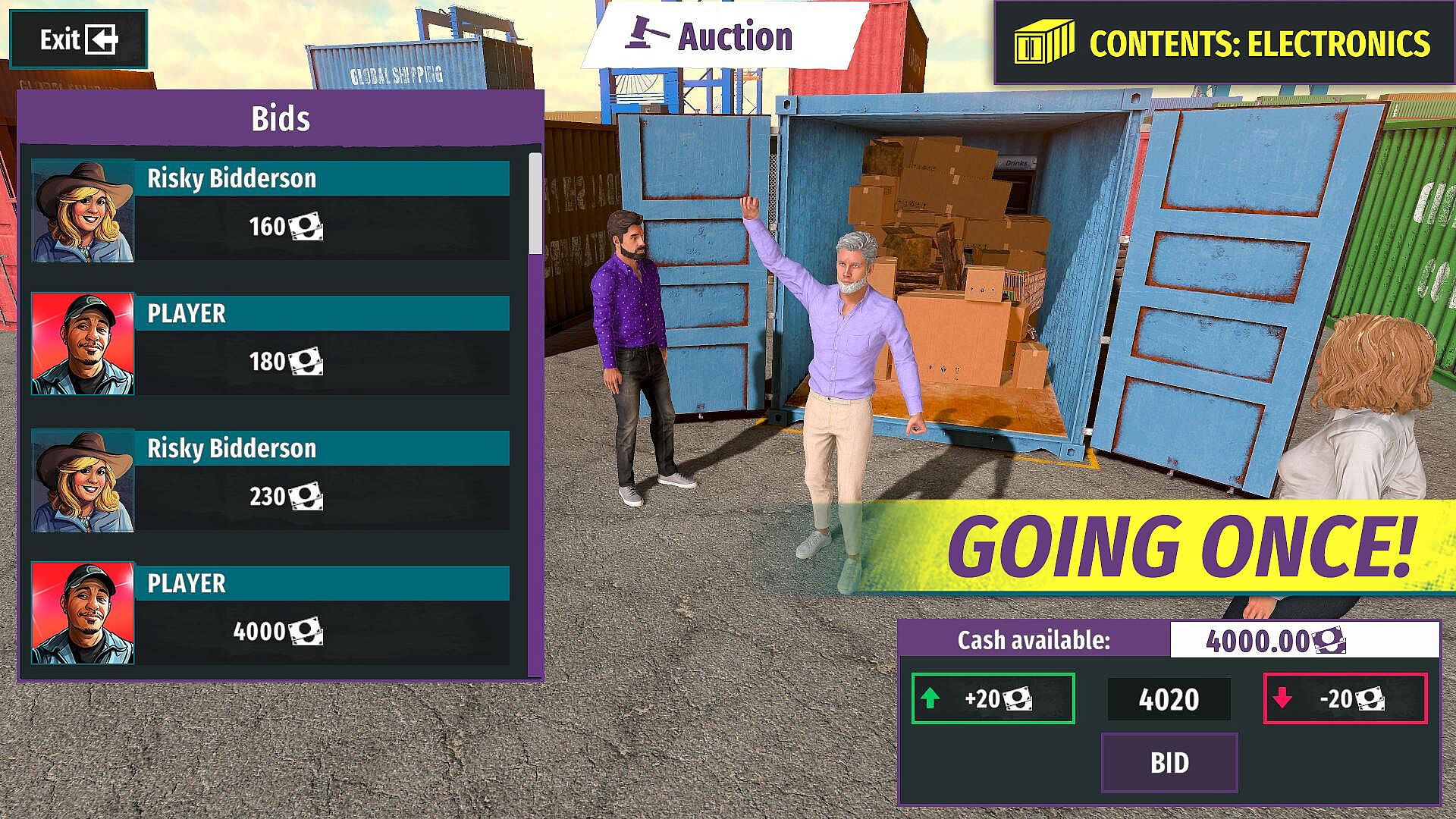
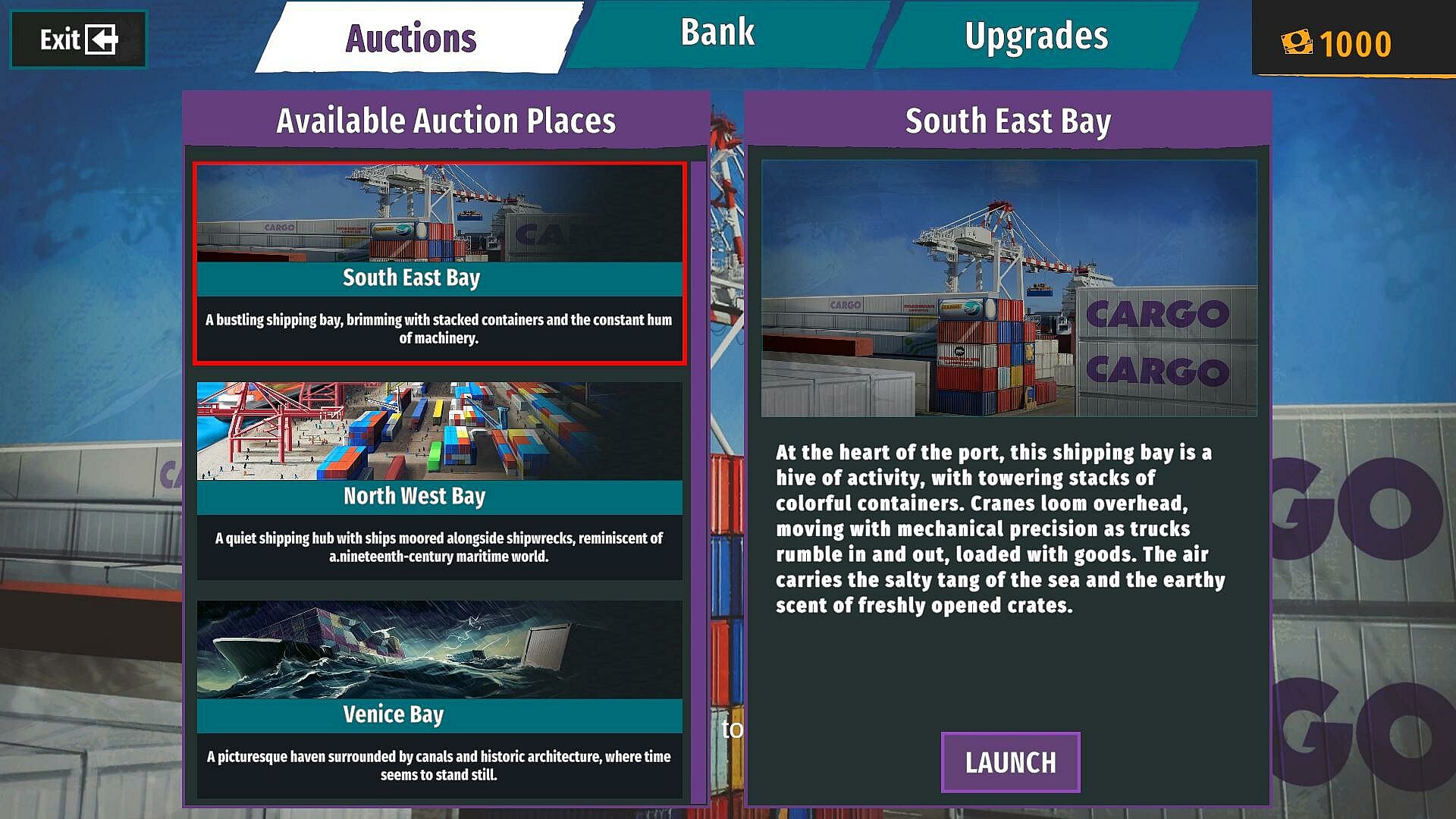
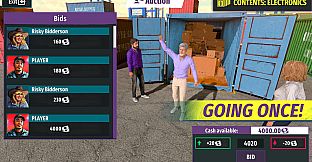
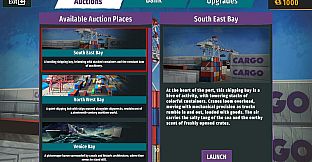
The central loop begins at container auctions where players have a brief window to inspect the contents of each salvaged metal box. A ten-second peek allows quick judgments on potential value versus junk before bidding against several NPC opponents. Each bidder follows distinct patterns that become familiar over time, enabling strategic timing and outbidding tactics to secure desirable lots at favorable prices.
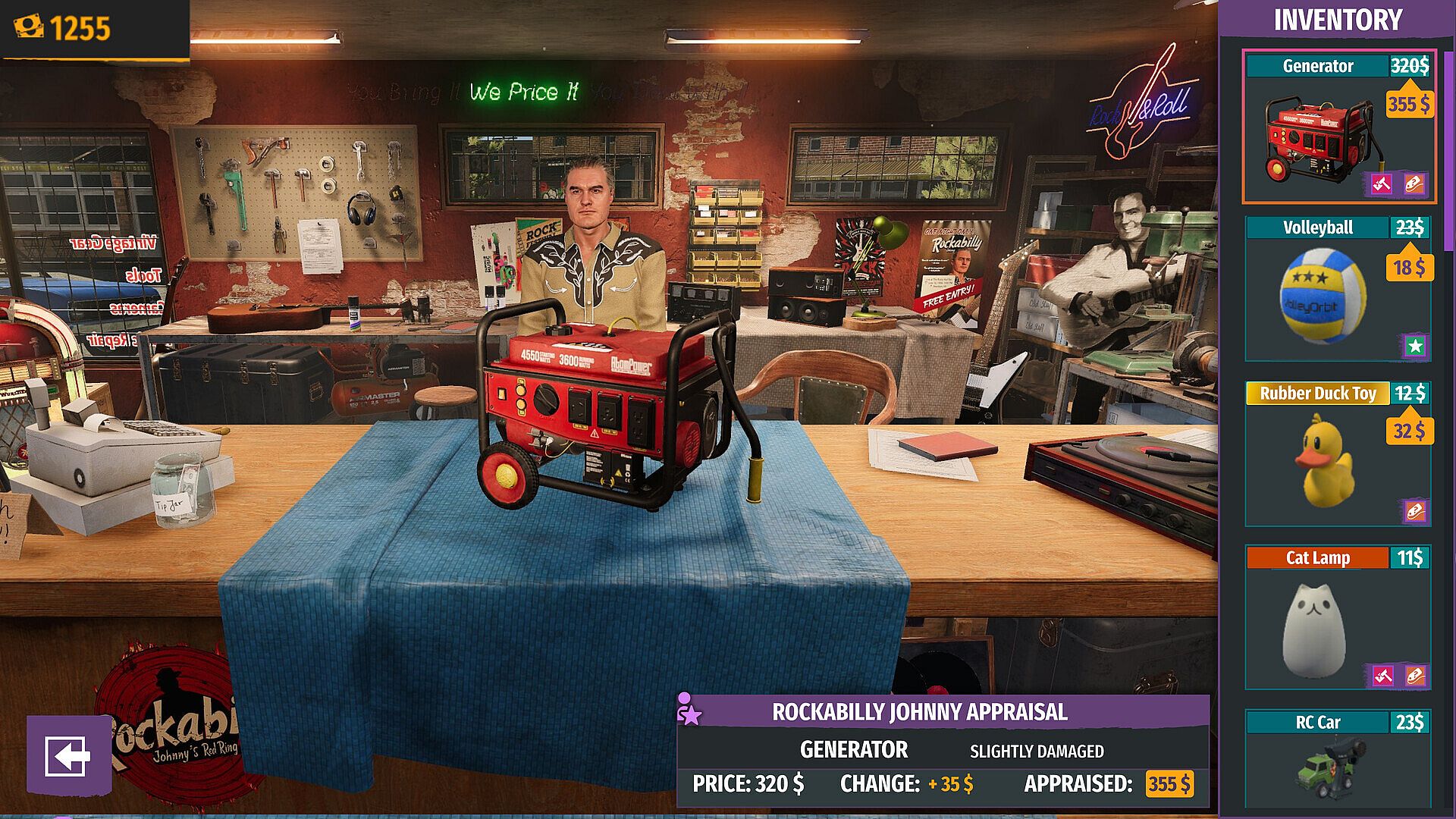
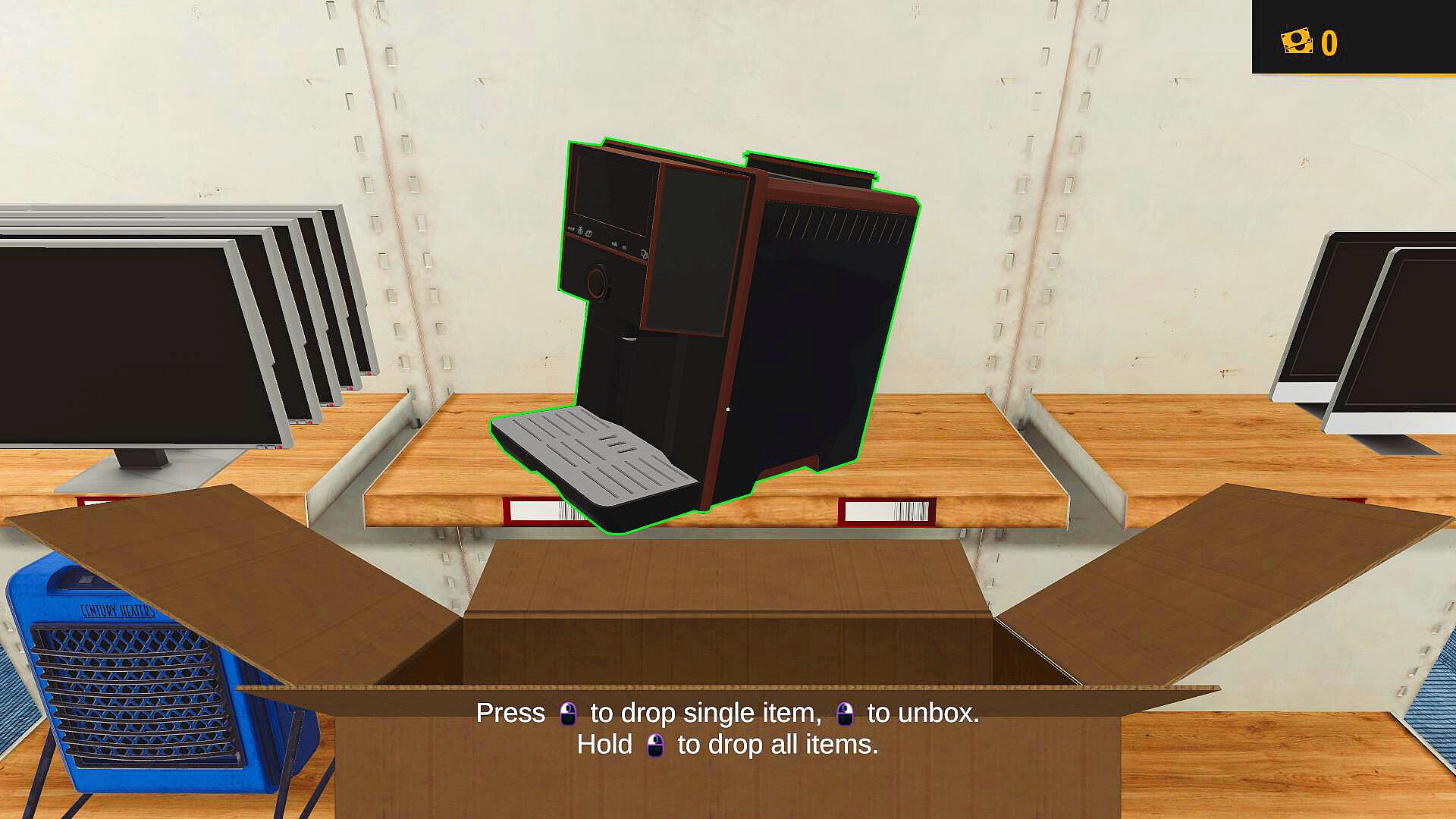
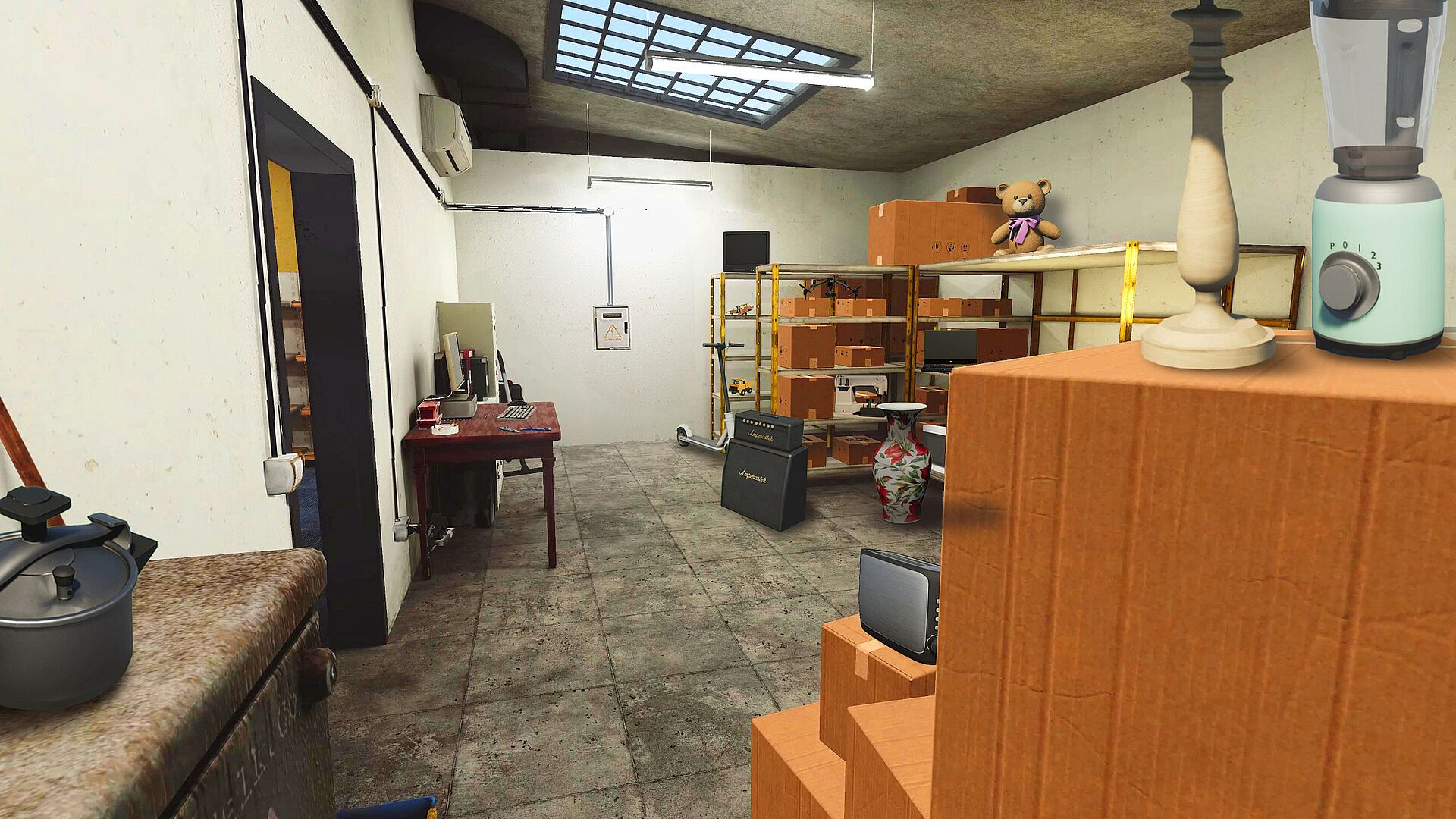
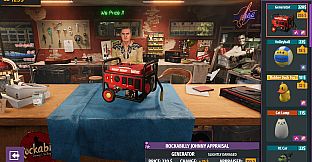
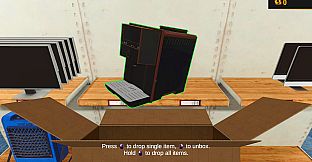
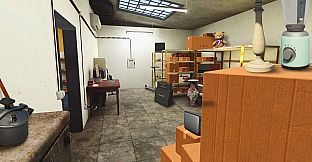
After a successful purchase, items must be loaded onto a transport vehicle using physics-based mechanics. Early vehicles have limited capacity, so efficient stacking becomes essential. Profits allow upgrades to larger trucks that handle bigger hauls from future auctions. Back at the shop, every item undergoes preparation through dedicated minigames. Cleaning removes surface grime in a focused scrubbing activity, while repair work at a workbench improves condition and raises resale value. An evaluation step with an expert identifies true worth and flags potential bootlegs that could harm customer trust if sold.
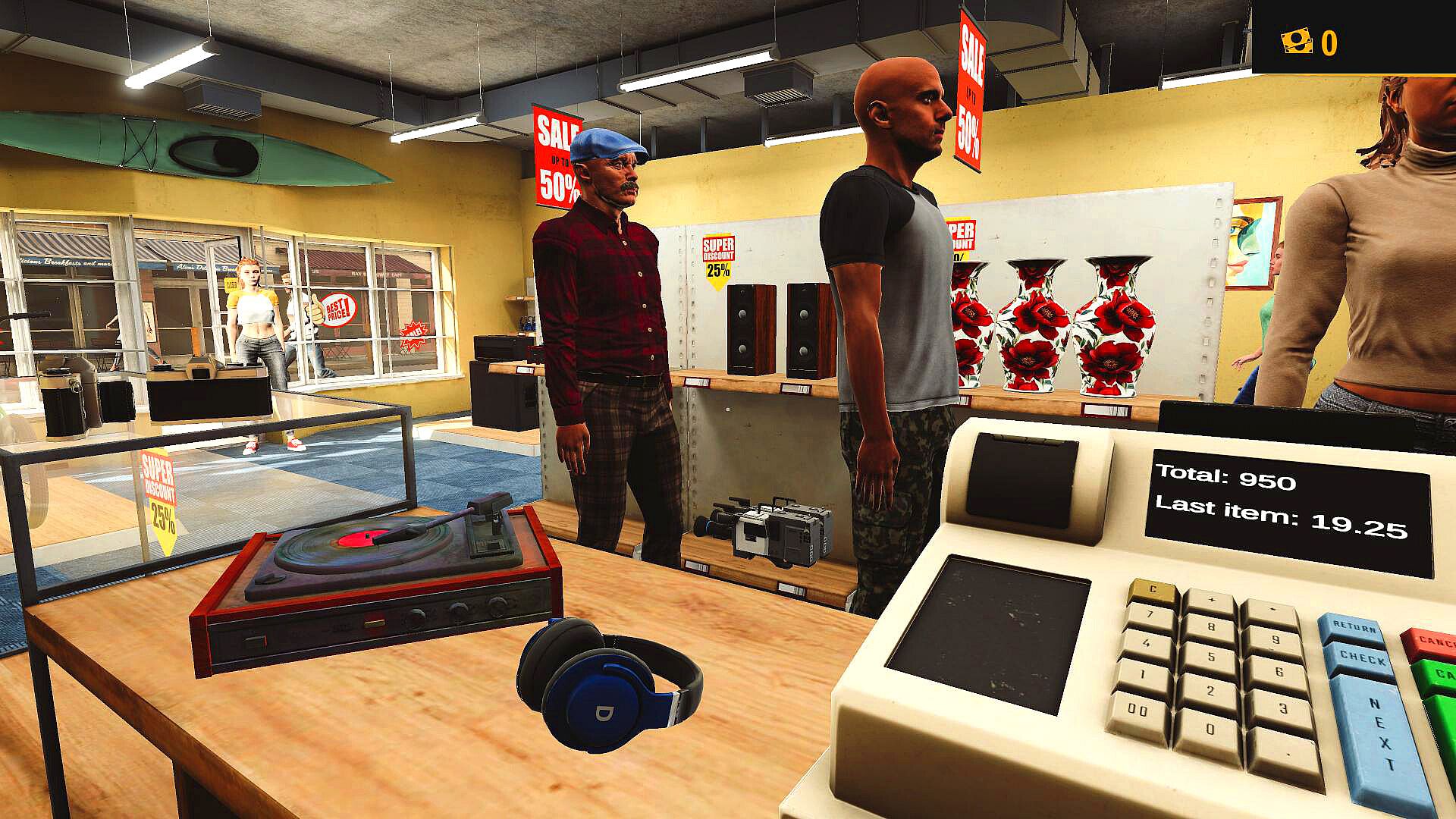
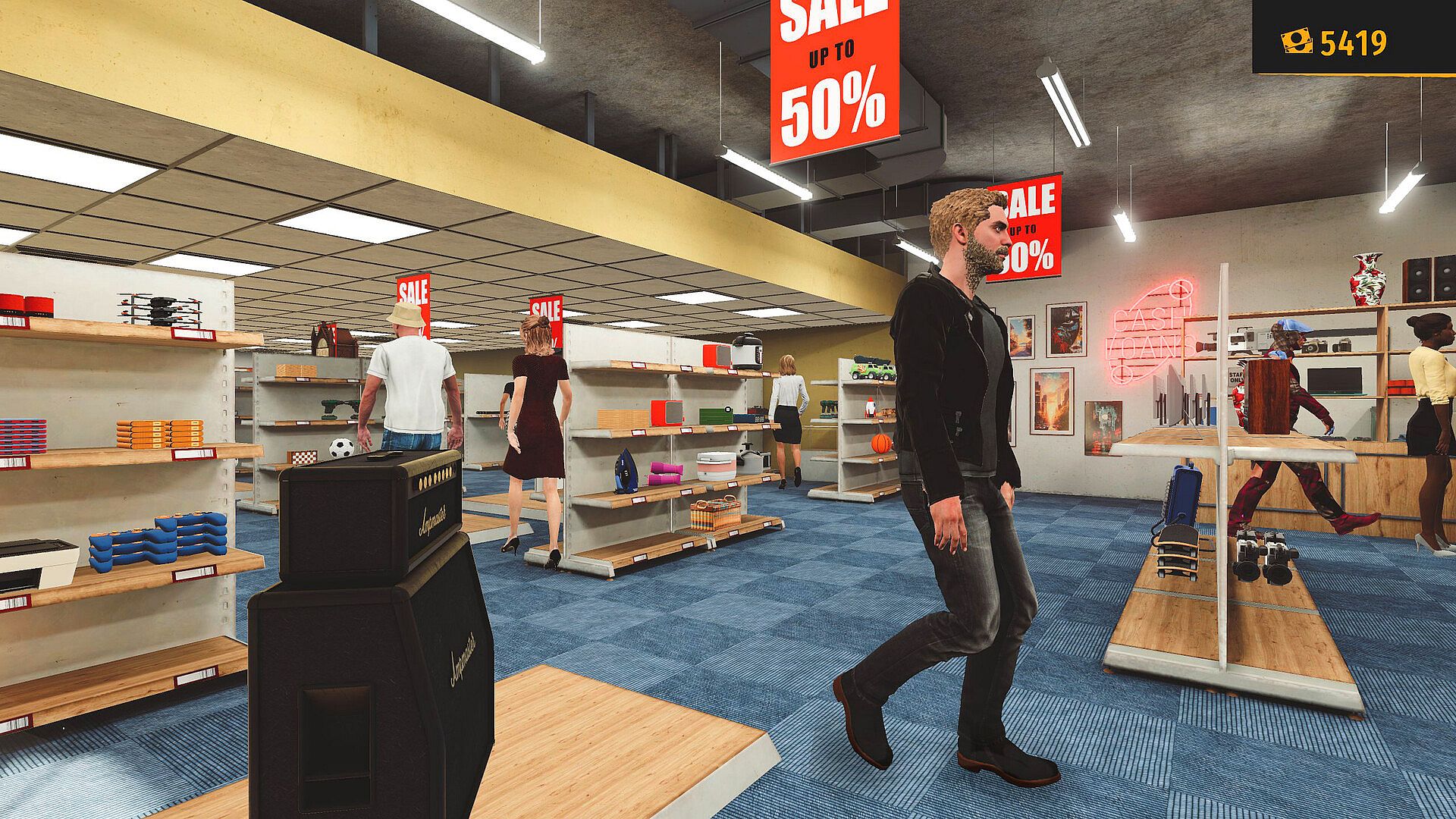
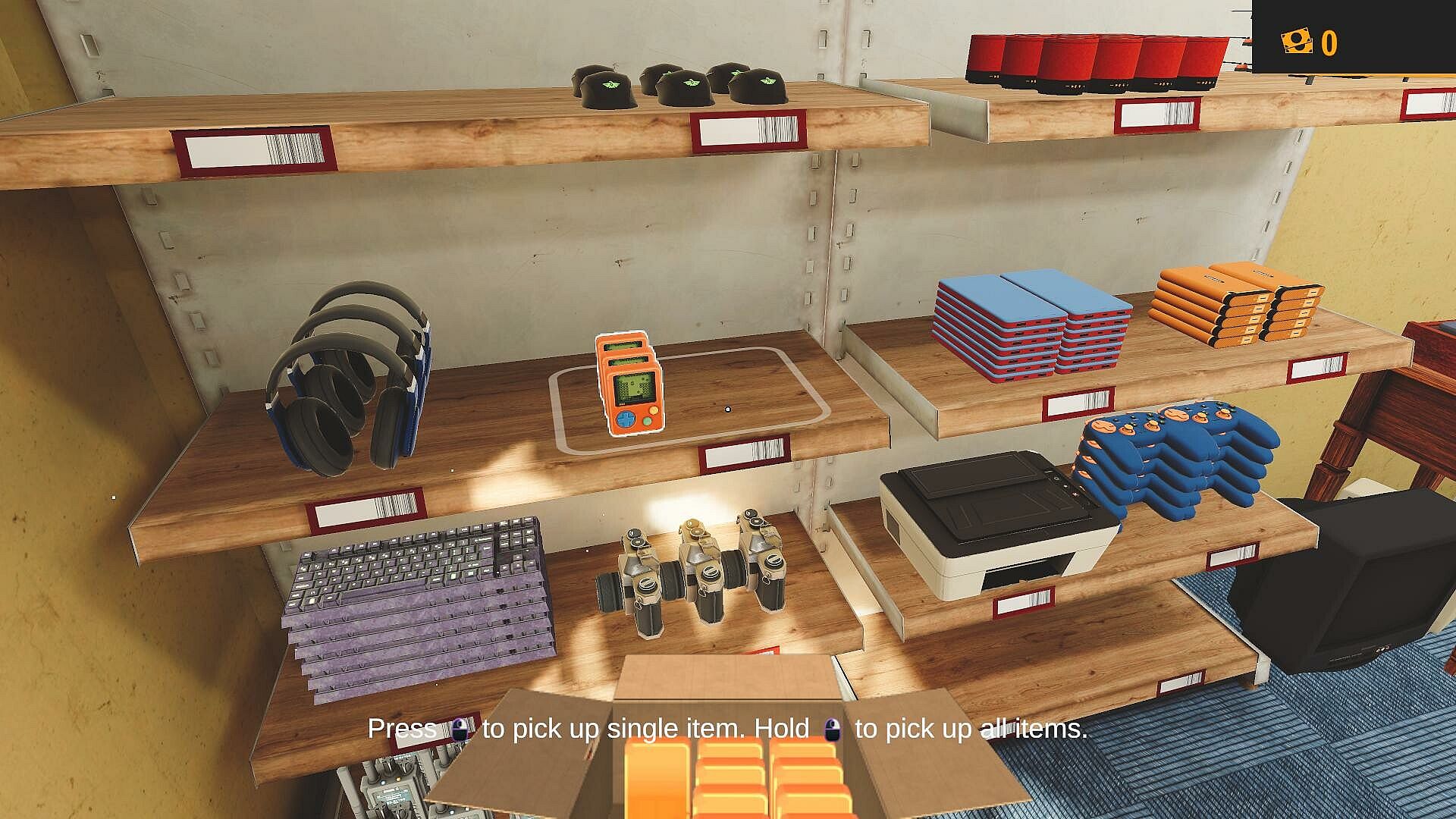
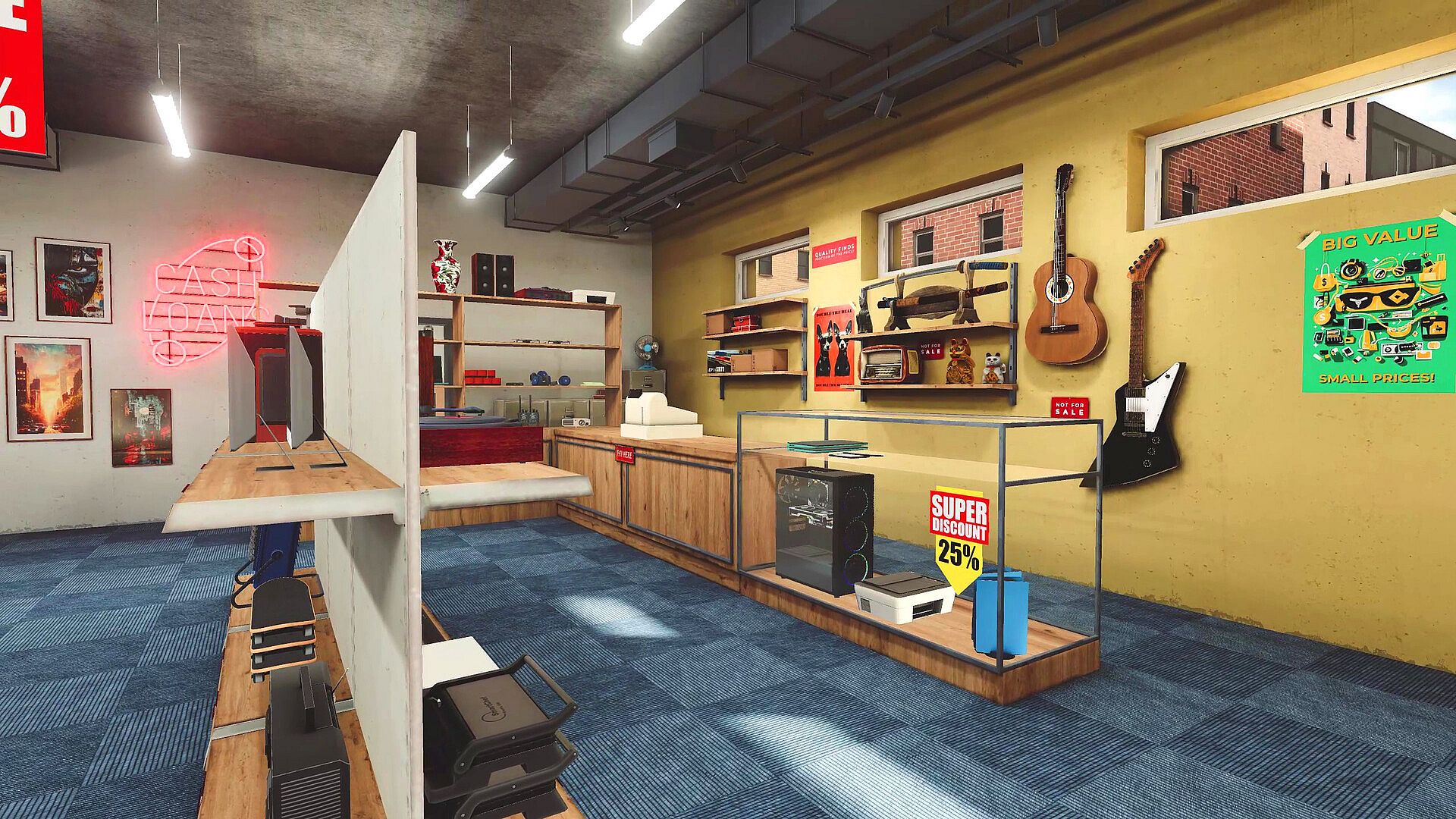
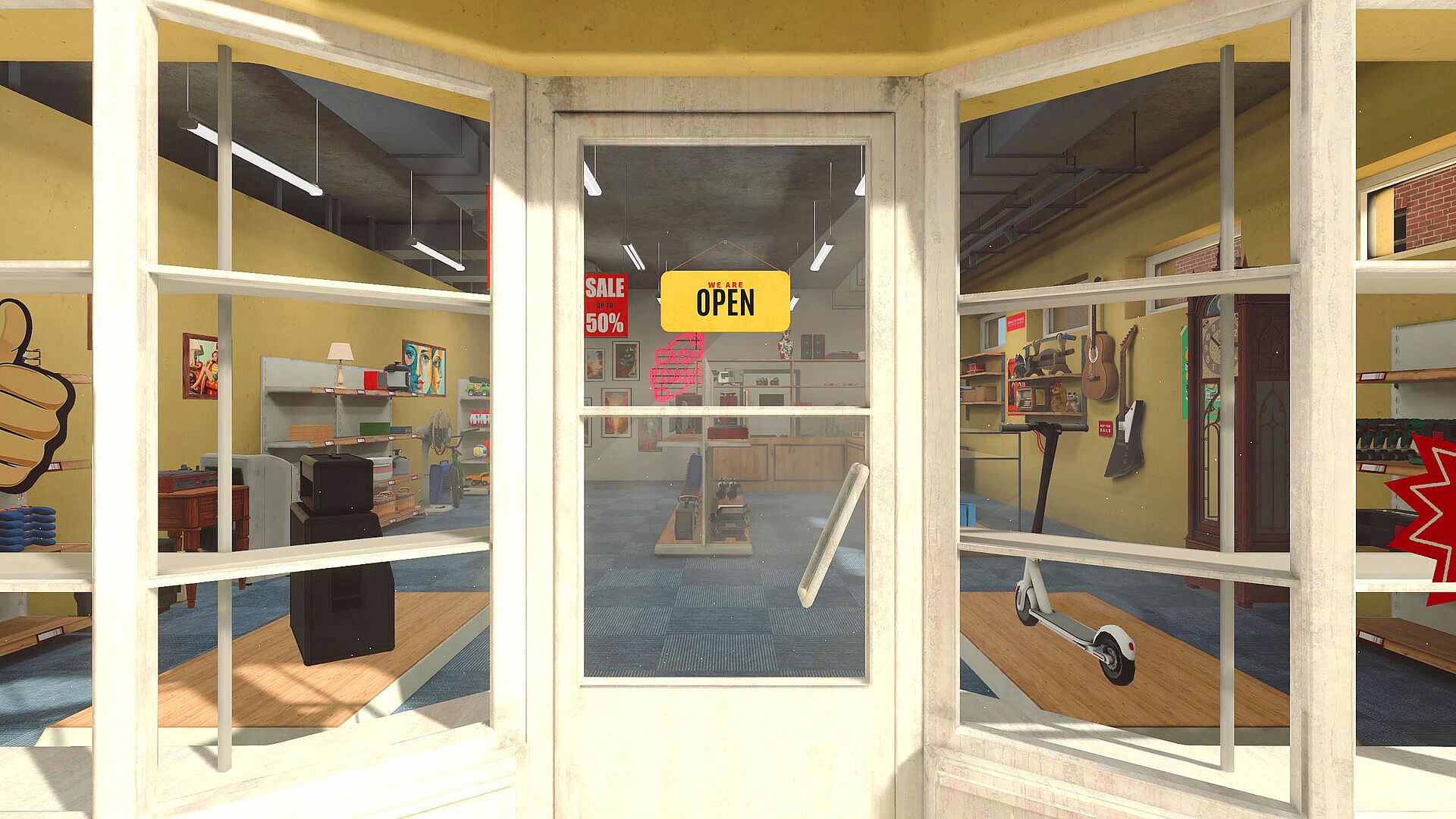
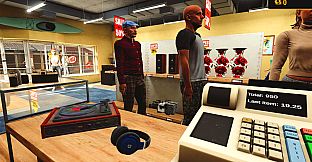
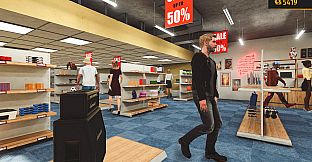
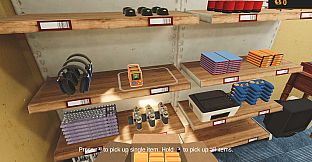
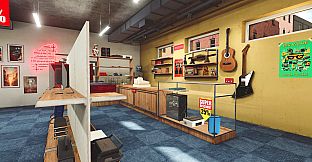
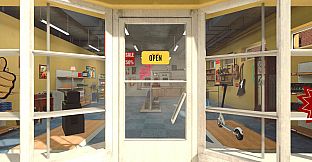
Shop management adds another layer of decision-making. Players arrange shelving and racks to optimize space and visibility, then position individual items to highlight high-value finds. Wall colors and overall layout can be adjusted to influence foot traffic. These choices directly affect how quickly inventory sells and how much revenue accumulates each day.
Game Modes
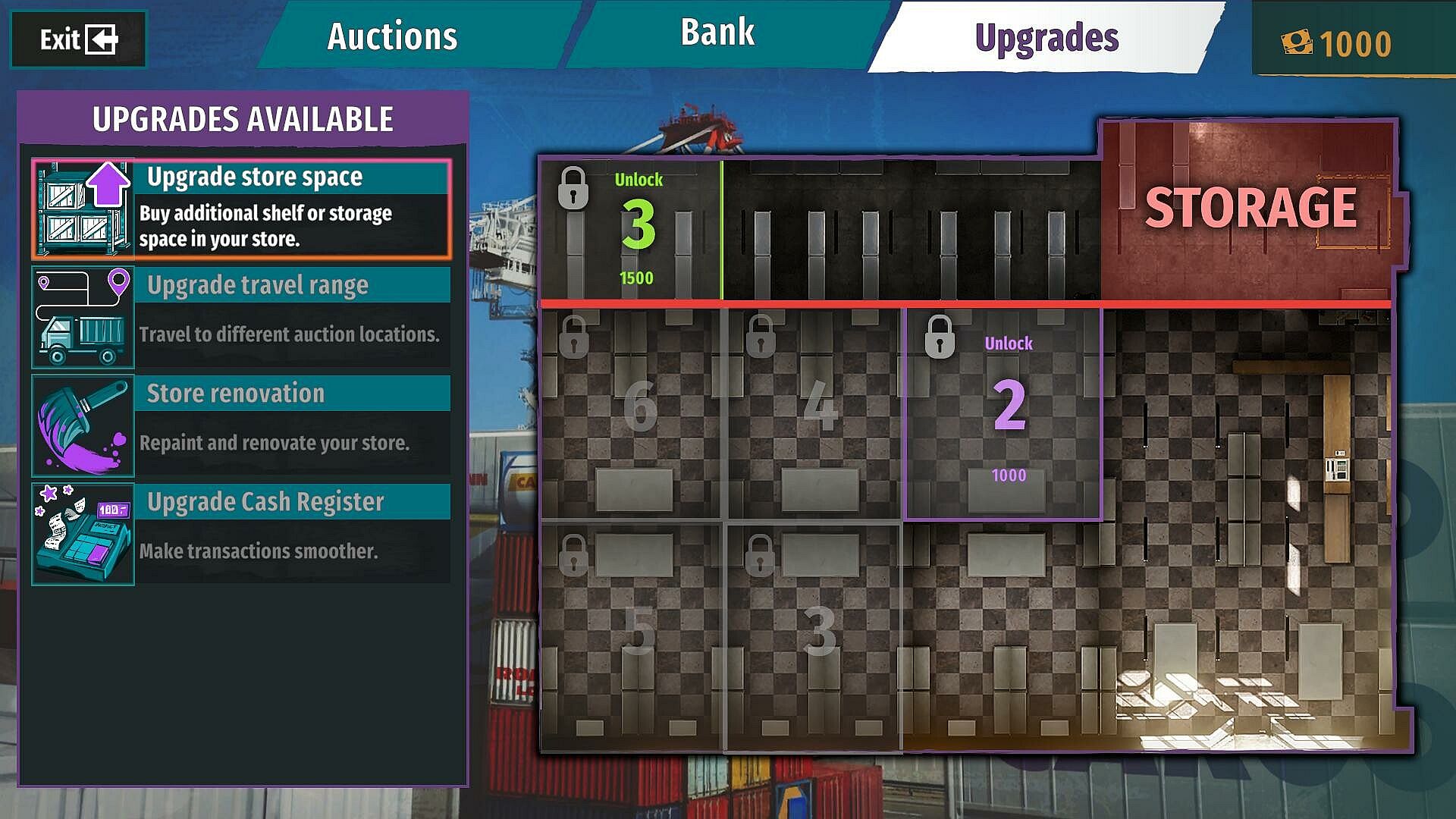
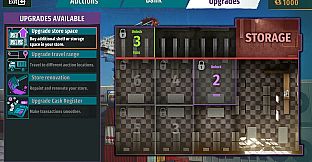
Salvage Shop Simulator operates entirely as a single-player experience without separate competitive or cooperative modes. The entire game unfolds through one continuous career path that expands naturally as the player's reputation and funds increase. Auction houses in new ports become available over time, introducing containers with greater risk and potential reward. Store expansion follows a similar pattern, requiring players to clean and organize fresh properties before they function as retail spaces.
Within this single-player structure, the gameplay emphasizes steady iteration between auction participation, item restoration, and daily shop operations. There are no time-limited events or branching scenarios beyond the core progression of unlocking larger facilities and more advanced bidding opportunities.
Business Expansion and Progression
Growth in Salvage Shop Simulator centers on scaling operations across multiple fronts. Early success funds vehicle upgrades that support bigger container wins. Additional auction sites open once certain milestones are reached, shifting the bidding environment toward higher-stakes containers. New store locations require initial cleanup work before they generate income, creating a cycle of investment and return.
Shop customization remains available at every location. Players continue refining layouts and displays to match changing inventory and customer preferences. This ongoing management prevents the experience from becoming repetitive even after several expansions.
Is It Worth Playing?
Player reception for Salvage Shop Simulator stands at mixed, with roughly 40 percent of reviews rated positive after several months on the market. The game appeals most to those who enjoy methodical simulation titles focused on resource management, minigame-style tasks, and incremental business growth. Its straightforward loop of bidding, restoring, and selling provides consistent engagement for fans of the genre, though some players note occasional technical issues that affect precision during loading and cleaning sequences.
The title suits individuals seeking a relaxed, single-player simulation without multiplayer elements or seasonal content. Those who appreciate hands-on restoration mechanics and shop design will find the most satisfaction in its systems. Availability on PC makes it accessible for anyone with compatible hardware meeting the listed minimum specifications. Overall, it delivers a focused experience for the right audience while remaining open to further updates from the developer.