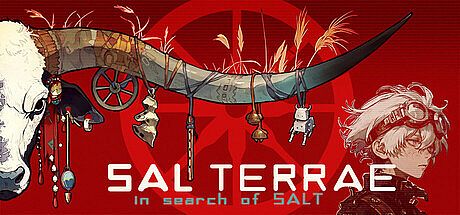


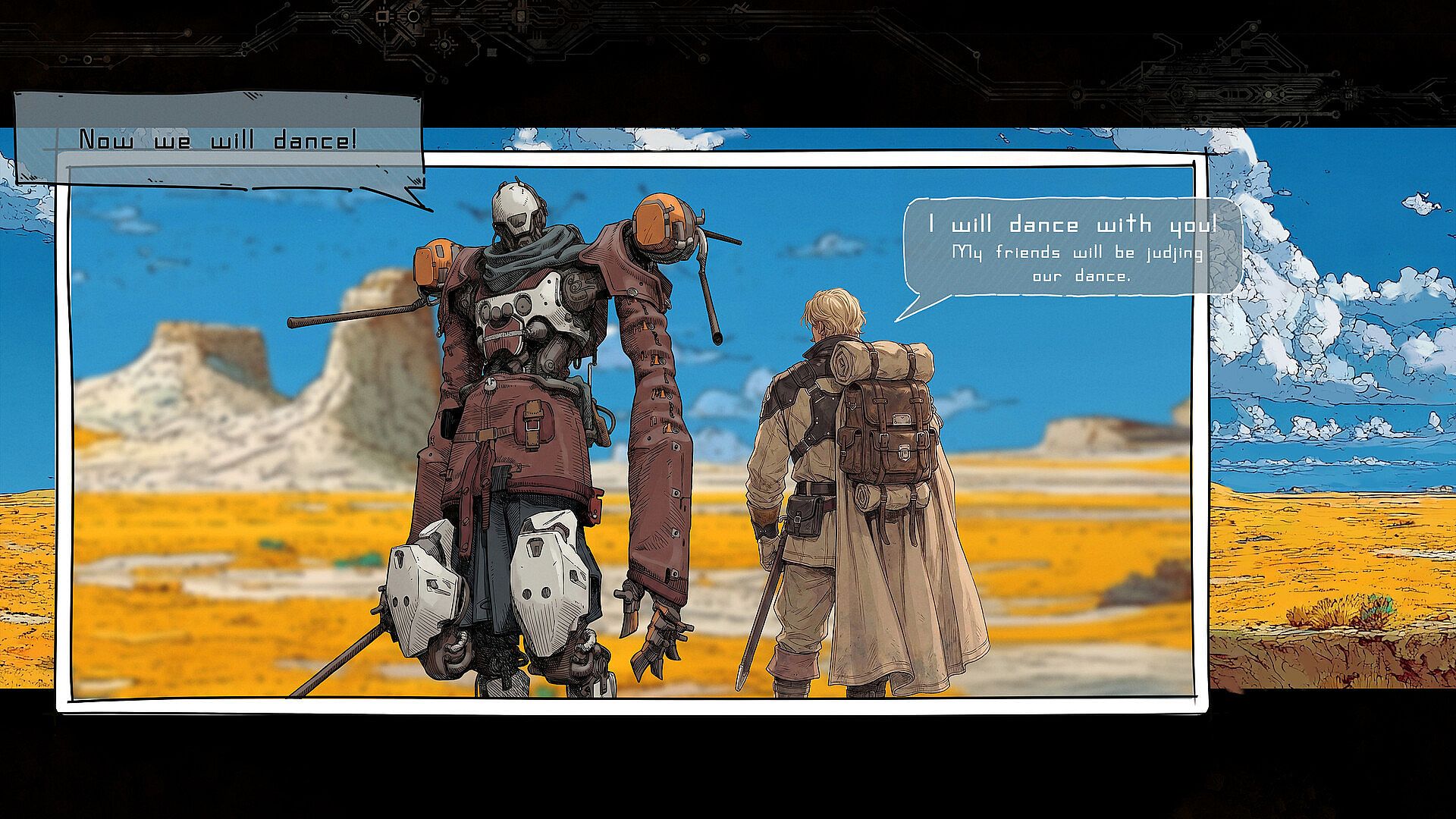
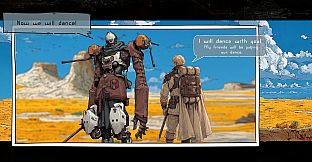
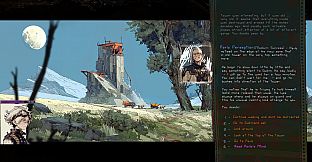
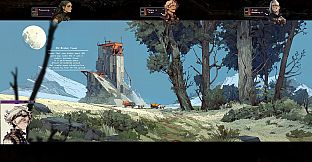
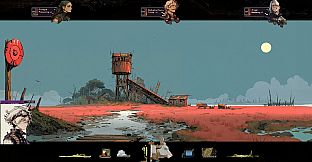
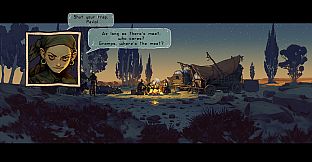
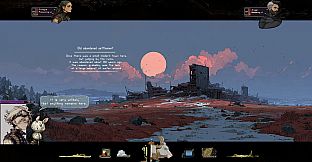
Sal Terrae: in search of SALT is an indie RPG adventure game set in a post-apocalyptic version of present-day Ukraine. Players take on the role of young protagonist Oleksa, guiding a caravan across dangerous lands in search of salt while pursuing a personal quest to rescue his kidnapped father. The experience centers on text-driven choices, resource management, and indirect influence over companions rather than direct control.
Gameplay
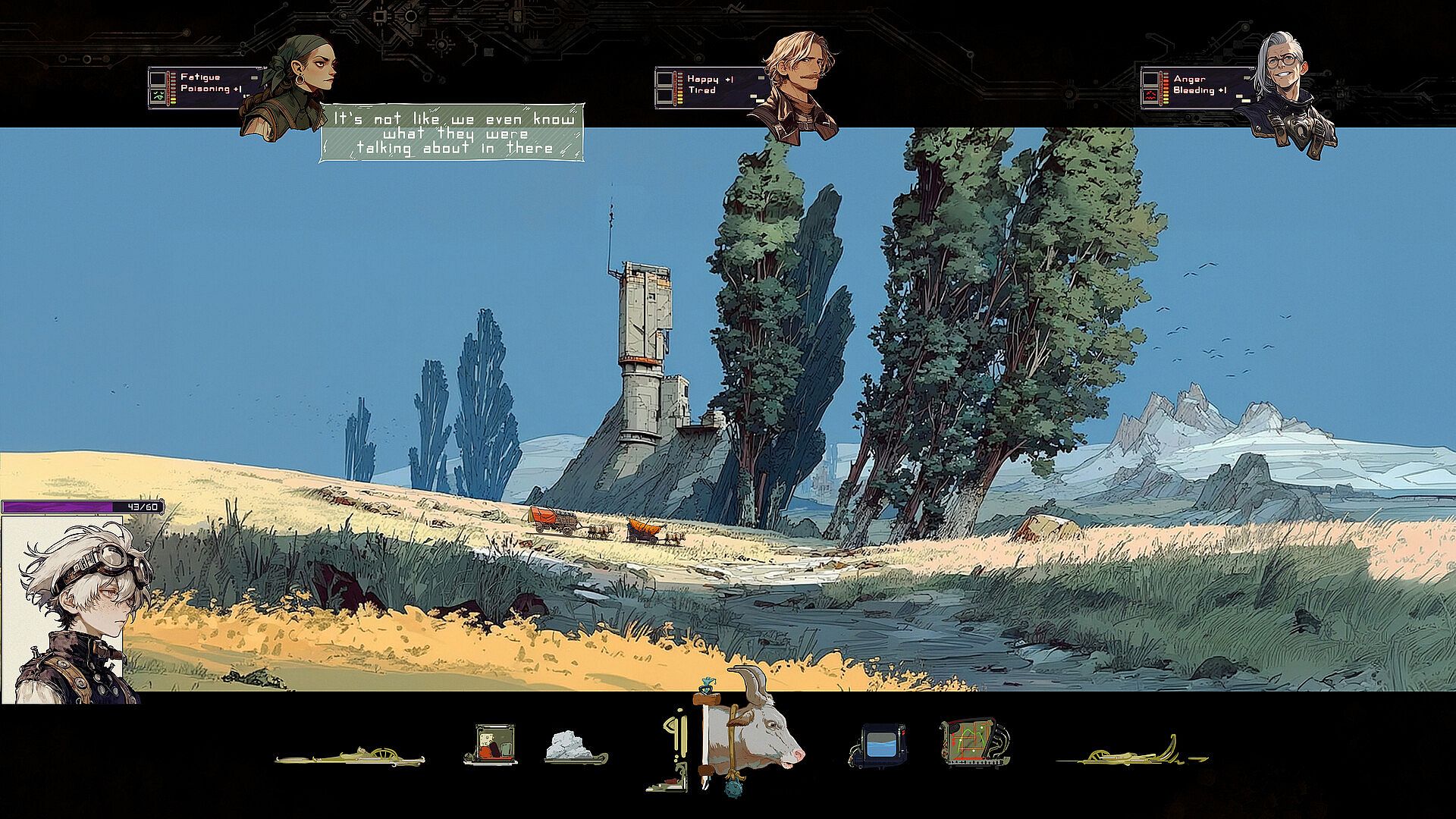
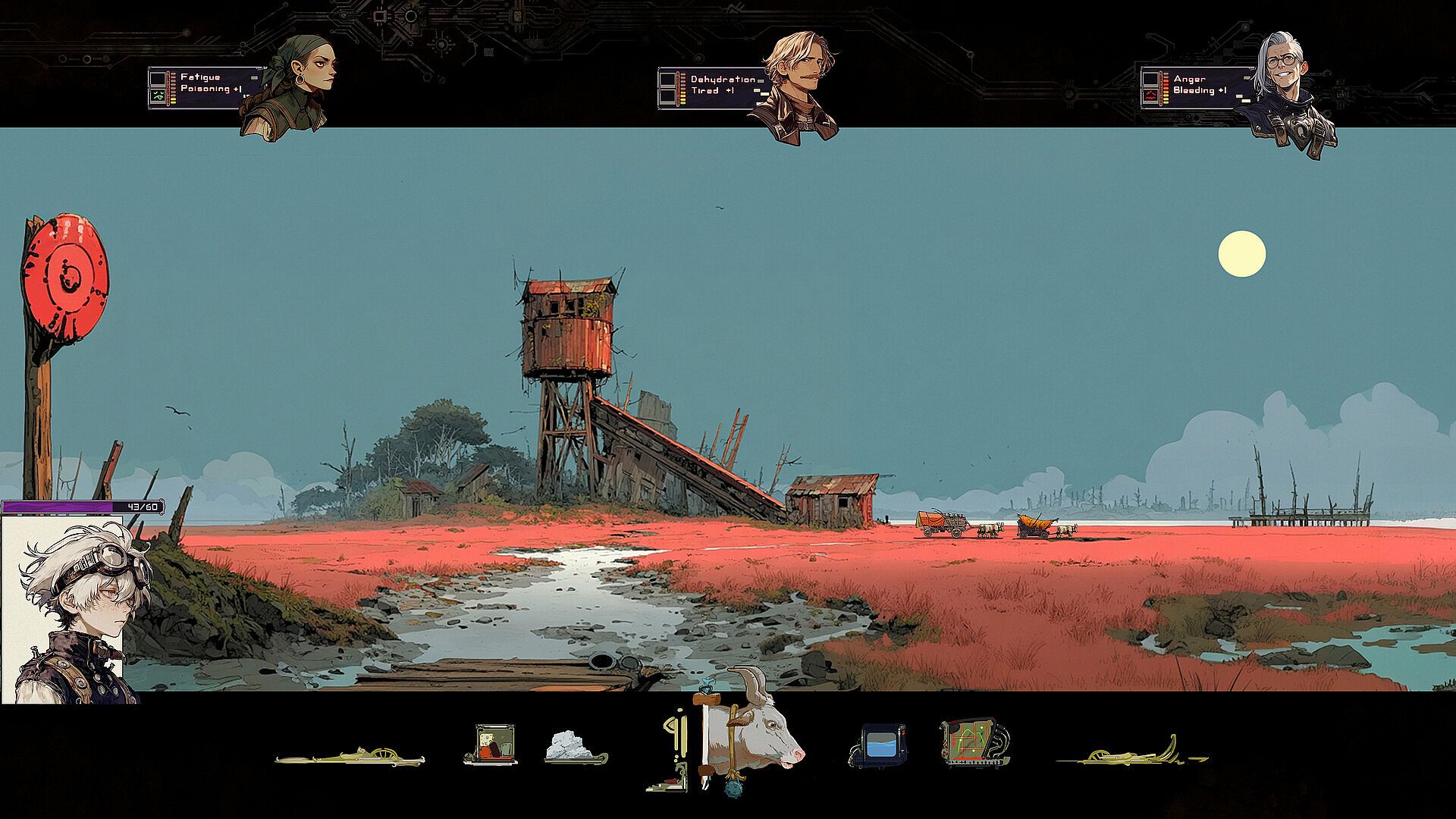
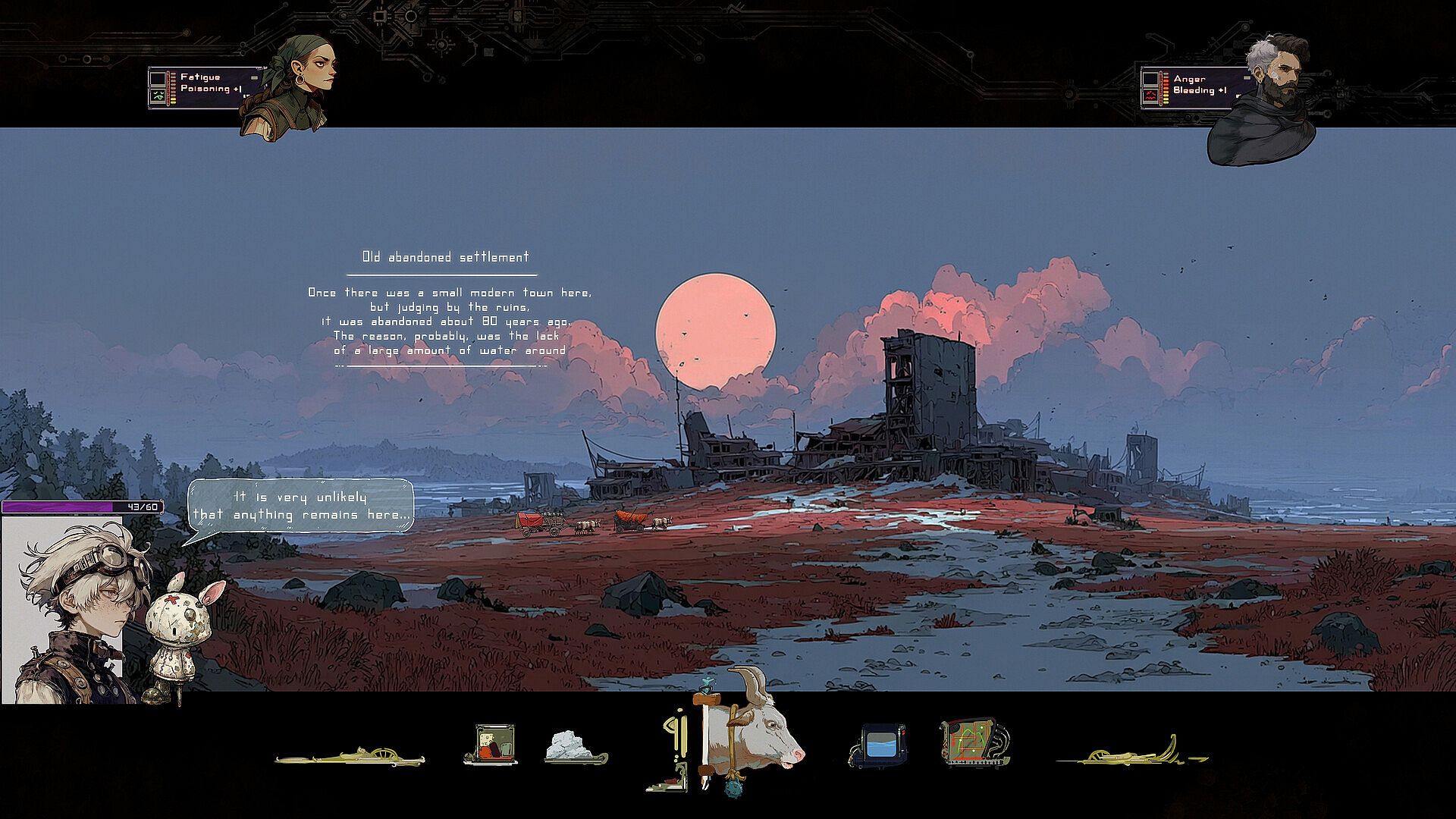
The core loop revolves around leading a caravan of companions and oxen on a journey to Crimea and back. Players manage supplies to prevent hunger, thirst, disease, or other hardships from claiming lives along the route. Events such as extreme weather, rival groups, or wild animals shift conditions from one playthrough to the next, forcing adaptive decisions.
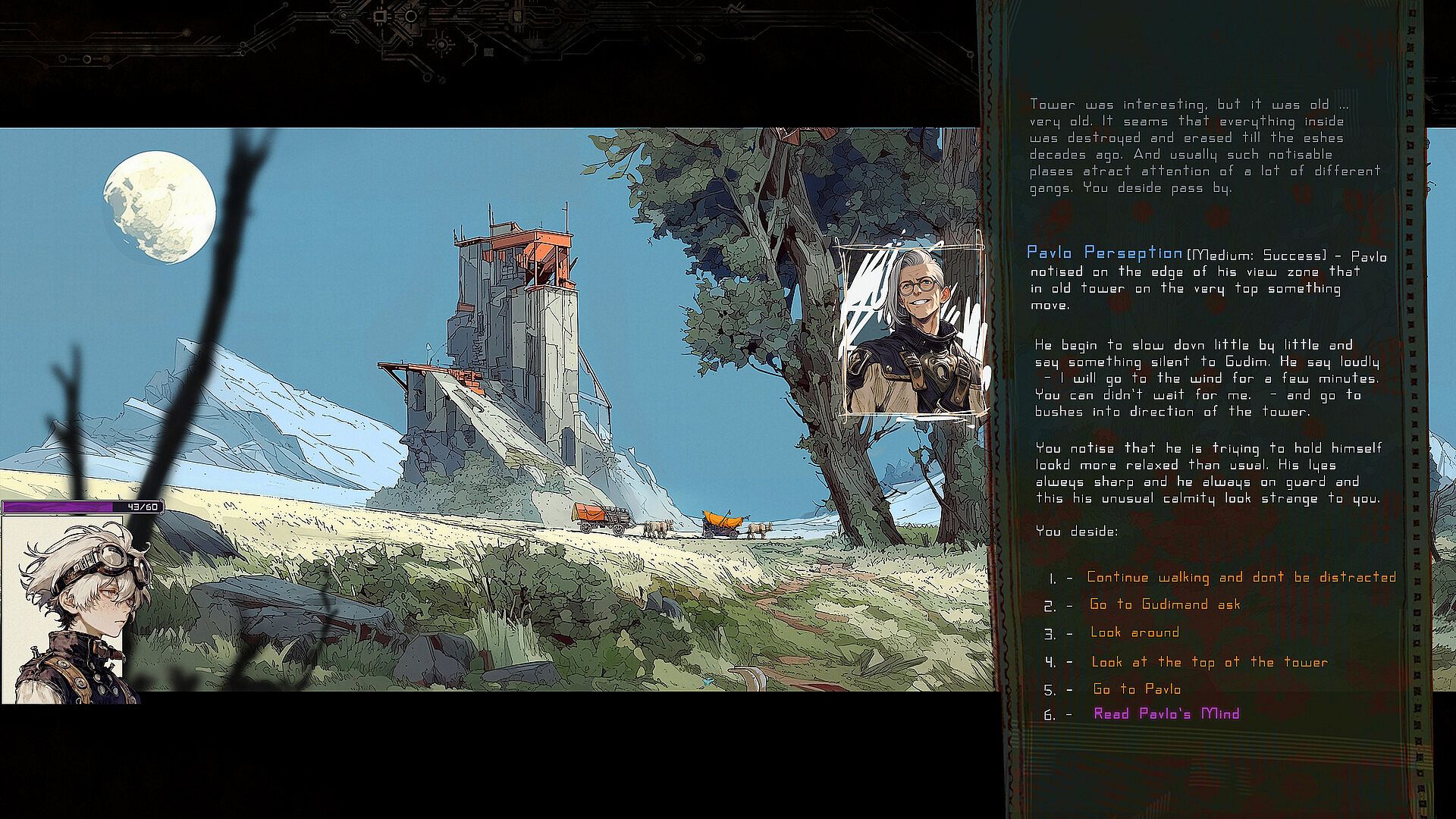
Neuro-Tuning serves as the central mechanic. Oleksa can enter companions' minds to read thoughts, sway decisions, alter relationships, or open new dialogue paths. This ability draws from a limited mental resource, so overuse risks new complications for the group. Different applications of the system unlock varied routes, locations, quests, and temporary companions.
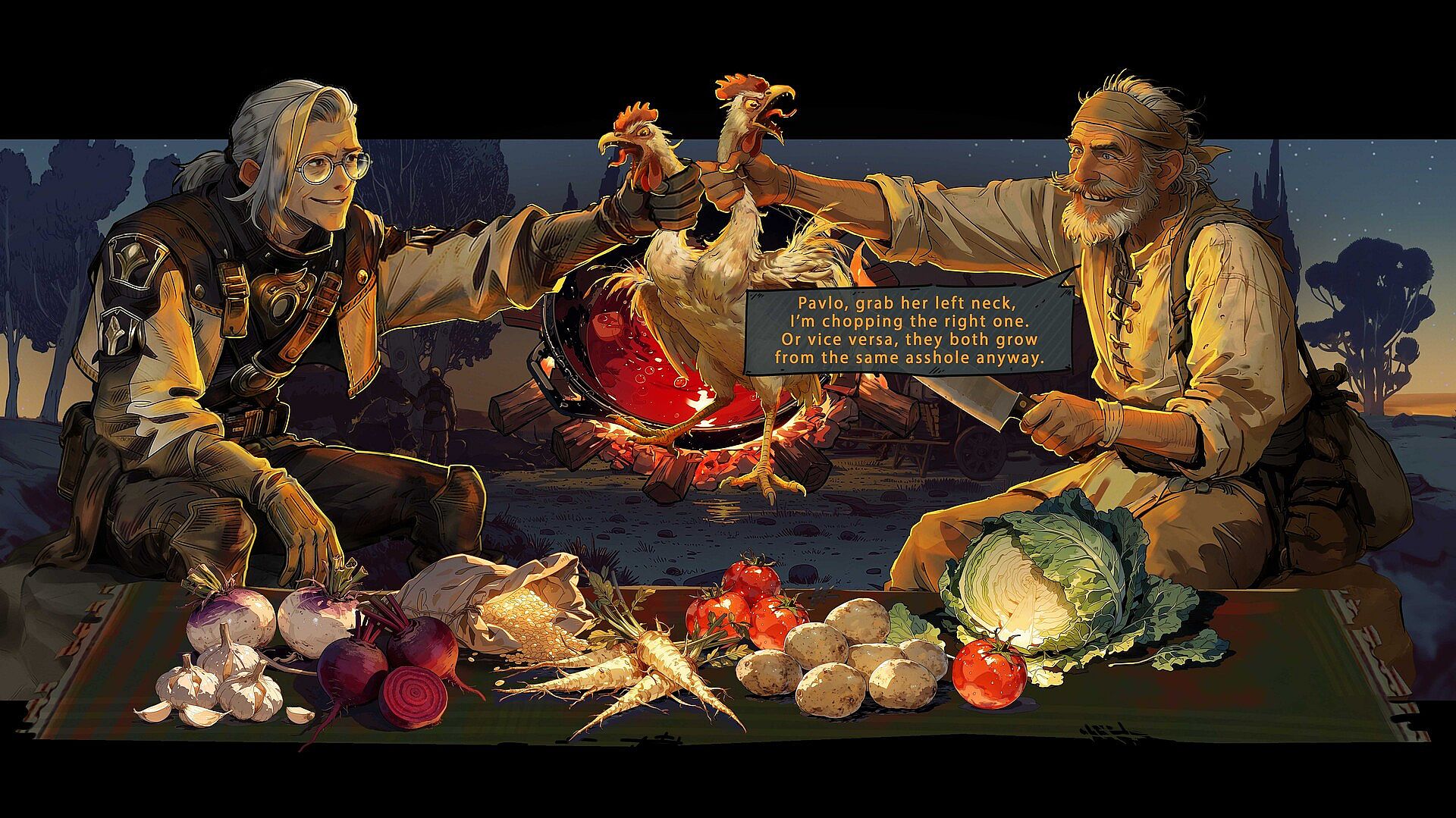
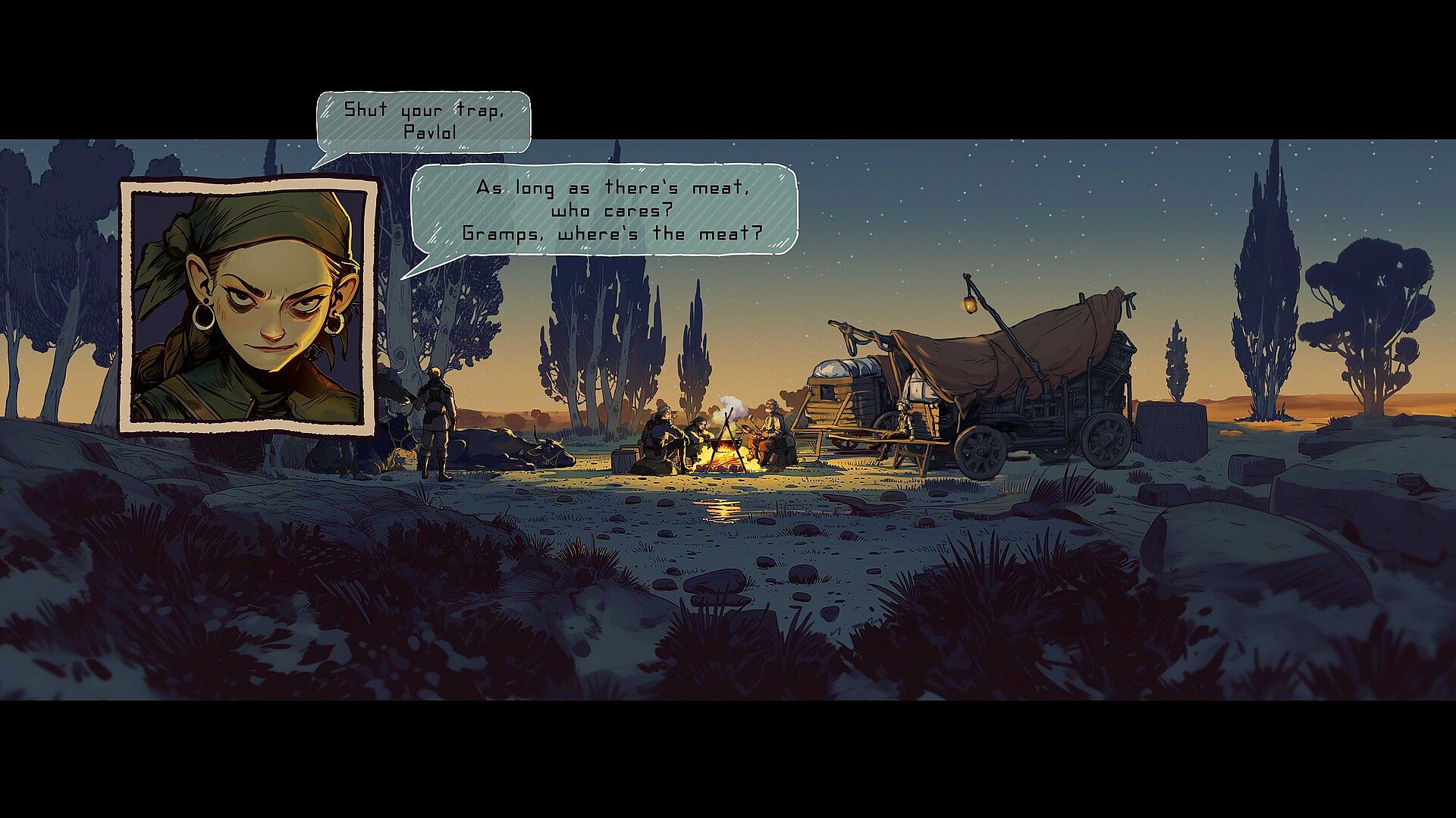
Campfire stops provide rest and conversation that deepen character understanding while tying into a cooking system. Meals draw from traditional Ukrainian recipes reimagined in a fantastical style to sustain the travelers. Music integrates directly into travel, with each adult companion playing a unique instrument and performing songs inspired by Ukrainian and Crimean Tatar traditions. The soundtrack changes based on the three companions selected for each journey.
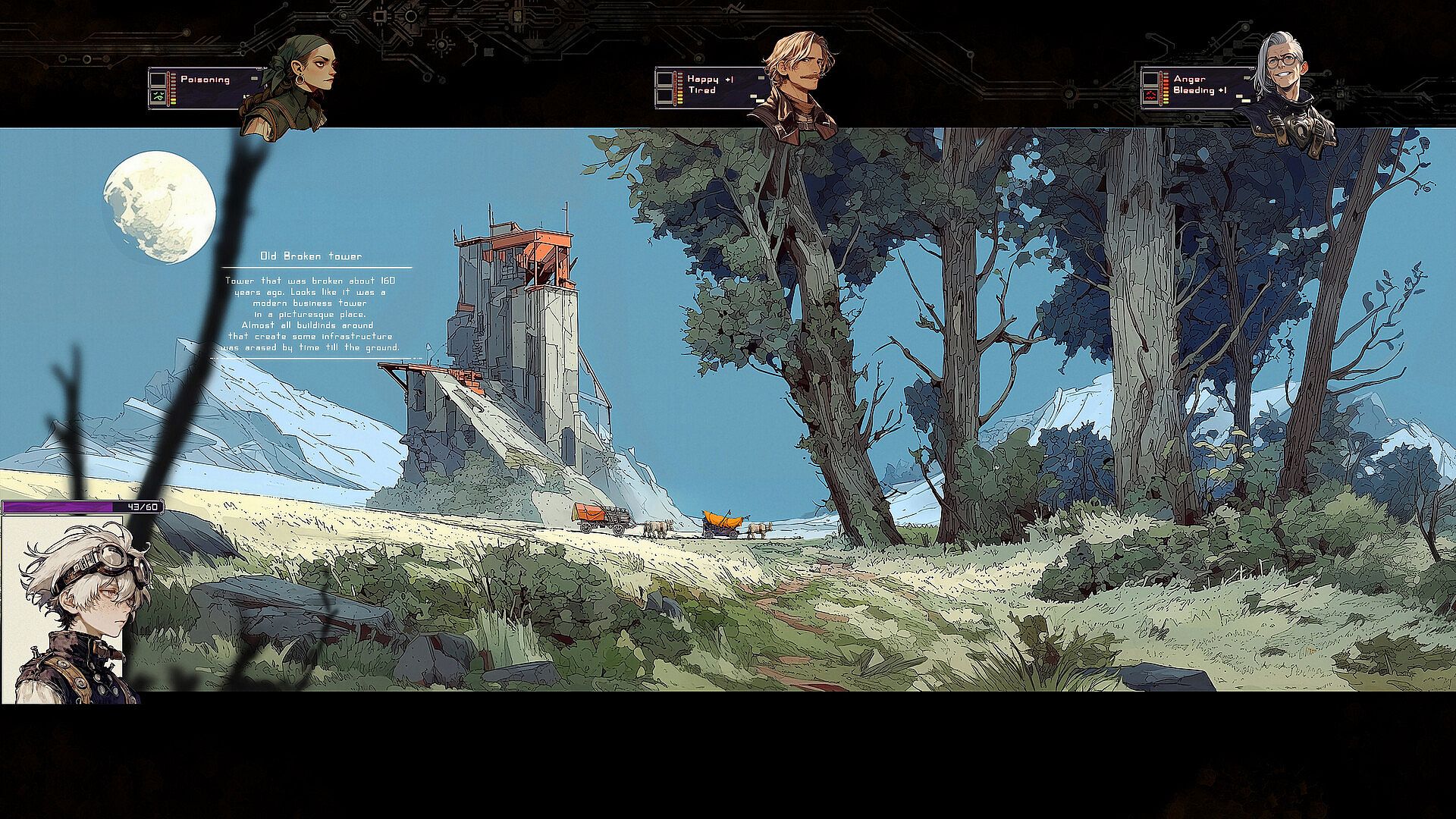
Dialogue remains dynamic and branching. Approach, timing of interventions, and specific choices determine the caravan's path and available encounters. Character conditions, both positive and negative, further modify skills and options during obstacles.
Game Modes
The game operates as a single-player experience focused on narrative progression and player-driven consequences. No separate multiplayer or competitive modes exist. Instead, replayability stems from the nonlinear structure created by Neuro-Tuning choices, companion selections, and random event combinations that alter available quests and endings.
Every run presents a fresh mix of local and global events that interact with the caravan's skills and conditions. This setup encourages multiple playthroughs to explore different routes, hidden locations, and character storylines without any additional game modes layered on top.
Story and Setting
The world unfolds two centuries after global catastrophes across the territory of modern Ukraine. Surviving societies blend revived 16th-century traditions with scattered modern technology remnants. The narrative draws structural and archetypal elements from Ukrainian myths, legends, and folk tales without explicitly retelling them, allowing parallels to emerge gradually through dialogue, texts, and events.
Morally ambiguous characters bring distinct worldviews and hidden motives into conflicts over humanity's future. The overarching tale follows the caravan's salt quest while weaving in personal stories and larger questions about rebuilding civilization. Collaboration with Ukrainian science-fiction writer Oleksii Dekan shapes the narrative development.
Is It Worth Playing?
Sal Terrae: in search of SALT targets players who enjoy story-rich single-player RPGs built around meaningful choices and resource constraints. Its unique Neuro-Tuning system and integration of music, cooking, and caravan management create a focused experience centered on consequence and exploration rather than combat or open-world freedom.
The title remains in development with a planned release in Q4 2028. No reviews or player data are available yet. Those drawn to narrative adventures with Ukrainian cultural elements, branching dialogue, and limited-intervention mechanics may find value in following its progress and adding it to a wishlist for future availability.