




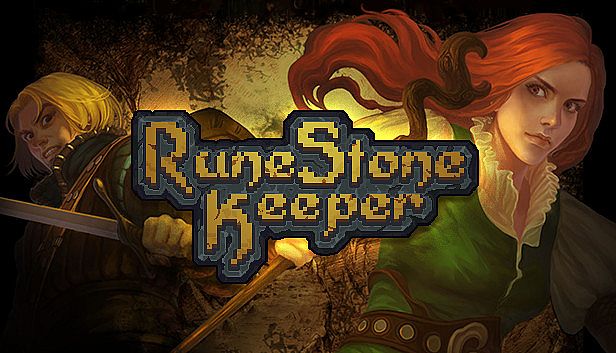













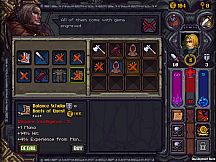
Runestone Keeper is a roguelike to roguelite dungeon crawler that combines classic role-playing progression with turn-based combat strategy on PC. Players create a hero, explore procedurally generated dungeons, and manage resources in short sessions that build toward longer runs. The game emphasizes adaptation over fixed builds, with permanent death ending each attempt and requiring a fresh start.
Gameplay
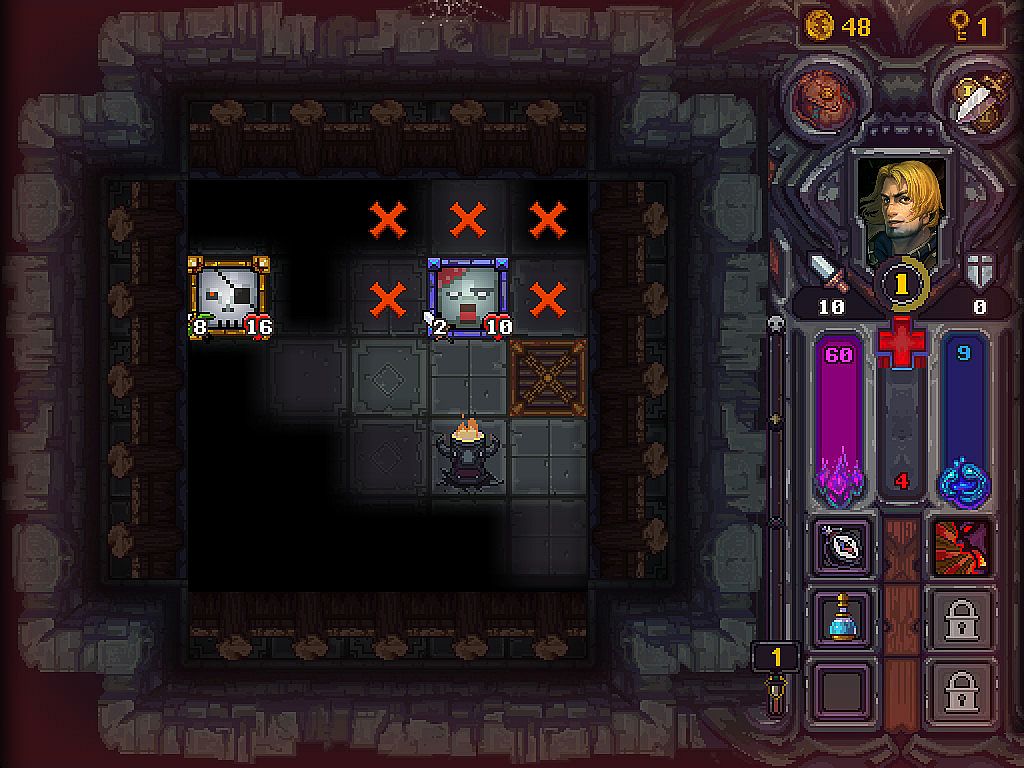
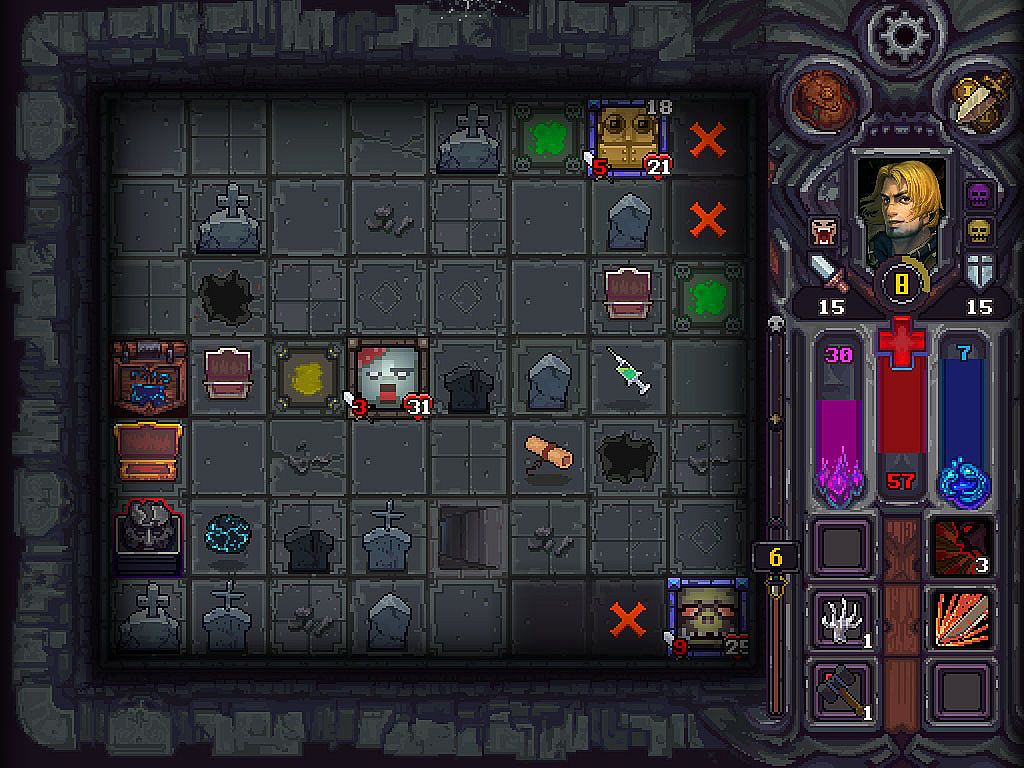
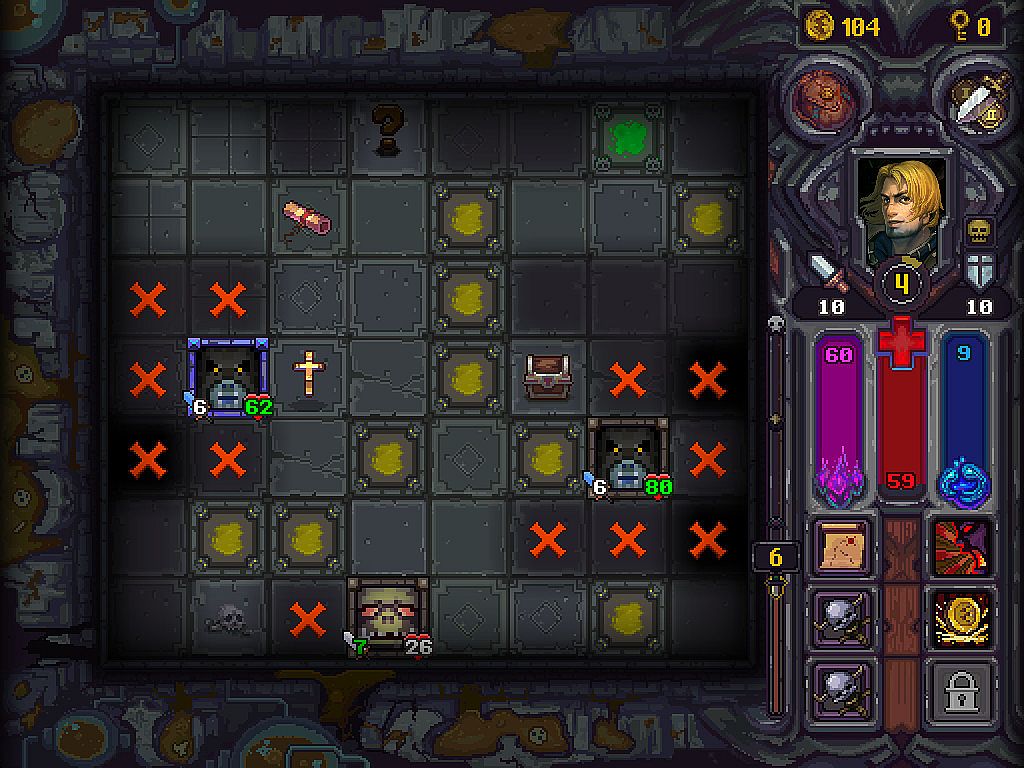
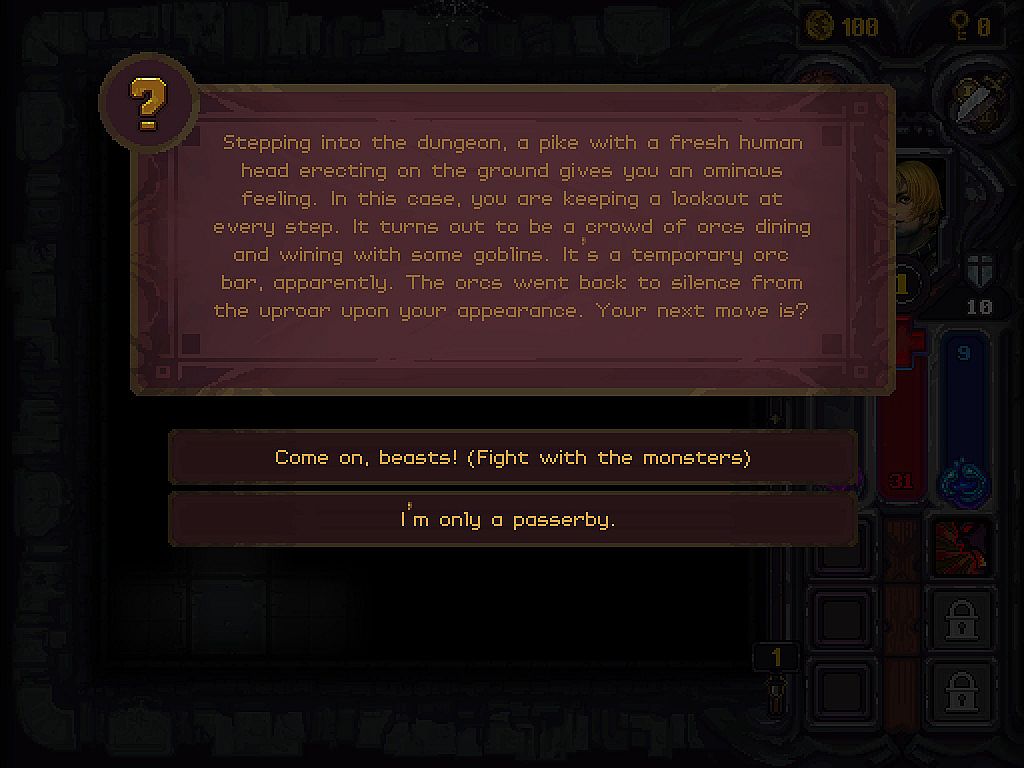
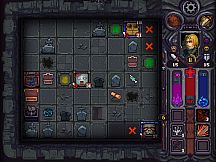
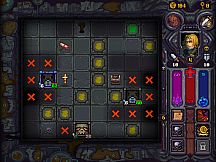
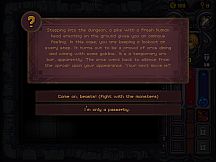
The core loop revolves around clicking tiles in a grid-based dungeon where only the selected cell triggers interaction. This setup creates a deliberate pace similar to uncovering hidden elements one at a time. Monsters occupy some tiles and respond when engaged, while traps and devices activate on contact. Random generation places these elements differently each run, along with exits, items, and events that can shift momentum during a desperate situation.
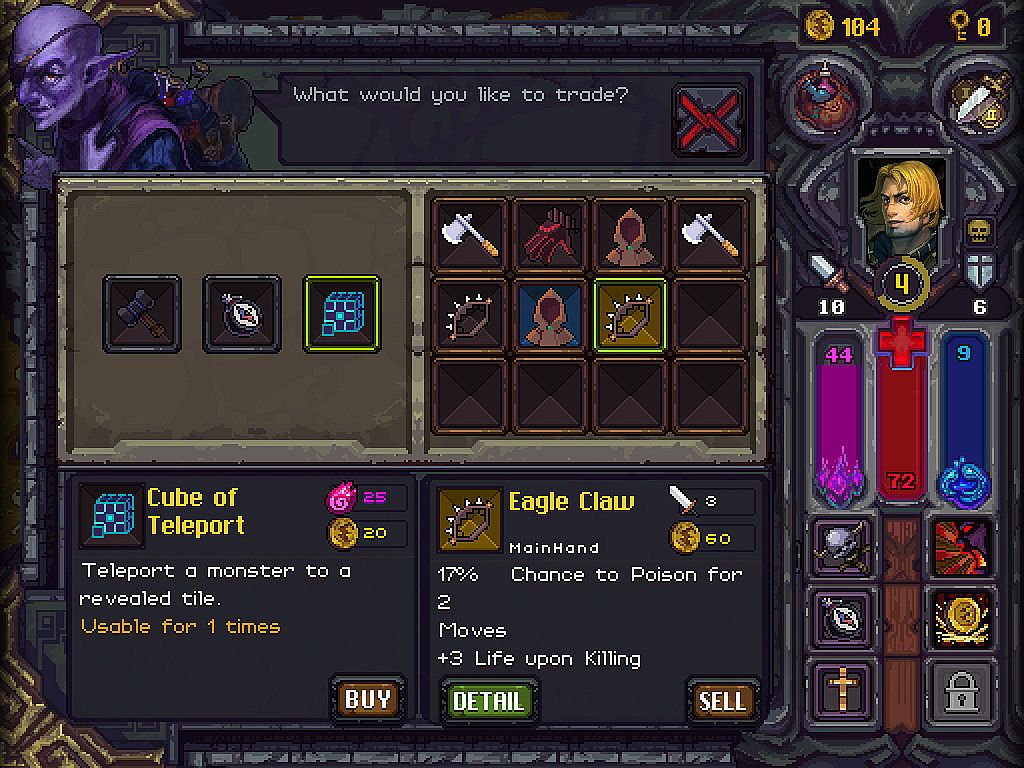
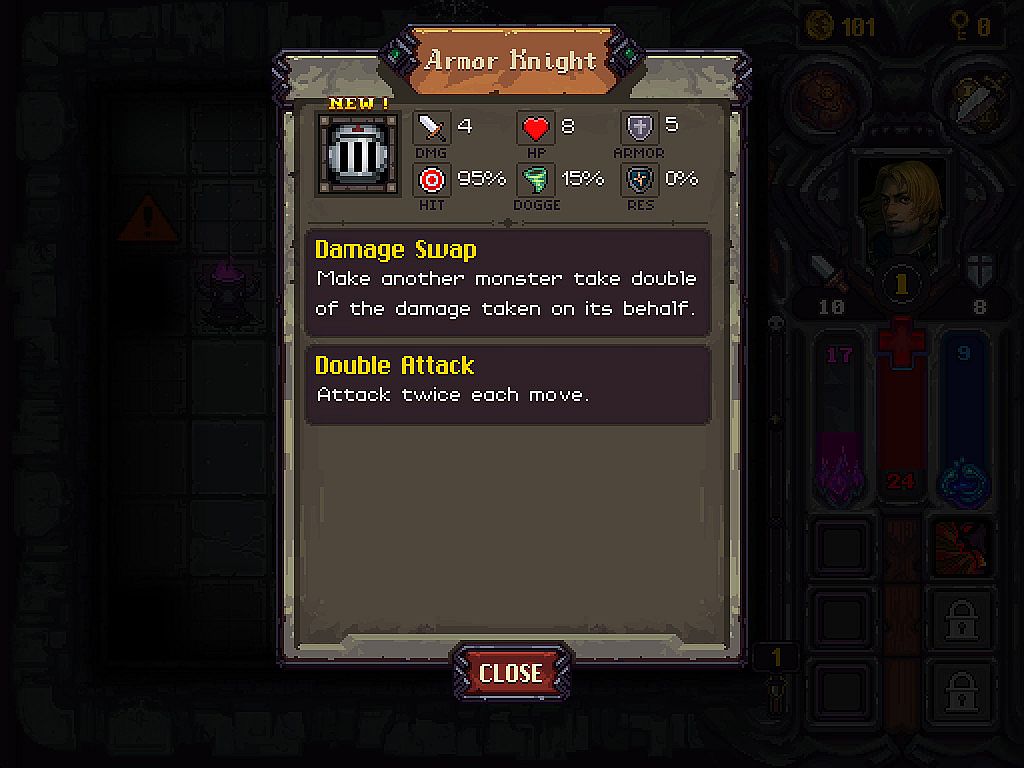
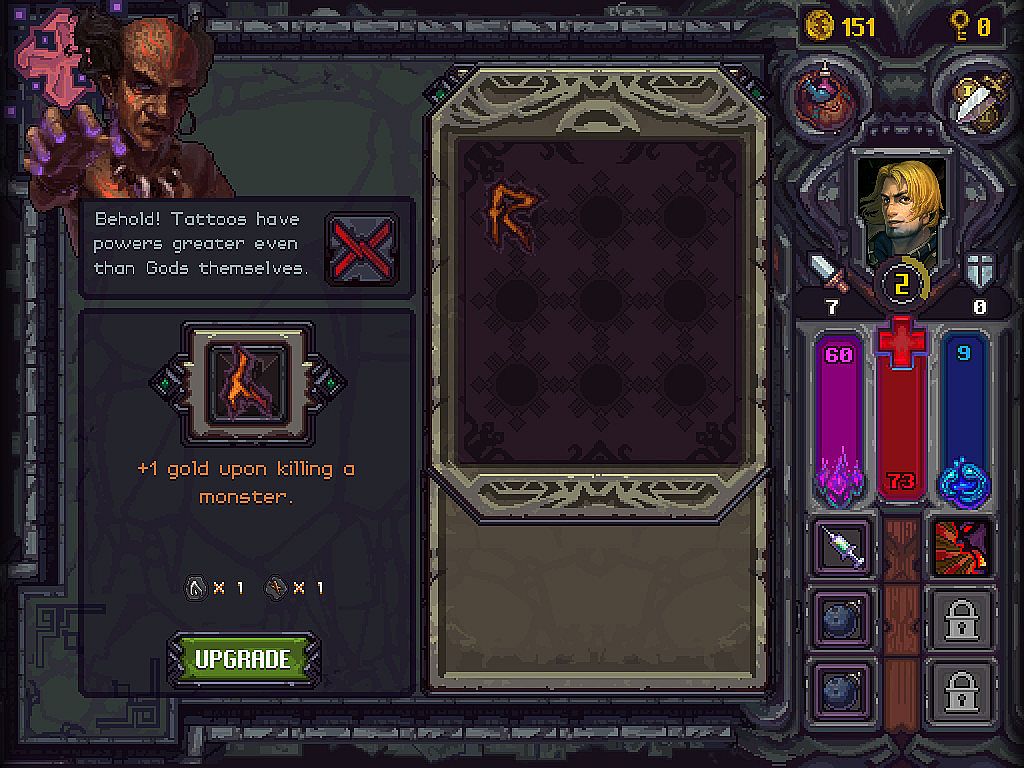
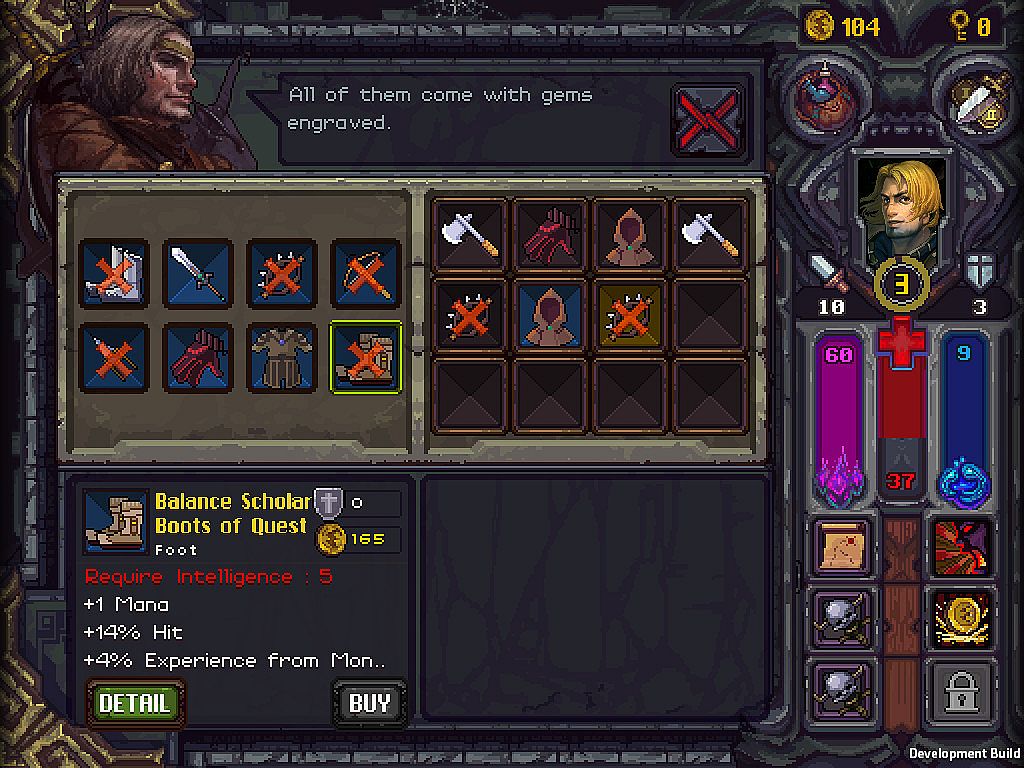
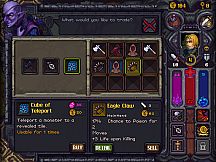
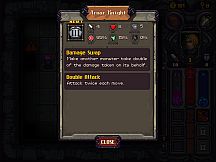
Equipment drops feature random prefixes and suffixes that alter stats or add effects. Players collect pieces, combine them into stronger sets, and swap loadouts between two weapon configurations. Monster groups often feature complementary abilities, forcing tactical choices about engagement order and positioning. Physical damage types interact with armor first, while elemental attacks bypass it and strike life points directly.
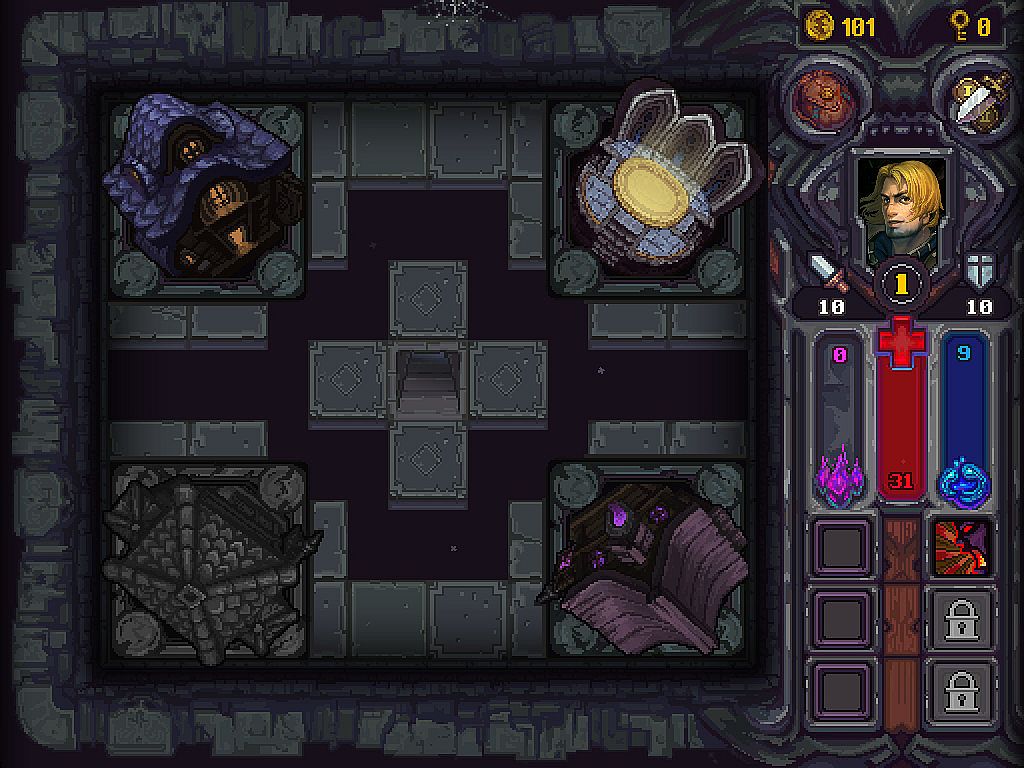
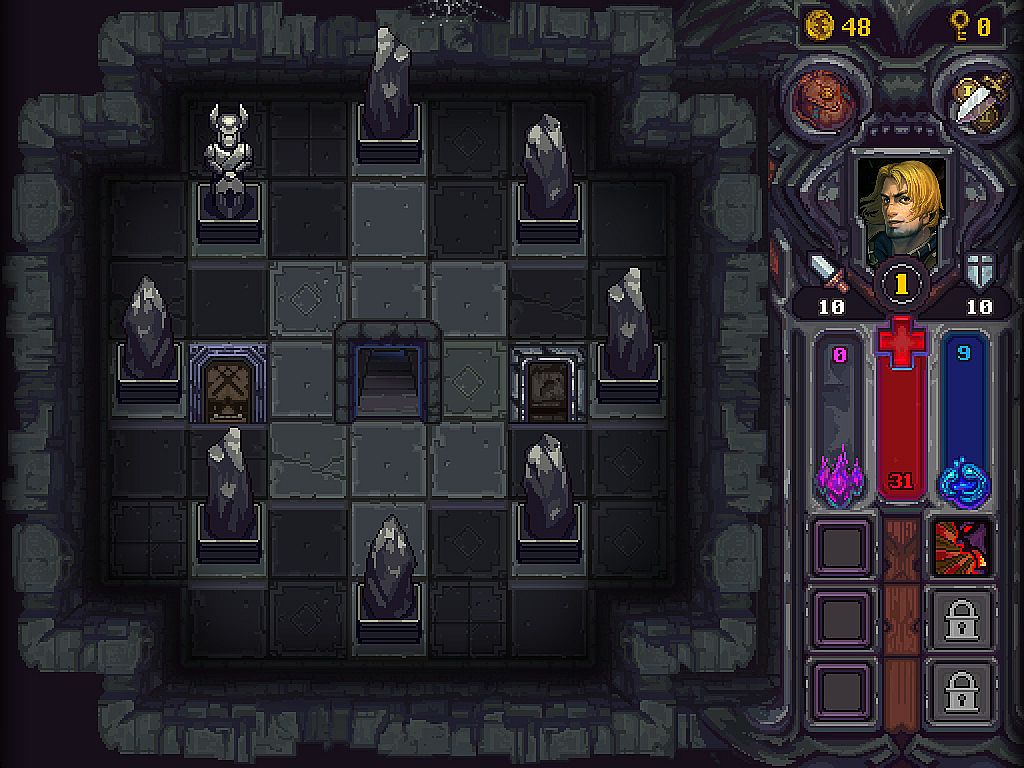
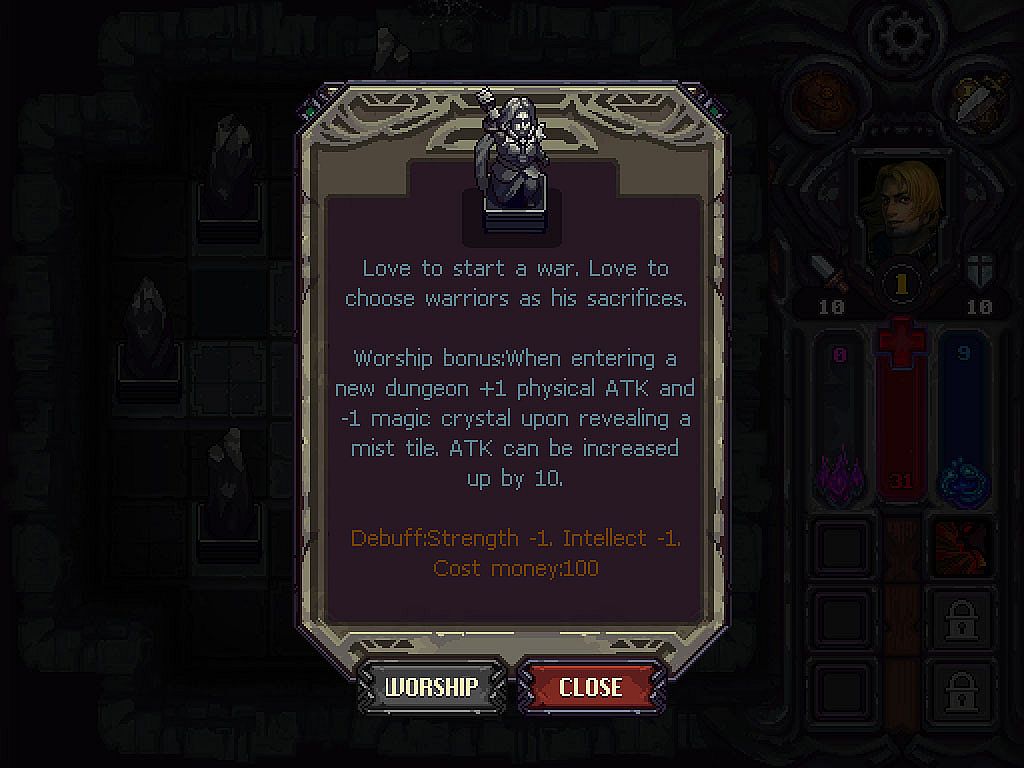
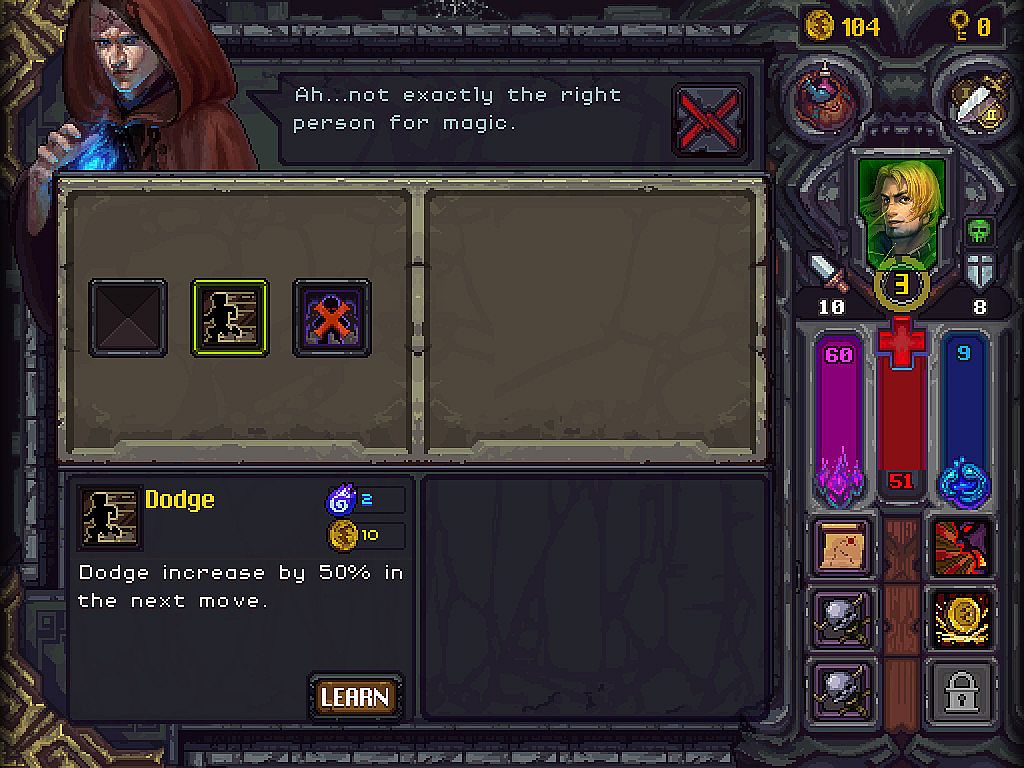
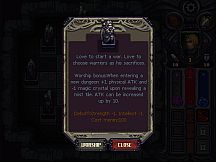
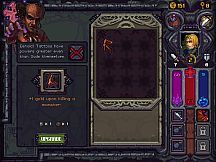
Hero progression centers on four base attributes: Strength for melee damage, Dexterity for ranged accuracy and evasion, Intelligence for elemental power and resistance, and Stamina for life recovery from hearts. Leveling refills resources and grants one attribute point, with a cap in standard play. Soul points fuel item use and accumulate from exploring mist-covered tiles. Goddesses and gods offer blessings through sacrifice, with the option to betray a patron later and face consequences. Events, merchants, shrines, and altars provide additional decision points that reward careful planning.
Game Modes
Multiple modes allow variation in difficulty and objectives while maintaining the same core systems. Leaderboards track performance across all players for competitive comparison. Difficulty adjustments introduced in updates expand options for those seeking greater challenge or different pacing. Each mode preserves the roguelike structure of random layouts and permanent death, encouraging repeated attempts to improve survival and depth reached.
Key Mechanics and Systems
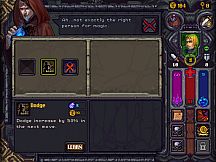
Combat unfolds in turns where the hero typically strikes first unless a monster possesses first-strike capability. Hit chance, dodge, block, and critical strikes factor into every exchange, with armor absorbing physical hits before life points take damage. Skills consume mana and provide temporary advantages, while items draw from soul points. Armor values reset at the start of each new dungeon level based on equipped gear, rewarding strategic swapping before descent.
Resource management ties everything together. Life points determine survival, mana powers abilities, and soul points limit item activations. Random events and devices can replenish or drain these pools, creating opportunities for recovery even late in a run. The permanent nature of death means every choice carries weight, from attribute allocation to when to risk a betrayal of a divine patron.
Is It Worth Playing?
Runestone Keeper suits players who enjoy deliberate, strategic dungeon crawling with roguelike consequences and light RPG customization. Its turn-based combat and tile-interaction system reward observation and adaptation rather than reflexes. Those drawn to short, repeatable sessions that still allow deep progression through equipment and hero attributes will find consistent engagement. The challenging difficulty and permanent death create tension that appeals to fans of the genre, while the casual presentation keeps sessions accessible. Positive player feedback highlights its addictive quality and punishing yet fair design, making it a solid choice for anyone seeking a focused indie strategy experience without ongoing seasonal content or multiplayer elements.














