

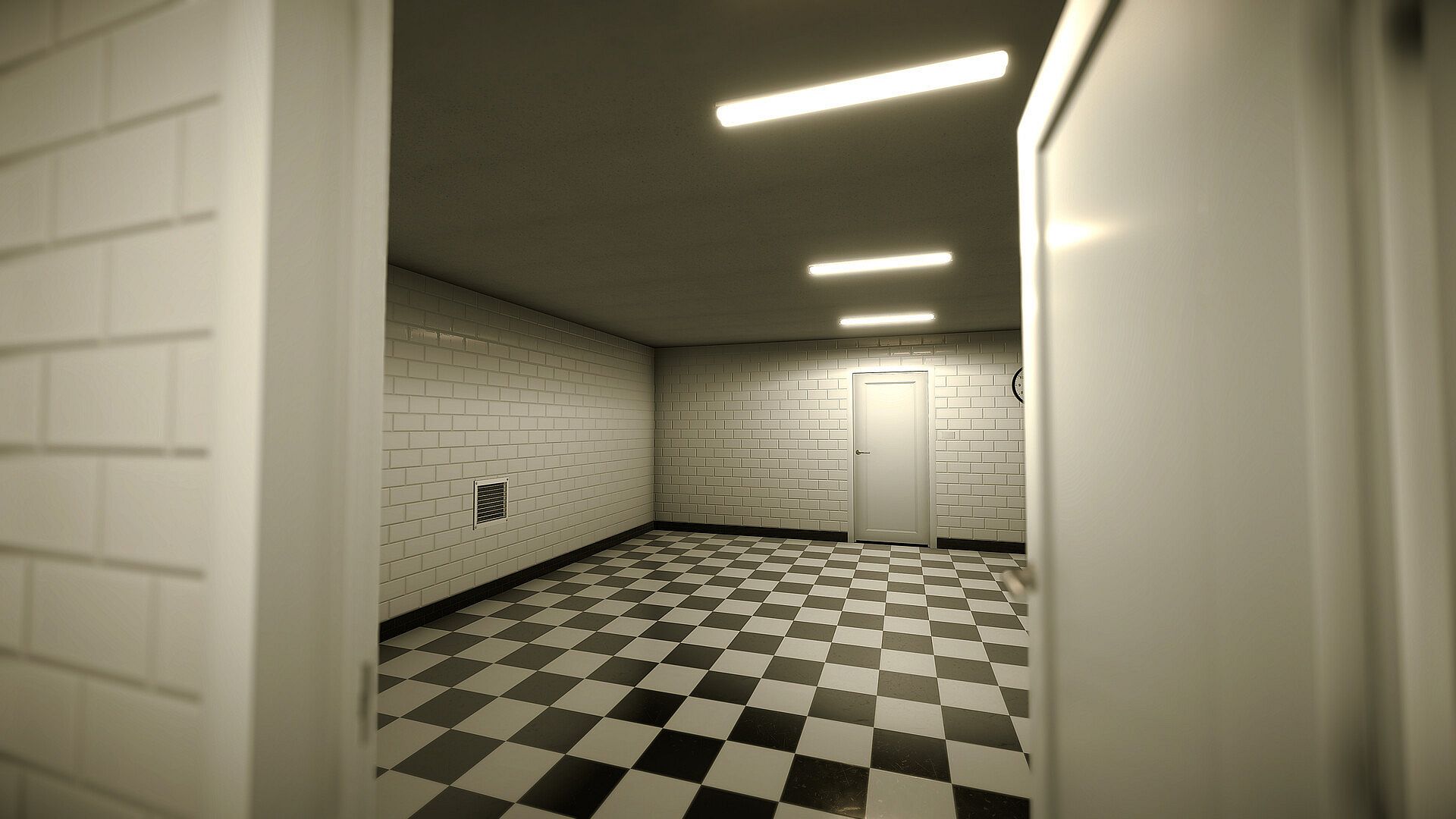
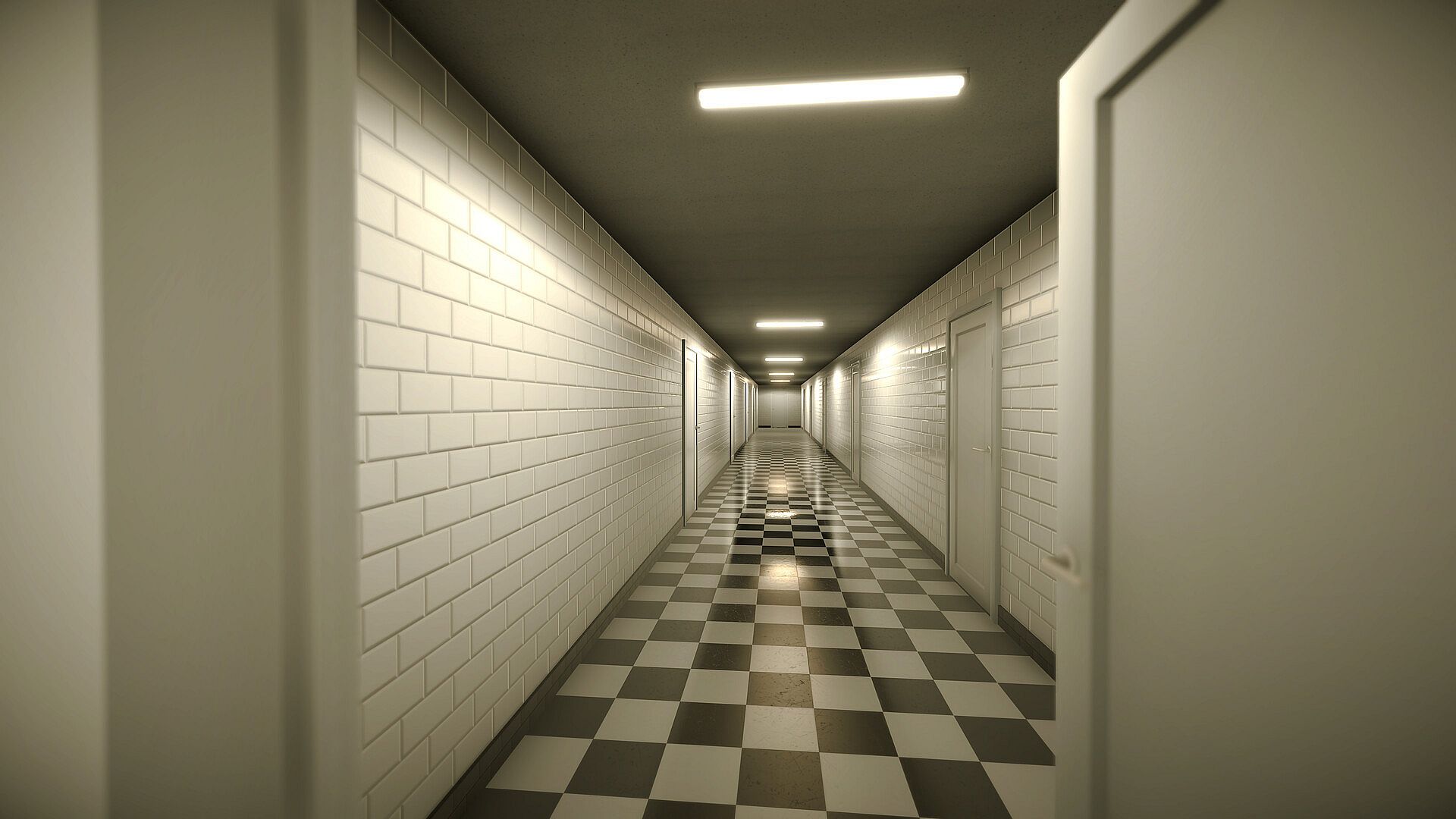
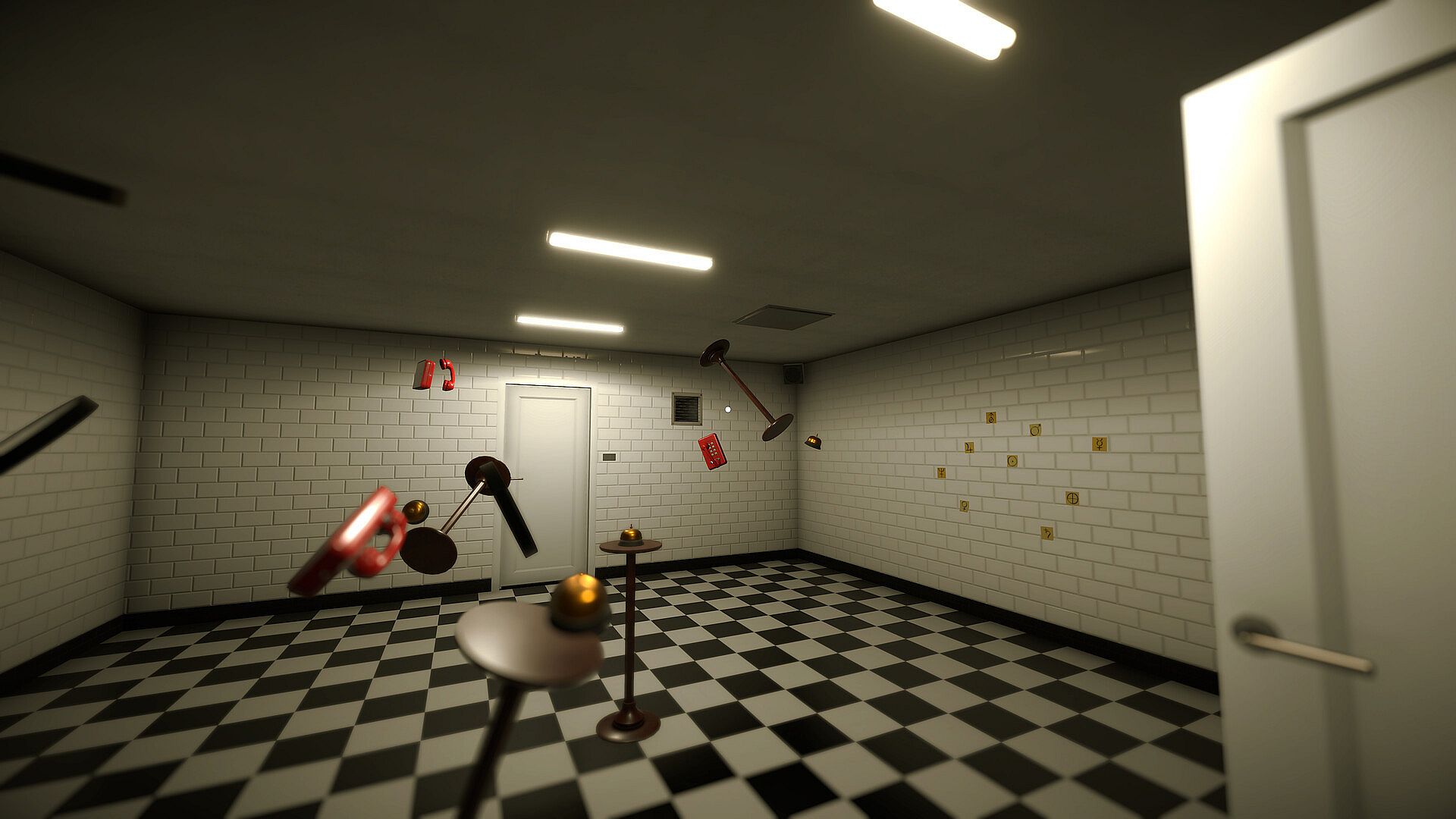
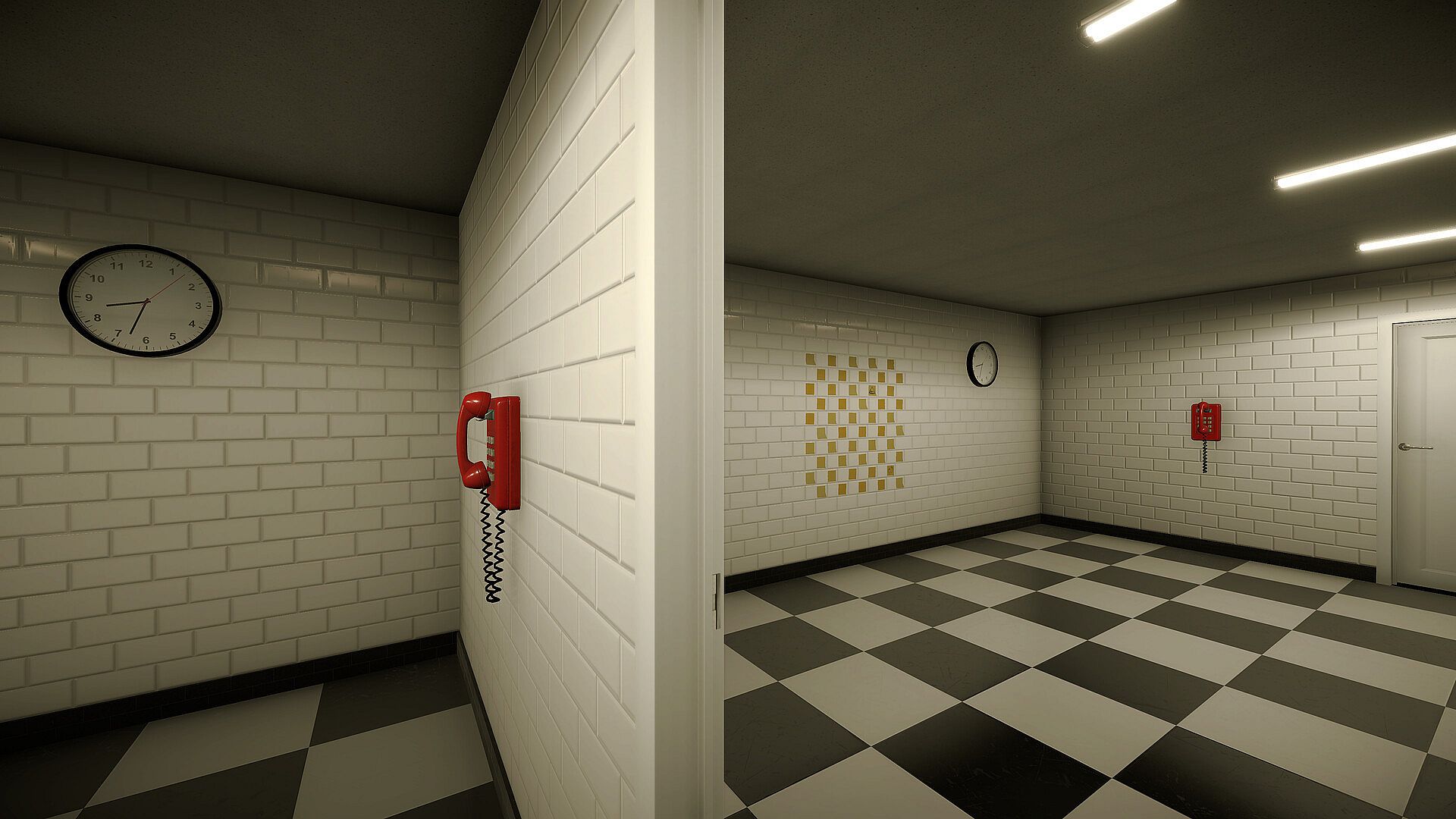
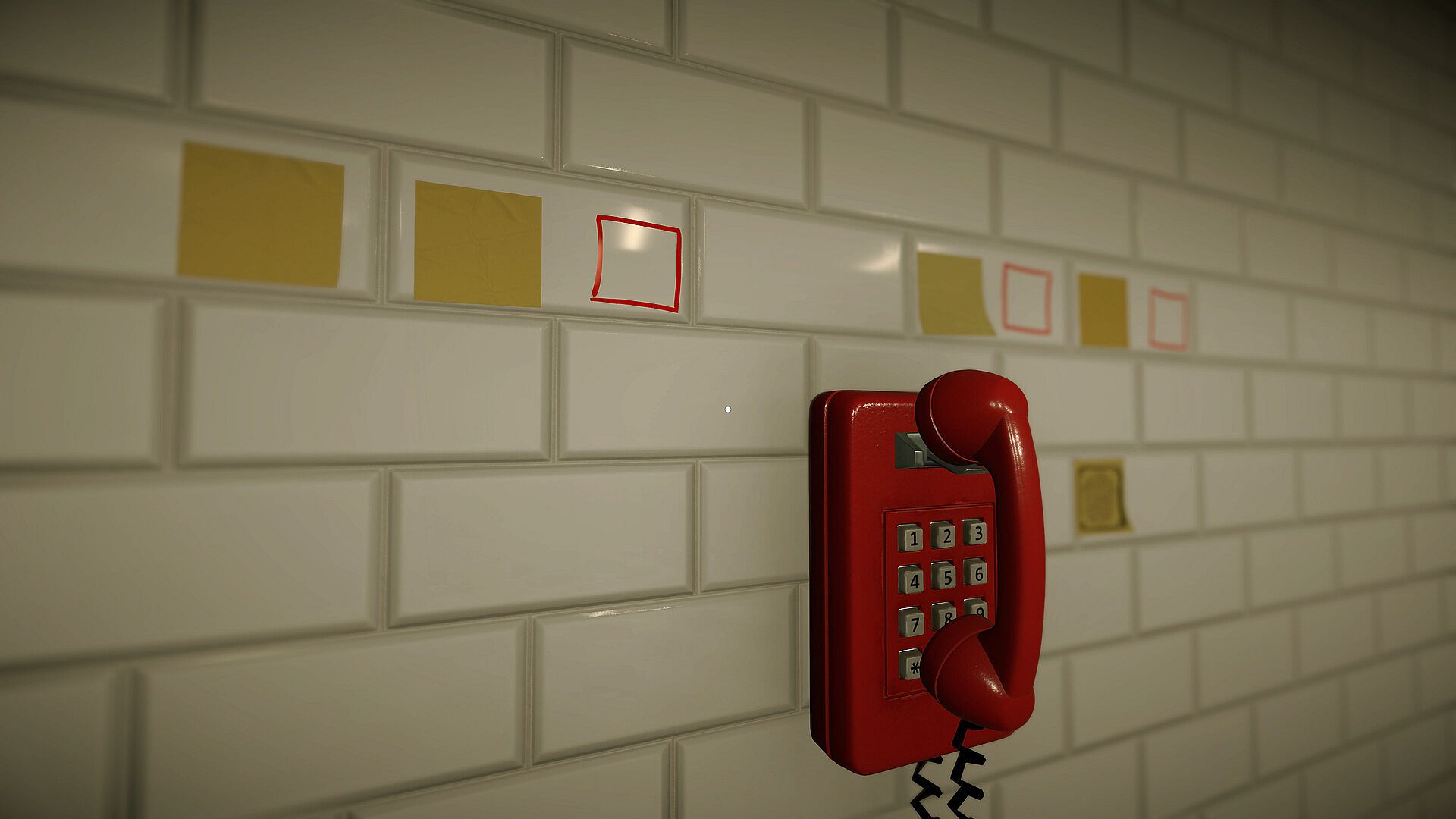
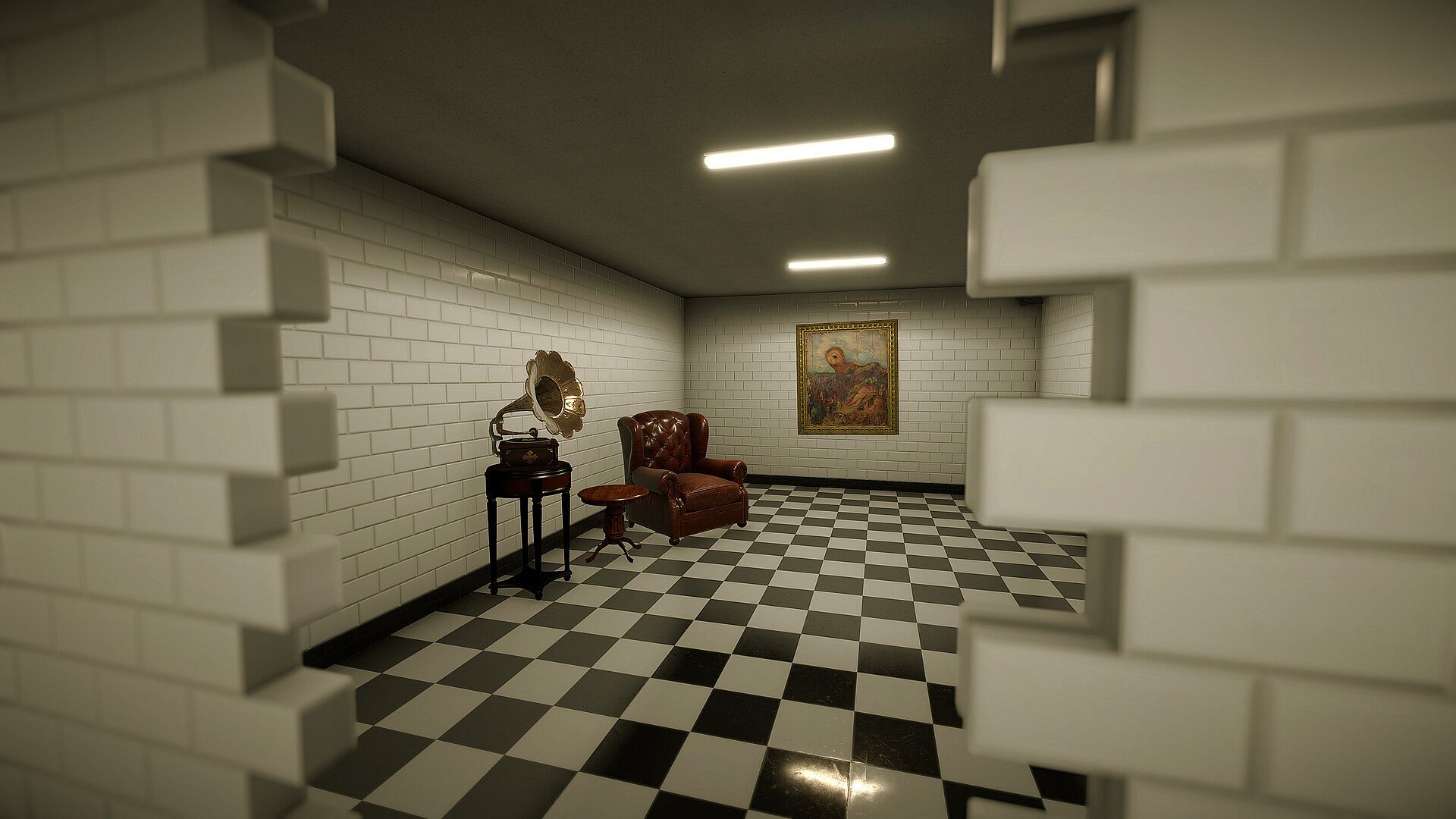
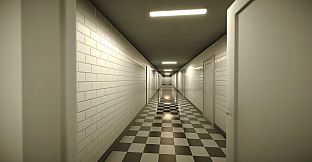
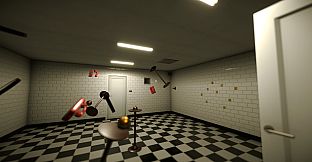
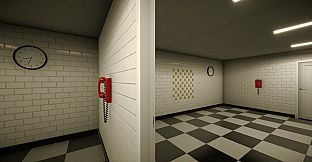
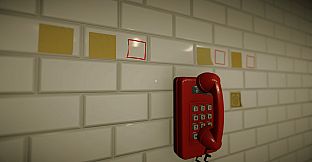
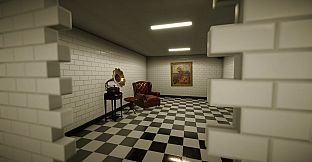
Room Zero is a first-person psychological adventure game developed as an indie title for PC. Players awaken in an unfamiliar environment consisting of a single dull room connected by doors, then navigate an impossible liminal space where the rules of architecture do not apply. The experience centers on atmosphere, exploration, and the gradual unraveling of perception through puzzles and mysteries rather than action or combat.
Gameplay
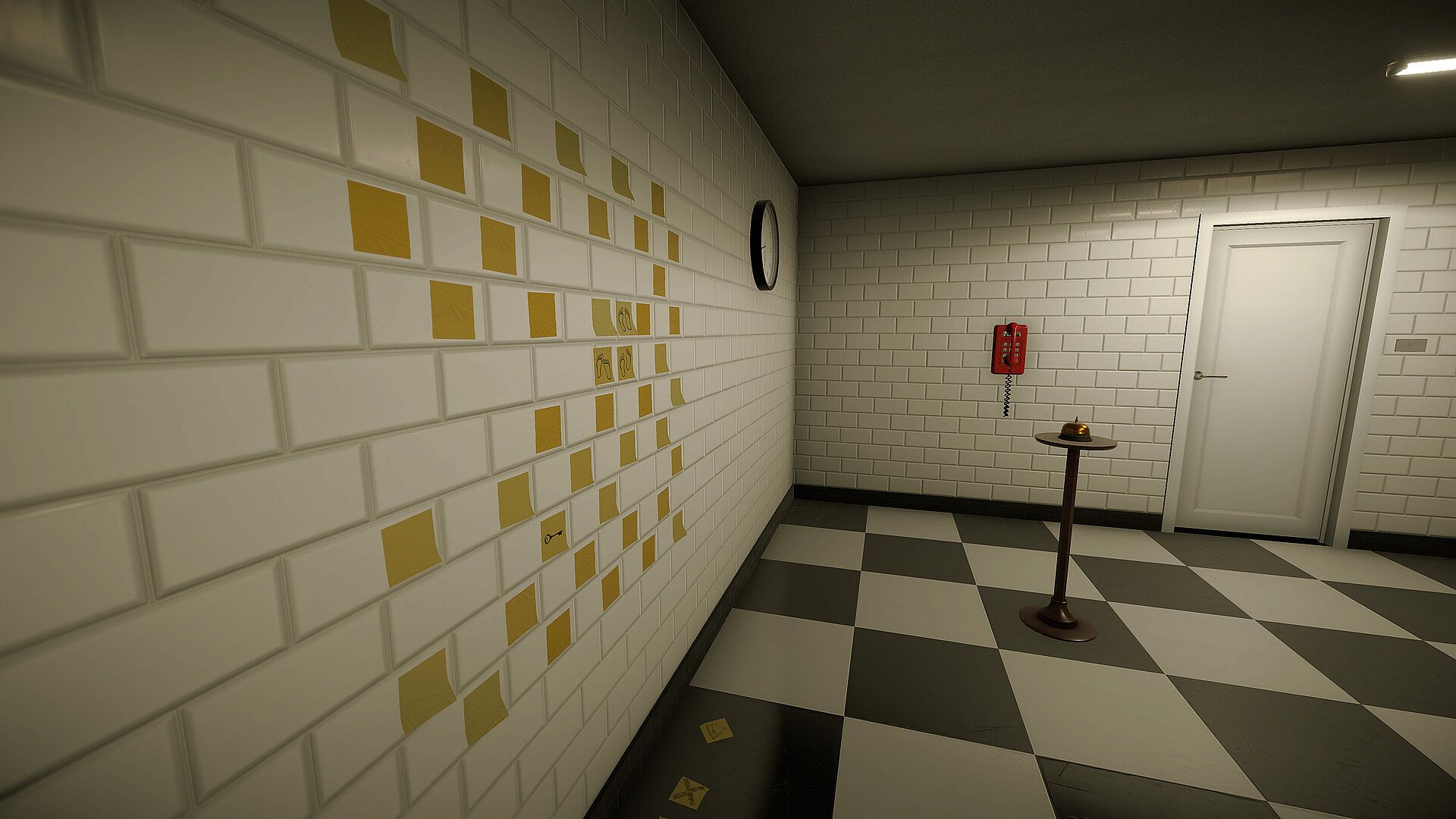
The core loop involves moving through shifting corridors and repeating spaces that grow increasingly disorienting. Architecture bends and loops back on itself, creating a sense of unease that builds as progress continues. Puzzles appear as environmental challenges that require careful observation of details and patterns in the surroundings. There are no weapons, enemies, or direct confrontations, leaving the focus entirely on discovery and interpretation of the environment. Navigation relies on personal judgment without any on-screen markers or instructions to guide the way forward.
Perception plays a central role as spaces repeat and alter in subtle ways, forcing players to question what they see and remember. The absence of certainty extends to the layout itself, where familiar rooms may reappear in altered forms or lead to unexpected connections. This setup encourages repeated examination of the same areas from different angles to uncover hidden elements or solutions to the mysteries presented.
Game Modes
Room Zero operates as a single continuous experience without separate game modes or variations. There is no multiplayer component, no competitive elements, and no alternative play styles such as timed challenges or survival variants. The entire title unfolds as one uninterrupted journey through the liminal space, with all progression tied to exploration and puzzle resolution in sequence.
Atmosphere and Design
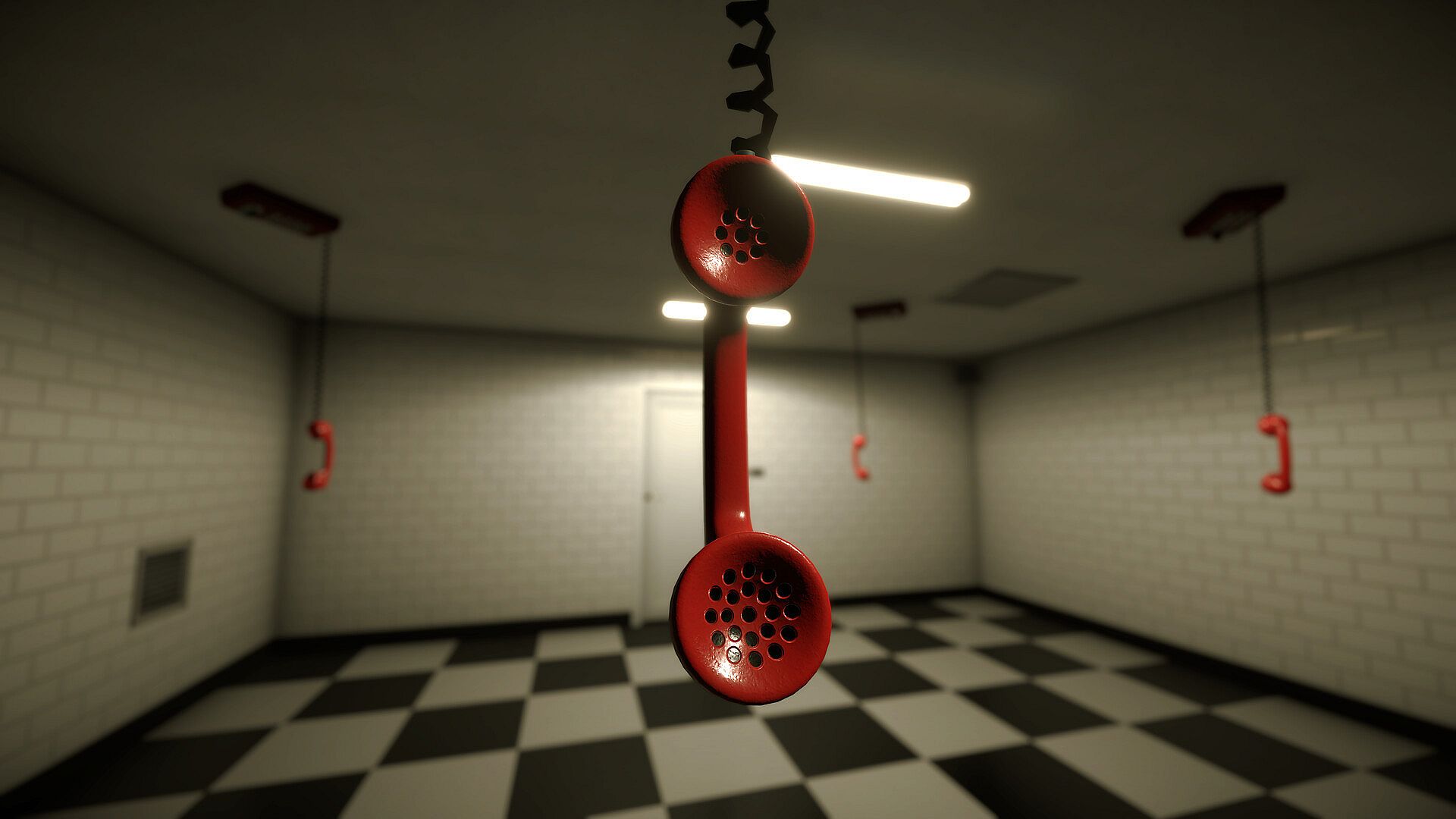
Visual and auditory elements reinforce the psychological tone through minimalistic presentation. The environment starts with plain, repetitive rooms that gradually reveal inconsistencies in structure and detail. Sound design emphasizes silence broken only by footsteps or subtle environmental cues, heightening the isolation. The design avoids traditional level progression markers, instead relying on the player's growing familiarity with the space to reveal its deeper layers.
Puzzles integrate directly into the architecture rather than appearing as separate set pieces. Solutions often involve recognizing how spaces connect or noticing changes that occur between visits to the same area. This approach maintains a consistent focus on the central theme of an impossible building that defies normal logic.
Is It Worth Playing?
Room Zero suits players who prefer deliberate, introspective adventures centered on atmosphere and deduction over action or fast pacing. Those drawn to psychological mysteries and liminal environments will find the lack of guidance and combat aligns with the intended experience of uncertainty and discovery. The title offers no additional content updates or seasonal features beyond its core presentation, making it a self-contained exploration for those interested in short to medium sessions of focused investigation. If the described style of puzzle-driven movement through repeating, shifting spaces appeals, the game delivers exactly that without deviation into other genres or mechanics.