























RollerCoaster Tycoon World is a strategy and simulation game centered on theme park construction and management for PC players. It places emphasis on detailed building mechanics, guest interactions, and coaster design within customizable environments.
Gameplay
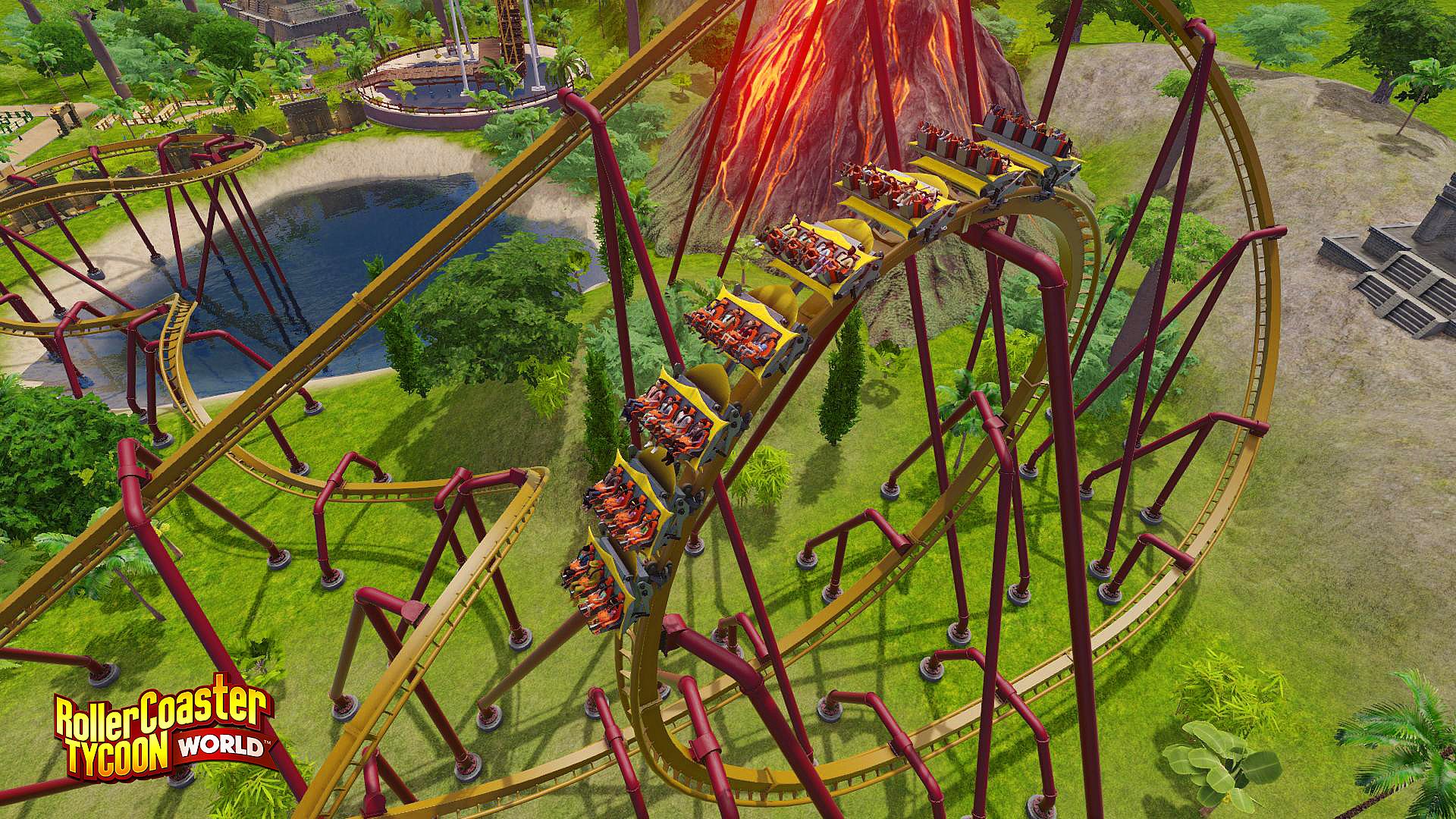
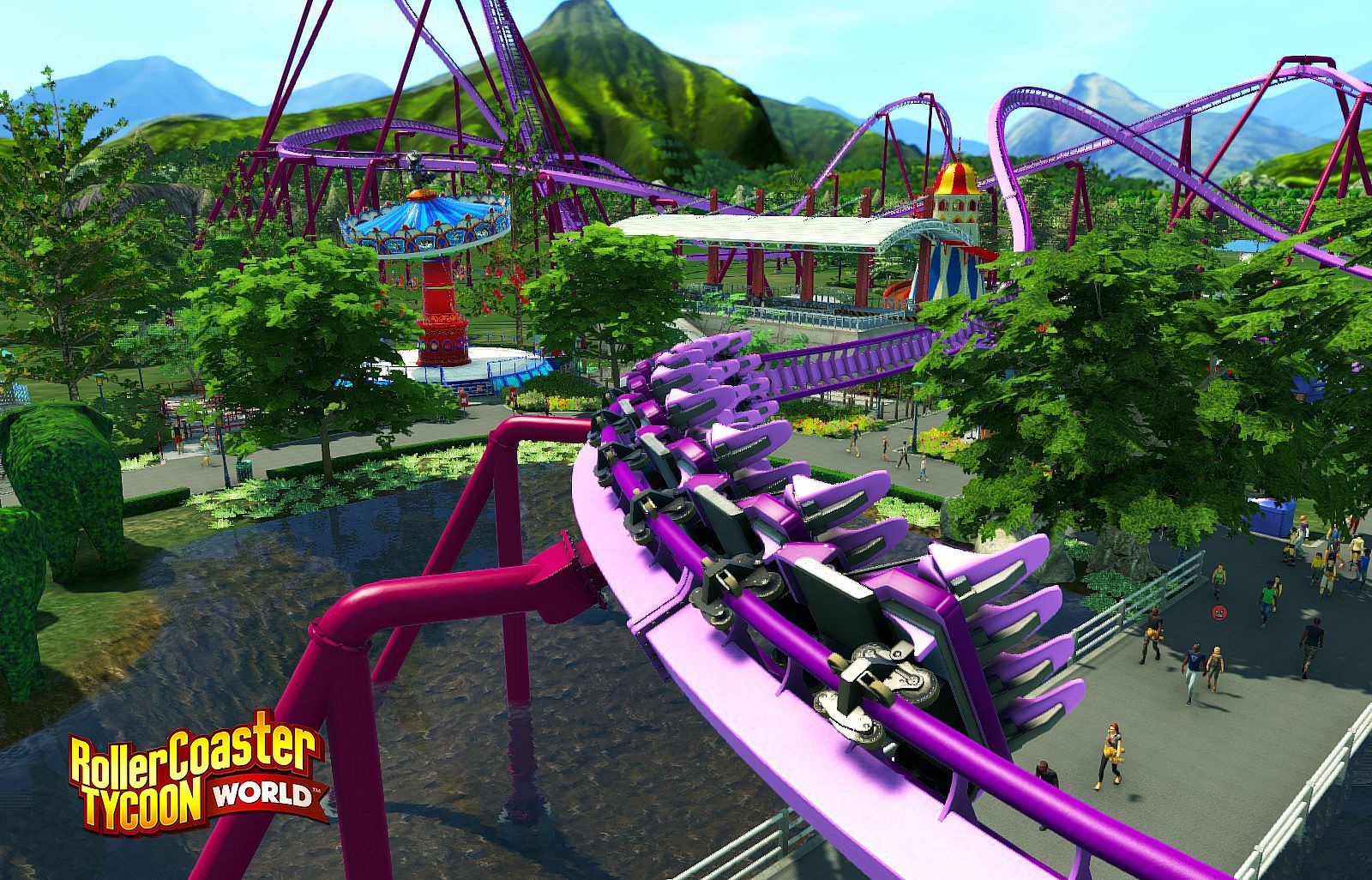
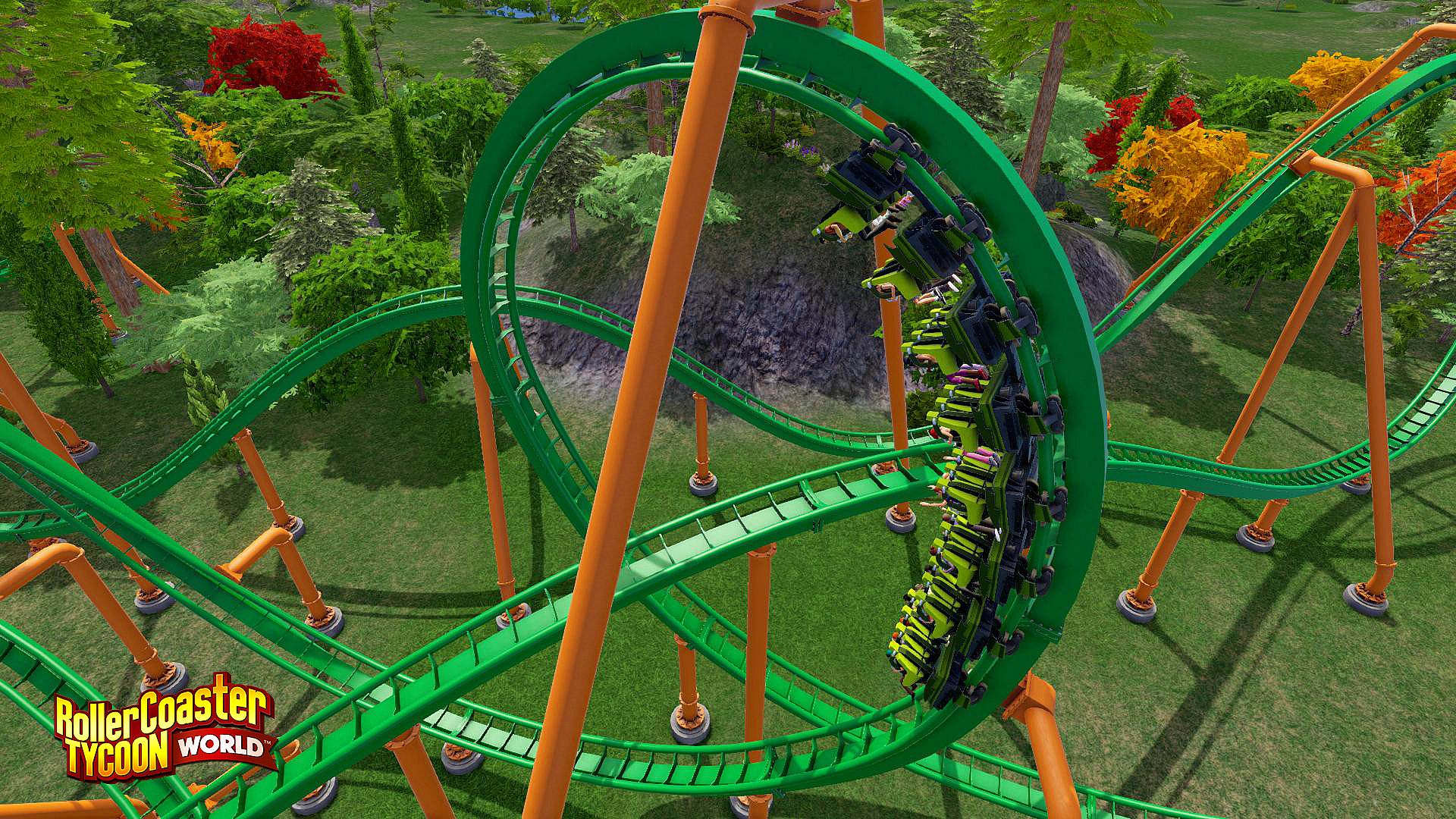
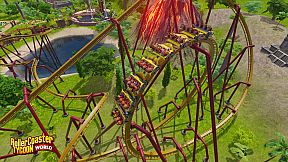
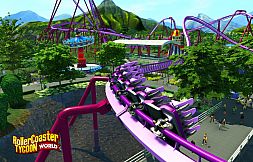
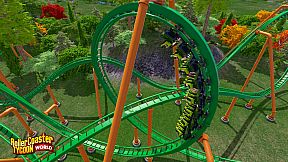
The core loop revolves around placing rides, paths, and scenery while monitoring park finances and guest satisfaction. Players use a spline-based 3D coaster editor that allows full manipulation of tracks in three dimensions, supporting complex shapes and layouts not possible in prior entries. Terrain can be deformed freely, with options to add water features that influence placement and aesthetics.
Object placement operates on a freeform system, letting every item rotate and position at any angle across the map. Paths support curvature at varied angles and widths, expanding layout flexibility. Physics calculations track coaster performance with greater detail, enabling stable designs or those that risk derailment if poorly balanced. Riders can experience coasters from the front seat for immediate feedback on speed and forces.
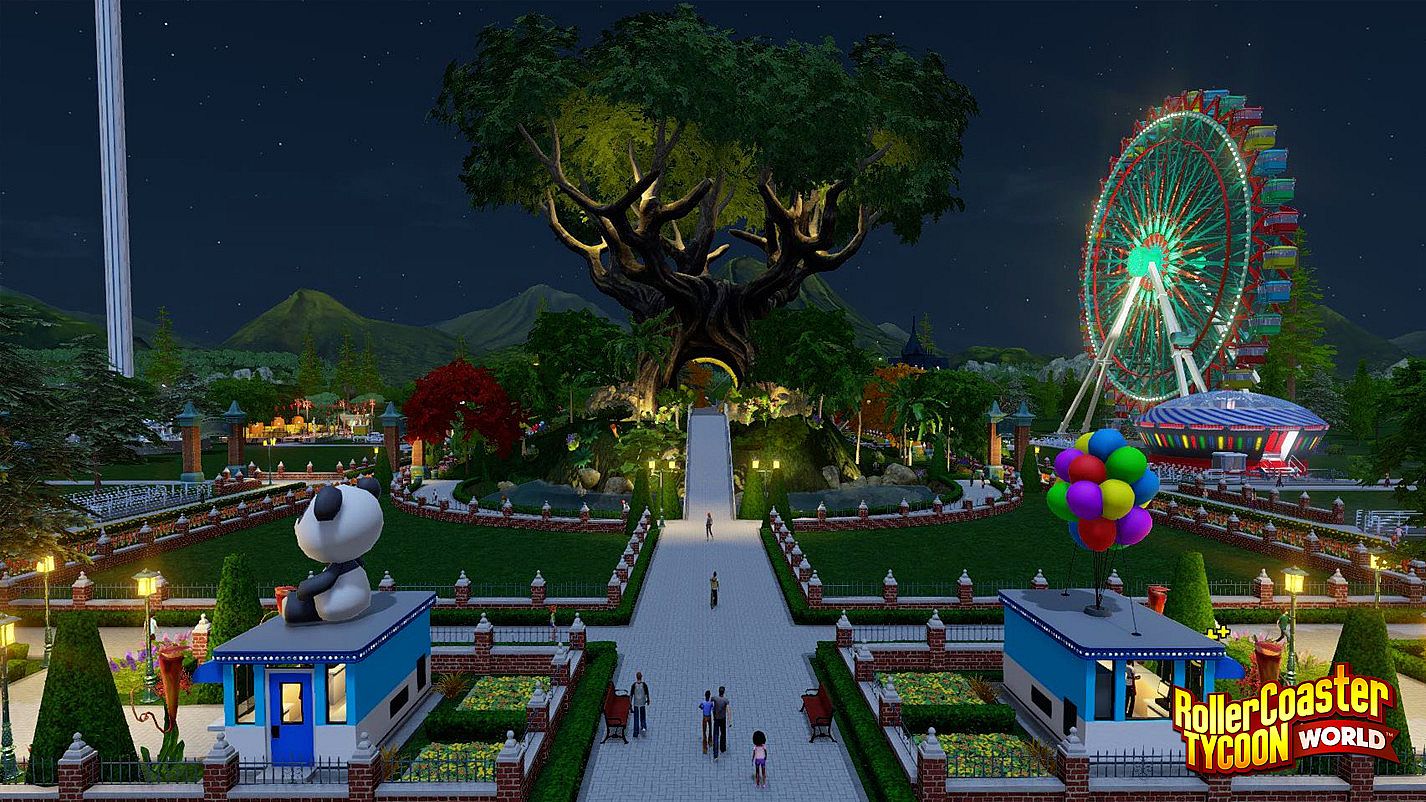
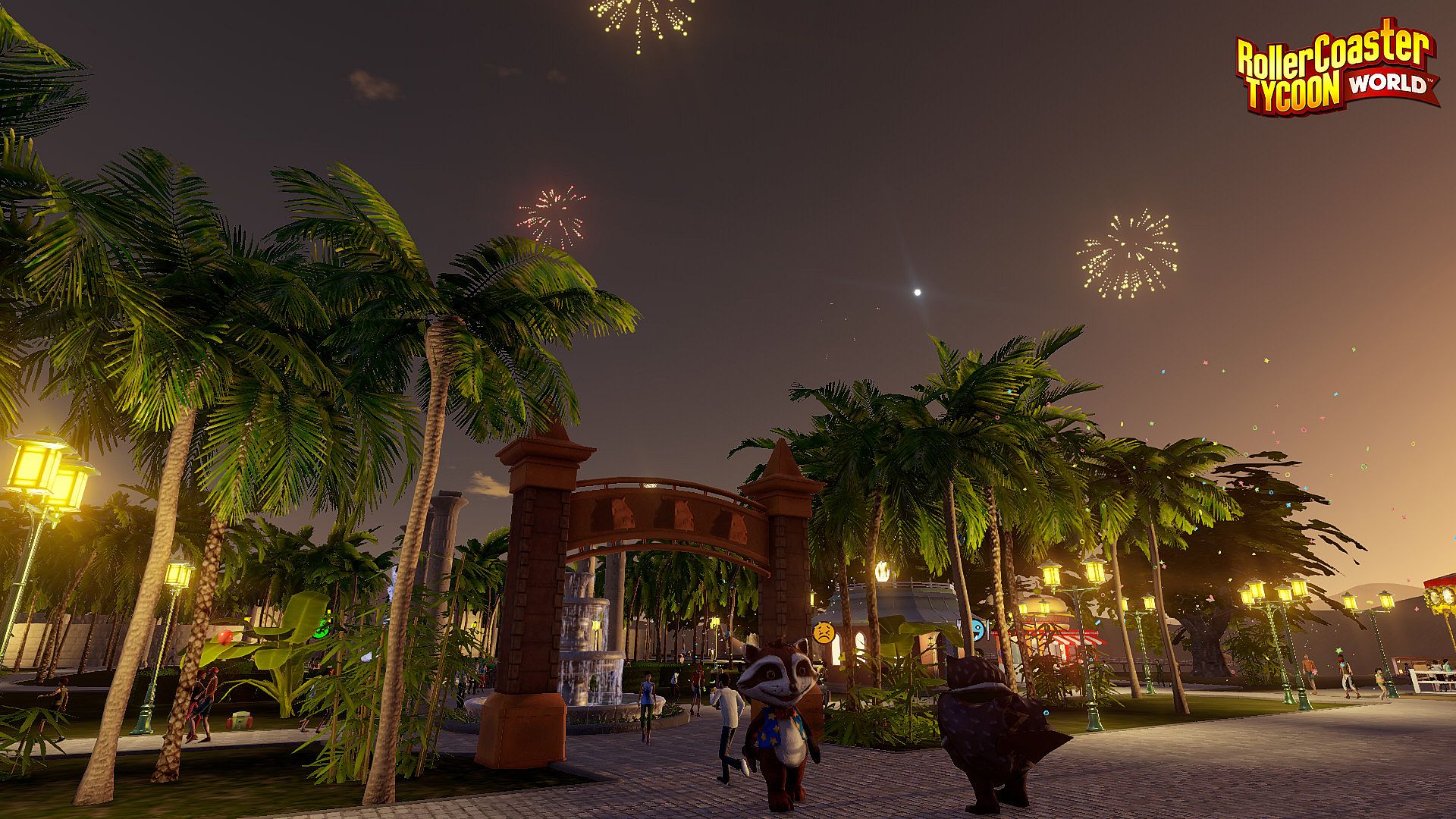
Guest behavior responds to themed zones, where matching scenery boosts ride appeal for specific visitor types. Services for medical, cleaning, entertainment, and maintenance receive a streamlined interface that tracks needs across the park. Heat maps provide visual data on crowd flow and satisfaction levels.
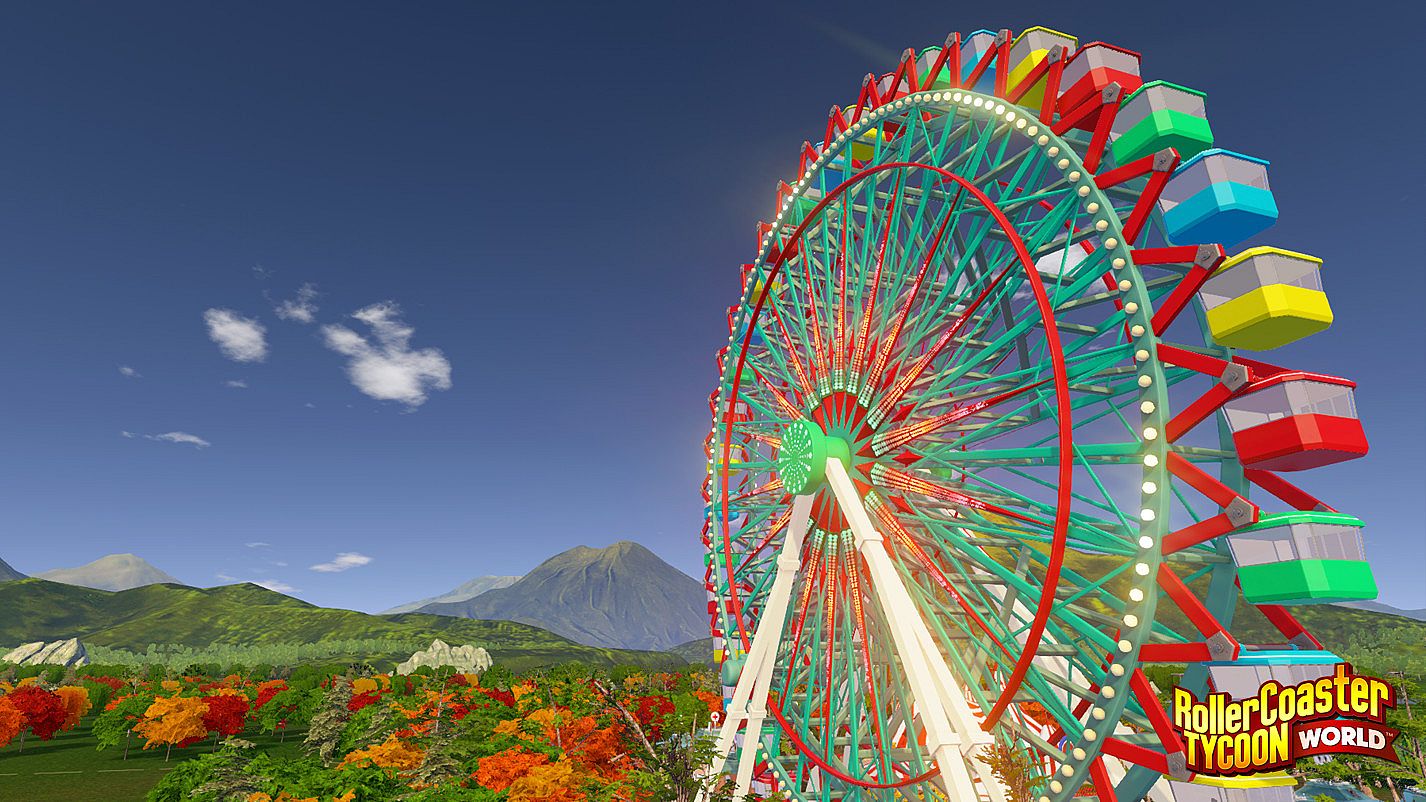
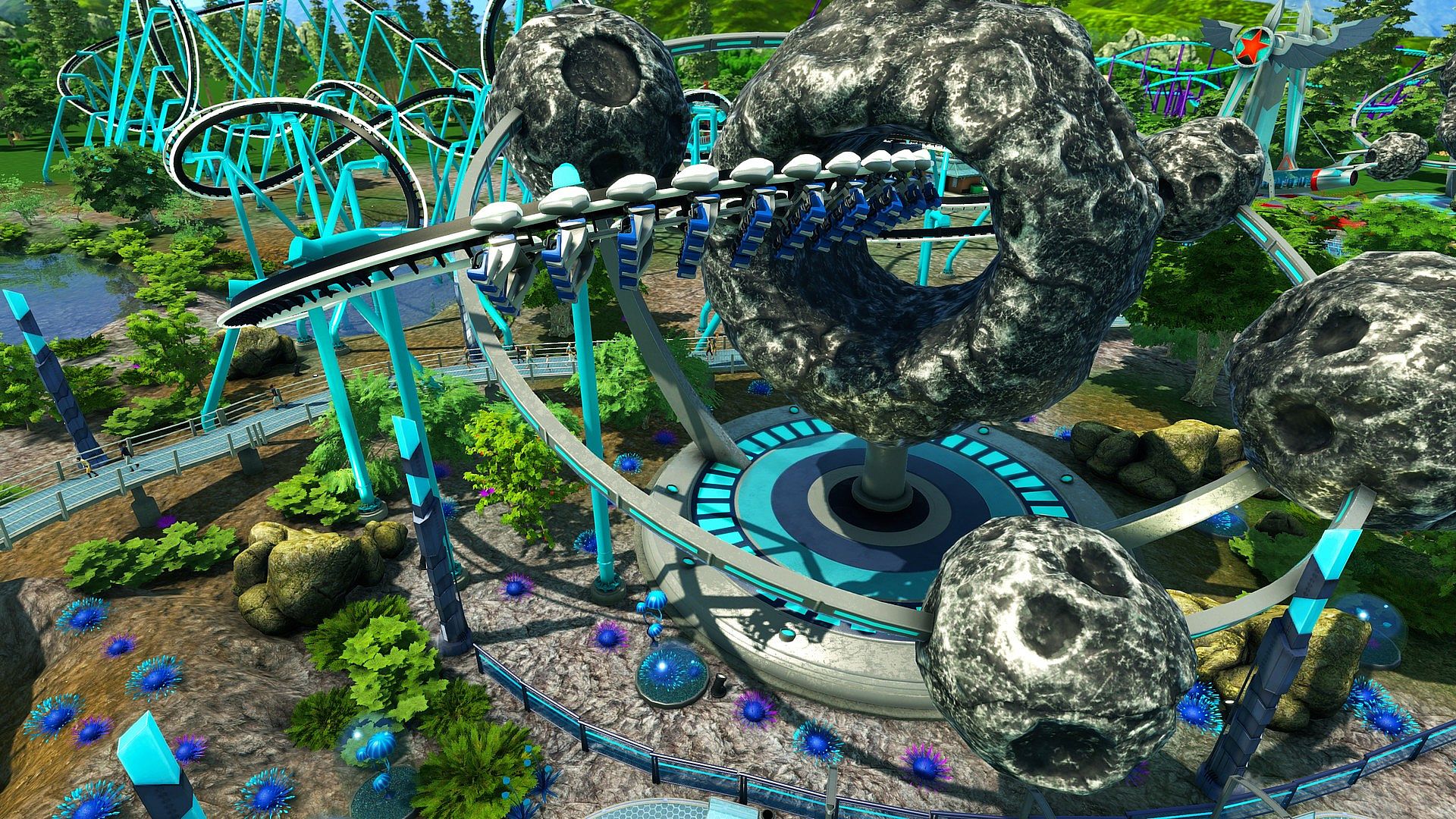
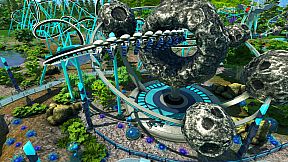
Customization extends to piece-by-piece construction using over 260 tiled elements across four themes: adventure, sci-fi, western, and generic. External 3D models compatible with Unity import directly for broader creative options.
Game Modes
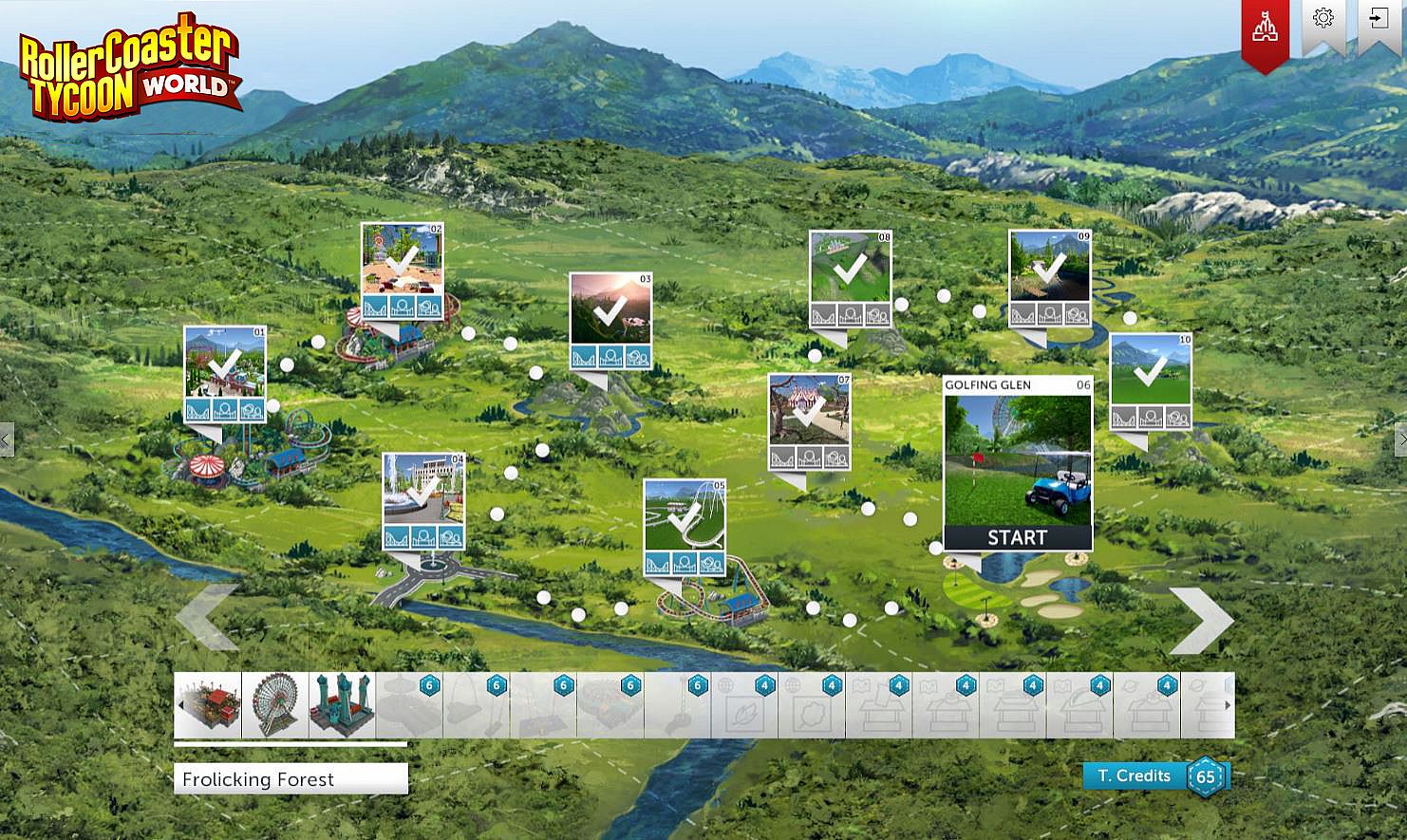
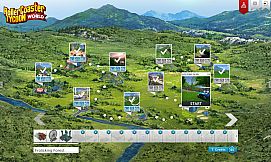
Progression Mode delivers a mission-based campaign across three world maps. Dozens of objectives increase in complexity, rewarding research points upon completion. These points unlock additional scenery items that carry over to other modes.
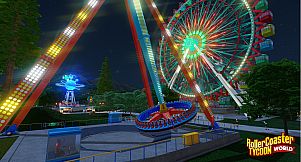
Sandbox Mode grants unlimited resources for unrestricted building. Players access items earned through progression or opt for the complete roster of coasters, flat rides, shops, and scenery at any time. Multiple environments such as forests, deserts, and tropical islands combine with theme selections to differentiate each park.
Both modes support the same core tools for coaster editing, terrain adjustment, and guest management, allowing seamless transition between guided challenges and open creation.
Building and Customization Tools
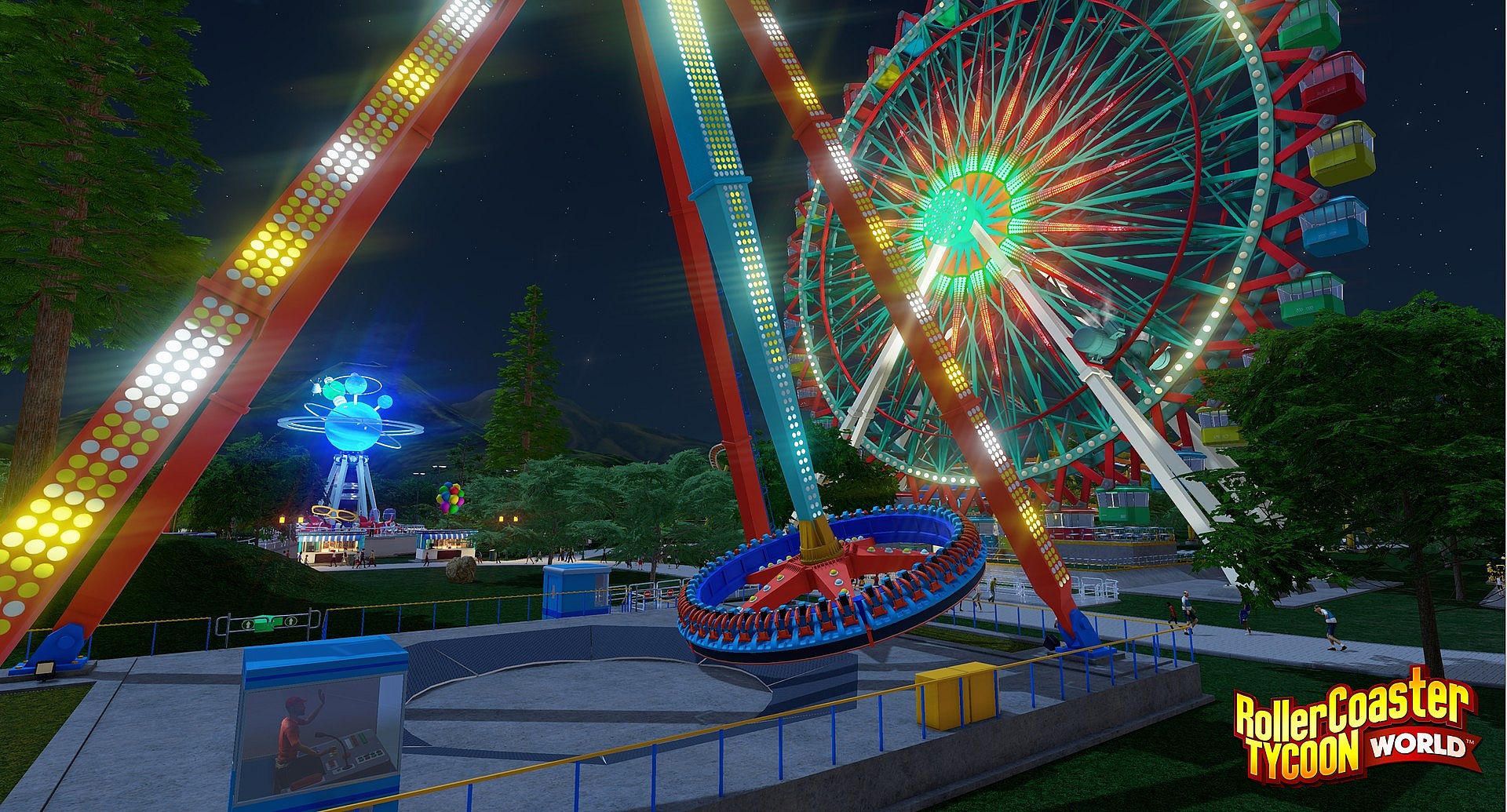
The 3D coaster editor stands out for its spline controls that bend and twist tracks freely. Flat rides, shops, and scenery fill out parks alongside these coasters. Deformable terrain integrates with water placement to shape realistic landscapes.
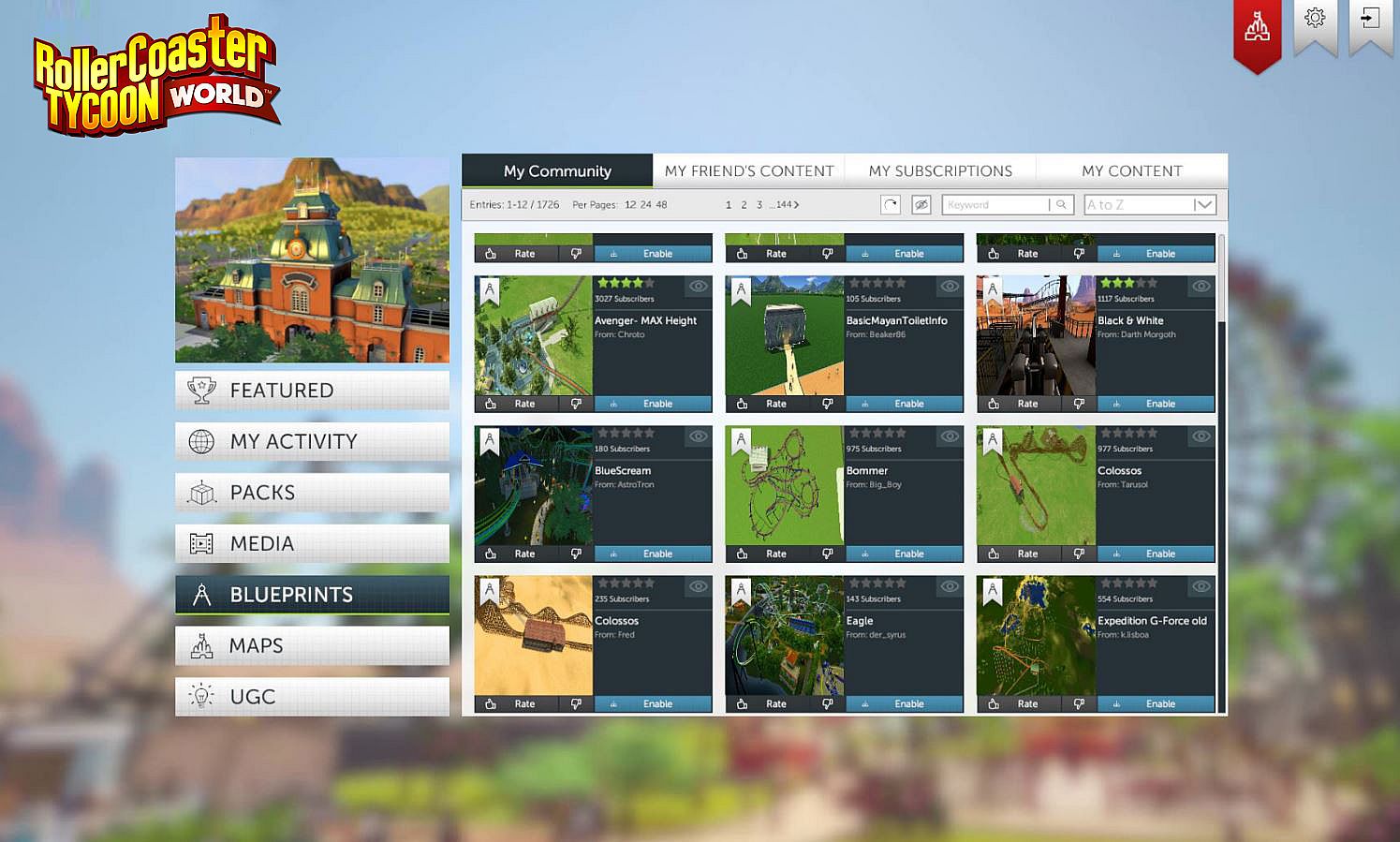
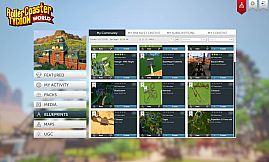
Curved paths add organic flow to guest movement. Piece-by-piece building supports detailed structures that enhance themed areas. Imported user content expands options further through integrated sharing tools.
Park Management and Guest Systems
Management tools cover finances, visitor thoughts, and operational needs in one interface. Advanced simulations govern coaster stability and guest preferences based on surroundings. Themed object clusters dynamically alter attraction draw.
Responsive environments encourage strategic zoning to optimize thrill and appeal across different guest groups. Services operate on simplified yet effective tracking to maintain park quality.
Is It Worth Playing?
RollerCoaster Tycoon World suits players who prioritize hands-on coaster creation and park layout over fast-paced action. Its progression system guides newcomers through mechanics while sandbox offers immediate freedom for experienced builders. The combination of deformable terrain, detailed physics, and extensive object variety supports long sessions focused on iterative design and refinement.
Those drawn to simulation titles with strong building depth will find the tools rewarding, particularly the ability to ride custom coasters and adjust every element in 3D space. The game delivers a focused experience on theme park simulation without additional layers like competitive multiplayer.