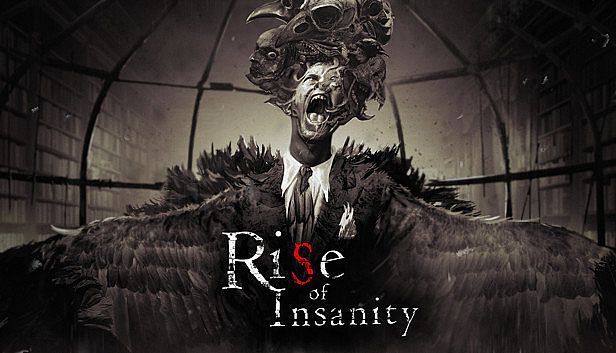











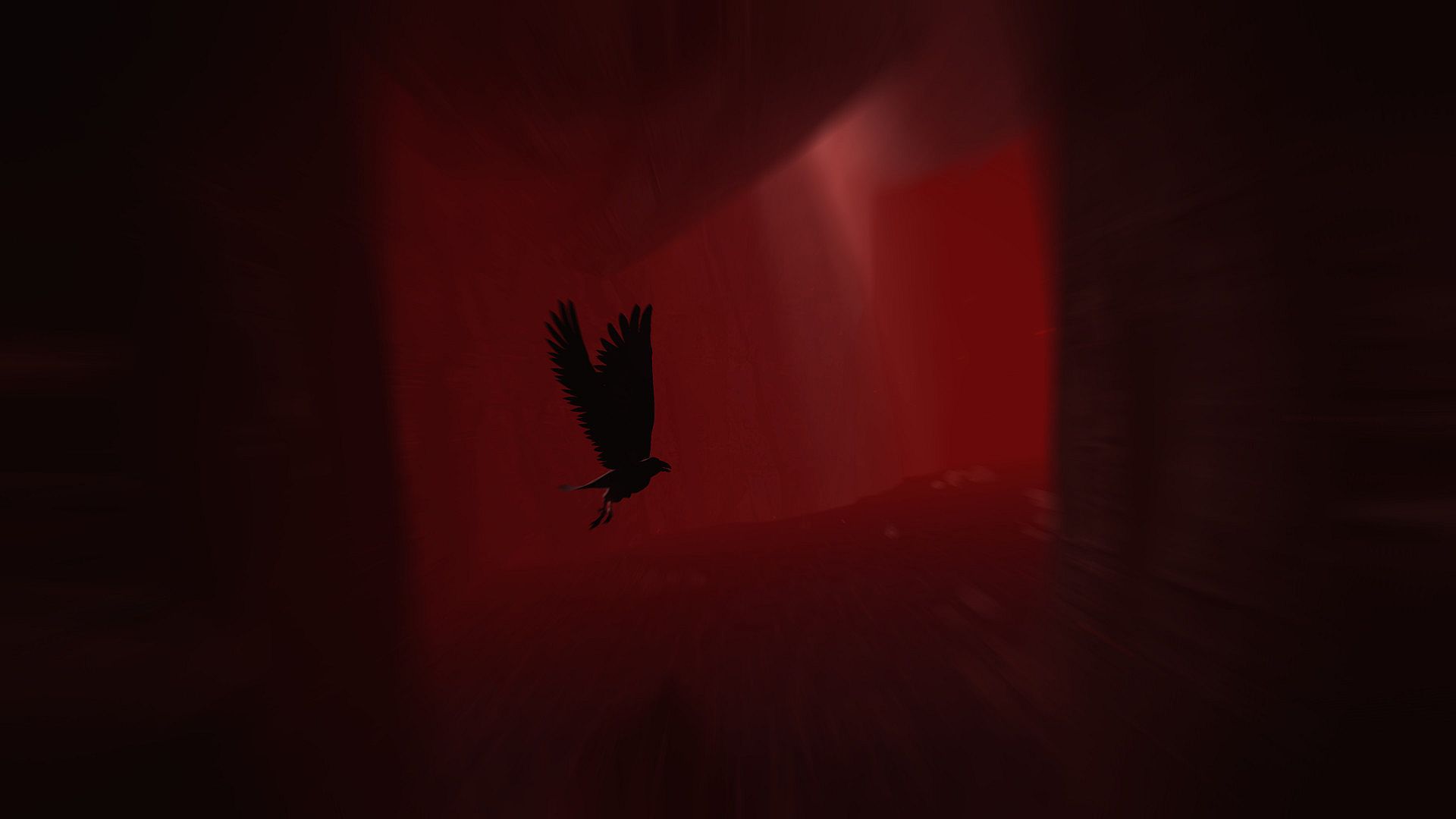


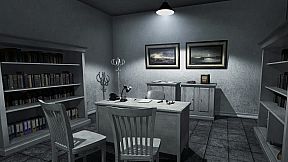
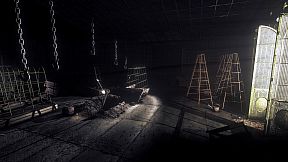
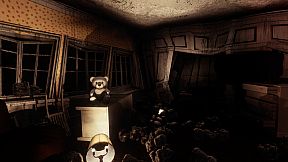
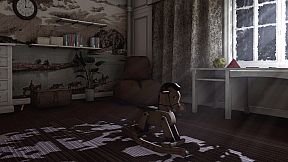

Rise of Insanity is a first-person psychological horror adventure game developed for PC. Players take on the role of Dr. Stephen Dowell, a psychologist in 1970s America whose professional work and personal life intersect in unsettling ways. The experience centers on uncovering the truth behind a troubled patient and the doctor's own missing family through exploration and deduction.
Gameplay
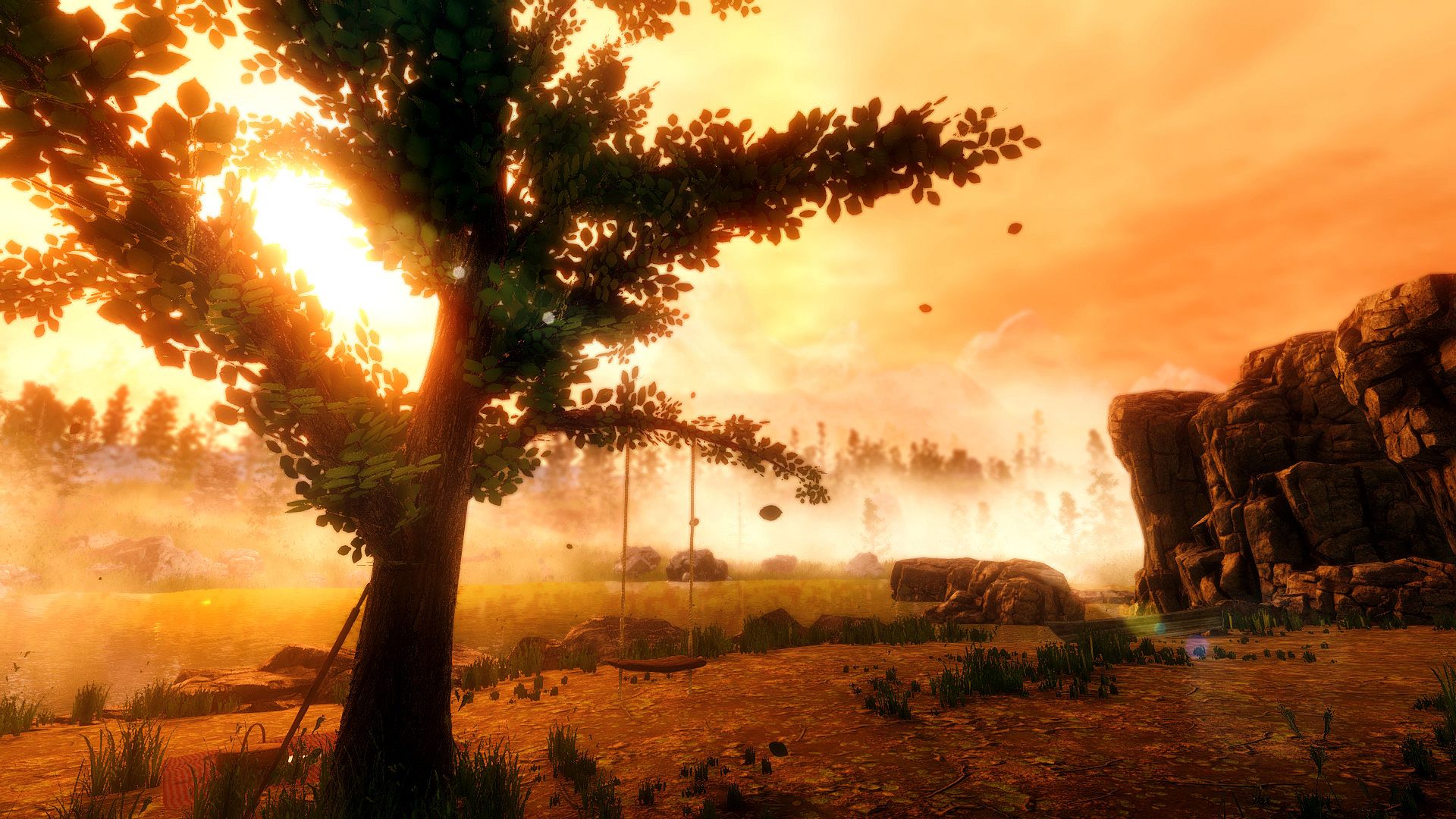
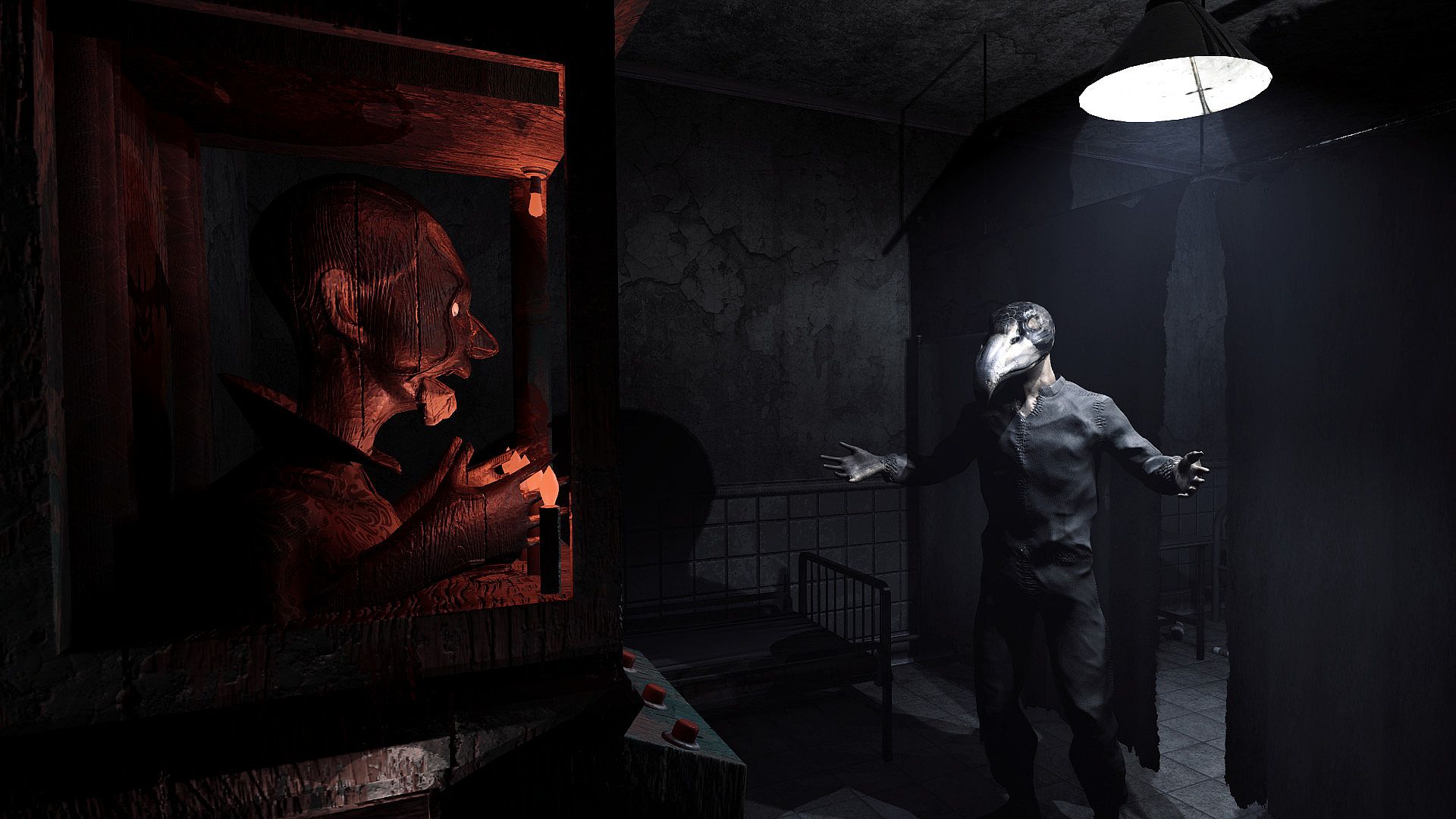
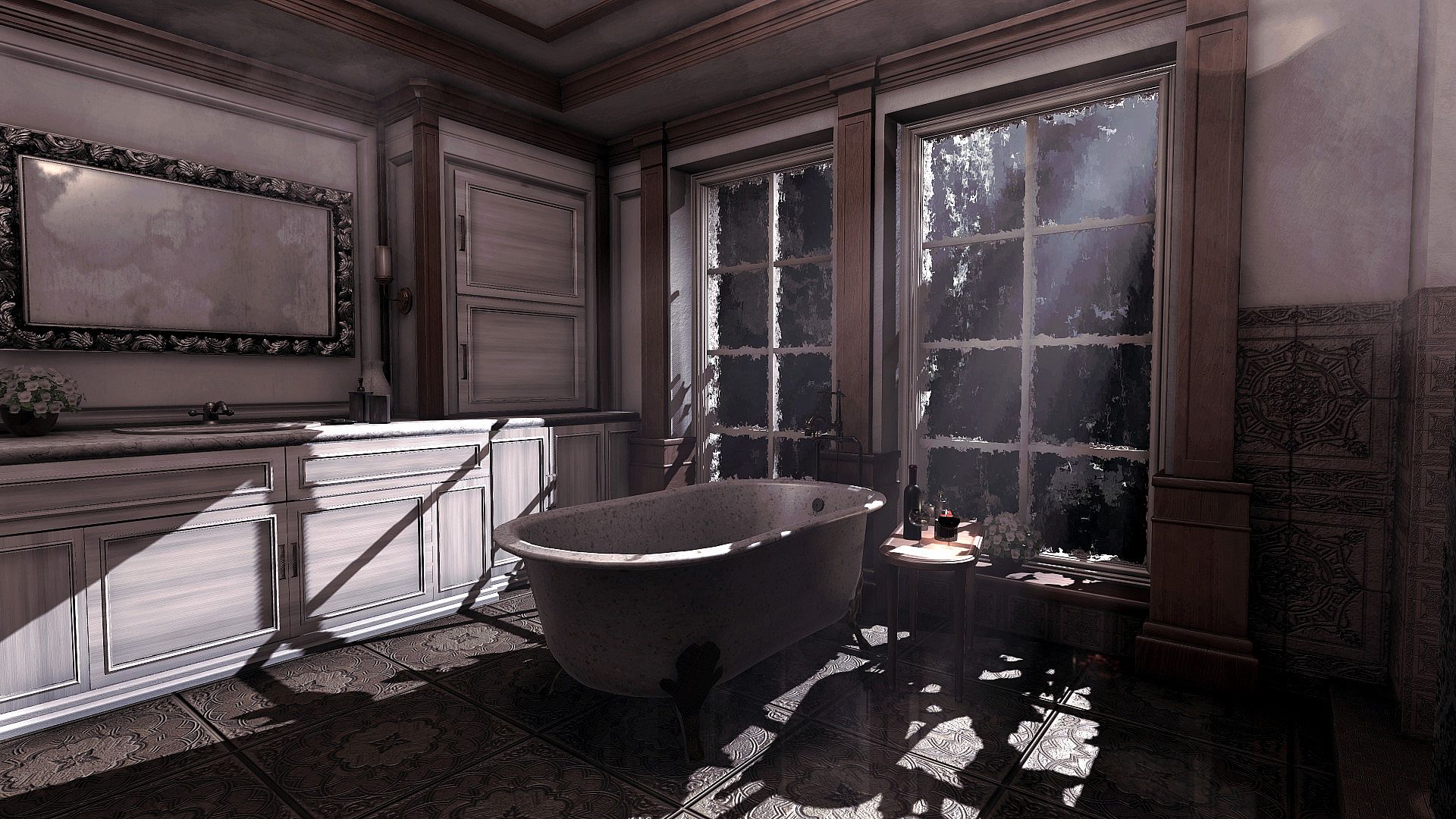
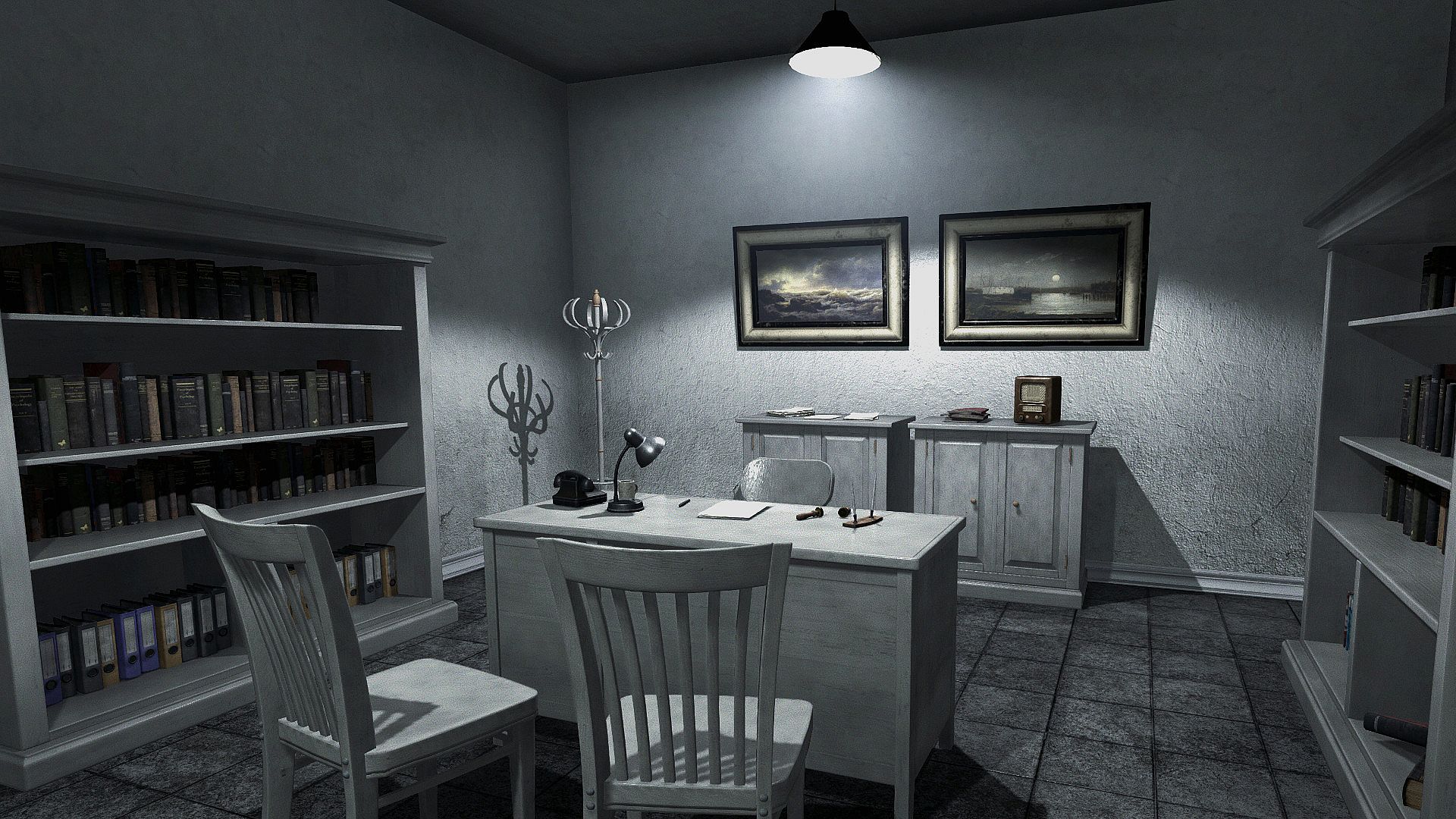
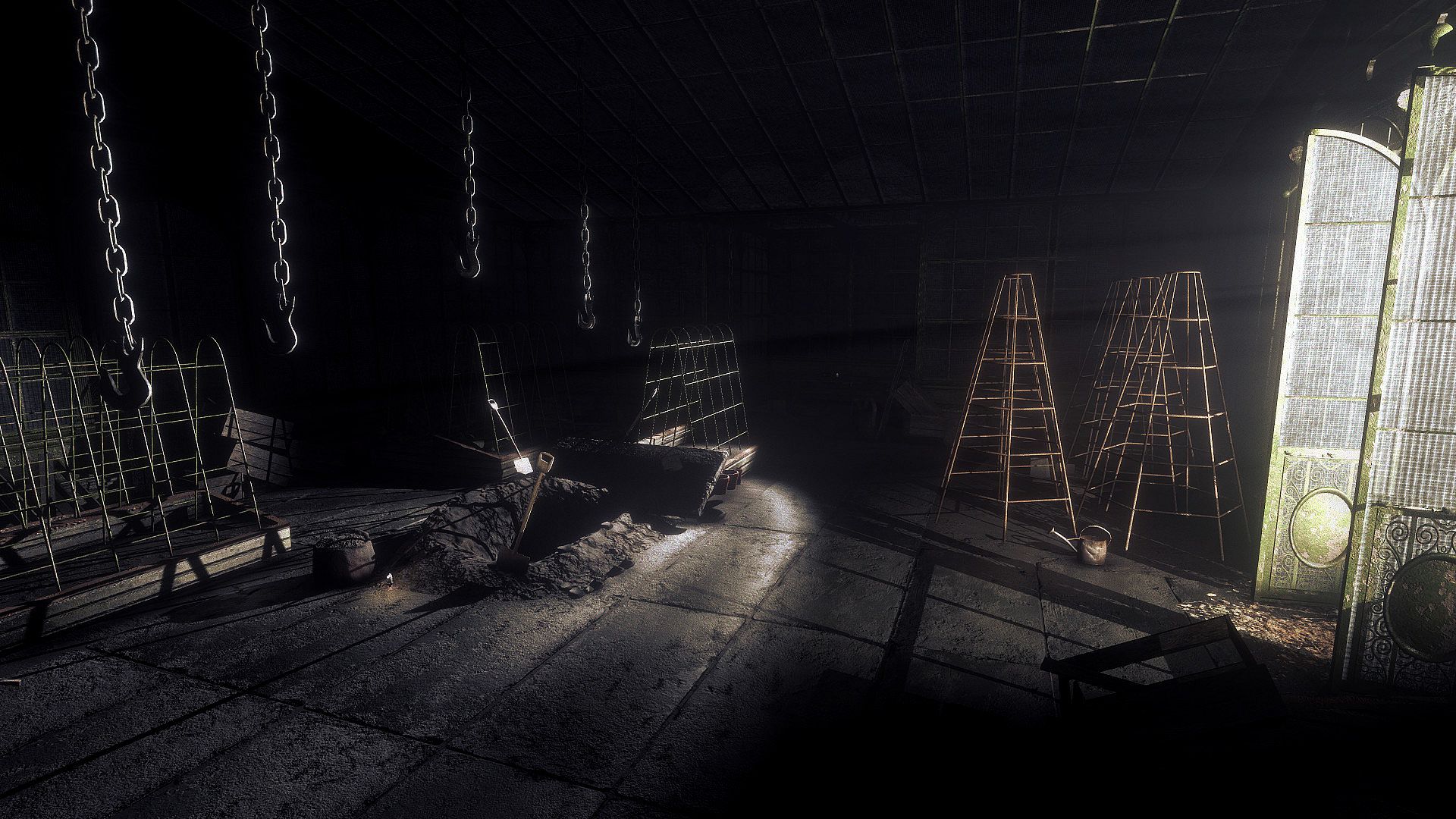
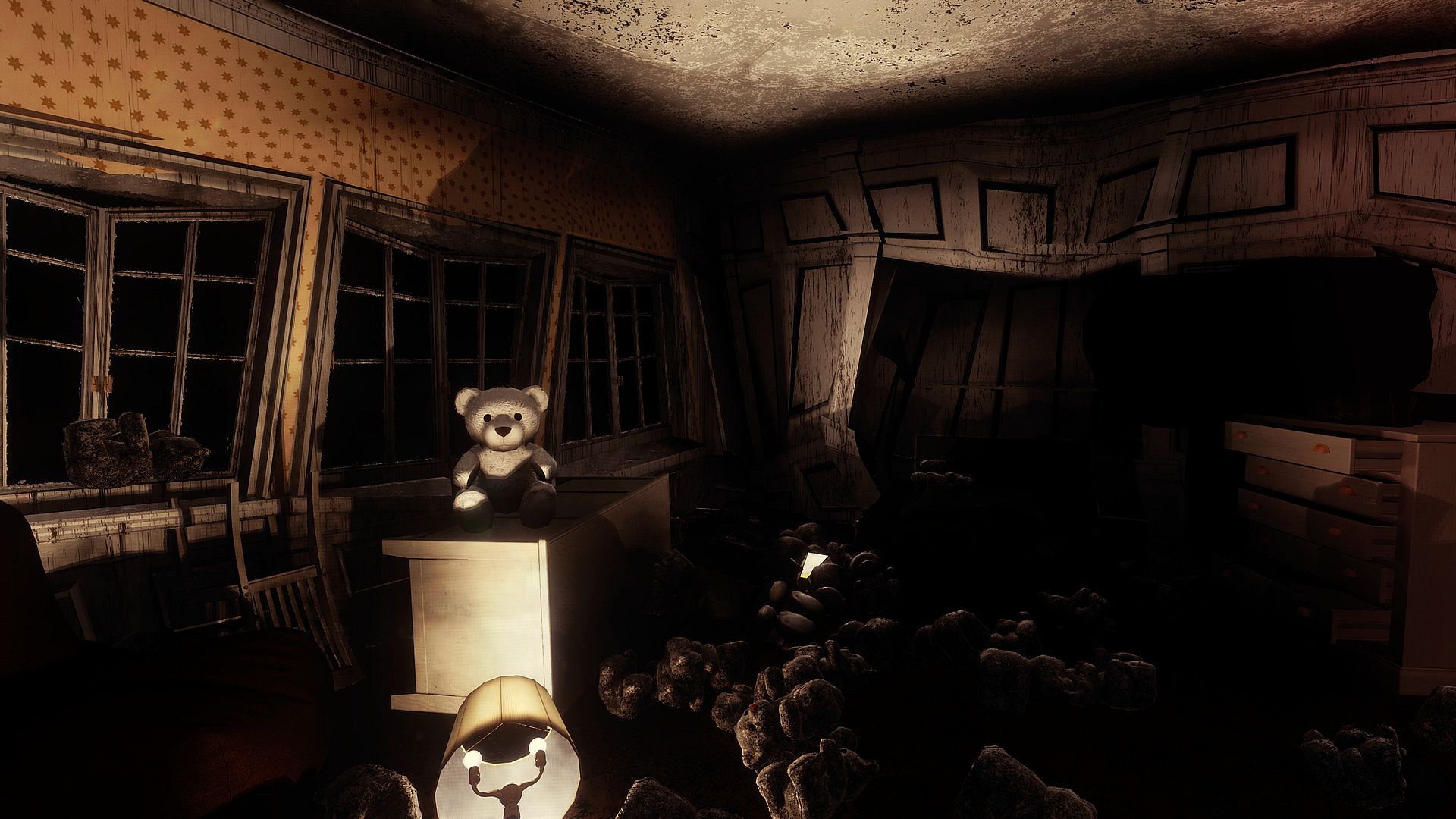
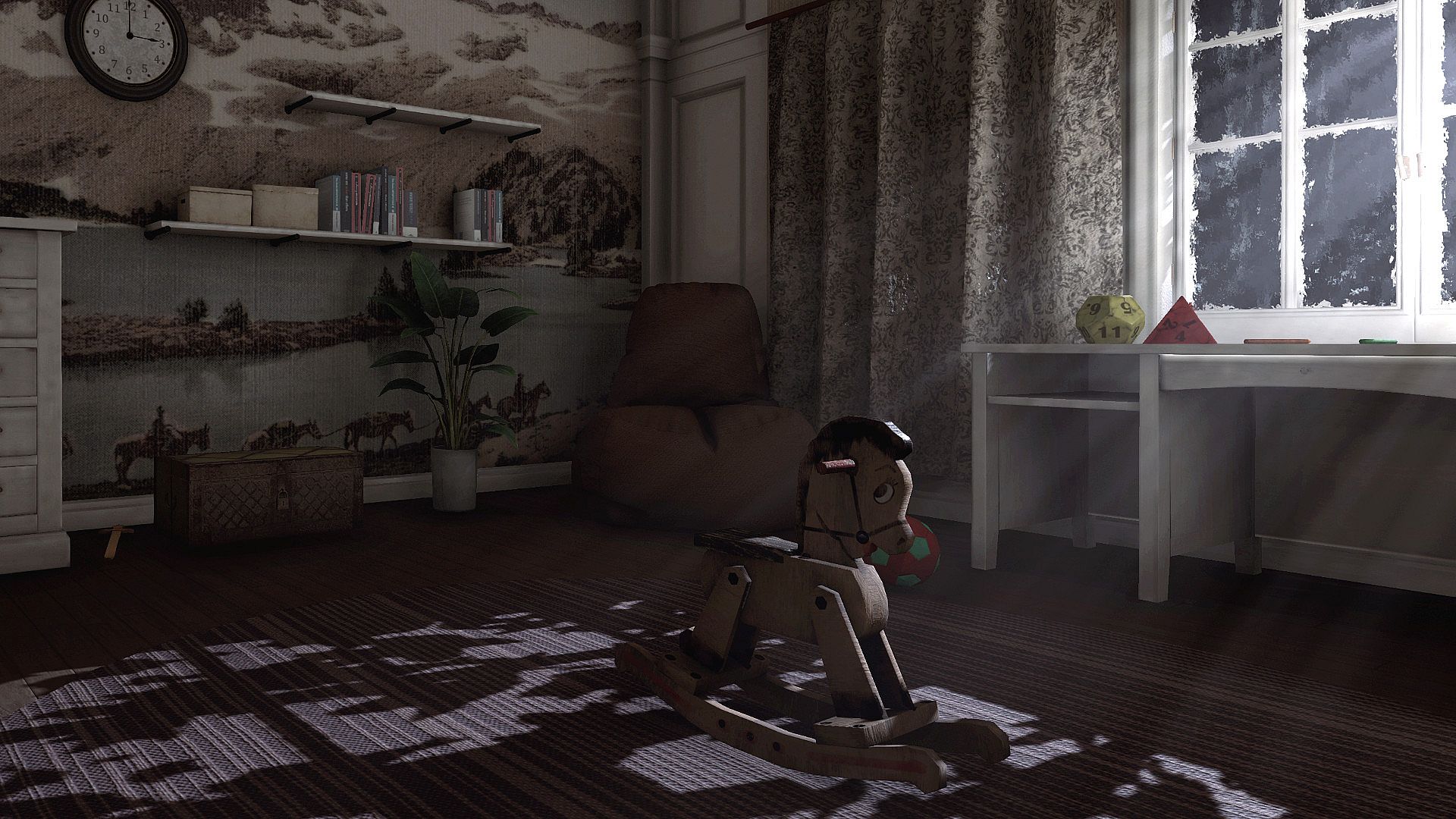
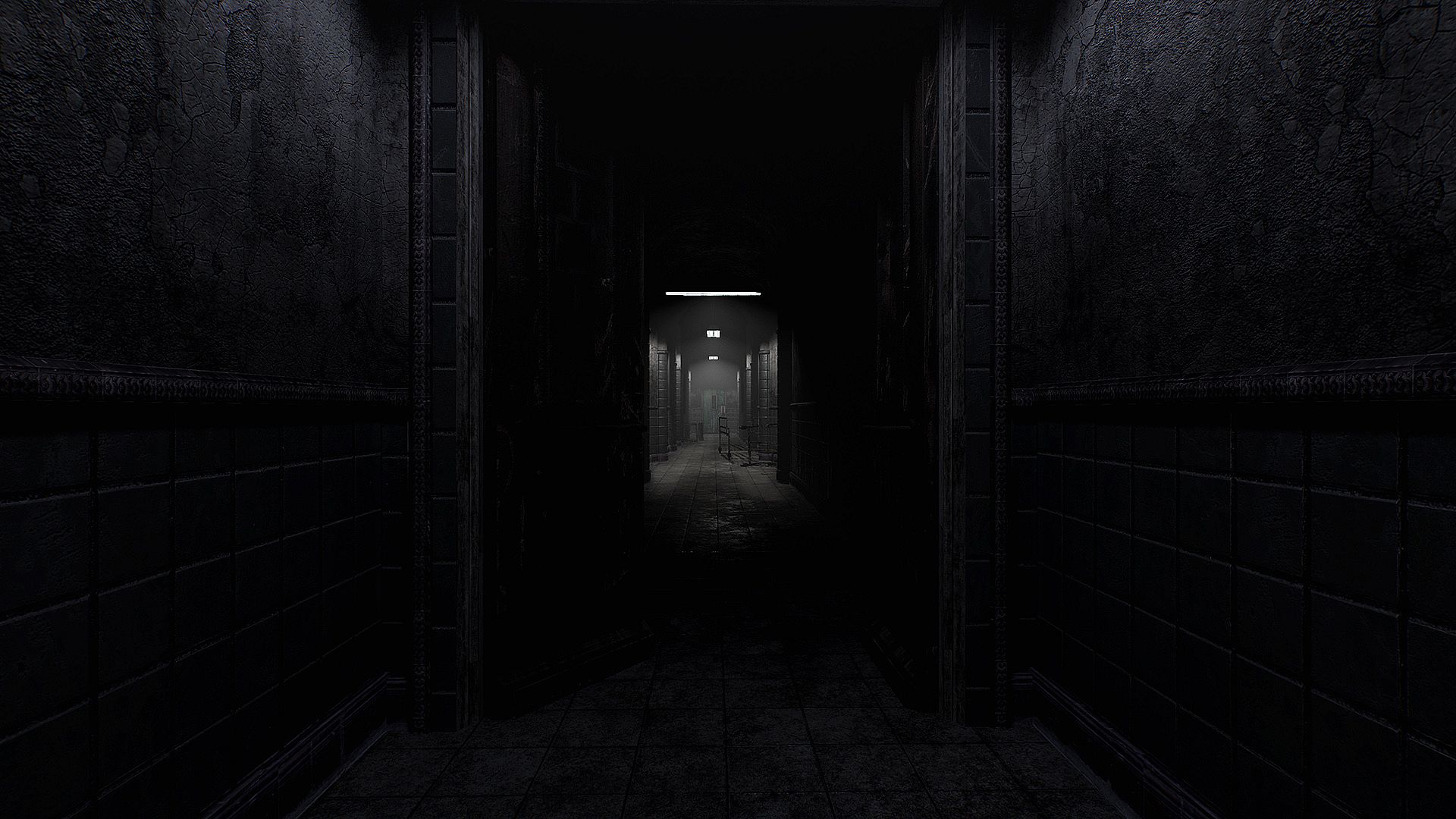
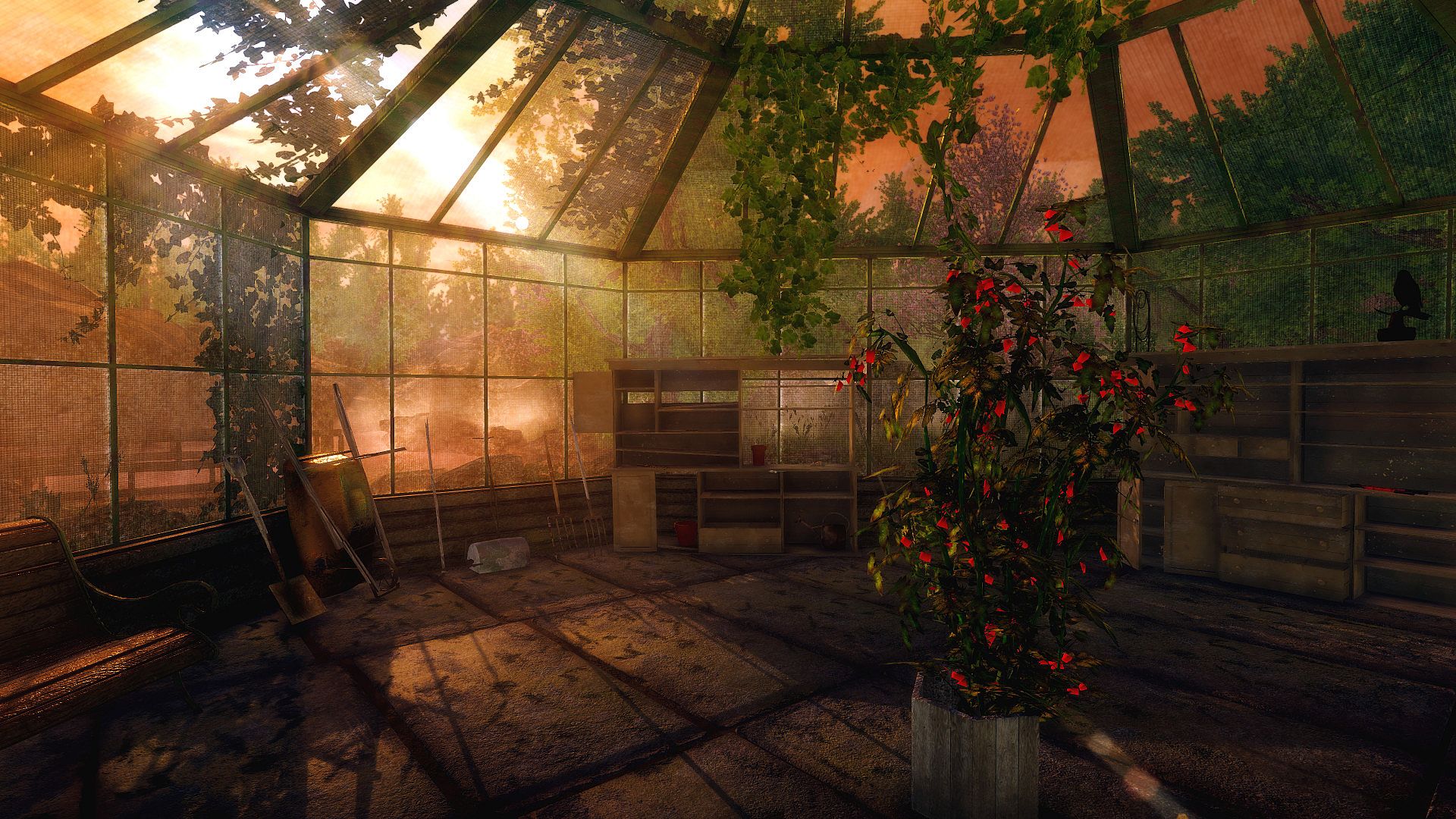
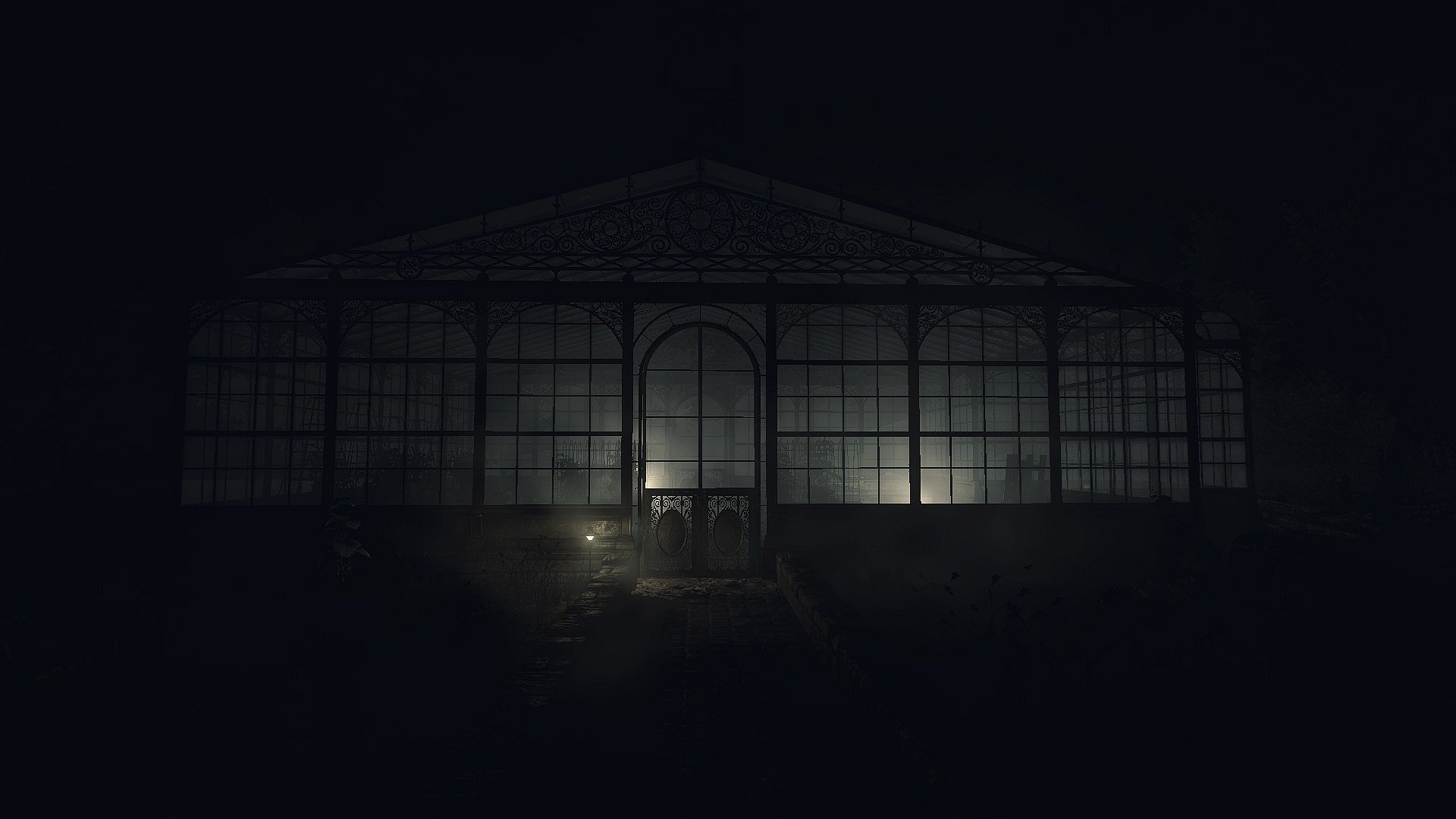
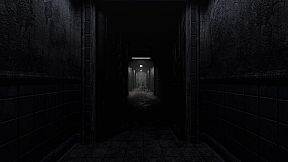
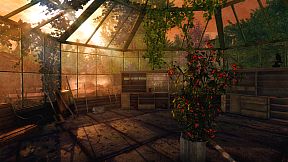
The core loop involves navigating detailed environments modeled after North American architecture from the early 1970s. Movement occurs at a deliberate pace as players walk through houses, offices, and other locations while examining objects for clues. Interaction focuses on logical puzzles that require observation and connecting pieces of information scattered across the settings. The narrative unfolds through environmental storytelling, voice-acted dialogue, and personal discoveries that reveal layers of the central mystery. Atmospheric audio design and a haunting soundtrack reinforce tension during these sequences. Optional VR support allows compatible headsets to heighten the sense of presence during exploration and puzzle-solving without altering the fundamental mechanics.
Game Modes
Rise of Insanity presents its content through a single continuous narrative experience. There are no separate difficulty settings, alternate campaigns, or multiplayer options. The entire story progresses linearly as players advance through the doctor's investigation, with all key events and revelations tied to this one path. Progression relies on completing puzzle sequences and uncovering hidden details rather than branching choices or replay incentives.
Story and Setting
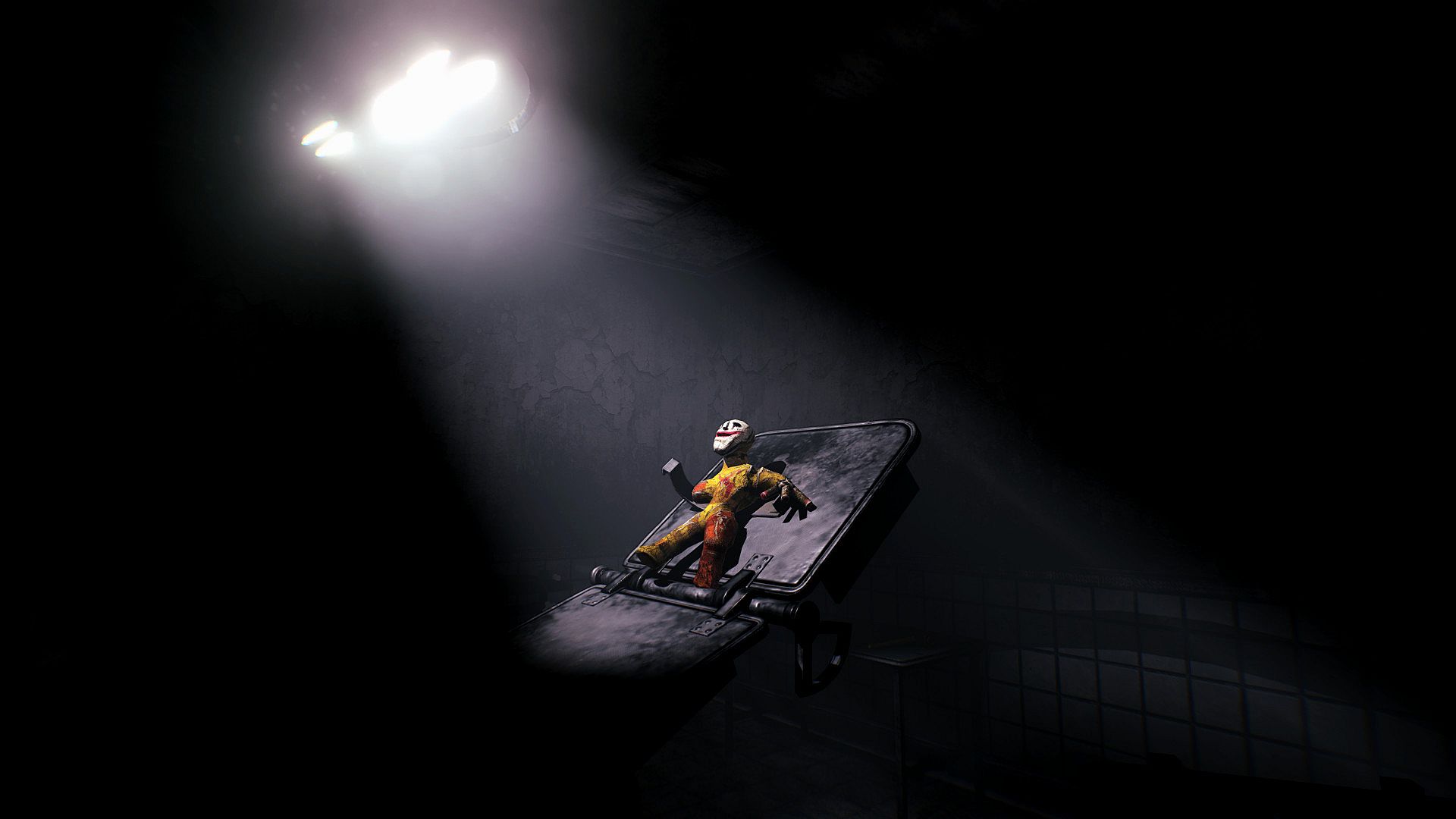
The plot draws from classic psychological horror influences while remaining grounded in its 1970s timeframe. Dr. Dowell applies experimental treatment methods to a patient displaying conflicting symptoms of various mental disorders. At the same time, questions arise about the fate of his wife and child, prompting players to question connections between the cases. Locations emphasize period-appropriate details that support both the atmosphere and the investigative elements. The focus stays on internal conflict and revelation rather than external threats or combat.
Is It Worth Playing?
This title suits players who prefer deliberate, story-focused horror experiences with emphasis on atmosphere, audio, and puzzle elements over action or complex systems. Its short length makes it accessible for a single sitting, and the optional VR mode provides an additional layer of immersion for those with compatible equipment. Reception highlights strong environmental design and sound work alongside criticism of repetitive traversal and limited mechanical depth. Those interested in psychological themes and 1970s period settings may find the focused narrative engaging, while players seeking varied gameplay loops or ongoing content updates will encounter a completed, static release from its original launch period. The game remains available as a straightforward singleplayer package without additional modes or expansions.