


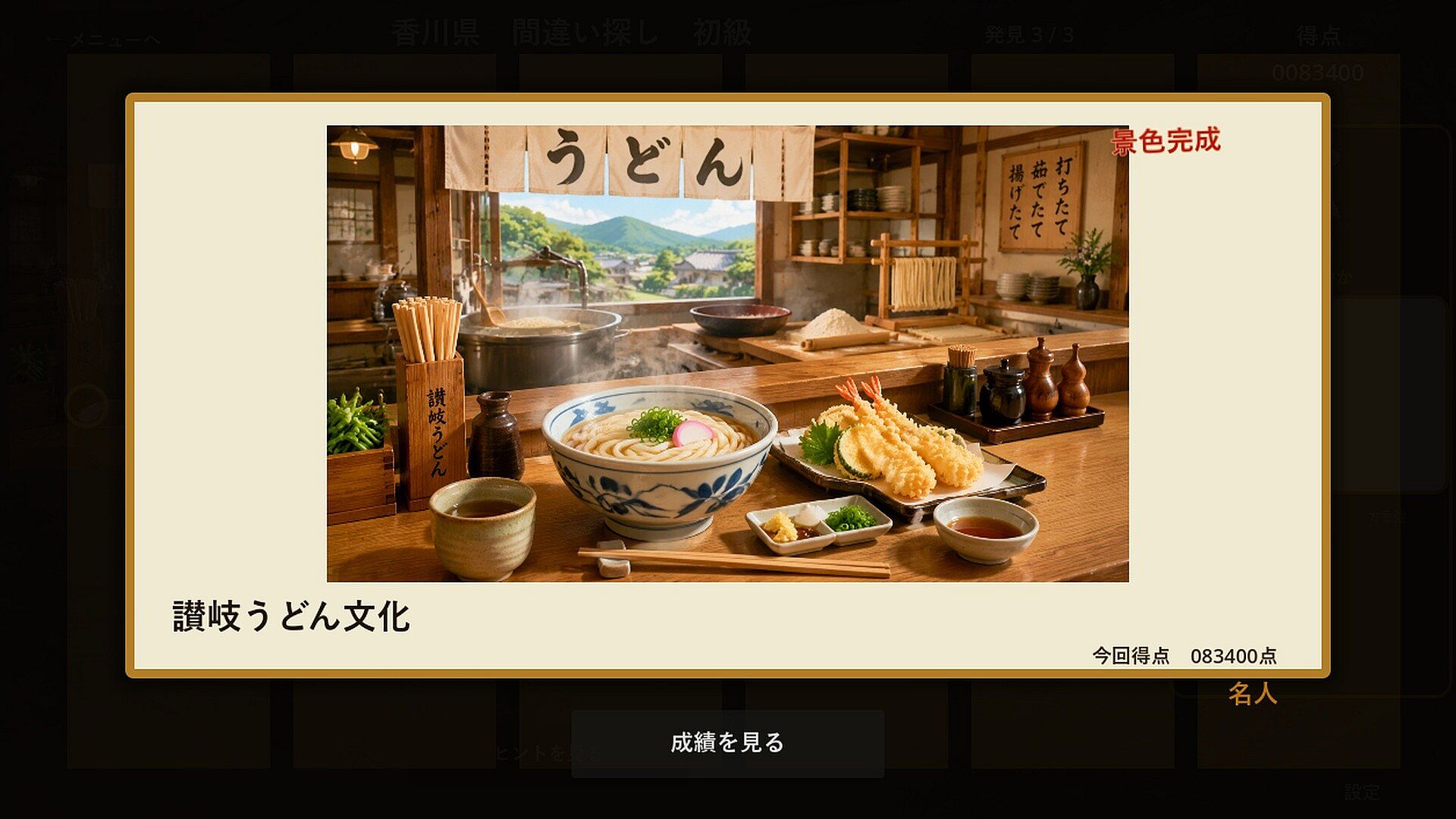
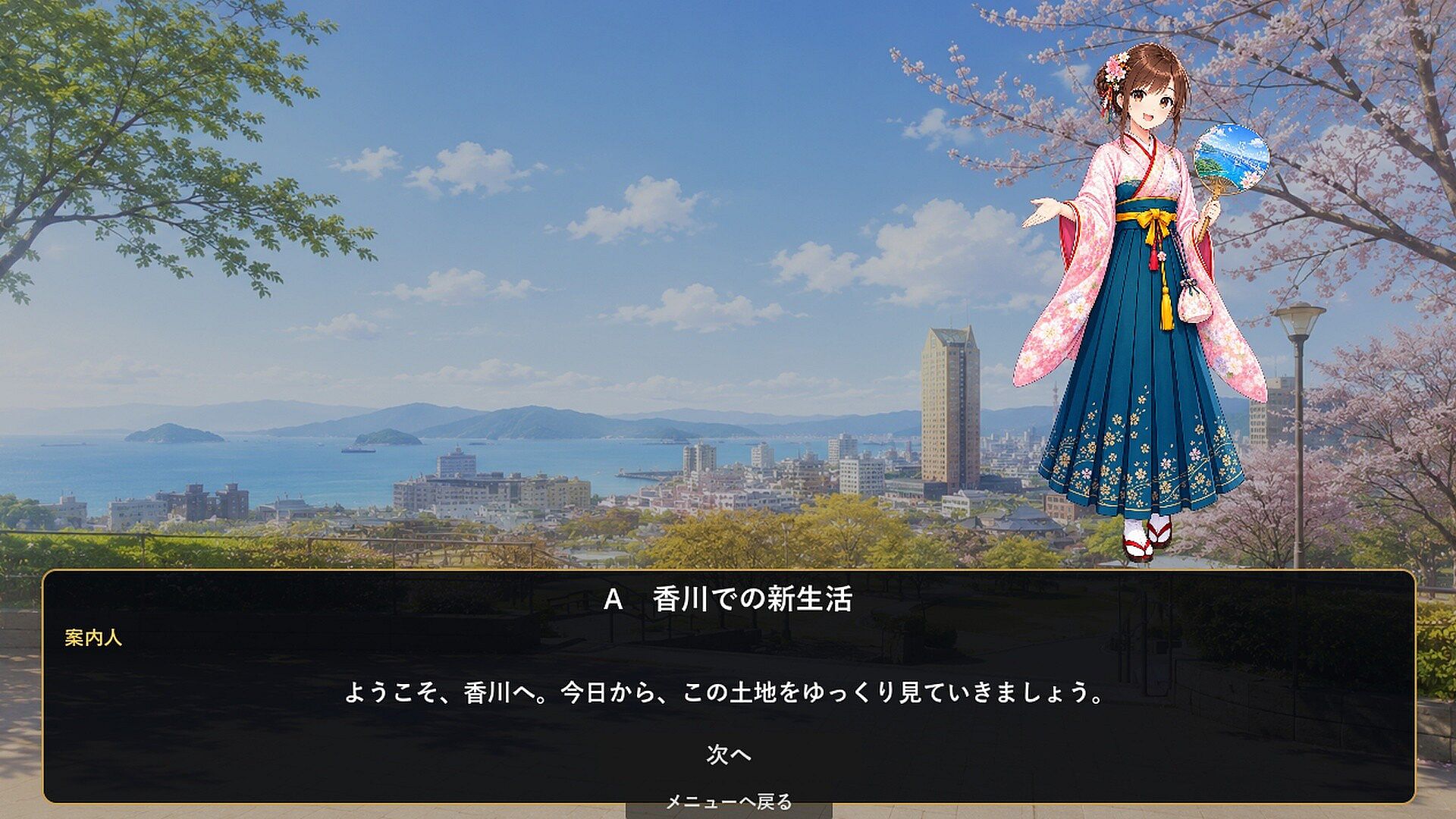
日本四季百景 is a casual adventure puzzle game set on PC that guides players through scenic representations of Japan. It centers on exploring all 47 prefectures via puzzles drawn from nature, culture, traditions, and notable locations. The experience emphasizes a calm pace suited to single-player sessions where participants uncover seasonal atmospheres and regional details at their own speed.
Gameplay
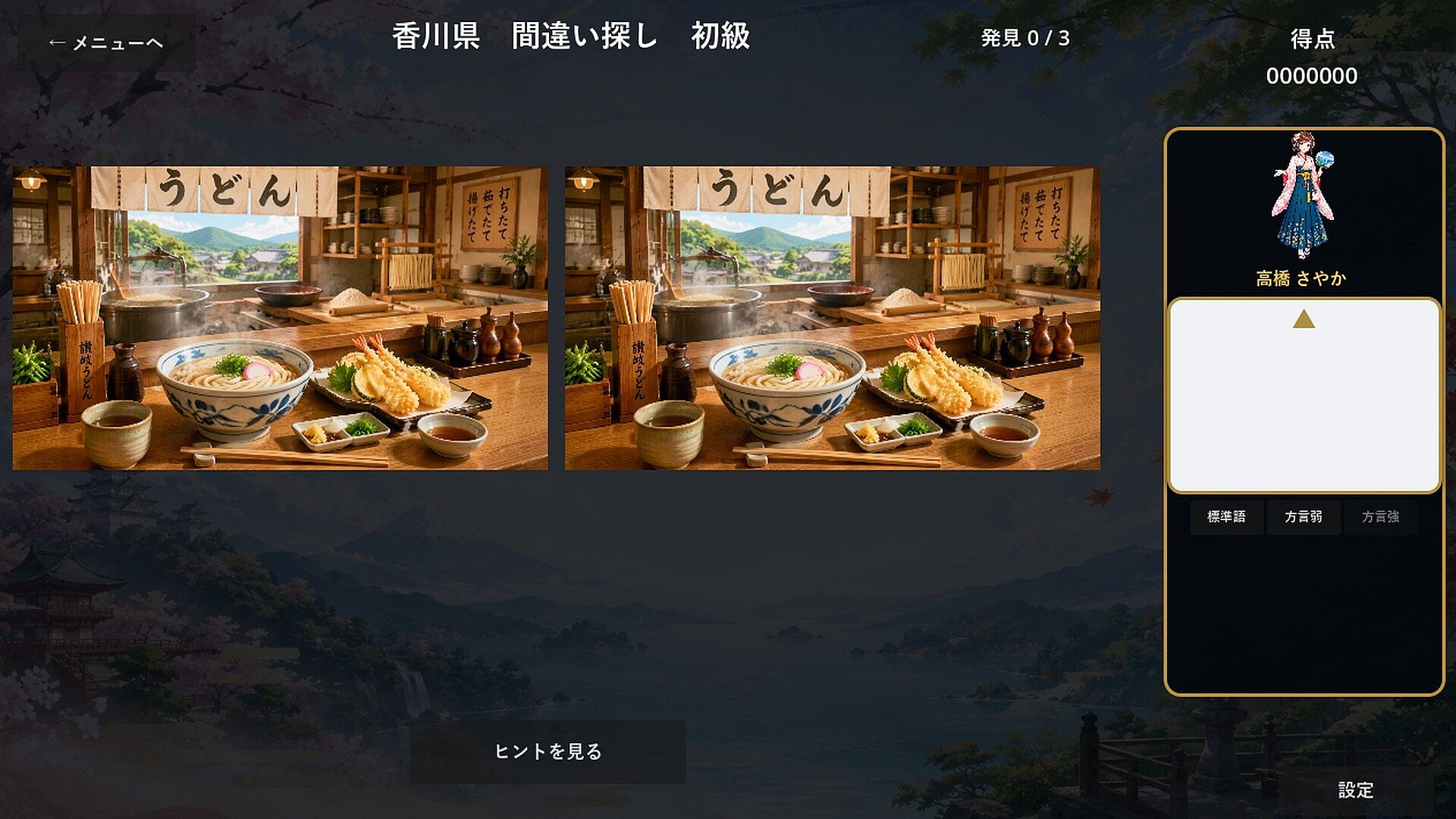
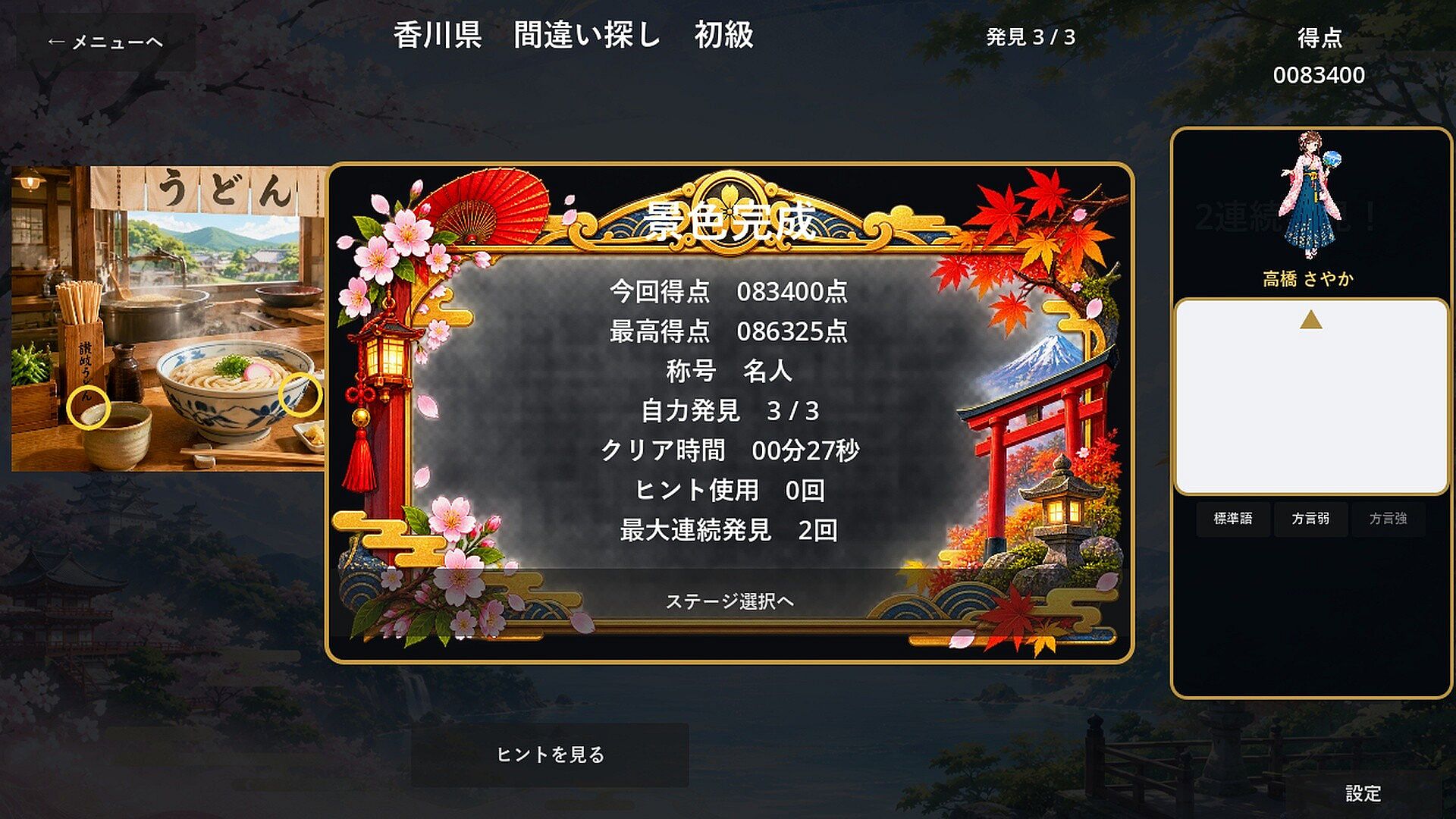
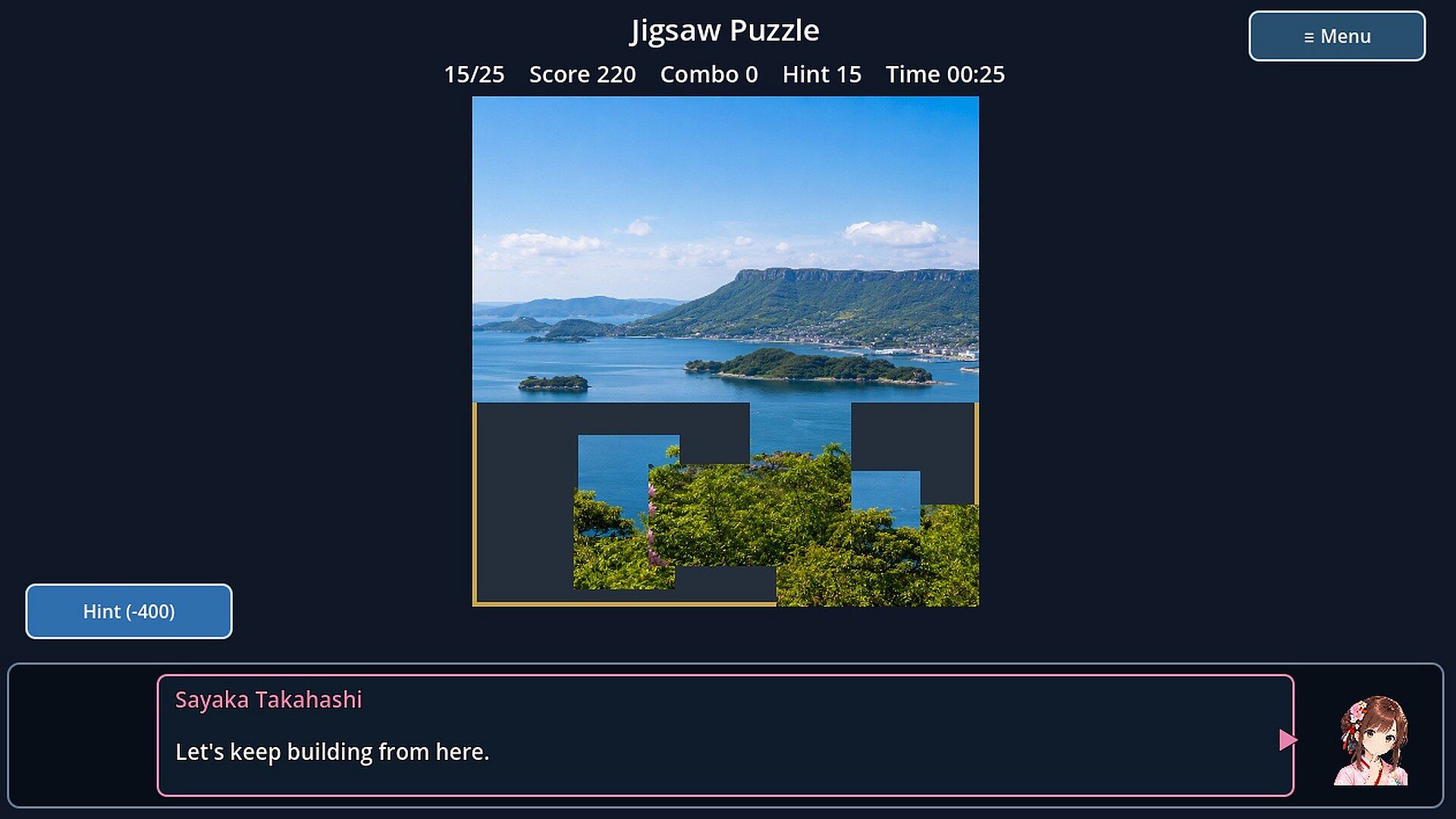
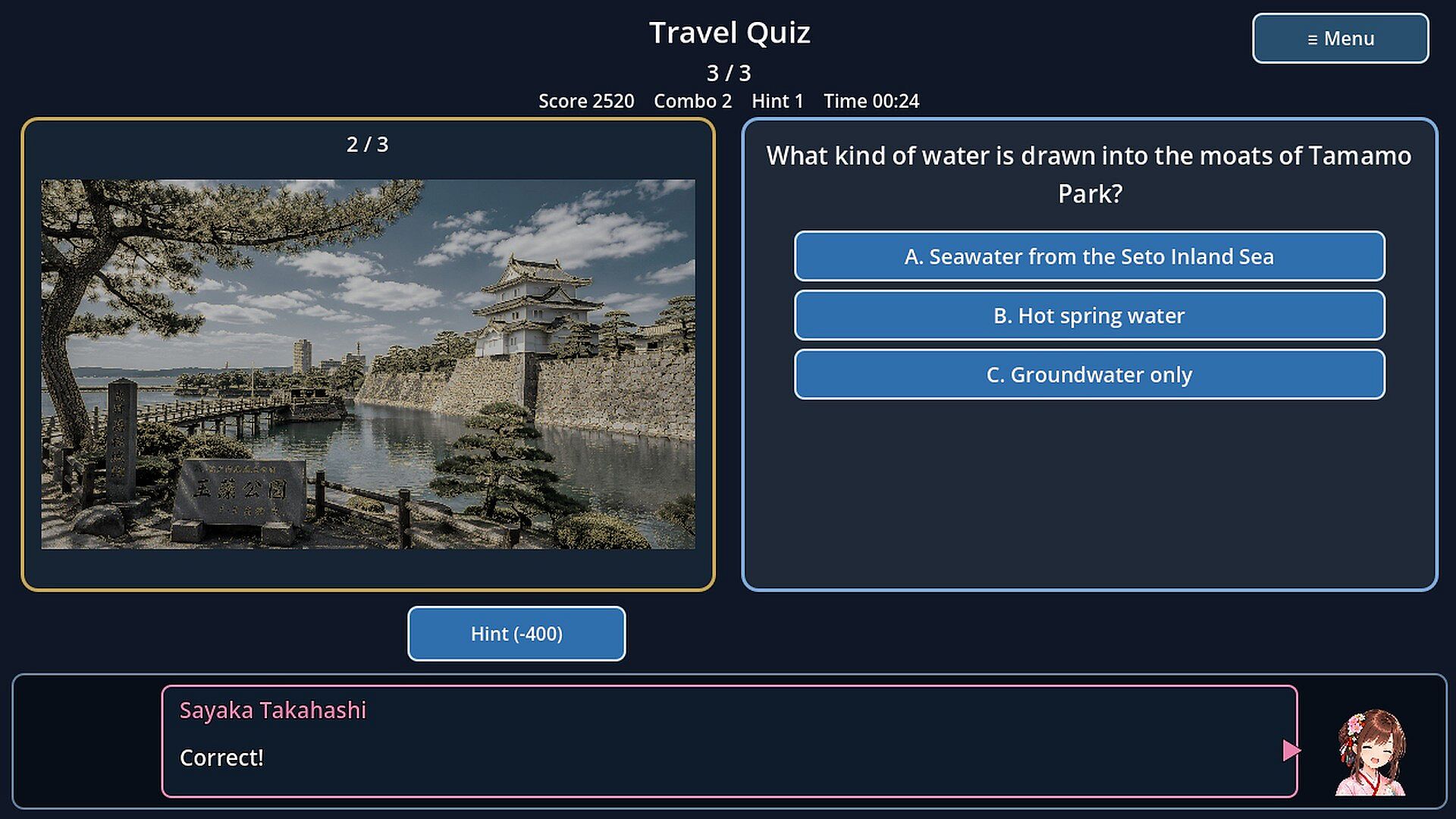
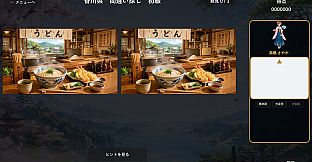
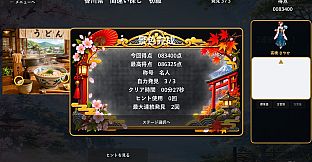
The core loop revolves around progressing across prefectures by engaging with visual and knowledge-based challenges. Players examine paired images to identify variations, assemble jigsaw-style pieces into complete landscapes, tackle word grids tied to local customs and sites, and respond to questions about tourism facts that gradually restore faded scenes. Each area presents distinct seasonal visuals alongside cultural elements that reflect the character of that specific prefecture. Progression unlocks additional scenes, allowing steady discovery of new regions without pressure or time limits. The design prioritizes relaxation, with mechanics that reward careful observation and light recall rather than speed or competition.
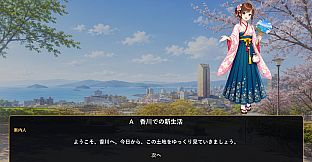
Seasonal changes appear in the artwork for each prefecture, showing shifts in foliage, weather, and atmosphere that tie directly into the puzzle content. Regional attractions surface through the quiz elements and crossword clues, reinforcing connections between the visual puzzles and factual details about Japanese landmarks or traditions. The single-player structure keeps focus on personal exploration, with no multiplayer components or external requirements.
Game Modes
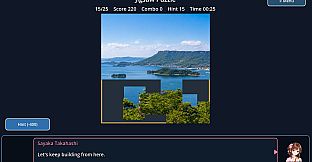
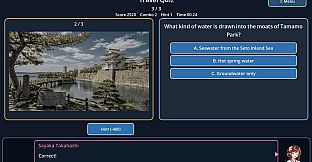
Four primary activities form the gameplay variety. Spot-the-difference tasks present two similar scenic views where players locate subtle alterations. Jigsaw puzzles require fitting pieces to recreate full landscapes from the featured prefectures. Crossword puzzles incorporate clues drawn from Japanese culture, history, and attractions specific to each area. Tourism quizzes ask questions about local highlights, with correct answers contributing to the restoration of the corresponding scenery image.
These activities rotate across the 47 prefectures, each offering its own set of scenes and seasonal themes. Completion of challenges in one prefecture opens access to the next, creating a structured yet flexible path through the collection. The modes blend visual matching, assembly, wordplay, and factual recall to maintain engagement across different puzzle preferences.
Exploration and Progression
Travel through the prefectures unfolds gradually as players complete sets of challenges. Each location highlights unique scenery elements, such as mountains, coastal areas, or urban sites, paired with seasonal variations that alter the visual presentation. Cultural highlights integrate into the crossword and quiz content, providing context without interrupting the flow of puzzle solving. Unlocking proceeds naturally through successful completion, revealing more of the overall map of Japan within the game.
The structure supports repeated visits to earlier prefectures if desired, though the main path encourages forward movement toward undiscovered regions. Seasonal atmospheres remain consistent within each area once unlocked, allowing players to appreciate the full range of visual changes across the collection.
Is It Worth Playing?
日本四季百景 targets players who enjoy unhurried puzzle experiences focused on scenic themes and light educational elements. Its combination of difference spotting, jigsaw assembly, crosswords, and quiz-based restoration offers variety within a consistent relaxing framework. The single-player format and absence of timers or competitive features make it suitable for casual sessions where the goal is appreciation of Japanese landscapes rather than high scores or rapid completion.
With a planned release in December 2026 and no reviews available yet, the value depends on interest in the described mechanics. Those drawn to peaceful single-player puzzle games centered on regional exploration and seasonal visuals will find the structure aligned with that preference. The emphasis on all 47 prefectures provides substantial content volume for extended play once available.