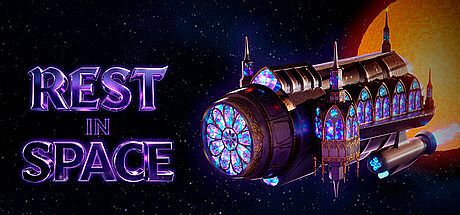


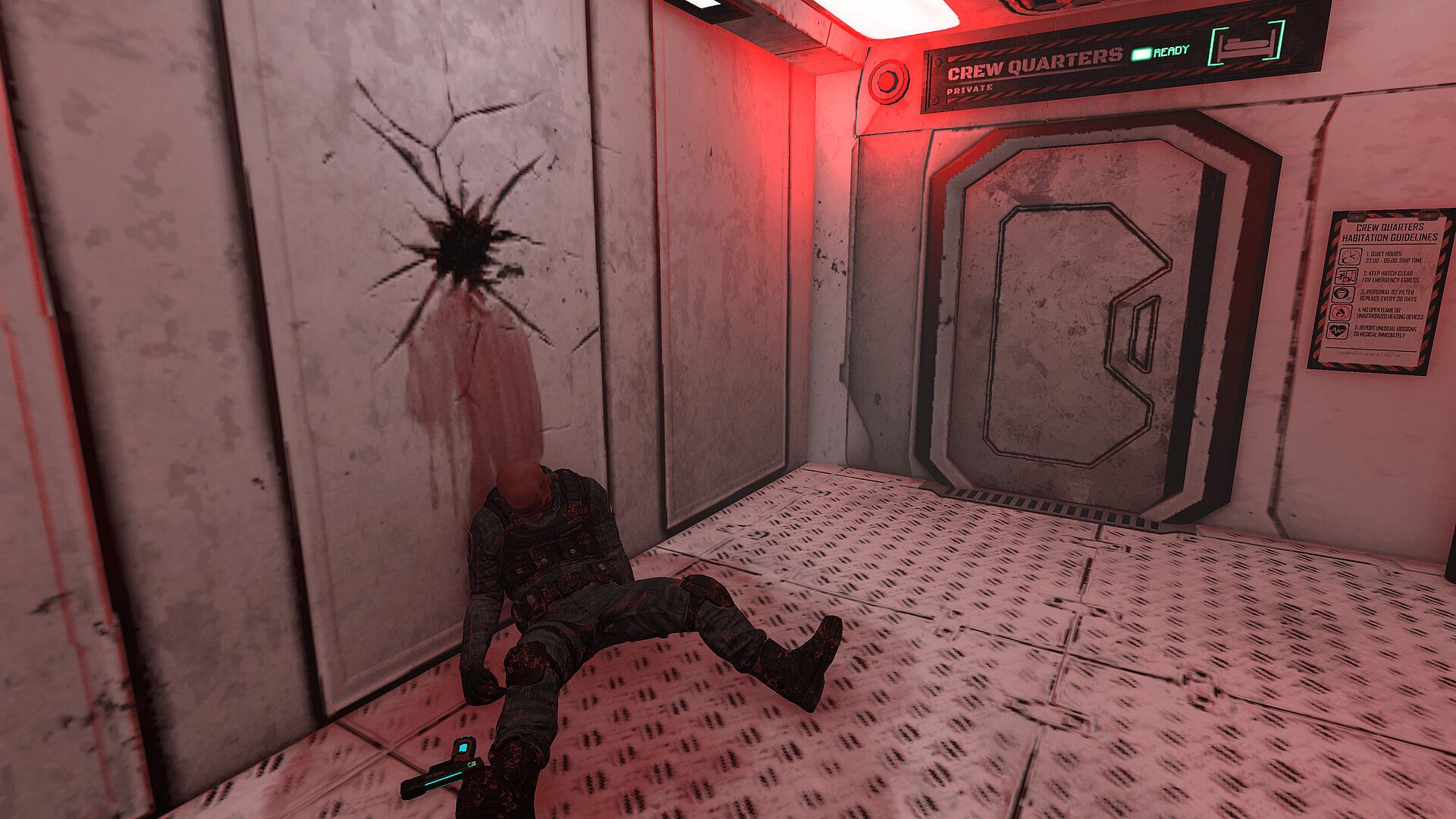
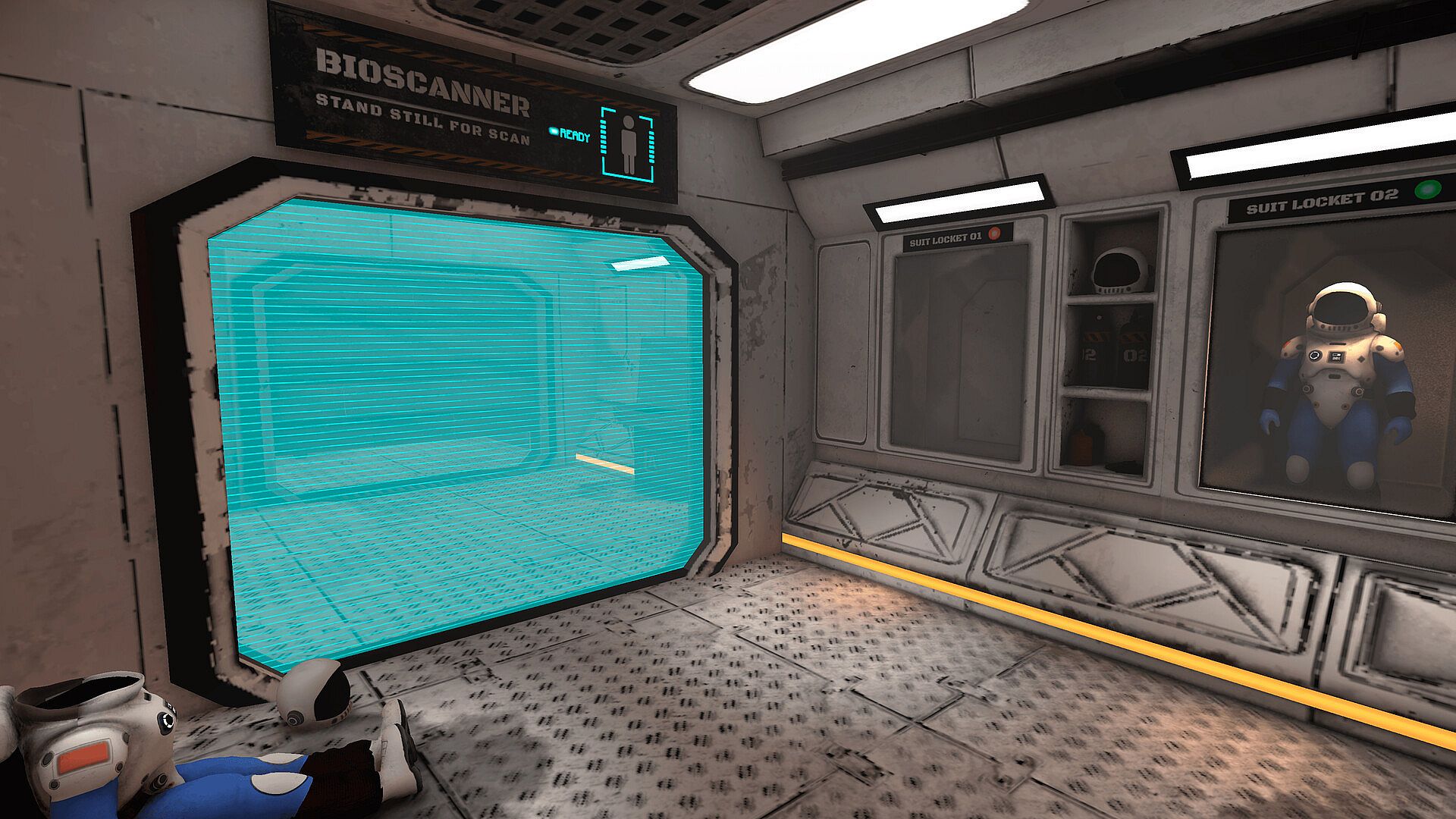
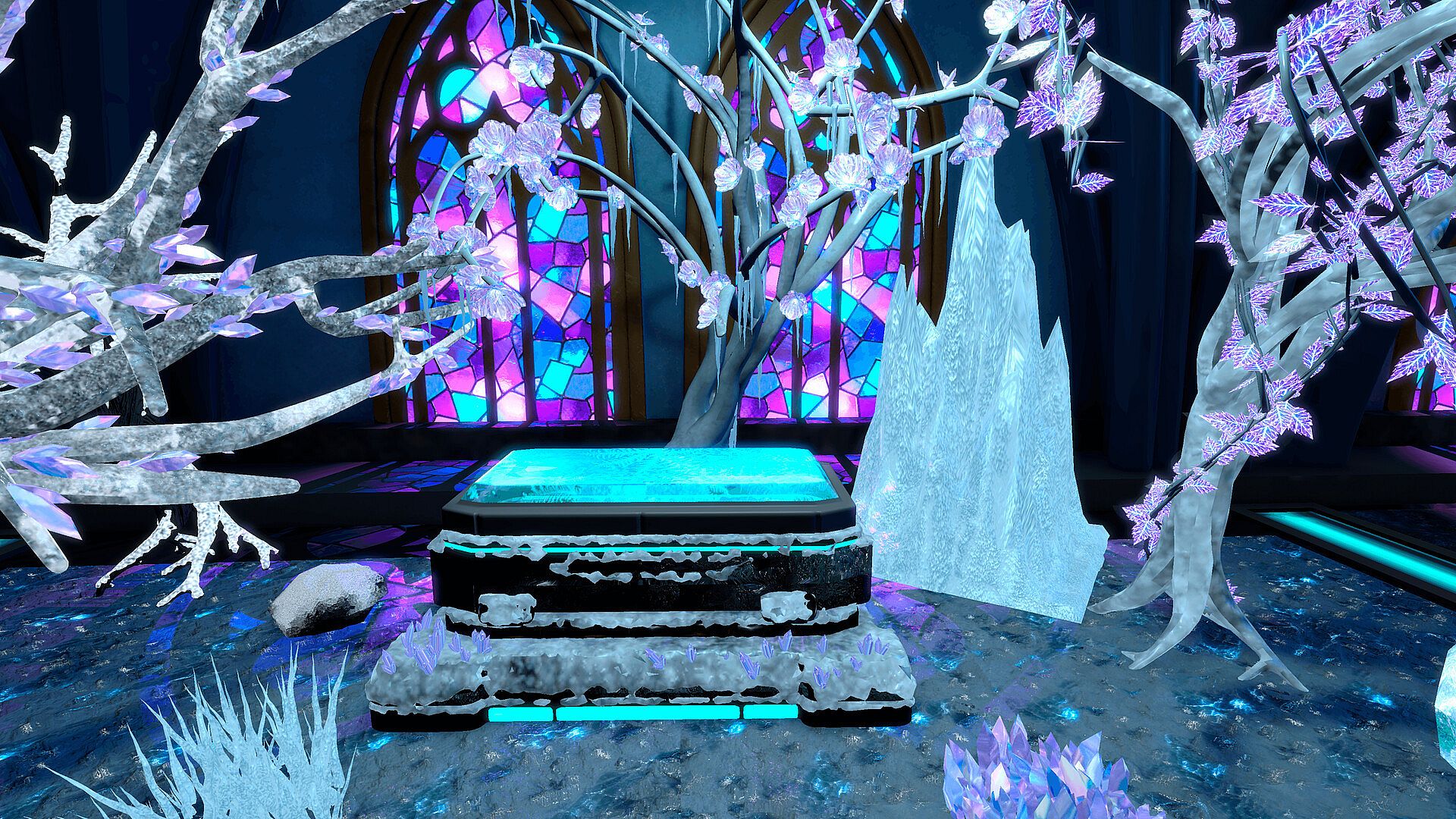
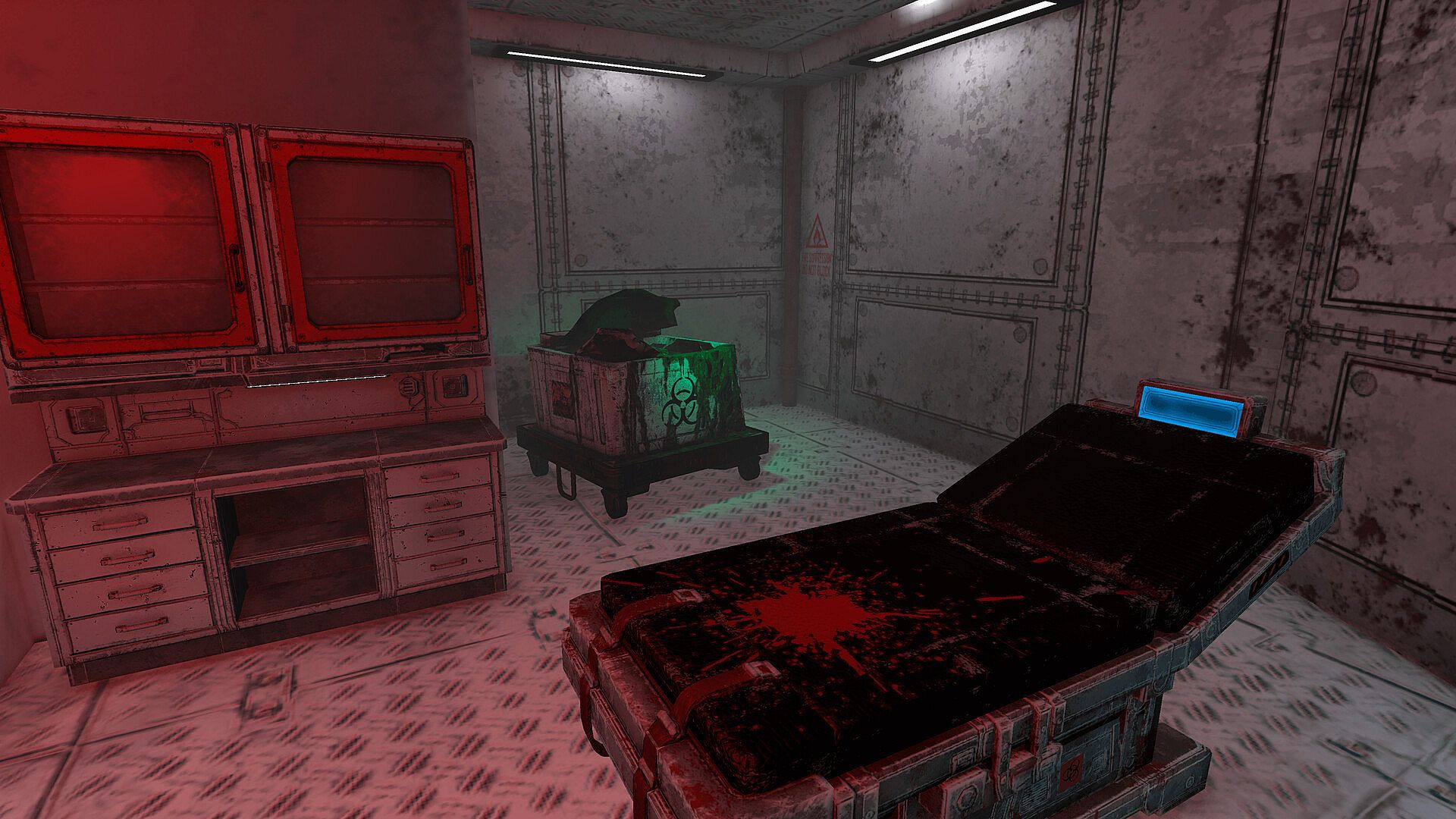
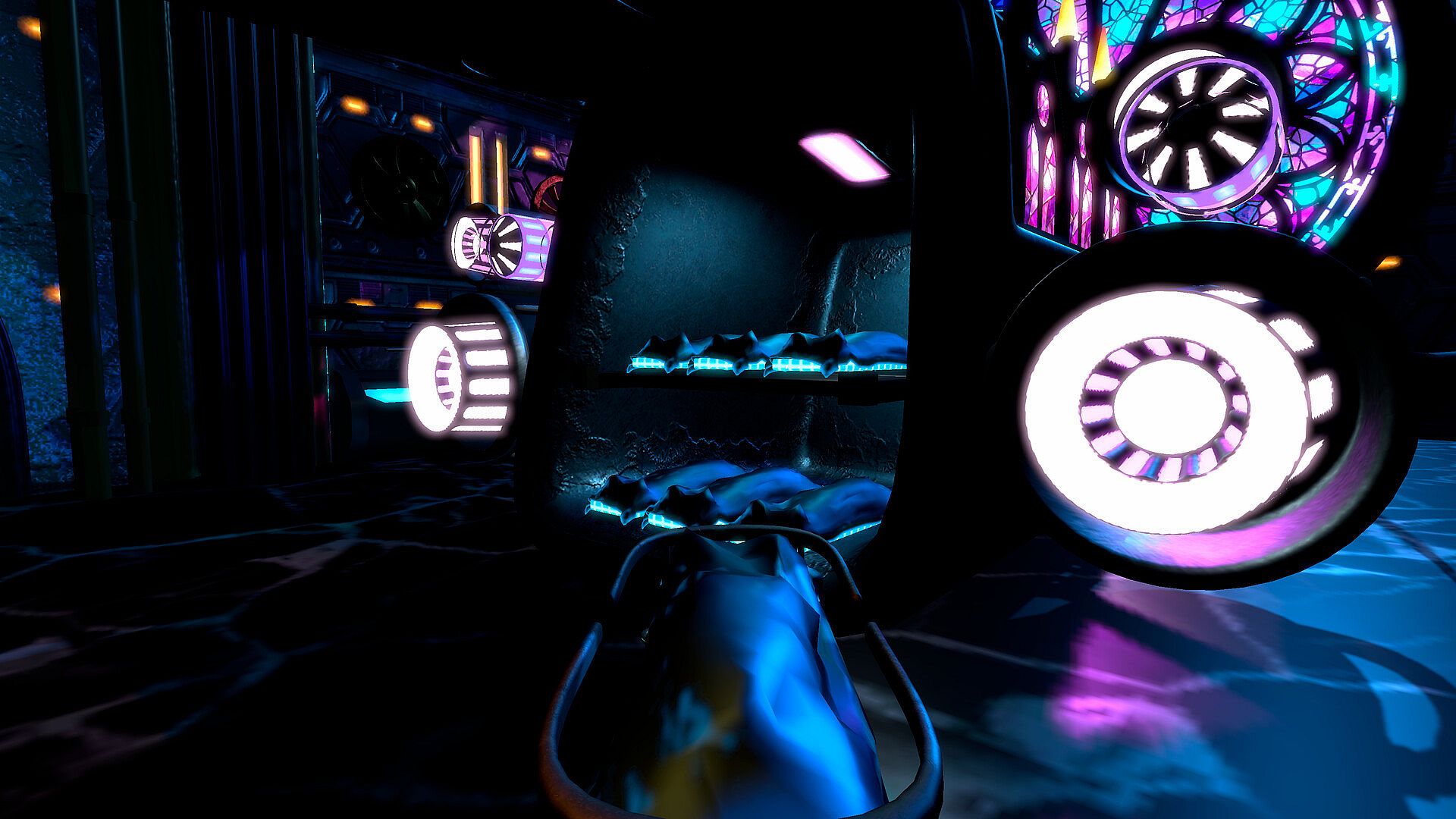
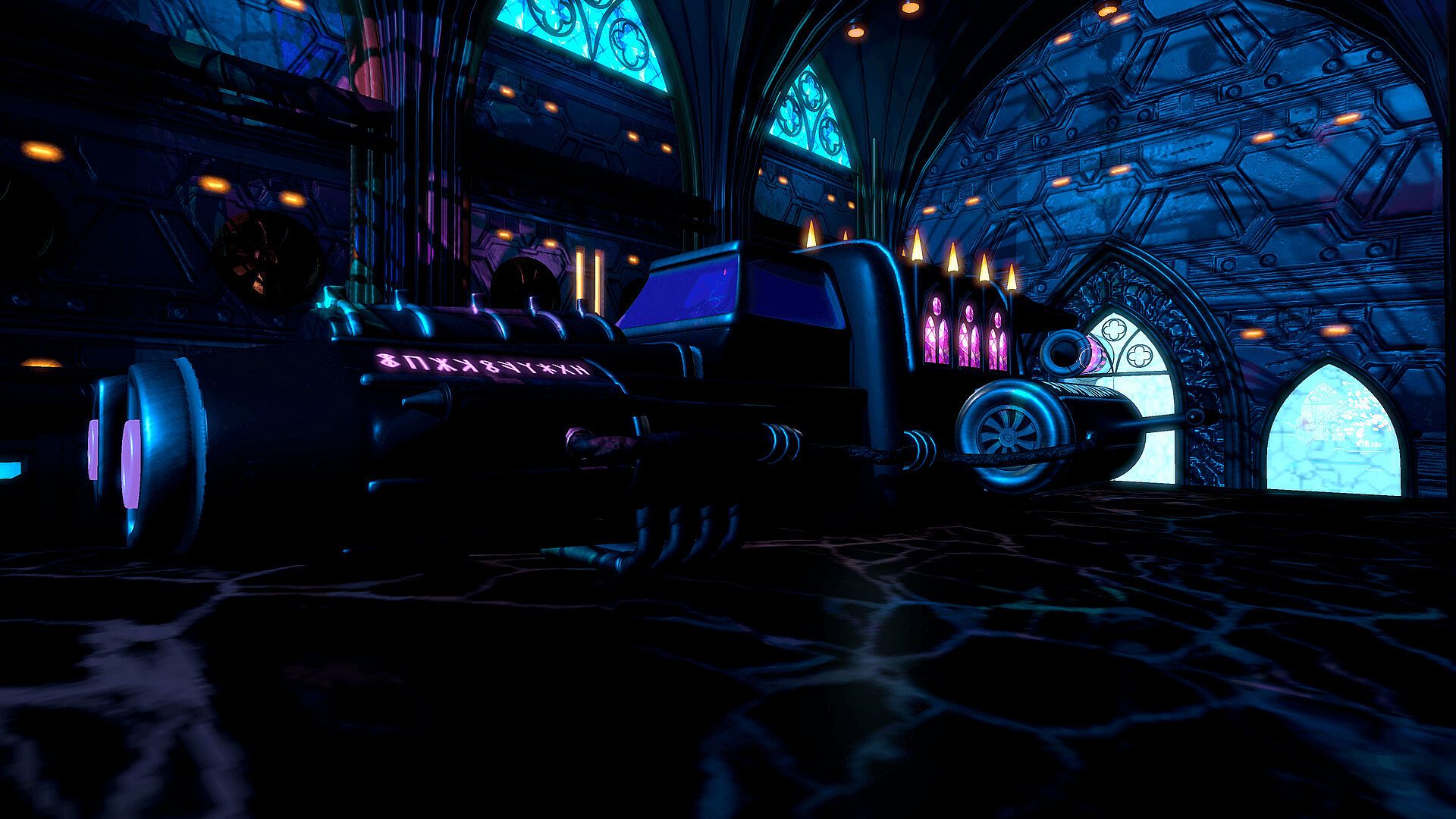

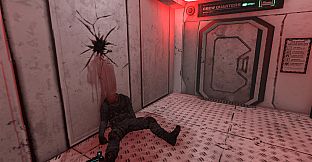
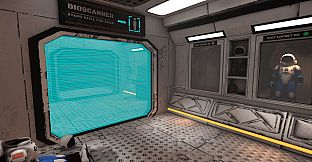

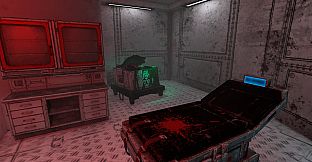
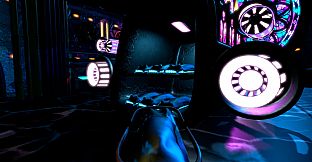

Rest In Space is an indie simulation game developed for PC that places players in the role of a solitary caretaker for those who die far from home in the vastness of space. The core premise revolves around recovering remains from forgotten disasters and ensuring each individual receives a proper farewell shaped by their personal history and cultural background.
Gameplay
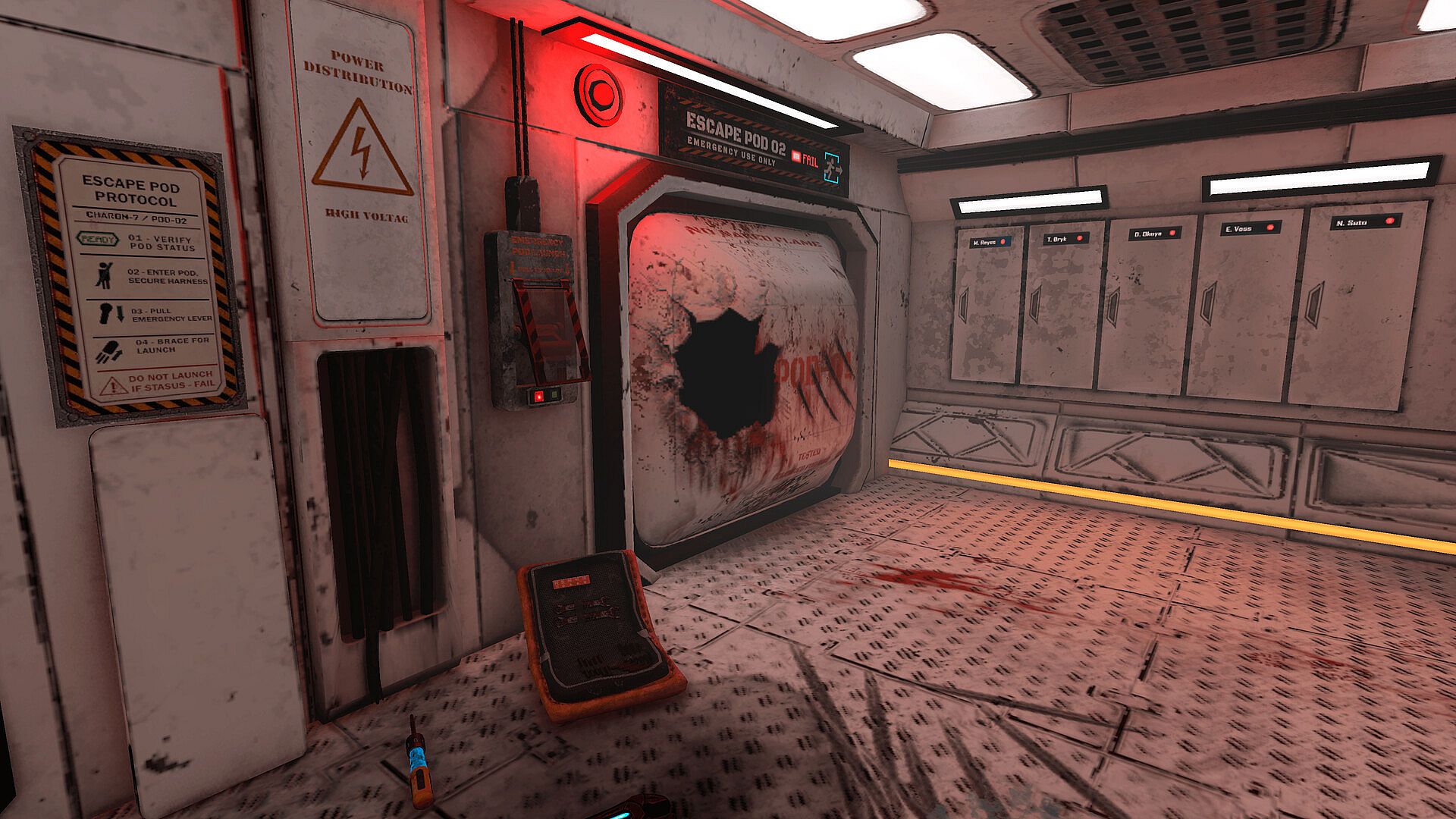
The central loop involves traveling to isolated locations such as abandoned starships, old battle sites, and barren planets. Players search these environments for bodies along with any objects or records that might reveal details about the deceased. Personal items often hold fragments of a life story, including final messages, daily routines, anxieties, and aspirations that help build a picture of who the person was.
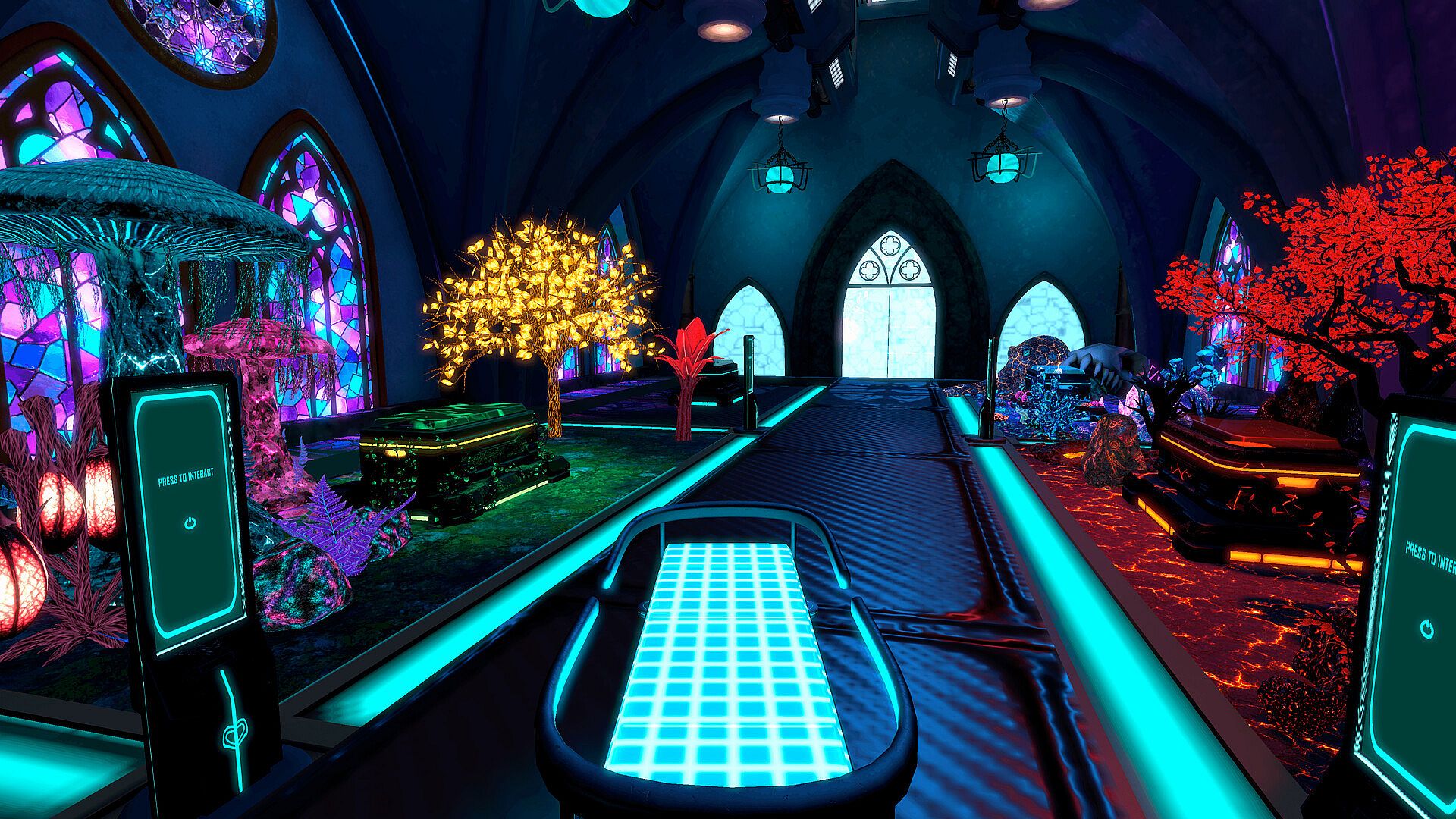
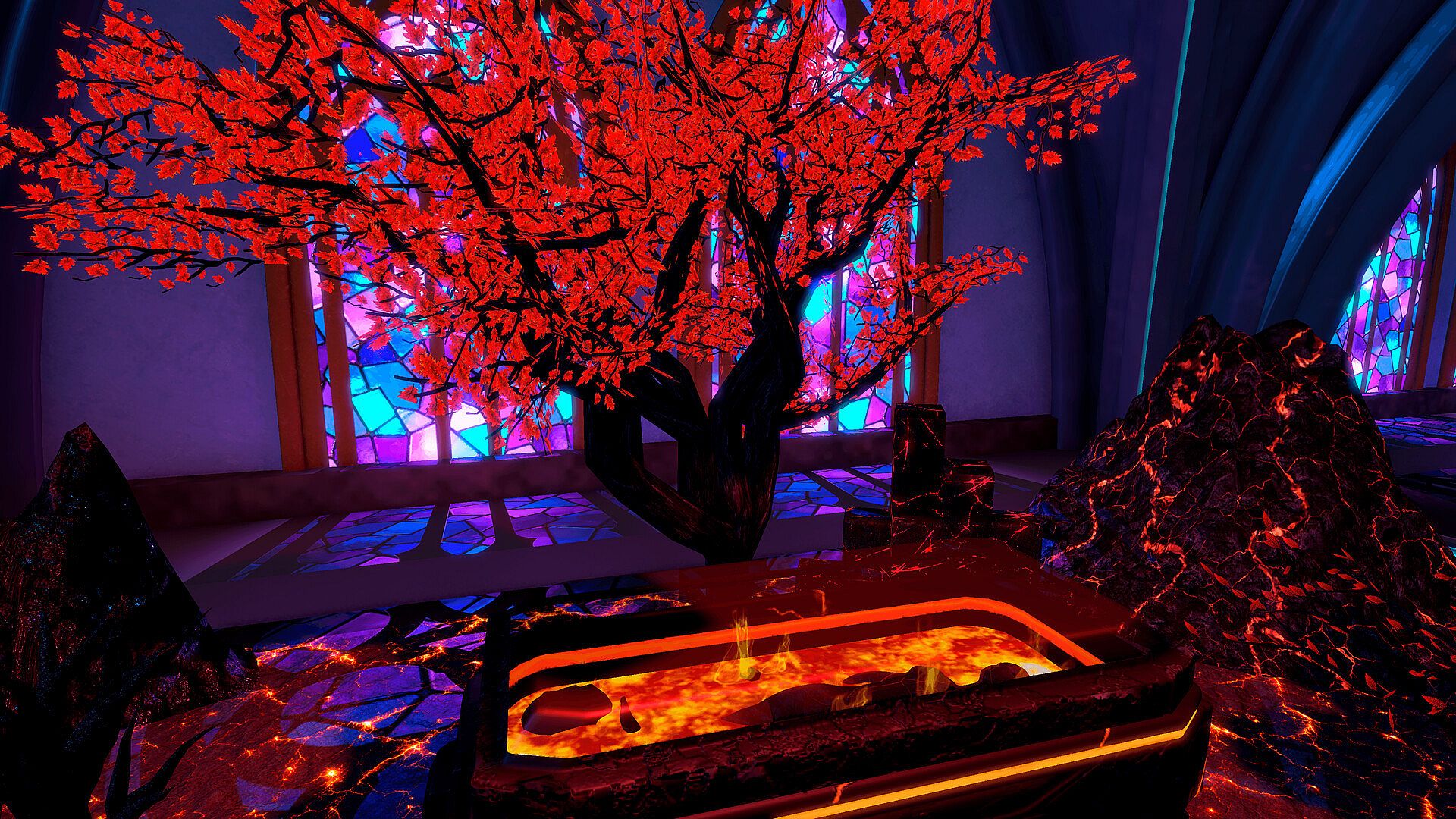
Once a body is located, the process shifts to interpretation and preparation. Every civilization encountered has distinct traditions for handling death, so decisions about burial rites and grave adornments must align with those customs or the explicit wishes left behind. This requires careful observation of clues scattered throughout the scene to avoid mismatched honors that could dishonor the departed.
Exploration emphasizes patience and attention to detail rather than speed or combat. Objects left behind serve as the primary source of information, turning each site into a puzzle of reconstruction where small artifacts can unlock larger context about the individual or the events that led to their end.
Game Modes
Rest In Space presents its content as a unified single-player simulation without separate named modes or competitive structures. The experience flows continuously through successive sites of tragedy, allowing players to progress at their own pace while focusing on the cumulative act of recovery and remembrance.
Progression comes from the growing collection of stories and the consistent application of respectful practices across different cultural contexts. There are no branching campaigns or timed challenges, only the steady work of piecing together identities and providing closure in an environment where no one else remains to perform these tasks.
The Weight of Unfinished Stories
Each recovered body carries traces of a larger narrative about spacefaring societies and the risks they faced. Players piece together these elements through physical evidence rather than dialogue or exposition, creating a quiet form of detective work that rewards thorough searches. The absence of living witnesses means every clue must stand on its own, making the interpretation of objects central to the simulation.
Decisions about final arrangements reflect both the discovered facts and the broader customs of the civilizations involved. This layer adds depth to what might otherwise feel like routine collection, as mismatched choices can feel incomplete even when the body itself has been secured.
Is It Worth Playing?
Rest In Space suits players who enjoy deliberate, narrative-focused simulations centered on exploration and ethical decision-making. Its appeal lies in the unique subject matter of space mortality and the thoughtful mechanics of cultural respect rather than action or resource management systems common in other indie titles. Those drawn to quiet, introspective experiences will find the steady rhythm of discovery and memorial work engaging over longer sessions.
The game remains in a state where its core loop of recovery and remembrance stands complete based on available descriptions, with no confirmed seasonal content or major expansions altering the fundamental approach. For anyone interested in a somber, detail-oriented simulation about preserving memory in isolation, the title offers a distinctive premise worth considering on PC.