


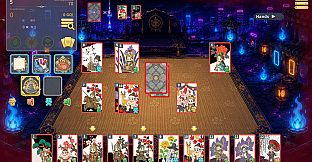
Reaper GoStop is a single-player strategy card game that blends authentic Korean Hwatu rules with roguelike deckbuilding and progression. Players take on the role of a soul judged in the afterlife through repeated hands of Go-Stop against the Reaper. The core experience revolves around drawing cards that represent karma from a past life, deciding when to call Go or stop, and building toward high scores while the opponent claims cards one step ahead.
Gameplay
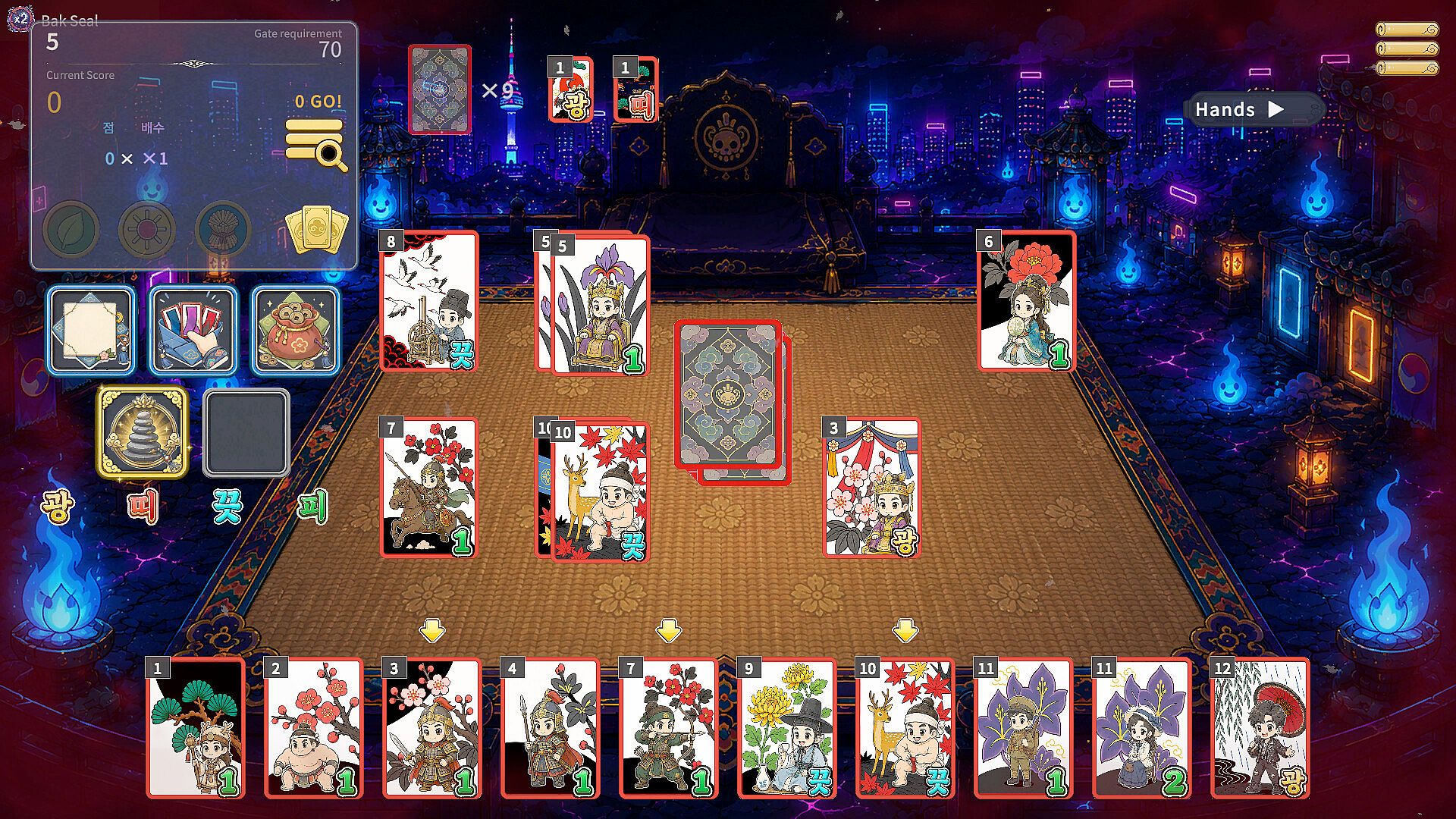
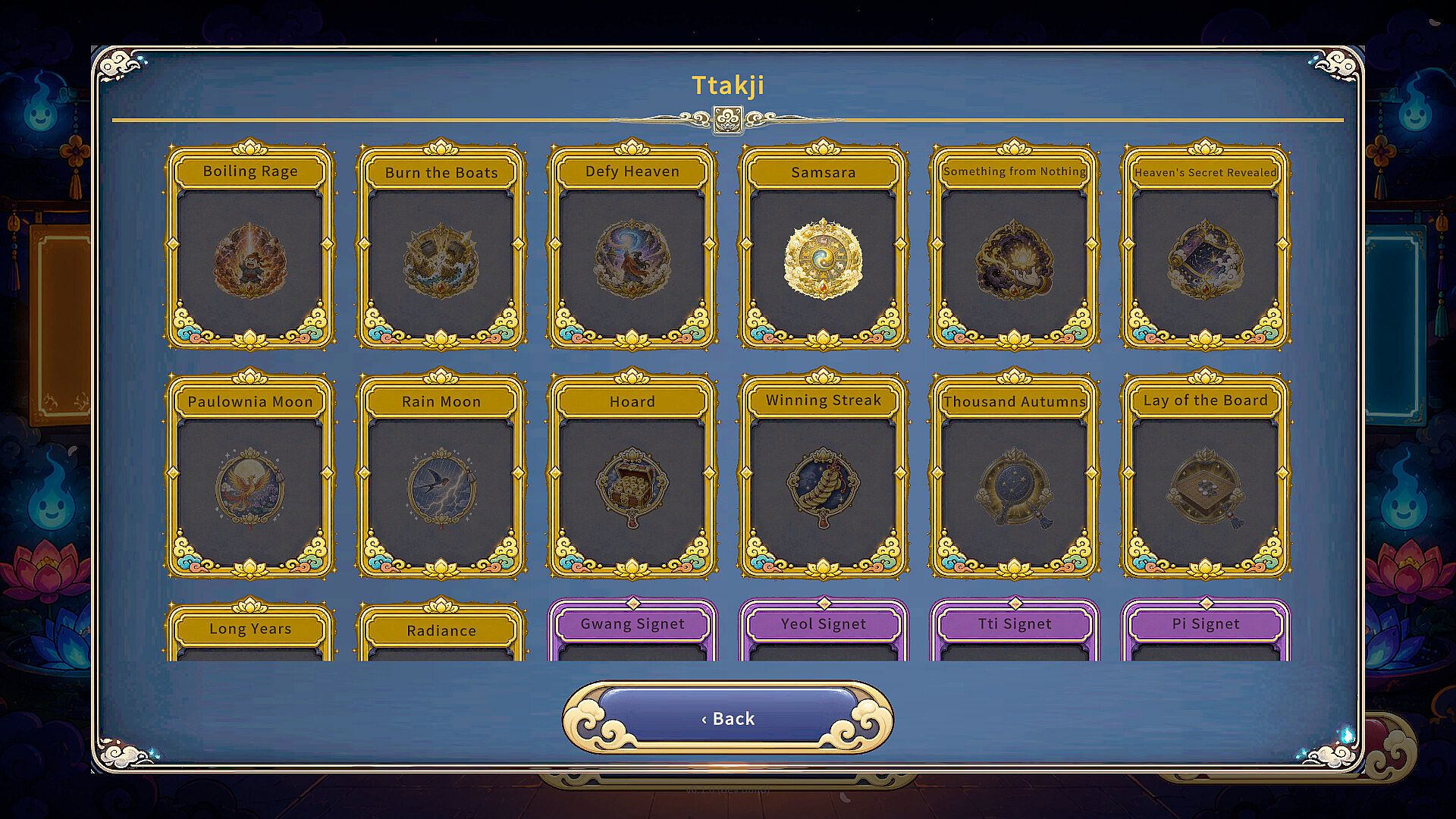
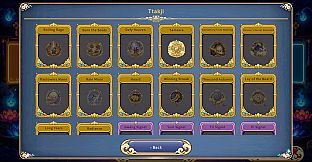
The game uses the standard 48-card Hwatu deck, with each card carrying cultural references from Korean history and daily life. Cards include motifs such as folded paper tiles from Ttakji and honeycomb candy from Dalgona. Scoring follows traditional Go-Stop mechanics, where players collect sets and combinations to reach target totals. Decisions center on timing calls, choosing which cards to pursue, and managing the hand dealt at the start of each round. The Reaper does not play to win outright but consistently takes cards the player needs, creating a tense chase where luck from the initial draw combines with strategic choices about collection and risk.
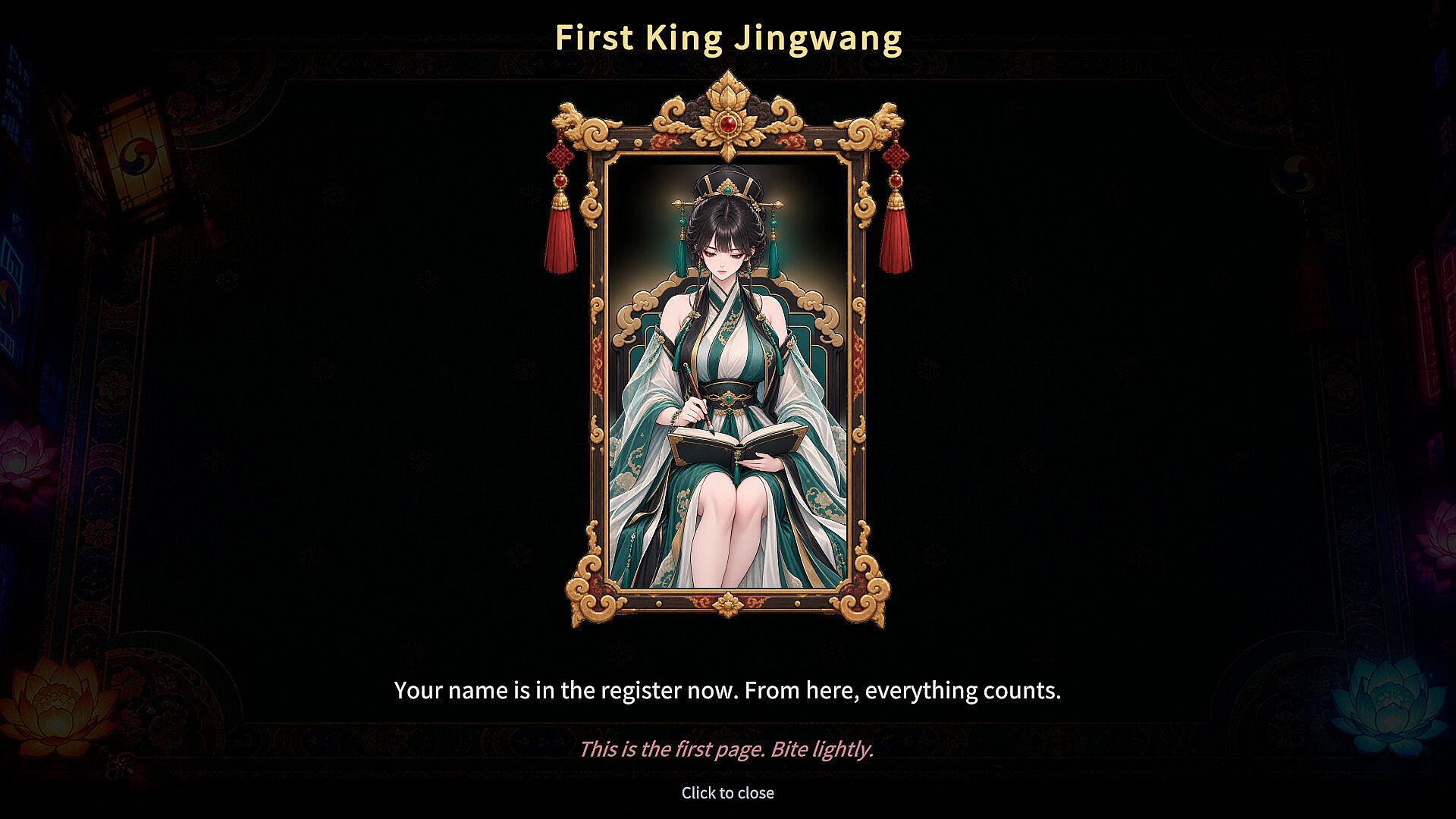
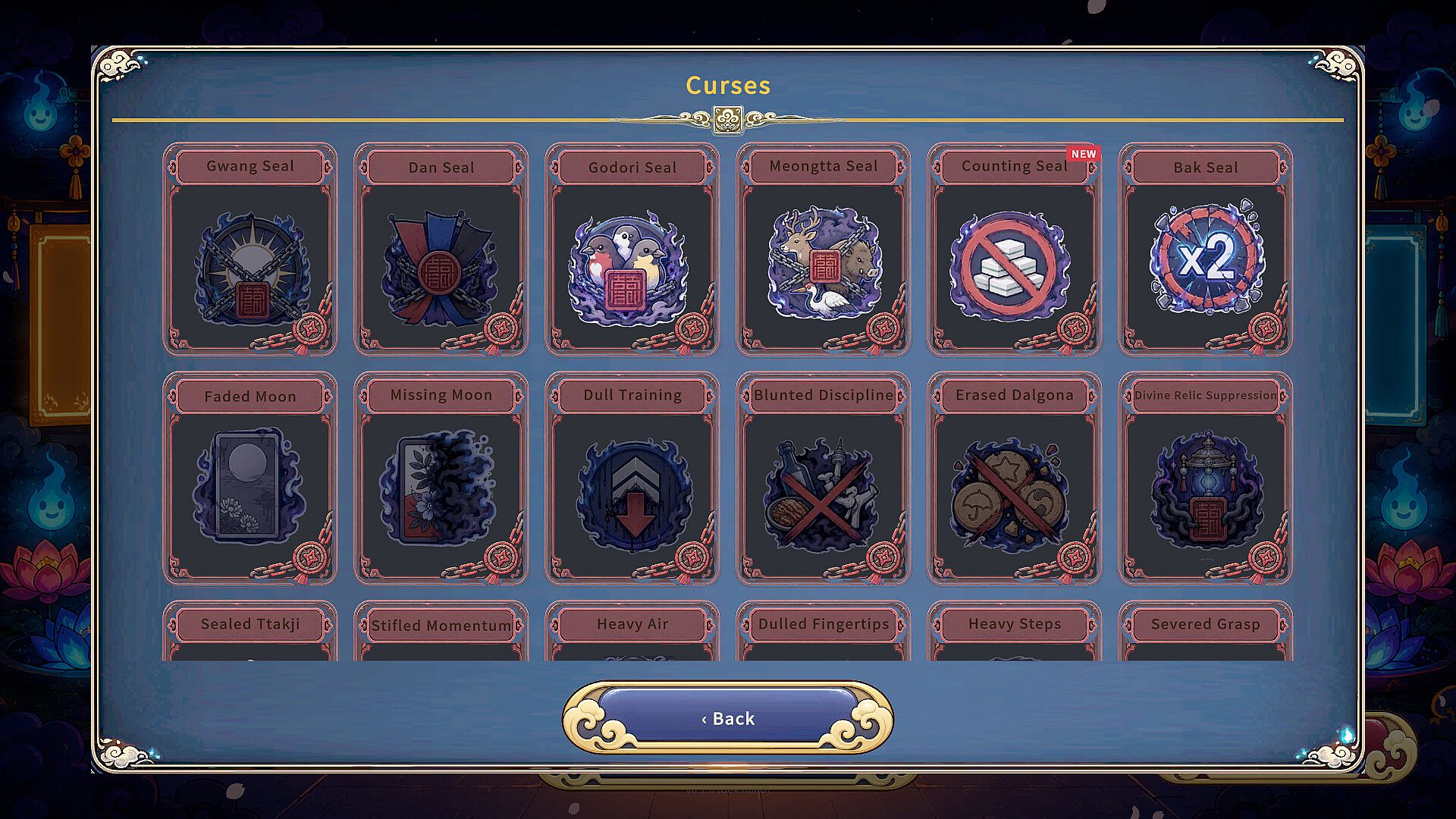
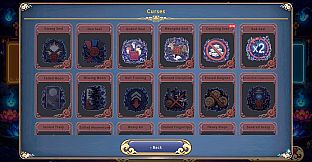
Progression comes after successful hands. Coins earned allow visits to the Jeotgeori night market, where purchases include items that alter scoring rules, single-card upgrades, permanent growth to scoring hands, and new cards added to the deck. These changes create varied run structures, as multipliers and combos can escalate small hands into large point totals. Failure sends the player through hell for rebirth, returning to the gates with the same core loop but potential for different builds on the next attempt. Deeper progress introduces the Ten Kings as observers, shifting the Reaper's demeanor without altering the fundamental card play.
Game Modes
Reaper GoStop operates as a single-player experience with no multiplayer components. The structure consists of sequential gates, each resolved through one or more hands of Hwatu. Success advances the player to the next gate, while shortfall triggers rebirth and a fresh run. The night market serves as the hub between gates, turning each attempt into a roguelike loop where deck composition evolves based on prior wins. No separate modes such as versus or endless variants appear in the game's design; the entire session flows through these judgment gates and market upgrades until the final gate, which leads to an unending match.
Korean Cultural Elements
The 48-card Hwatu deck incorporates elements drawn directly from Korean tradition across eras. Visuals and mechanics reference children's games like Ttakji and Dalgona, while a goblin merchant at the night market adds a folkloric touch. The Reaper appears in traditional attire with a wide-brimmed gat hat, grounding the opponent in Korean imagery of death messengers. These details integrate into the card art and scoring without requiring external knowledge, presenting Hwatu as it exists in Korean culture rather than a simplified version.
Is It Worth Playing?
Reaper GoStop targets players who enjoy strategic card games that reward careful timing and build experimentation. The single-player roguelike structure provides repeated runs with meaningful progression through market purchases, appealing to those who like seeing small hands grow into large scores via multipliers and upgrades. Its focus on authentic Go-Stop rules combined with afterlife-themed progression offers a distinct take on the genre. As an upcoming title scheduled for Q4 2026 with no reviews available yet, its value will depend on how well the card mechanics and cultural presentation land once released. Fans of indie strategy titles with roguelike elements and interest in Korean card traditions will find the clearest fit.