







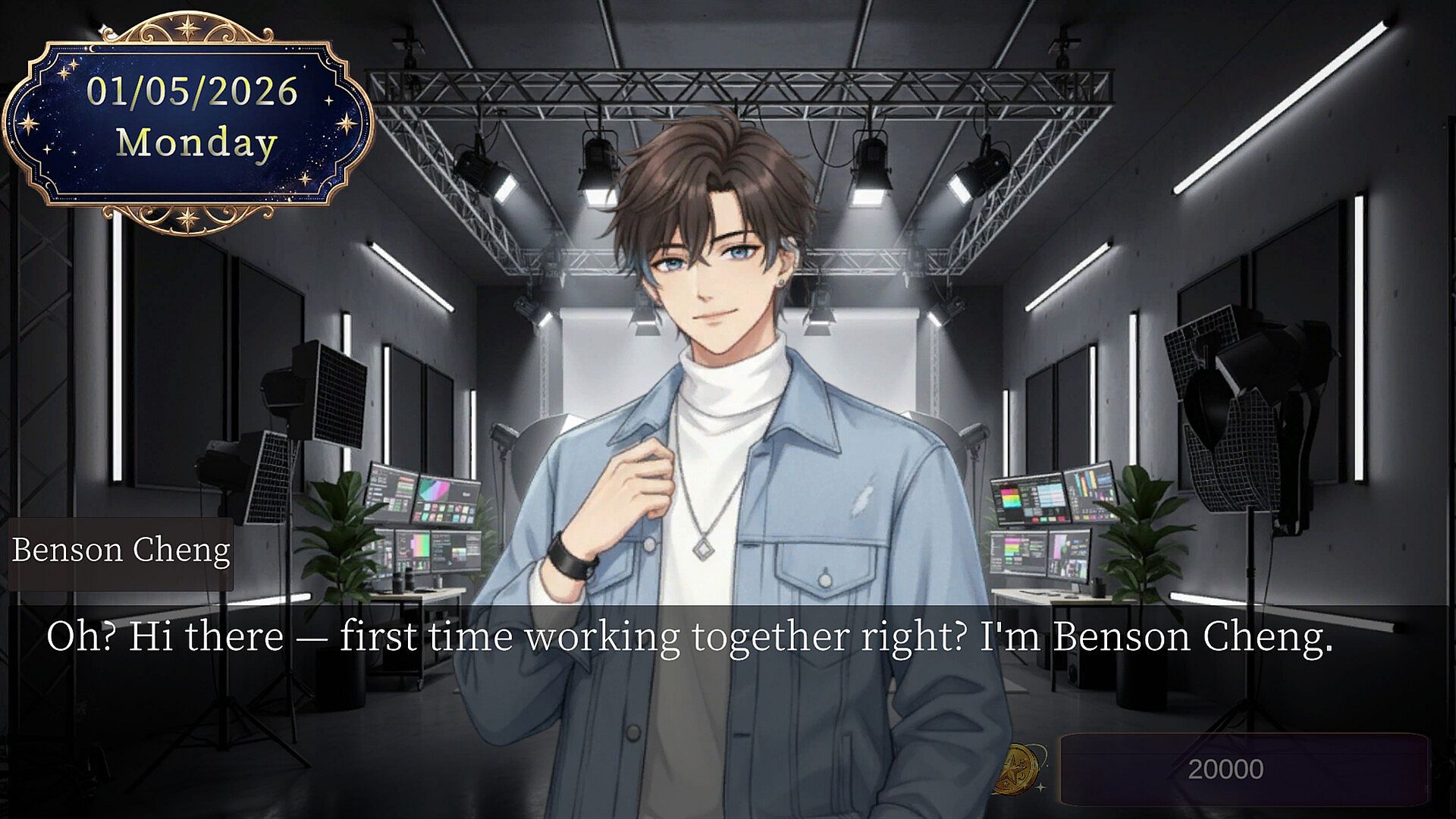
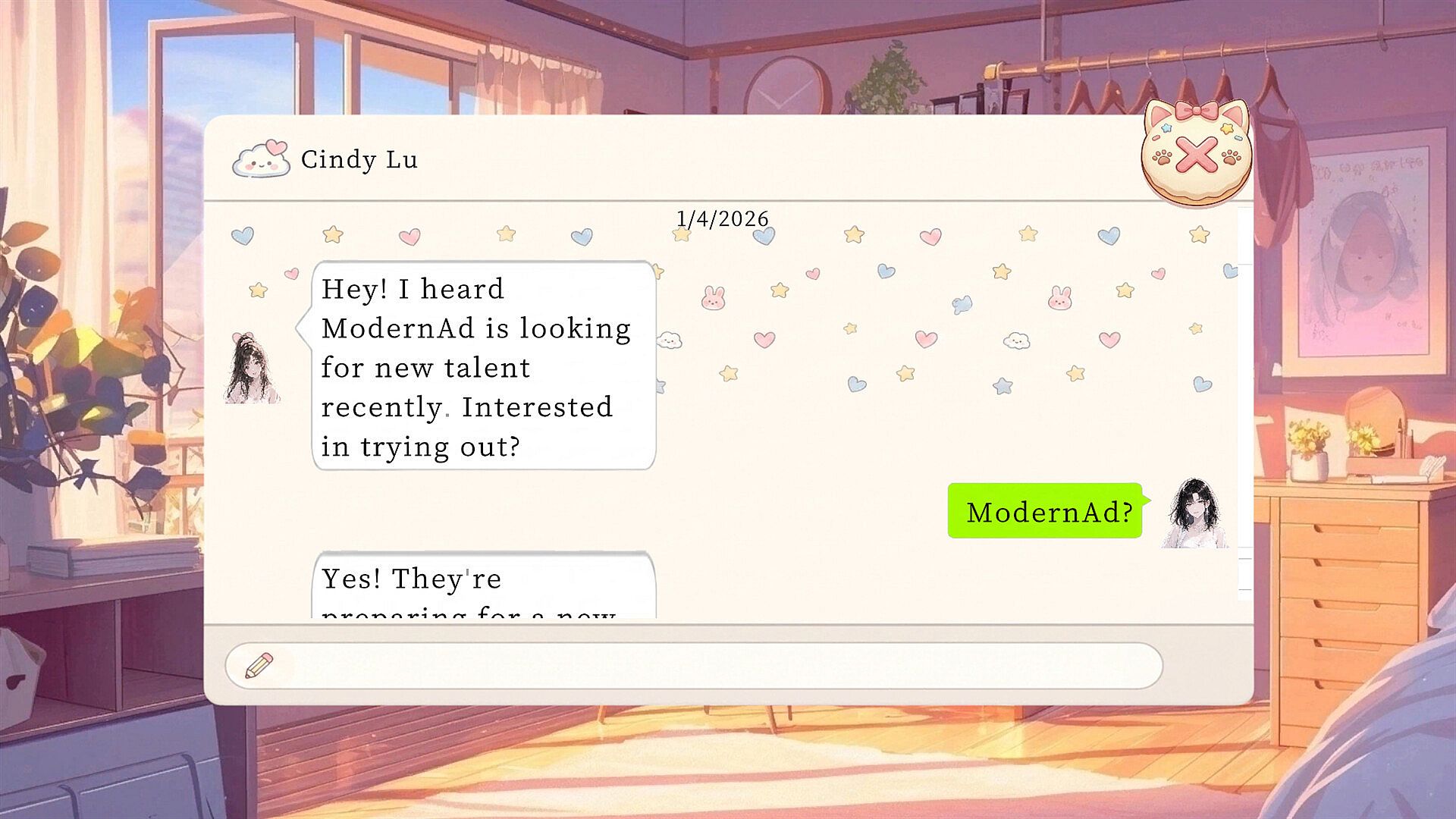


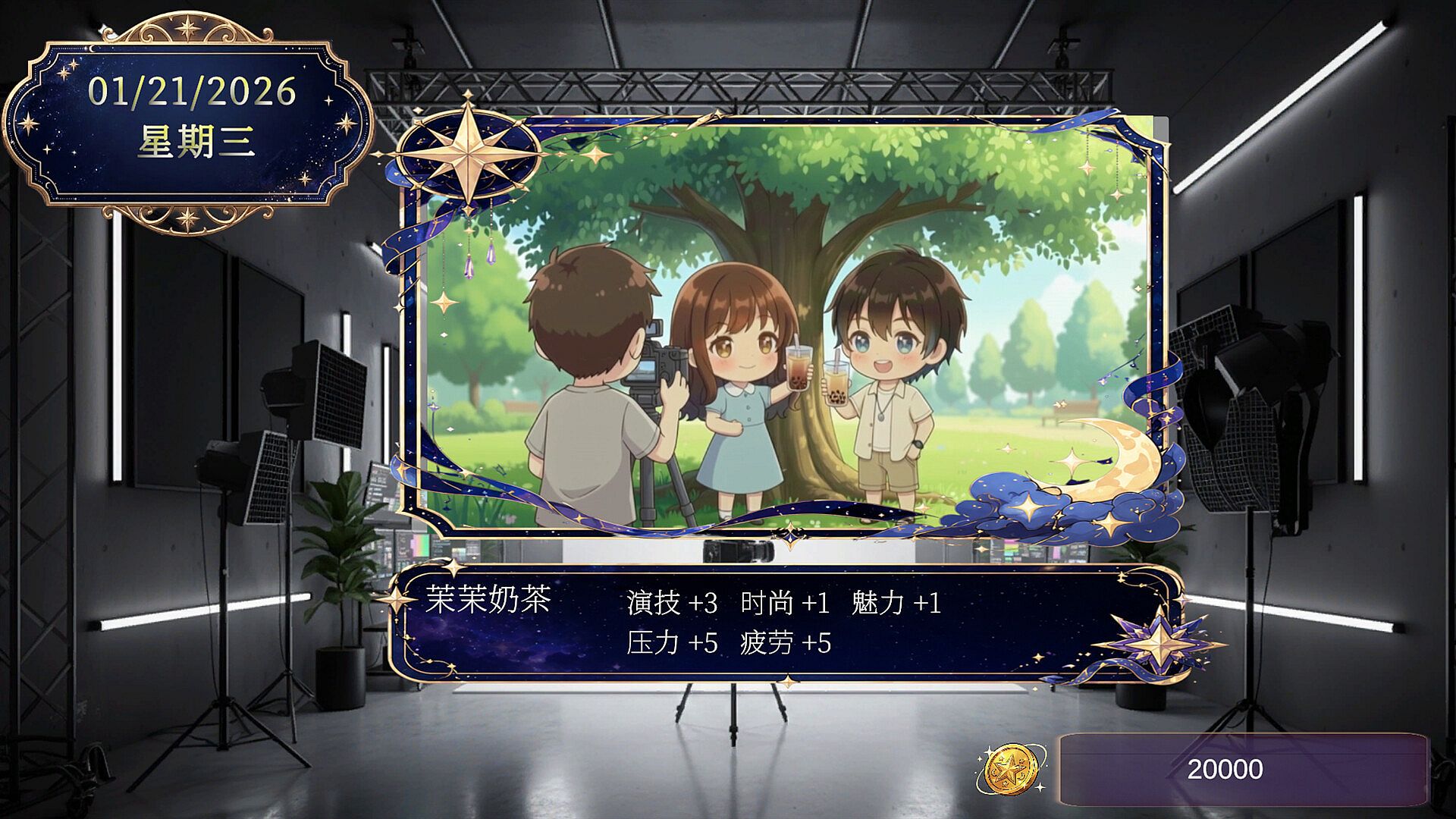







Reaching for The Star is an indie life simulation and role-playing game on PC that places players in the role of a young woman beginning her career in the modern entertainment industry. The experience centers on managing time, developing skills, and making choices that influence professional opportunities and personal connections as she moves from an unknown newcomer toward various forms of recognition.
Gameplay
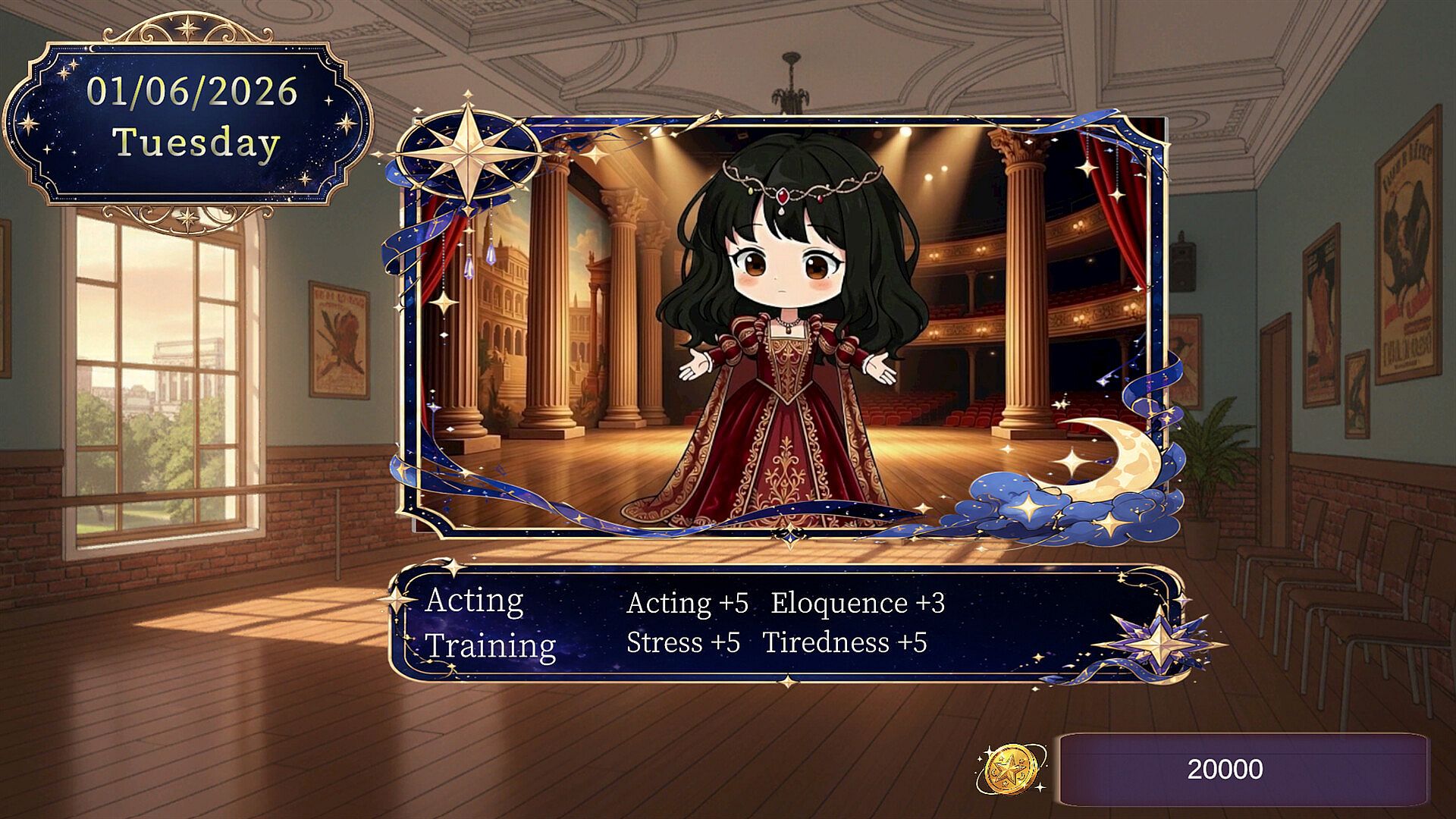
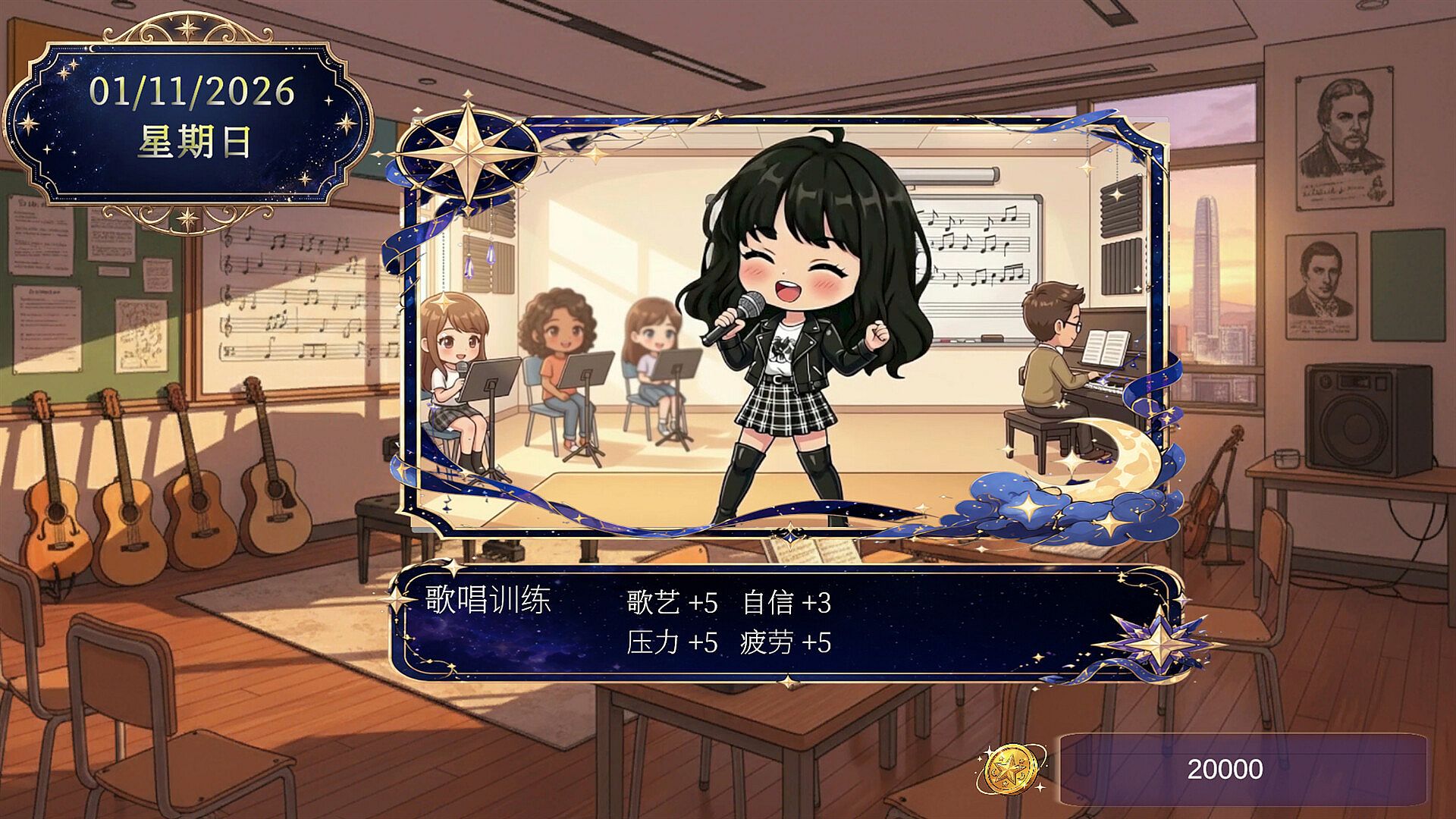
Core gameplay revolves around weekly schedule planning. Players allocate limited time across training sessions, work commitments, rest periods, and social interactions. Activities include studying acting techniques, practicing vocals and dance routines, or focusing on attributes such as charisma, elegance, and stamina. Overextending leads to fatigue that impacts performance and future options, while balanced rest supports sustained progress.
Opportunities arise through auditions for television dramas, films, music projects, commercials, and variety shows. Each project carries specific requirements tied to current abilities, reputation, and public image. Successful performances can accelerate career growth, whereas setbacks still contribute to long-term development through gained experience and adjusted expectations.
Attribute systems cover a broad range including acting proficiency, singing and dancing talent, confidence, eloquence, intelligence, creativity, and industry influence. Different career directions emphasize distinct combinations of these traits, allowing players to tailor development toward specialized paths without a fixed endpoint.
Game Modes
The game operates as a single-player simulation without separate competitive or multiplayer modes. Progression unfolds through an open structure where weekly decisions and performance outcomes determine available jobs and narrative branches. Players navigate the entertainment landscape by balancing ambition with personal well-being, leading to varied results based on consistent choices rather than preset scenarios.
Daily and weekly management forms the primary loop, incorporating rest mechanics to counter stress accumulation. This approach encourages experimentation with different emphasis areas, such as intensive skill grinding versus relationship building, all within the same continuous career timeline limited to a set number of years.
Career Paths and Opportunities
Players begin with smaller roles and gradually access larger productions as reputation grows. Television work, film auditions, music recordings, and promotional events each offer unique rewards and challenges. Reputation, relationships with industry figures, and demonstrated skills all factor into which options appear, creating a responsive system where early decisions shape later availability.
Public image and media attention add layers to decision-making. Rising visibility brings increased expectations and competition, requiring players to weigh high-profile commitments against recovery time. The system rewards thoughtful pacing that maintains health alongside professional momentum.
Relationships and Personal Growth
Interactions with actors, directors, writers, and other professionals occur through work collaborations, invitations, and chance encounters. Each character carries distinct personalities and backstories that influence dialogue and support options. Choices regarding time investment affect whether connections develop into friendships, rivalries, or deeper bonds, opening alternate story directions tied to personal priorities.
These relationships intersect with career demands. Support from contacts can ease access to roles, while conflicts may close doors or introduce new pressures. The simulation tracks emotional and physical condition alongside professional metrics, making personal connections a practical element of long-term strategy.
Is It Worth Playing?
Reaching for The Star suits players who enjoy detailed life simulations focused on career management and incremental growth. The emphasis on schedule balancing, attribute development, and consequence-driven choices provides consistent engagement for those interested in entertainment industry themes. Absence of confirmed player reviews or update history at this stage means prospective players should evaluate based on the core systems described, particularly if they value open-ended single-player progression over structured challenges or multiplayer elements. The game delivers a focused experience for fans of simulation titles centered on personal and professional decision-making.











