

Re:Heart - The Tale of Reverse Isekai is a single-player strategy indie RPG that blends roguelite deckbuilding with an integrated visual novel narrative. Players enter a VR simulator called TRUE LOVE that operates through romance tropes presented as distinct worlds. The core premise questions whether clearing these trope-based scenarios reveals anything reliable about love, given that both the simulator and the player start from flawed assumptions.
Gameplay
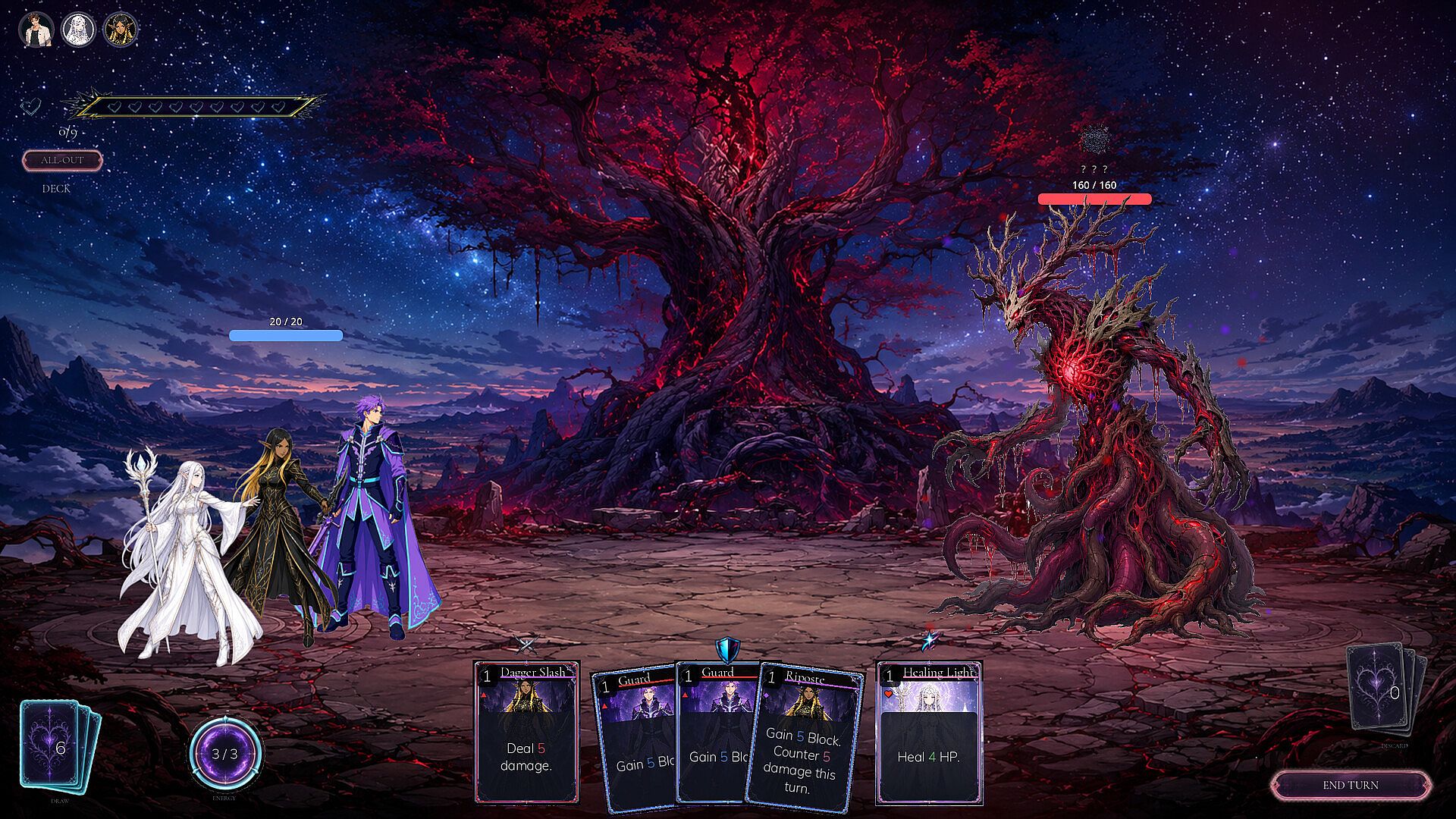
Combat operates across three distinct health tracks that represent different approaches to connecting with opponents. Body focuses on direct force and armor through physical strikes. Mind emphasizes deception with effects like fear, confusion, hypnosis, and control that deliver modest damage but strong influence. Heart relies on sincerity and vulnerability, using honest words that carry personal cost. The same action can register differently depending on intent, with enemies showing varied resistance to each track. Players scout opponents to identify weaknesses and adjust their card hand accordingly.
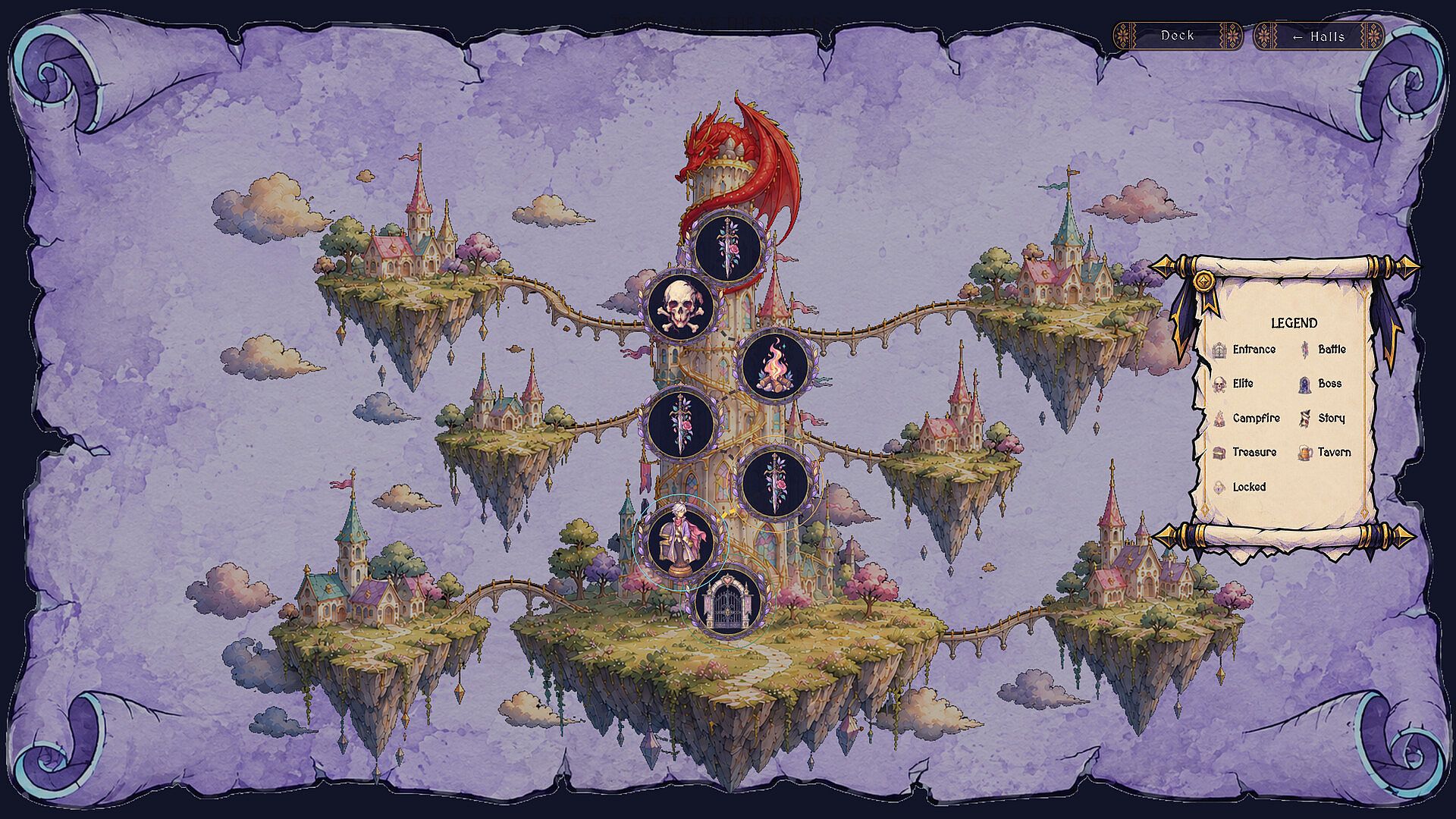
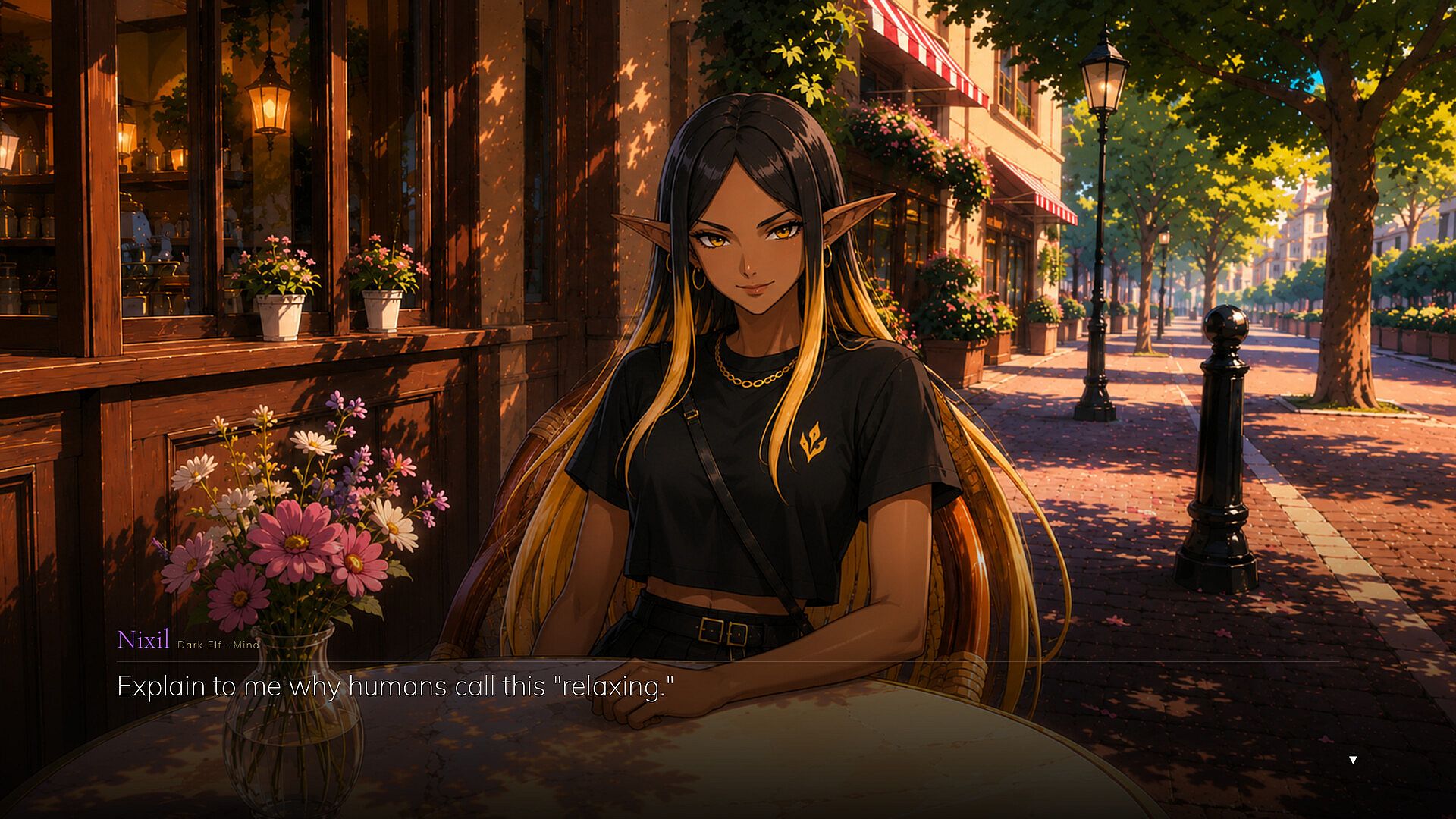
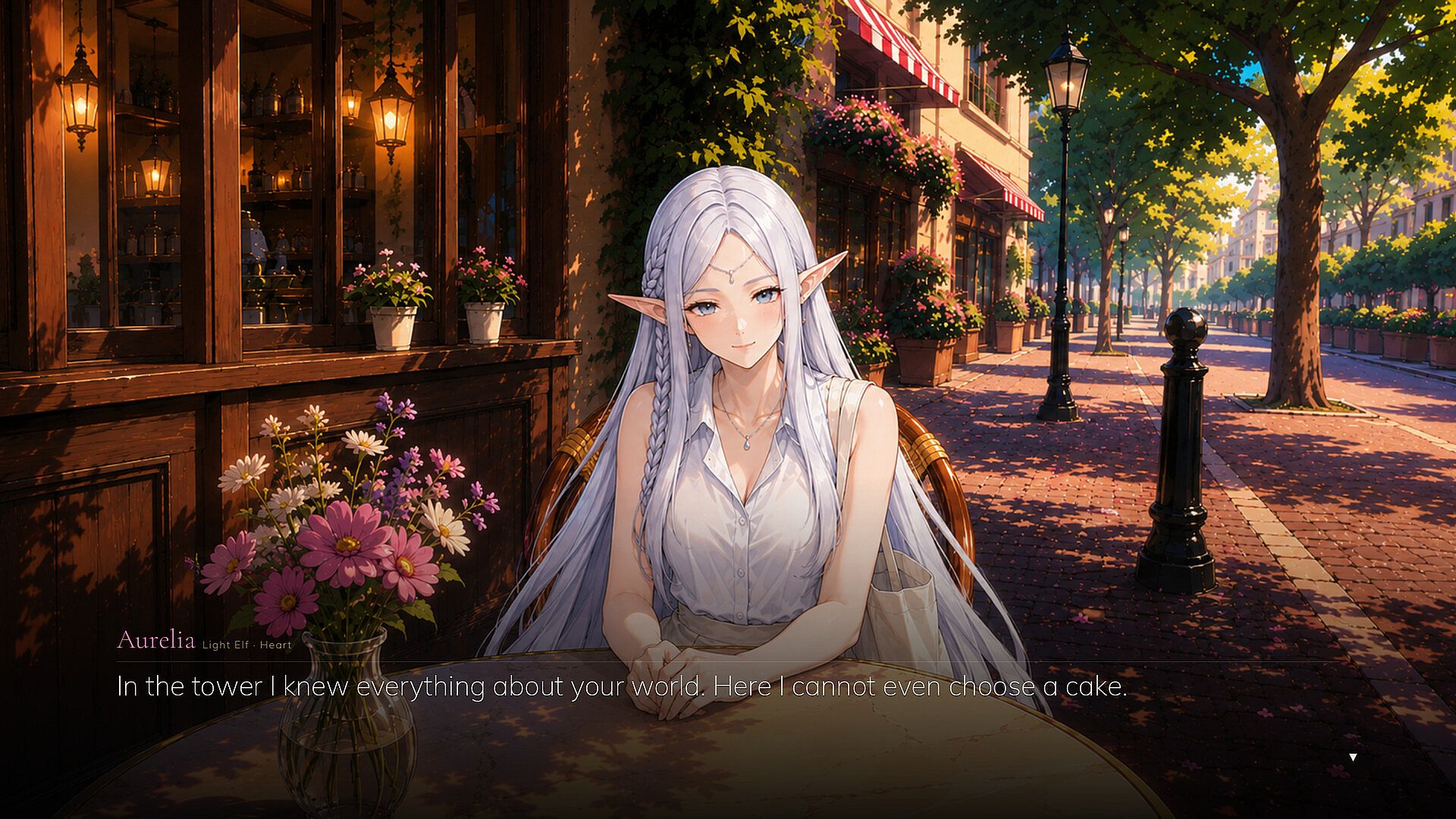
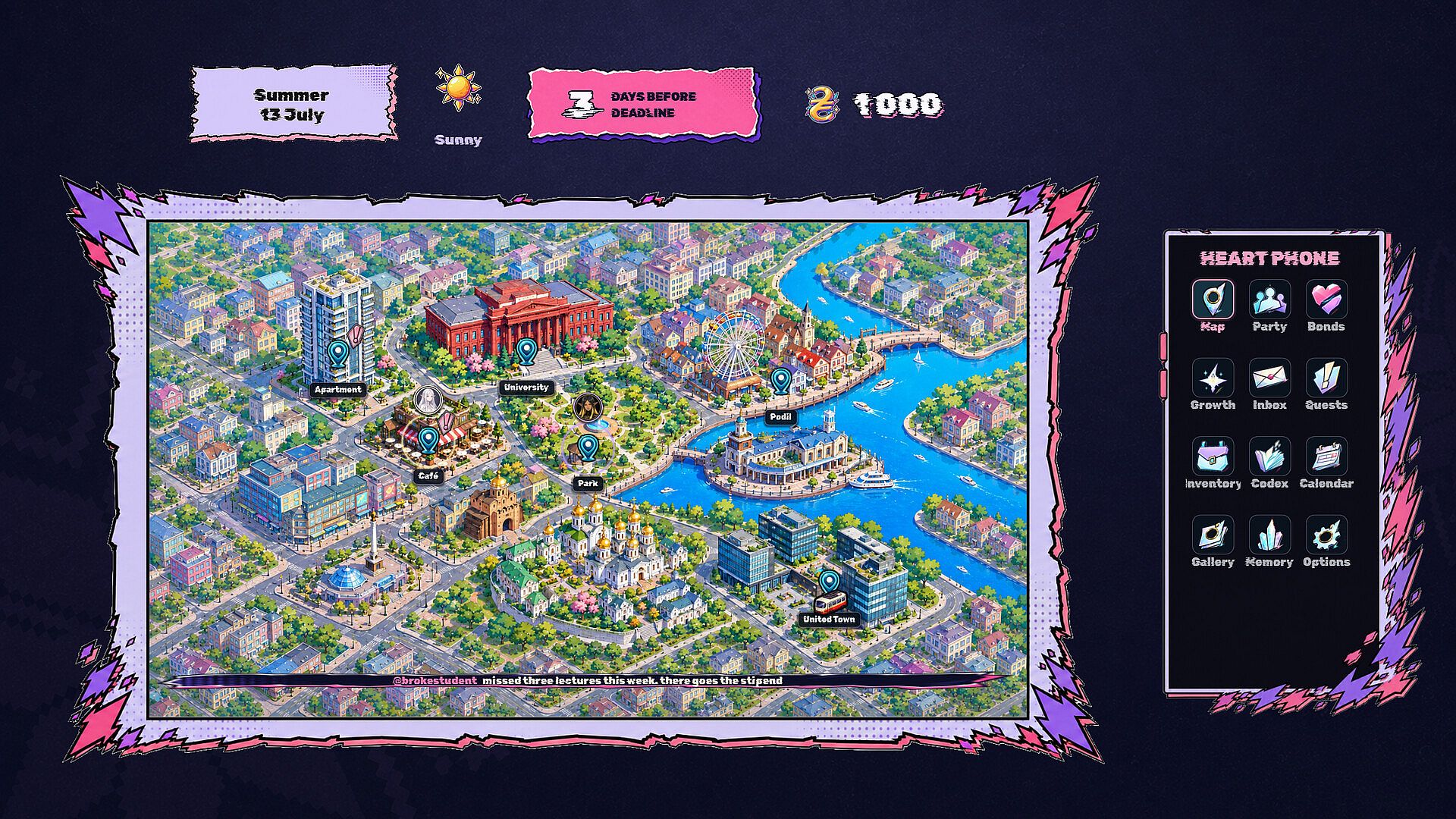
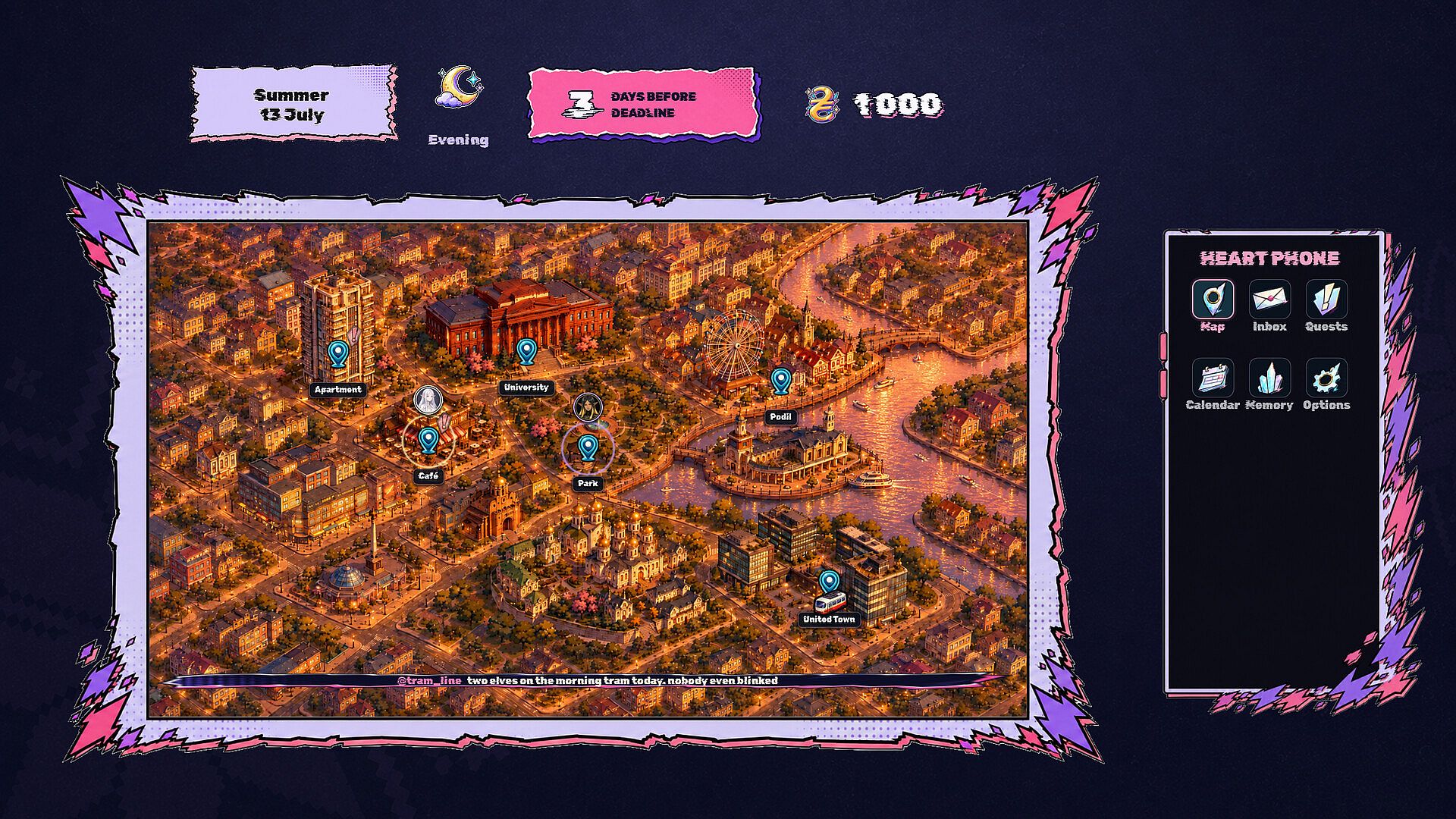
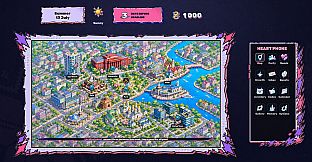
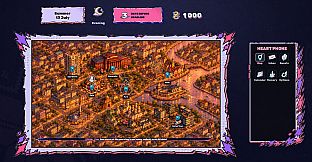
Deckbuilding follows roguelite rules, with runs progressing through trope worlds while a separate visual novel thread advances across attempts. A timed parry mechanic requires reading enemy tells to land a ring and avoid damage entirely. Personal ultimates provide individual power spikes, while squad-wide ALL-OUT attacks deliver coordinated team efforts. A city hub serves as a central area for dates and building bonds, supported by a calendar system that imposes time pressure. Each heroine comes with authored card pools and distinct opinions that influence interactions.
Game Modes
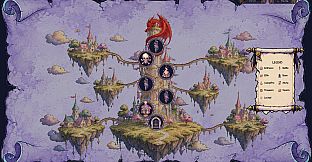
The primary structure centers on repeated runs through trope-defined worlds, where players clear scenarios to progress the overarching story. These runs incorporate deckbuilding and three-track combat as the main loop. The visual novel elements unfold progressively across multiple attempts rather than as separate segments. Hub activities in the city provide opportunities to strengthen bonds and manage the calendar before returning to combat runs. No additional standalone modes appear in the available details.
Story and Setting
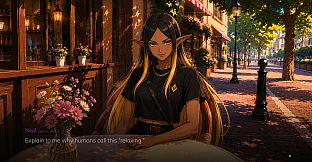
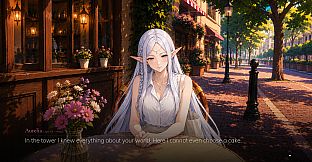
The narrative explores the gap between promised romance mechanics and actual emotional reality. Trope worlds function as separate environments, each testing a different theory of how relationships form. Progress reveals inconsistencies in the simulator's approach while the player character confronts personal limitations. Heroines maintain individual perspectives that affect card availability and dialogue outcomes during runs and hub interactions.
Is It Worth Playing?
The game targets players who enjoy roguelite deckbuilding combined with visual novel storytelling in a single-player format. Its three-track combat system and emphasis on intent-driven card effects offer a distinct approach to encounters. The integration of narrative progression directly into repeated runs provides continuity without requiring separate play sessions. As an upcoming title with no released version or reviews available, suitability depends on interest in the described mechanics of trope exploration, bond management, and multi-track health systems. Those drawn to authored character interactions and time-limited hub elements may find the structure engaging once it launches.