

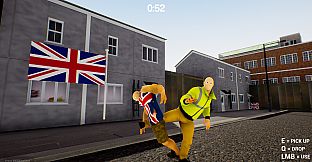
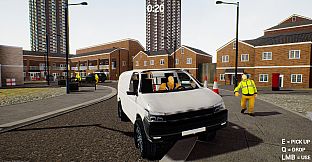
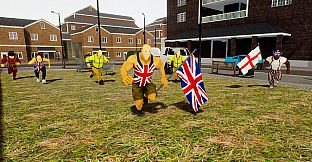
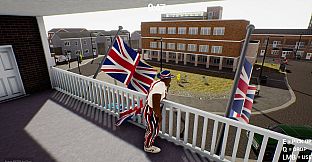
Raise the Colours is a free-to-play indie casual game built around chaotic 4-player co-op physics on PC. Players race to plant as many flags as possible before time expires while navigating obstacles and interference from local council figures. The experience centers on slapstick movement and teamwork that often devolves into collisions and mishaps.
Gameplay
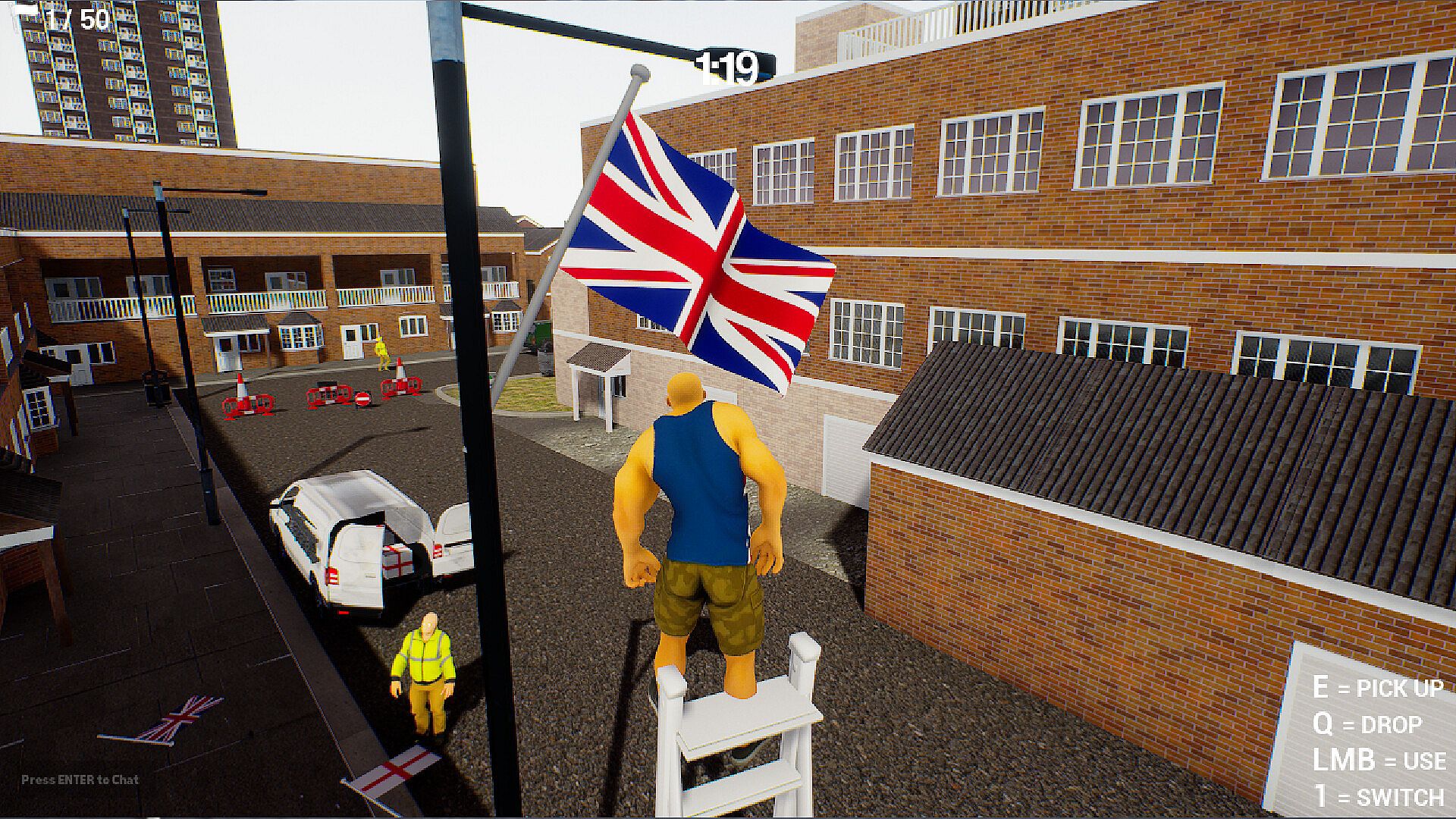
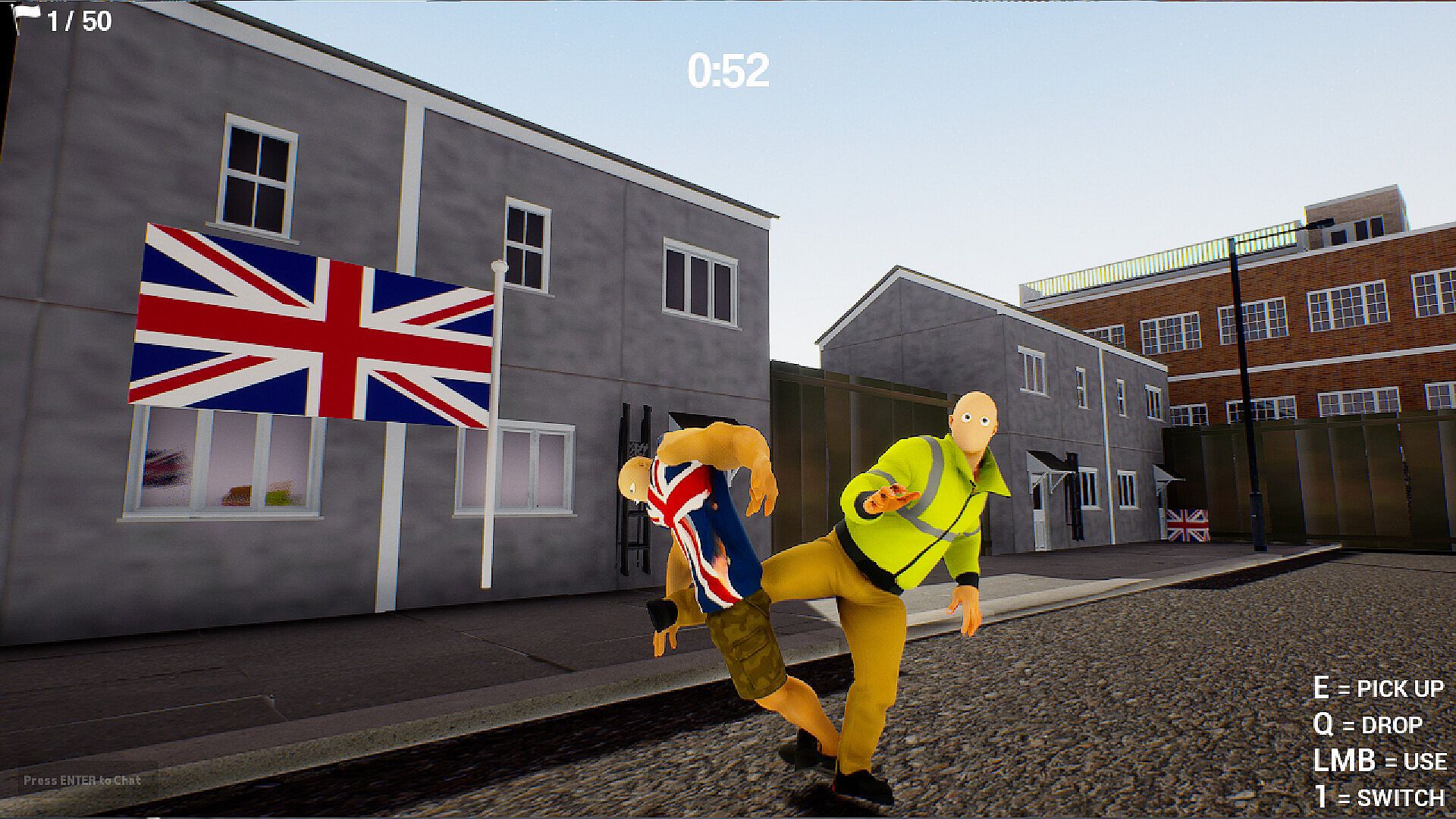
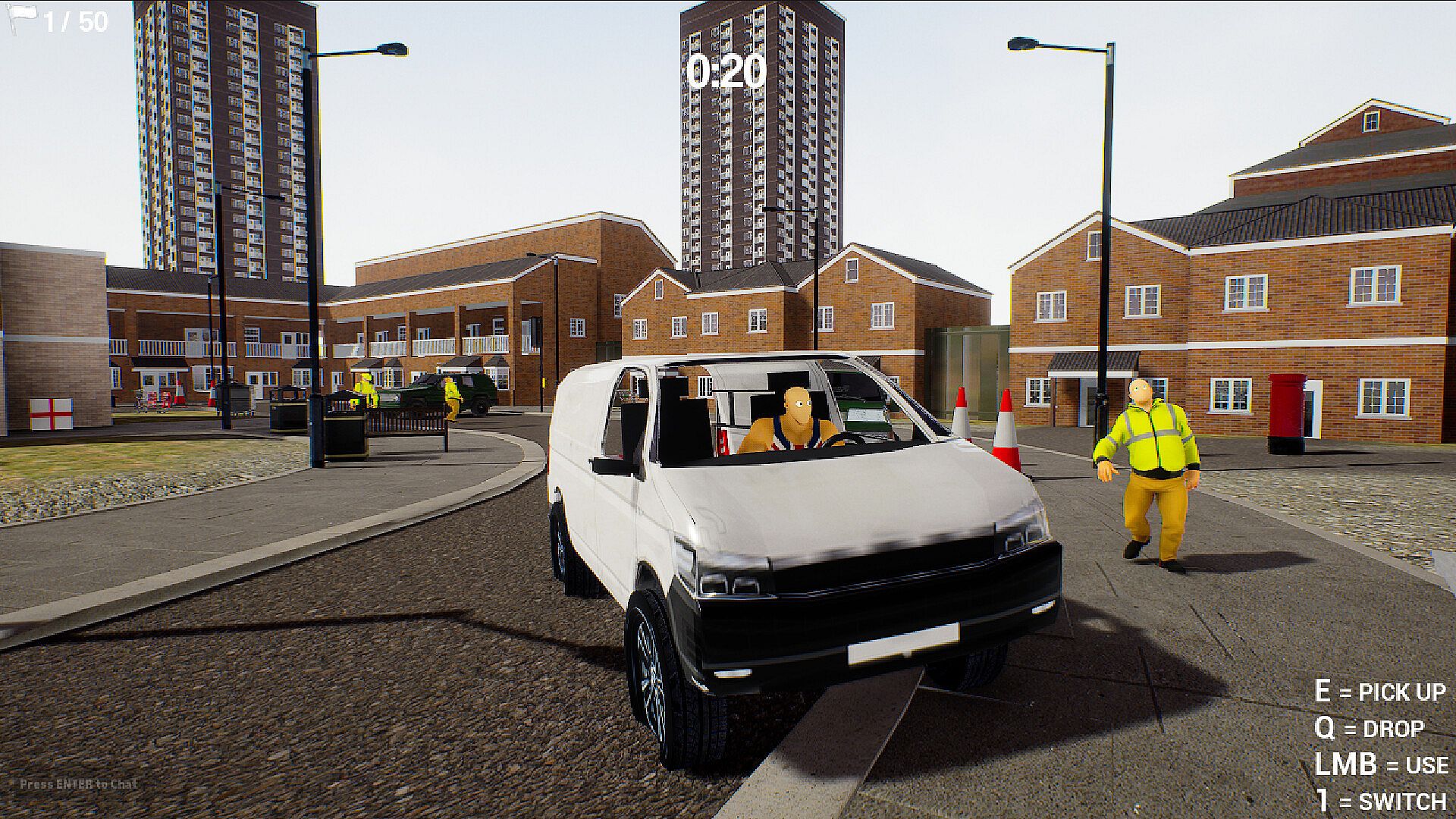
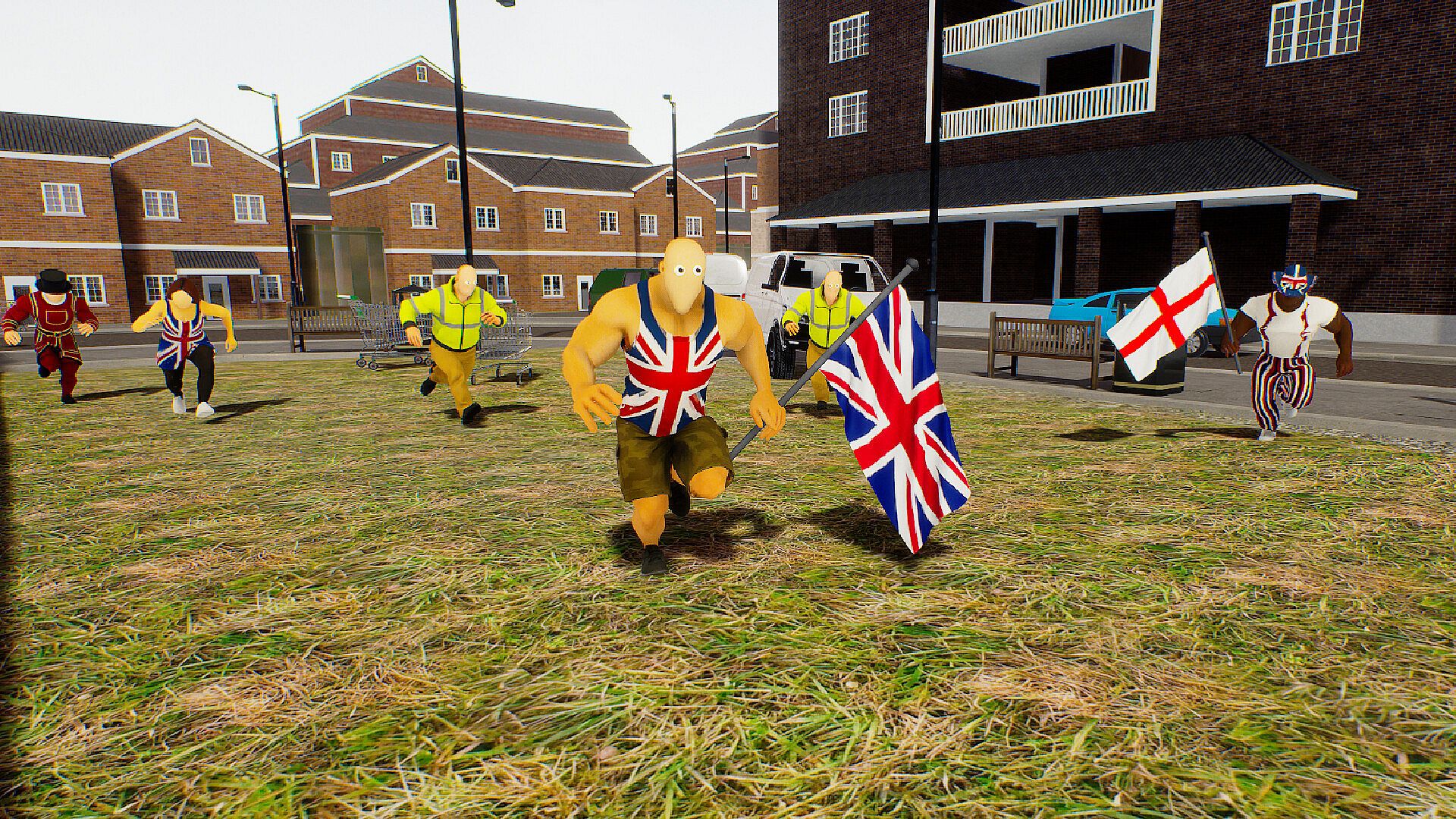
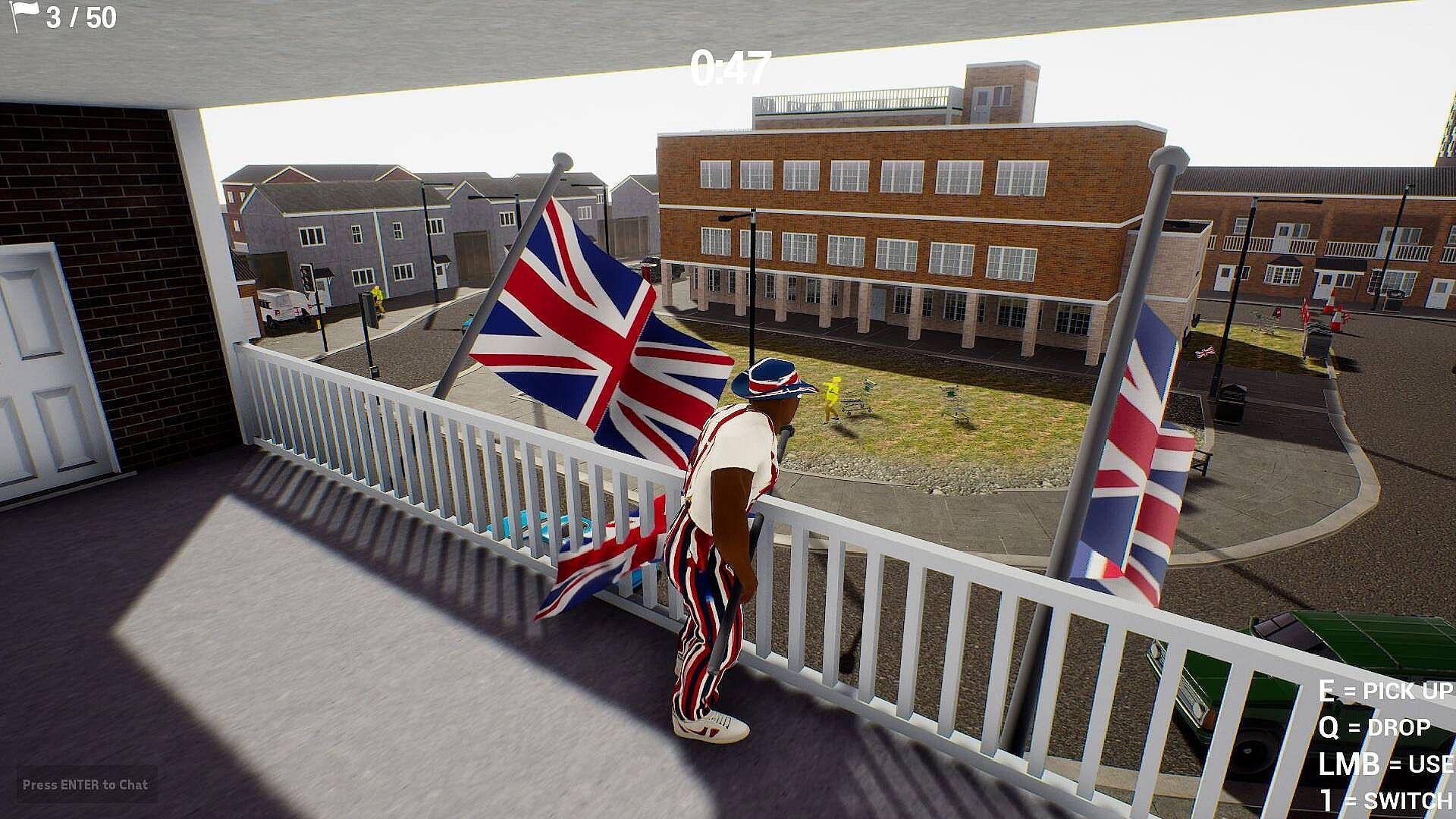
Core movement relies on physics simulation where carrying and positioning flags creates constant instability. Characters stumble, trip over one another, and struggle with balance when hoisting flags onto lampposts, boxes, houses, or even clothing items. Council workers in high-visibility jackets actively interfere by placing cones and barriers to block progress. Solo play receives balance adjustments to maintain fairness when friends are unavailable. Third-person perspective keeps the focus on physical interactions and quick reactions across varied environments.
Game Modes
The primary loop involves planting flags before a countdown ends, with success measured by total flags raised and individual map performance tracked through saved high scores and S-rank achievements. Maps introduce environmental challenges that alter how flags are approached and secured. Later updates added selectable flags for customization during matches. The structure supports both group sessions and adjusted solo attempts without shifting into separate competitive or survival formats.
Maps and Updates
Initial arenas give way to new locations added through regular patches. Motorway requires dodging traffic on overpasses. Beach offers open sandy areas with relaxed pacing. Countryside features rolling fields and winding paths. High Street captures busy urban streets with tight navigation. Performance improvements, lobby character switching, and reduced latency appear across versions up to 1.0.6. Additional characters and minor balance tweaks keep sessions fresh without altering the central flag-planting objective.
Is It Worth Playing?
Steam reviews sit at Very Positive based on hundreds of ratings, with players highlighting the humorous physics and group coordination failures. The free-to-play model removes any entry barrier, and ongoing map and optimization support shows continued developer attention. It suits groups seeking short, absurd sessions rather than deep progression systems. Those who enjoy physics-driven party games with satirical tone will find repeated value in the escalating chaos across different maps. Single players can still engage through balanced adjustments, though the experience shines most with three others online.