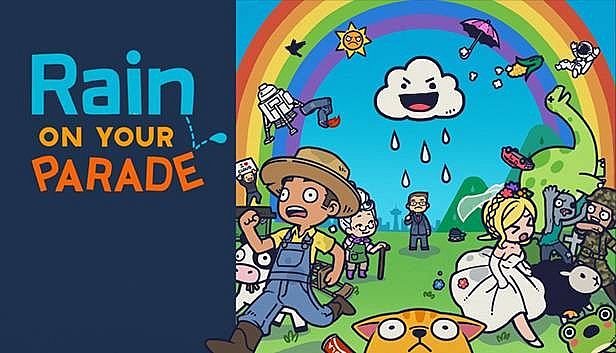













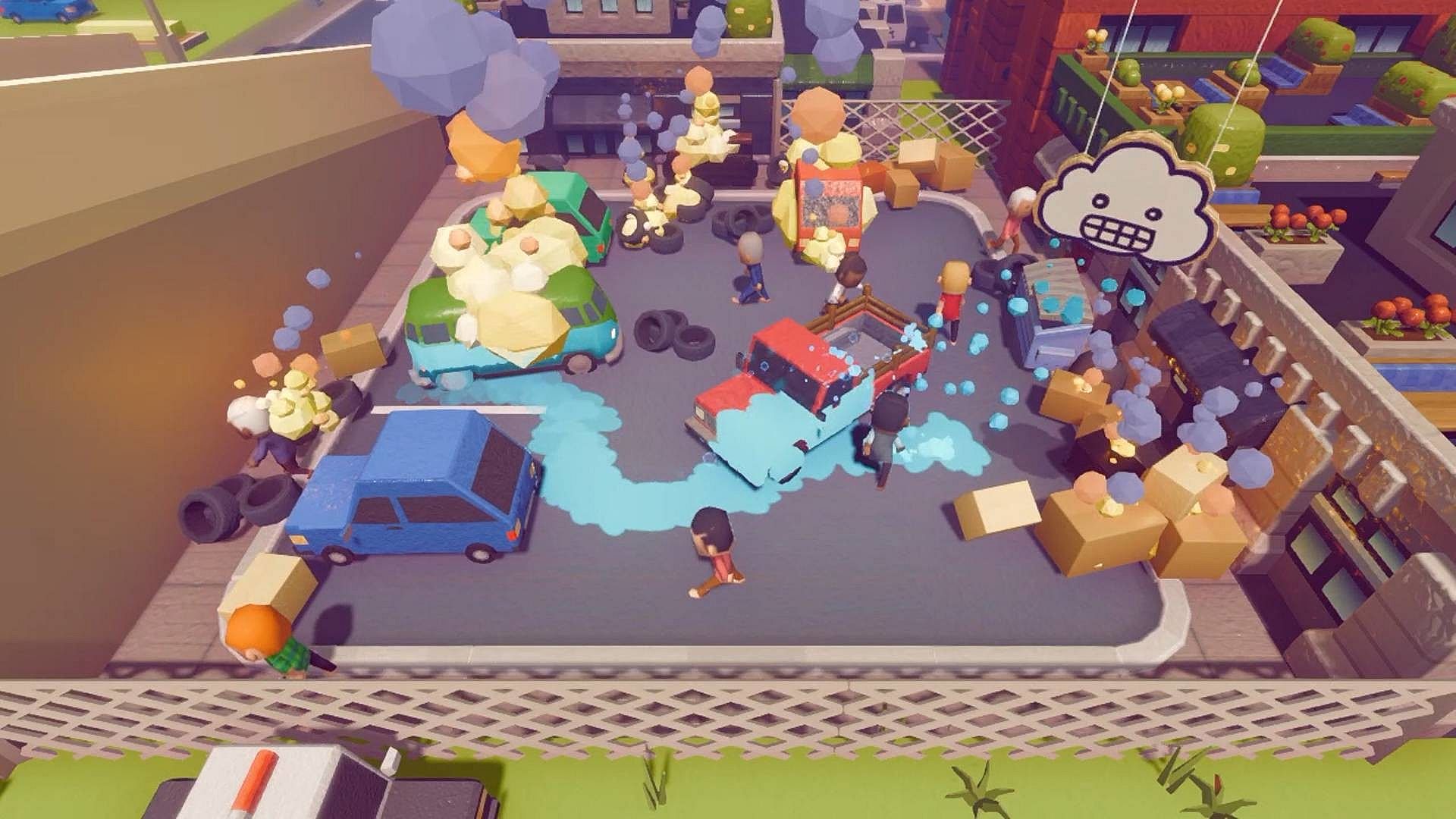
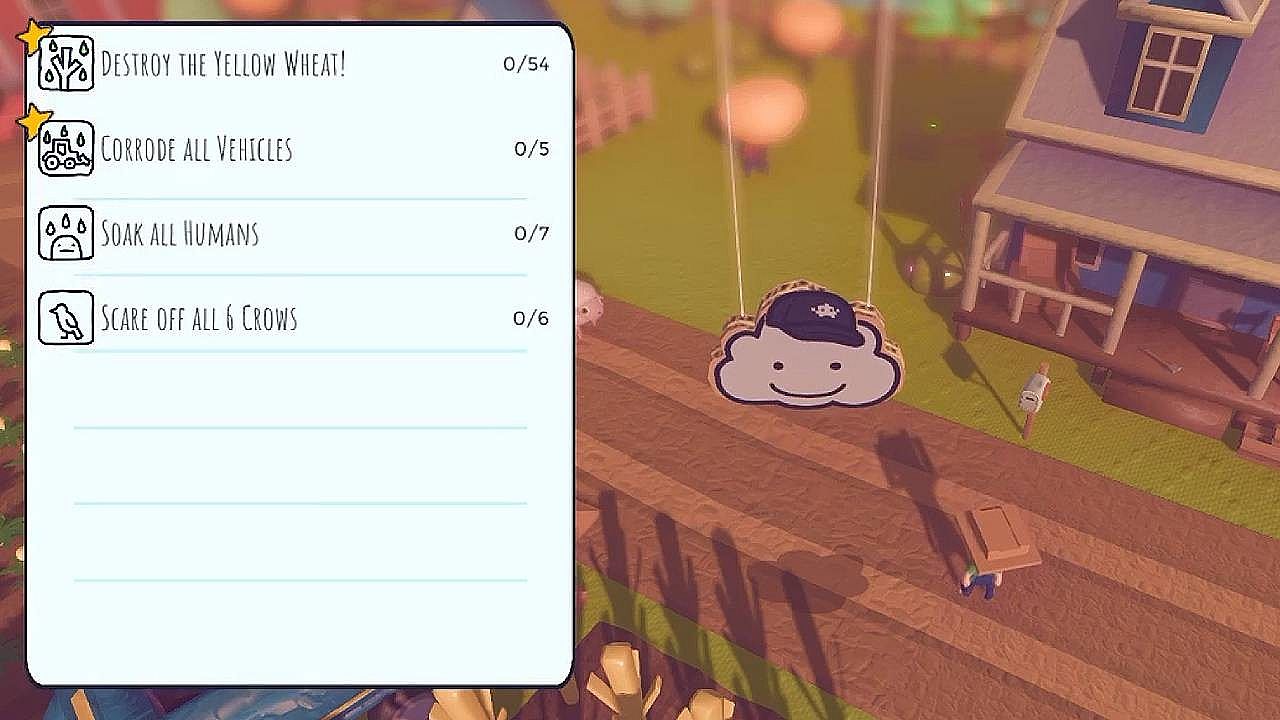
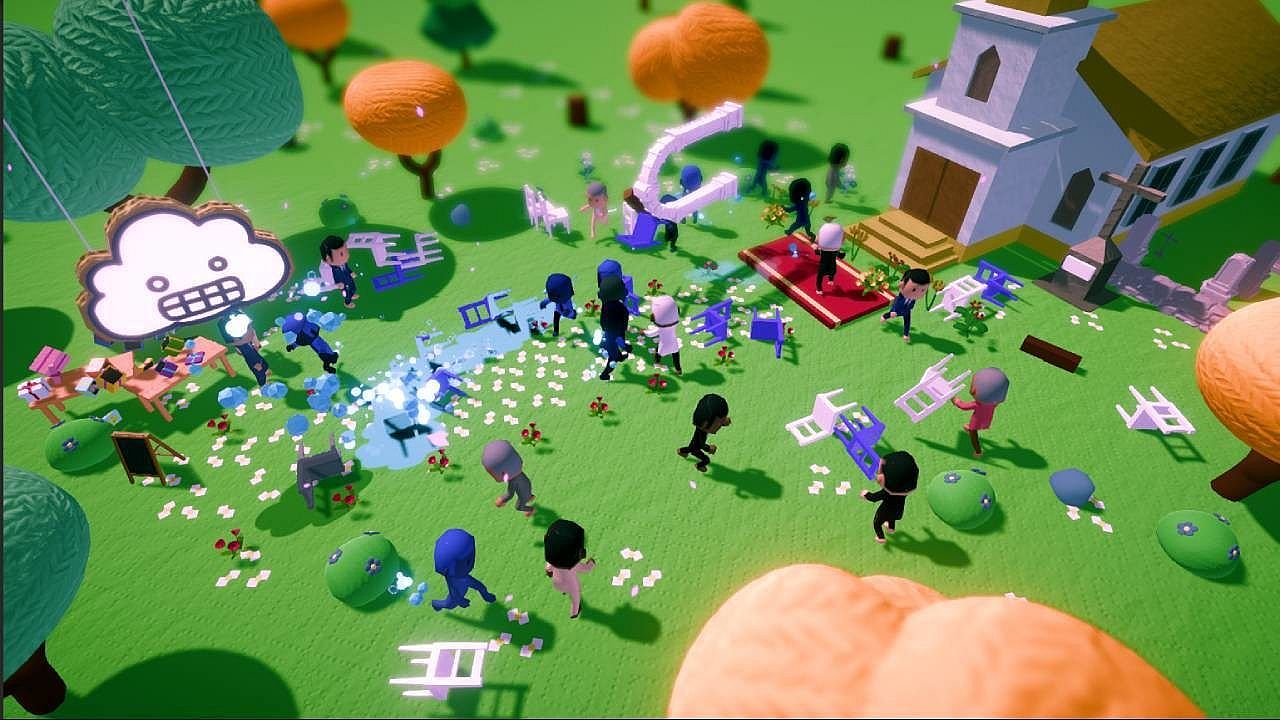
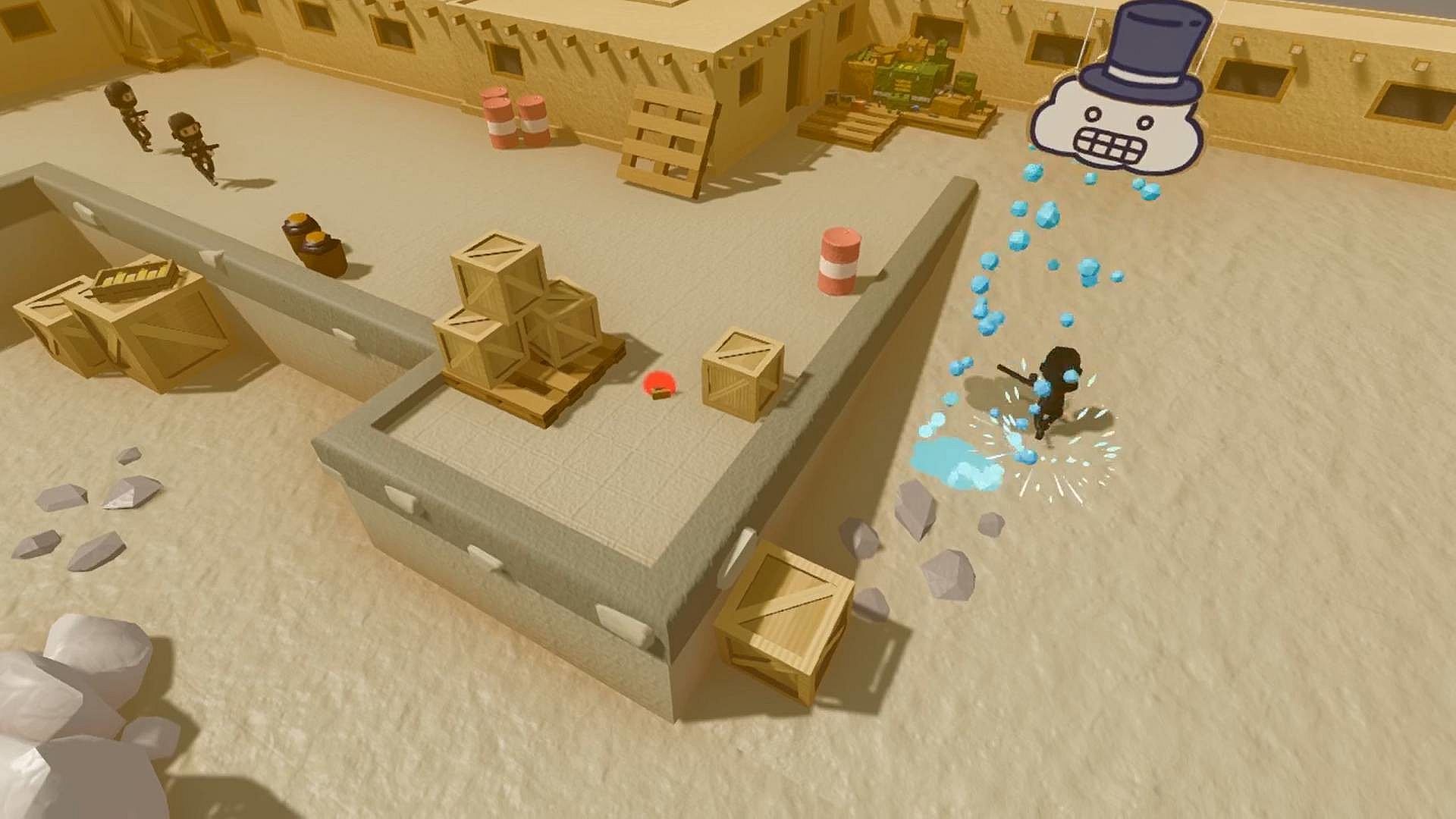
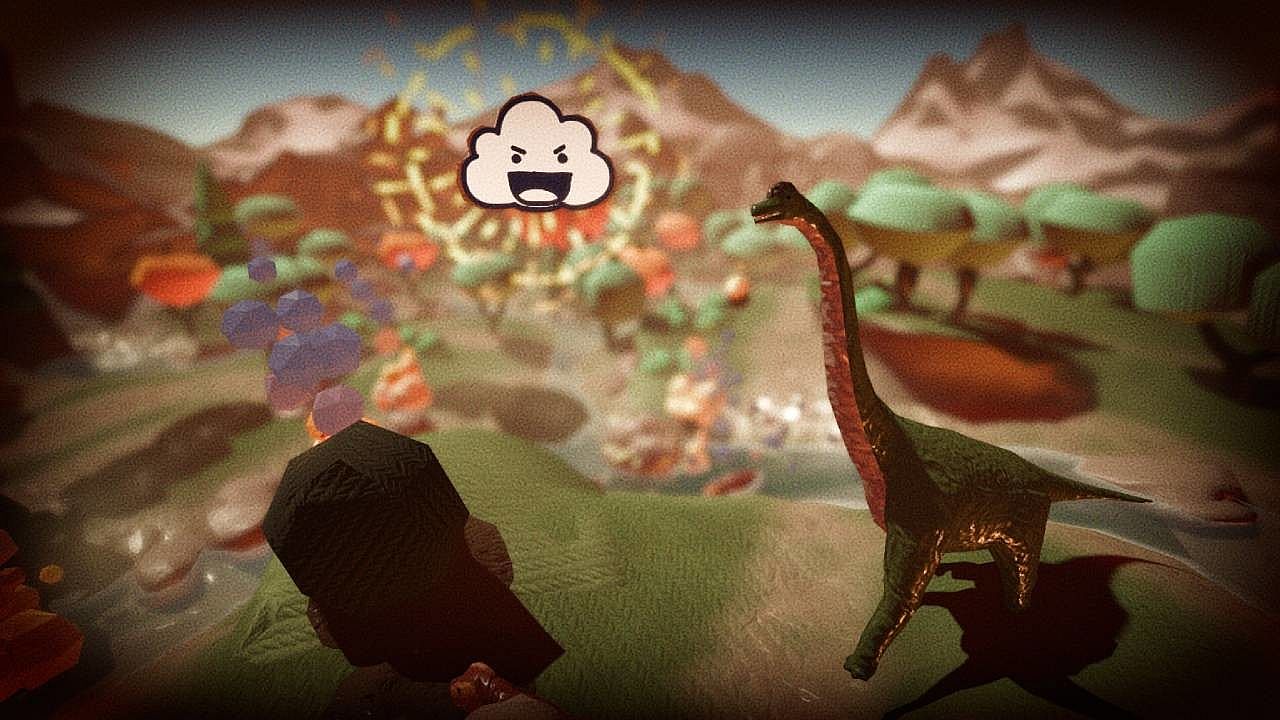
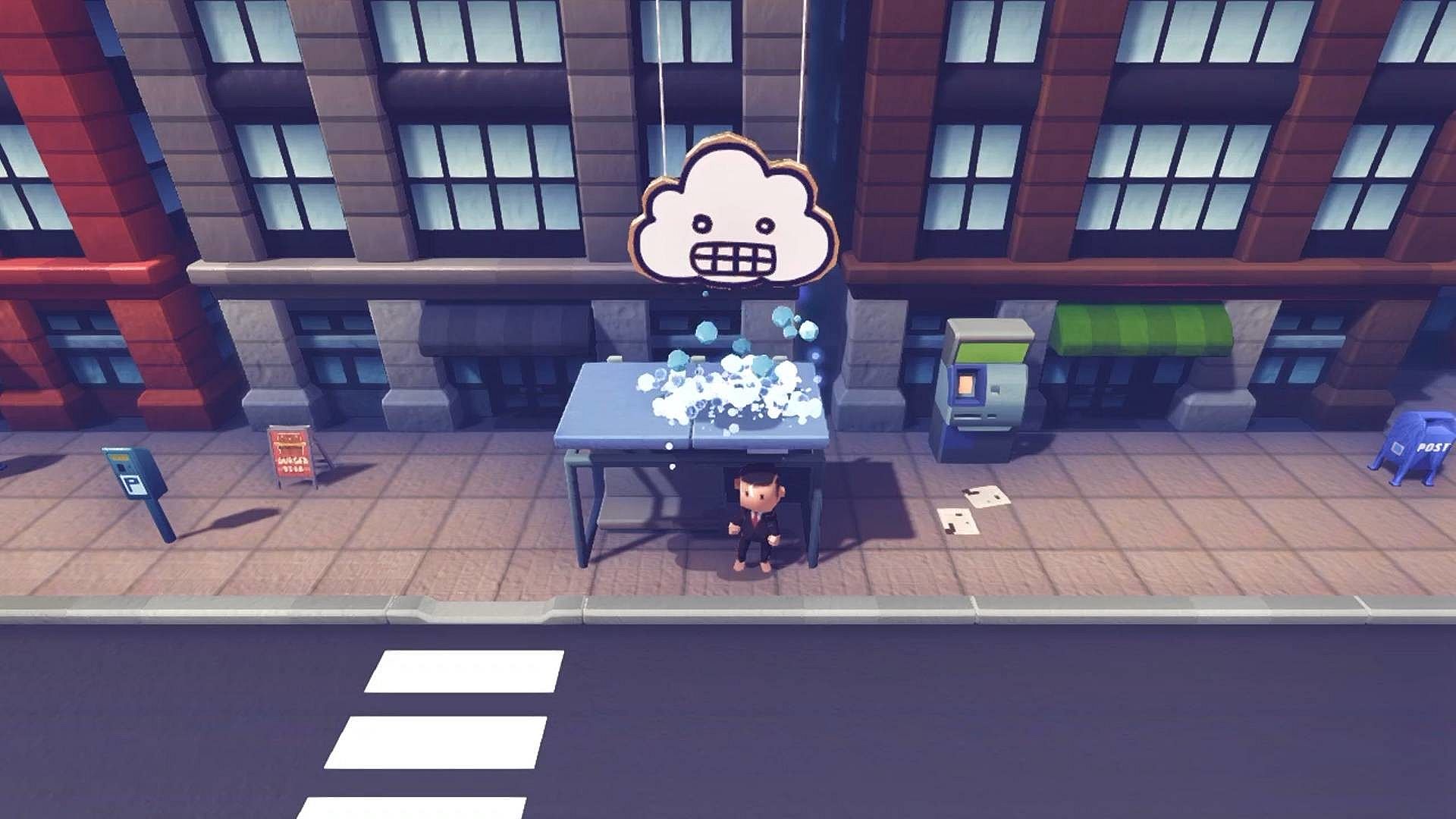
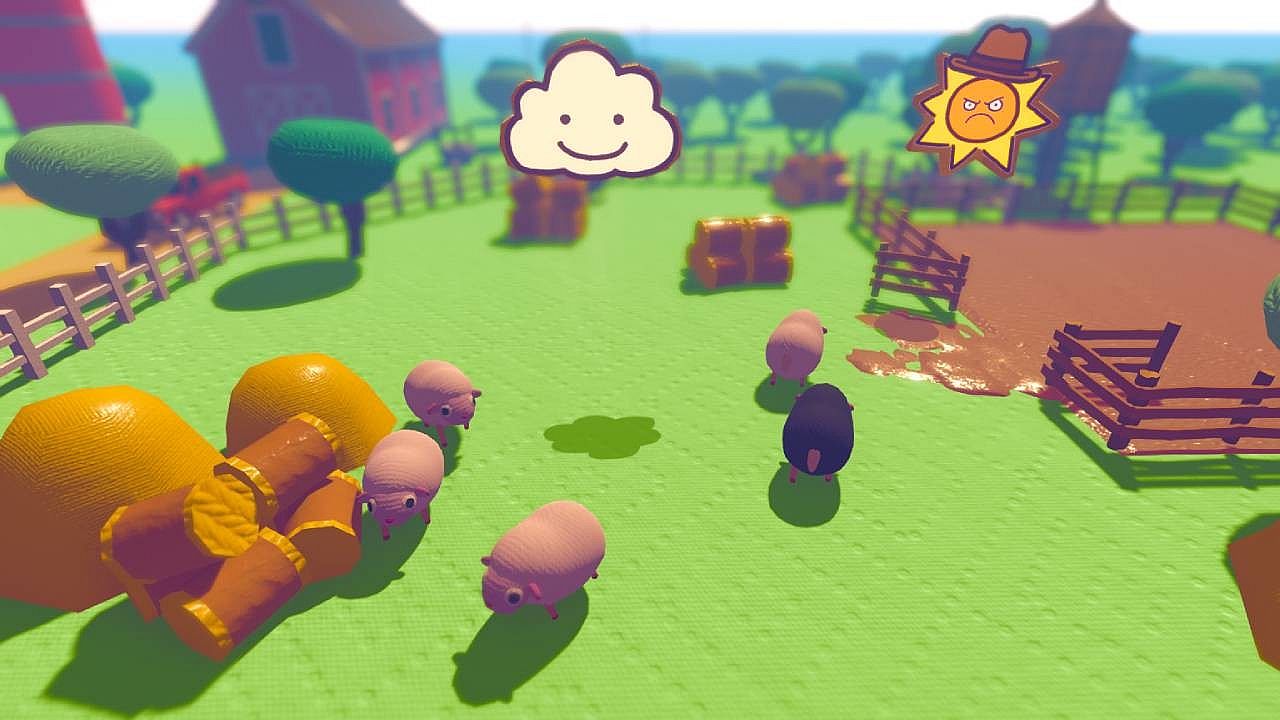
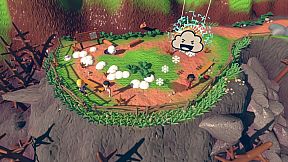
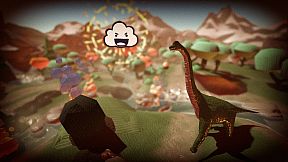
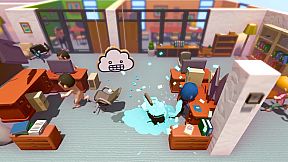
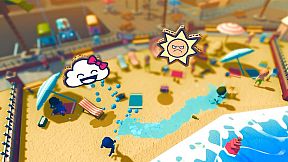
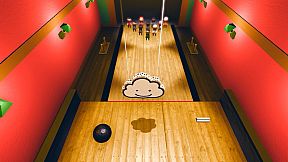
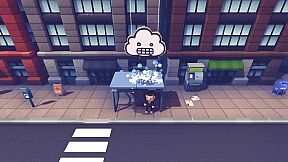
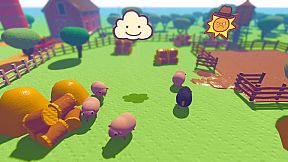
Rain on Your Parade is a single player action indie casual simulation adventure game centered on controlling a mischievous cloud that sets out to disrupt ordinary scenes with weather based mischief. The core experience revolves around navigating a series of distinct environments while experimenting with escalating tools of disruption to meet level specific targets.
Gameplay
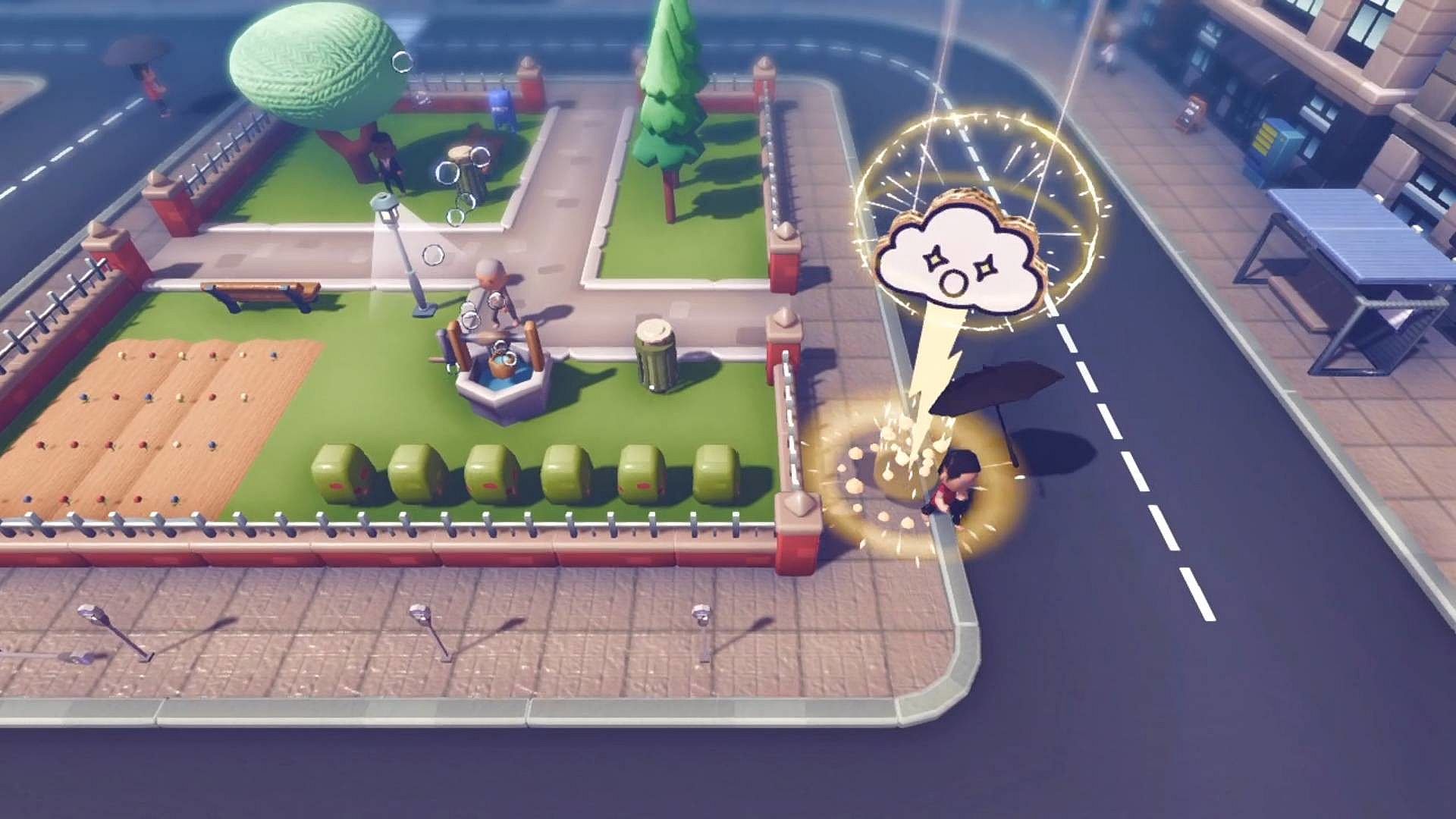
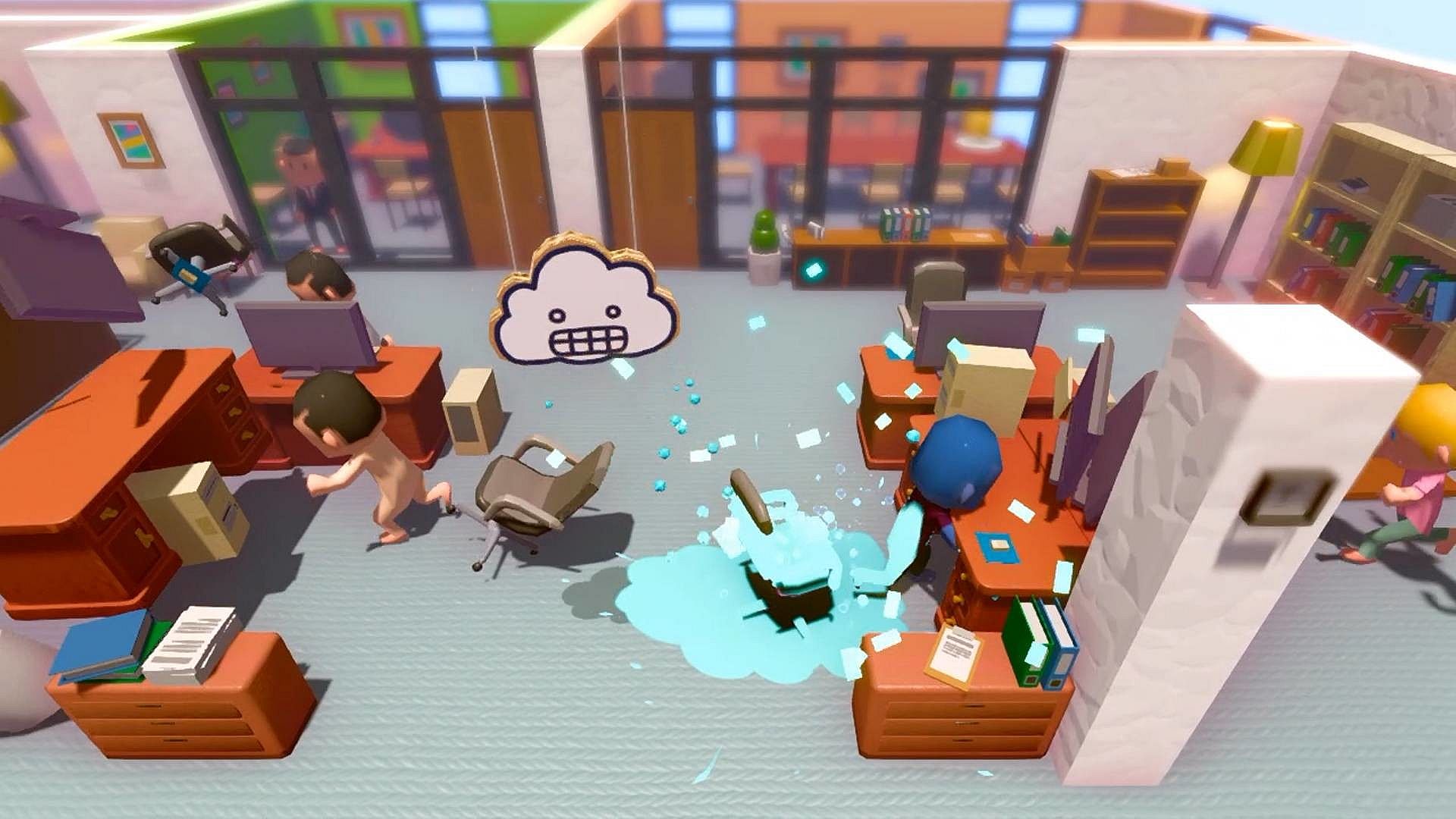
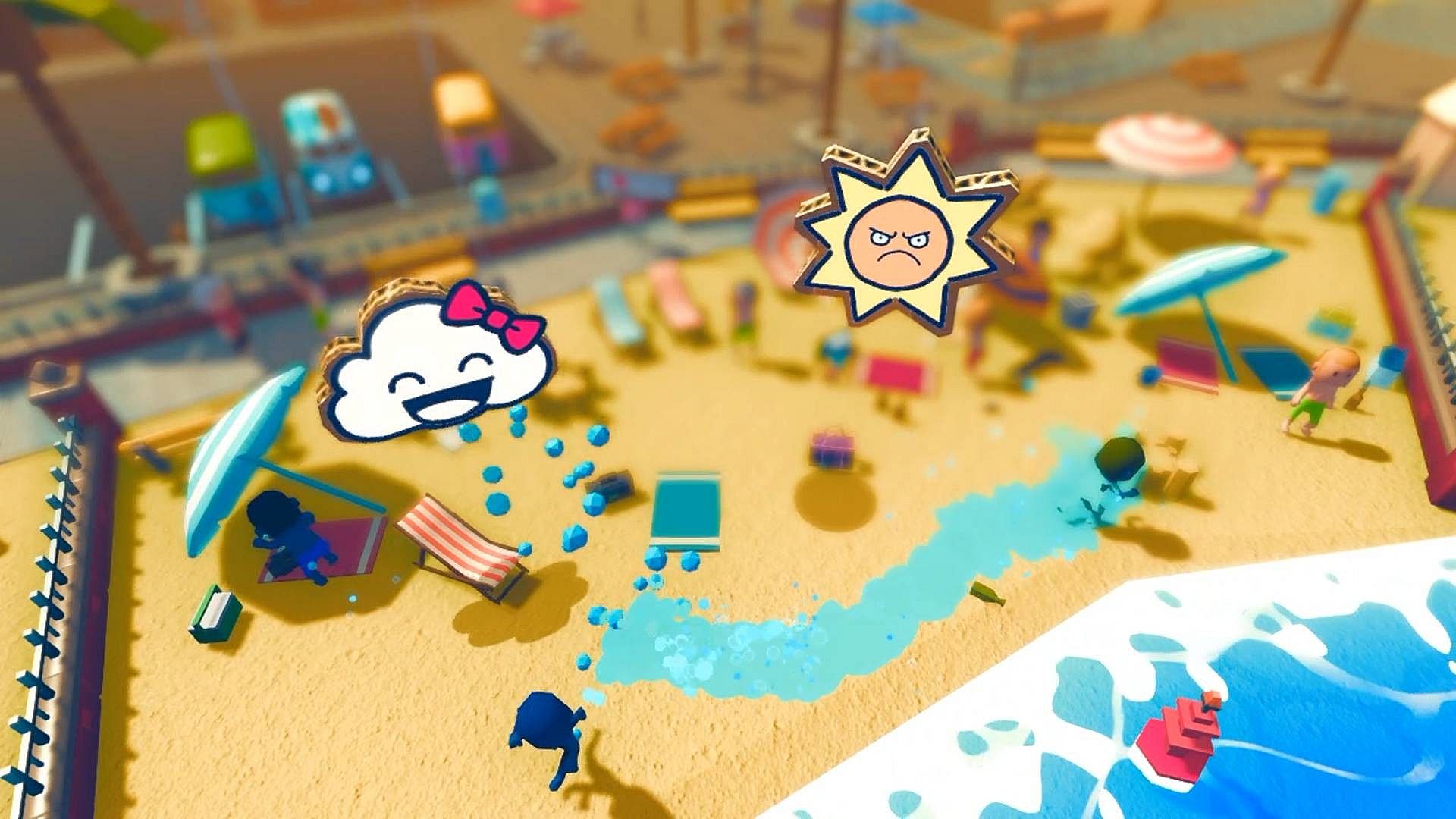
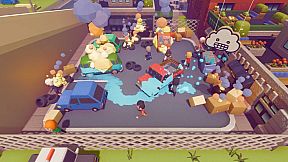
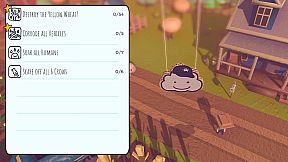
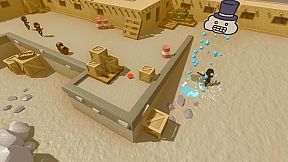
The central loop involves moving the cloud through each stage and deploying weather effects to alter the surroundings in targeted ways. Early stages focus on basic rain to soak people and objects, while later ones introduce combinations that create chain reactions such as lightning strikes that ignite items or scare characters into new positions. Progress requires creative application of these tools to fulfill objectives like flooding areas or scattering groups without direct combat mechanics.
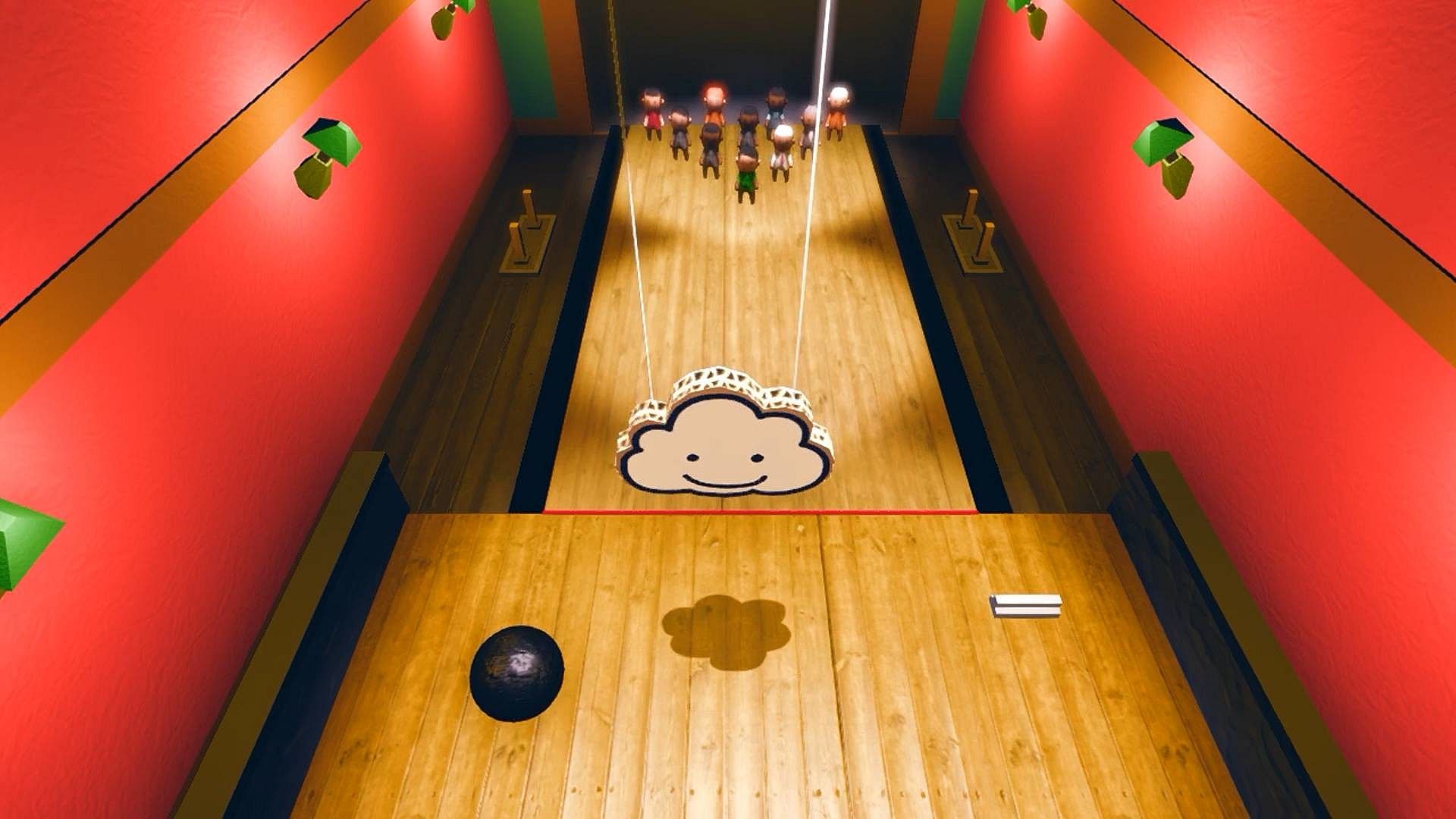
Levels emphasize puzzle solving through environmental interaction rather than linear paths. Players experiment with positioning the cloud to maximize coverage and timing activations for optimal results. The design encourages replay attempts on the same stage to discover alternative approaches that achieve the same goals with different ability combinations.
Game Modes
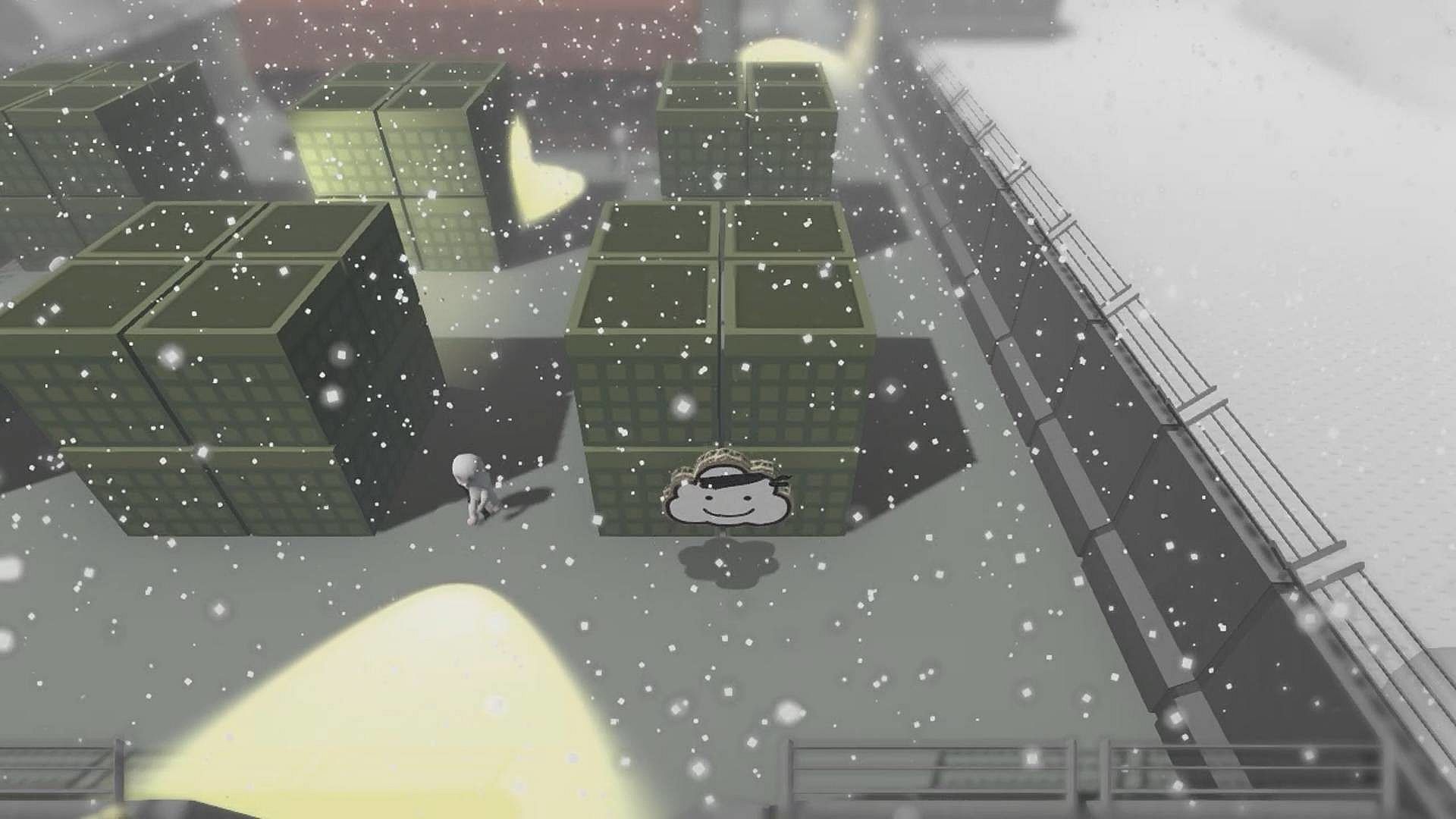
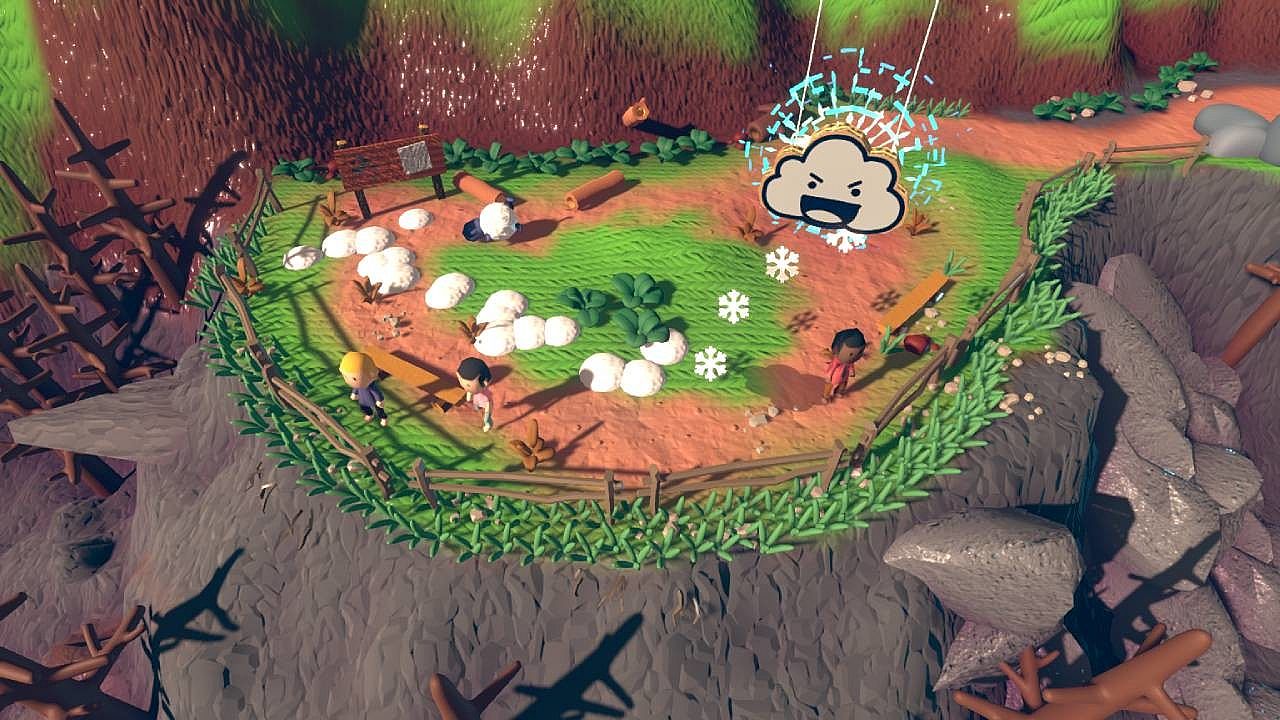
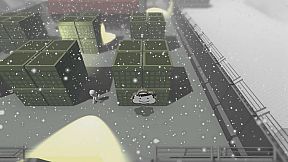
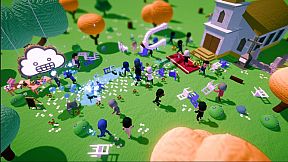
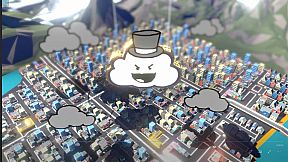
The game structures its content around more than fifty individual levels, each set in a unique location with tailored goals and shifting playstyles. Settings range from outdoor ceremonies and urban streets to agricultural fields, secure installations, and open lots. Objectives vary from broad disruption tasks to precise manipulations of specific elements within the scene.
Playstyles alternate across the campaign to keep challenges fresh. Some stages prioritize wide area coverage with sustained effects, while others demand careful placement and timing to trigger secondary events. This variety prevents repetition and highlights different facets of the ability set as new mechanics unlock.
Progression and Abilities
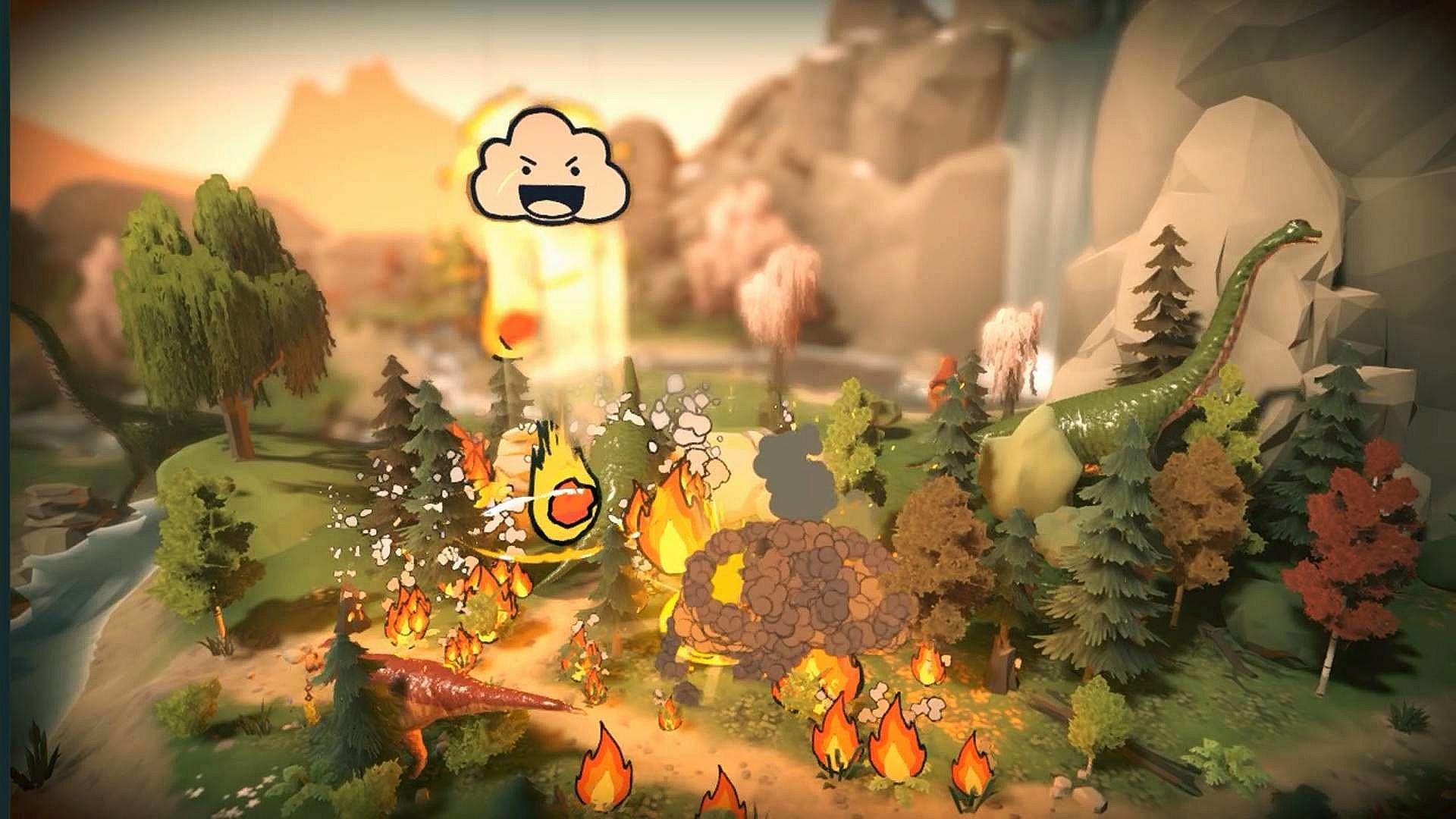
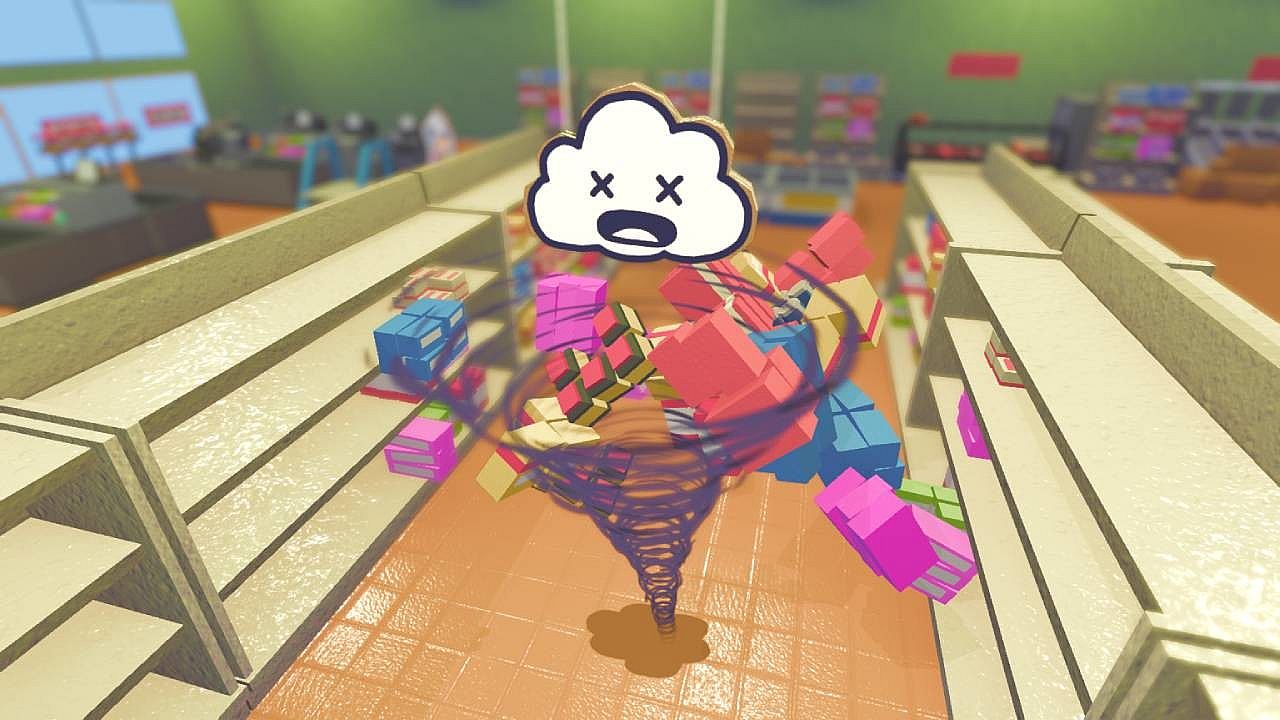
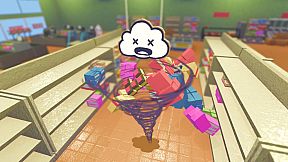
Advancement unlocks additional weather based tools that expand the range of possible interactions. These include thunder and lightning for startling reactions and starting fires, tornadoes for pulling in loose objects, explosive rain for creating blasts, and larger scale effects like falling meteors. Each new ability integrates with existing ones to form more elaborate sequences of chaos.
The progression system rewards exploration of level layouts to locate opportunities for ability use. Stages often contain hidden elements or alternative routes that become accessible only after certain powers are obtained, encouraging players to revisit earlier areas with expanded options.
Customization and Presentation
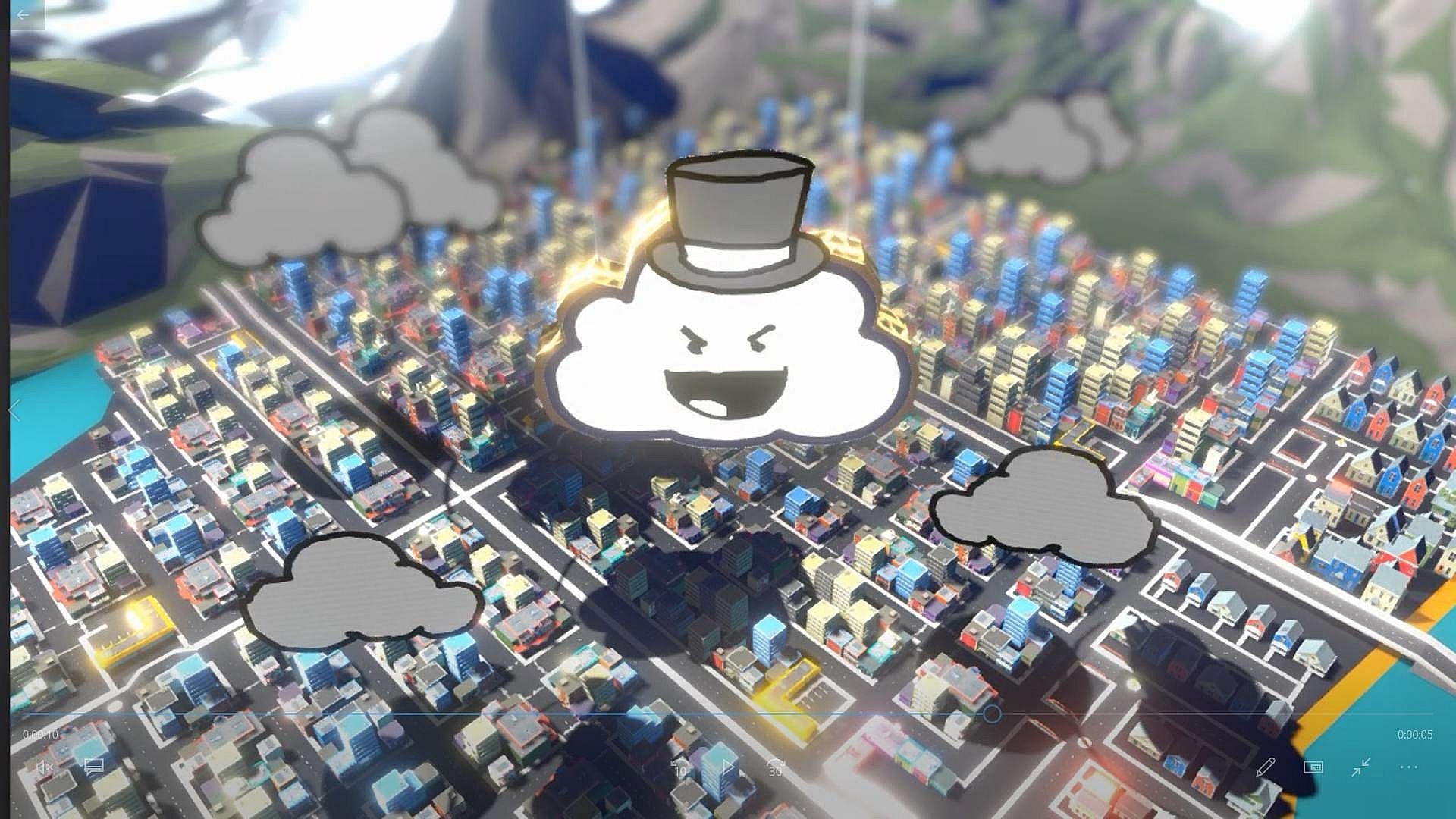
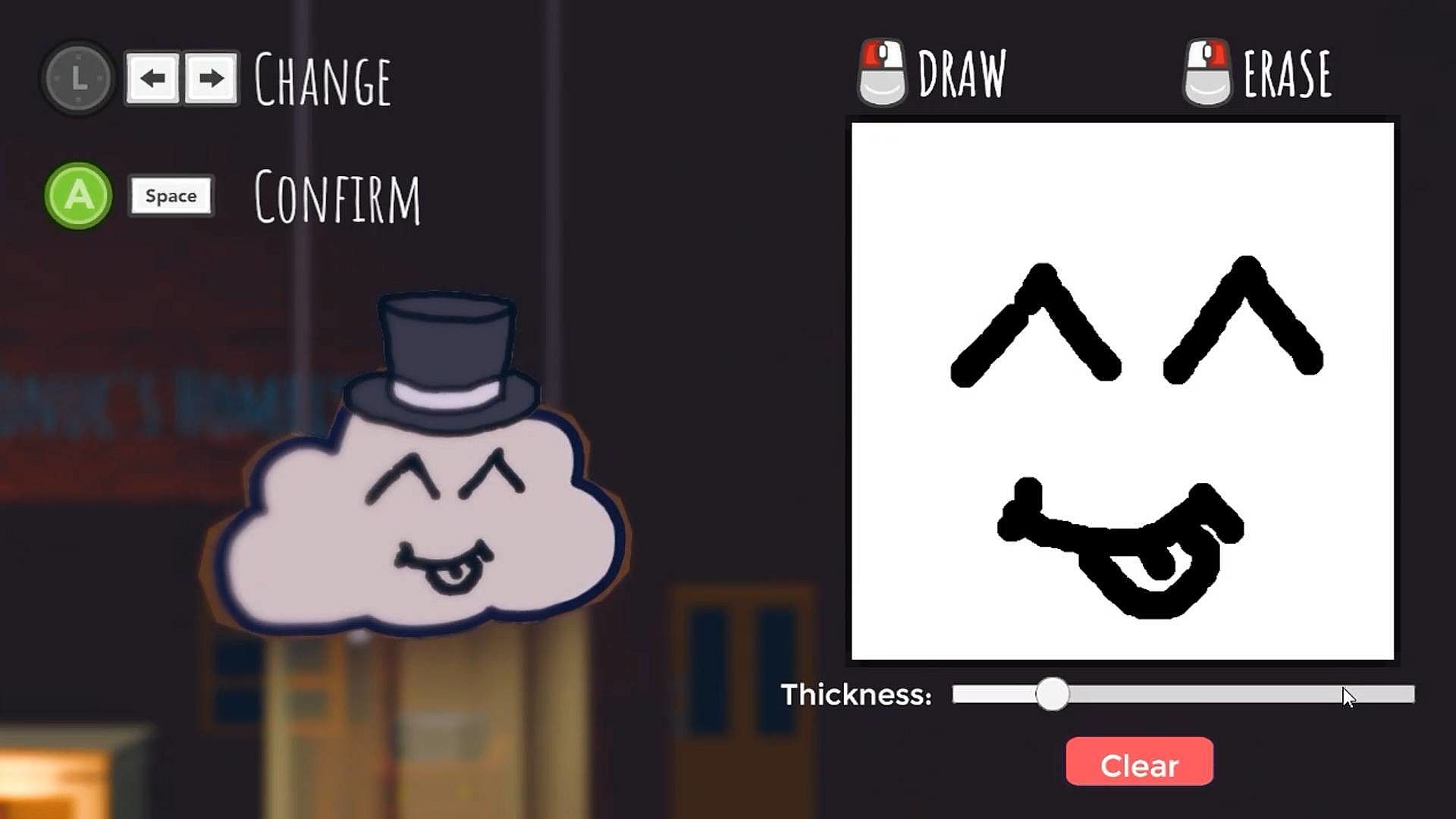
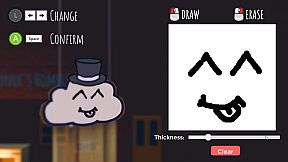
Players can personalize the cloud by drawing a custom face and selecting from various hats before entering levels. This visual tweak carries through the entire experience without altering core mechanics. The presentation features bright, cartoonish visuals paired with an upbeat soundtrack that matches the lighthearted tone of the disruptions.
Environments are rendered in a simple yet expressive style that highlights the effects of weather on characters and objects. Sound design emphasizes the contrast between calm scenes and sudden outbursts of rain or thunder, reinforcing the comedic intent behind each action.
Is It Worth Playing?
Player feedback on the game has been overwhelmingly positive, with 96 percent of reviews rating it favorably. The experience appeals to those who enjoy short, self contained puzzle sessions focused on creative problem solving rather than high pressure competition or long campaigns. Its accessible controls and escalating absurdity make it suitable for casual play sessions where experimentation drives the enjoyment.
The level variety and ability progression provide consistent novelty without requiring multiplayer components or ongoing seasonal content. Those drawn to single player titles that blend light puzzle elements with humorous simulation will find the structure rewarding, particularly if they appreciate games built around causing controlled disorder in everyday scenarios.