













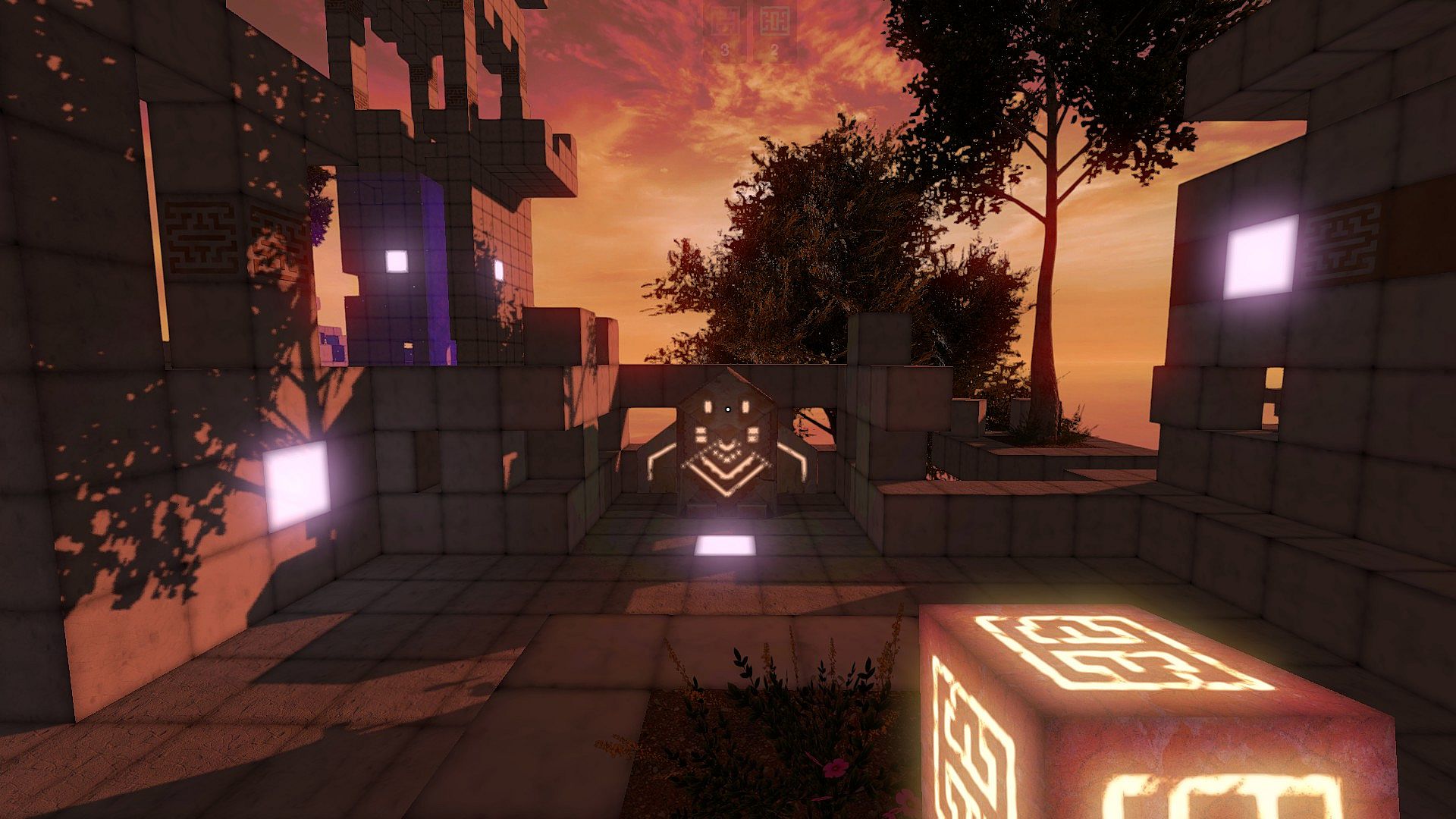
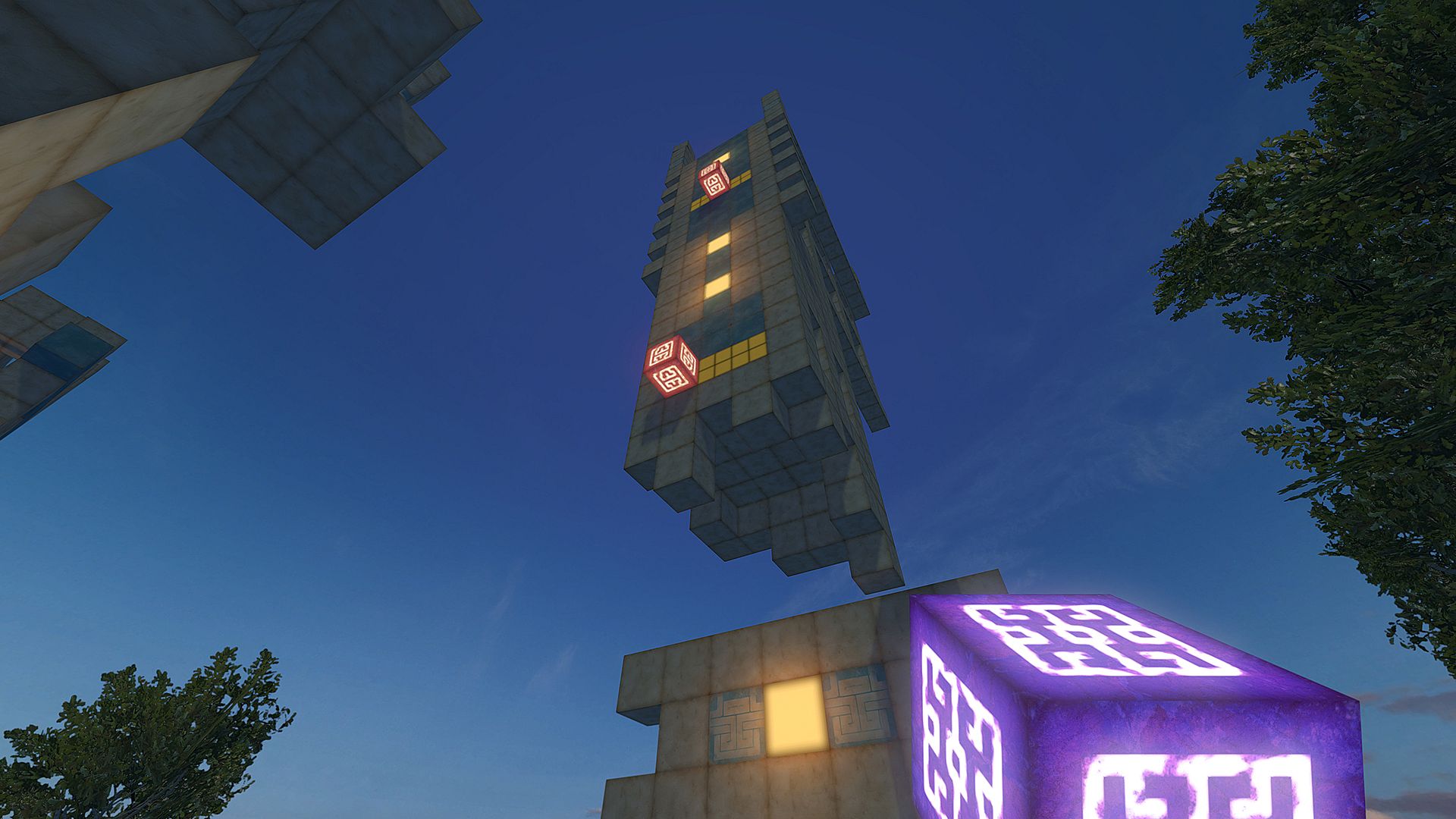
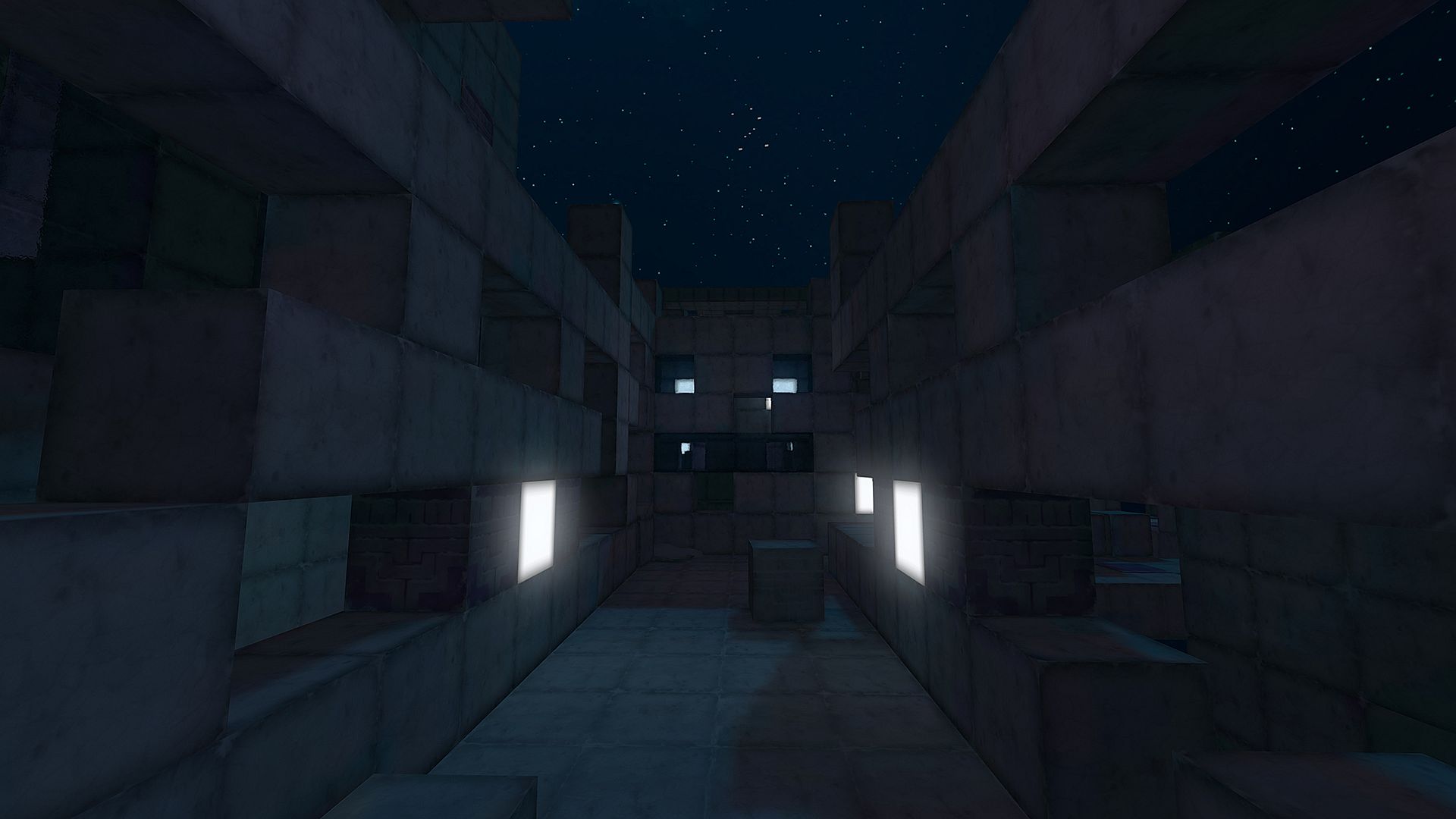
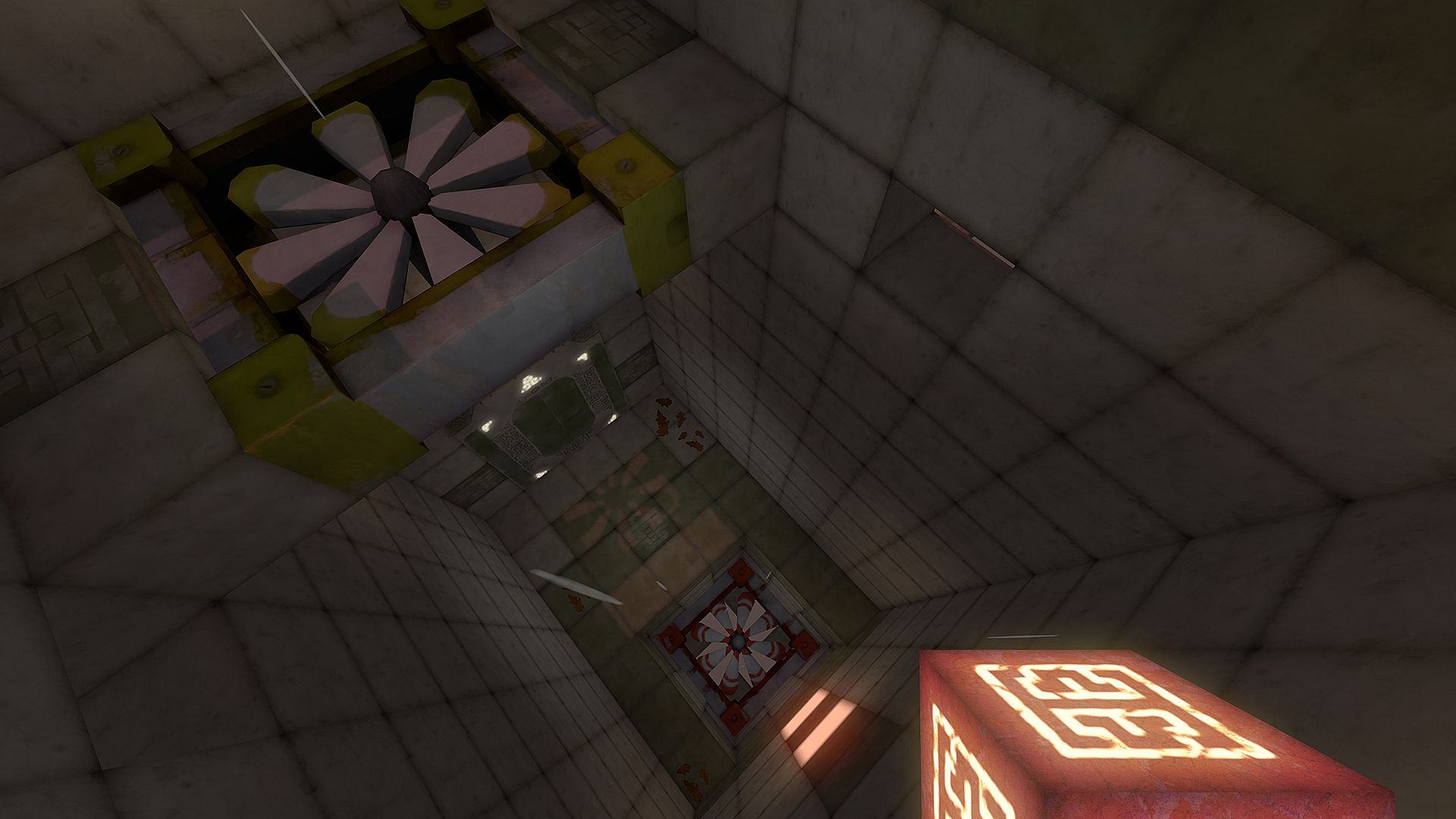
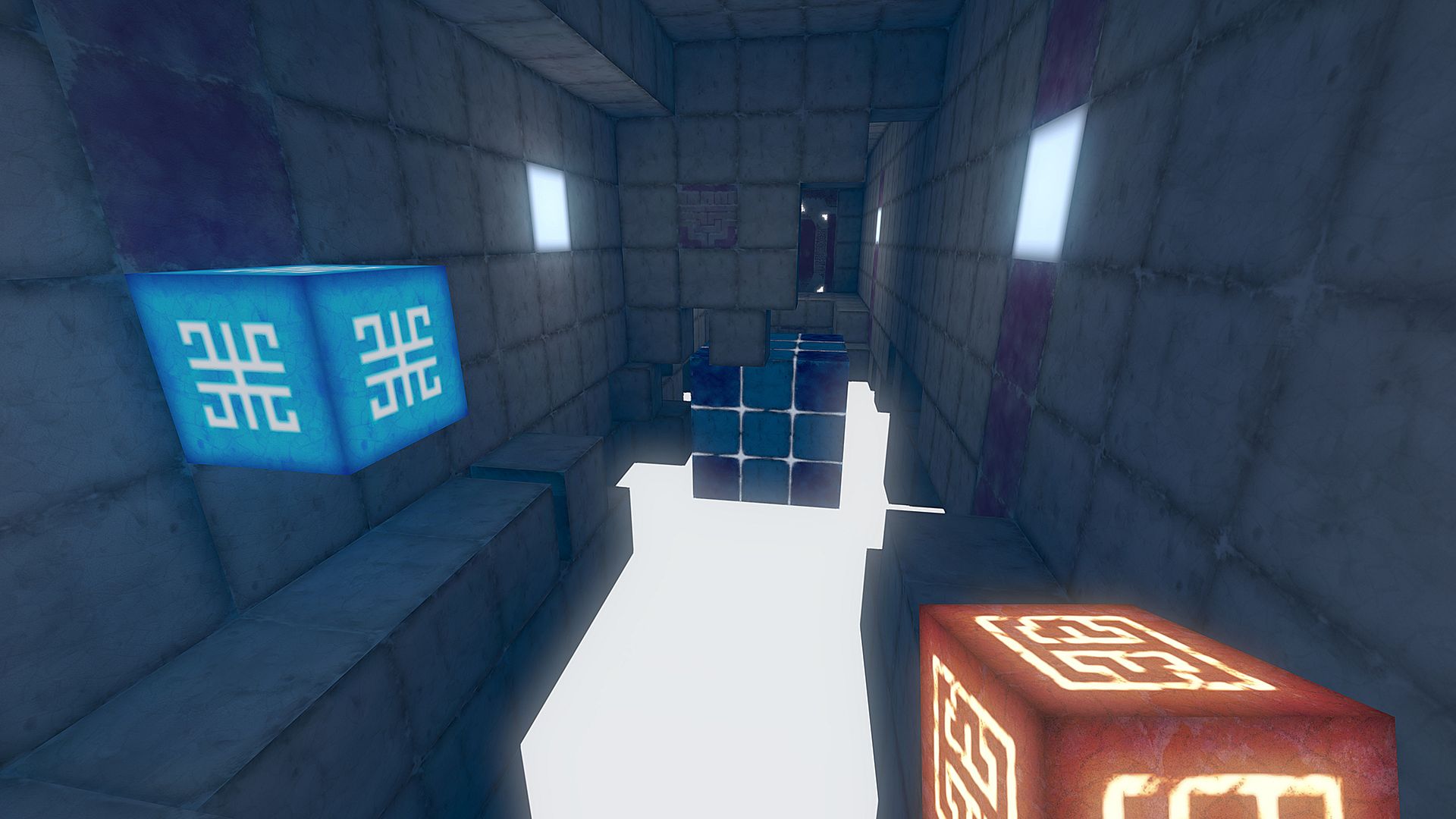
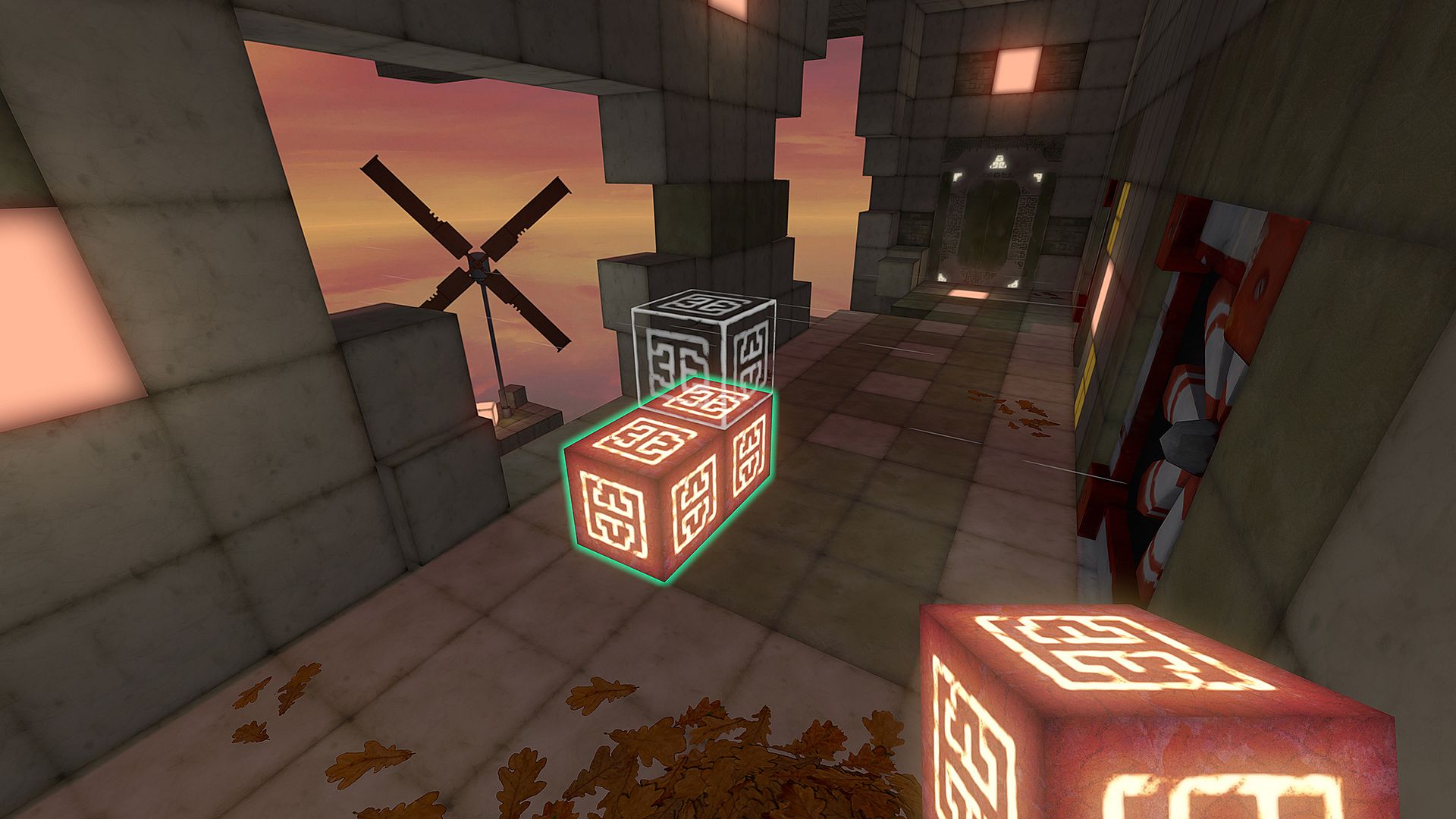
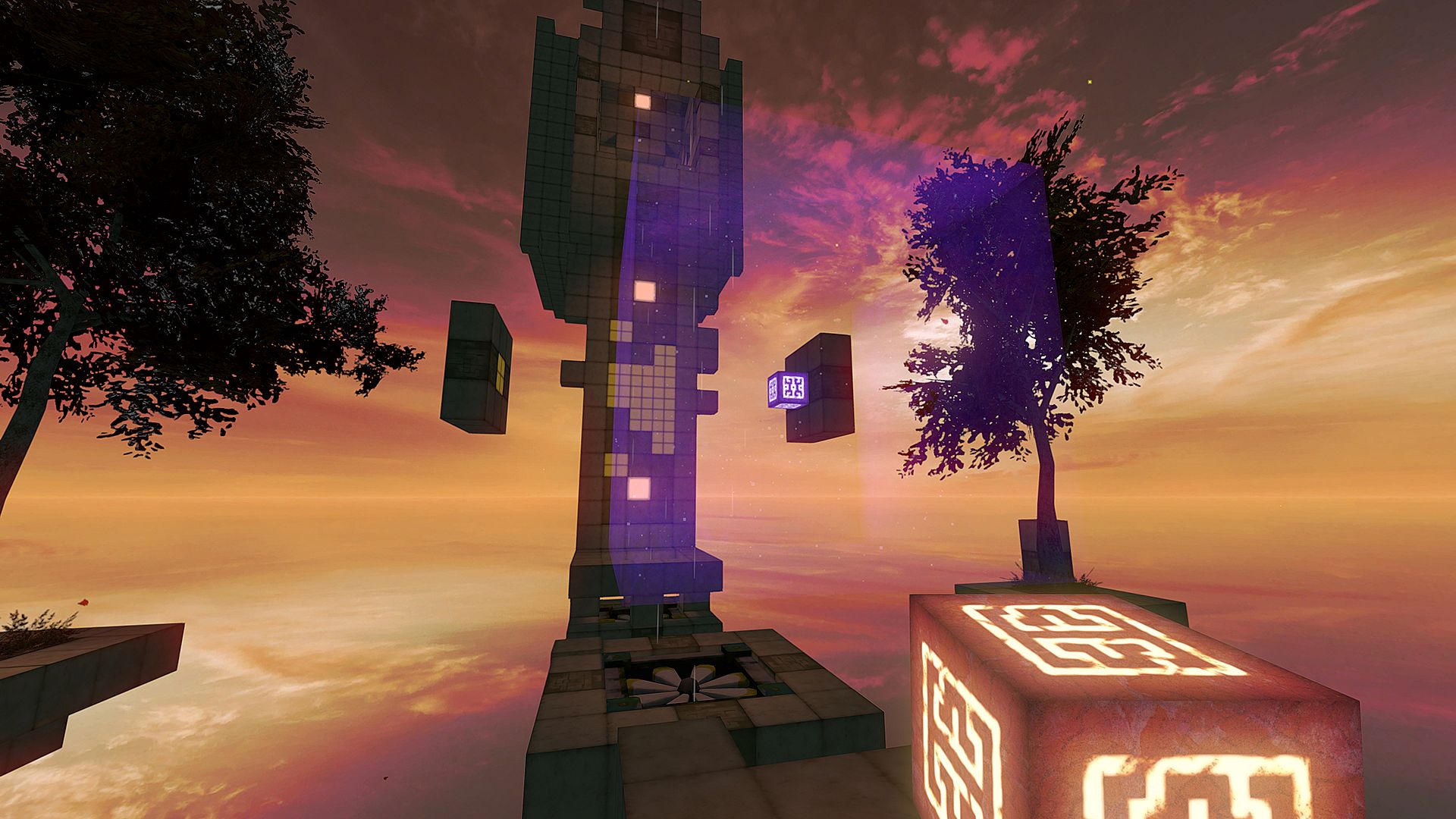
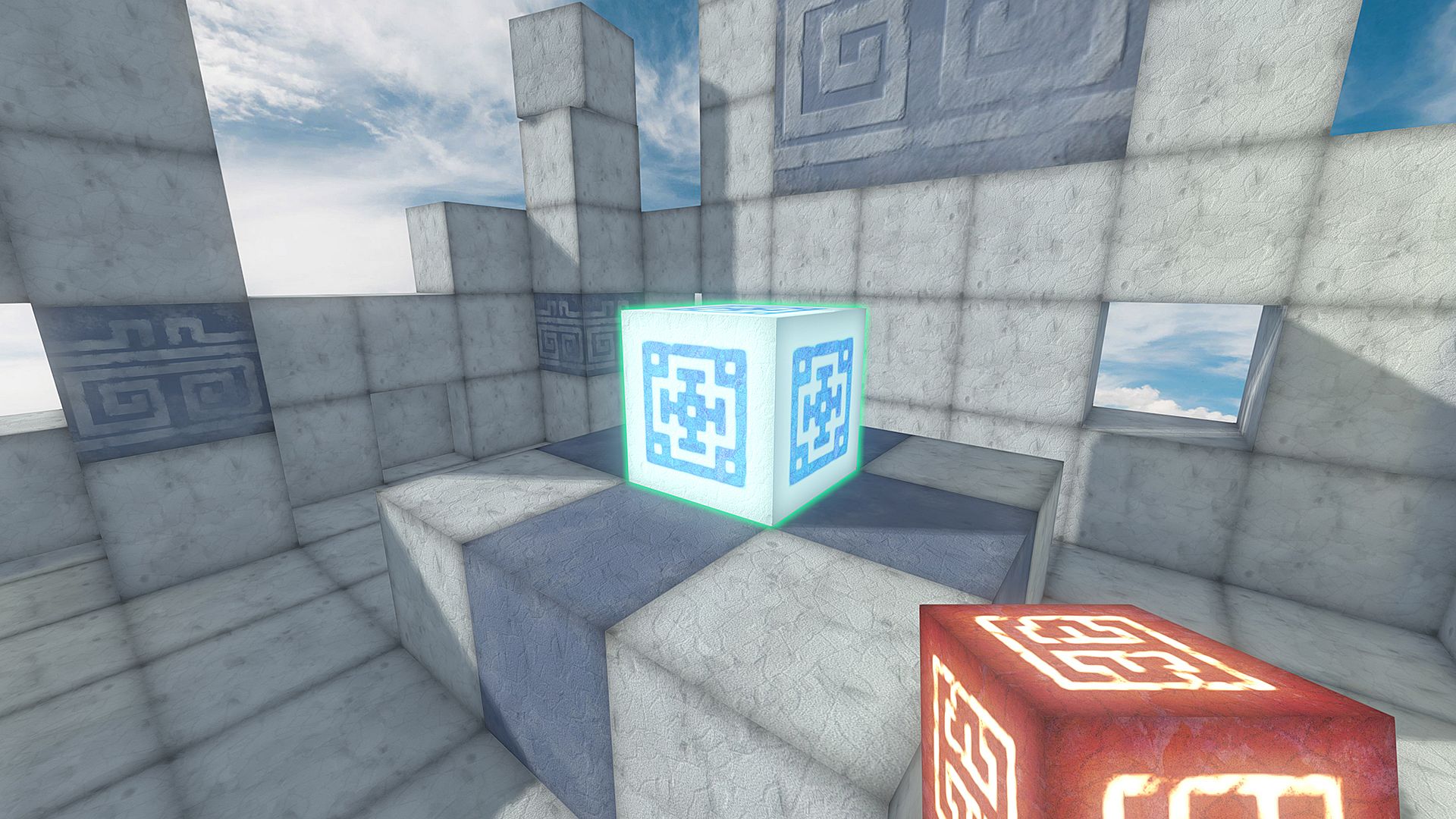
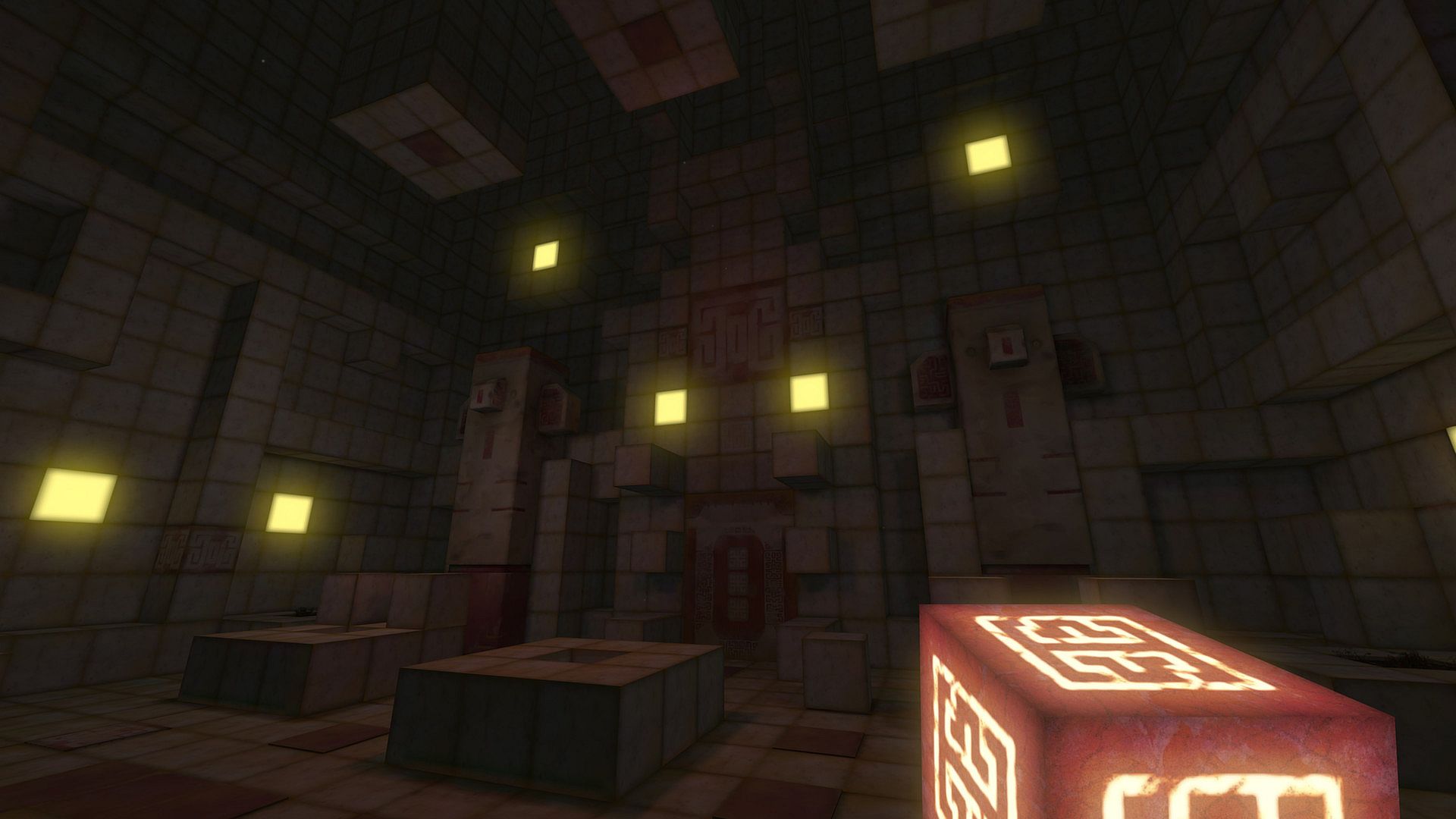
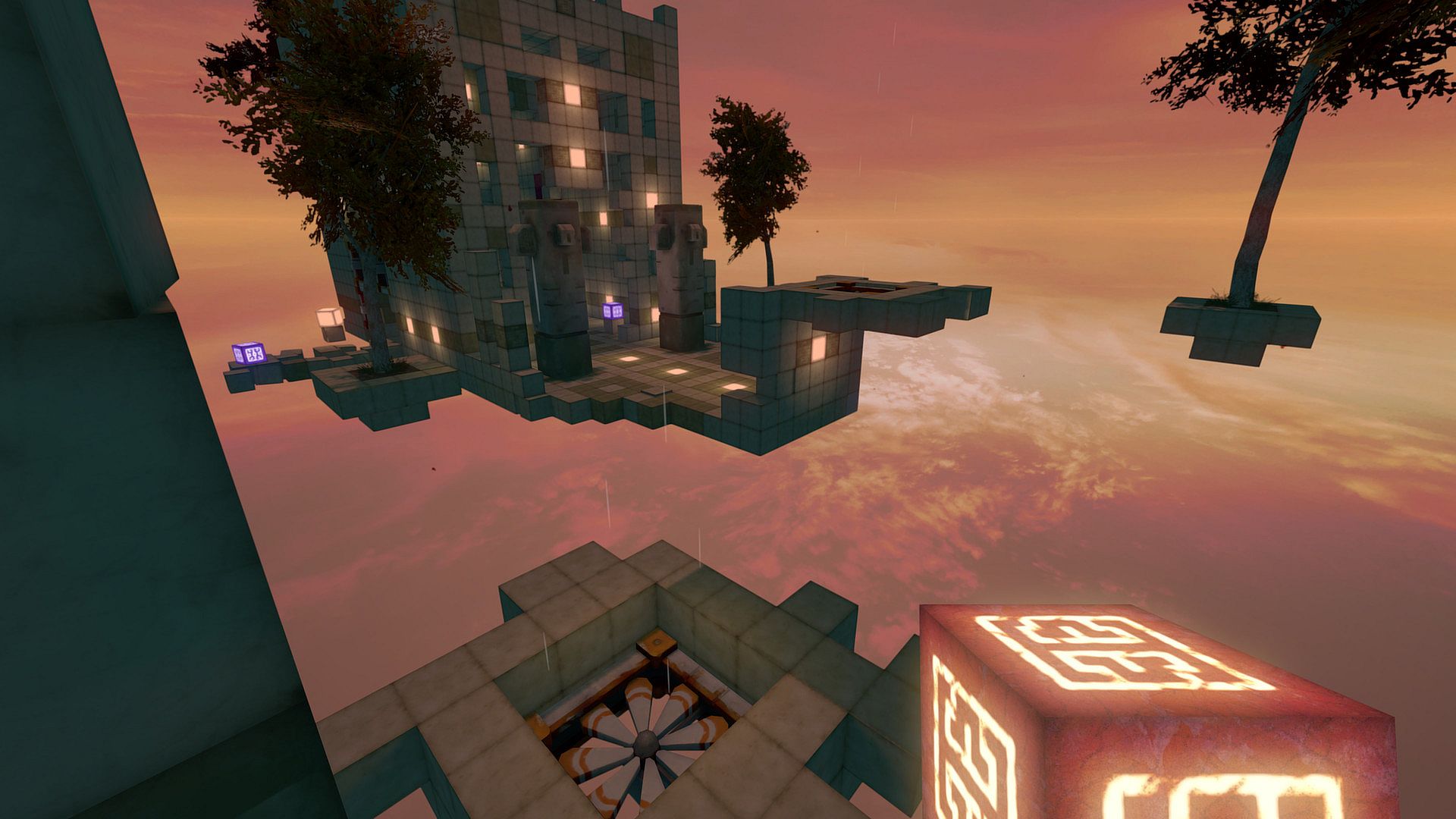
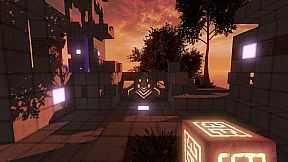
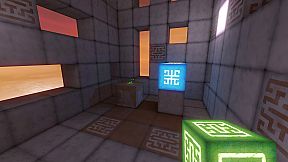
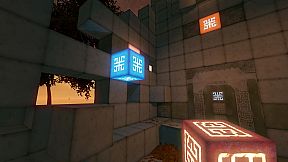
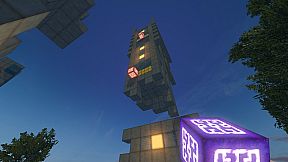
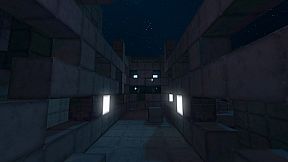
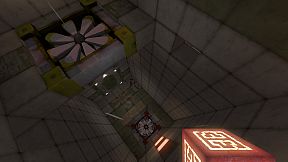
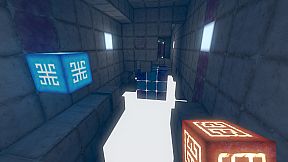
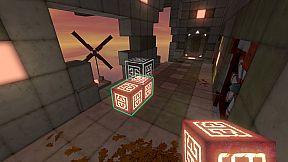
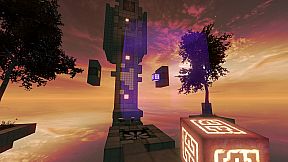
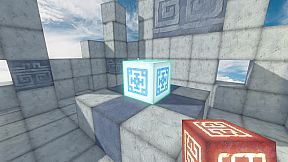
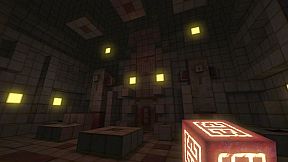
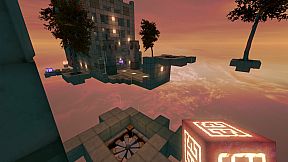
Qbeh-1: The Atlas Cube is a first-person puzzle platformer developed by Liquid Flower for PC. The game serves as a prequel to an earlier student project and expands on its core ideas with refined mechanics and additional features. Players navigate a series of distinct worlds, each presenting its own set of environmental challenges and hidden elements that encourage careful observation and experimentation.
Gameplay
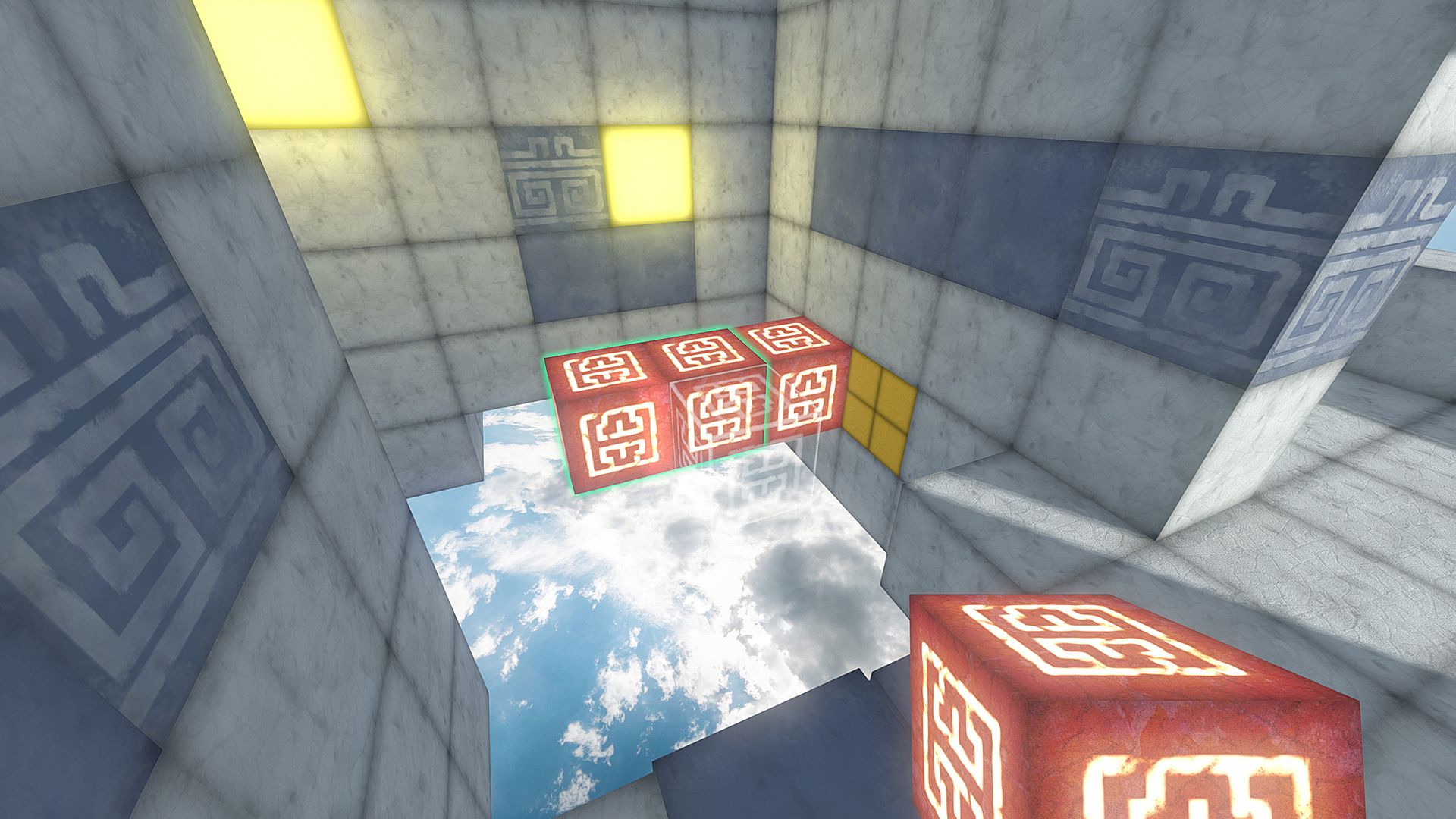
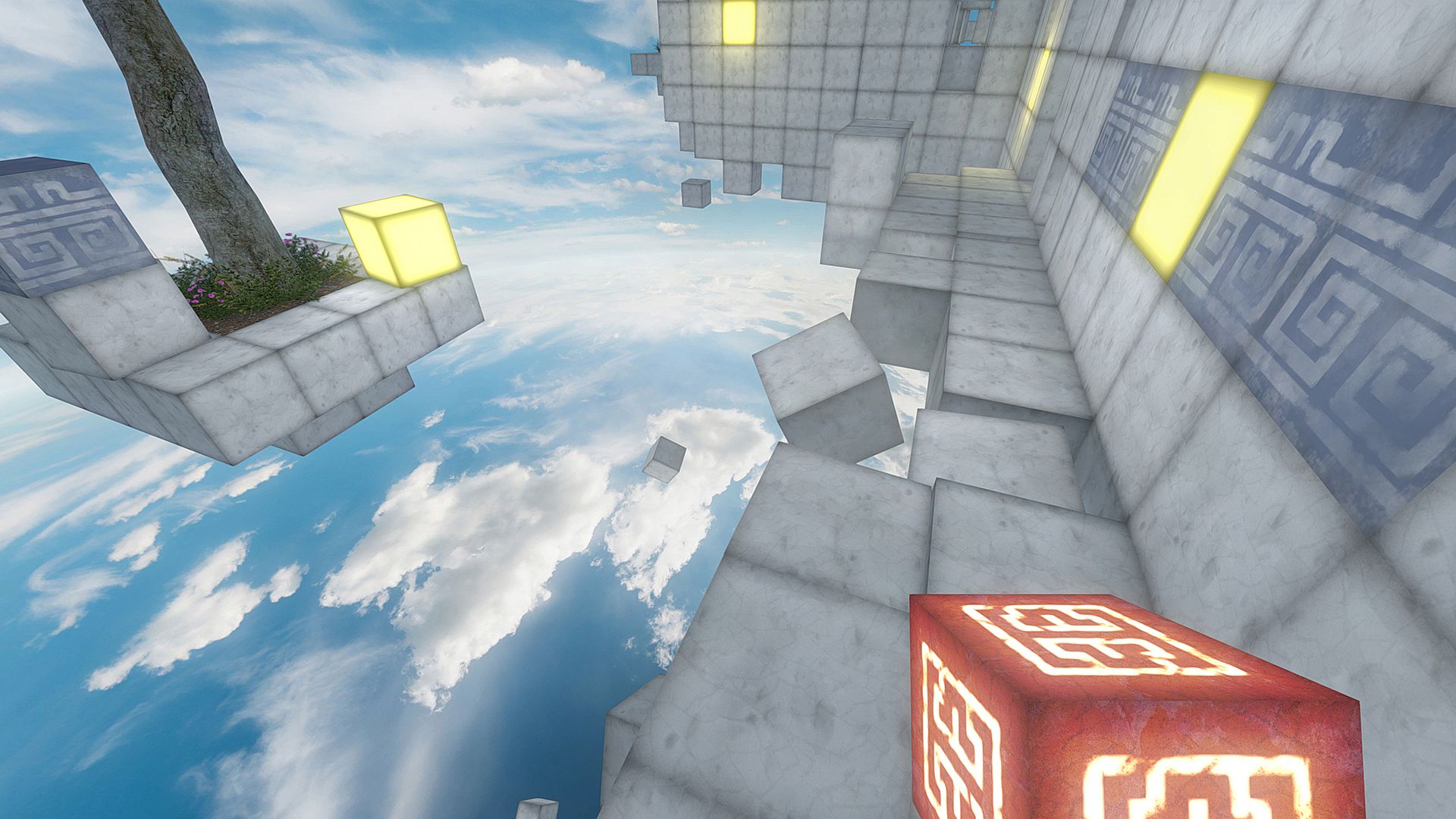
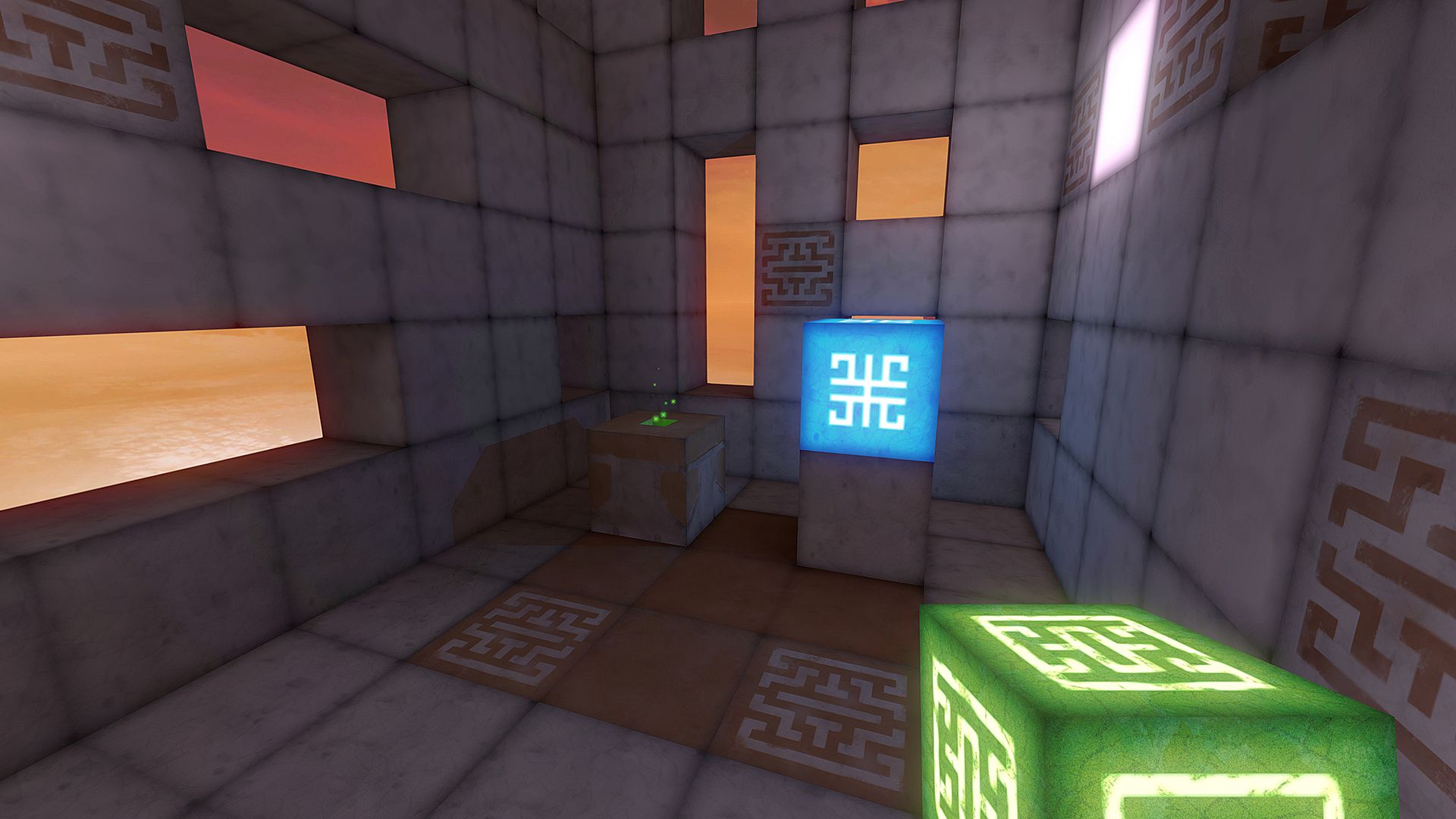
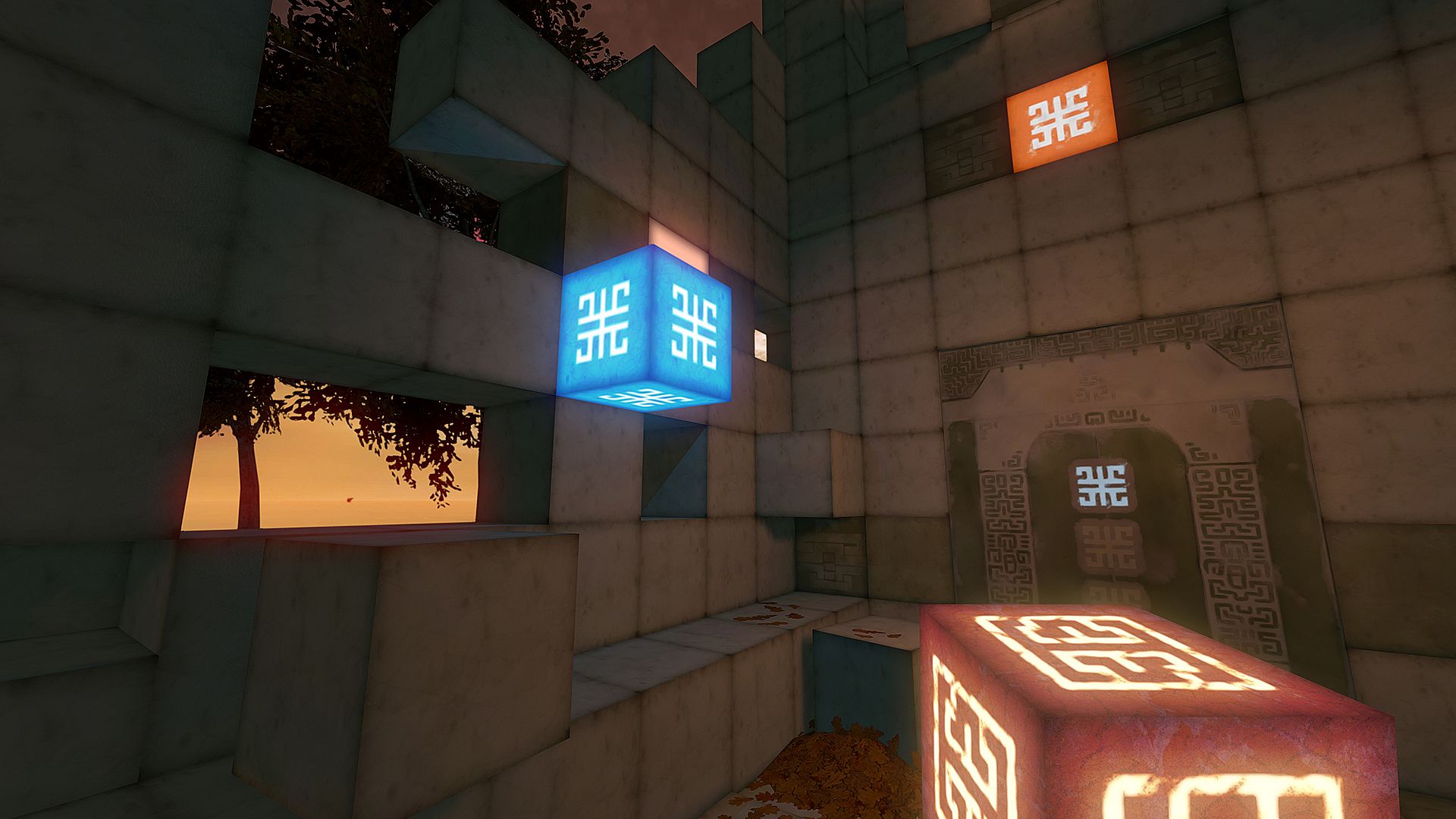
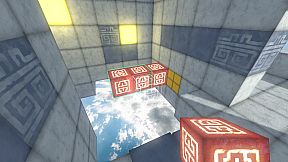
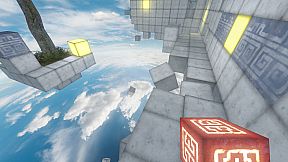
The central loop revolves around locating and utilizing specialized cubes scattered across each environment. These cubes function in different ways depending on their type. Basic building blocks provide stable platforms for reaching higher or distant areas. Energy cubes activate mechanisms or power specific devices. Gravity manipulators alter the direction of pull, allowing players to walk on walls or ceilings. Force cubes deliver propulsion to launch the character across gaps or upward.
Progression requires collecting these cubes and positioning them strategically to open paths toward portals that lead to subsequent areas. Many puzzles incorporate multiple cube types in sequence, demanding precise placement and timing. Platforming sections appear alongside the puzzle elements, with jumps, climbs, and momentum-based movement integrated into the level design. Alternate routes and concealed alcoves reward thorough exploration, often revealing additional cubes or visual clues that contribute to the overall narrative presented through environmental imagery rather than direct text or dialogue.
Each world contains six levels built around a consistent theme. These themes influence both the visual style and the dominant puzzle mechanics, creating variety while maintaining a cohesive atmospheric tone. The experience emphasizes deliberate pacing, with time spent examining surroundings and testing cube interactions before committing to a solution.
Game Modes
The primary mode follows a linear sequence of worlds and levels that players complete by solving the cube-based puzzles and reaching each portal. This structure forms the main campaign, where discovery of secrets and alternate paths adds replay value within the fixed levels.
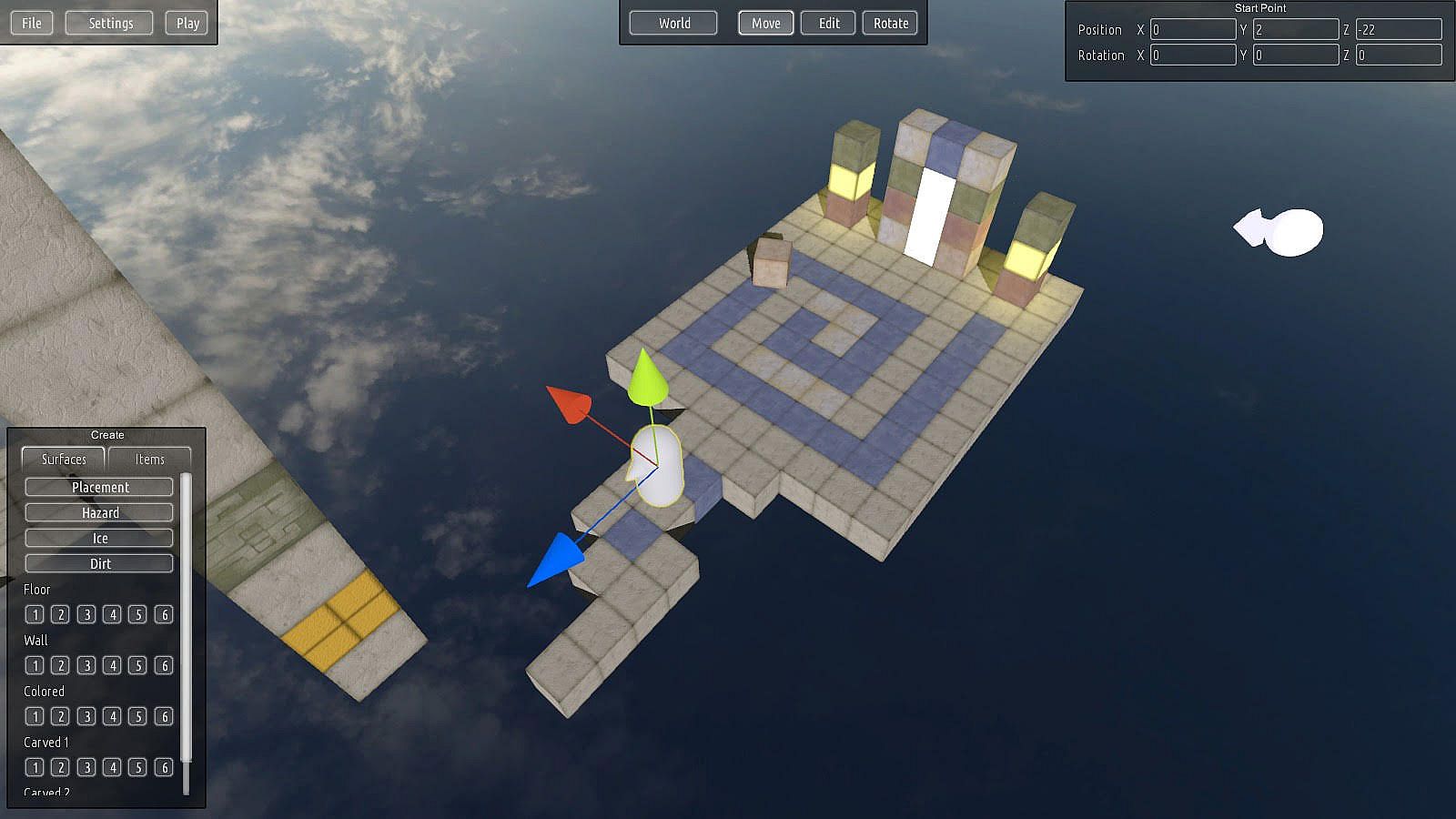
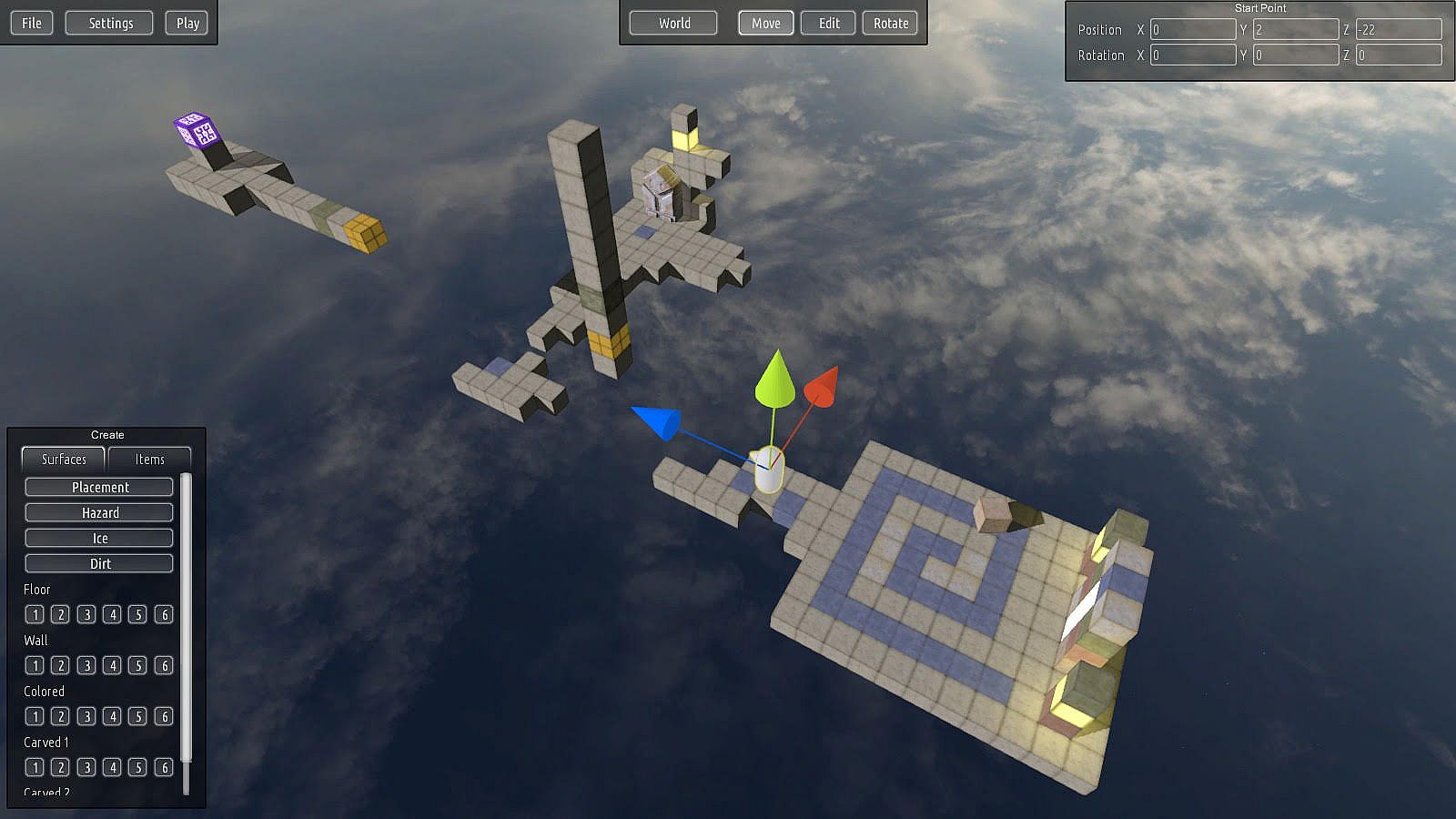
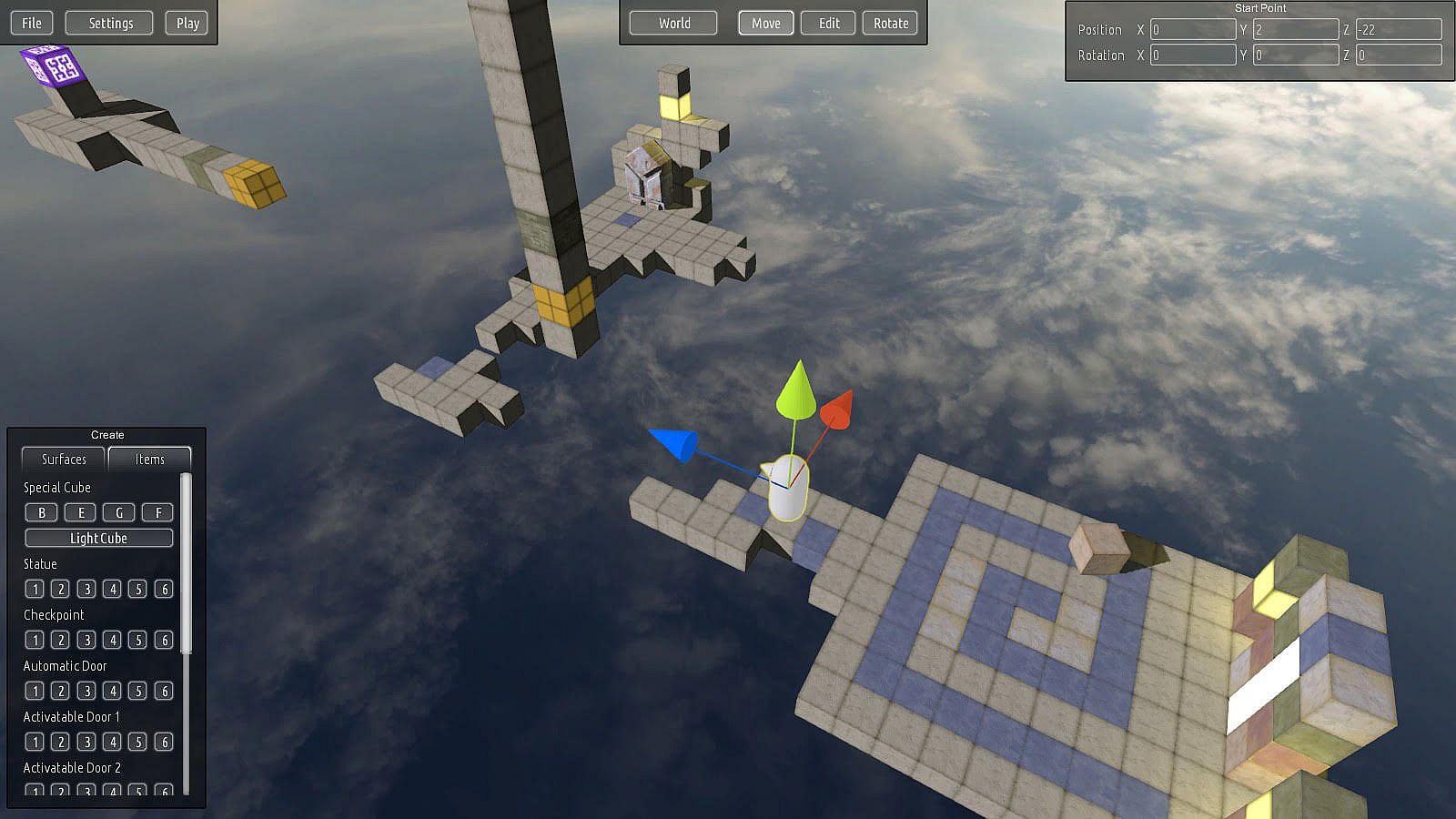
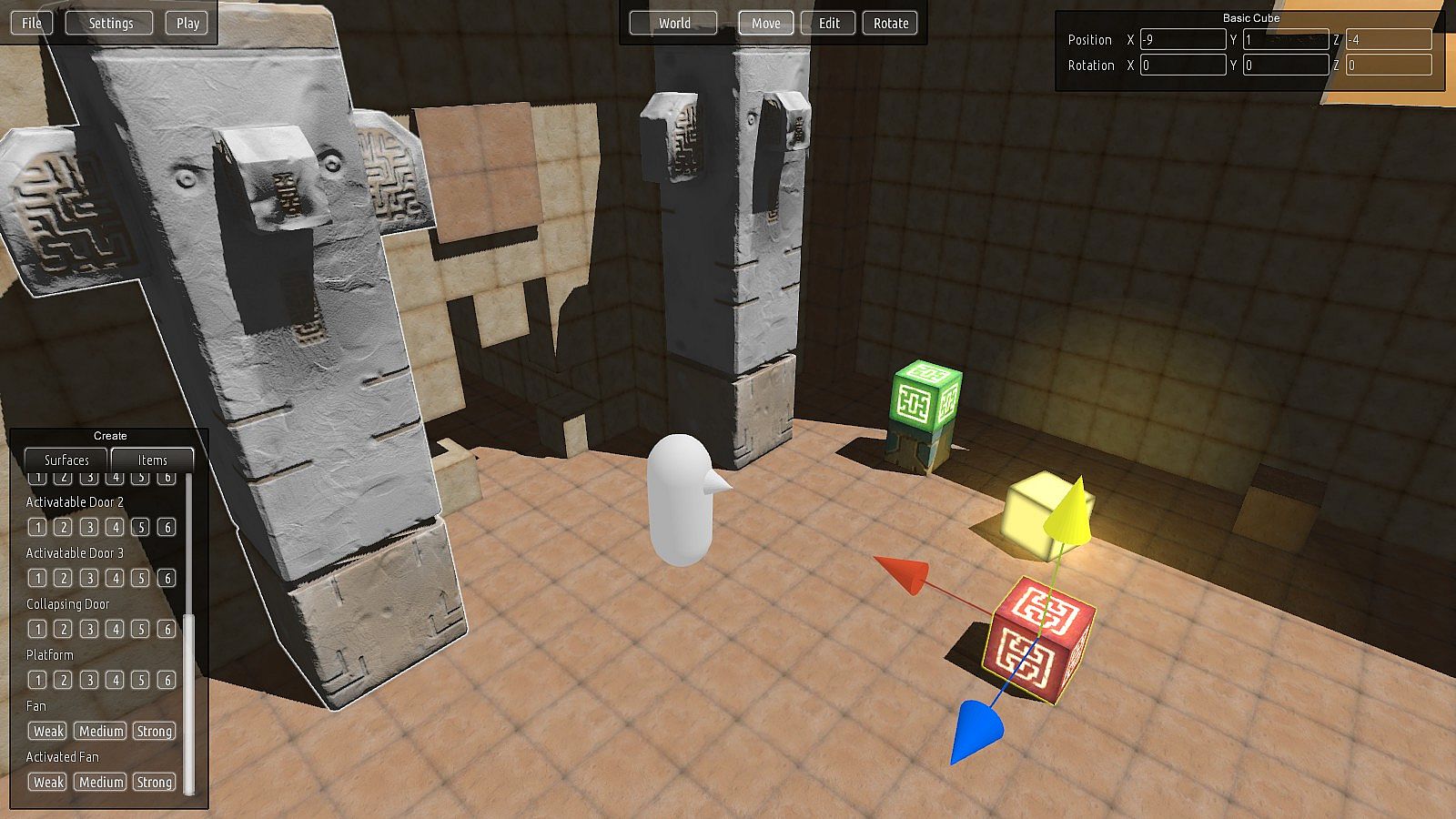
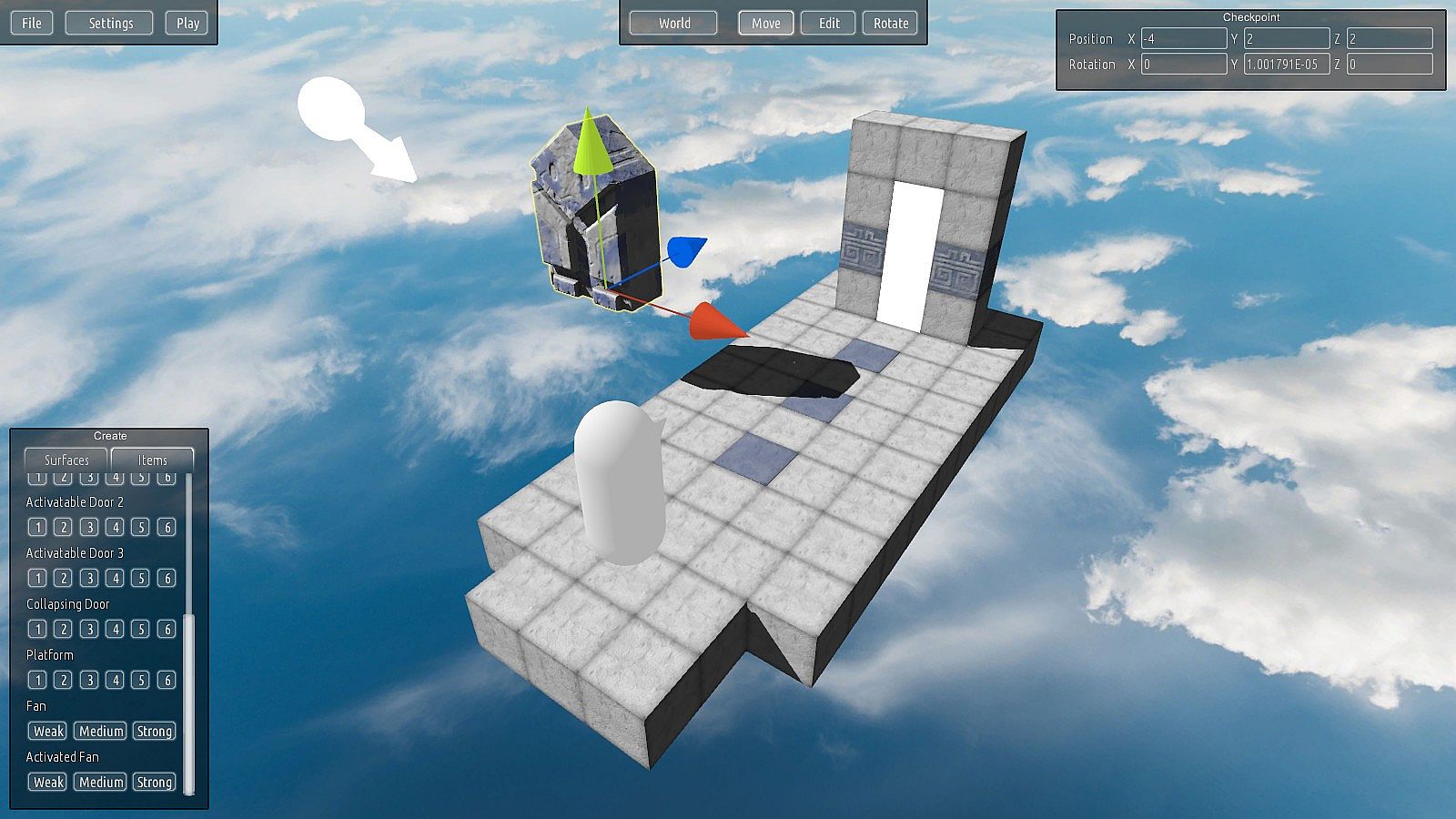
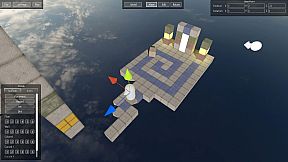
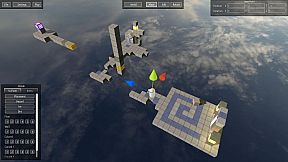
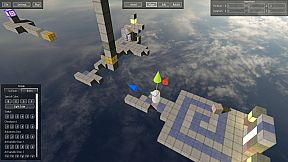
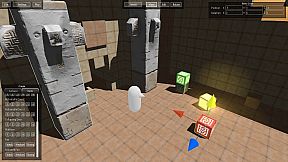
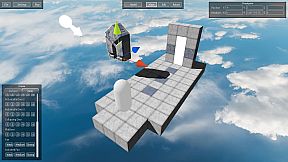
A separate creation and sharing system operates through the built-in level editor. Users construct custom levels by selecting from available world styles and combining elements from different themes. Available tools include placement of doors, switch-activated barriers, moving platforms, and fans. Special cubes such as basic, energy, gravity, and force variants can be added, along with geometry blocks for walls and floors in matching styles. Objects can be moved, resized where applicable, and rotated. Lighting adjustments, light-emitting cubes, skybox selection, and background music choices from the game's tracks further customize the environment. Levels can be tested directly in the editor before being shared for others to download and play.
World Design and Progression
Worlds differ in their aesthetic and mechanical focus, yet all maintain the same six-level structure. This consistency helps players understand the scope of each area while the unique themes prevent repetition. Secrets often tie into the interpretive story, using visual storytelling to suggest a larger context without explicit exposition. The design encourages backtracking and multiple approaches to the same objective, as cube placement can sometimes open unexpected connections between sections.
Platforming challenges integrate with the puzzle elements rather than standing alone. Momentum from force cubes or altered gravity frequently combines with jumps and precise landings. This blending keeps the action varied across the campaign without introducing unrelated mechanics.
Audio and Presentation
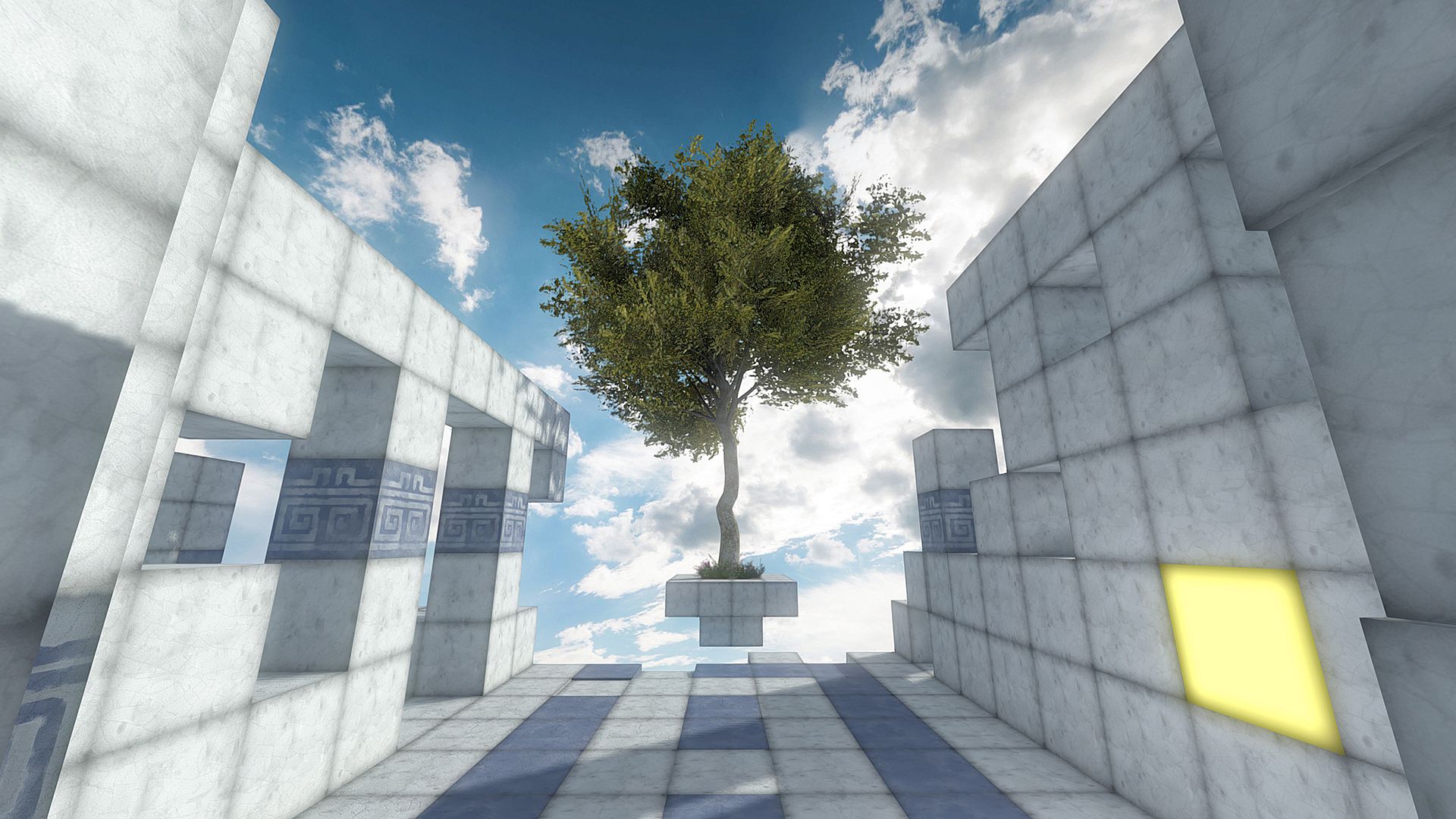
An original soundtrack supports the atmospheric quality of the worlds, with tracks selected to match the mood of each theme. Sound design emphasizes the physical interactions of cubes and the character, reinforcing the tactile feel of solving spatial puzzles. Visual presentation relies on clean geometry and lighting effects that highlight interactive elements and hidden details.
Oculus Rift compatibility extends to both DK1 and DK2 headsets, allowing an optional stereoscopic view that can enhance depth perception during platforming and cube manipulation sequences.
Is It Worth Playing?
Players interested in deliberate first-person puzzle platformers with creative construction tools will find the core loop and editor system align closely with those preferences. The campaign provides a focused single-player experience centered on cube mechanics and world exploration, while the level editor adds longevity through community-created content. Those seeking fast-paced action or competitive multiplayer elements may find the pace and scope less suited to their tastes. The game remains available on PC with its original feature set intact, including the full suite of cube types and workshop integration for ongoing level sharing.