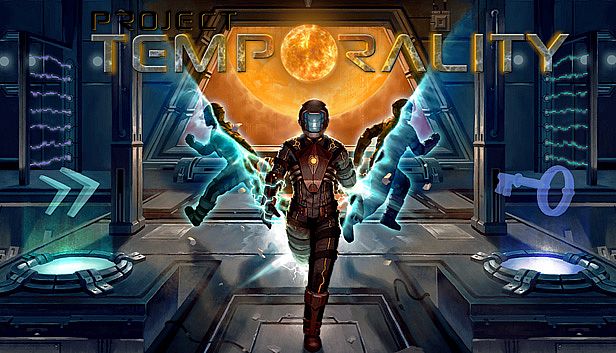

















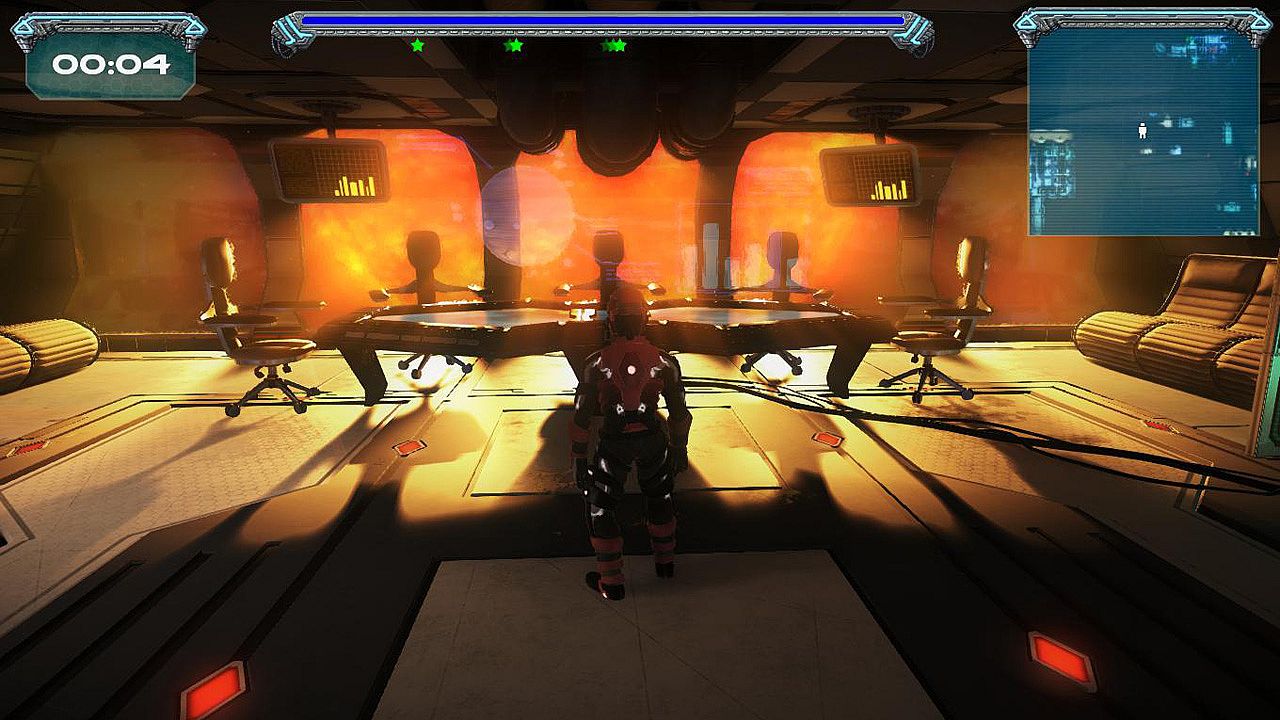

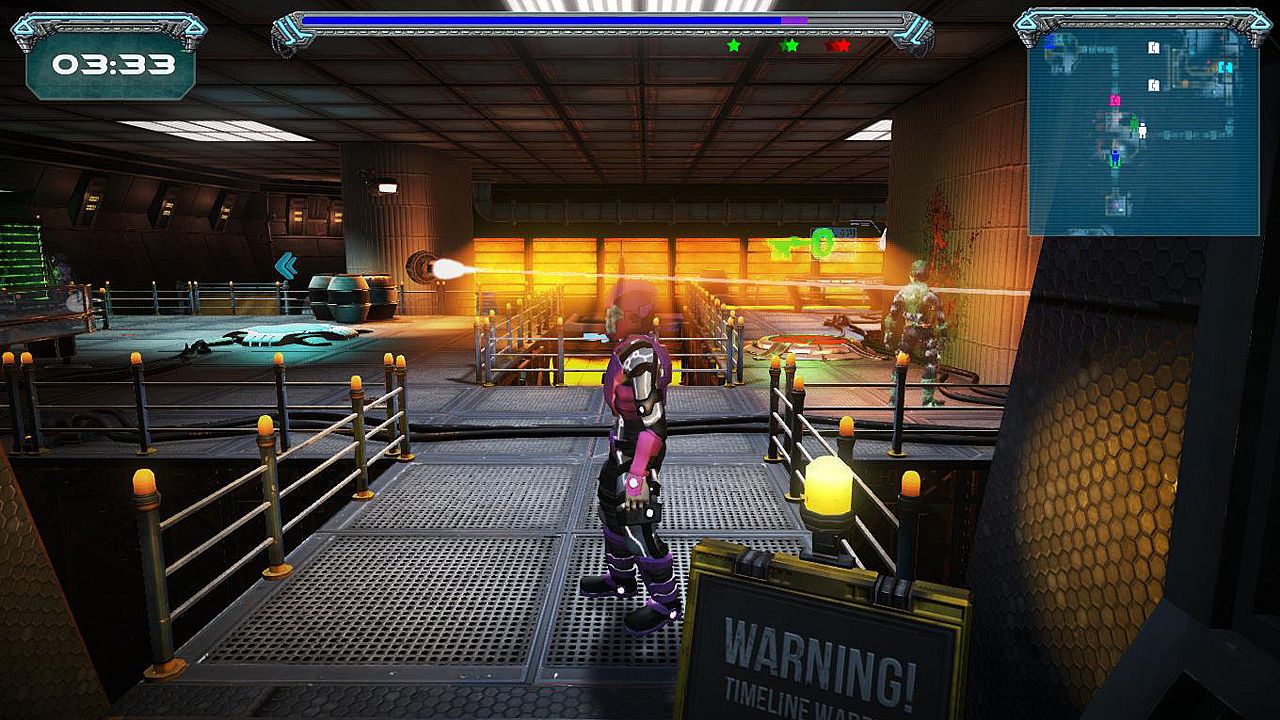
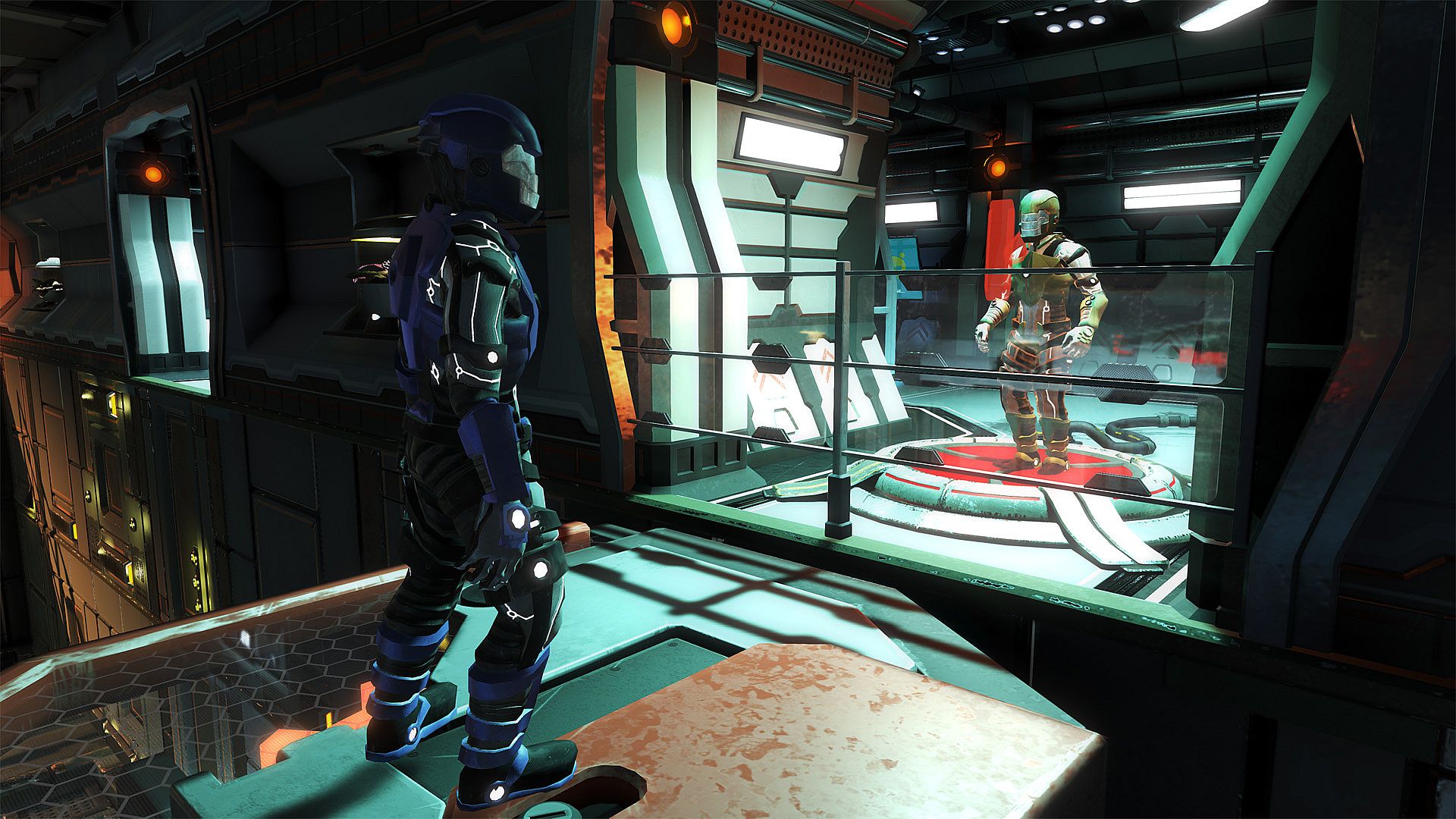
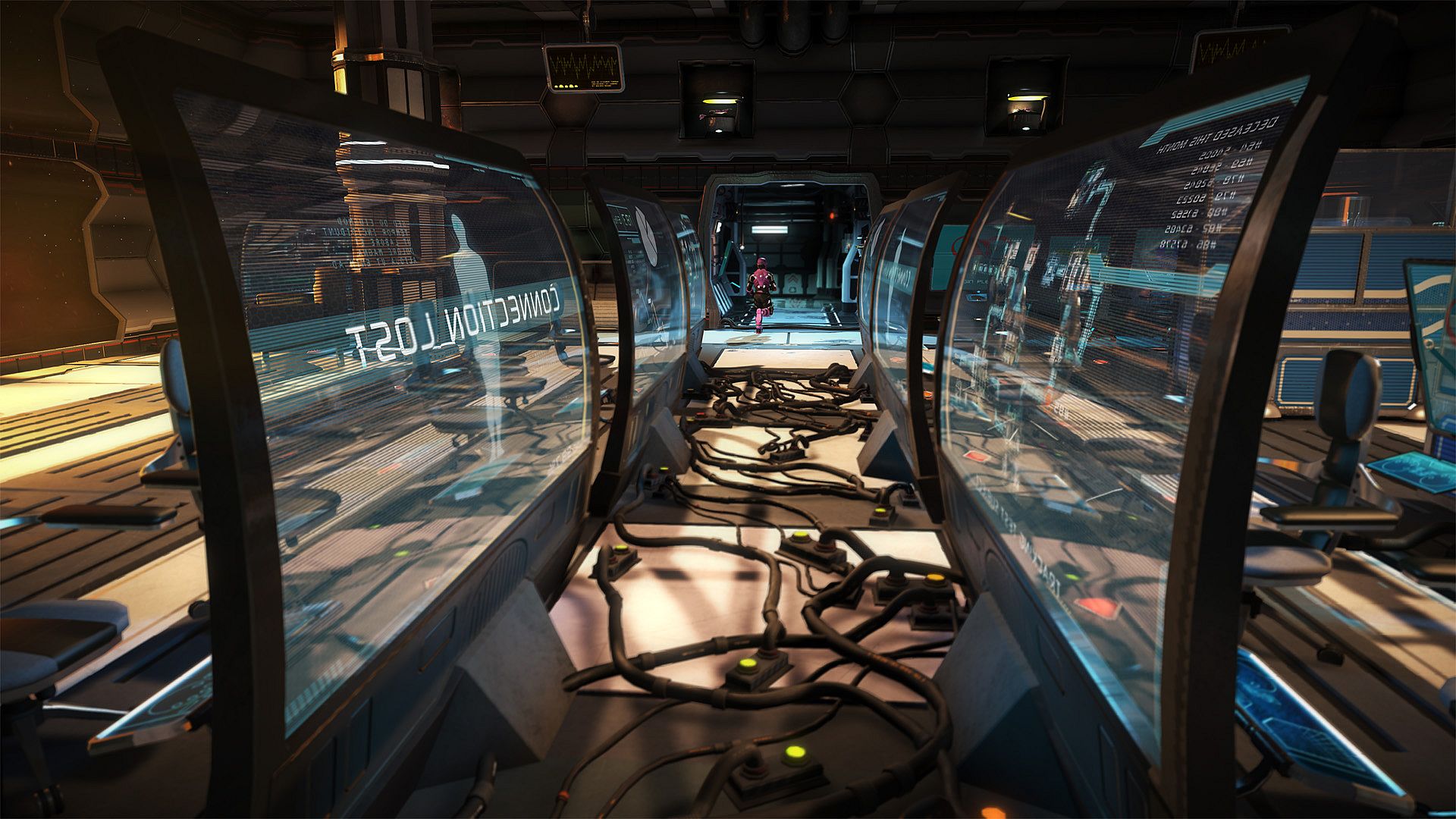
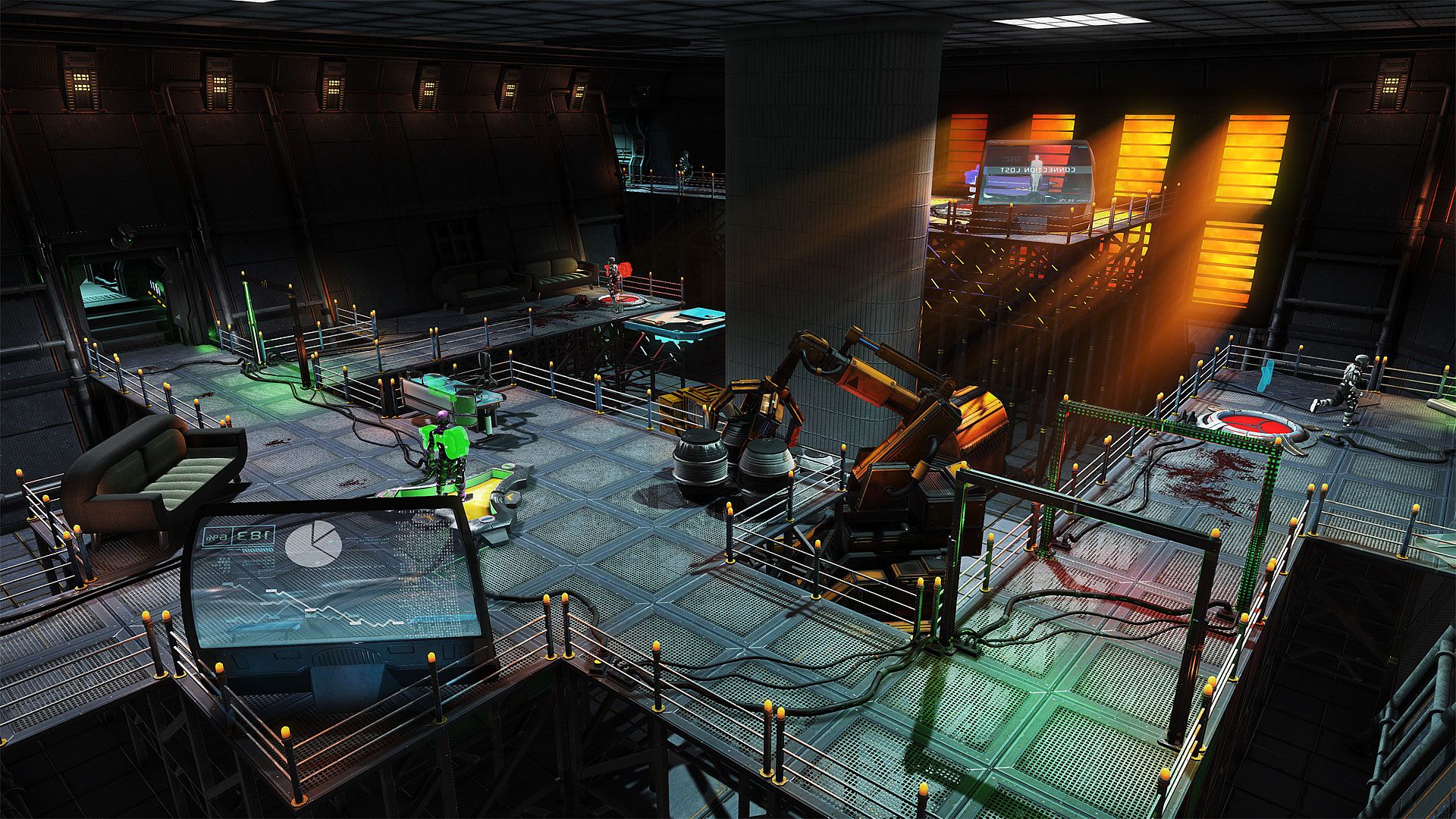
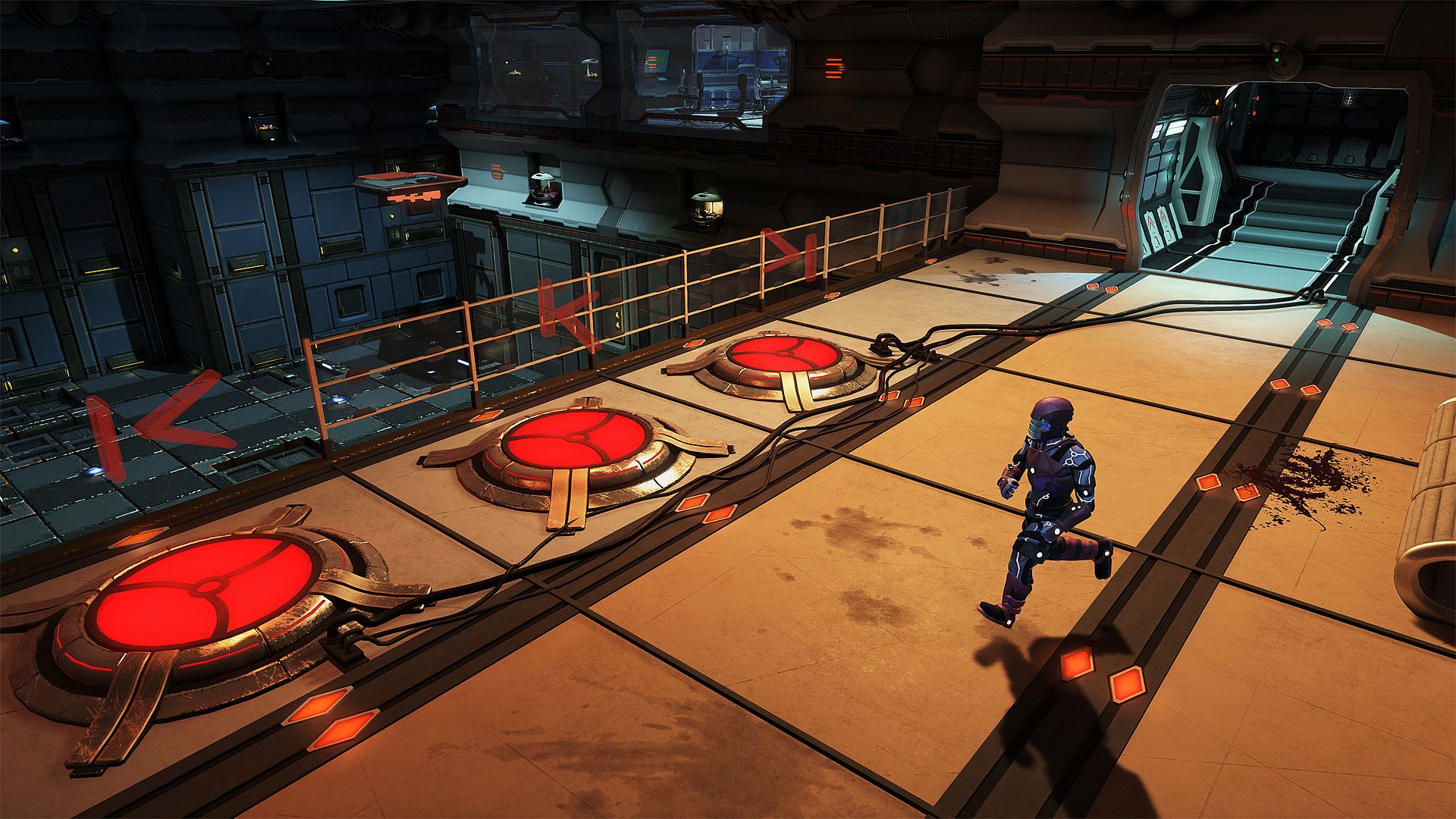
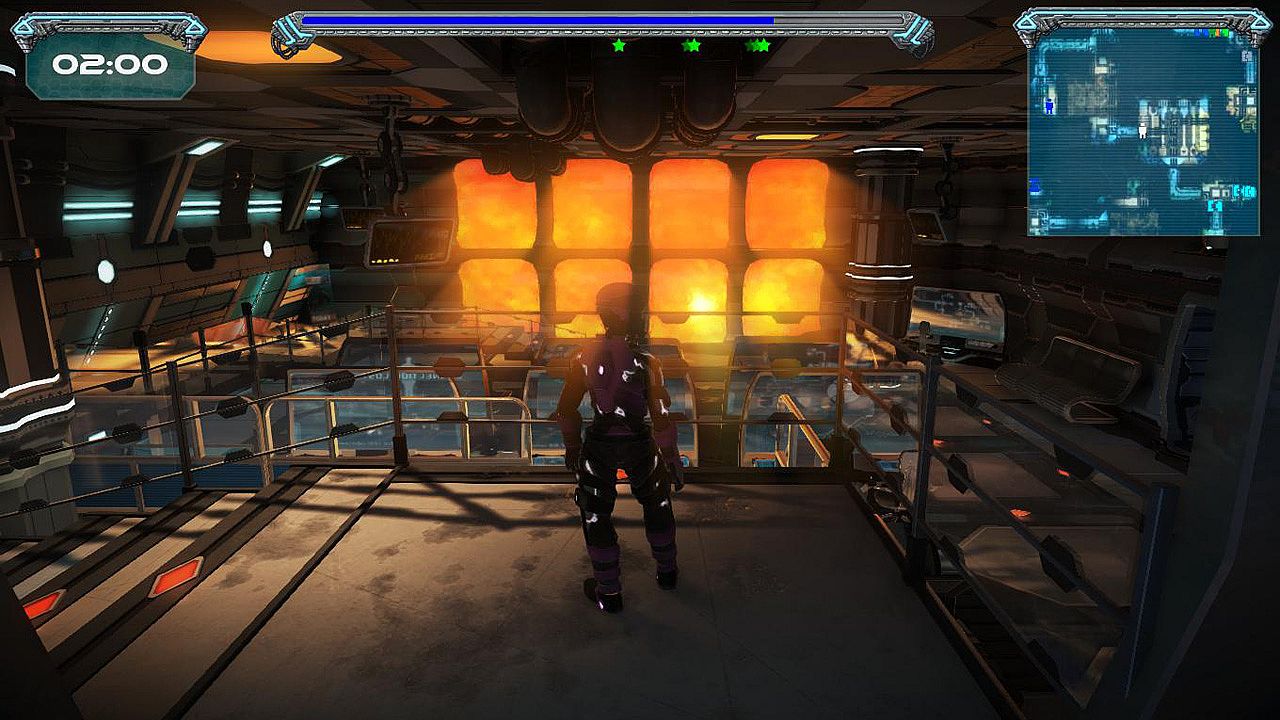
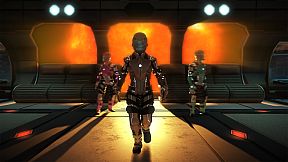
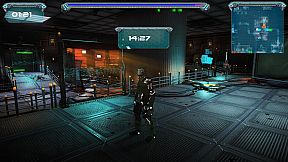
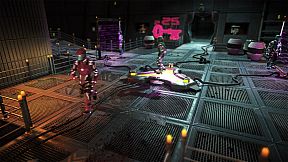
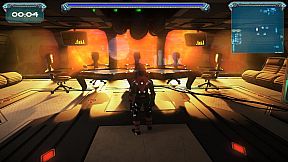
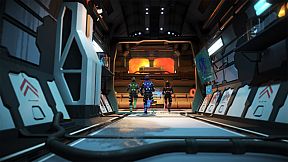

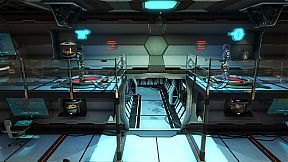
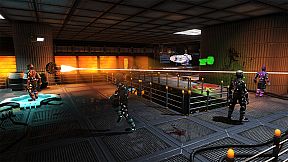
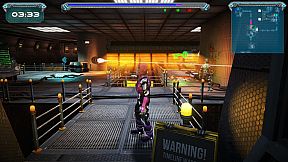
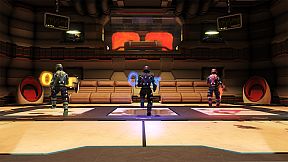
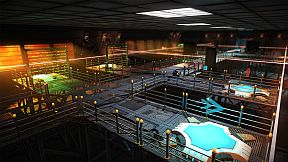
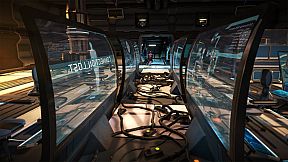
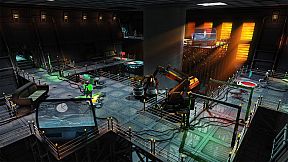
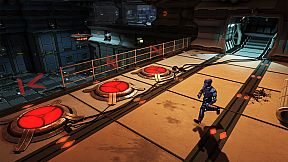
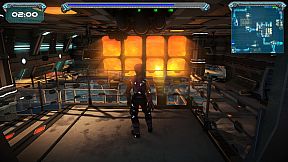
Project Temporality is a third-person action and puzzle game developed for PC that centers on time manipulation as its core mechanic. Players take on the role of Subject 87, navigating a series of test chambers in a futuristic facility while using an experimental brain implant to interact with multiple timelines.
Gameplay
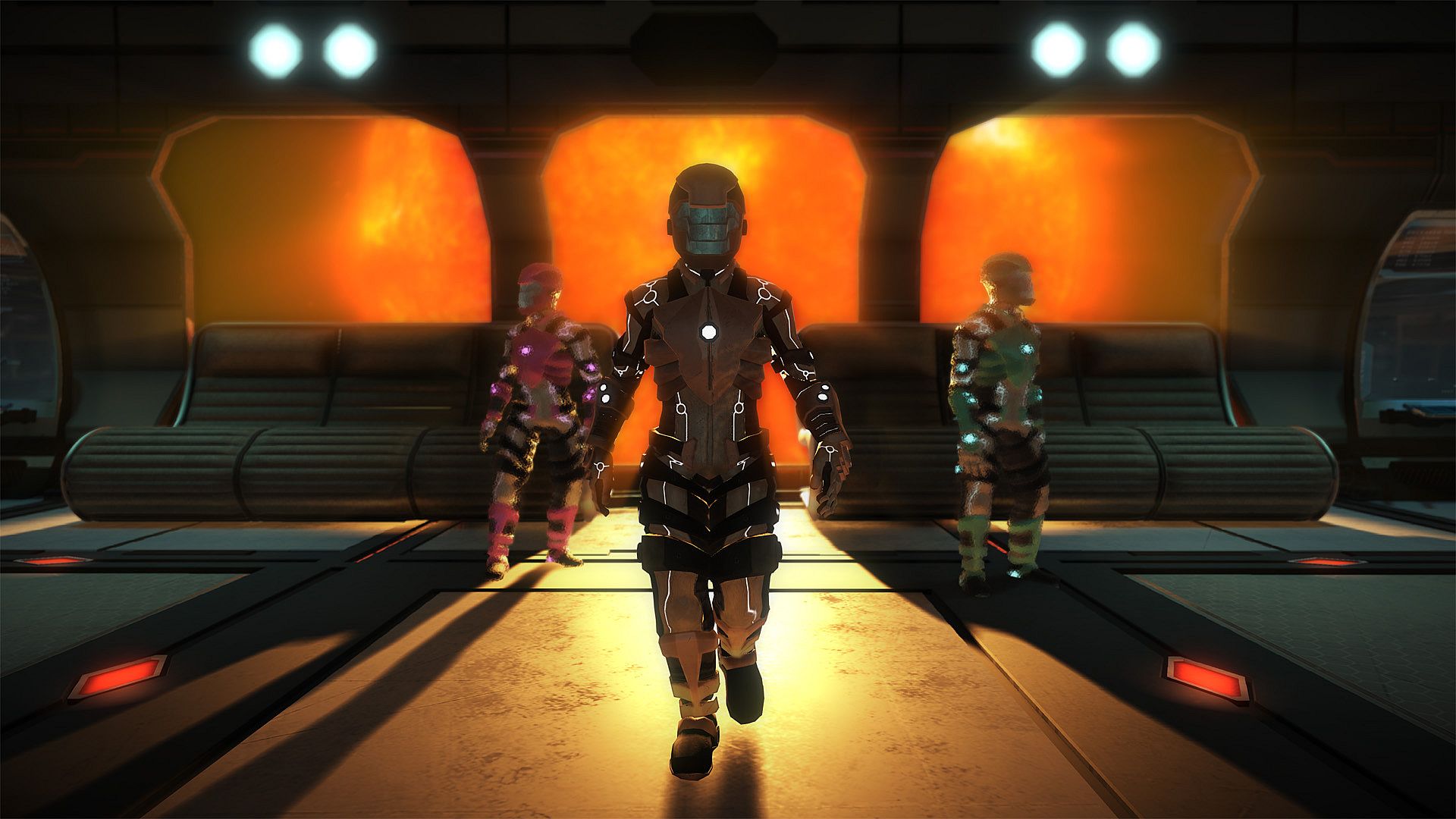
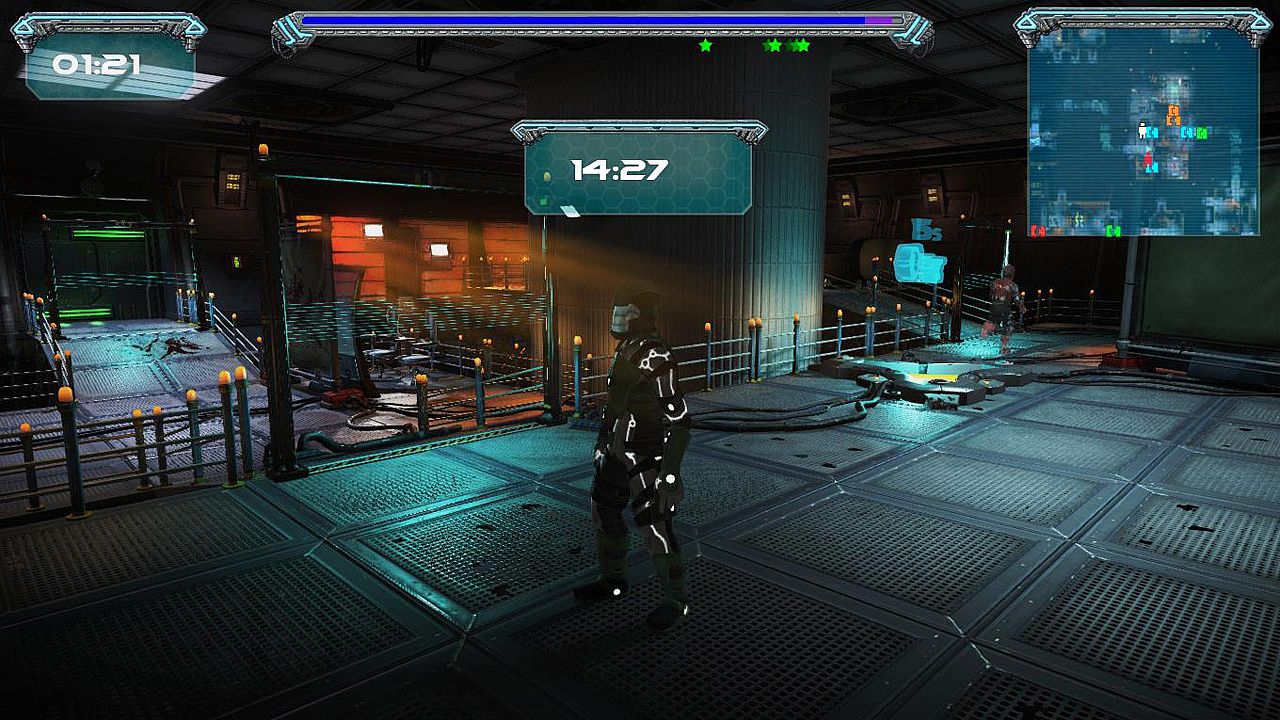
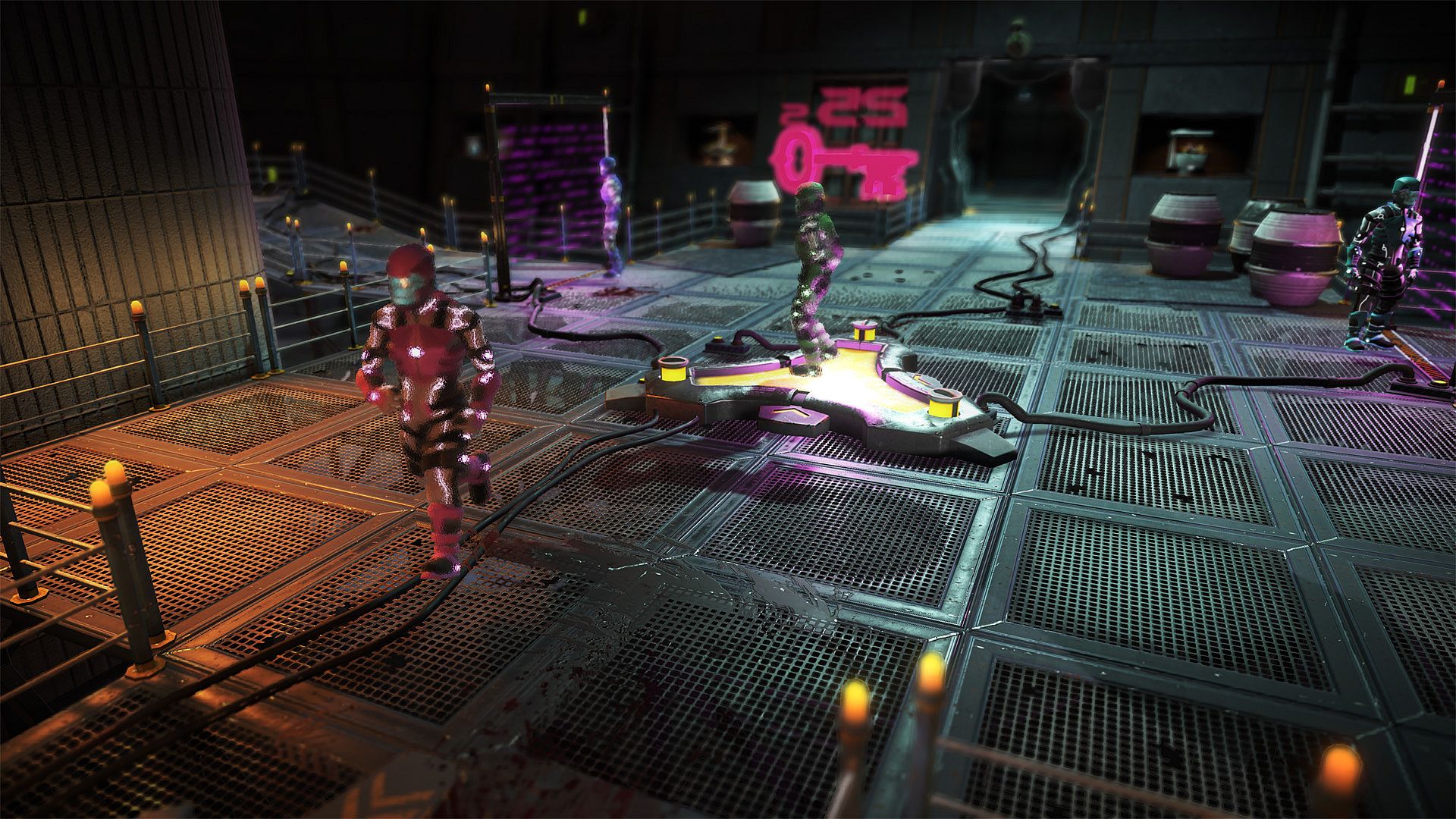
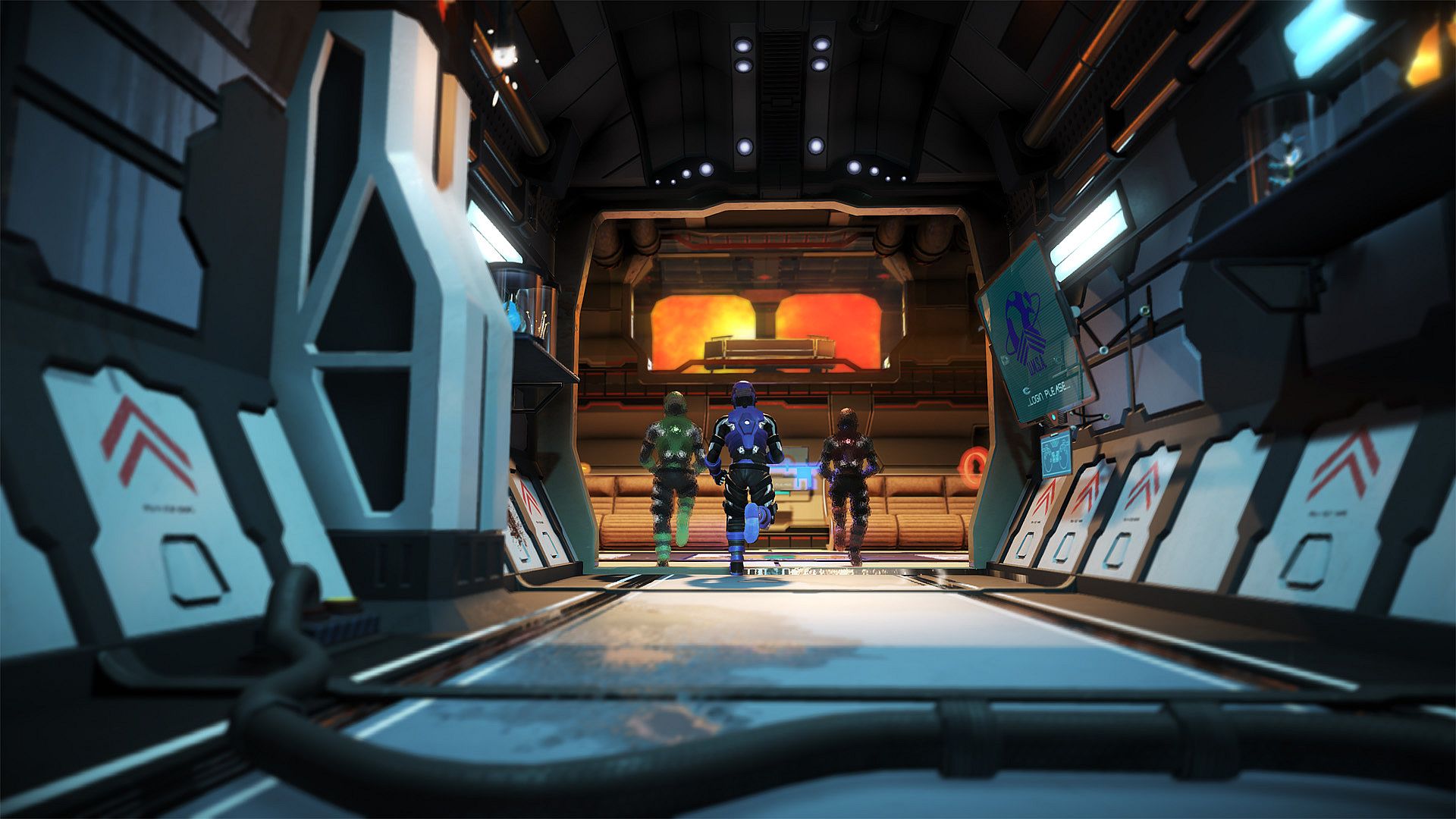
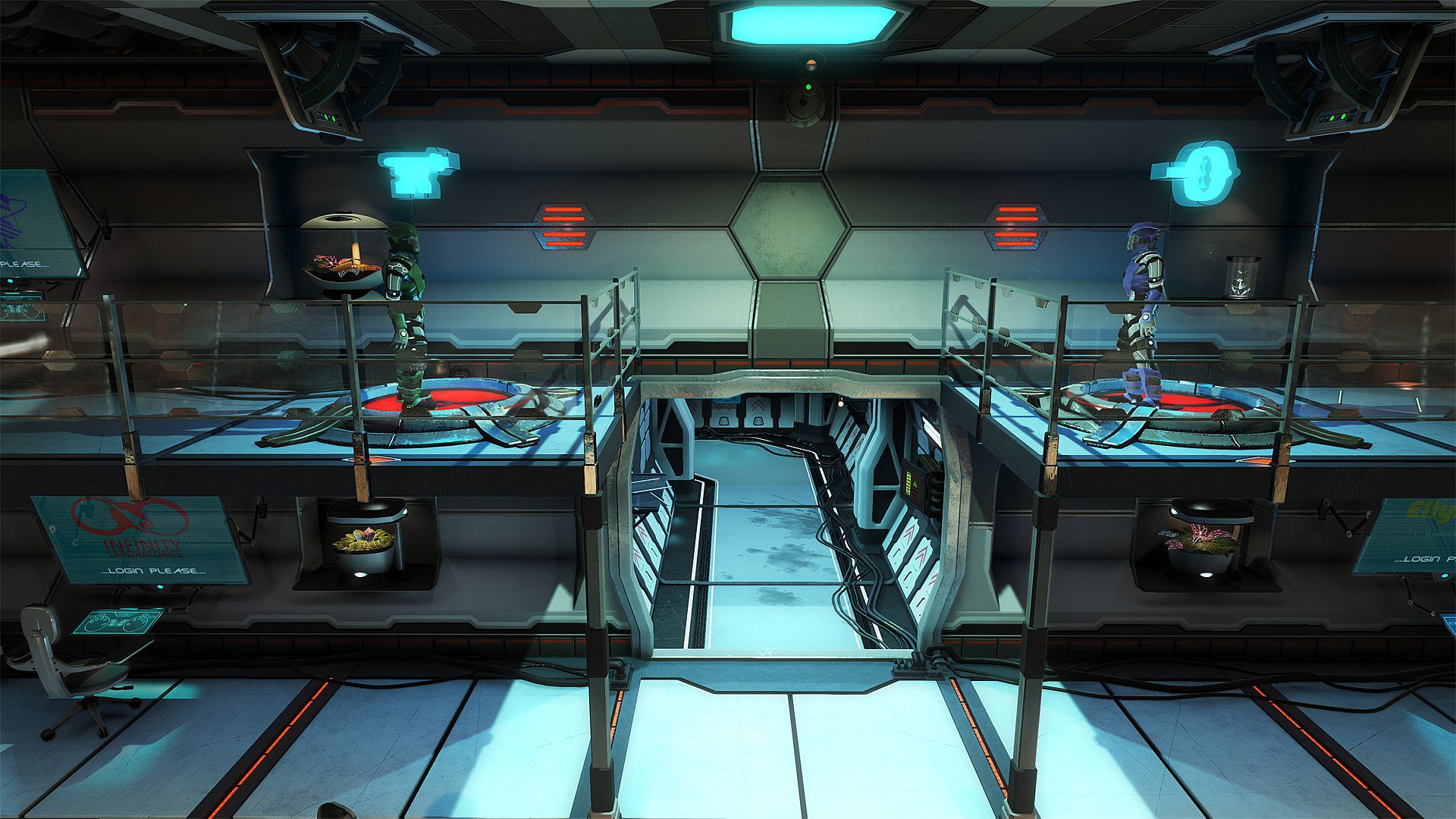
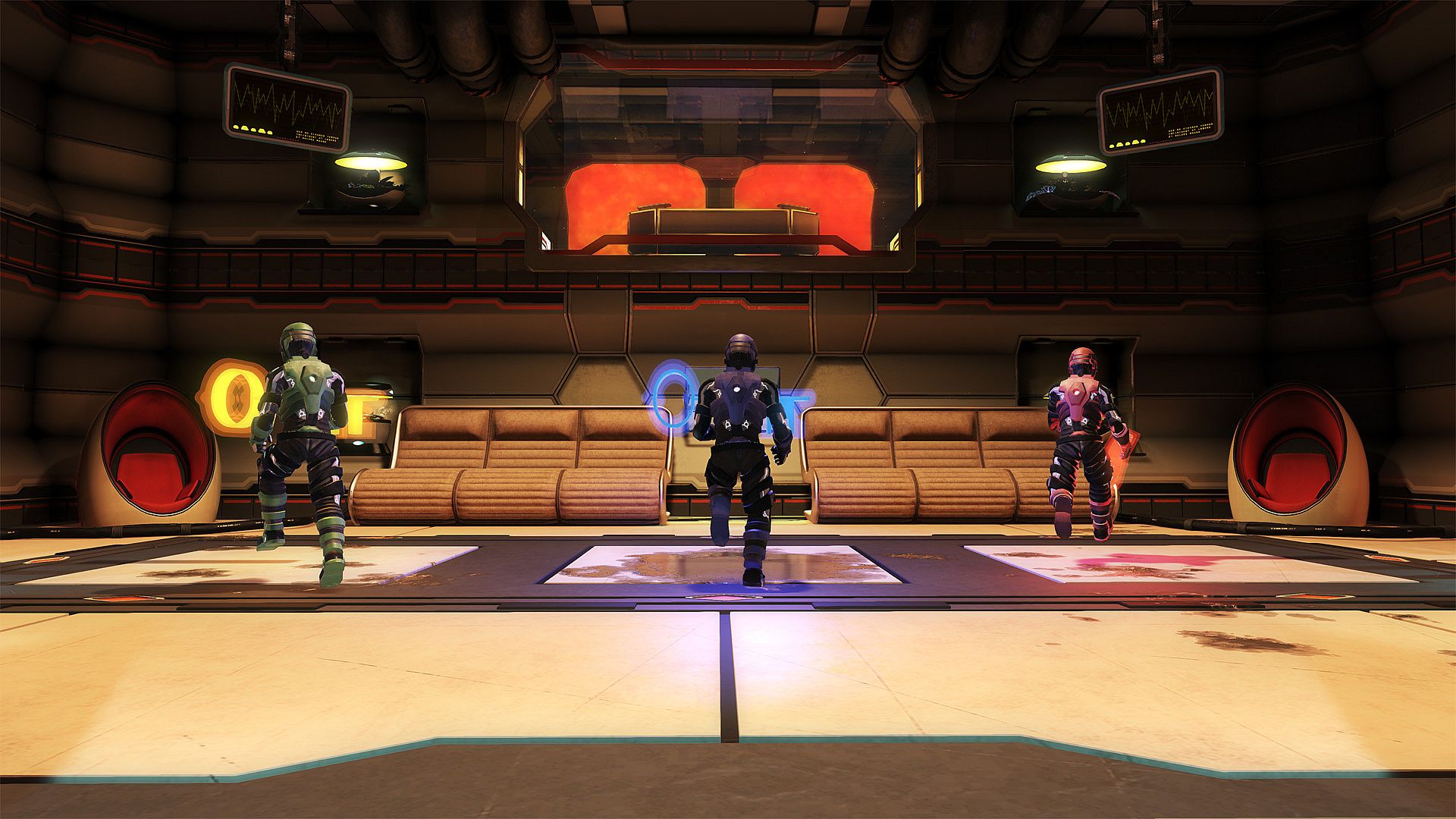
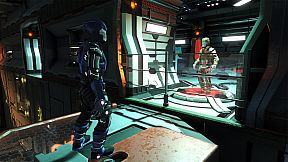
The central loop involves rewinding time to any prior point in a level and creating time clones that continue actions from the original timeline. These clones remain active in the game world and can interact with switches, doors, platforms, and other elements to progress. Players record sequences of movement and interaction, then switch control between their current self and the clones to solve challenges that would otherwise require multiple characters. Time can be paused or advanced as needed, allowing precise adjustments without restarting entire sequences. The system supports up to several simultaneous clones, with each new one branching from a chosen moment and persisting independently.
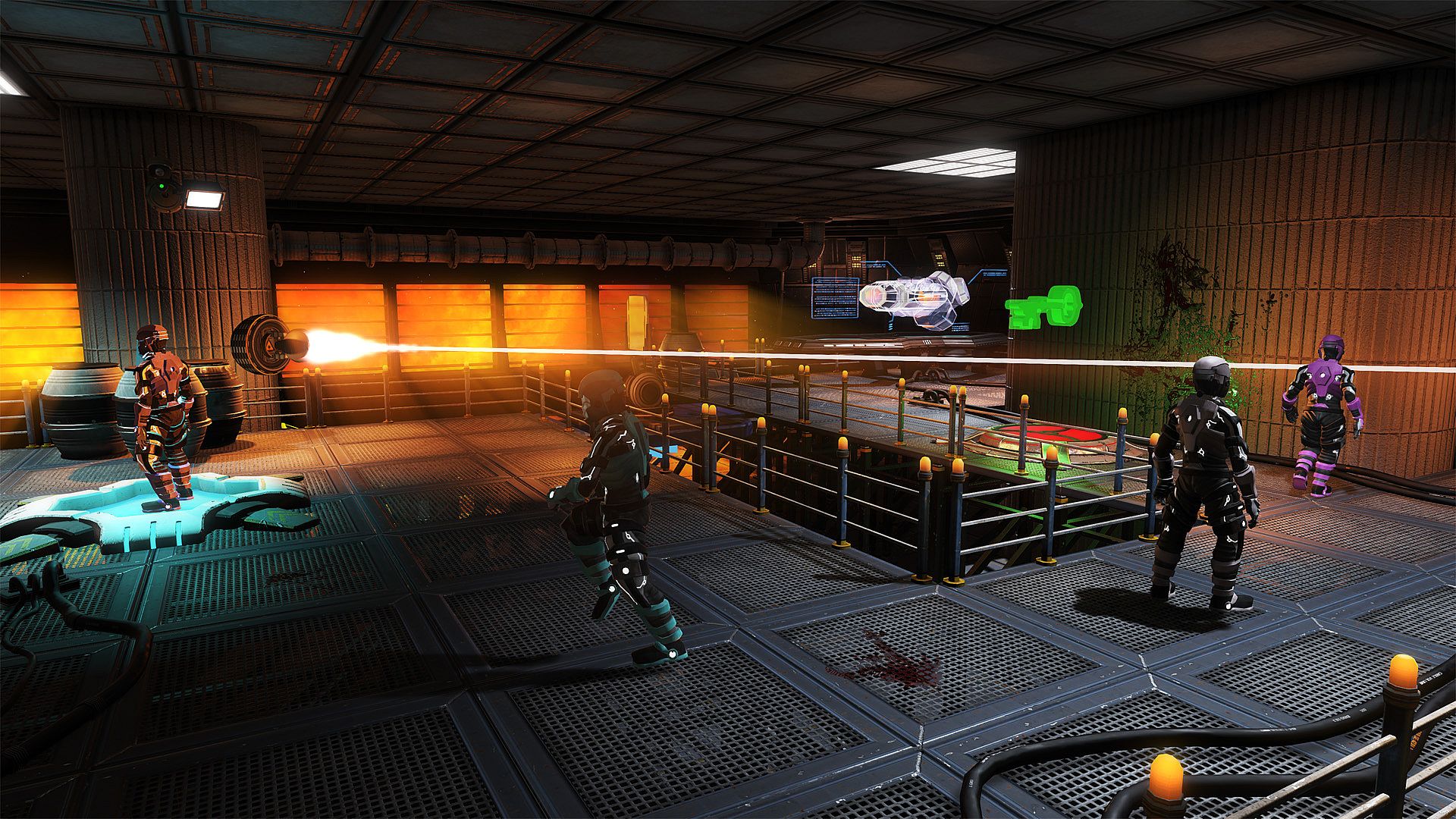
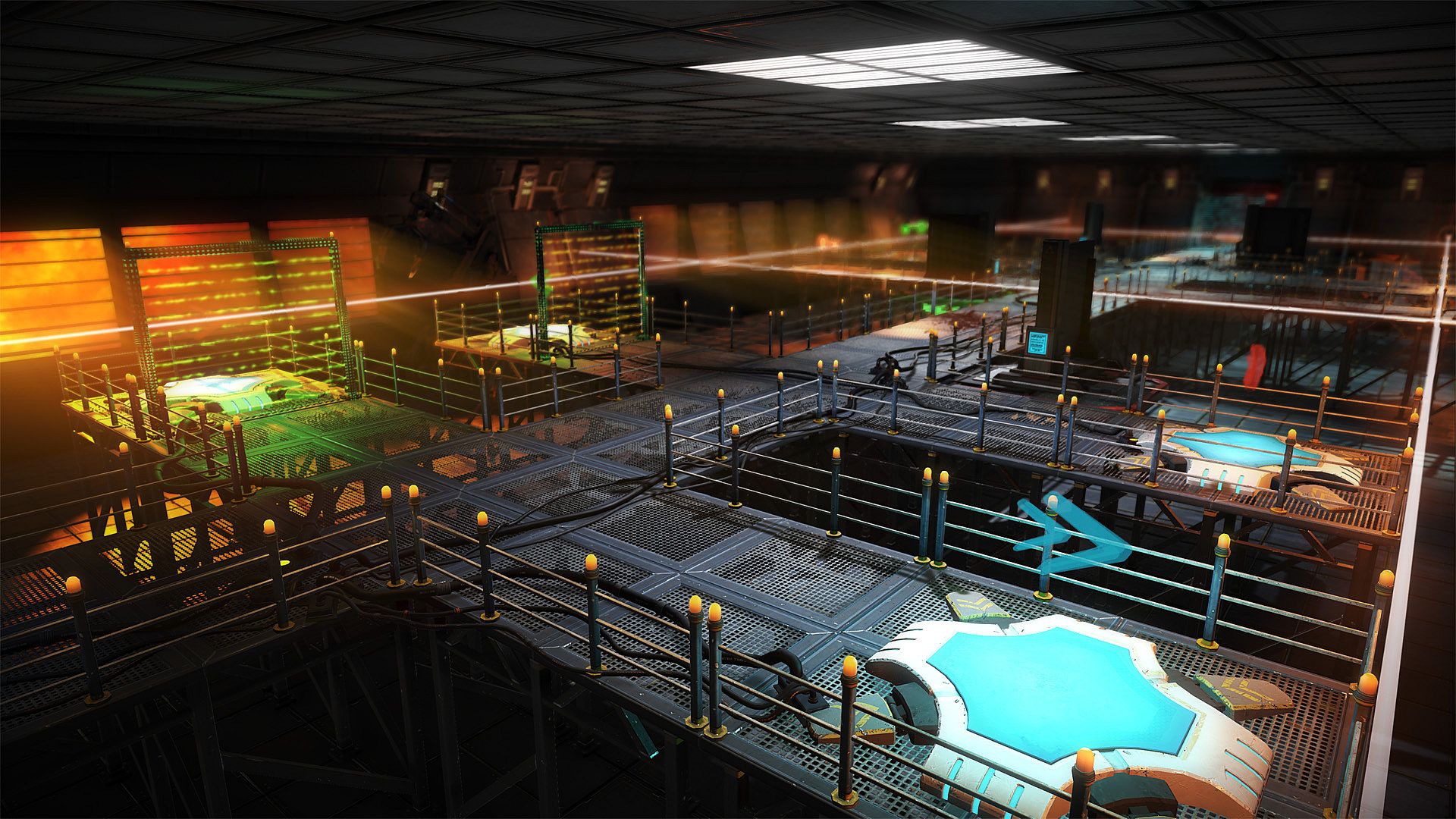
Puzzles incorporate environmental objects such as lasers, mirrors, force fields, trap doors, keys, and moving platforms. Clones enable cooperative-style solutions where one instance holds a button while another traverses an area, or multiple versions trigger events in sequence. The mechanics emphasize planning the order and timing of actions across timelines rather than rapid reflexes. Exploration occurs within linear test chambers that increase in complexity, with the time tools providing the means to overcome obstacles that block standard movement.
Game Modes
Project Temporality consists entirely of a single-player campaign structured around fourteen puzzle levels. There are no separate modes, competitive elements, or multiplayer options. Progression follows a linear path through the chambers, with each level building on the time-cloning concepts introduced earlier. The experience focuses on completing these chambers by leveraging parallel timelines, and the total playtime ranges from six to fourteen hours depending on how quickly players master the cloning techniques.
Key Mechanics
Time clones operate as independent entities that repeat recorded actions even after the player shifts focus. Changes made to the environment after a clone is created can alter its outcome, creating opportunities for layered solutions. Temporality fielded objects remain fixed across timelines and do not respond to rewinding or cloning, which introduces additional constraints in later puzzles. The combination of true parallel timelines and these fixed objects supports paradox-style challenges where a single clone performs different roles depending on the viewpoint in time. This setup expands the effective dimensions available for puzzle design without requiring external assistance.
Is It Worth Playing?
Project Temporality suits players who enjoy deliberate puzzle design and the satisfaction of orchestrating multiple versions of themselves to achieve a goal. Its time-cloning system offers a distinct approach to single-player cooperation that rewards careful planning and experimentation within the levels. The game remains available on PC for those interested in its specific mechanics, though its short campaign and focus on one core idea mean it appeals most to fans of thoughtful environmental puzzles rather than action-heavy experiences. Reception from the period highlights the originality of the timeline concept while noting that the limited number of levels can make the later sections feel repetitive for some. Overall, it delivers a self-contained experience centered on its time-manipulation features without additional content layers.