

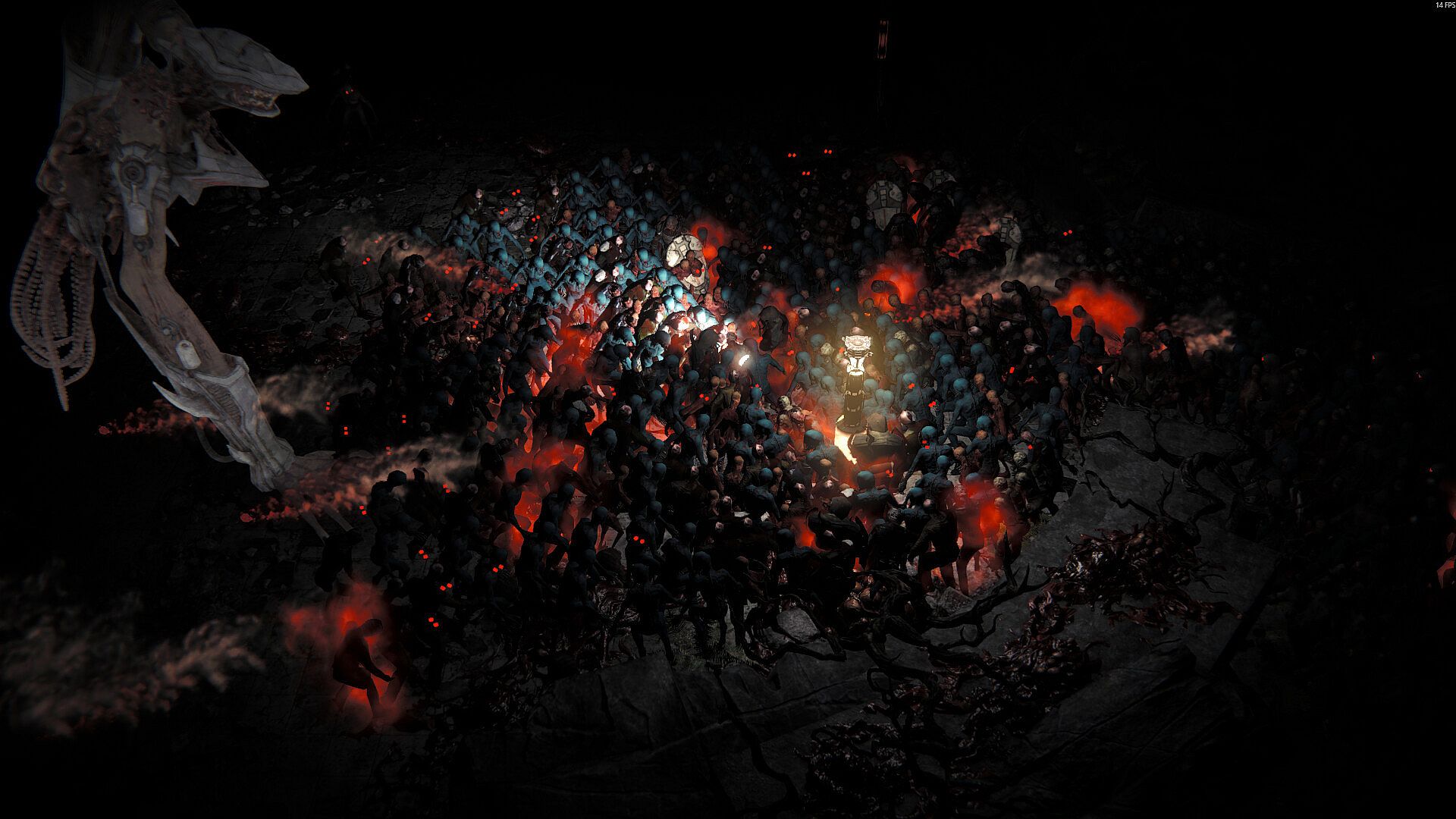
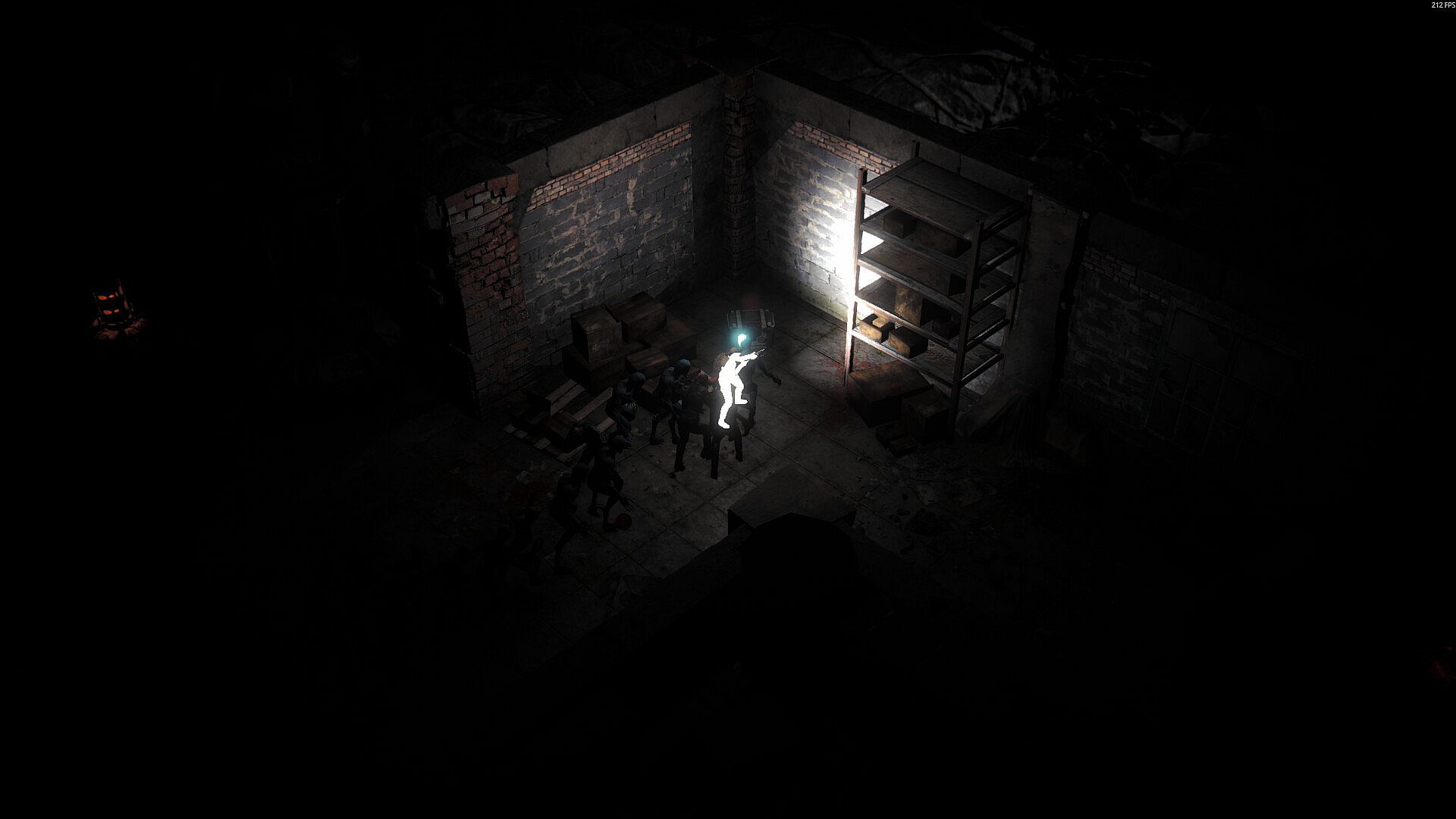





Project Lightbringer is a single-player action, strategy, indie, RPG, and simulation game that blends bullet heaven combat with deliberate exploration and territory expansion. Set in a world overtaken by mist, players rely on a flashlight for visibility while pushing back the darkness through strategic light placement and resource management.
Gameplay
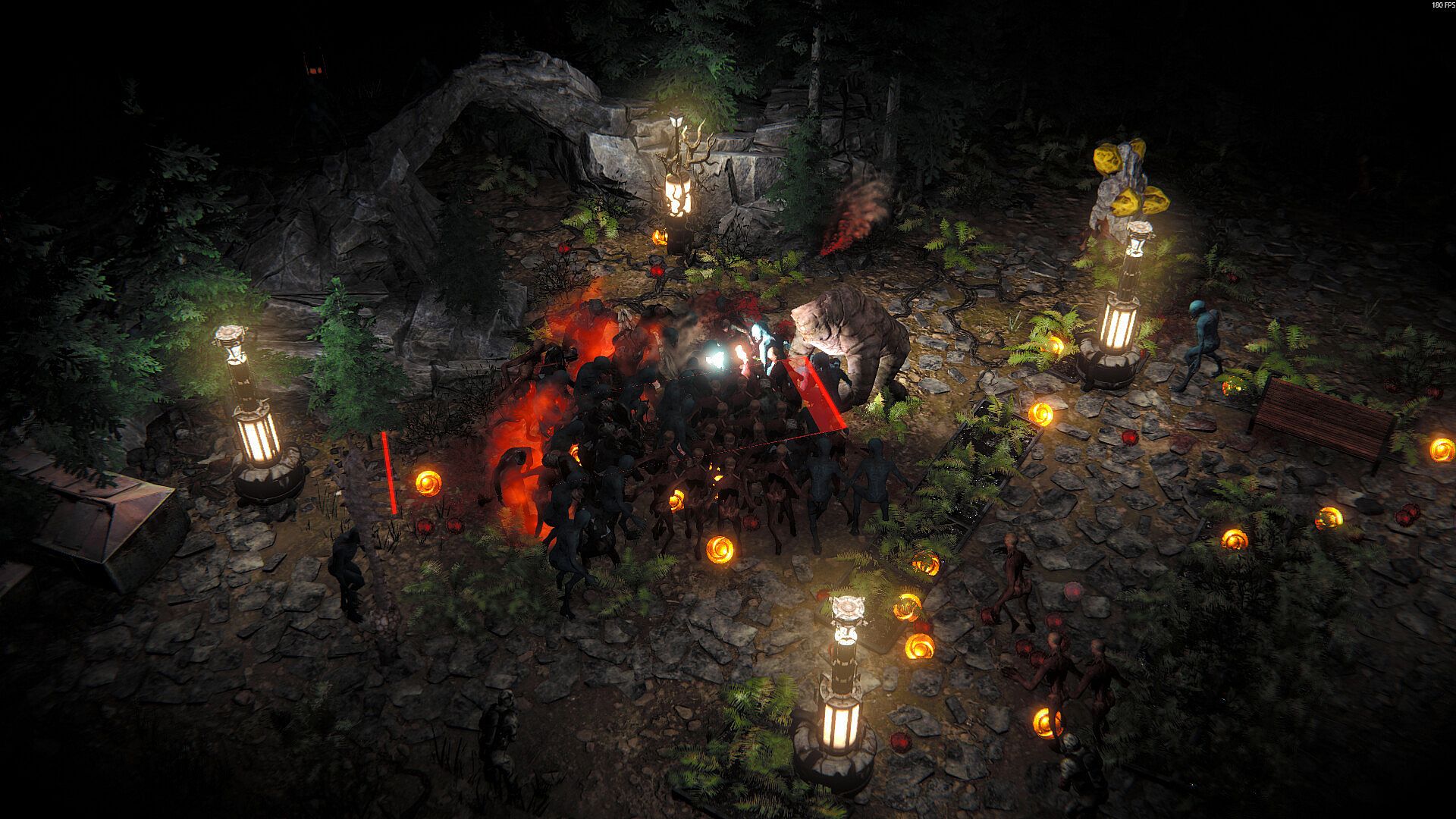
The core loop centers on surviving waves of enemies in open areas while gradually claiming space. Lanterns serve as key progression points, activated only when connected to already lit ones, which forces players to plan routes carefully rather than rushing across the map. This creates a steady advance where each new light source opens fresh ground for further expeditions.
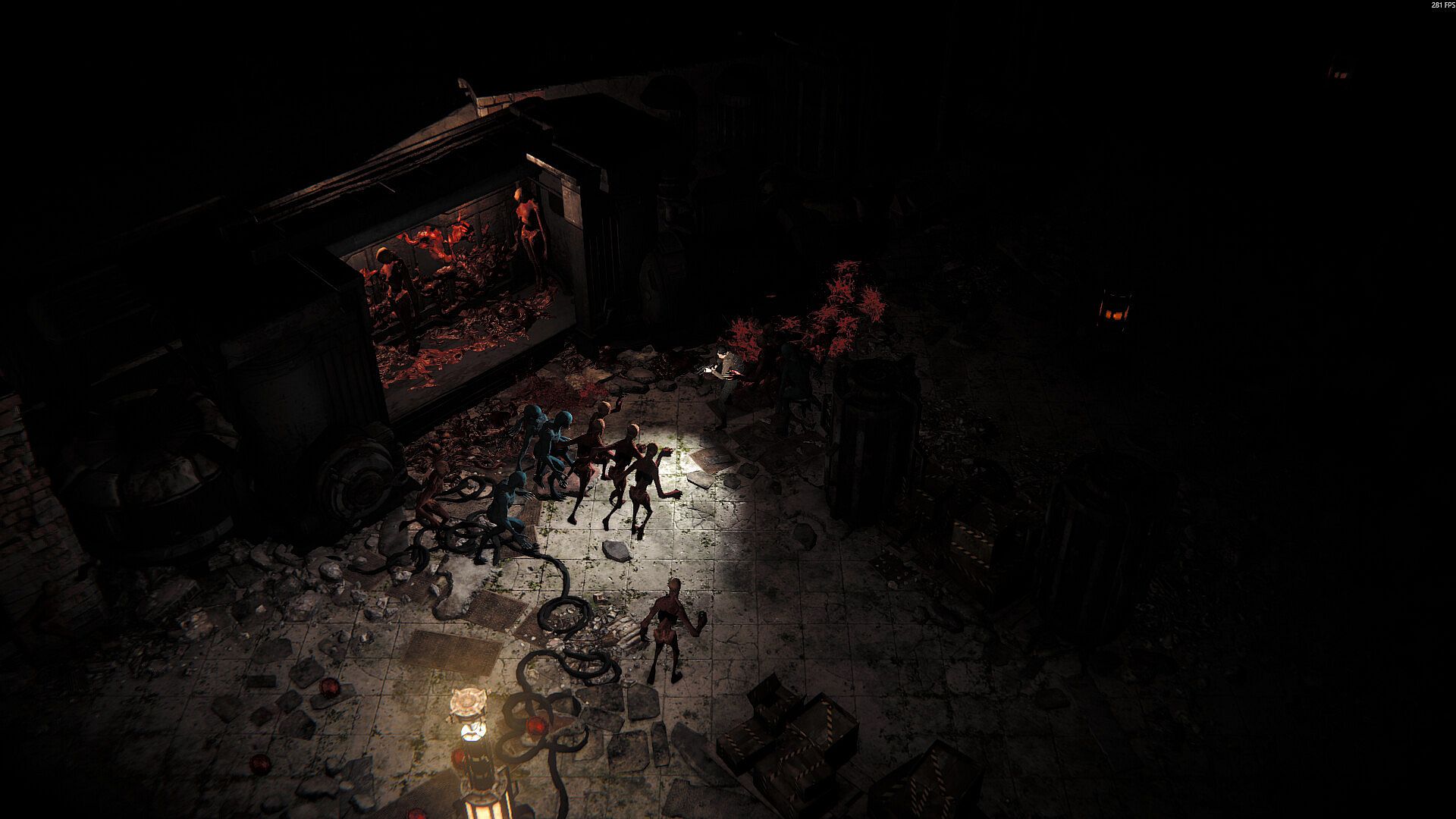
Outside the safety of lanterns, players venture into the mist using the flashlight to spot resources, hidden paths, and abandoned sites. The limited beam creates tension, as visibility remains restricted even during exploration. Combat involves clearing hordes to gather experience, then selecting upgrades that alter weapons, abilities, and passive bonuses for each run.
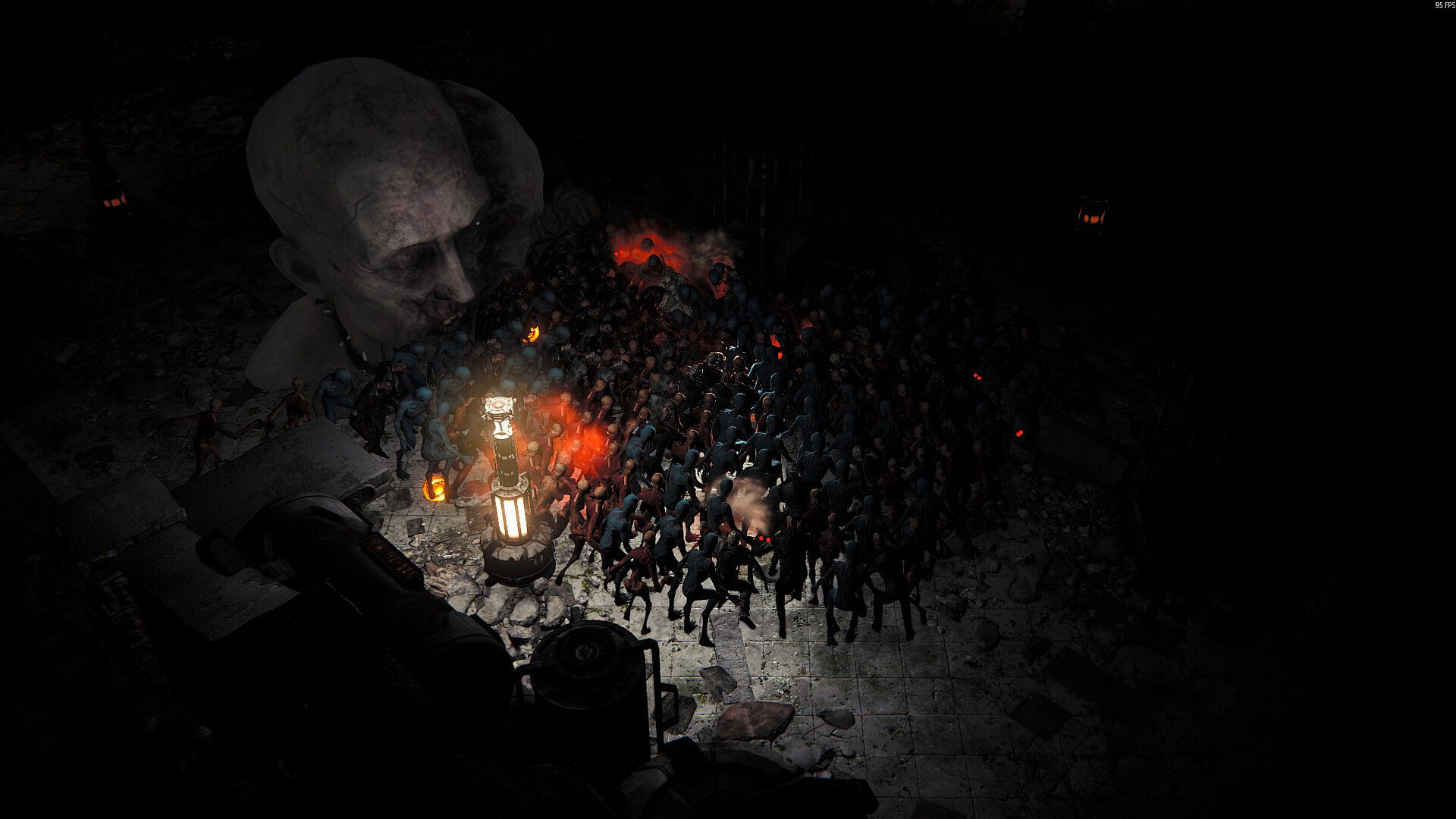
Larger threats appear as massive creatures that require specific tactics beyond standard wave survival. These encounters turn routine expeditions into high-stakes hunts, rewarding players who prepare builds suited to tougher targets. The combination of horde clearing, upgrade choices, and territorial growth keeps sessions focused on incremental progress and risk assessment.
Game Modes
Project Lightbringer operates as a single-player experience built around repeated expeditions into the mist. Players start from established lantern networks and push outward, balancing combat, exploration, and expansion in each outing. No separate multiplayer or competitive modes appear in available details, keeping the focus on personal progression and build experimentation within the core survival framework.
Expeditions scale in difficulty as players restore more lights and encounter stronger enemies. The structure encourages multiple attempts, with upgrades carrying forward lessons from prior runs to tackle deeper or more dangerous areas.
Exploration and Progression
Exploration rewards careful movement beyond lantern light, where players locate materials and secrets that support longer survival. The flashlight mechanic limits sightlines, turning every step into a calculated decision about risk versus reward. Lantern networks expand the playable area over time, turning early confined zones into larger connected territories.
Progression comes through experience gained from combat and the resulting upgrade selections. Builds can shift dramatically depending on chosen weapons and bonuses, allowing different approaches to the same threats. This system supports repeated play as players test combinations against increasingly challenging expeditions and the occasional massive creature encounter.
Is It Worth Playing?
Project Lightbringer targets players who enjoy single-player bullet heaven games mixed with strategic territory control and light exploration elements. The emphasis on connected lantern placement and limited visibility adds a layer of planning not always present in pure horde survivors. Those drawn to upgrade experimentation and incremental world reclamation will find the described systems align closely with that preference.
As an upcoming title with no release date confirmed and no player reviews available yet, any final judgment depends on execution once it launches. The provided mechanics suggest strong potential for fans of deliberate pacing over constant action, particularly those comfortable with single-player sessions that reward careful expansion and build adaptation. If the core loop of light-based territory growth and mist expeditions appeals, it stands as a project worth monitoring for release.