




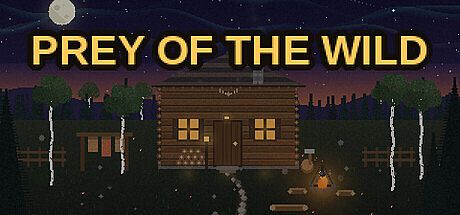



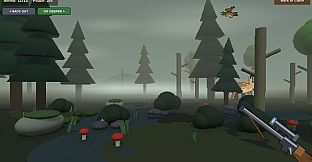

Prey of The Wild is a 2.5D hand-pixeled hunting simulation game for PC that blends action, indie, casual, and simulation elements into a focused single-player experience. Set in layered Nordic forests, the title centers on patient tracking, precise shooting, and resource management after each successful hunt.
Gameplay
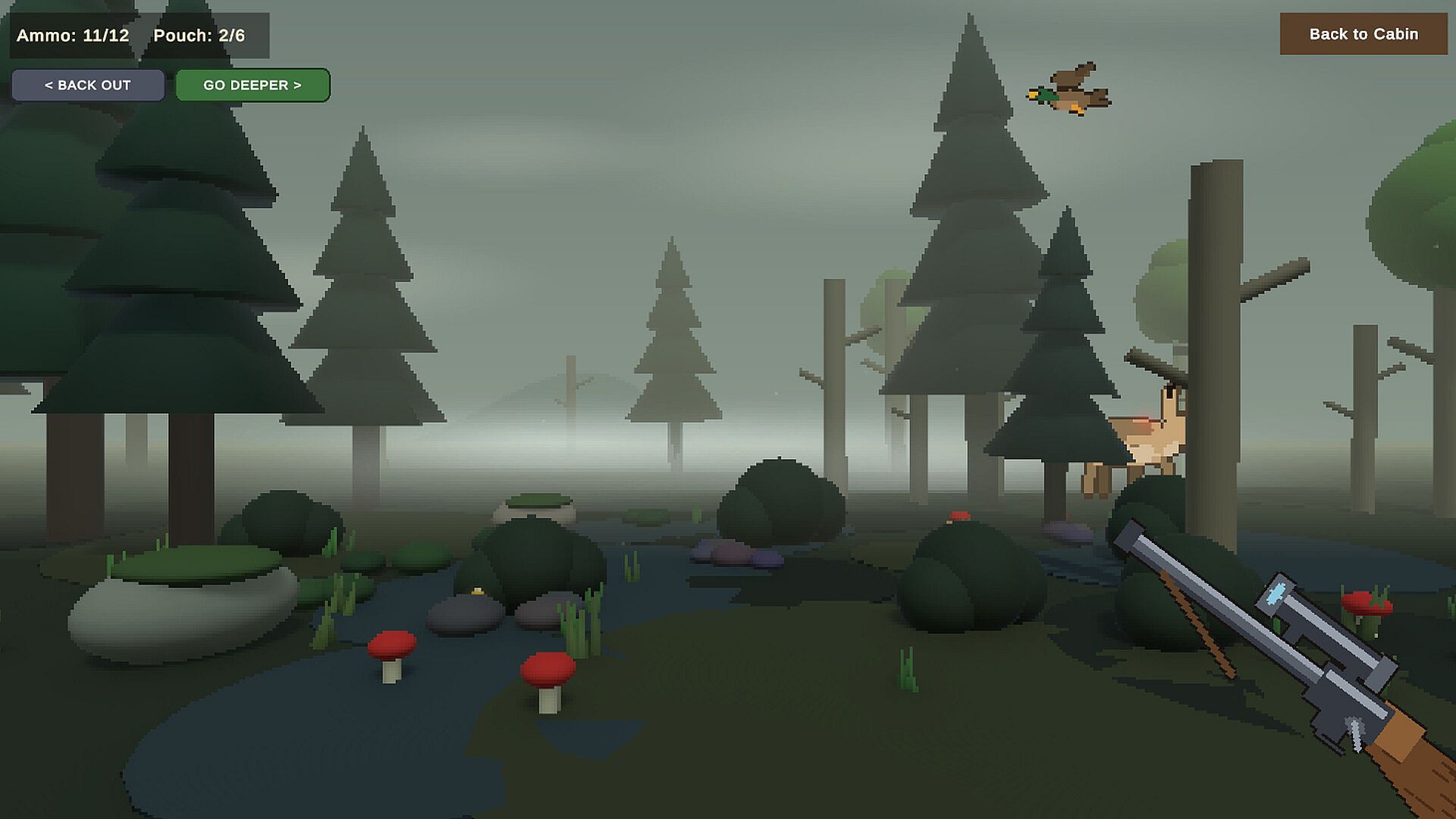
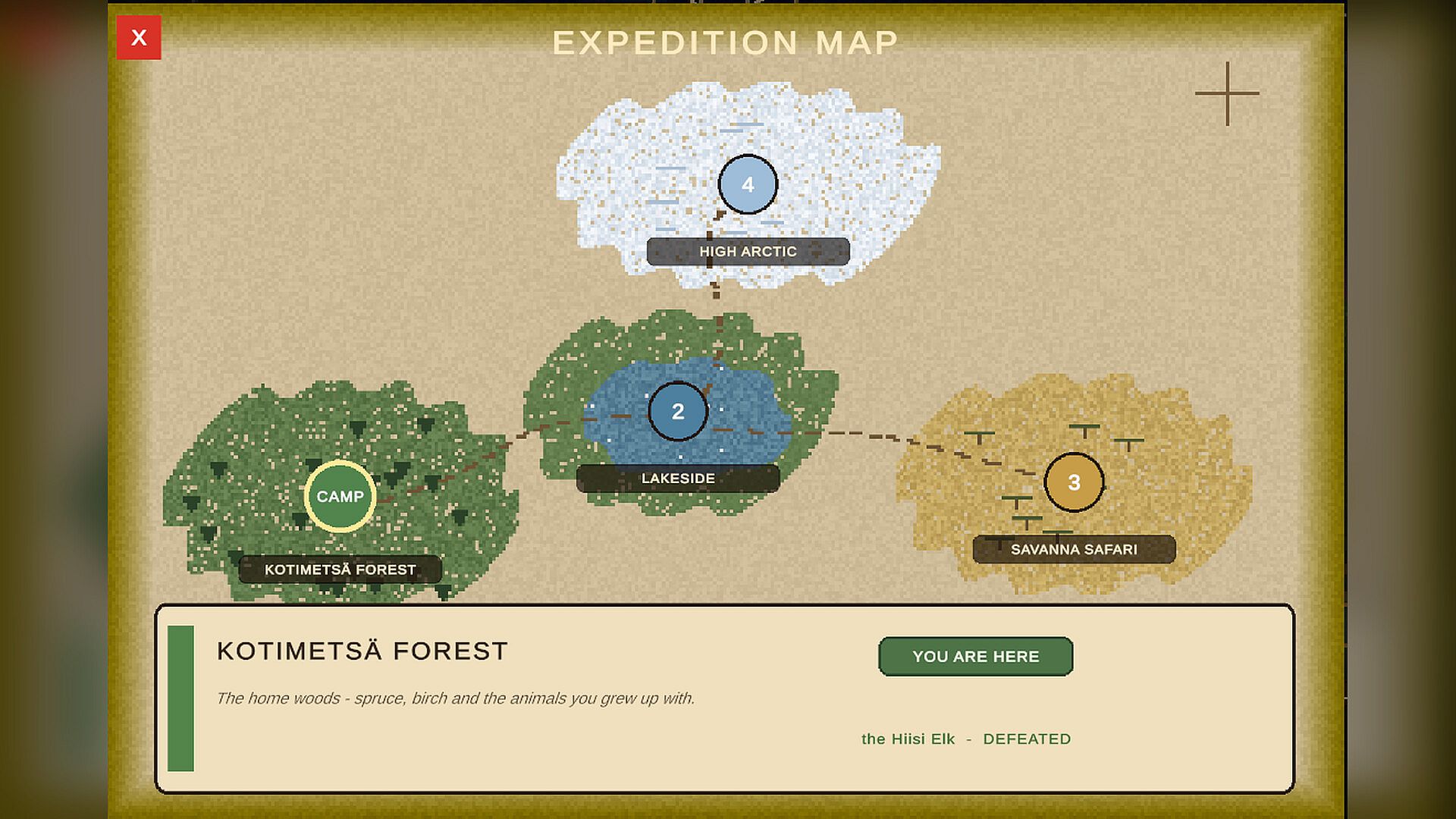
The core loop revolves around venturing into living pixel forests to track and hunt animals such as rabbits, foxes, deer, elk, and various birds. Players aim for glowing weak spots to secure clean kills, while missed or sloppy shots can wound prey and send it fleeing deeper into the woods. As hunts progress, the environment reveals larger and rarer targets that yield higher value upon return.
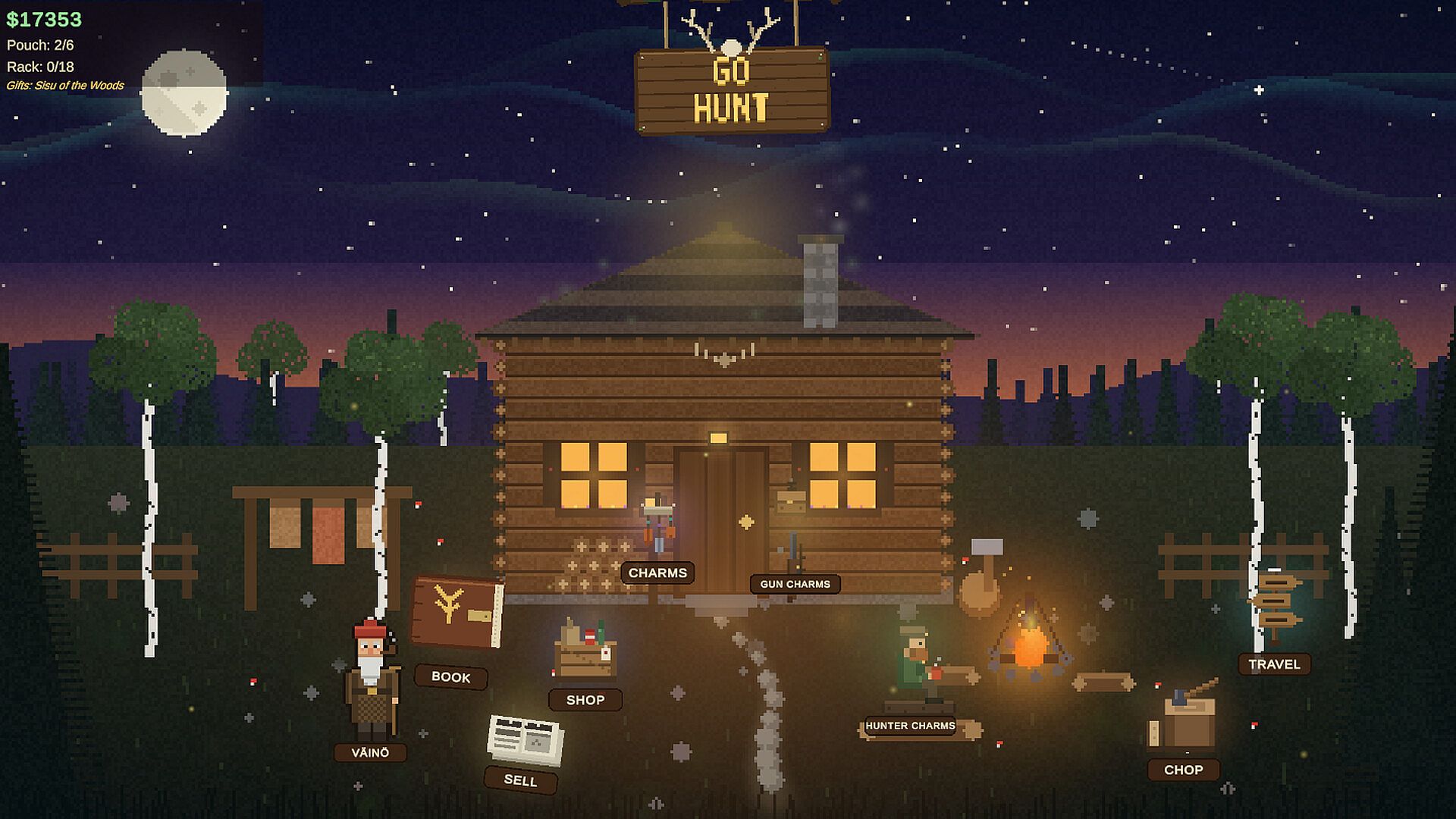
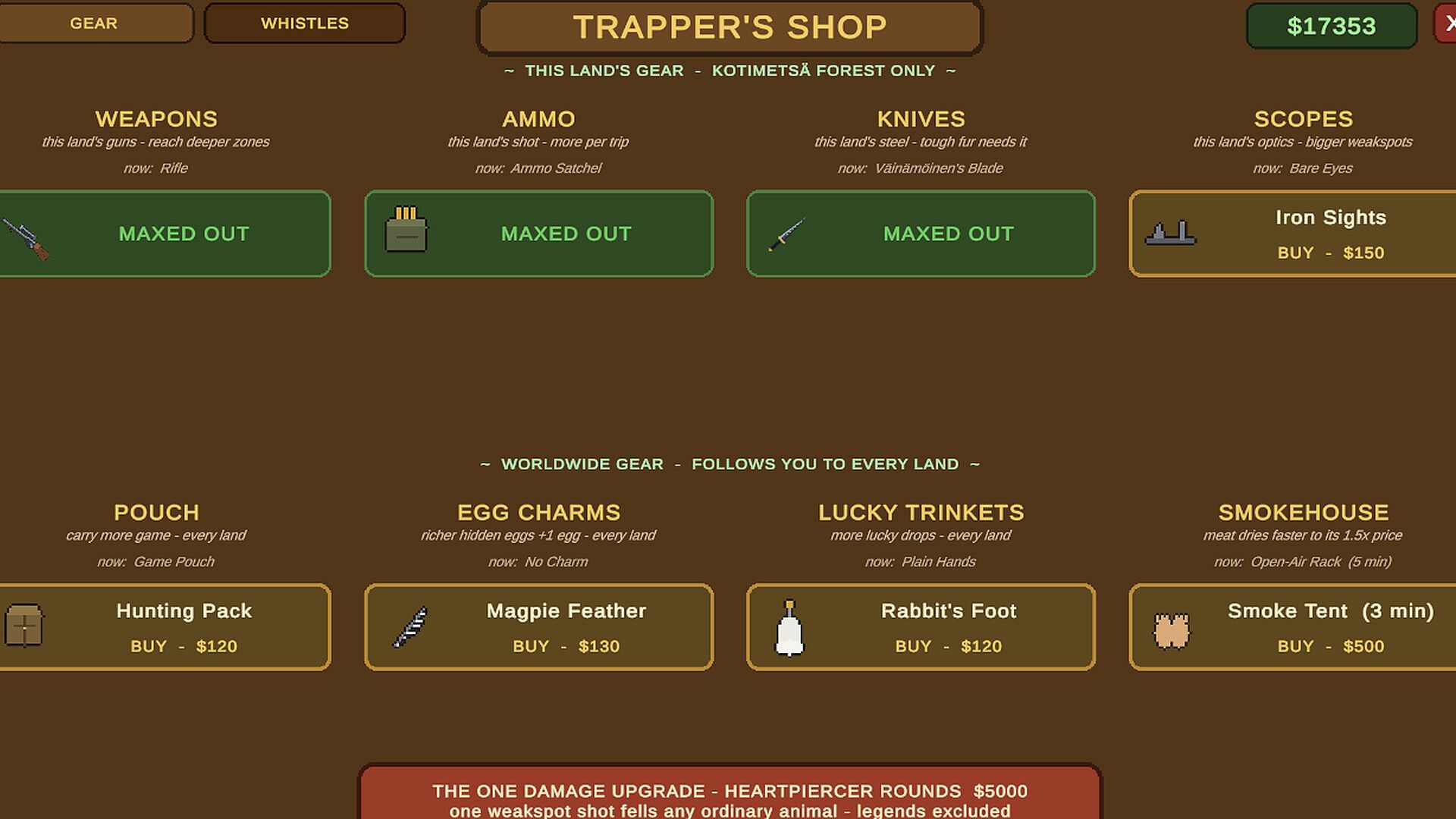
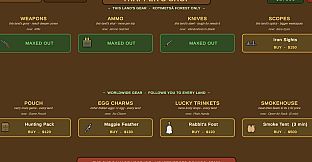
After each catch, the process shifts to the chopping block where players manually carve meat, pelts, and occasional lucky finds. These resources are sold to fund upgrades including new rifles, expanded forest access, and specialized gear that alters hunting effectiveness. The system emphasizes a complete cycle from pursuit to profit without unnecessary layers of complexity.
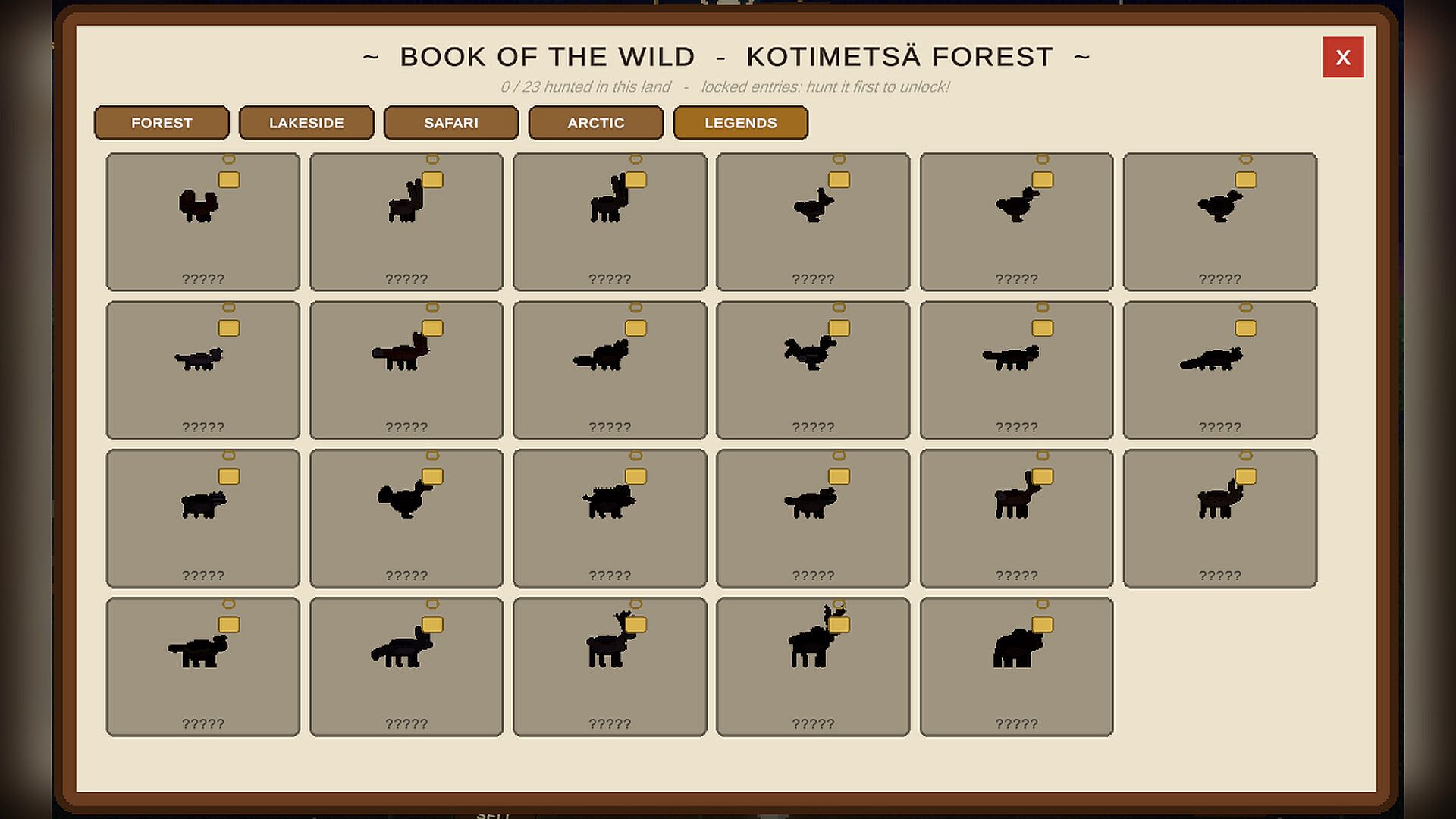
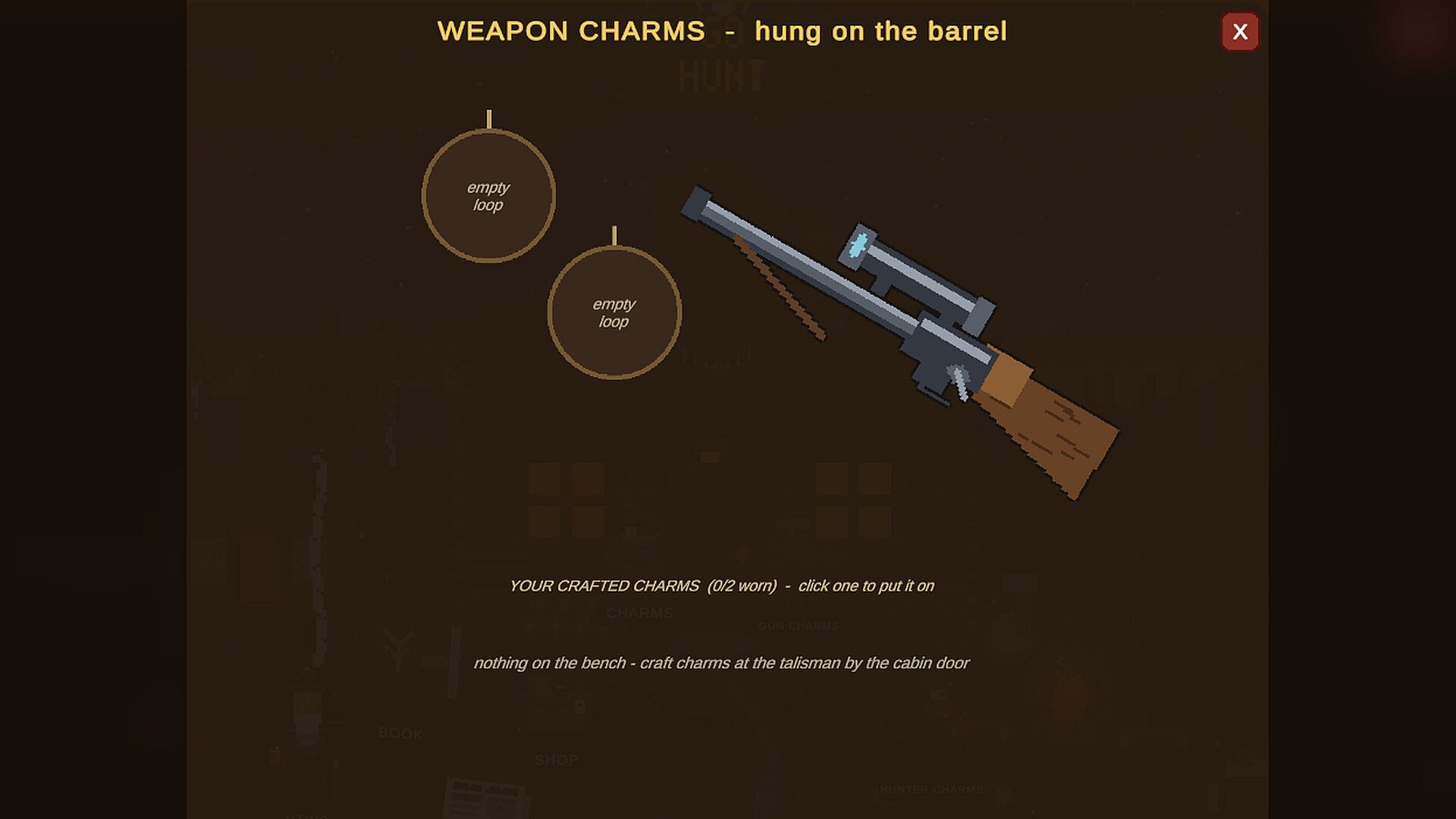
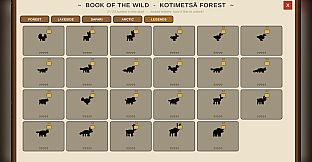
Progression includes collecting 14 hand-made charms that provide varied advantages, such as a rabbit's foot or a ribbon of aurora, alongside legendary carving knives earned from major kills. Players also fill the Book of the Wild by documenting every species encountered, creating a record of their time in the woods.
Game Modes
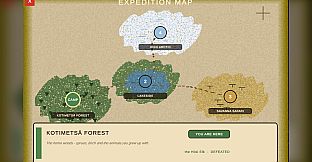
Prey of The Wild operates as a single-player experience built around an open-ended hunting loop rather than separate named modes. The primary activity involves free exploration and repeated hunts across expanding forest layers, with optional boss encounters serving as structured challenges once sufficient preparation is complete.
Boss hunts introduce four distinct targets: the Hiisi Elk, the Ancient Pike, the Shadow Lion, and the White Bear King. These encounters require prior upgrades and gear improvements, after which the character Väinö provides direct guidance and commentary during the fights. Success grants permanent boosts, including doubled sale prices following the defeat of the White Bear King.
Progression and Upgrades
Upgrades flow directly from successful hunts and sales, allowing players to invest in better equipment that changes shot accuracy, forest reach, and carving efficiency. Charms collected along the way introduce targeted modifications to luck and performance, while the Book of the Wild tracks cumulative achievements across species. The loop remains self-contained, with every element tied to the cycle of hunting, carving, and reinvesting.
Is It Worth Playing?
Prey of The Wild suits players who enjoy deliberate, self-contained hunting simulations with pixel art presentation and a clear start-to-finish structure. The absence of season passes or expansive crafting systems keeps the focus on the core loop of tracking, shooting, and managing resources in a Nordic woodland setting. Those seeking a compact experience that respects shorter play sessions will find the permanent progression from legend defeats and the humorous Finnish narration from Väinö add distinct personality without overcomplicating the mechanics. The game delivers a complete package centered on patience and clean execution rather than endless expansion.












