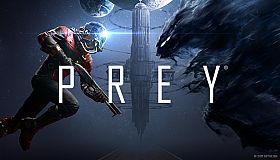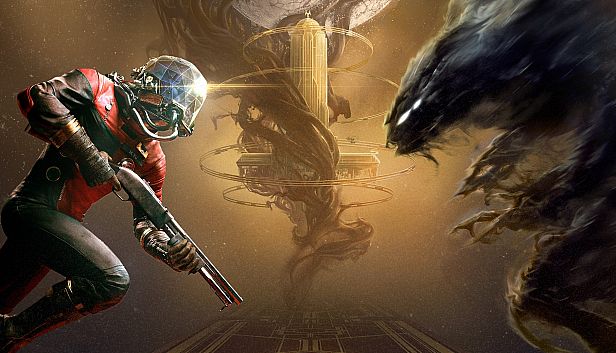










Prey is a first-person sci-fi action game developed by Arkane Studios. Set aboard the orbital research facility Talos I, the title places players in the role of Morgan Yu, who must navigate a station overrun by hostile alien lifeforms known as the Typhon. The experience blends exploration, resource management, and ability-based problem solving in a single-player campaign that emphasizes player choice over linear progression.
Gameplay
Core systems revolve around Neuromods, which players install to unlock a range of human and alien abilities. Human skills cover practical talents such as hacking terminals or improving combat effectiveness, while alien powers include short-range teleportation, lifting heavy objects, creating psychic blasts, mimicking objects or creatures, and temporarily controlling enemy minds. These abilities draw from a Psi meter that recharges over time, encouraging careful resource use during encounters.
Weapons and tools found on the station can be upgraded through collected blueprints and materials. Players craft items like recycler grenades that break down objects into usable resources or glue-like substances that create temporary platforms. Chipsets slotted into the suit and scanning device further customize attributes such as damage output or scanning range. The station layout supports repeated visits to the same areas, where environmental interactions often yield multiple solutions, such as using a boltcaster to trigger distant switches or combining powers for creative traversal.
Enemies react dynamically to player actions, and overuse of certain alien upgrades can trigger station defenses or attract stronger threats. This design rewards experimentation while maintaining tension through limited resources and the need to improvise under pressure.
Game Modes
The primary experience follows a structured story campaign on Talos I. Players progress through connected areas, uncovering station secrets while adapting their approach to threats using the full suite of abilities, weapons, and crafted items.
Mooncrash expands the package with a separate campaign set on a TranStar lunar facility. The base layout stays consistent across runs, yet enemy placements, environmental hazards, objectives, and available loot shift with each attempt. Death resets the run and randomizes the configuration again, creating a roguelike loop built around survival and escape. Five distinct playable characters each bring unique starting skills and tools, further varying strategies across repeated plays.
Within Mooncrash, a multiplayer component called Typhon Hunter pits one player controlling Morgan Yu against others as Typhon in a hide-and-seek format on the lunar base. This mode adds a competitive layer to the otherwise single-player focused title.
Story and Setting
The narrative centers on events at Talos I after an experiment involving the Typhon goes wrong. Morgan Yu awakens as a test subject and must piece together personal history alongside the facility's research into alien biology and technology. Audio logs, emails, and environmental details reveal the consequences of corporate decisions and the psychological toll of the outbreak.
The station itself functions as a self-contained world with interconnected departments, each containing labs, crew quarters, and maintenance areas that reflect the broader TranStar corporation's operations. Exploration uncovers layers of the incident without relying on traditional cutscenes, allowing the environment to convey key plot points.
Is It Worth Playing?
Prey suits players who prefer deliberate pacing and multiple viable paths through challenges. The emphasis on ability combinations and environmental interaction rewards those who experiment rather than follow a single combat or stealth route. Mooncrash adds replayability for anyone interested in roguelike structure within the same core systems.
The Digital Deluxe Edition bundles the base campaign with the Mooncrash expansion, providing the full single-player story plus the randomized lunar mode and its multiplayer variant. No ongoing seasonal content or live-service updates exist, so the package delivers a complete, self-contained experience from its original release.
Those drawn to immersive sim design with sci-fi themes and freedom in problem solving will find the title aligns closely with that style. Players seeking fast-paced action or extensive multiplayer options may prefer other genres, as the focus remains on thoughtful single-player engagement and the optional Mooncrash challenges.