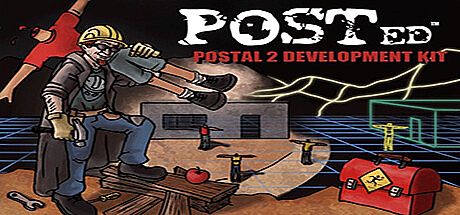


Postal 2 Editor serves as the official development kit and level editor for the Postal 2 game on PC. Built on Unreal Engine technology, this tool enables users to create custom maps, modify existing content, and develop new experiences within the Postal 2 framework. It functions as a standalone application accessed through Steam's Tools section, requiring ownership of Postal 2 for full operation and testing of created content.
Gameplay
The editor provides a familiar interface for those experienced with Unreal-based tools, allowing placement of objects, adjustment of lighting, scripting of events, and integration of custom assets. Users load maps from Postal 2, edit environments in real time, and test changes directly through built-in play functions. The workflow supports iterative development, with options to compile scripts and preview modifications without leaving the application. Integration with Steam Workshop streamlines sharing finished work and accessing community contributions for further editing.
Core mechanics revolve around map construction and asset management. Builders define spawn points, set navigation paths for non-player characters, and configure interactive elements drawn from the base game's systems. The tool includes access to source files for deeper customization, such as altering behaviors or adding new elements through scripting. This setup supports both simple map alterations and more extensive total conversions when combined with additional resources.
Game Modes
Content created in the editor integrates with Postal 2's existing structure, including standard single-player campaign progression and free-roam exploration. Workshop items often include custom game modes that expand on the base experience, such as variants focused on sandbox-style freedom or specific scenarios. Players select these modes when launching subscribed content, choosing difficulty settings and optional enhancements alongside the custom maps.
Common approaches involve pairing editor-made maps with modifiers that alter rules or objectives. Sandbox-focused options emphasize open-ended interaction without strict errand structures, while other modes retain the original game's day-by-day progression framework. These adaptations appear in community uploads and require subscription through the Workshop browser for access during play sessions.
Modding Capabilities
The development kit includes utilities for uploading finished projects directly to Steam Workshop. Creators package maps, scripts, and associated files, then publish them for others to download and use. A built-in play function lets developers test content immediately after changes, speeding up the creation cycle. Source code availability further supports advanced modifications, such as new weapons or character behaviors.
Community resources complement the tool with tutorials on basic mapping, hotkey usage, and Workshop integration. These materials cover starting a project, adding custom elements, and troubleshooting common issues during export. The editor remains functional for ongoing mod development years after its initial release, sustaining a small but active scene of map makers and total conversion projects.
Is It Worth Playing?
This tool appeals primarily to players interested in creating or experiencing user-generated content for Postal 2. Those who enjoy experimenting with level design or expanding a game's possibilities through mods will find practical value in its features and Workshop connectivity. The Mostly Positive reception reflects steady utility for its intended audience, with users noting reliable performance for map editing and content sharing.
Availability through Steam Tools ensures easy access for owners of the base game. Continued use in the community demonstrates ongoing relevance for custom map play and mod creation. Individuals seeking only the core Postal 2 experience without modification tools may find it unnecessary, while dedicated fans benefit from the expanded options it provides.