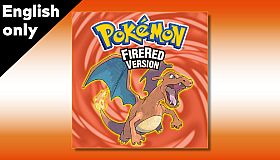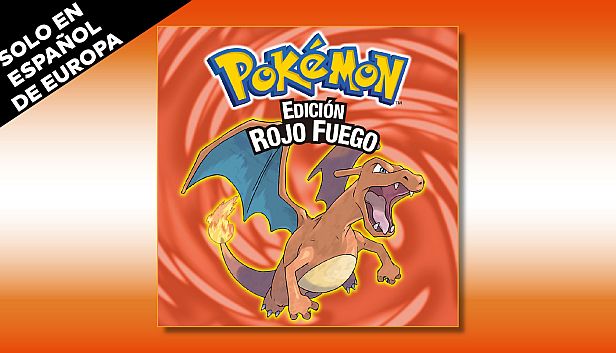



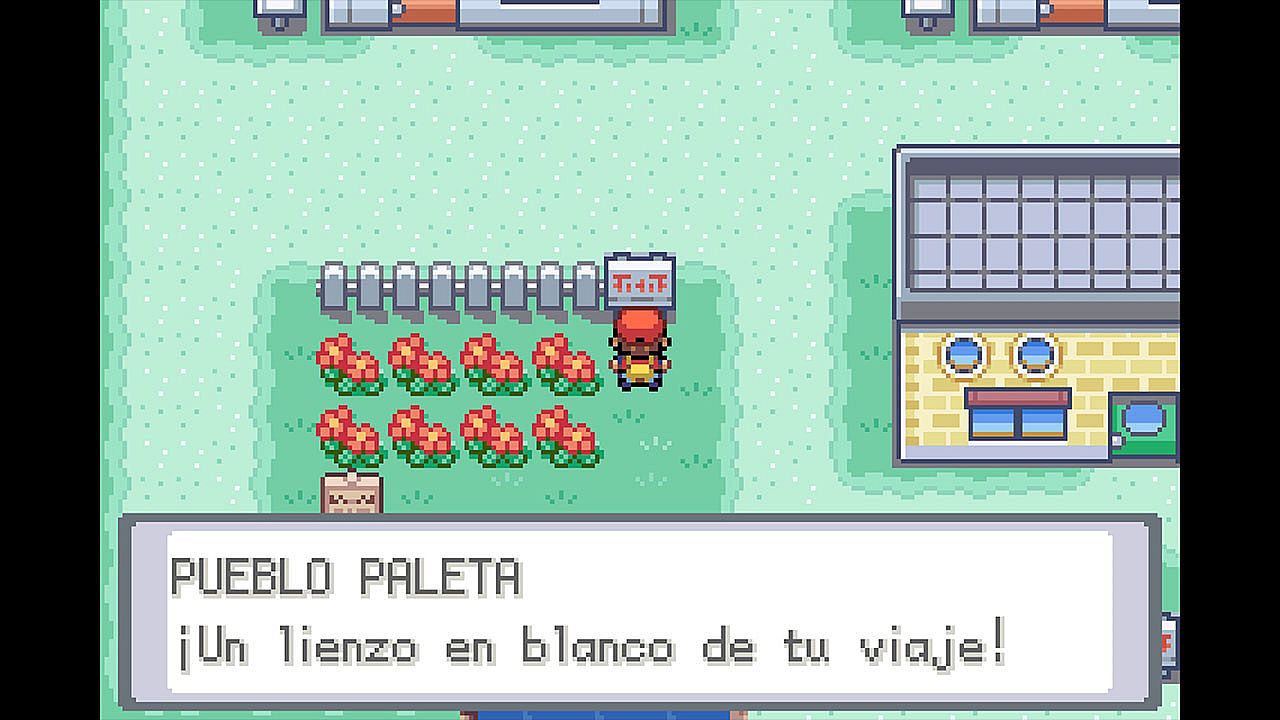
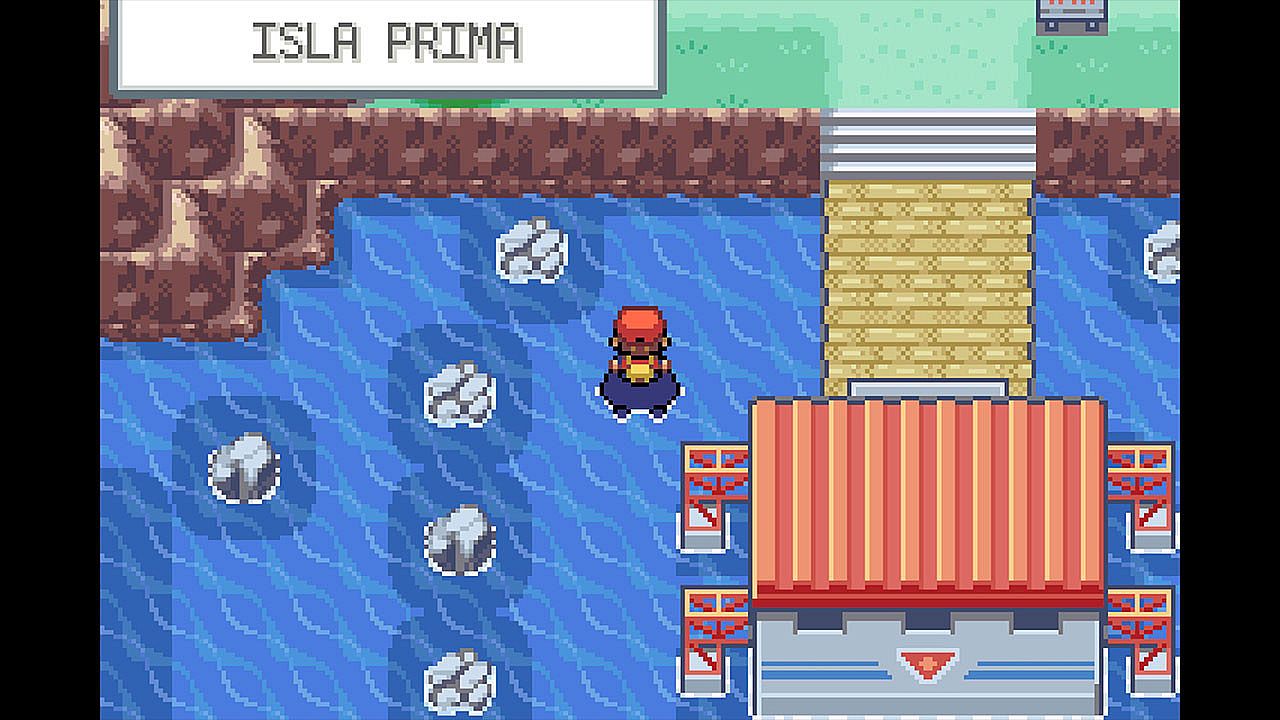
Pokémon FireRed Version is a role-playing game that places players in the role of a trainer exploring the Kanto region. Released as a digital title on Nintendo Switch, this version delivers the core experience of catching, training, and battling Pokémon in a turn-based format. The game centers on building a team, advancing through gyms, and completing the Pokédex while following a structured story path across towns and routes.
Gameplay
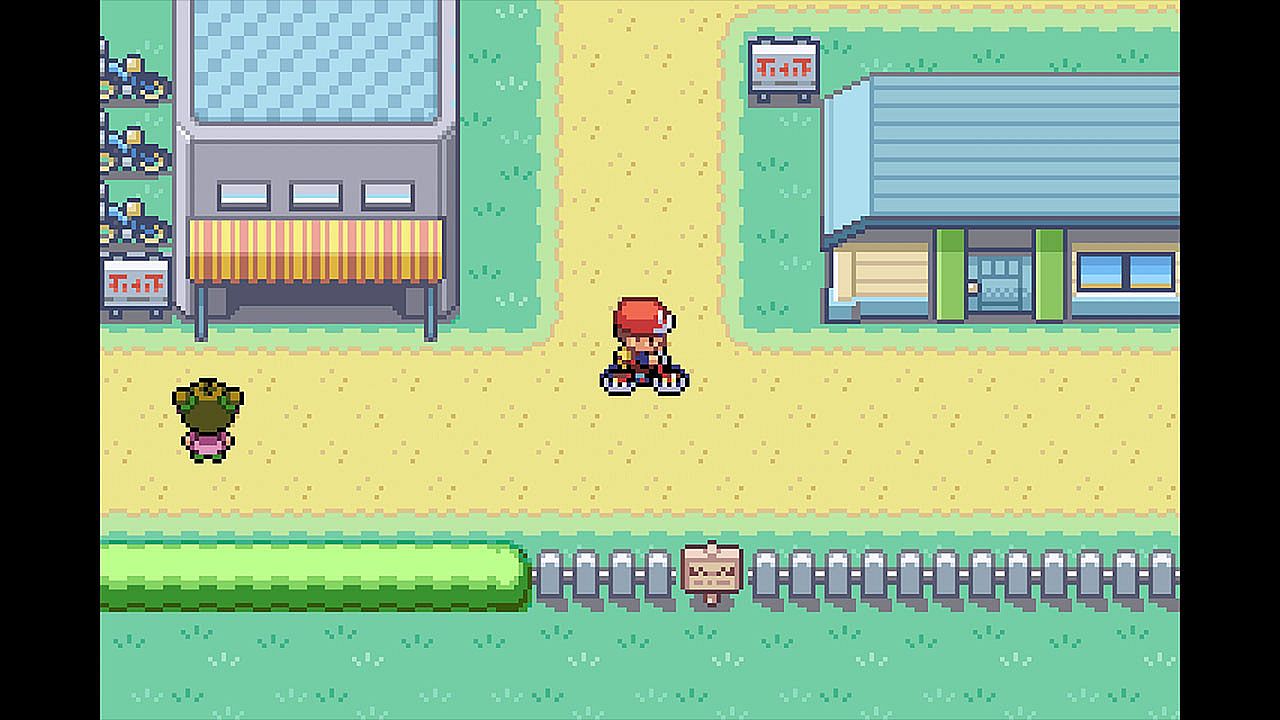
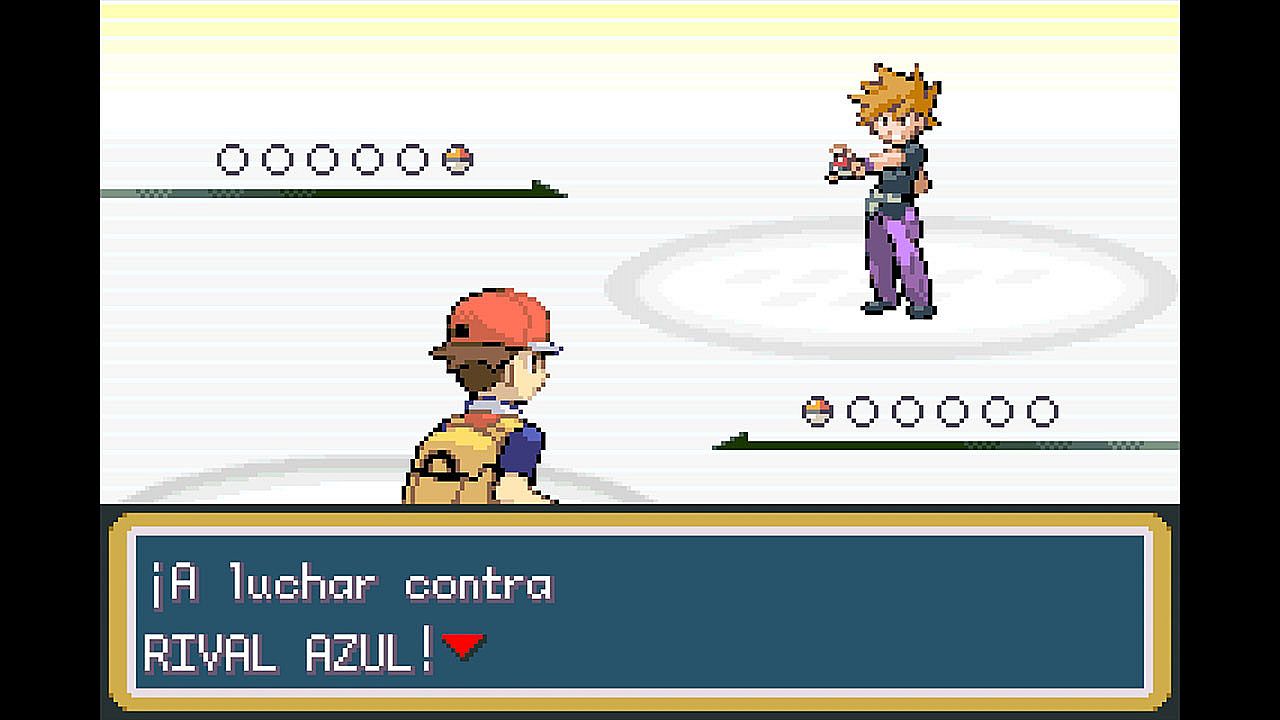
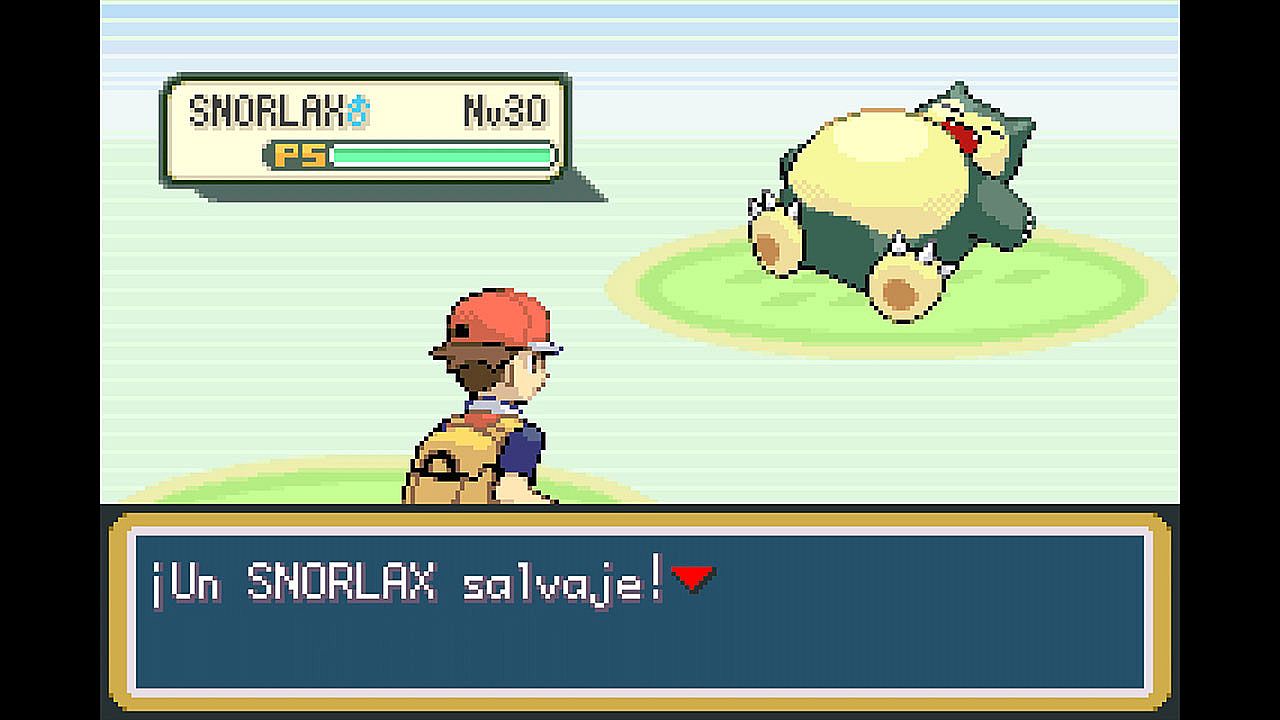
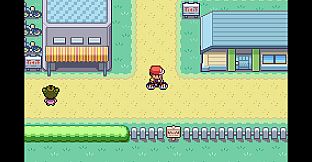
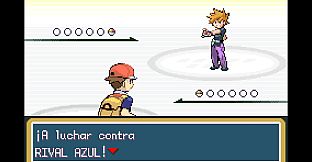
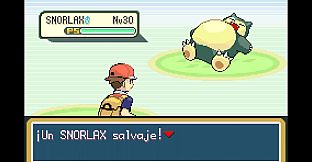
Players start by selecting a starter Pokémon and then move through the Kanto region on foot or by using various transportation methods unlocked later. Exploration involves navigating routes filled with wild Pokémon encounters that trigger random battles. Each battle uses a menu-driven system where trainers issue commands such as attacking, switching Pokémon, or using items. Status effects, type matchups, and move sets influence outcomes, requiring strategic choices during fights against wild creatures and opposing trainers.
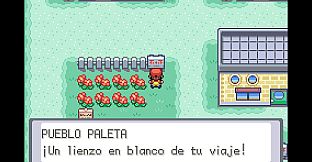
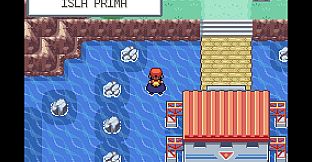
Progression ties directly to collecting badges from gym leaders, each presenting a specialized team of Pokémon. Between battles, players manage their party at Pokémon Centers for healing and interact with NPCs for side information or minor tasks. The Pokédex tracks captured species, encouraging repeated exploration of different areas to encounter new types. Inventory management covers items like Poké Balls for captures, potions for recovery, and key items that unlock new paths or abilities.
Game Modes
The primary experience revolves around the single-player campaign that follows the main story from the starting town through the Elite Four challenge. This mode emphasizes sequential gym battles and region-spanning travel with no branching narrative paths. Additional activities include optional encounters with legendary Pokémon and filling out the Pokédex through targeted searches in specific habitats.
Multiplayer elements allow local connections for trading Pokémon or battling other players using compatible hardware. These features support direct exchanges and competitive matches without requiring an internet connection in the base setup. No seasonal events or ongoing content updates alter the core structure after launch.
Key Mechanics
Core systems include experience point distribution after battles that levels up Pokémon and unlocks new moves. Breeding mechanics from earlier entries are absent here, keeping focus on capture and training. Hidden items scattered across the map reward thorough searching, while the day-night cycle affects certain encounters and NPC availability in limited ways. Type advantages remain central, with 17 elemental categories dictating damage multipliers in every fight.
Save points at Pokémon Centers preserve progress, and the game supports multiple save slots for starting fresh teams. No procedural generation or randomized elements change the fixed map layout or trainer placements across playthroughs.
Is It Worth Playing?
This release suits players who enjoy methodical, single-player RPG progression centered on collection and tactical battles. The straightforward structure appeals to those revisiting classic mechanics without modern additions like open-world elements or real-time combat. Recent sales figures exceeding four million units shortly after release reflect strong interest from fans seeking the original Kanto adventure on current hardware.
Limitations include the absence of expanded online connectivity found in later Pokémon titles, which restricts multiplayer to local sessions only. The fixed price point draws some commentary on value compared to bundled classic collections. For trainers who prefer deliberate pacing and deep team-building in a contained region, the game delivers a complete, self-contained experience that stands on its established systems.